



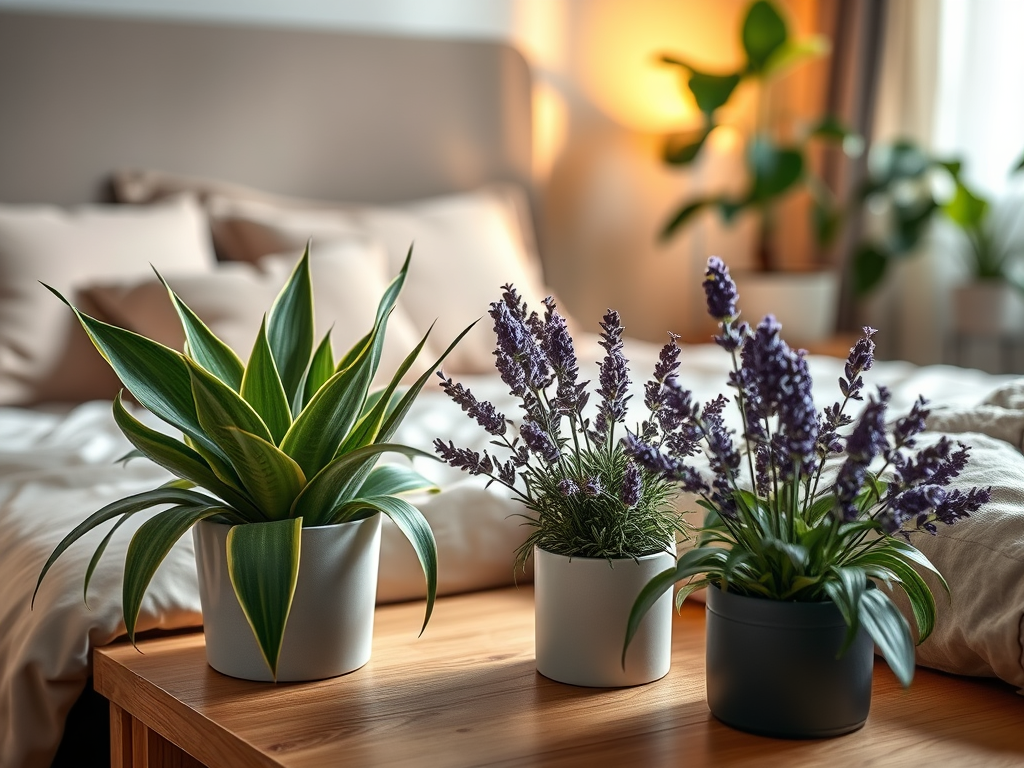
Are you not sleeping well? You’re definitely not alone. Whether it’s racing thoughts, stuffy air, or the blue glow of your phone, a lot can get in the way of a good night’s sleep. But one thing that often gets overlooked is bedroom greenery.
According to RHS, adding the right plants for sleep to your room can have a powerful effect, not just on how you sleep, but also on how you feel during the day.Some plants purify the air. Others help calm your mind. And a few even release oxygen while you sleep.
This article will look at ten of the best low-maintenance bedroom plants that improve air quality, ease anxiety, and help you switch off. If you’re building a healthier sleep environment, this is an excellent place to start.
Do Plants Really Improve Air Quality While You Sleep?
Yes, certain houseplants can genuinely improve air quality while you sleep, making your bedroom a healthier place to rest. According to studies, including NASA’s Clean Air Study, plants like snake plant, peace lily, and aloe vera can filter out common indoor pollutants such as formaldehyde, benzene, and carbon monoxide.
Some, like the snake plant and aloe vera, are especially useful because they release oxygen at night unlike most plants that only do so during the day. This can lead to better airflow, fewer sleep disturbances, and a generally calmer breathing environment, particularly in modern UK homes where windows are often kept shut. While plants won’t replace a ventilation system, they’re a simple, natural, and visually calming way to support cleaner air and better sleep.
Why Do Plants Help With Sleep?
Let’s break it down. Plants aren’t magic, but they do a few simple things well:
They clean the air – Certain varieties remove toxins like formaldehyde, benzene, and even mould spores. You’ll breathe easier, especially in modern homes where windows stay shut most of the year.
They give off oxygen – Some houseplants release oxygen at night, improving airflow in your bedroom and reducing sleep disturbances.
They ease stress – Just being near greenery can be calming, according to Mind.org.uk. Plants reduce cortisol levels, and some even give off scents that naturally lower your heart rate.
And let’s be honest coming home to a room that feels fresh, clean, and alive makes it easier to relax.
The Sleep-Boosting Plant List (No Green Thumb Required)
These plants were picked not just for their sleep benefits, but also for being realistic. You don’t need a background in botany to keep them alive.
1. Snake Plant
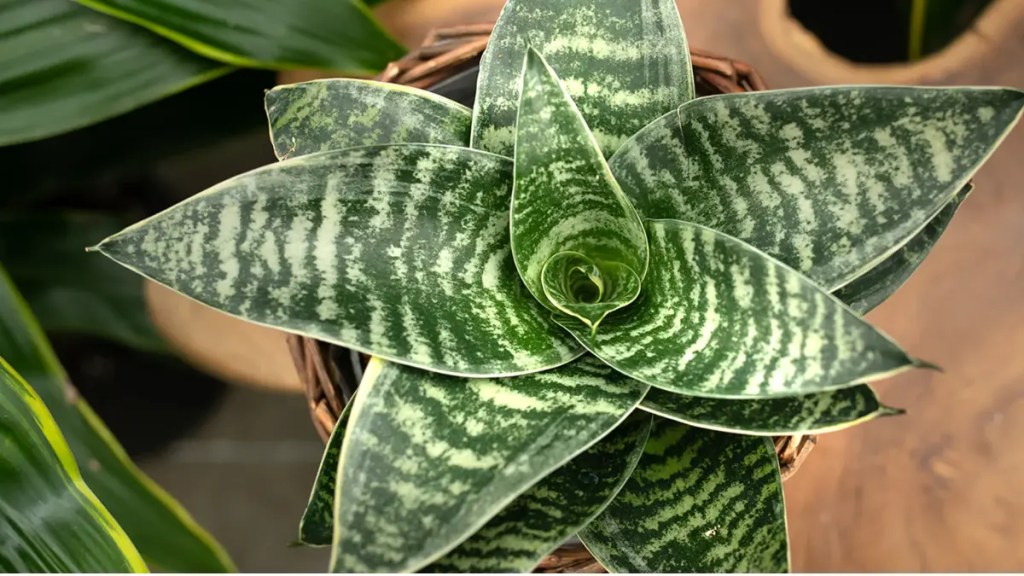
Why it helps: It emits oxygen at night and removes toxins
Good for: Busy people, forgetful waterers
Care level: Practically bulletproof – water once every couple of weeks
With its upright leaves and sculptural look, the snake plant fits into any style of room. It’s a brilliant pick if your bedroom doesn’t get much sunlight perfect for UK winters.
2. Jasmine

Why it helps: Its natural fragrance reduces anxiety and promotes deep sleep
Good for: Light sleepers, stress-prone minds
Care level: Medium – likes regular misting and indirect light
One study even found that jasmine helps people fall asleep faster and feel more alert in the morning. A proper multitasker.
3. Lavender
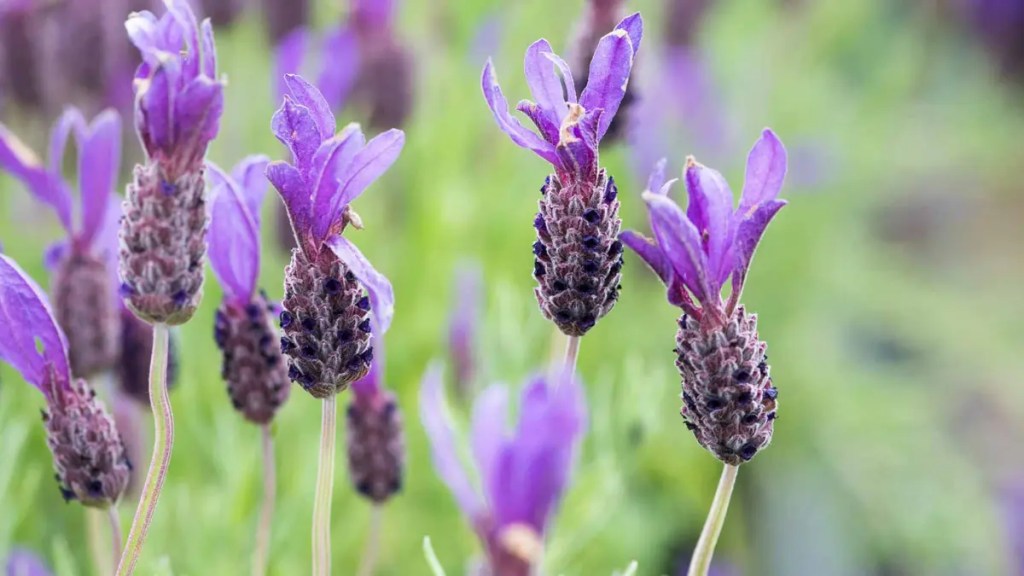
Why it helps: Calms the nervous system with a subtle scent
Good for: Those who struggle to unwind at night
Care level: Needs bright light and good drainage
Lavender is often used in pillow sprays and bath oils, but having the actual plant by your bed adds an extra layer of calm to your sleep setup.
4. ZZ Plant

Why it helps: Cleans indoor air and tolerates pretty much anything
Good for: Low-light rooms and people who forget to water
Care level: Easy – water sparingly and let it do its thing
It doesn’t flower or scent the air, but the ZZ plant earns its place by being low-effort and visually striking great for modern spaces.
5. Peace Lily
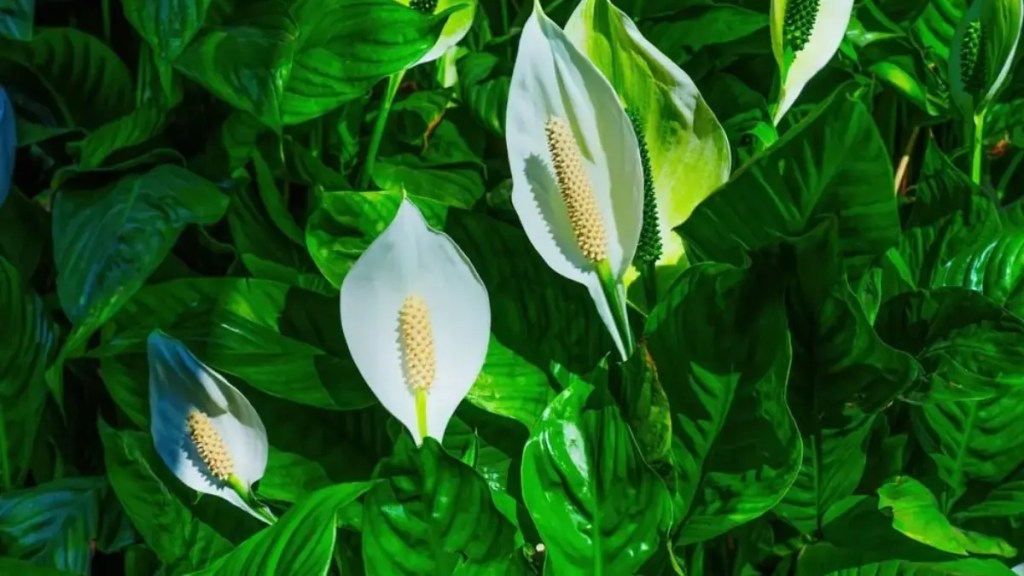
Why it helps: Purifies the air and boosts humidity
Good for: Those with allergies or dry skin
Care level: Medium – keep the soil damp and avoid direct sunlight
This one’s great if you live in a flat with dry air. Its air-purifying abilities are well-documented, including by NASA’s Clean Air Study.
6. English Ivy

Why it helps: Reduces mould and airborne allergens
Good for: Smaller bedrooms or shared rooms
Care level: Needs occasional pruning and a bright spot
Hang it from a shelf and let it trail down for a gorgeous, cottagecore touch. A favourite in older UK homes where damp is a concern.
7. Aloe Vera

Why it helps:It emits oxygen at night and looks sleek
Good for: Minimalist bedrooms
Care level: Very easy – water every few weeks, give it some sun
Aloe does double duty: it purifies air and acts as a natural remedy for burns or dry skin. Plus, it never clashes with your decor.
8. Spider Plant
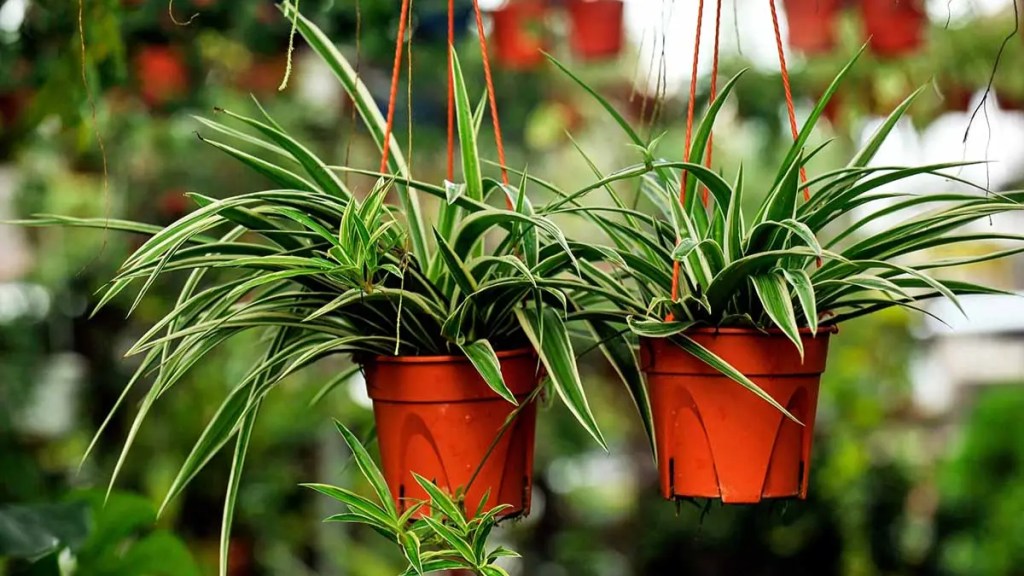
Why it helps: Fights indoor pollution and increases oxygen
Good for: First-time plant parents
Care level: Super low maintenance – tolerates neglect
It also produces little “baby” plants you can snip off and pot elsewhere. Very satisfying.
9. Areca Palm

Why it helps:It adds humidity and clears carbon dioxide
Good for: Dry homes with central heating
Care level: Moderate – likes regular watering and bright light
This one adds a lush feel to any room. Think calming, resort vibes without the price tag.
10. Valerian
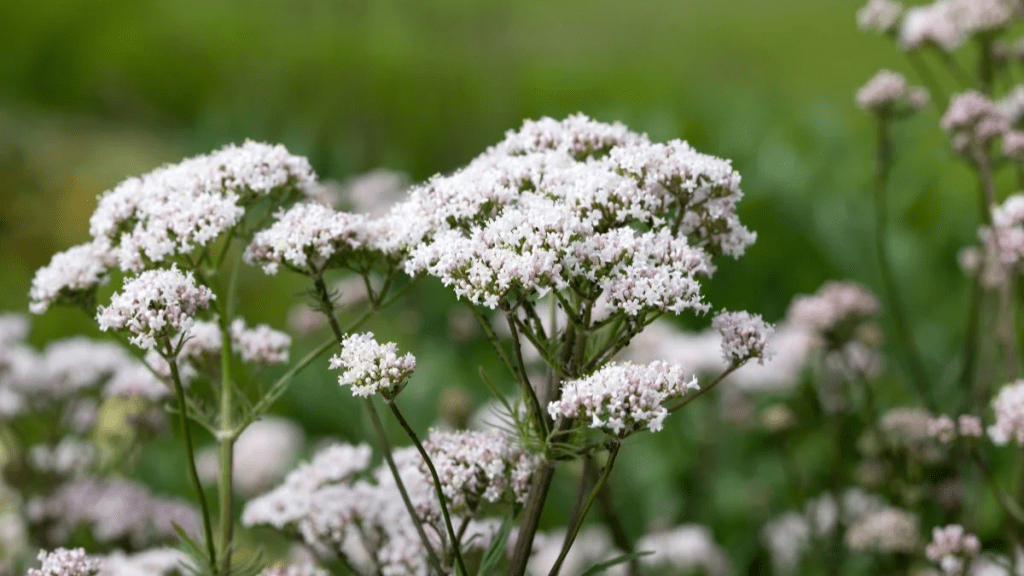
Why it helps: The scent of its flowers has a sedative effect
Good for: People who struggle to stay asleep
Care level: Slightly fussy – needs full sun and good drainage
It’s less common indoors, but definitely worth a try if you want something beyond the usual lavender and jasmine.
Styling Tips: Make It Work in Your Space
Your bedroom shouldn’t feel like a greenhouse. Even one or two well-chosen plants can completely change the feel of the space.
- Go vertical: Use floating shelves or hang ivy to save space
- Choose calming colours: Pair green plants with soft beige, grey, or white pots
- Keep it tidy: Don’t overdo it. You want serenity, not a jungle
- Pair with proper sleep gear: Plants can’t fix an uncomfortable bed
Speaking of which, if your mattress is old, noisy, or just not cutting it, it might be time to upgrade. At LuxeMattresses, we design sleep surfaces that support deeper rest and look great in any bedroom. Explore our mattress collection for calm environments or check out our guide to improving sleep quality.
Why Plants + Mental Health Go Hand in Hand
This isn’t just about sleep. The act of nurturing a plant watering it, seeing new leaves can be grounding and therapeutic. Mind.org.uk encourages nature connection as a way to manage stress, depression, and overwhelm.
You don’t need a garden to benefit. Even a single plant on your windowsill gives you something to connect with. And when it’s part of your bedroom, it reinforces the idea that the room is for rest, not scrolling or stressing.
Combine with a Thoughtful Sleep Routine
Plants are one piece of the puzzle. To make the most of their benefits, combine them with good sleep habits:
- Switch off screens an hour before bed
- Keep lighting soft in the evenings
- Use blackout curtains or an eye mask
- Stick to a consistent sleep time
- Choose a supportive mattress that suits your sleep position
LuxeMattresses offers solutions tailored to all of the above whether you sleep hot, need back support, or just want something that fits your minimalist, plant-filled haven. Find your perfect mattress here.
Final Thoughts
Bringing a few plants for sleep into your bedroom won’t solve everything, but it can absolutely help. Cleaner air, a calmer mind, and a cosier space are all steps in the right direction. Start simple. Add one plant. See how it feels. Then layer in more when you’re ready.
Because in the end, better sleep doesn’t always come from big changes. Sometimes it starts with something as small as a single leaf.
FAQs
Lavender, snake plant, jasmine, and peace lily are excellent choices for air quality and relaxation.
Yes. Some remove toxins and release oxygen, especially the snake plant, aloe, and spider plant.
Some, like peace lily and ivy, are toxic if ingested. Stick to a spider plant or a palm if you’ve got furry companions.
Absolutely. ZZ plants, snake plants, and spider plants all tolerate low light, which is great for UK winters.
Start with one or two. Too many might raise humidity or feel cluttered. Keep it calm and balanced.

Giulia is a content writer at Luxe Mattresses, where she blends her background in product development with a passion for sleep science and design. A graduate of Imperial College London, Giulia studied Product Development & Entrepreneurship, giving her a strong foundation in how everyday products like mattresses & impact human well-being.
At Luxe, she focuses on writing informative, user-friendly blogs that explore everything from mattress comparisons and sleep quality tips to innovations in bedding technology. Giulia is especially passionate about helping readers make smarter choices when it comes to comfort, health, and bedroom design.