


Estimated reading time: 5 minutes
Sleep and Mattress writing Expert
Marie Soukup
Table of contents
- Why Mattress Transparency Should Matter to You
- 1. What Materials Are Really Inside This Mattress?
- 2. Where Was the Mattress Manufactured and Assembled?
- 3. What Certifications or Testing Does It Have?
- 4. What Warranty Terms Are Offered—and What’s Hidden in the Fine Print?
- 5. What’s the Trial Period and Return Policy?
- Sleep Smarter, Ask Bolder
- FAQs
Many mattress companies count on the fact that most consumers won’t ask the right questions. But buying a mattress is an investment in your health and wellbeing — and cutting corners with cheap materials, poor craftsmanship, and lack of transparency shouldn’t be acceptable. High standards in quality and honesty should be the norm, not the exception.
Buying a new mattress should be exciting—a fresh start for better sleep and better health. Yet, far too often, shoppers are left sorting through vague promises and glossy marketing with very few real answers. Simply put, they are not informed, then mattress purchases become difficult.
If you’re preparing to upgrade your sleep setup, here are five critical mattress buying questions you should be asking—plus why brands like Luxe Mattresses are setting a refreshing new example for openness and honesty in the industry.
Why Mattress Transparency Should Matter to You
You’re not just purchasing a product—you’re choosing what your body will rest on for the next several years, night after night.
Mattress transparency simply means companies are open about what’s inside their mattresses, where those materials come from, how the products are made, and what consumers can expect over time.
Without transparency, you’re often left guessing about hidden fillers, manufacturing shortcuts, and fine print you didn’t catch until it’s too late. Asking questions now so you can make an informed mattress purchase and enjoy years of better sleep.
1. What Materials Are Really Inside This Mattress?
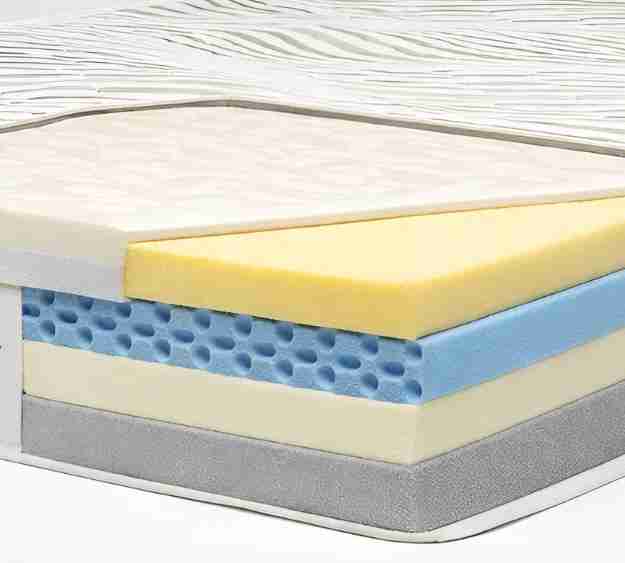
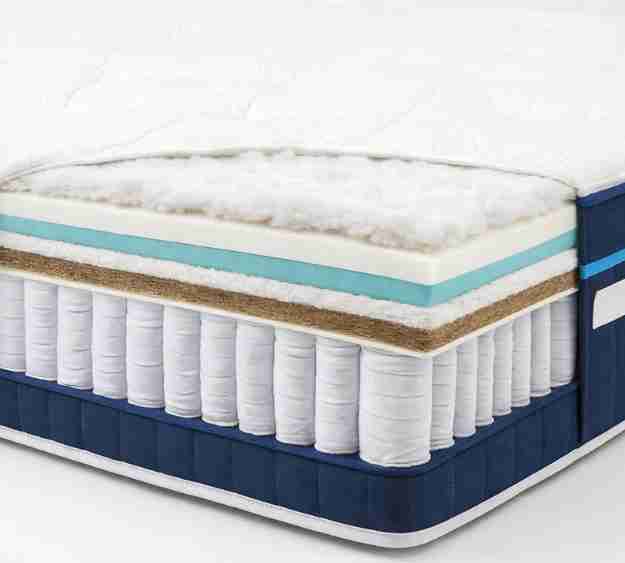
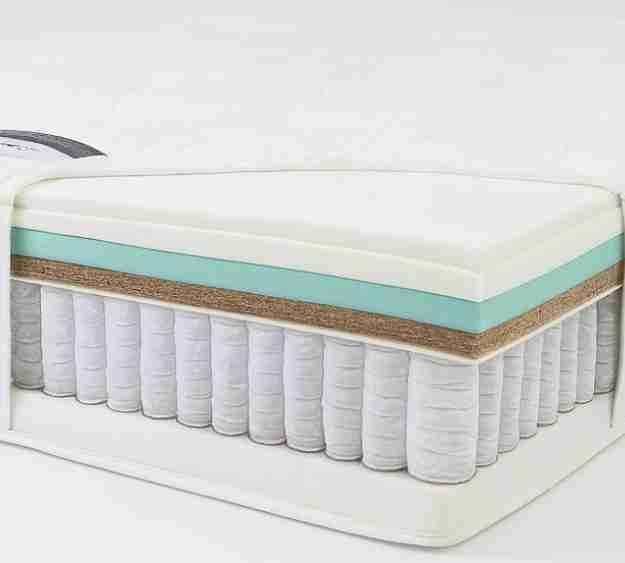
A label that says “foam” or “latex” doesn’t tell you nearly enough. You deserve to know what’s inside—from the density of the foam to the sourcing of natural fibres, to understand properly about the production and features of memory foam.
Some companies quietly mix lower-quality materials to cut costs, hoping you won’t notice the difference until much later. High-end brands, on the other hand, proudly disclose their ingredients.
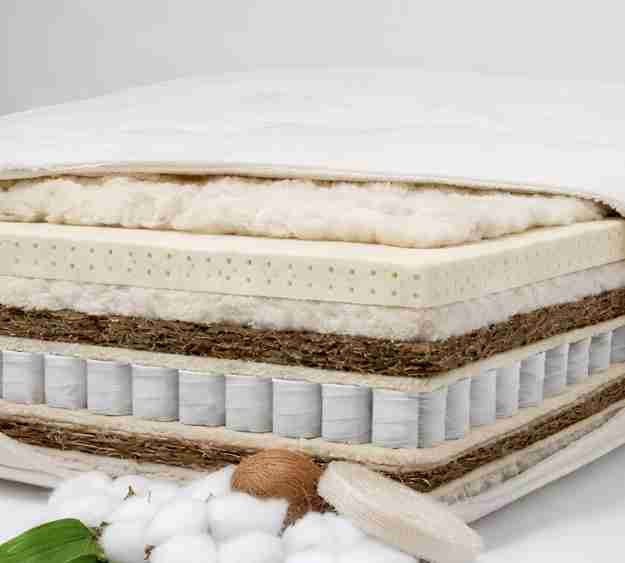
Take a look at Luxe’s Organic Hybrid Mattress, for example. Luxe mattress insights demonstrate its use of sustainable latex, organic wool, and certified natural materials, giving buyers full confidence about what they’re sleeping on. This level of transparency, especially around mattress materials UK standards, is exactly what you should expect.
2. Where Was the Mattress Manufactured and Assembled?
Global shipping and mass production have created a complex web of suppliers. Sometimes, a mattress labelled “British” might only be assembled locally with imported, lower-quality parts.
Asking where your mattress is actually made ensures you’re supporting ethical practices and consistent craftsmanship.
Brands focused on quality invest in production standards designed for the UK market, prioritising health and safety regulations specific to British consumers.
3. What Certifications or Testing Does It Have?
It’s not enough for a mattress to “feel” good out of the box. True quality—and health safety—are proven through certifications.
Ask whether the mattress has been tested for things like chemical emissions (VOC levels) or fire safety compliance. Certifications like CertiPUR-US® or GOTS matter, especially if you’re eco-conscious or have health sensitivities.
4. What Warranty Terms Are Offered—and What’s Hidden in the Fine Print?
Warranties often sound generous—”10 years!” or even “lifetime!”—until you dig into the restrictions.
Many warranties are full of caveats, covering only certain types of defects, excluding everyday wear, or prorating benefits after just a few years.
When shopping, insist on reading the full warranty details. Look for brands that provide straightforward explanations without the usual legal smoke and mirrors.
5. What’s the Trial Period and Return Policy?
One of the most crucial mattress-buying questions you can ask is about the trial period. After all, you can’t truly know how a mattress will feel until you’ve slept on it for several weeks.
Companies that genuinely believe in their products offer flexible trials with clear, low-hassle return policies. Luxe mattress insights offers customers a 100-night trial, allowing customers to truly test comfort and support without the fear of being stuck with a bad fit.
Good brands know that confident buyers are happy buyers—and they make sure their policies reflect that.
Sleep Smarter, Ask Bolder
The next time you’re mattress shopping, bring your questions with you. You have every right to know what you’re buying, how it was made, and what happens if it doesn’t meet your expectations.
Remember: asking the tough questions now leads to sweeter dreams later. Choose brands that reward your curiosity—not ones that hide behind flashy advertising.
Because when it comes to something as essential as sleep, you deserve nothing less than the full truth.
FAQs
2. What Is the Actual Firmness Level, and How Is It Measured?
Terms like “medium-firm” can be subjective and vary between brands. Understanding the specific firmness rating, often measured on a standardized scale, can help you compare options more effectively. Some companies provide detailed breakdowns of their mattress firmness levels, assisting you in selecting a mattress that aligns with your comfort preferences.
2. What is the return process really like?
Trial periods often sound generous—“100 nights risk-free!”—until you try to return it. Some brands charge hefty pickup fees, only offer store credit, or require the mattress to be in “perfect condition.” Always ask: What are the real return costs? Will I get a full refund?
3. Is the Mattress Suitable for My Sleeping Position?
Different sleeping positions require varying levels of support and cushioning. Side sleepers may need softer surfaces to alleviate pressure on hips and shoulders, while back and stomach sleepers often benefit from firmer support. Assessing whether a mattress caters to your specific sleeping position can enhance sleep quality and reduce discomfort.
4. How sustainable is the entire product lifecycle?
Eco-friendly foam doesn’t mean the whole mattress is green. Ask about the manufacturing process, packaging waste, and whether old mattresses are responsibly recycled. Companies that truly value sustainability—like Luxe—focus on sourcing, production, and disposal with minimal environmental impact.
5. Can I customize firmness or components later?
Most mattresses lock you into a single feel. But your needs might change—injury, pregnancy, aging, or weight fluctuations can impact comfort. Look for modular designs or brands that allow firmness adjustments over time.

Marie Soukup
Marie Soukup is a seasoned senior copywriter and editor who’s written for global brands like Virgin Australia, blending storytelling and strategy to create content that connects. She’s passionate about bringing ideas to life across the travel, lifestyle, and business worlds.

Marie Soukup is a seasoned senior copywriter and editor who’s written for global brands like Virgin Australia, blending storytelling and strategy to create content that connects. She’s passionate about bringing ideas to life across the travel, lifestyle, and business worlds.