Estimated reading time: 8 minutes
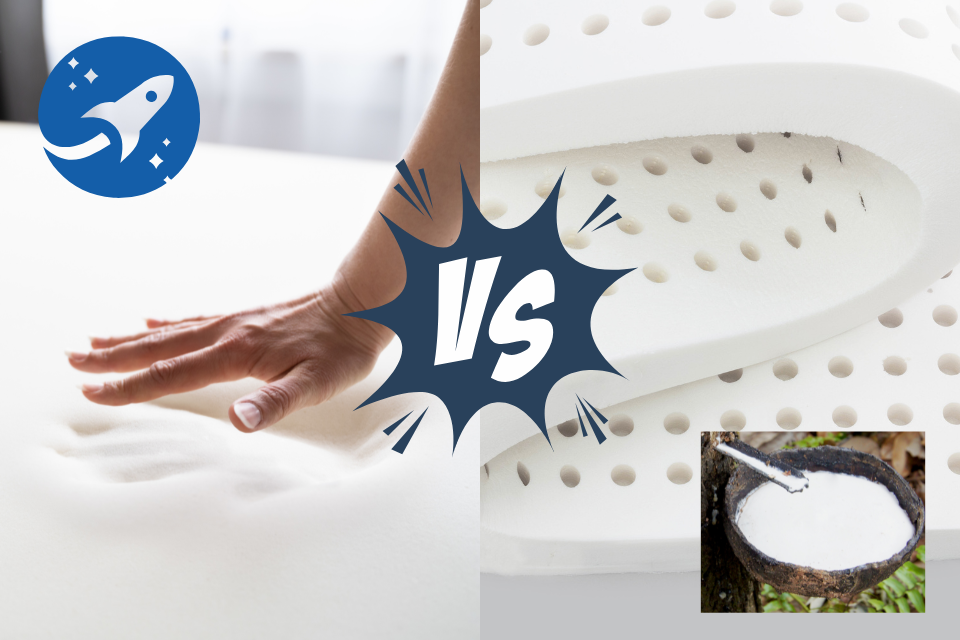
If you’ve ever woken up feeling sore, overheated, or just plain exhausted, your mattress could be to blame. With countless options on the market, choosing the right one is overwhelming. Among the most debated contenders are latex mattresses and memory foam mattresses.
While memory foam has long been a favourite due to its contouring properties, latex mattresses are gaining attention for their natural materials, breathability, and durability.
This guide aims to demystify the latex vs. memory foam debate and show you 7 compelling reasons why latex is the smarter, healthier, and more sustainable choice for your sleep sanctuary.
If you do not want to read the whole article, then here is a detailed comparison of Latex and Memory Foam features to give you a better understanding.
| Feature | Latex Mattress | Memory Foam Mattress |
|---|---|---|
| Material Origin | Natural (from rubber tree sap); also available in synthetic versions | Fully synthetic (petroleum-based polyurethane foam) |
| Sustainability | Highly sustainable & biodegradable (natural latex) | Non-renewable and not biodegradable |
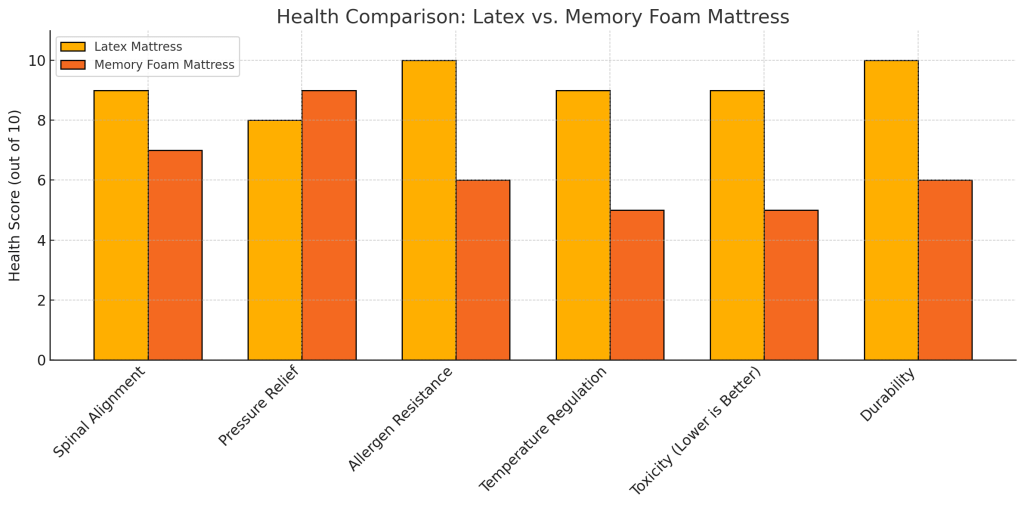
| Temperature Regulation | Excellent – naturally breathable and cool | Poor – tends to trap heat |
| Feel / Responsiveness | Buoyant, supportive, and responsive | Slow response, “sink-in” feel |
| Motion Isolation | Good (moderate bounce) | Excellent (absorbs movement well) |
| Durability / Lifespan | 15–20+ years (natural latex) | 7–10 years |
| Spinal Support | Consistent support with good pushback | Conforms closely, but may lack resilience for spinal support |
| Allergen Resistance | Naturally hypoallergenic, resists dust mites and mold | Prone to trapping moisture and allergens without proper care |
| Off-Gassing / VOC Emissions | Minimal (especially GOLS or OEKO-TEX certified) | Common due to chemical components |
| Environmental Impact | Low (especially with organic materials) | High due to petrochemical content |
| Weight / Portability | Heavier (denser and more durable) | Lighter (but may degrade faster) |
| Maintenance | Requires less frequent rotation; naturally antimicrobial | Needs regular maintenance to avoid sagging and allergens |
| Price Range | Higher upfront cost, better long-term value | Generally more affordable upfront |
| Best For | Eco-conscious, hot sleepers, back pain, allergies, longevity seekers | Budget-conscious buyers, side sleepers, motion-sensitive couples |
Mattress Shopping Confusion: The Core Problem
Today’s mattress industry is a minefield of buzzwords—“pressure-relieving,” “cooling gel,” “zoned support,” “orthopedic”—that make decision-making difficult. As a buyer, you want a mattress that will improve your sleep quality, support your body, and last for years. Unfortunately, aggressive marketing often clouds real performance.
Let’s cut through the fluff and get to the foundation: What truly differentiates latex from memory foam, and why might latex be the better choice?
Memory Foam vs. Latex: What’s the Real Difference?
Before we compare benefits, it’s crucial to understand what you’re lying on.
Memory Foam
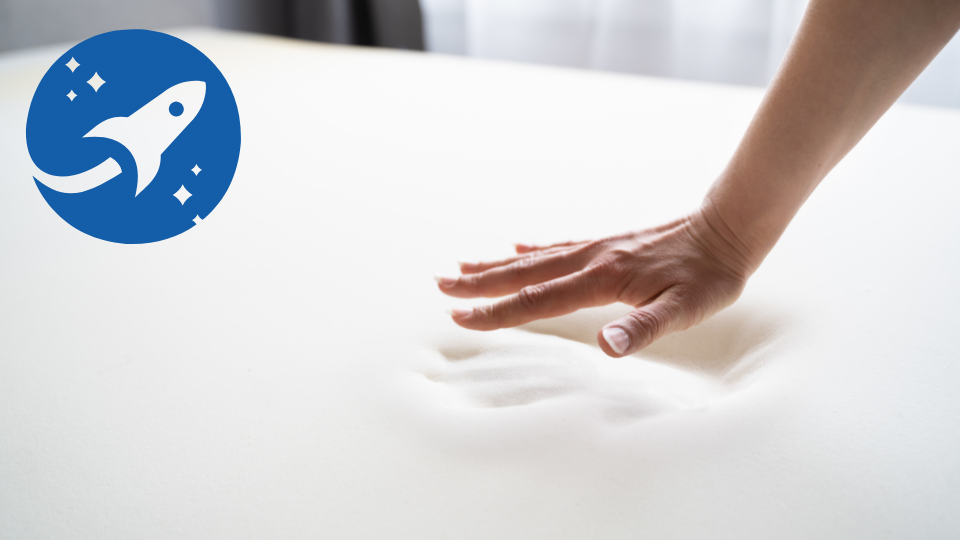
Developed by NASA, memory foam is a viscoelastic polyurethane foam that softens with heat and pressure, molding to the sleeper’s shape. It’s often touted for pressure relief and motion isolation, making it popular among couples.
Drawbacks include:
- Heat retention
- Chemical off-gassing
- Shorter lifespan
- A “sinking” feel that can make movement difficult
Latex
Latex can be natural, synthetic, or a blend. Natural latex comes from the sap of the rubber tree (Hevea brasiliensis) and is processed into foam via the Dunlop or Talalay method.
Advantages include: read the detailed version of latex mattress; see the top 10 health benefits of latex mattress.
- Natural, eco-friendly source
- High breathability
- Resilient and bouncy
- Excellent spinal support
- Hypoallergenic
Now let’s explore these advantages in depth.
What Is a Latex Mattress?
A latex mattress is composed of one or more layers of latex foam, which may be combined with other materials like organic cotton, wool, or coils. Natural latex mattresses are especially valued for their health and environmental benefits.

Types of Latex: Natural vs. Synthetic
- Natural Latex: Harvested sustainably from rubber trees; biodegradable, non-toxic, and long-lasting.
- Synthetic Latex: Made from petrochemicals to mimic latex’s properties but lacks durability and health benefits.
- Blended Latex: A mix of natural and synthetic latex, often used to lower costs.
Processing Methods: Dunlop vs. Talalay
- Dunlop Latex: Denser, more supportive. Ideal for base or firm layers.
- Talalay Latex: Softer, more breathable, consistent feel. Often used in comfort layers.
7 Reasons Latex Outperforms Memory Foam
1. Natural Origin and Sustainability
A standout advantage of latex mattresses is their eco-conscious construction. Natural latex is tapped from rubber trees without harming them, making it a renewable and biodegradable resource. Many latex mattresses are paired with organic wool and cotton, free from toxic adhesives or flame retardants.
In contrast, memory foam is derived from petrochemicals, a non-renewable resource, and often treated with synthetic additives.
Why It Matters:
- Reduces your environmental footprint
- Healthier indoor air quality
- Safer for families and pets
Latex mattresses = better for you, better for the planet.
2. Better Temperature Regulation
Sleep hot? Memory foam has a notorious downside: it traps heat. This happens because memory foam has a dense structure with limited airflow, and it retains body heat to mold more deeply.
Latex, on the other hand, has a naturally open-cell structure that enhances ventilation. Talalay latex especially is filled with tiny air pockets that encourage airflow and heat dispersion. Some latex mattresses go a step further with pinhole perforations and breathable covers made from organic cotton and wool.
Why It Matters:
- Cooler, drier sleep
- Less night sweating
- Fewer sleep disturbances
For hot sleepers, latex is the obvious winner, but if you really want a foam-based cool mattress, then you can check our Luxe Therm mattress; it hasLTX cooling gel with a 10-year warranty on the mattress and gel.
3. Responsive Feel Without the Sink-In
Memory foam’s deep contouring may feel like a hug to some but restrictive to others. Many people complain about feeling “stuck” in memory foam, especially if they shift positions at night.
Latex delivers a buoyant, springy response that supports your body without letting you sink in. This makes it easier to move and reposition, which is ideal for combination sleepers or those with mobility issues.
Why It Matters:
- More freedom to move
- No “quicksand” sensation
- Maintains energy and reduces grogginess
4. Longer Lifespan
Latex is widely recognized for its superior durability. A high-quality natural latex mattress can last 15 to 20 years or longer with minimal sagging. Memory foam, in comparison, typically lasts 7 to 10 years before it starts to develop permanent body impressions or lose support.
Why It Matters:
- Better return on investment
- Less frequent replacements = less waste
- Long-term comfort and performance
When it comes to longevity, latex easily outlasts memory foam.
5. Non-Toxic and No Off-Gassing
Memory foam mattresses often emit VOCs (volatile organic compounds) during the first few days after unboxing—a process called “off-gassing.” These compounds can cause respiratory irritation, headaches, and allergic reactions.
Natural latex is inherently low-VOC and chemical-free. Look for certifications like:
- GOLS (Global Organic Latex Standard)
- OEKO-TEX®
- eco-INSTITUT
Why It Matters:
- Cleaner indoor air
- No unpleasant smells
- Safe for sensitive individuals
If health and air quality are priorities, latex is the clear choice.
6. Superior Support for Spinal Alignment
While memory foam conforms closely, it lacks resilience. This means your spine might not get the support it needs, especially in the lower back and hips.
Latex provides a more balanced combination of contouring and pushback, ensuring your spine stays in a neutral position regardless of sleeping posture.
Why It Matters:
- Reduced risk of chronic back pain
- Improved posture and muscle recovery
- Consistent support throughout the night
Latex supports the body without compromising alignment.
7. Hypoallergenic Qualities
Natural latex is naturally resistant to dust mites, mold, mildew, and bacteria, making it a safe option for allergy sufferers. Its dense, inhospitable structure deters allergens from settling in.
Memory foam, especially when not ventilated well, can trap moisture and warmth—ideal conditions for allergens to thrive.
Why It Matters:
- Cleaner, healthier sleep environment
- Fewer allergy triggers
- Less need for chemical-based cleaning solutions
Latex promotes wellness by reducing exposure to common allergens.
Final Verdict: Which Is Right for You?
Choose a Latex Mattress If You:
- Prefer natural, non-toxic materials
- Sleep hot and want better airflow
- Need lasting durability and bounce
- Have allergies or chemical sensitivities
- Want long-term back support
Choose Memory Foam If You:
- Prefer deep contouring and motion isolation
- Sleep cold or live in a cooler climate
- Are budget-constrained (short term)
However, when you consider long-term comfort, health benefits, and environmental responsibility, latex emerges as the superior choice in most categories.
Call to Action: Shop LuxeMattresses’ Latex Collection
Ready to elevate your sleep experience? Explore the premium latex mattress collection from LuxeMattresses, designed for ultimate comfort, durability, and sustainability.
- 100% natural and certified latex
- Temperature-regulating organic wool and cotton
- Zoned support for optimal spine alignment
- Zero toxic off-gassing
- Hypoallergenic and eco-conscious
Shop now to discover why more and more sleepers are switching to latex—and never looking back.

I’m a professional sleep health and mattress content specialist with extensive experience writing about orthopedic mattresses, back pain relief, pressure-point support, and overall sleep comfort. I collaborate with industry research, sleep studies, and mattress performance insights to deliver accurate, trustworthy, and reader-focused content. I’m known for simplifying complex mattress technologies such as memory foam, motion isolation, and firmness levels, making them easy to understand for everyday buyers. My goal is to help readers choose mattresses that match their lifestyle, sleep posture, and health needs empowering them to achieve deeper, healthier, and pain-free sleep through informed decisions.