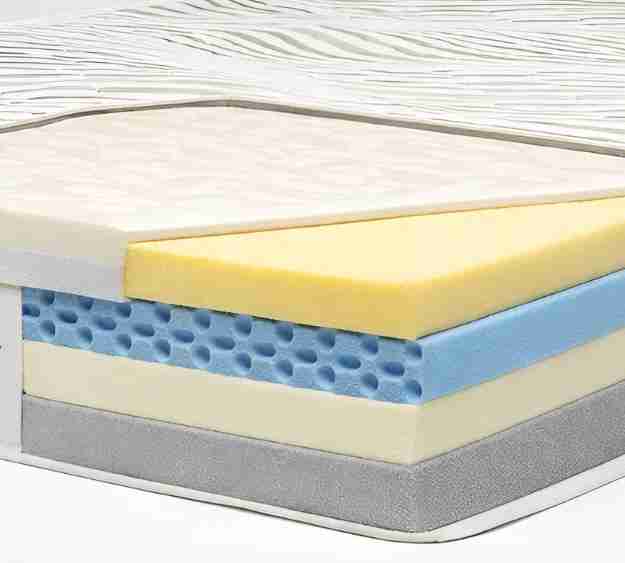
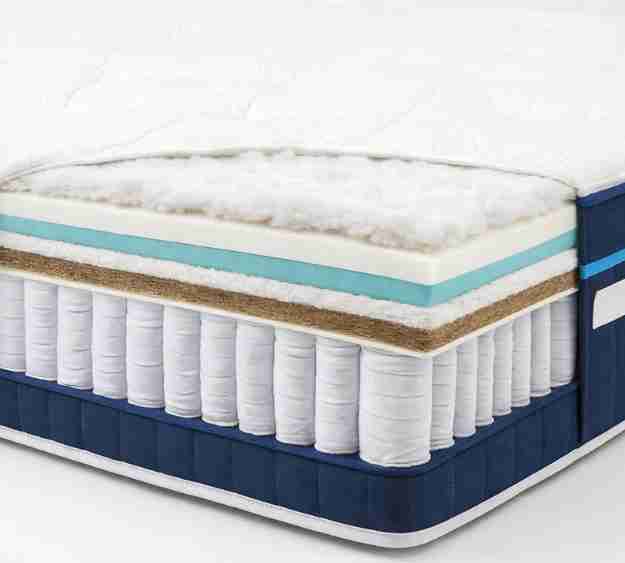
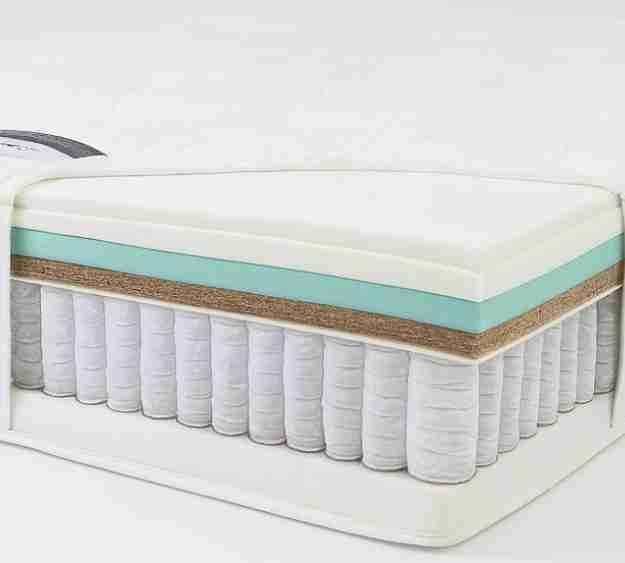
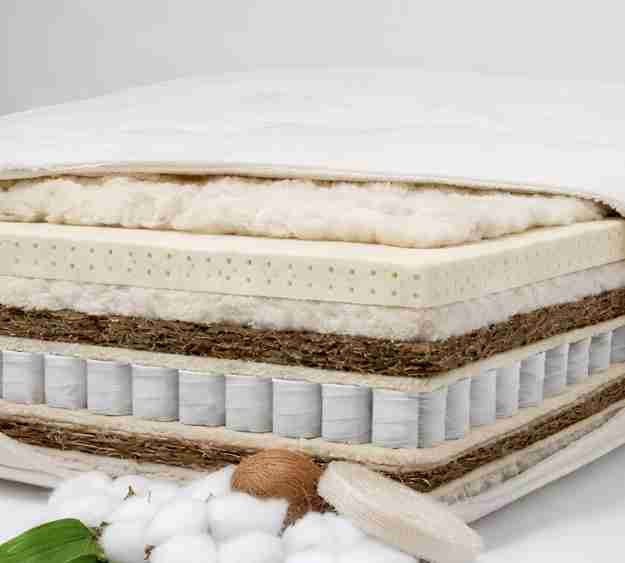

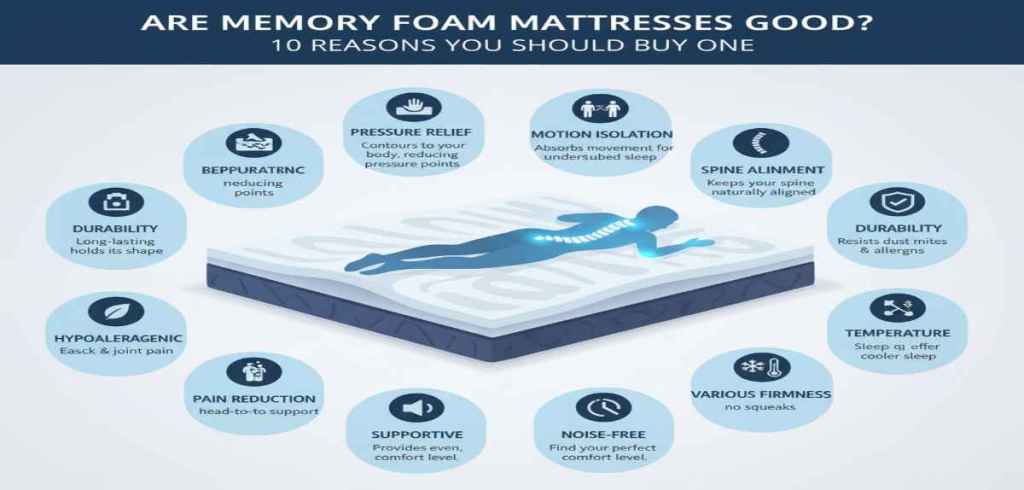
Many people wake up with stiff backs, uncomfortable pressure points, or restless sleep and often, the culprit is the mattress. A memory foam mattress made from viscoelastic foam molds to your body shape, offering tailored support and pressure relief.
Memory foam mattresses are gaining popularity because they offer excellent motion isolation, adapt well to different sleeping positions, and often help improve sleep quality. We’ll explore the top reasons to choose memory foam, how to maintain it, and answer common questions to guide your purchase.
What Is a Memory Foam Mattress?
A memory foam mattress is a type of mattress made from viscoelastic foam that molds to the shape of your body in response to heat and pressure. This unique material provides customized support by conforming closely to your curves, helping to improve comfort and reduce aches.
One of the standout features of a memory foam mattress is its excellent body contouring ability. It evenly distributes your body weight, which helps relieve pressure points, especially around the hips, shoulders, and joints. This makes it a popular choice for people seeking pain relief and enhanced sleep comfort.
How It Differs from Traditional Mattresses

Traditional mattresses typically use springs or standard foam layers that offer uniform support. In contrast, memory foam adapts dynamically to your body’s shape, providing targeted support where you need it most. When asked, “What is better, regular mattress or memory foam?”, many prefer memory foam for its pressure relief and reduced motion transfer, which leads to less disturbance during sleep.
10 Reasons Why Memory Foam Mattresses Are Good
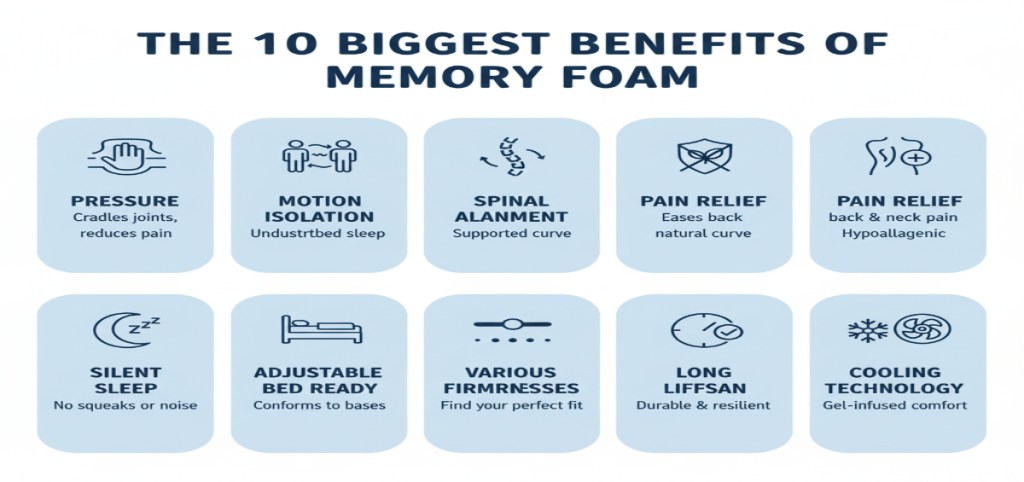
Memory foam mattresses are popular for their unique comfort and support. They contour to the body, providing personalized pressure relief and better spinal alignment. They also reduce motion disturbance and help with overheating. Here are ten reasons why memory foam mattresses remain a top choice.
1. Excellent Pressure Relief for Back, Neck, and Joints
Memory foam mattresses provide excellent pressure relief for back pain sufferers. They evenly distribute body weight, reducing stress on joints. This helps improve comfort and sleep quality significantly. Many find relief from neck and joint discomfort using memory foam.
2. Superior Motion Isolation for Couples
Memory foam excels in motion isolation, making it great for couples. When one partner moves, the other stays undisturbed. This mattress type absorbs movement efficiently to promote peaceful sleep. It’s ideal for light sleepers sharing the bed.
3. Adapts Perfectly to Body Shape for Personalized Comfort
What is a memory foam mattress? It molds perfectly to your body shape. This creates personalized comfort by supporting your natural curves. The contouring helps maintain proper spinal alignment throughout the night.
4. Helps Reduce Back and Neck Pain
Memory foam mattresses help reduce back and neck pain effectively. They support spinal alignment and relieve pressure points. Many users report less pain and better sleep quality. This mattress is highly recommended for those with discomfort.
5. Hypoallergenic and Dust Mite Resistant
Memory foam mattresses are naturally hypoallergenic and resist dust mites. This makes them suitable for allergy sufferers. The dense foam also discourages mold and bacteria growth. It creates a cleaner, healthier sleep environment.
6. Silent Sleep, No Squeaks or Noise
Unlike spring mattresses, memory foam is completely silent during use. There are no squeaks or creaks when moving in bed. This helps promote uninterrupted and peaceful sleep. Perfect for light sleepers or sensitive sleepers.
7. Available in Various Firmness Levels
Memory foam mattresses come in various firmness levels to suit all sleepers. From soft to firm options, everyone can find comfort. This variety supports different sleep positions effectively. You can choose what fits your needs best.
8. Long Lifespan with Proper Care
Memory foam mattresses typically last 7 to 10 years with care. Regular rotation and mattress protectors extend their durability. Many buyers ask, “What is the lifespan of a memory foam mattress?” Proper maintenance is key for long-lasting comfort.
9. Compatible with Adjustable Beds
Memory foam mattresses are flexible and work well with adjustable beds. You can raise or lower your head and feet comfortably. This mattress maintains support in any position chosen. Adjustable bed compatibility adds to memory foam’s appeal.
10. Cooling Technology Options

What is the coolest memory foam mattress? Many have cooling technology now. Features like gel infusion and breathable covers improve airflow. These help regulate temperature and prevent overheating during sleep.
How to Clean a Memory Foam Mattress
Knowing how to clean a memory foam mattress properly is essential to maintain its freshness and durability. Start by vacuuming the surface regularly to remove dust and debris. For stains, gently spot clean using a mild detergent mixed with water avoid soaking the foam. Use a clean cloth to blot the area and let it air dry completely.
Do’s include using mattress protectors to prevent dirt buildup and rotating the mattress every few months for even wear. Don’ts involve avoiding harsh chemicals, machine washing, or excessive moisture, as these can damage the foam. Following these simple steps will help keep your memory foam mattress clean and long-lasting.
Memory Foam vs Other Mattresses
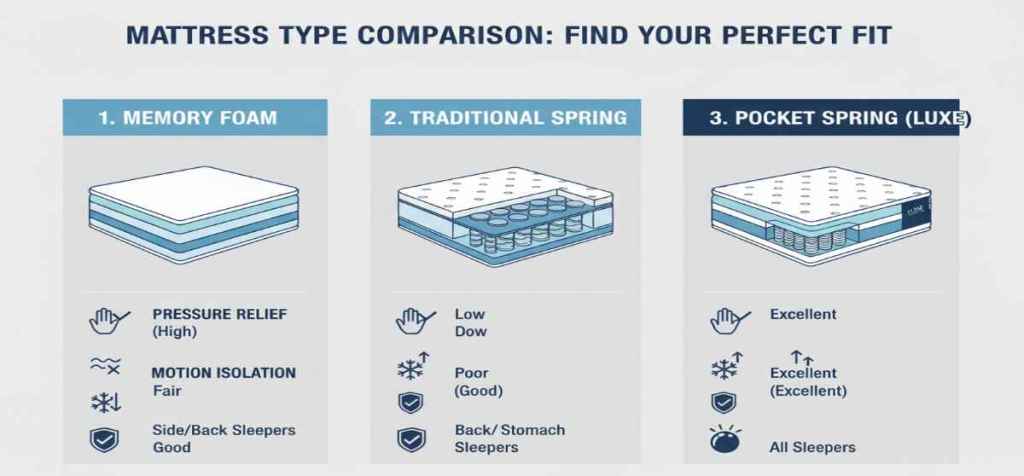
Choosing between memory foam and other mattresses depends on your sleep needs. Memory foam offers excellent pressure relief and body contouring, ideal for pain reduction. Regular innerspring mattresses provide more bounce and firmness but less support. Pocket spring mattress deliver strong support and airflow but may transfer more motion. Memory foam mattresses usually don’t need a box spring and work well on solid or slatted bases.
| Feature | Memory Foam Mattress | Regular Mattress (Innerspring) | Pocket Spring Mattress |
| Support | Contours to body, pressure relief | Firmer, less contouring | Strong support with targeted zones |
| Motion Isolation | Excellent | Poor to moderate | Moderate |
| Cooling & Airflow | Can retain heat, some with cooling | Good airflow | Better airflow |
| Durability | Long-lasting with care | Varies by quality | Generally durable |
| Need for Box Spring | Not usually required | Often recommended | Depends on foundation |
| Best For | Pain relief, side sleepers | Those preferring firm, bouncy feel | Combination sleepers, support seekers |
Common Concerns & Myths About Memory Foam Mattresses
One common question is, do memory foam mattresses get softer over time? Generally, memory foam maintains its firmness but may soften slightly with use as it adapts to your body. Proper care can help preserve its supportive qualities longer.
Another concern is heat retention. Memory foam can trap heat, making some sleepers feel too warm. However, many modern memory foam mattresses include cooling technologies like gel-infused foam or breathable covers to improve airflow and regulate temperature.
Initial odor or off-gassing is also a common myth. New memory foam mattresses may release a temporary chemical smell when unpacked. This usually fades within a few days in a well-ventilated room and poses no health risks.
How to Choose the Right Memory Foam Mattress
Choosing the right memory foam mattress requires careful consideration of comfort, support, and budget. Key factors like firmness, density, and thickness influence how well the mattress suits your sleeping style. Also, features such as cooling technology and certifications can improve your sleep quality and ensure safety. Finally, warranties offer protection and confidence in your purchase.
Factors to Consider:
- Firmness level based on your sleep position
- Foam density for durability and support
- Mattress thickness for comfort and longevity
- Budget range to narrow down options
Features to Look For:
- Cooling gels or breathable covers to prevent overheating
- Certifications like CertiPUR-US for safe materials
- Manufacturer warranty for peace of mind
Best Picks for Different Sleepers:
- Softer foam for side sleepers to relieve pressure points
- Medium-firm for combination sleepers for balanced support
- Firmer foam for back and stomach sleepers to maintain spinal alignment
Conclusion
Memory foam mattresses are an excellent choice for those seeking comfort, support, and pain relief. Their unique ability to contour to your body and evenly distribute weight helps reduce pressure on key areas like the back, neck, and joints. With superior motion isolation, hypoallergenic properties, and options for cooling technology, memory foam mattresses offer a well-rounded sleep experience that suits many sleepers.
Compared to traditional mattresses, memory foam provides targeted support and personalized comfort, making it especially beneficial for people with chronic pain or sensitive pressure points. While they may retain some heat, modern cooling features have greatly improved temperature regulation. Overall, with proper care, memory foam mattresses offer long-lasting durability and value, making them a smart investment for better sleep and overall well-being.
FAQs
Memory foam mattresses offer better pressure relief and body contouring, while regular mattresses provide more bounce and firmness. The best choice depends on your comfort needs and sleep style.
Yes, memory foam mattresses can improve spinal alignment, reduce pressure points, and relieve pain, making them beneficial for many sleepers.
The best mattress depends on your personal preferences, sleep position, and any health concerns. Memory foam is ideal for pressure relief, while innerspring suits those who prefer firmer support.
Most memory foam mattresses do not require a box spring and perform well on solid or slatted foundations. However, check the manufacturer’s recommendations for best support.

I’m a professional sleep health and mattress content specialist with extensive experience writing about orthopedic mattresses, back pain relief, pressure-point support, and overall sleep comfort. I collaborate with industry research, sleep studies, and mattress performance insights to deliver accurate, trustworthy, and reader-focused content. I’m known for simplifying complex mattress technologies such as memory foam, motion isolation, and firmness levels, making them easy to understand for everyday buyers. My goal is to help readers choose mattresses that match their lifestyle, sleep posture, and health needs empowering them to achieve deeper, healthier, and pain-free sleep through informed decisions.