
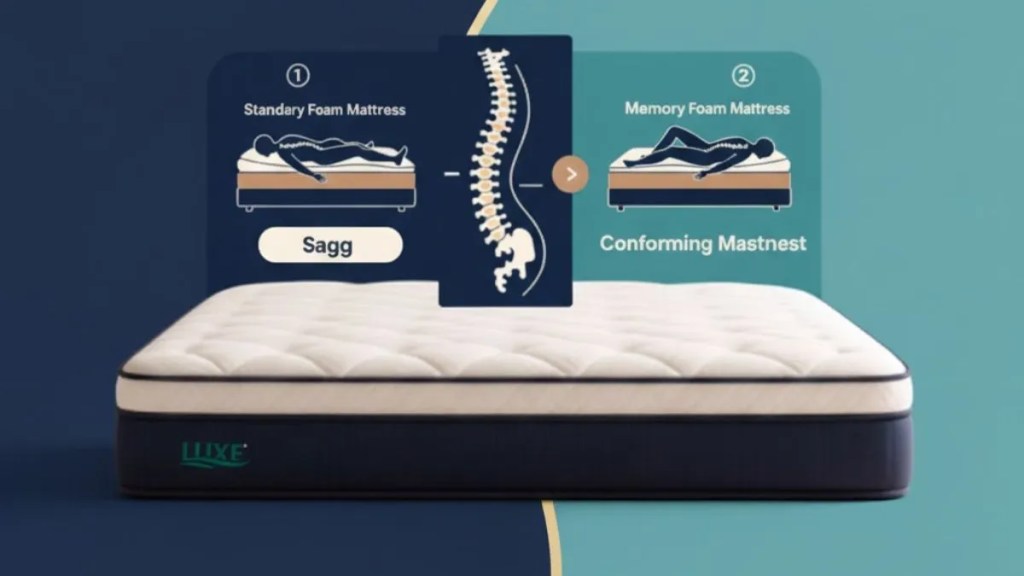
Choosing the right mattress is essential for a healthy spine. Are memory foam mattresses good for your back? It is a question many people in the UK ask. A good mattress can relieve pressure, improve sleep quality, and prevent long-term back issues.
This article examines the advantages, disadvantages, and practical tips for utilizing memory foam. We will cover its structure, the advantages of back support, when it might not be suitable, and provide expert guidance. By the end, you’ll understand whether memory foam mattresses are suitable for your back and how to select the right one for your specific needs.
Why Your Mattress Choice Affects Back Health
Your mattress affects spinal alignment and overall posture. Sleeping on a problematic mattress can worsen back pain. Proper support keeps your spine in a neutral position. UK sleepers often underestimate the impact of a mattress on their long-term back health. A mattress that suits your sleep style ensures proper pressure relief and comfort.
What Is a Memory Foam Mattress and How Does It Work?
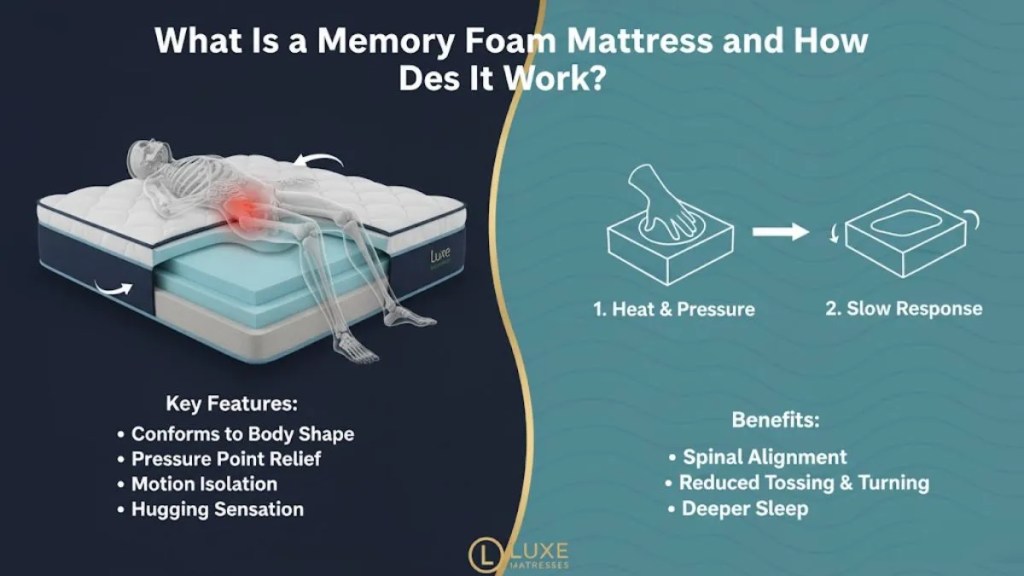
Memory foam mattresses use foam that reacts to body heat, softening where pressure is highest and supporting natural spine alignment. This helps spread body weight evenly while reducing tension on joints. These mattresses adapt to every sleeper’s body shape, providing tailored comfort. They are ideal for people who often wake up with stiffness or sore backs.
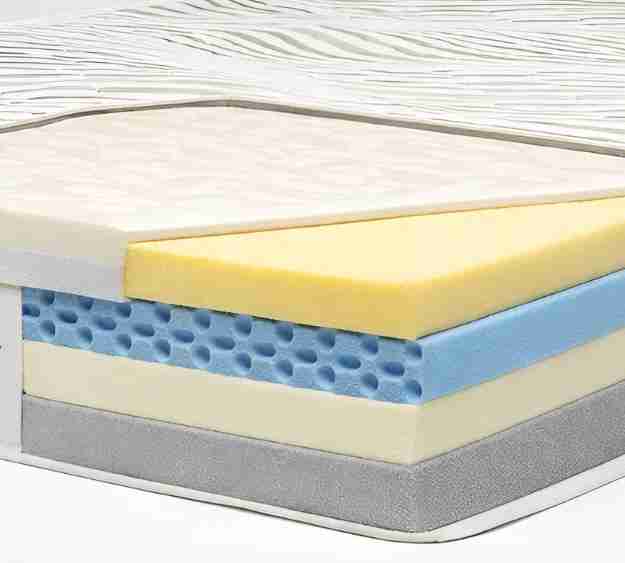
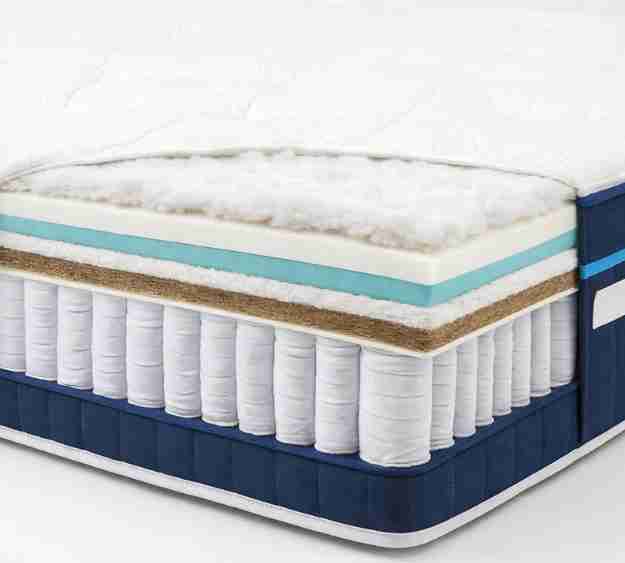
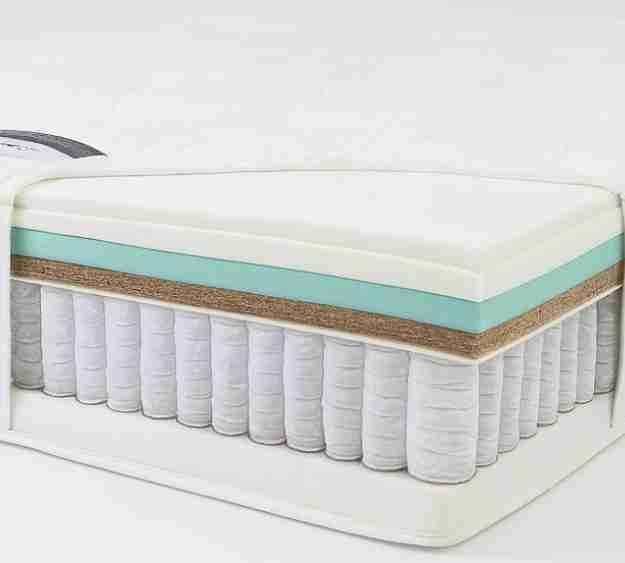
A memory foam mattress contains layers that include comfort foam and dense support foam. These layers work together to relieve pressure points during sleep. The design ensures better spinal posture and helps prevent pain throughout the night. Many UK users wonder if memory foam mattresses are good for their back, due to their proven comfort and support. Their structure effectively improves rest quality and overall sleep health.
Are Memory Foam Mattresses Good for Your Back Pain?
Many people suffering from back pain often ask, Are memory foam mattresses good for your back. Memory foam helps support the natural curve of your spine while reducing pressure on your shoulders and hips. It cushions sensitive areas, which decreases discomfort during sleep.
These mattresses also minimize tossing and turning, allowing better rest. With consistent support, they can help improve posture and prevent long-term spine problems, making them a popular choice for individuals struggling with chronic back pain. Memory foam mattresses evenly distribute body weight to prevent the formation of localized pressure points.
They adapt to various sleep positions, whether you sleep on your side, back, or stomach. Over time, this reduces tension in muscles and joints, helping the back relax fully. Users often notice fewer aches in the morning and improved overall comfort. Considering all these benefits, many healthcare professionals recommend memory foam to improve sleep quality and effectively reduce daily back pain.
Benefits of Memory Foam Mattresses for Back Support
Memory foam mattresses provide targeted support to keep your spine aligned. They reduce pressure points, improve posture, and enhance sleep comfort.
Promotes Natural Spinal Alignment
Memory foam supports your spine’s natural position, reducing strain on muscles and ligaments. UK users report better posture and less back stiffness. By moulding to your body, it prevents unnatural twisting and promotes spinal alignment.
Reduces Pressure on Joints and Lower Back
Memory foam distributes body weight evenly, relieving pressure from the hips, shoulders, and lower back. This prevents morning aches and stiffness, ensuring long-term comfort and joint relief.
Adapts to Body Shape for Personalized Comfort
Memory foam contours to your body, providing personalized support and reducing tossing and turning at night. It accommodates all sleep positions and adjusts evenly to the user’s weight, ensuring a comfortable and supportive sleep.
Improves Sleep Quality and Posture
Consistent memory foam support enhances sleep quality by reducing stiffness and fatigue, promoting a more restful night’s sleep. UK sleepers report more restful nights and less back discomfort. Proper sleep posture helps prevent long-term spinal issues. Memory foam balances comfort and support.
When a Memory Foam Mattress Might Not Be Suitable
Memory foam may be too soft for heavier sleepers. Overheating can occur with lower-quality foam layers. Some users prefer a more bouncy feel, which hybrid mattresses offer. Incorrect firmness can worsen back pain instead of improving it. Always test the firmness and thickness of your mattress for optimal comfort and spinal health.
Memory Foam vs Hybrid Mattresses for Back Pain
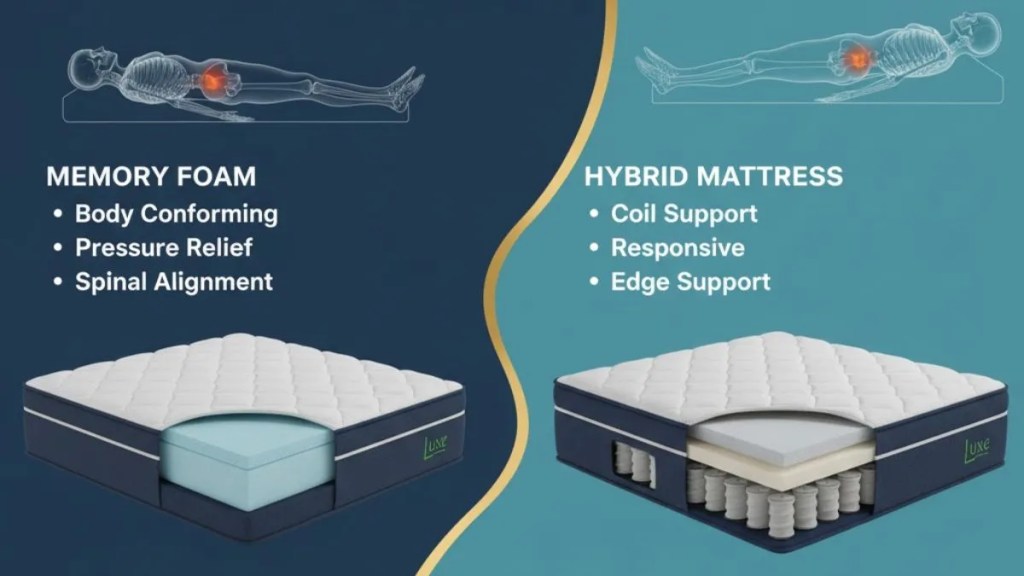
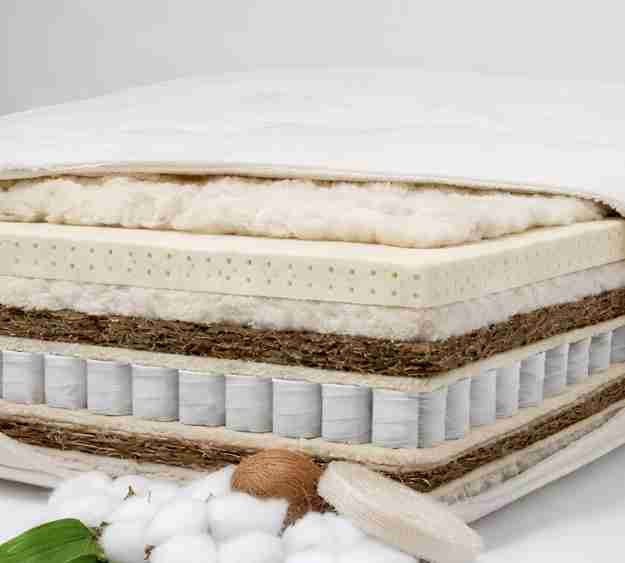
Hybrid mattresses combine springs with foam layers to create a unique sleeping experience. They provide bounce but sometimes less contouring. Memory foam offers greater pressure relief and enhanced support for spinal alignment. Choosing depends on personal preferences and sleeping position. Comparing options helps determine whether memory foam mattresses are suitable for your back and meet your needs.
How to Choose the Right Memory Foam Mattress for Back Pain (UK Guide)
Choosing the right memory foam mattress can greatly improve back comfort and sleep quality. Proper selection ensures your spine stays aligned throughout the night.
Let’s explore key factors to find the best mattress for long-lasting relief. Luxe Mattresses’ Reverso Memory Mattress can be highly effective for individuals experiencing back pain, as it offers advanced orthopedic support and adaptive comfort.
Pick the Right Firmness Level
Medium-firm mattresses are generally ideal for most people experiencing back pain. A mattress that is too soft can sag, causing misalignment, while a very firm mattress may create pressure points and discomfort.
Always test options in-store if possible to feel support. Correct firmness supports natural spinal curves, reduces strain, and ensures that your back muscles remain relaxed throughout the night, helping you wake up feeling refreshed and pain-free.
Check for Orthopaedic or Pressure Relief Features
Look for memory foam mattresses that have received orthopedic or pressure-relief certifications. These features help relieve stress on your spine and reduce muscle tension. UK brands often include layered designs for extra ergonomic support.
High-quality certifications ensure long-lasting durability and effective spinal alignment. Pressure-relieving mattresses adapt to your body shape, supporting sensitive areas like the lower back and hips, which is essential for back pain sufferers seeking consistent comfort.
Choose the Correct Thickness and Density
High-density foam mattresses provide excellent durability and stable support for long-term use. Thickness plays a major role in contouring your body and maintaining proper spinal alignment. In the UK, mattresses with a 10–12 inch foam layer are popular for providing a balance of support and comfort.
Proper density prevents early sagging and ensures that every sleep position receives adequate support. Selecting the right combination of thickness and density is crucial for alleviating back discomfort and enhancing overall sleep quality.
Expert Tips for Relieving Back Pain During Sleep
Use the correct pillow height for neck support. Maintain proper sleep posture on your memory foam mattress to support your body’s natural alignment and promote a restful night’s sleep. Rotate the mattress occasionally to prevent uneven wear. Ensure a firm, flat base for optimal support. Combine a mattress, pillow, and bed frame for the best spinal health.
Conclusion
Whether a memory foam mattress is good for your back largely depends on its firmness and your sleeping style. These mattresses provide spinal support, reduce pressure points, and can improve posture. Quality memory foam offers long-term comfort and pain relief. Test different options and choose based on density, thickness, and personal needs.
Memory foam mattresses are a top choice for UK sleepers seeking comfort and support for their back. Following expert tips helps maintain proper posture and spine health.
FAQ’s
A: Yes, memory foam mattresses support natural spinal alignment, relieve pressure points, and reduce back pain for most sleepers.
A: Medium-firm mattresses work best, providing support without sagging, while reducing pressure on the spine and promoting comfortable sleep.
A: Memory foam contours to the body, evenly distributes weight, and supports spinal alignment, easing tension in back muscles and joints.
A: Yes, overly soft mattresses sag, while extremely firm ones create pressure points, both potentially worsening back discomfort.
A: Yes, Luxe Mattresses’ Reverso Memory Mattress is excellent, offering orthopedic support, dual-sided comfort, and long-lasting spinal alignment relief.

Results-driven Digital Marketing and E-Commerce Specialist with 5+ years of experience helping diverse clients achieve their online business goals. Proven expertise in managing end-to-end Shopify store operations, developing impactful Social Media strategies, and driving traffic through effective SEO techniques.
Core Skills & Expertise:
• E-Commerce Strategy & Management: Building, optimizing, and managing successful online stores, particularly on Shopify.
• Digital Marketing Campaigns: Planning, executing, and analyzing multi-channel campaigns (Social Media, Search, Email).
• Social Media Marketing: Creating engaging content, managing communities, running targeted ads (Facebook, Instagram, etc.), and building brand presence.
• Search Engine Optimization (SEO): On-page & technical optimization, keyword research, link building, and improving organic search visibility & rankings.
• Client Collaboration: Understanding client objectives, delivering measurable results, and maintaining successful long-term partnerships.
What I Bring:
• Proven Track Record: Successfully delivered projects for numerous clients across various industries.
• Platform Proficiency: Deep hands-on experience with Shopify, major social platforms, and SEO tools.
• Data-Driven Approach: Focusing on analytics and KPIs to optimize performance and demonstrate ROI.
• Holistic E-Commerce View: Integrating marketing, platform management, and optimization for sustainable growth.
Ready to help your business thrive online. Let’s connect!