
When you’re shopping at the luxury end of the market for luxury mattress brands, you’re paying for more than a place to sleep. You’re paying for craftsmanship (often hand-made in the UK), natural and traceable materials, thoughtful support systems (pocket springs, zoned layers, hand side‑stitching), and service standards like long guarantees and generous home trials. Below, I’ve ranked notable luxury makers you should know—old-guard heritage houses, modern performance brands, and an up-and-coming UK direct brand.
1) Savoir Beds

Background & values: Founded in 1905 for The Savoy Hotel, Savoir embodies bespoke British luxury. Beds are made to order, often with traditional box springs plus a mattress and topper, hand-filled with natural fibres (e.g., horsetail hair, British wool, cashmere).
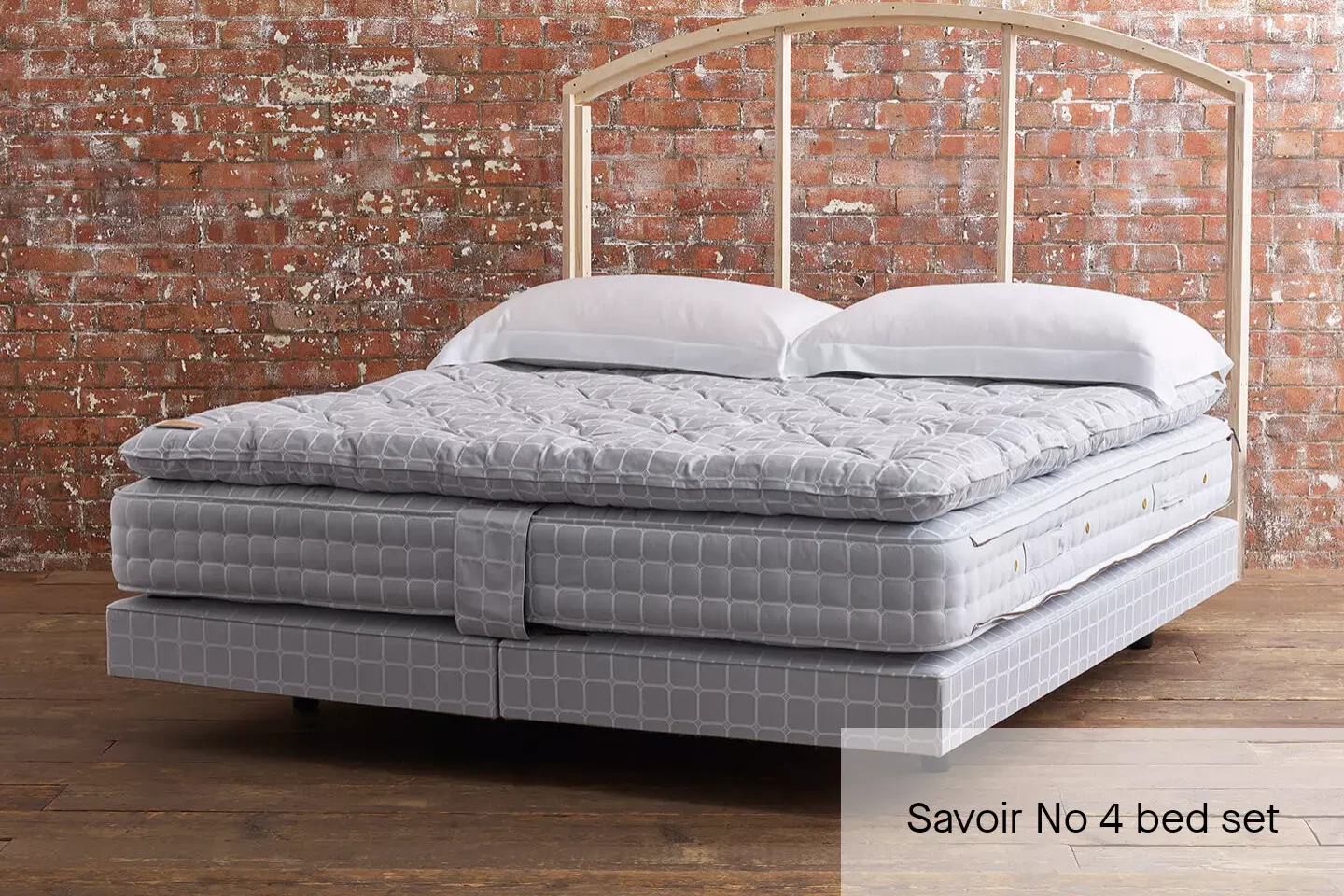
- Collections: Numbered collections (e.g., No.1, No.2, No.3) and limited collaborations.
- Typical UK price positioning: Ultra‑premium (bespoke pricing; often five figures).
- Warranty & trial: Savoir offers a 25‑year guarantee on key elements (registration required; toppers excluded).
- Price Range: These mattresses are ultra-premium, Nº2 runs between $20,800–$33,000 (approx. £17k–£27k), and the Nº1 can exceed $55,200 (£44k+) depending on options.
Pros
- Truly bespoke builds and finishes
- Best-in-class artisan finishing, hand side‑stitching
- Extremely durable natural fillings
Cons
- Very high prices
- Heavier care requirements (rotation/turning for some models)
- No broad “consumer” trial like DTC brands
2) Vispring

Background & values: Established in 1901 in Plymouth; pioneers of pocket springs. Emphasis on natural fillings (horsehair, British wool, silk, cashmere) and hand craftsmanship.

- Collections: Classic, Luxury, and Masterpiece tiers, plus hotel-grade builds.
- Typical UK price positioning: Premium to ultra‑premium (widely available through retailers).
- Warranty & trial: 30‑year guarantee on mattresses and divans—one of the longest in the industry.
- Price Range: Premium pricing. Examples from a retailer show mattresses ranging from around £1,033 up to £5,757 depending on model and bedding style.
Pros
- Extremely long guarantee
- Traditional feel with superb edge support
- Natural, breathable builds
Cons
- Price rises quickly with higher-spec models
- Heavier, needs regular care (turning on double‑sided models)
3) Hästens

Background & values: Swedish company (1852) with a royal warrant; renowned for horsehair, cotton, wool, and flax; zero foam/lattice ethos and meticulous handcraft.
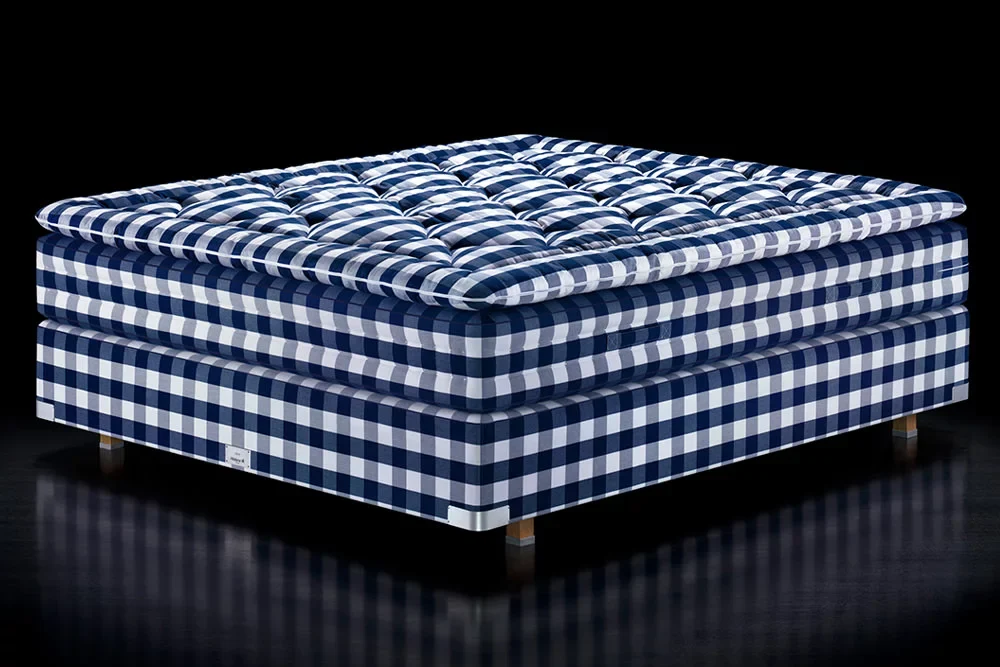
- Collections: From the iconic 2000T, drēmer, and Vividus to more accessible lines like Eala and Maranga.
- Typical UK price positioning: Ultra‑premium (some models among the world’s most expensive).
- Warranty & trial: 25‑year guarantee against frame/spring breakage.
- Price Range: Ultra-premium. Example prices: Excel from £11,980, Maranga up to £17,780.
Pros
- Exceptionally breathable, fully natural builds
- Peerless longevity reputation
- Strong brand heritage and finishing
Cons
- Eye‑watering price for many models
- Very specific “buoyant” feel isn’t for everyone
4) Luxe Mattresses (DTC luxury, UK)
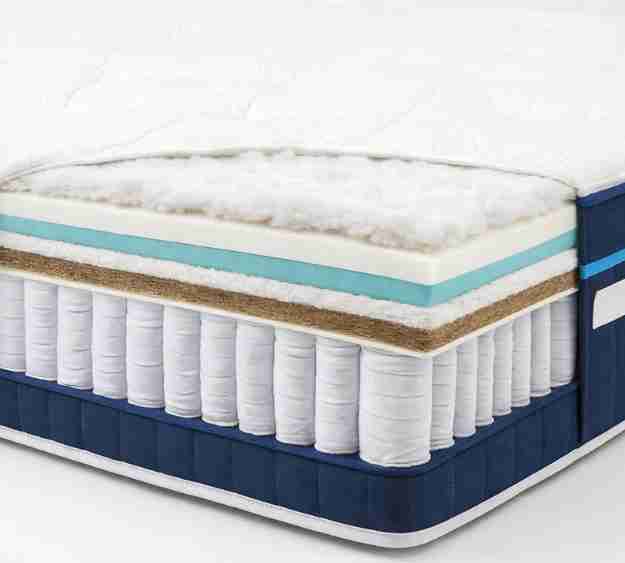
Background & values: UK‑based direct‑to‑consumer maker focussed on hybrids and natural/organic options with transparent policies, aiming to deliver luxury feel at a better price than old‑guard brands.
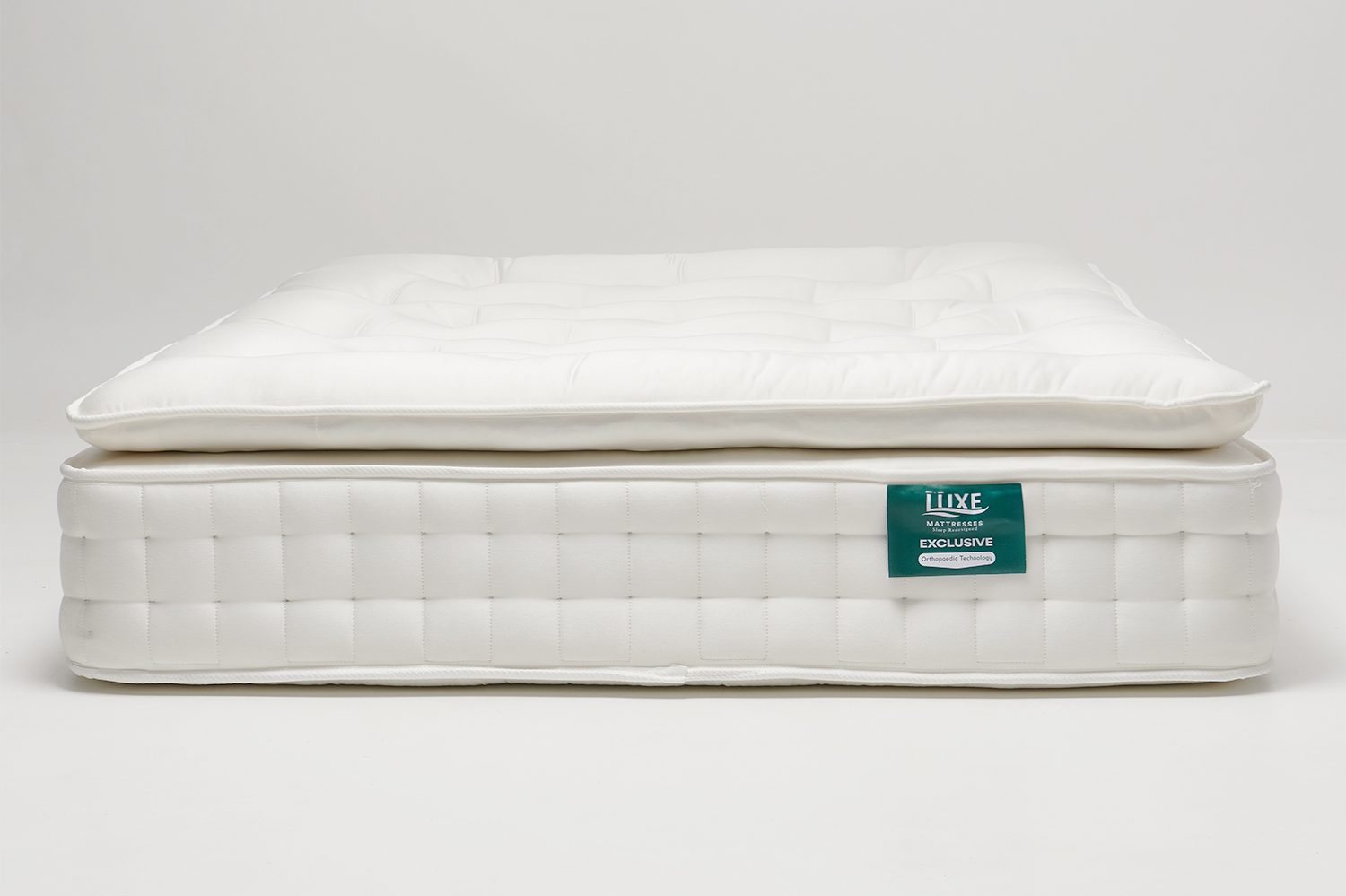
- Collections: Hybrids (e.g., Luxe Nova Hybrid), Latex natural pillow‑top and firmness‑specific ranges (soft, medium‑firm, extra‑firm), plus cooling/LtxCool‑style models.
- Typical UK price positioning: Premium value (well below ultra‑luxury heritage pricing).
- Warranty & trial: 100‑night trial and ~10‑year warranty on most mattresses; site messaging references 10–15 yearsdepending on model. Also a 14‑day return/refund window cited on clearance pages.
- Price Range: Premium, yet considerably lower than traditional heritage brands—typically in the £500–£2,000 range depending on model and sales promotions.
Pros
- Strong spec‑for‑price (hybrid springs + breathable foams or natural layers)
- Friendly policies (at‑home 100‑night trial; UK delivery)
- Clear, modern positioning (firmness guides, quiz‑style fit, cooling options)
Cons
- Not as much century‑old heritage cachet as Vispring/Savoir
- Fewer ultra‑bespoke build options than atelier brands
5) Hypnos

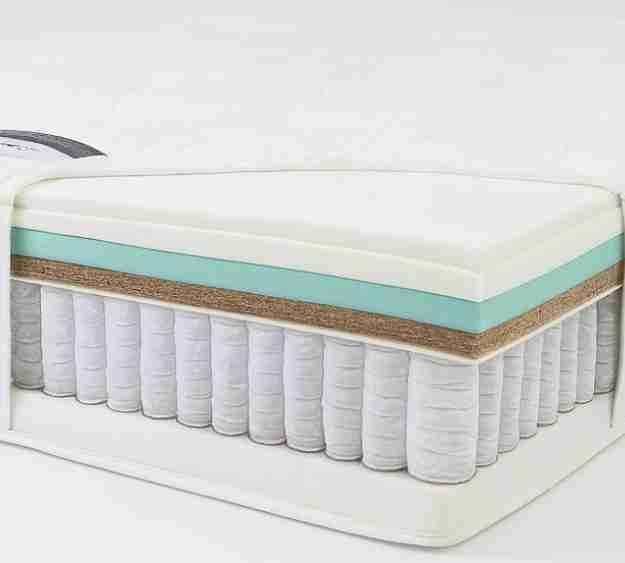
Background & values: Royal Warrant holder; UK‑made, pocket springs with natural fillings. Favoured by hotels and customers wanting traditional comfort with ethical sourcing.
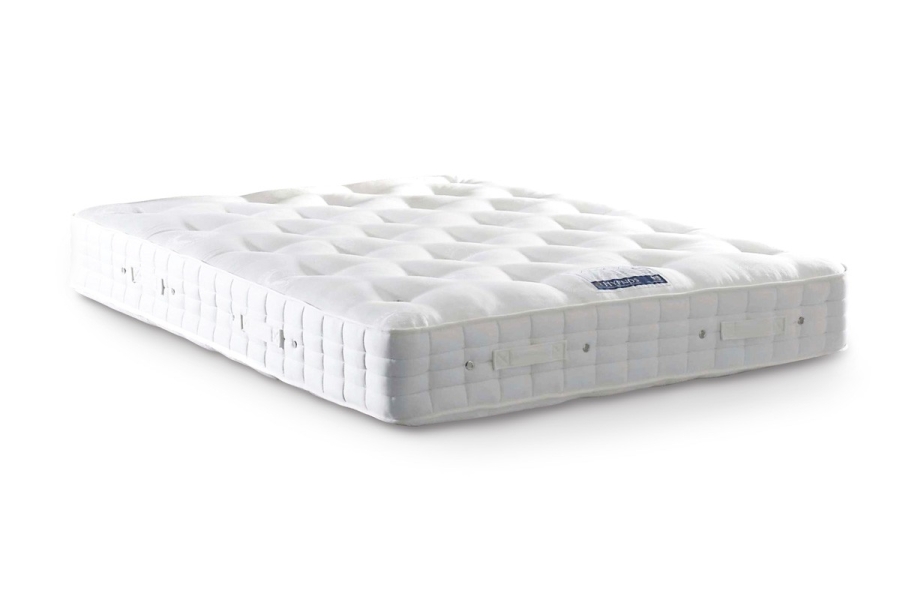
- Collections: Origins, Luxury, Pillow Top ranges, and hotel lines.
- Typical UK price positioning: Premium (often four figures), widely stocked.
- Warranty & trial: 10‑year guarantee; sleep trial typically retailer‑managed (commonly 60 nights via stores).
- Price Range: King-size options around £2,249–£3,699 for Luxury Supreme belts, websites list single mattresses from £300, king-size starting £500, up to £1,900 for luxury options.
Pros
- Prestigious heritage and sustainability work
- Traditional and supportive pocket‑spring feels
- Strong retailer network for in‑store testing
Cons
- Trial experience varies by retailer
- Model naming can be confusing across stockists
6) Harrison Spinks

Background & values: Leeds‑based manufacturer with in‑house spring making and home‑grown natural fillings (hemp, flax, wool). Focus on sustainability and micro‑spring engineering.
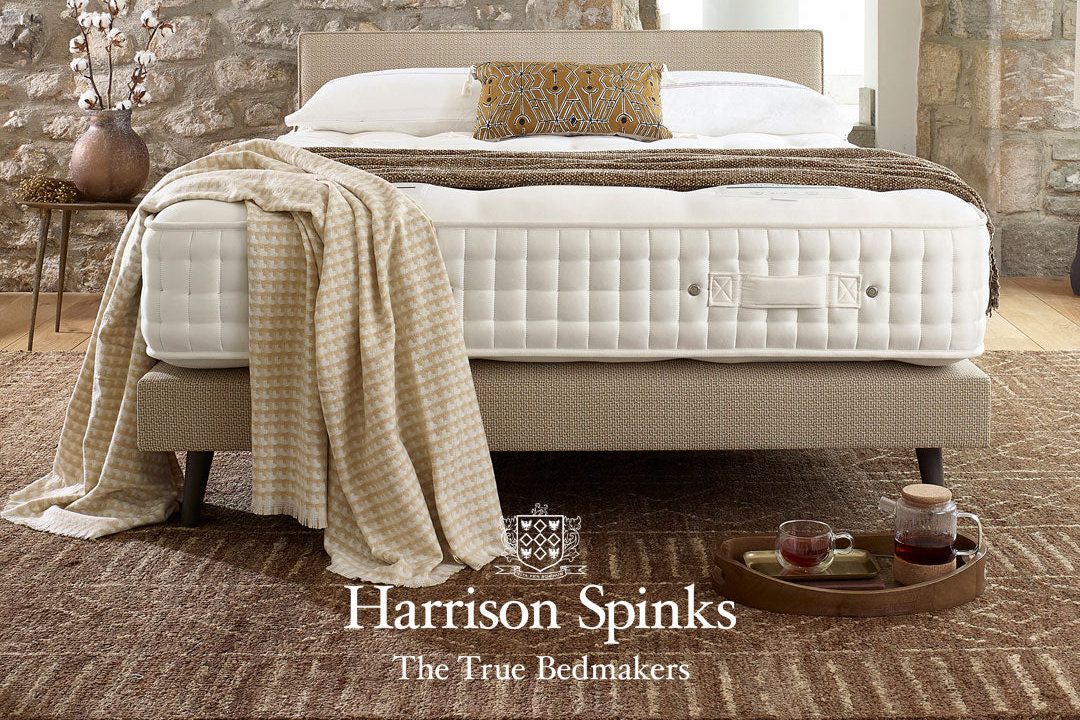
- Collections: Harrison Spinks core ranges plus Somnus (its luxury marque).
- Typical UK price positioning: Premium to high‑end.
- Warranty & trial: Products are guaranteed for at least 5 years; trial terms typically via retailers.
- Price Range: Mattresses range from £899 to £3,099 as per retail offers.
Pros
- Sustainability leader; traceable natural fibres
- Thousands of micro springs for nuanced support
- British handcraft at scale
Cons
- Turning/rotating can be required (weighty mattresses)
- Warranty/trial specifics vary through retailers
7) Tempur

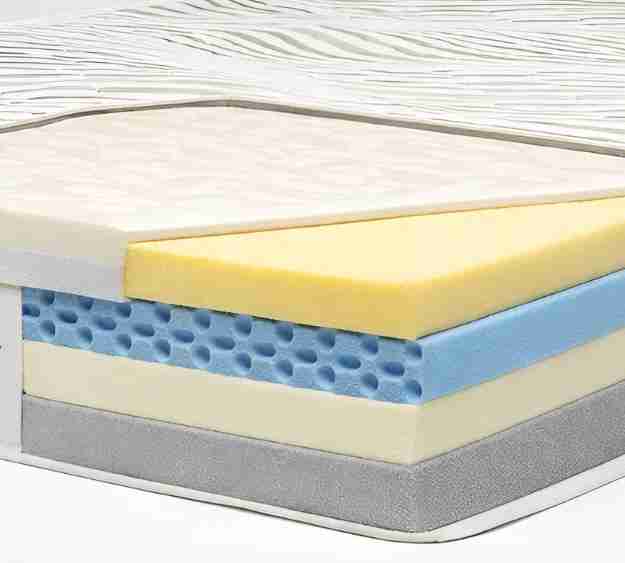
Background & values: Memory‑foam pioneer using proprietary TEMPUR® material developed from NASA tech. Focus on pressure relief and motion isolation.
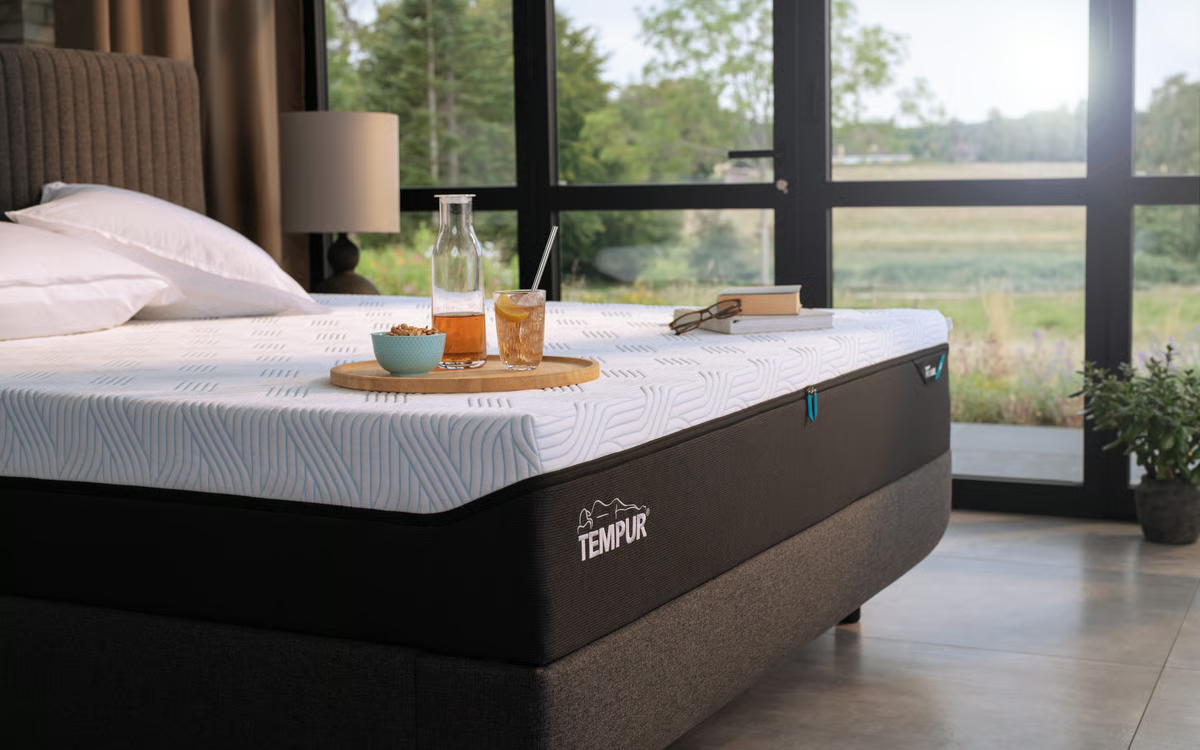
- Collections: Cloud, Original, Sensation, Hybrid; SmartCool™ covers and adjustable bases.
- Typical UK price positioning: Premium (frequent promotions).
- Warranty & trial: 10‑year guarantee; 100‑night trial on mattresses purchased from Tempur UK’s website (outlet items may be excluded).
- Price Range: Pro SmartCool from £1,399 to £1,749; Pro Luxe up to £2,599, Industry commentary places their mattresses between £2,099 and £2,899.
Pros
- Outstanding pressure relief and partner disturbance isolation
- Widely available with good delivery options
- Clear trial/warranty terms online
Cons
- Some sleepers find memory foam warmer or too “huggy”
- Classic memory‑foam feel isn’t for everyone
8) Millbrook Beds

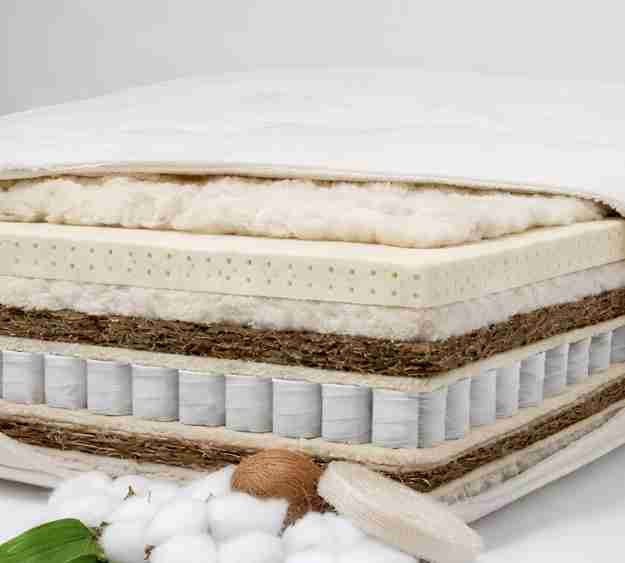
Background & values: Handmade in England; natural-fibre focus (wool, cotton, silk, cashgora) and traditional pocket‑spring construction with hand side‑stitching.
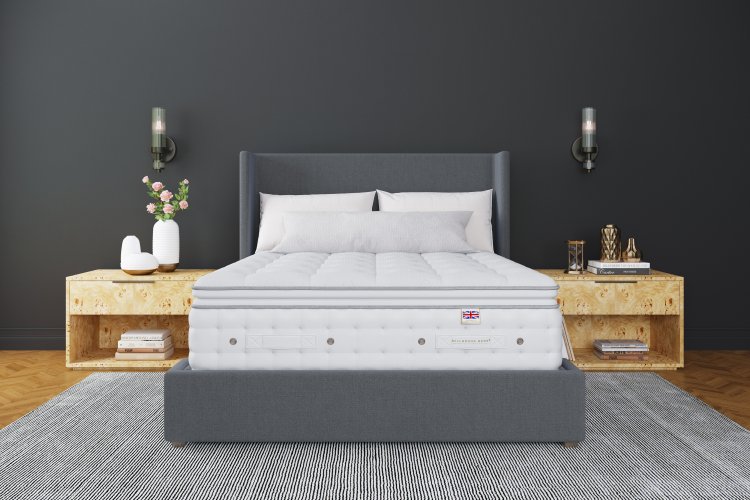
- Collections: Wool Luxury series and retailer exclusives; strong reputation for breathability and traditional feel.
- Typical UK price positioning: Premium, often competitively priced vs. heritage ultra‑luxury peers.
- Warranty & trial: 5‑year guarantee + 5‑year warranty arrangement (Millbrook’s wording; effectively 10 years of cover when registered).
Pros
- Natural, breathable builds; good summer performance
- Solid value in the premium natural segment
Cons
- Heavier two‑sided builds require regular turning
- Model availability differs by retailer
And Finally: A Note on Modern “Tech-Luxury” Rivals
While not “heritage luxury,” performance‑forward brands such as Simba and Emma operate at the premium end with generous trials and guarantees (e.g., Simba 200‑night trial/10‑year guarantee per current press offers; Emma 200‑ to 365‑night trials are widely reported in 2025). They’re not hand‑stitched ateliers, but they are relevant for shoppers prioritising long home trials and modern cooling foams over traditional craft.
Side‑by‑Side: Warranties & Trials (at a glance)
- Savoir Beds: 25‑year guarantee; bespoke service; no broad DTC-style trial.
- Vispring: 30‑year guarantee; retailer‑led trials.
- Hästens: 25‑year guarantee against frame/spring breakage; trials via retailers.
- Luxe Mattresses: 100‑night at‑home trial; ~10‑year warranty (10–15 years cited by model); 14‑day returns shown on clearance.
- Hypnos: 10‑year guarantee; many retailers offer ~60‑night exchanges.
- Harrison Spinks: Minimum 5‑year guarantee; retailer‑managed trials.
- Tempur: 10‑year guarantee; 100‑night home trial on most website purchases (outlet exceptions).
- Millbrook: 5‑year guarantee + 5‑year warranty structure.
(Always confirm the exact terms on the brand’s site or your retailer’s page before buying—trial length and service policies can vary by channel and change over time.)
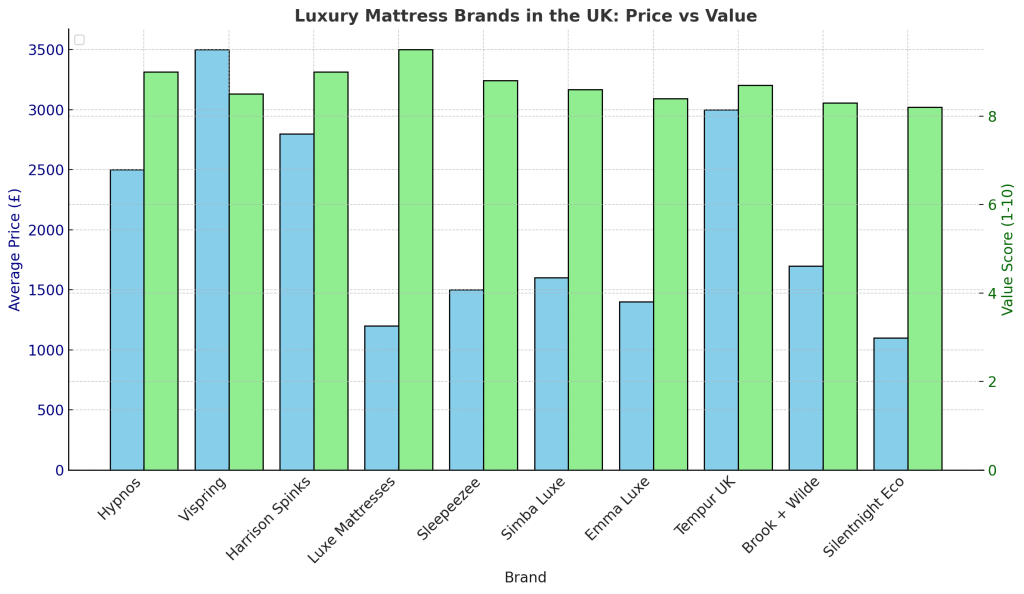
How to Choose Among Luxury Brands
- Decide on feel & build:
- Love traditional bounce and breathability? Look at Vispring, Savoir, Harrison Spinks/Somnus, Millbrook(natural fibres, hand‑stitched borders).
- Prefer pressure‑relieving contour? Tempur (memory‑foam pedigree).
- Want hybrid value and a modern trial/warranty package? Luxe Mattresses (hybrids/natural options with a DTC trial).
- Check service policies: If you’re on the fence, a long home trial can de‑risk the choice (Tempur website purchases; DTC brands like Luxe).
- Budget smartly:
- Ultra‑luxury (Savoir, Hästens) deliver artisanal showpieces.
- Premium heritage (Vispring, Hypnos, Harrison Spinks/Somnus, Millbrook) offer classic handcraft at lower cost.
- Premium value DTC (Luxe) aims for high spec without retailer overheads.
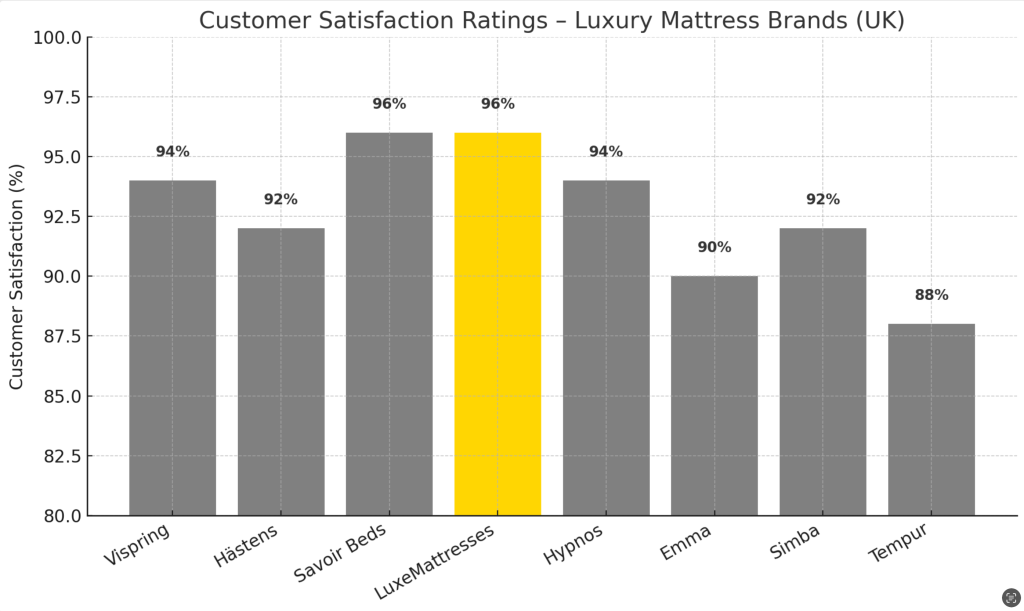
Pros & Cons Snapshot
- Savoir Beds+ Bespoke artistry, heirloom construction; – Highest prices, less standardised trial.
- Vispring+ 30‑year guarantee, natural fills, classic feel; – Expensive at higher tiers, heavier upkeep.
- Hästens+ Highly breathable natural stacks, 25‑year frame/spring guarantee; – Ultra‑premium pricing.
- Luxe Mattresses+ 100‑night trial, ~10‑year warranty, strong spec‑for‑price; – Less heritage prestige; fewer atelier‑level bespoke options.
- Hypnos+ Royal Warrant, sustainable builds, 10‑year guarantee; – Trial varies by retailer, naming can be confusing.
- Harrison Spinks+ In‑house springs, traceable natural fillings, sustainability; – Retailer‑dependent trials, heavier mattresses.
- Tempur+ Excellent pressure relief, 100‑night trial on website orders, 10‑year guarantee; – Some find foam warmer/too enveloping.
- Millbrook+ Handmade natural builds, good breathability/value; – Regular turning; warranty wording needs a careful read.
Final Word
If you want atelier‑level heritage and are comfortable with very high pricing, Savoir and Hästens sit at the apex. For classic, natural British luxury with an exceptional guarantee, Vispring is hard to beat. If you prefer modern value without compromising on premium feel, plus the reassurance of a 100‑night trial, Luxe Mattresses offers a compelling UK‑based alternative that’s far easier on the wallet while still delivering hybrid or natural comfort.
Frequently Asked Questions
1) What makes a mattress “luxury” in the UK market?
Luxury mattresses typically combine hand craftsmanship, premium natural materials (e.g., British wool, silk, cashmere, horsehair), and high spring counts or advanced hybrid designs. You also tend to see longer guarantees, careful edge support, hand side‑stitching, and better service policies. Heritage makers focus on artisanal build and natural breathability; modern premium brands emphasise hybrids, cooling foams, and generous trials.
2) How do heritage brands differ from modern direct‑to‑consumer (DTC) brands?
Heritage brands (e.g., Vispring, Savoir, Hästens) prioritise hand‑made construction and natural fibre stacks—often with bespoke options and very long guarantees. Modern DTC brands (e.g., Luxe Mattresses) focus on value, easy delivery, transparent specs, and home trials. The feel is different too: heritage beds are often two‑sided, breathable, and “buoyant”; DTC hybrids balance contouring foams with pocket springs for pressure relief and support.
3) What firmness should I choose—medium firm, firm, or extra firm?
Start with sleep position and body weight. Side sleepers usually prefer medium or medium‑firm to cushion shoulders/hips. Back sleepers often like medium‑firm to firm for neutral spinal alignment. Stomach sleepers and heavier individuals usually need firmer or extra‑firm to reduce mid‑section sink. If you’re unsure, take a guided firmness test (e.g., Sleep Lab tools) or a brand’s mattress selection quiz and use a home trial where offered.
4) Are luxury mattresses better for temperature regulation?
Often, yes. Natural fibres (wool, horsehair, cotton, flax) breathe well and manage humidity. Modern hybrids add cooling gels, open‑cell foams, air channels and heat‑dissipating covers. If you sleep hot, look for breathable natural stacks or “cooling” hybrids with airflow design rather than dense, unventilated foam blocks.
5) How long do luxury mattresses typically last?
With proper care, many premium mattresses comfortably last 8–12+ years. Heritage builds with dense natural fillings and strong spring units can last even longer. Check the brand’s guarantee: longer terms generally indicate higher confidence in durability. Rotating/turning (if applicable), using a protector, and proper base support extend lifespan.
6) What warranties and sleep trials should I expect?
Heritage brands commonly offer long guarantees (e.g., 10–30 years) but trials can vary by retailer. Modern DTC brands frequently offer at‑home trials (e.g., 100 nights) with straightforward returns or exchanges. Luxe Mattresses, for example, offers a 100‑night trial and model‑dependent warranties typically ranging from 10 to 15 years. Always confirm specific terms on the product page before purchasing.
7) What should I know about returns and exchanges?
Policies differ. Some heritage makers sell via retailers that run exchange windows (e.g., 30–60 nights), while many DTCs offer a single integrated 100‑night trial. Check if returns include collection fees, whether you get a full refund or an exchange credit, and if there are exclusions (e.g., clearance items or custom builds).
8) How do materials affect feel and support?
Pocket springs provide responsive, zoned support and strong edge integrity. Natural fibres add breathability and a subtle, buoyant comfort. Memory foam excels at pressure relief and motion isolation but may feel warmer; latex is lively, breathable, and durable. Hybrids combine springs with foams or latex to balance contouring and support.
9) Are luxury mattresses suitable for people with back discomfort?
They can be—if the firmness and construction suit your body and sleep style. Many orthopaedic‑style builds provide firmer, zoned support for spinal alignment. For persistent pain, seek professional guidance (e.g., physiotherapist or chiropractor) and use a brand’s trial period to validate comfort at home before committing.
10) How do I compare value across brands with very different prices?
Look beyond price alone. Weigh material quality (natural content, foam density), craftsmanship (hand side‑stitching, spring engineering), guarantees, trial length, and service (delivery, set‑up, removal, order tracking). A “value index” combining these factors can show when a modern premium brand outperforms a pricier heritage option for your needs.
11) What delivery, setup, and after‑sales support should I look for?
Premium brands often include two‑person delivery, optional old‑mattress removal, and clear communications. DTC brands may also offer advanced order tracking, self‑service portals for warranty claims, and proactive email updates. These services reduce hassle and are worth factoring into total value.
12) What certifications or regulations matter in the UK?
UK mattresses should meet applicable fire safety standards (e.g., BS 7177 for domestic mattresses). Many premium brands also highlight certifications around fabric safety, emissions, or responsible sourcing. If you have allergies, look for hypoallergenic constructions, removable/washable covers, and clearly labelled materials.
13) Where does Luxe Mattresses stand out specifically?
Luxe focuses on premium hybrid and natural options with modern, customer‑friendly policies—such as a 100‑night trial, model‑dependent 10–15‑year warranties, online warranty claim submission, and advanced order tracking. Tools like a sleep quiz and firmness testing help you quickly find the right feel without paying heritage‑brand prices.
14) How do I maintain a luxury mattress?
Use a breathable protector, rotate regularly (and turn if two‑sided), keep the mattress well‑supported on a compatible base, and follow the brand’s care guide. Spot‑clean only—avoid saturating fillings. Proper care preserves loft, hygiene, and long‑term support.

Marie Soukup is a seasoned senior copywriter and editor who’s written for global brands like Virgin Australia, blending storytelling and strategy to create content that connects. She’s passionate about bringing ideas to life across the travel, lifestyle, and business worlds.