



If you or someone you know snores loudly or struggles with sleep apnea, you’ve probably tried all kinds of things mouth guards, nose strips, humidifiers, or even switching sleep positions. But one thing many people forget about is their mattress.
Could switching to a firm mattress actually help with snoring or sleep apnea? Or is that just another sleep myth? Let’s break it down in simple terms and see what the research says.
What Are Snoring and Sleep Apnea?
Before we talk about mattresses, let’s first understand what these sleep issues are.
Snoring
Snoring is the noise made when air can’t move freely through your nose or throat while you sleep. This causes the tissues in your airway to vibrate, creating that familiar rumbling sound. Snoring can be harmless, but in some cases, it’s a sign of a blocked or narrow airway.
Sleep Apnea
Sleep apnea is more serious. It happens when your breathing stops and starts repeatedly during the night. The most common type is called obstructive sleep apnea (OSA). It happens when the muscles in your throat relax too much and block your airway. Signs include:
- Loud snoring
- Gasping or choking while sleeping
- Feeling tired after a full night’s sleep
- Dry mouth or headaches in the morning
Sleep apnea is linked to serious health issues like high blood pressure, heart disease, and even stroke. That’s why it’s important to take it seriously.
Can Mattress Firmness Help?
You might be wondering what your mattress has to do with breathing. A lot, actually. The firmness of your mattress affects how your body is aligned while you sleep. And body position plays a big role in keeping your airways open.
1. Firmness Affects Sleep Position
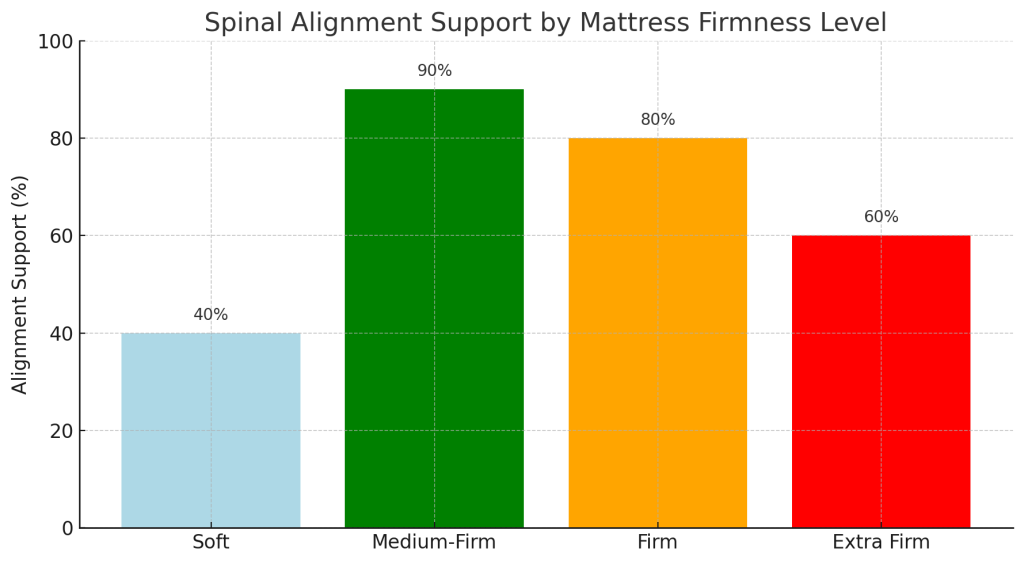
If your mattress is too soft, you might sink in too much. This can make your chin tilt down toward your chest or your spine curve in a way that blocks airflow.
A rock hard mattress or extra firm mattress, on the other hand, might not let your shoulders and hips sink in at all. This can also throw off your body alignment, putting pressure on your neck and back.
That’s why many sleep experts recommend a medium-firm mattress. It offers just the right balance of support and comfort, helping you maintain good posture while you sleep.
2. Sleep Position Matters Too
Different sleeping positions affect snoring and sleep apnea in different ways. Here’s how mattress firmness plays a part:
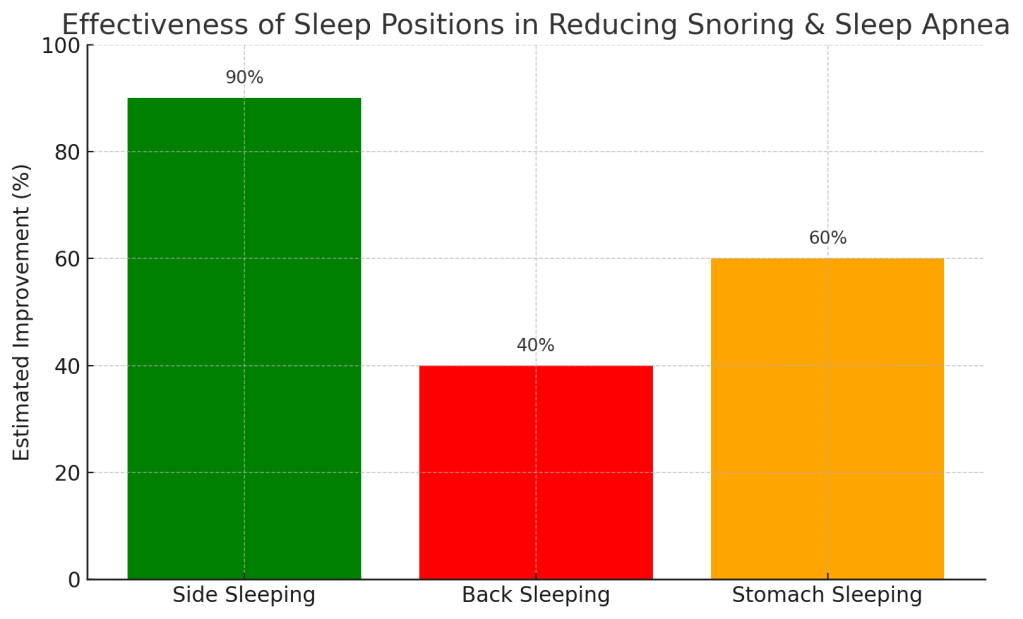
- Back sleepers: You’re more likely to snore or have apnea if you sleep on your back. A soft mattress can let your head tilt backward, causing the tongue to fall back and block the airway. A firm mattress or back support mattress may help keep your spine and neck aligned better.
- Side sleepers: This is usually the best position for snoring and apnea. But a rock hard mattress might create pressure on your hips and shoulders, making side sleeping uncomfortable. That might cause you to roll onto your back, which can make symptoms worse.
So, while firmness is important, it really depends on how you sleep. The best firm mattress for you is one that supports your favorite sleep position without causing pressure or discomfort.
What Does Science Say?
Several studies and sleep experts agree on a few key points:
A. Spinal Alignment Is Key
When your spine is properly aligned, your airway stays more open. A sagging mattress or poor sleeping posture can bend your neck or back in ways that reduce airflow. A firm mattress or one with zoned supporthelps maintain better alignment, especially if paired with the right pillow.
B. Side Sleeping Helps with Sleep Apnea
Research shows that side sleeping reduces the severity of sleep apnea in many people. A 2014 study in the journal Sleep and Breathing found that people with “positional apnea” improved just by sleeping on their side. A mattress that supports side sleeping firm enough for support, but soft enough for comfort is ideal.
C. Mattress and Pillow Work Together
Even the best firm mattress won’t help if your pillow doesn’t support your neck correctly. Your mattress and pillow should work as a team to keep your head, neck, and spine in a straight line.
When Can a Firm Mattress Help?
Let’s make it simple. A firm mattress can help if:
- You sleep on your back and your soft mattress causes your head to sink too far in.
- You’re heavier and need extra support so your body doesn’t sag.
- You wake up with back or neck pain, which can affect your breathing too.
On the other hand, a firm or rock hard mattress might not help if:
- It’s so hard that side sleeping becomes uncomfortable.
- It causes pressure points that wake you up often.
- It doesn’t work well with your pillow, making your head tilt at an odd angle.
What Should You Look for in a Mattress?
If you’re trying to reduce snoring or ease sleep apnea, here’s what to look for:
1. Medium-Firm Feel
This is often the sweet spot. It keeps your spine straight without being too stiff. It also helps with comfort if you sleep on your side.
2. Zoned Support
Some newer mattresses have firmer zones under the hips and softer zones under the shoulders. This helps keep your spine in line and can improve breathing posture.
3. Memory Foam or Latex
These materials are good at contouring to your body, reducing pressure points. They also support even weight distribution, which is helpful for side sleepers.
4. Adjustable Bed Base
If you have moderate to severe apnea, try pairing your firm mattress with an adjustable base. Raising your head 30–45 degrees can help keep your airway open and reduce snoring.
Other Tips to Improve Sleep and Breathing
A new mattress helps, but it’s not a complete cure. Try these tips too:
- Sleep on your side: It’s the best position to reduce snoring and apnea.
- Lose weight if needed: Extra weight around your neck can narrow your airway.
- Avoid alcohol before bed: It relaxes throat muscles, making snoring worse.
- Try nasal strips: If you’re congested, they can help open up your nose.
- Use a CPAP machine: If you’ve been diagnosed with sleep apnea, this is the most effective treatment.
Conclusion
A firm mattress won’t magically cure snoring or sleep apnea, but it can make a big difference especially if it helps keep your spine straight and supports side sleeping.
For many people, a medium-firm mattress is the best choice. It gives enough support to avoid sagging but is soft enough to prevent pressure and discomfort. When paired with the right pillow and sleeping position, it can help keep your airway open so you breathe better at night.
If you think you might have sleep apnea or your snoring is out of control, it’s best to talk to a doctor. But don’t ignore your mattress. Sometimes, the path to better sleep is right beneath you.
FAQs
Not completely, but it can help. A firmer surface may improve your head and neck position, which can reduce snoring caused by poor alignment.
Most people do best with a medium-firm mattress. Too soft or too hard can both mess with your posture and breathing.
Yes. Back sleeping often leads to more snoring and apnea. Side sleeping is better, and the right mattress makes that easier.
Definitely. Raising the head of the bed helps keep the airway open, which is especially useful for moderate to severe sleep apnea.
If your symptoms started after getting a new mattress or only happen in certain sleep positions, your mattress might be the cause. Try a mattress topper or experiment with sleeping angles to see if things improve.
Reference resources
https://thebeddingmart.com/blogs/news/how-your-mattress-can-influence-snoring-and-sleep-apnea
https://www.okoa.org/articles/sleep-soundly-mattress-choice-snoring-treatment

Dr. Arshad Malik is an Associate Professor at Tsinghua University with a PhD from the same institution. He completed his prestigious CAS-TWAS Postdoctoral Research Fellowship at the Chinese Academy of Sciences in Beijing. With over 99 published research papers and 1,000+ academic citations, Dr. Malik brings a deep scientific perspective to topics at the intersection of biomedical science, health, and wellness.
He has previously served as an Associate Professor at the International Islamic University Islamabad (IIUI), and currently contributes as an editorial advisor and content reviewer on health-related topics for Luxe Mattresses & Beds. His insights help bridge the gap between academic research and everyday well-being.