
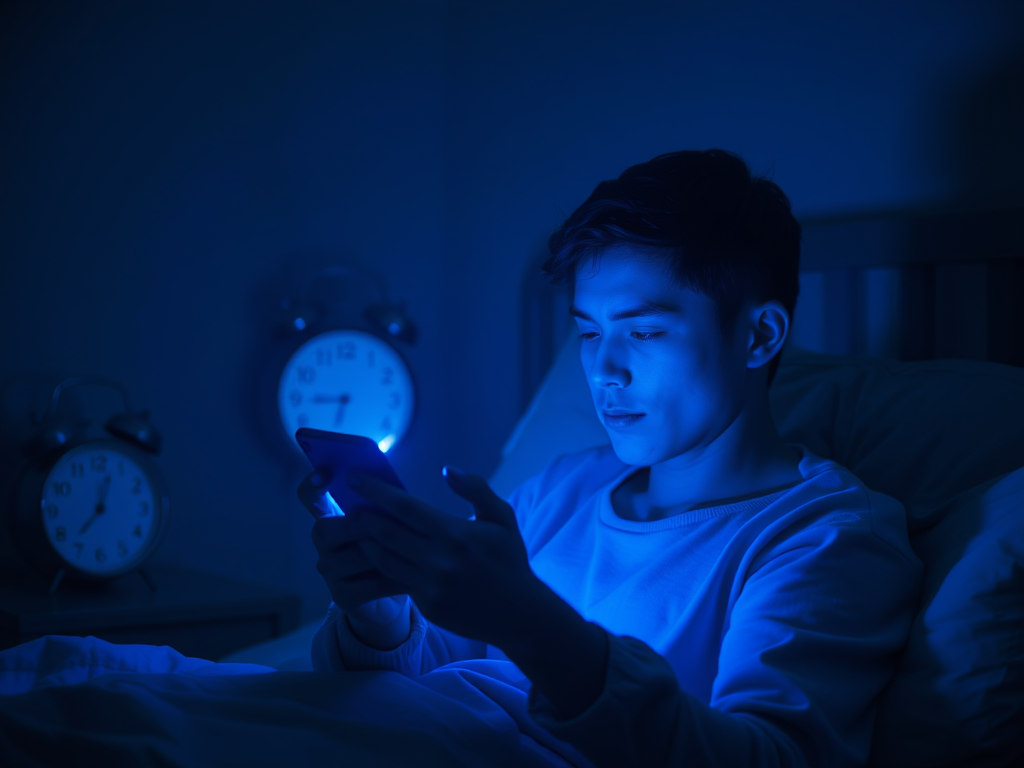
We’ve all been there, scrolling through our phones late into the evening or falling asleep to a glowing screen. It’s convenient, even comforting. But the question is becoming harder to ignore: can blue light really affect your sleep?
As science continues to explore the relationship between light, hormones, and the brain’s internal clock, the evidence is increasingly clear. Blue light, particularly from screens, has a measurable impact on sleep quality, and it starts with how it interferes with your body’s natural rhythms.
This article breaks down how blue light disrupts your sleep cycle, the role of melatonin suppression, and what practical steps you can take to protect your rest in today’s screen-saturated world.
First, What Is Blue Light?
Blue light is a high-energy, short-wavelength form of visible light that sits close to ultraviolet on the spectrum. It’s naturally present in sunlight and plays an important role in regulating your circadian rhythm, the internal clock that tells you when to feel awake and when to wind down.
But here’s the twist: while blue light during the day helps keep you alert and focused, exposure to it at nightsends mixed signals to your brain, often making it harder to fall asleep.
Screens, whether from your mobile, tablet, TV, or even LED lighting, emit a significant amount of blue light. And with rising screen time before bed, the effect is becoming a widespread issue.
How Your Body Knows When It’s Time to Sleep
The key player here is melatonin, a hormone your brain produces in response to darkness. It helps signal that it’s time to wind down. Once melatonin levels rise, your body starts preparing for rest: your temperature drops, your mind slows, and sleep becomes more inviting.
However, blue light tricks the brain into thinking it’s still daytime. As a result, melatonin production slows or stops, making it more difficult to fall asleep naturally.
According to the NHS, consistent evening exposure to artificial light can shift your internal clock by up to two hours. That means later bedtimes, more fragmented sleep, and groggy mornings.
What the Science Actually Says About Blue Light and Sleep
This isn’t just theory. A growing body of research backs up the link between blue light exposure and poor sleep outcomes.
One of the most cited studies, published in the journal Proceedings of the National Academy of Sciences, compared people who read from screens before bed with those who read printed books. The screen readers:
- Took longer to fall asleep
- Had less REM sleep
- Produced less melatonin
- Felt less alert the next morning
The science here is fairly straightforward: blue light delays sleep onset, disrupts your circadian rhythm, and reduces sleep depth. Over time, it can even contribute to long-term sleep disorders and mood issues.
Screen Time Before Bed: The Modern Sleep Saboteur
You don’t have to be a scientist to observe the impact. Try this: go screen-free for an hour before bed and see how you feel. Most people notice:
- They fall asleep faster
- Their mind is quieter
- Their sleep feels deeper
That’s because you’re allowing your natural melatonin rhythm to rise, uninterrupted.
Yet for many, screen time before bed has become routine, whether it’s TV, TikTok, or endless news articles. The cumulative effect? Wired brains, disrupted rhythms, and the growing sense that, even after sleep, you’re not fully rested.
How Blue Light Affects Your Circadian Rhythm
The circadian rhythm is like your body’s 24-hour internal operating system. It governs everything from energy levels to hormone release. Light exposure, especially blue light, is one of the main signals it responds to.
When blue light shows up at the wrong time (i.e. night):
- It delays melatonin release
- It shifts your sleep-wake cycle
- It reduces time spent in deeper sleep stages
- It can lead to sleep apnoea
In other words, even if you’re getting the right number of hours in bed, the quality of that sleep may suffer.
Over time, this misalignment can lead to social jet lag, that groggy feeling on workdays that disappears at weekends, as well as reduced concentration, irritability, and lower resilience to stress.
What Happens When Sleep Is Constantly Delayed?
Even occasional screen exposure at night can have short-term consequences. But when it becomes chronic, that’s when the health risks multiply.
Consistently low melatonin and poor sleep can lead to:
- Mood swings
- Weight gain
- Weakened immunity
- Impaired memory
- Increased risk of conditions like anxiety and depression
As Mind.org.uk outlines, good sleep is essential to mental health, and melatonin disruption plays a bigger role than many realize.
What You Can Do About It (Without Giving Up Screens Entirely)
Let’s be realistic, screens aren’t going anywhere. But you can limit their impact.Here’s how to protect your sleep from blue light:
1. Set a “Digital Sunset”
Start powering down devices an hour before bed. Replace scrolling with a book, bath, or quiet music.
2. Use Night Mode or Blue Light Filters
Most phones and tablets now offer a warm-light or “Night Shift” setting that reduces blue light exposure.
3. Try Blue Light Glasses
If screen use is unavoidable, blue-light-blocking lenses can help reduce exposure, though evidence is mixed; many users report benefits.
4. Change Your Lighting
Swap bright white bulbs for warmer tones in the evening. Dimmable lights help tell your body that it’s time to wind down.
5. Invest in a Sleep-Conducive Bedroom
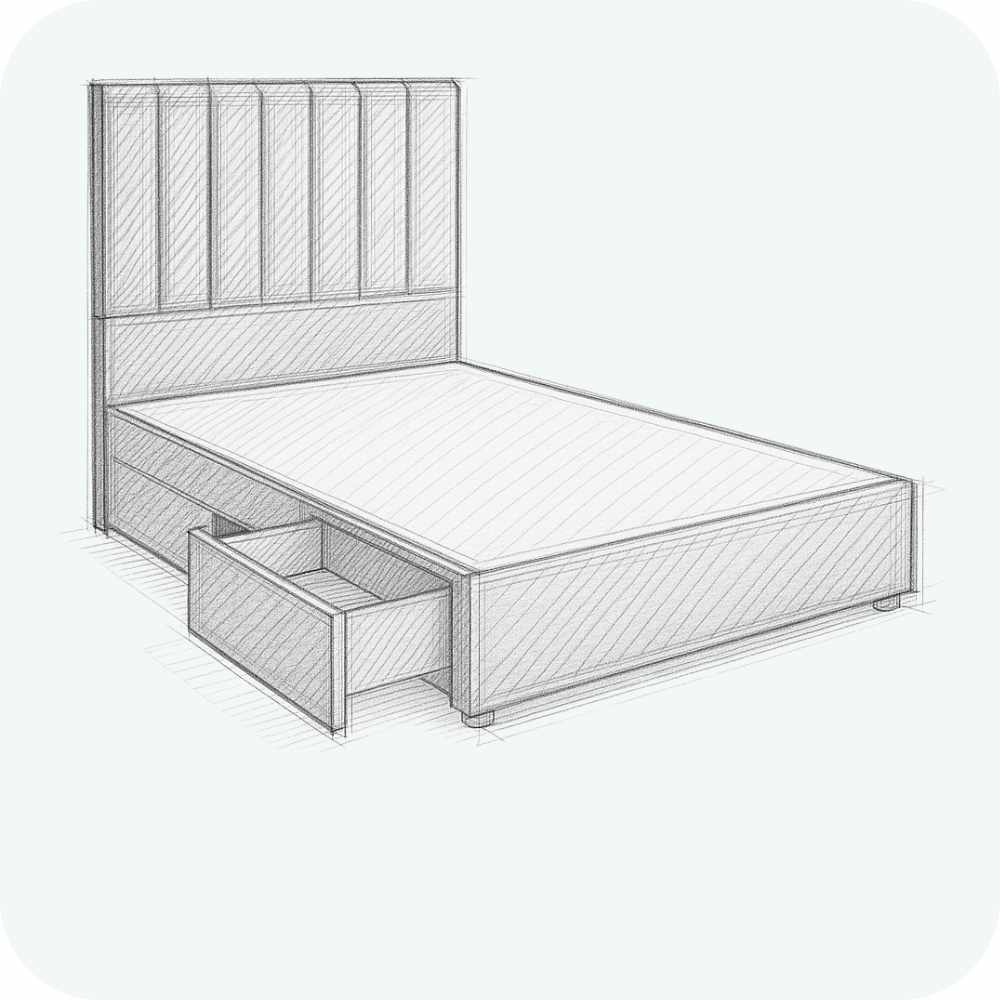
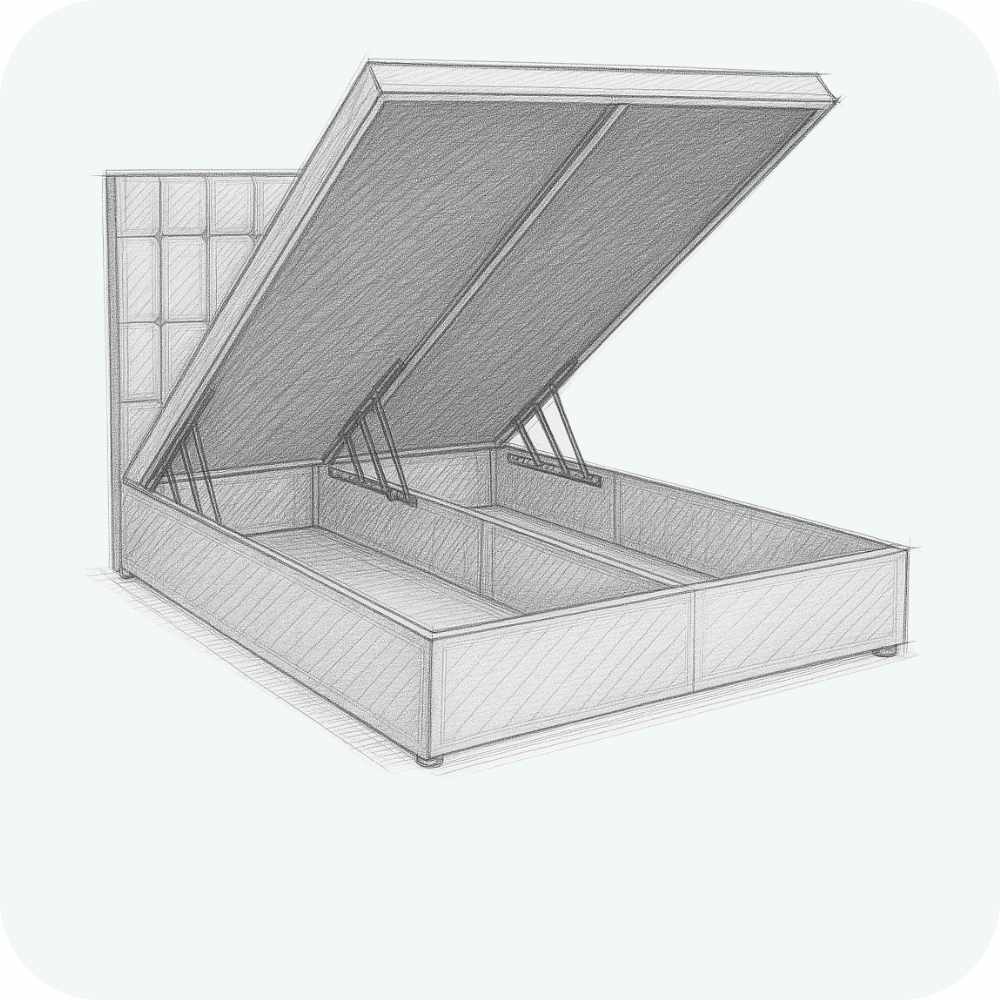
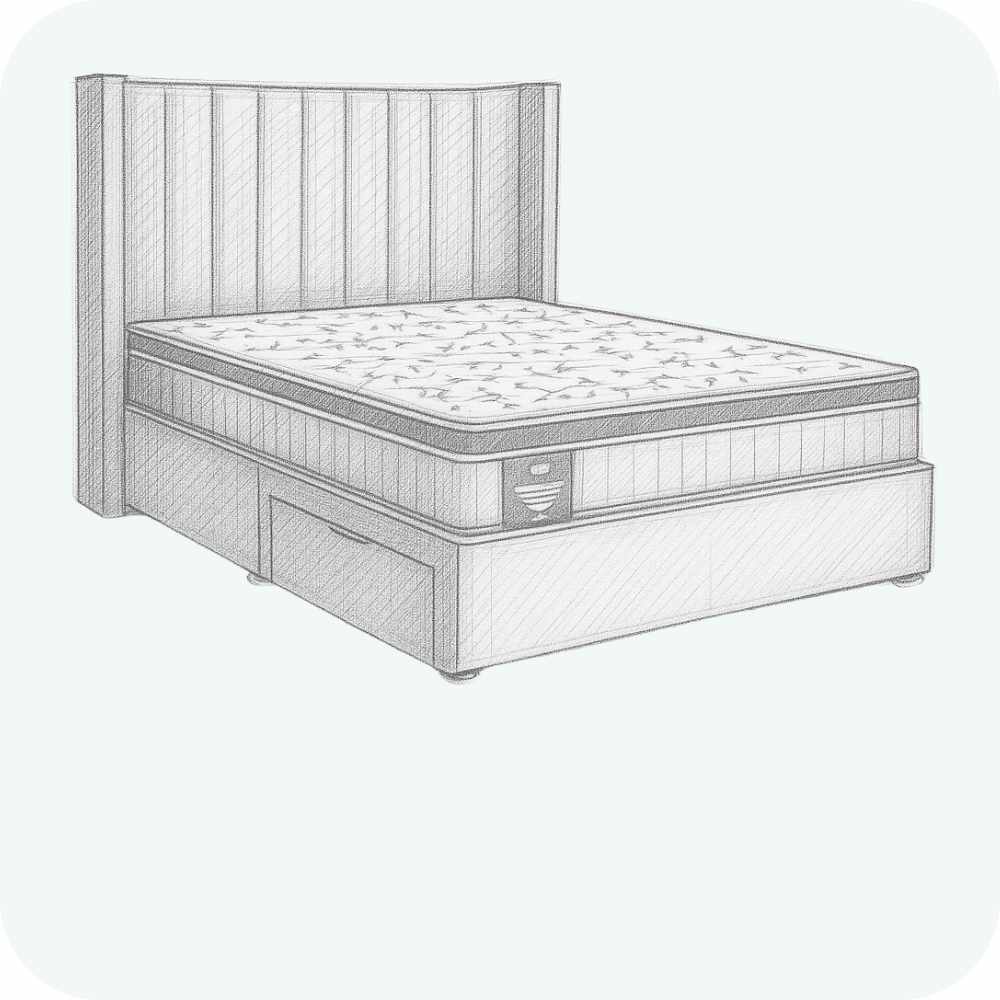
Even if your screens are under control, your bed setup matters. A poor mattress or an overly lit room can undo the best habits.
At LuxeMattresses, we offer mattresses designed to support natural rest. Whether it’s pressure-relieving comfort or breathable materials that keep your temperature just right, our products are built to align with your circadian needs.
For more insights, visit our blog on improving your sleep environment.
Case Study: A Simple Change That Worked
Liam, a 29-year-old designer from Sheffield, found himself scrolling until midnight most nights, and wondering why he felt like he’d barely slept. After learning about blue light and melatonin, he made three adjustments:
- Switched to amber lighting after 9pm
- Set his phone to Night Shift at sunset
- Upgraded to a LuxeMattresses model to address overnight restlessness
Within a week, he was falling asleep 30 minutes earlier. Within two, he stopped needing coffee to get through the morning.
Final Thoughts
In a world where digital screens are constant companions, it’s easy to forget that our biology hasn’t evolved to keep up. Blue light may seem harmless, but its effect on your sleep and health is real and backed by science.
The solution isn’t to ditch screens entirely. It’s to create habits and spaces that support your natural rhythms. That starts with awareness and continues with small changes like lighting, screen settings, and the kind of mattress that supports true rest.
To learn more about building a home and routine that aligns with your body’s natural sleep cycle, visit the LuxeMattresses blog or browse our mattress collection built for deeper, undisturbed rest.
FAQs
Blue light delays melatonin production and shifts your circadian rhythm, making it harder to fall and stay asleep.
Primarily the blue wavelength spectrum is the issue. Warmer-toned lights have less impact, especially when used with reduced brightness.
Ideally, at least one hour. More time is better, but even 30 minutes can help reset your melatonin cycle.
Not directly, but if blue light delays sleep, a supportive mattress ensures that the sleep you do get is deep and restorative. Explore our range for more.
They may help if you work late or use screens regularly at night. Their impact varies, but many users find them helpful.
Not necessarily. Phones tend to be closer to the eyes, which can intensify the effect. But brightness, timing, and duration matter more than device type.
Set your phone to warm light mode after 8 pm. It takes two taps and can make a real difference over time.

Marie Soukup is a seasoned senior copywriter and editor who’s written for global brands like Virgin Australia, blending storytelling and strategy to create content that connects. She’s passionate about bringing ideas to life across the travel, lifestyle, and business worlds.