

Finding the perfect mattress isn’t just about comfort, it’s about supporting your body, improving sleep quality, and waking up pain-free. With so many materials, firmness levels, and designs on the market, choosing the right mattress can be confusing.
This guide breaks down the essential factors for every type of sleeper, from side and back sleepers to combination and stomach sleepers. You’ll learn how to match your sleep style with the ideal mattress, so you can invest in better rest that lasts for years.
Types of Mattresses: Which One Is Right for You?
1. Memory foam mattress
Composition and structure
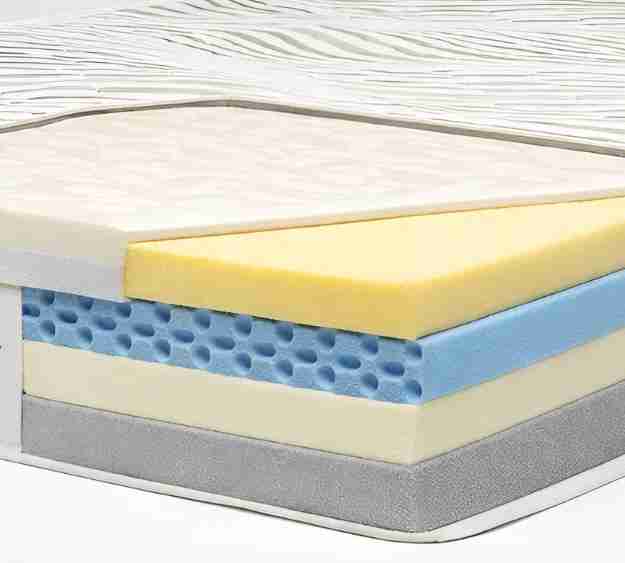
Memory Foam mattresses are a popular choice in the market these days and for all the right reasons. Unlike other mattresses they are made entirely of foam and no springs. The viscoelastic foam consists of fluid and spring-like qualities which provide maximum comfort.
High viscosity means the mattress adheres to the shape of your body and gives support. Usually it has multiple layers with firmer ones on the bottom for long term durability and softer foam on the surface, giving you the desired comfort.
Benefits
- These mattresses are known to relieve pressure off your body by releasing weight off your pressure points.
- They help in reducing the stress inflicted on your shoulders and hips due to back problems as these mattresses support spine alignment.
- The dense foam layers provide high end contouring to the body and motion isolation, making your sleeping experience many times better.
2. Hybrid Mattress
Composition and structure
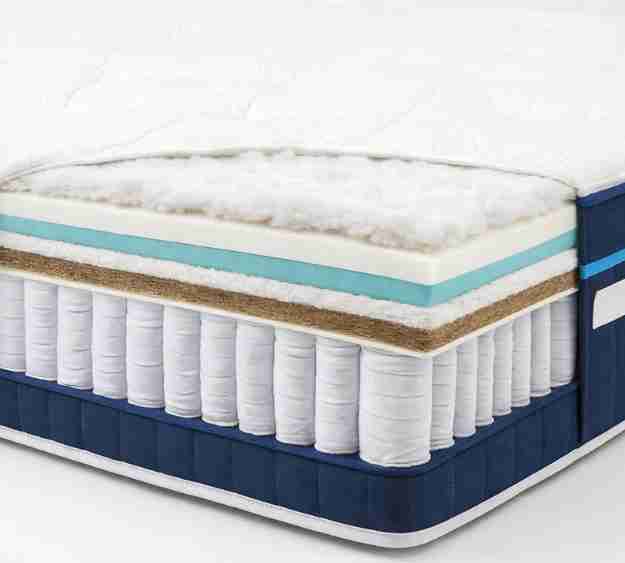
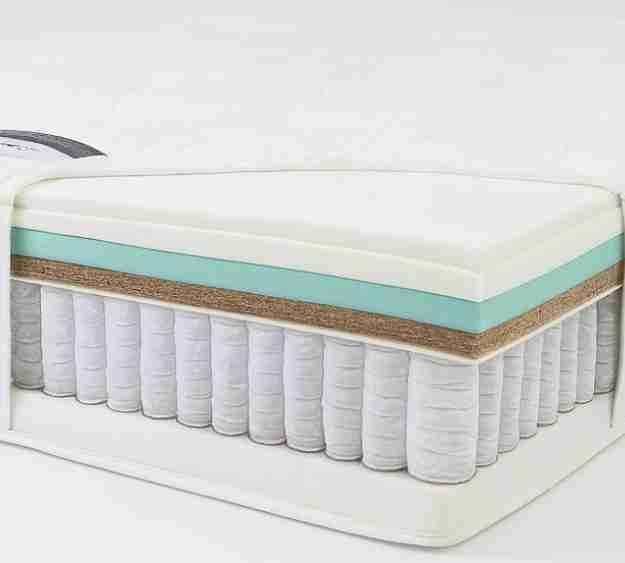
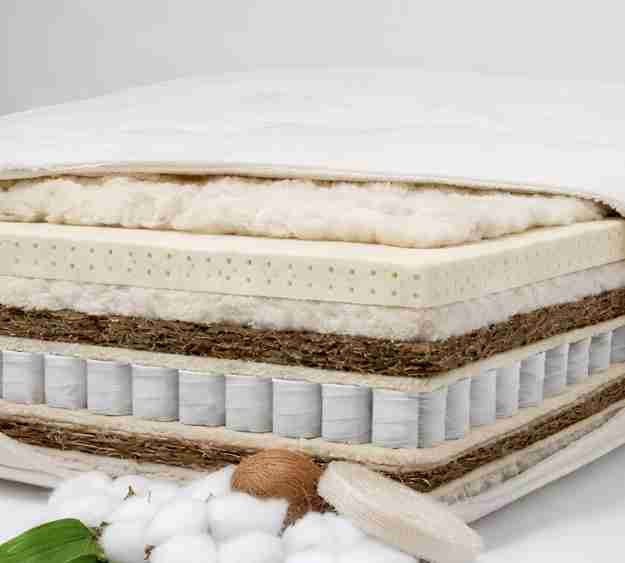
Hybrid mattresses are typically a combination of two or more material elements, mostly which feature latex, coils and foam layers to maximize comfort. The bottom layer often consists of coil while the top one is foam for comfort.
Benefits
- These mattresses minimize heat retention.
- Being the perfect balance of firmness and softness makes them the perfect fit to relieve pressure off your pressure points.
- A mattress being too firm may elevate those aches in your joints.
3. Orthopedic Mattress
Composition and structure
Orthopedic Mattresses is specifically designed to offer musculoskeletal and lumbar support. Primarily made of memory foam, it also consists of layers of adjustable foam which altogether provides optimal firmness and comfort needed.
Benefits
- Since your spine, back and shoulders need extra support, it provides the targeted level of comfort.
- It also distributes your body weight evenly as you lie down to relieve pain.
Find Your Perfect Mattress Size: Single, Double, or King
Choosing the right mattress size is just as important as picking the right type. The right size ensures comfort, better sleep quality, and a perfect fit for your bedroom space.
Single Mattress
Perfect for one person, single mattresses are ideal for kids, teens, or adults in smaller rooms. They provide enough comfort and support for a restful night. Single beds are also great for guest rooms or compact spaces.
Double Mattress
Double mattress also called a full mattress, doubles give more room to move while sleeping. They suit a single adult who likes extra space or two adults in a smaller bedroom. It’s a practical choice for couples who don’t need a king-size bed.
King Size Mattress
King mattresses are spacious, offering maximum comfort for couples or families. They help relieve pressure points and improve overall sleep quality. Ideal for larger bedrooms, they provide a luxurious, restful experience.
Understanding Different Sleeping Positions
Your sleeping position plays a crucial role in choosing the right mattress. Each position places pressure on different parts of the body, so picking a mattress that supports your unique posture can improve sleep quality and reduce pain.
1. Back Sleepers
Back sleepers need a mattress that is neither too firm nor too soft. Too firm can strain the shoulders and lower back, while too soft may cause the spine to sink out of alignment. A medium-firm mattress with edge support works best for proper pressure relief.
Recommended Mattress Type:
Hybrid mattresses provide the right balance of firm support and pressure relief for back sleepers.
2. Side Sleepers
Side sleepers concentrate weight on a smaller area, creating pressure on shoulders and hips. A mattress that is too soft can misalign the spine, while a medium-soft mattress helps distribute pressure more evenly for comfortable sleep.
Recommended Mattress Type:
Memory foam mattresses are ideal, as they conform to the body and relieve pressure points.
3. Stomach Sleepers
Stomach sleepers require firmer support to prevent the spine from curving unnaturally. Soft mattresses can cause the hips to sink, forming a U-shape that strains the back. A firmer mattress with a supportive base helps maintain proper alignment.
Recommended Mattress Type:
Innerspring or hybrid mattresses work well for stomach sleepers, offering firm support and proper spinal alignment.
4. Combination Sleepers
Combination sleepers move between positions throughout the night and need a mattress that adapts to their movements. A medium-firm mattress with a responsive foam surface and supportive coils allows for easy repositioning without sacrificing comfort.
Recommended Mattress Type:
Hybrid mattresses provide the perfect balance of bounce, mobility, and support for combination sleepers.
Tips for Choosing the Right Mattress
Choosing the perfect mattress can be overwhelming, but following a few key guidelines can make the process easier. Consider your budget, sleeping style, and preferences to find a mattress that ensures comfort, support, and a good night’s sleep.
Stay Within Your Budget
Set a reasonable budget before shopping and compare options carefully. Higher price doesn’t always mean better comfort, so focus on value and quality that fits your needs.
Understand the Mattress Type
Research different mattress types, memory foam, innerspring, hybrid, or latex and understand their benefits and drawbacks. Knowing the type that suits your needs prevents wasting money on the wrong mattress.
Consider Your Sleeping Position
Your sleeping position affects mattress choice. Back, side, stomach, or combination sleepers need different support levels, so assess how you sleep to select the most suitable mattress.
Pick the Right Firmness Level
Mattresses range from soft to firm, with medium-soft and medium-firm in between. Choose firmness based on sleeping position, body weight, and any back or joint concerns to ensure proper support.
Ensure Motion Isolation
If you share your bed, motion isolation is essential. Memory foam or hybrid mattresses absorb movement, preventing disturbances from a partner’s tossing and turning.
Consider Material Preferences
Decide whether you prefer a softer, foamy feel or a firmer, more supportive build with coils. Materials affect comfort, durability, and temperature regulation.
Look for Trial Periods and Warranty
Always check for trial periods and warranties. A mattress is a long-term investment, and these policies protect you in case it doesn’t meet your expectations.
Conclusion
Choosing the perfect mattress is about more than comfort, it’s about supporting your body, improving sleep quality, and waking up refreshed. Understanding your sleeping position, preferred firmness, and material preferences helps you make a confident choice.
Investing in a mattress tailored to your needs prevents discomfort, reduces sleep-related aches, and ensures restful nights for years. With the right mattress, you’re not just buying a bed, you’re investing in your health and overall well-being.
FAQs About Perfect Mattress
Your sleeping position determines the support you need. Back sleepers benefit from medium-firm mattresses, side sleepers from medium-soft, stomach sleepers from firm, and combination sleepers from adaptable hybrid mattresses.
Single mattresses are ideal for one person or small rooms, double/full mattresses suit single adults who need extra space or couples in smaller rooms, and king-size mattresses are perfect for couples or families needing maximum comfort.
A good-quality mattress usually lasts 7–10 years. Hybrid and memory foam mattresses tend to retain support and comfort longer, but proper care can extend their lifespan.
Memory foam contours to your body for pressure relief, hybrid combines foam and coils for bounce and support, and orthopedic mattresses are designed to provide extra spine and joint support.
Yes, especially if you share your bed. Memory foam and hybrid mattresses with good motion isolation minimize disturbances caused by a partner’s movements, allowing for uninterrupted sleep.

I’m a professional sleep health and mattress content specialist with extensive experience writing about orthopedic mattresses, back pain relief, pressure-point support, and overall sleep comfort. I collaborate with industry research, sleep studies, and mattress performance insights to deliver accurate, trustworthy, and reader-focused content. I’m known for simplifying complex mattress technologies such as memory foam, motion isolation, and firmness levels, making them easy to understand for everyday buyers. My goal is to help readers choose mattresses that match their lifestyle, sleep posture, and health needs empowering them to achieve deeper, healthier, and pain-free sleep through informed decisions.