
1. What Is A Memory Foam Mattress?
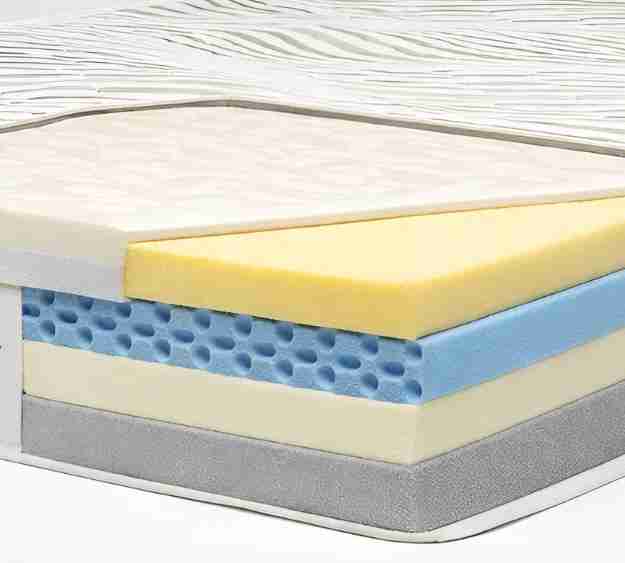
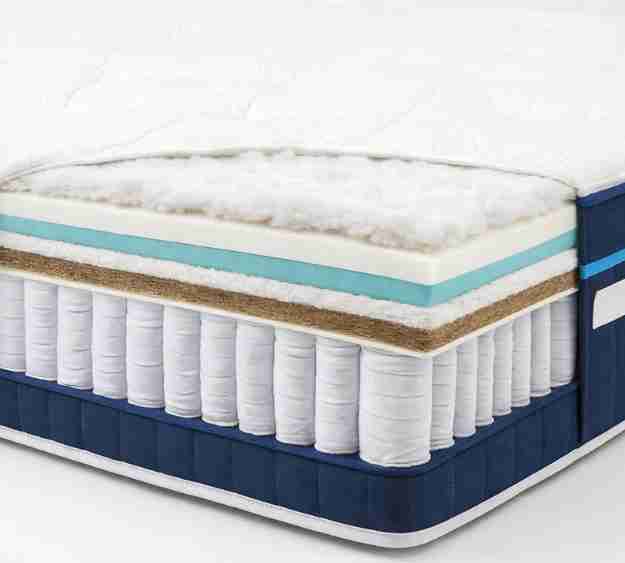
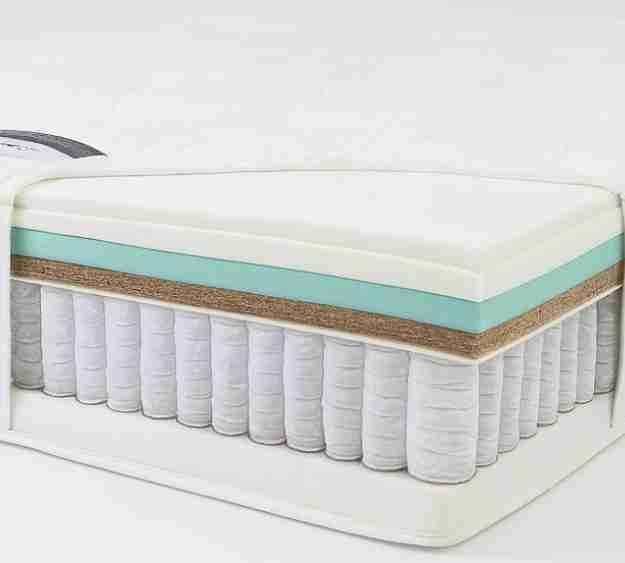
A memory foam mattress is made from viscoelastic polyurethane, offering personalized comfort. It responds to body heat and pressure, molding to your shape and relieving stress points.
Originally developed by NASA, it’s now popular for its supportive, contouring design. It evenly distributes body weight, helping to reduce motion transfer and partner disturbance, ideal for side sleepers and those seeking pressure relief.
Learn more on Sleep Foundation.
2. Are Memory Foam Mattresses Good for Back Pain?
Yes, memory foam promotes spinal alignment by cushioning pressure zones like hips and shoulders. Medium-firm models are especially effective for back pain relief and sleep quality.
The adaptive support reduces tension, stiffness, and morning discomfort. It’s recommended by health professionals for chronic pain and orthopedic support. Consistent use may reduce nighttime pain over time.
Harvard Health backs this claim.
3. Do Memory Foam Mattresses Sleep Hot?
Traditional memory foam retains heat, but modern versions include cooling features.
Gel infusions, breathable foams, and phase-change covers reduce heat buildup.
These improvements help regulate body temperature during the night. Some brands use graphite or copper infusions for added thermal control. Check for cooling certifications and breathable fabric covers.
4. How Long Do Memory Foam Mattresses Last?
Quality memory foam beds typically last between seven and ten years. Durability depends on density, usage, and overall material quality.
Rotating the mattress regularly helps minimize wear and sagging. Proper support and care can extend the lifespan up to 15 years. Investing in a high-density model can increase longevity.
5. Are Memory Foam Mattresses Safe?
Most memory foam beds are safe, especially if CertiPUR-US certified. Some budget models may use fiberglass, so avoid removing covers. Look for certification and non-toxic materials for added reassurance. Certifications ensure low VOC emissions and flame retardant safety.
Always read product tags and descriptions for safety labels.
6. Do Memory Foam Mattresses Sag or Need Flipping?
Over time, some foam beds may show body impressions from use. Rotate the mattress periodically to distribute pressure evenly.
Flipping isn’t recommended unless it’s a double-sided model. Use a firm, flat base to reduce premature sagging and wear. Check warranty details for coverage on sagging issues.
7. Are Memory Foam Mattresses Good for Allergies?
Yes, the dense foam resists dust mites and common allergens. Many are hypoallergenic and offer washable protective covers, making them deal for allergy or asthma sufferers seeking cleaner sleep.
The foam’s closed-cell structure limits microbial growth and allergen buildup. Pairing with an allergen-proof cover enhances benefits.
8. How Much Do Memory Foam Mattresses Cost?
Prices range from budget ($300) to luxury ($2,000+) depending on features. Cooling tech, foam quality, and brand name affect the cost. Holiday deals and trials often help reduce the price point.
Longer warranties and better materials increase long-term value. You often get what you pay for with foam quality.
9. Do Memory Foam Mattresses Smell?
New memory foam may emit a light odor called off-gassing. This is temporary and fades within a few days of ventilation. Choose CertiPUR-US models for low VOC emissions. Proper ventilation and time typically eliminate the smell completely. Let the mattress breathe in a well-ventilated room before use.
10. How Do I Choose the Right Memory Foam Mattress?
Match mattress firmness with your sleeping position and weight. Look for cooling features, warranty terms, and foam certifications. A trial period ensures comfort before full commitment.
Consider edge support, motion isolation, and pressure relief as well. Review return policies and trial periods for flexibility.
Conclusion
Memory foam mattresses offer personalized comfort by molding to your body, relieving pressure points, and promoting better spinal alignment, making them a popular choice for side sleepers and those with back pain. While traditional foam can sleep warm, modern cooling technologies like gel infusions and breathable covers help regulate temperature.
With proper care and quality materials, these mattresses typically last 7–10 years and can be hypoallergenic, resisting dust mites and allergens. Overall, choosing the right memory foam mattress depends on firmness, cooling features, certifications, and trial options, ensuring you get long-lasting support and improved sleep quality.

I’m a professional sleep health and mattress content specialist with extensive experience writing about orthopedic mattresses, back pain relief, pressure-point support, and overall sleep comfort. I collaborate with industry research, sleep studies, and mattress performance insights to deliver accurate, trustworthy, and reader-focused content. I’m known for simplifying complex mattress technologies such as memory foam, motion isolation, and firmness levels, making them easy to understand for everyday buyers. My goal is to help readers choose mattresses that match their lifestyle, sleep posture, and health needs empowering them to achieve deeper, healthier, and pain-free sleep through informed decisions.