
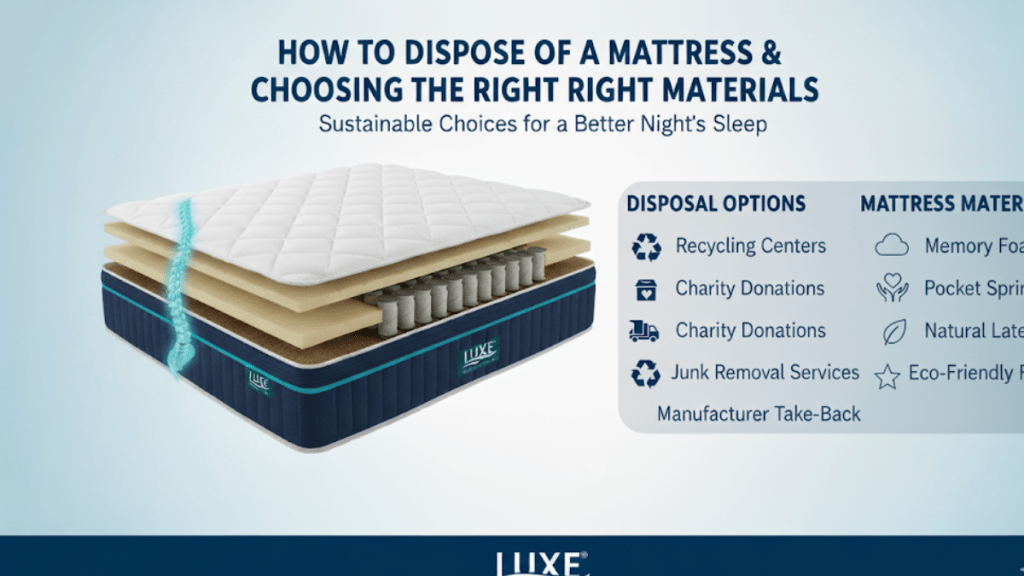
Proper mattress disposal is a growing concern for households, especially as more people upgrade to high-quality, supportive sleep surfaces. Many mattresses contain materials that are difficult to break down, making landfill dumping both environmentally harmful and inefficient.
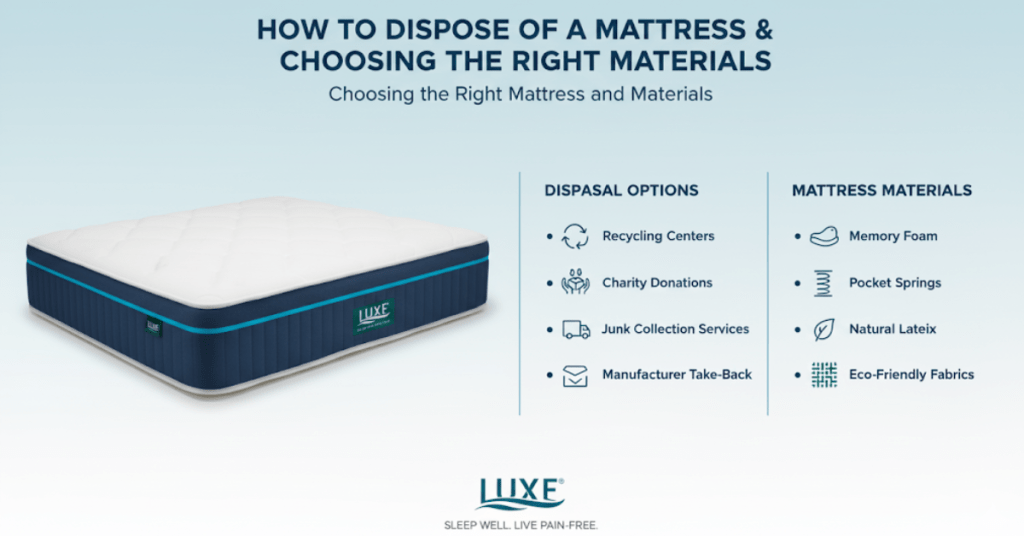
Understanding how to dispose of a mattress responsibly is vital for environmental protection, safety, and convenience. Improper disposal can cause fines, clutter, and pollution from non-biodegradable materials like foam and metal coils. With the rise of natural luxe mattresses, made from organic cotton, wool, and latex, eco-friendly disposal has become easier and more sustainable.
If you’re wondering how or where to dispose of a mattress in the UK, options include recycling, donation, or local collection services. Mattress Recycling UK: How to Dispose of a Mattress Responsibly. Proper mattress disposal helps reduce waste and supports sustainability efforts. Choosing responsible methods ensures your old mattress benefits the environment rather than harming it.
Understanding Mattress Materials
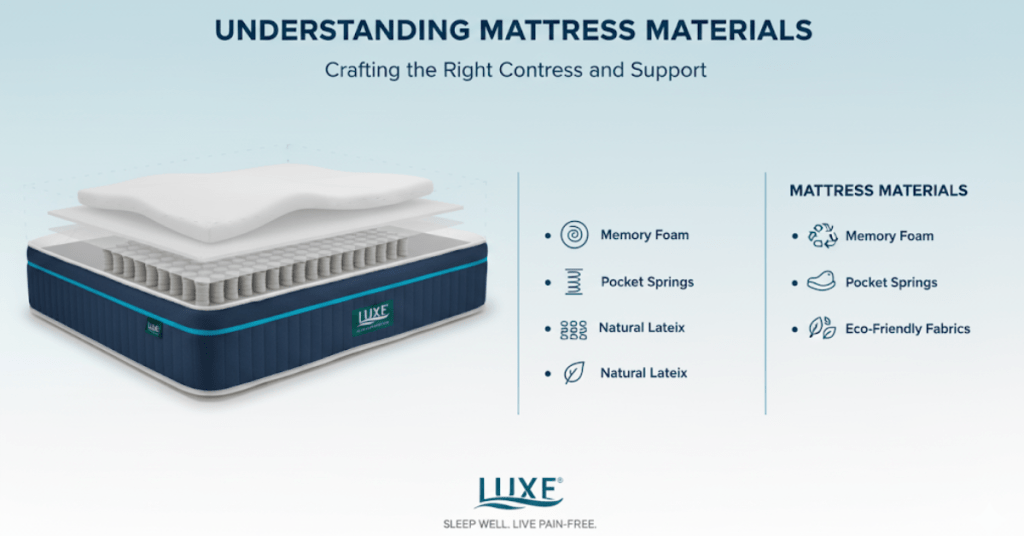
Choosing the right mattress begins with understanding the materials it is made from, as each type directly affects comfort, support, and durability. How to Dispose of a Mattress Safely: Tips for Eco-Friendly Practices Common mattress materials are designed to address different sleep needs, from pressure relief to temperature regulation.
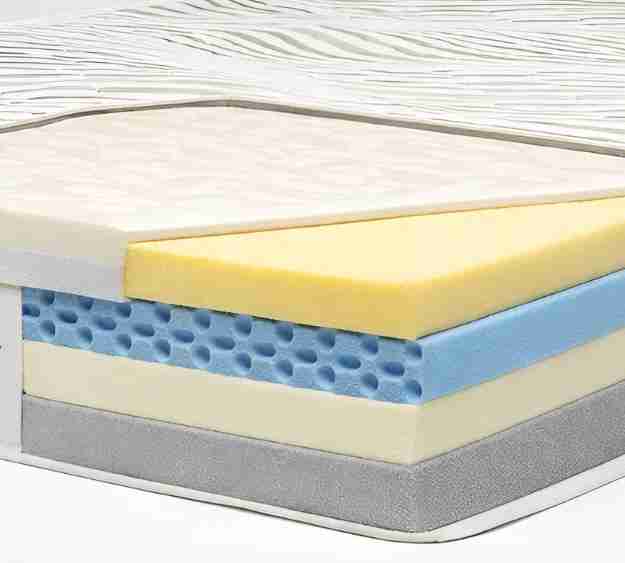
- Memory Foam: This material contours closely to the body, distributing weight evenly and relieving pressure on sensitive areas like the shoulders, hips, and lower back. Memory foam is particularly beneficial for people seeking a supportive, cushioned surface that adapts to their body shape.
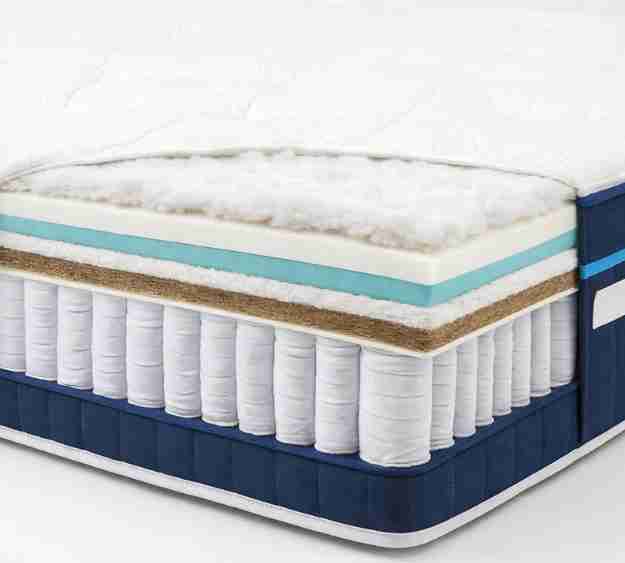
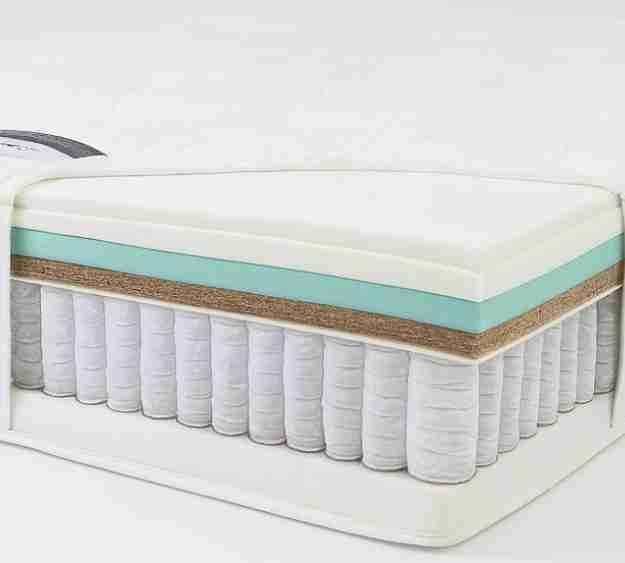
- Innerspring Coils: Traditional innerspring mattresses rely on a system of coils for support. These coils offer excellent breathability and durability, creating a stable, resilient foundation while allowing airflow to keep the mattress cool.
- Latex: Known for its responsiveness and longevity, latex provides firm yet flexible support. It quickly adapts to body movements, preventing sagging and maintaining proper spinal alignment over time.
Natural materials have become increasingly popular in luxe mattresses due to their eco-friendliness and health benefits:
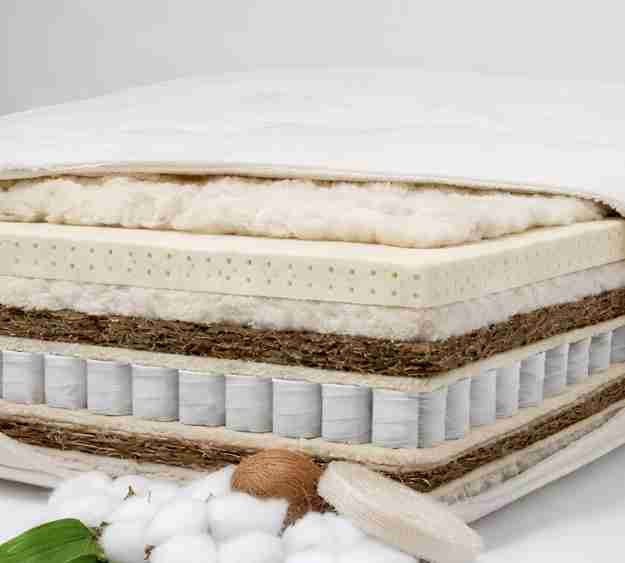
- Organic Cotton: Soft, breathable, and hypoallergenic, cotton helps regulate temperature while minimizing irritation.
- Wool: Naturally flame-retardant and temperature-regulating, wool adds comfort and keeps the sleep surface fresh.
- Natural Latex: Eco-friendly and supportive, it provides contouring and durability without synthetic chemicals.
- Coconut Coir: A firm, durable material, coconut coir enhances support and ensures the mattress maintains its shape over years of use.
Understanding these materials helps sleepers choose a mattress that balances comfort, support, and sustainability, ensuring restorative sleep and long-term back health.
Proper Mattress Disposal Methods
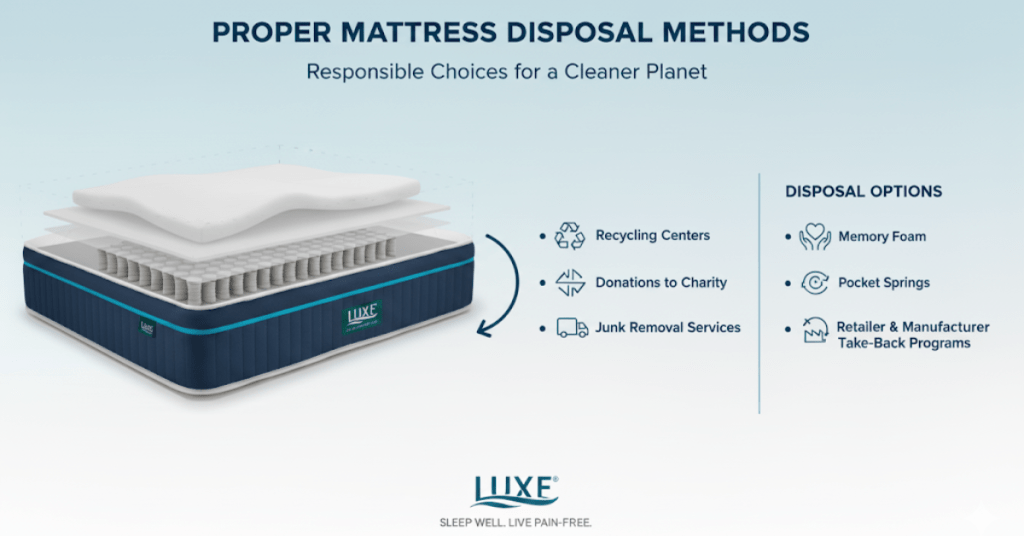
How to Dispose of an Old Mattress? Proper mattress disposal is crucial for the environment and following local waste rules. Mattresses contain materials like foam and springs that take decades to decompose. Eco-friendly methods help manage old mattresses responsibly.
- Recycling: Many recycling centers accept mattresses. Before transporting, confirm that the facility accepts them and inquire about any fees. Recycling allows components like metal springs, foam, and textiles to be reused, reducing waste. Understanding how to dispose of a mattress through recycling can minimize environmental impact.
- Donation: If your mattress is in good condition, consider donating it to local shelters or charitable organizations. Ensure it is clean, stain-free, and pest-free before donating. Learning how to dispose of a mattress through donation not only helps those in need but also keeps usable mattresses out of landfills.
- Retailer Take-Back Programs: Some mattress retailers offer take-back services when you purchase a new mattress. Ask the retailer about these programs, as they often handle the disposal process safely.
- Municipal Bulk Pickup: Many local waste management services provide bulk pickup for large items like mattresses. Check your area for scheduled pickups to properly manage disposal.
- Upcycling: Parts of the mattress can be repurposed. Springs can be used in gardening projects, and fabric or padding can be used for crafts or home improvements. This approach provides a creative solution for how to dispose of a mattress while minimizing waste. here
By exploring these options recycling, donation, retailer take-back, municipal pickup, and upcycling you can ensure your old mattress is disposed of responsibly, making room for a new, supportive sleep surface while protecting the environment.
Choosing the Right Mattress for Back Pain
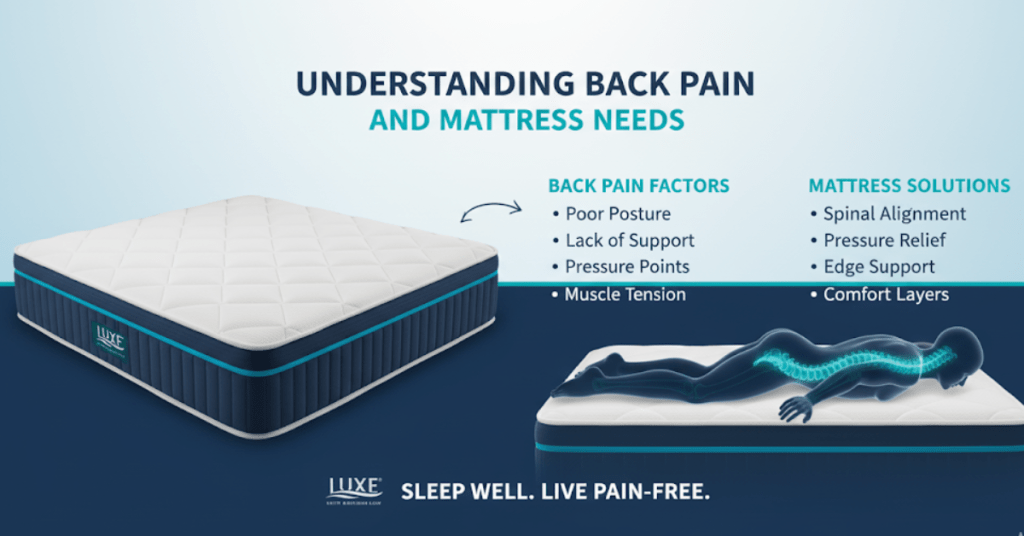
Selecting the right mattress is essential for alleviating back pain and ensuring restful sleep. Proper support is the foundation of a mattress that helps reduce pressure on the spine and maintains natural alignment.
A well-designed mattress not only improves sleep quality but also prevents stiffness and discomfort. Even as you focus on choosing the right mattress for back pain, it’s wise to consider what to do with your old mattress, including knowing how to dispose of a mattress responsibly.
Firmness Levels:
- Side Sleepers: Medium-firm mattresses are ideal to cushion the shoulders and hips while keeping the spine aligned. Proper support ensures pressure points are relieved, reducing morning aches. here
- Back Sleepers: Medium to firm mattresses help maintain spinal alignment, offering stable support that prevents sagging and lumbar strain.
- Stomach Sleepers: Firm mattresses prevent the spine from arching unnaturally, reducing lower back tension and promoting a neutral posture.
Material Considerations:
- Memory Foam: Contours to the body for pressure relief but may retain heat. Understanding how to dispose of a mattress is important if upgrading from memory foam models.
- Latex: Offers responsive support and naturally cooler sleep. Choosing latex also affects long-term disposal planning.
- Innerspring: Provides firm support and excellent breathability. If you replace an innerspring mattress, knowing how to dispose of a mattress ensures it doesn’t harm the environment.
By balancing firmness and material, sleepers can find a mattress that effectively addresses back pain while also preparing for responsible disposal when the time comes.
Top Natural Luxe Mattresses for Back Pain
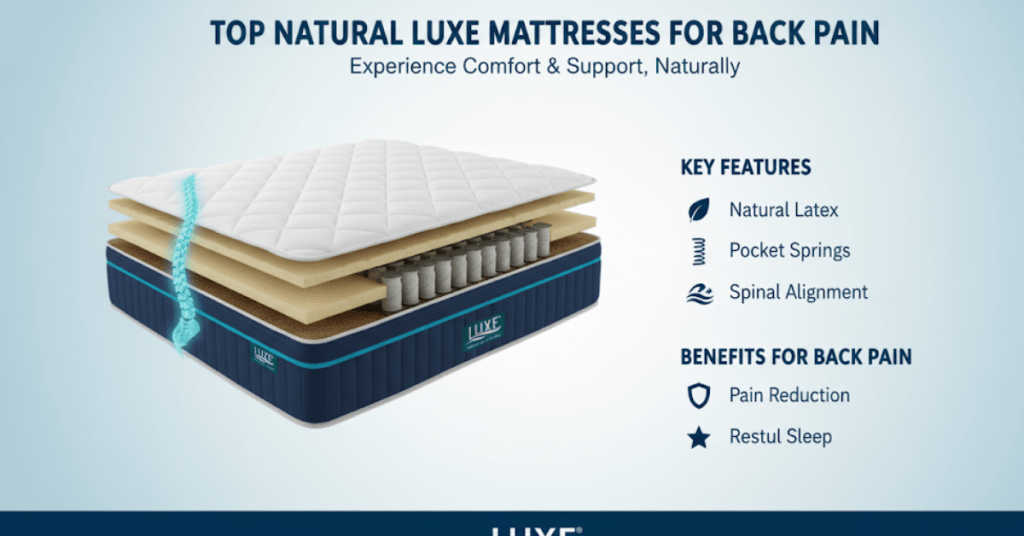
Choosing a mattress that alleviates back pain while being eco-friendly has become increasingly important. Natural luxe mattresses combine high-quality materials, sustainable construction, and targeted support to enhance spinal alignment and comfort. When upgrading to a new mattress, it’s also essential to plan how to dispose of a mattress responsibly to reduce environmental impact.
- Birch Luxe Natural Mattress:
- Materials: Organic cotton, natural latex, steel coils
- Features: Medium-firm support, breathable design
- Benefits: Provides excellent pressure relief and promotes proper spinal alignment. Understanding how to dispose of a mattress is important if replacing an old model while upgrading to Birch Luxe.
- Gardner Organic Luxe Mattress:
- Materials: Organic cotton, natural latex, New Zealand wool, pocketed coils
- Features: Flippable design, handcrafted quality
- Benefits: Offers balanced support with eco-friendly materials. Knowing how to dispose of a mattress ensures your previous mattress does not contribute to landfill waste.
- Avocado Organic Luxe Mattress:
- Brentwood Home Cedar Natural Luxe Mattress:
- Materials: Organic cotton, all-natural latex, coconut husk
- Features: Bouncy feel, environmentally friendly construction
- Benefits: Provides responsive support and regulates temperature. Proper knowledge of how to dispose of a mattress helps maintain an eco-friendly cycle when upgrading.
Investing in a natural luxe mattress ensures back pain relief, improved sleep quality, and sustainability. Simultaneously understanding how to dispose of a mattress responsibly completes the process, allowing you to enjoy a new, supportive sleep surface without harming the environment.
Conclusion
In reviewing the best natural luxe mattresses, options like Birch Luxe, Gardner Organic Luxe, Avocado Organic Luxe, and Brentwood Home Cedar stand out for their eco-friendly materials, durability, and ability to relieve back pain through proper support and alignment. While selecting the right mattress depends on individual needs such as sleep position, firmness preference, and material choice it’s equally important to think about how to dispose of a mattress when upgrading.
Proper disposal through recycling, donation, or retailer take-back programs ensures your old mattress doesn’t end up harming the environment. By choosing the right mattress and planning how to dispose of a mattress responsibly, you not only invest in better sleep today but also support long-term back health and sustainability.
The most eco-friendly way to dispose of a mattress is through recycling. Many recycling centers dismantle mattresses to repurpose steel coils, foam, fabric, and wood. If recycling isn’t available in your area, donation or retailer take-back programs are excellent alternatives, provided the mattress is still in good condition.
The best mattress for back pain typically falls within the medium-firm range, as it offers a balance of support and cushioning. Latex and hybrid mattresses are often recommended because they provide both responsiveness and contouring support, helping to maintain spinal alignment while relieving pressure points.
Look for high-quality, durable, and non-toxic materials such as organic cotton, natural latex, wool, and coconut coir. These not only enhance comfort and support but also promote healthier sleep by reducing exposure to synthetic chemicals. Natural materials are also more sustainable and often more breathable than synthetic alternatives.

Hello, this is me Sidra and I am a professional content writer with a sharp eye for detail and I love to write about mattresses. Whether it’s blog post, website content or articles. I bring clarity, creativity and purpose to every piece of write. My goal is simple. I create content about mattresses not only inform but resonates. I can create professional content about mattresses. It’s help people to choose the write mattress. From all this you can choose the best for your comfort.