Estimated reading time: 9 minutes
Choosing the right bed is crucial for creating a cozy bedroom, particularly in small spaces. Whether for a guest room or a studio, it’s essential to measure accurately to ensure both comfort and style. This article will provide steps to measure room size for a single bed, considering bed dimensions and space for movement and furniture. Let’s explore how to maximize your room for both functionality and aesthetic appeal.
Finding the Perfect Fit: How to Measure Room Size for a Single Bed
Understanding the Importance of Room Size Measurement
Accurate room measurements are crucial for setting up a bedroom, ensuring furniture fits well and creating a comfortable, inviting space, especially in smaller areas where every inch matters. This prevents overcrowding and fosters a well-organised environment.

Accurate room measurements are essential for making informed decisions about furniture size and type, particularly for a single bed. Understanding the dimensions helps select furniture that maximizes utility while maintaining style and comfort, avoiding issues of items being too large or small for the space. Furthermore, proper measurements enhance the bedroom’s functionality, allowing for movement and the placement of additional essentials like wardrobes or nightstands. For more ideas on optimizing small bedrooms, Apartment Therapy provides helpful layout inspiration, contributing to a well-planned and serene atmosphere for relaxation.
Standard Dimensions of a Single Bed
Understanding the standard dimensions of a single bed is crucial as it forms the basis for all subsequent measurements and planning. Typically, a single bed measures around 38 inches in width and 75 inches in length. However, there can be slight variations depending on the manufacturer and the region, so it’s always a good idea to check the exact dimensions of the bed you are considering. This basic measurement provides a starting point for determining how much space the bed will occupy and how it will fit within the room.
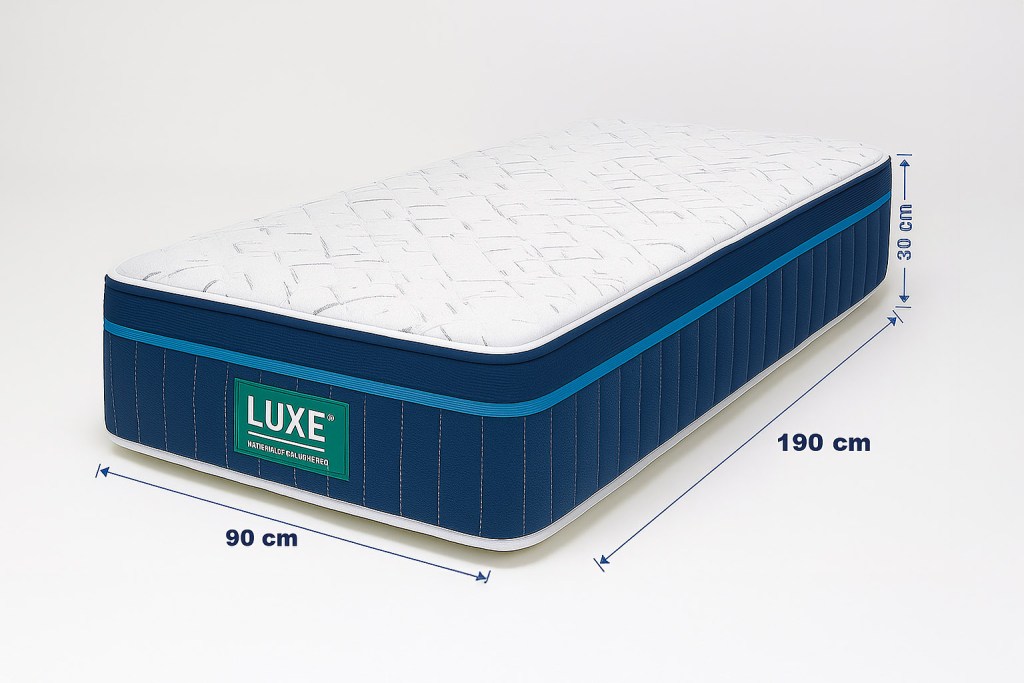
The content discusses various bed types, highlighting the twin bed, which is 39 inches wide, and the twin XL bed, which is the same width but 80 inches long. It emphasizes the importance of considering these variations for added comfort and room suitability. Additionally, the text notes that the height of the bed, usually ranging from 16 to 24 inches, impacts the room’s aesthetics and accessibility, making it essential to ensure that the bed fits well within the space without hindering other elements like windows or wall art.
Tools You Need for Accurate Measurement
To measure your room accurately, you will need a few essential tools that will make the process easier and more precise. The most important tool is a tape measure, ideally one that is at least 25 feet long. A retractable tape measure is particularly useful as it allows for easy handling and accurate measurement of both large and small distances. Make sure the tape measure is sturdy and has clear, easy-to-read markings to ensure precision.
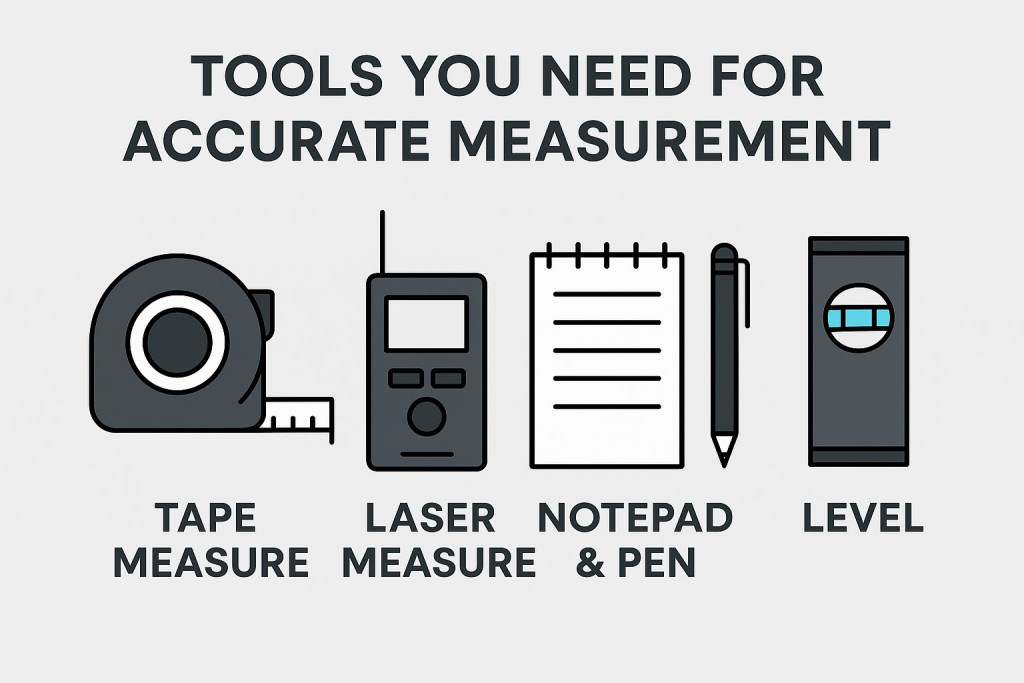
For effective room measurements, a laser measuring tool is highly beneficial, especially for larger or irregularly shaped spaces, as it provides quick and accurate results. While not essential, it can enhance efficiency and precision in home improvement projects. Additionally, having a notepad and pen to record measurements is crucial. Drawing a simple floor plan with wall dimensions and features aids in organizing the data. A level is also important for ensuring measurements are straight and accurate, particularly for wall-mounted items.
How to Measure Your Room for a Single Bed
Measuring your room accurately involves several steps to ensure that you capture all necessary dimensions and details. Begin by measuring the length and width of the room. Place the tape measure at one end of the room and extend it to the opposite end, ensuring that the tape is straight and taut. Record the measurements for both the length and width, and double-check them to ensure accuracy. These dimensions will give you the overall size of the room and help you determine how much space is available for the bed and other furniture.

To properly plan your room layout, measure the height of the ceiling, especially for taller furniture like wardrobes or bunk beds, to ensure adequate clearance. Additionally, take note of measurements for alcoves, recesses, and irregular areas that could affect furniture placement. Also, measure the dimensions of doors and windows, including their distances to the nearest wall or corner, to avoid obstructing these features and to allow for proper functionality and access to light and ventilation.
Considering Additional Furniture and Space Requirements
When planning the layout of your room, it’s important to consider not only the size of the bed but also the space required for additional furniture and movement. Common bedroom furniture includes nightstands, wardrobes, dressers, and desks, each of which requires its own space. Measure the dimensions of these pieces and consider their placement in relation to the bed. Ensure that there is enough room for you to move comfortably around the room and access each piece of furniture without obstruction.
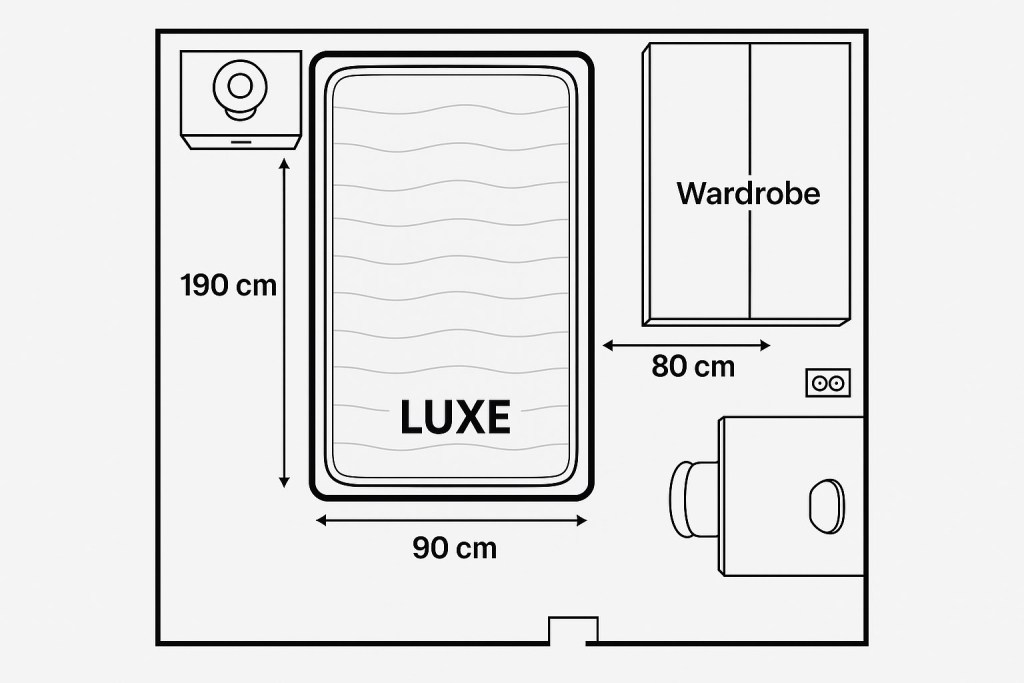
When designing a room, it’s essential to accommodate space for daily activities and movement, ensuring at least 24 inches of clearance around the bed. Multi-functional furniture can help in small areas. Additionally, electrical outlets and light switches should be easily accessible and not obstructed by furniture, which may require the use of extension cords or power strips. By addressing these considerations, you can create a functional and comfortable space.
Tips for Maximising Small Spaces with a Single Bed
Maximising a small space with a single bed requires creativity and strategic planning. One effective strategy is to use multi-functional furniture that serves more than one purpose. For example, a single bed with built-in storage drawers can provide valuable space for clothing, bedding, or other items, reducing the need for additional furniture. Similarly, a loft bed can create additional floor space underneath for a desk, seating area, or storage. These solutions help make the most of limited space while maintaining a clean and organized look.
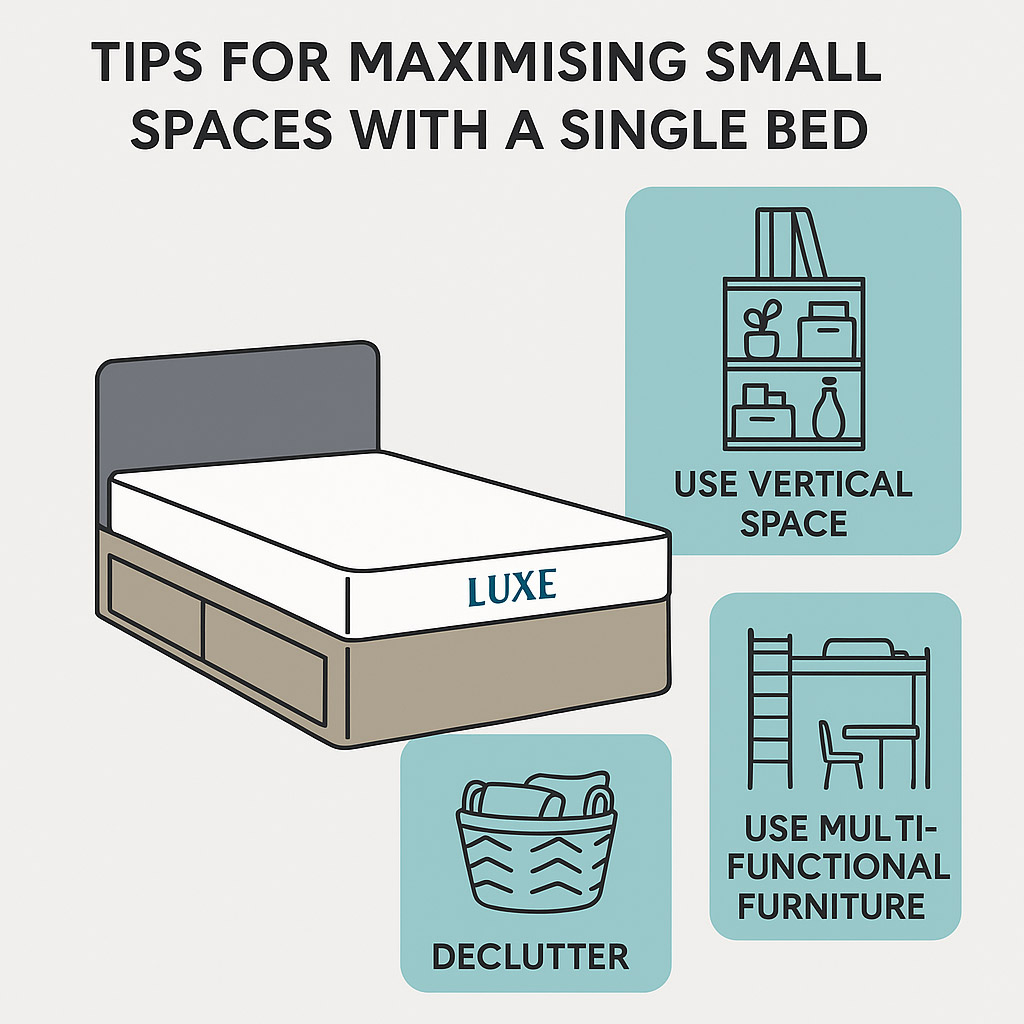
To maximize small spaces, effectively use vertical space by incorporating tall bookshelves, wall-mounted shelves, and hanging organizers. Utilize areas above the bed for shelving or artwork, and employ hooks or racks to elevate items off the floor, enhancing the illusion of a larger room. Light and neutral colors for walls and furniture can further create a sense of openness.
Decluttering is crucial; retain only essentials and employ creative storage solutions like baskets and under-bed boxes. Regularly evaluate belongings to eliminate unnecessary items, fostering a tidy environment that makes the space feel larger and more inviting.
Common Mistakes to Avoid When Measuring Room Size
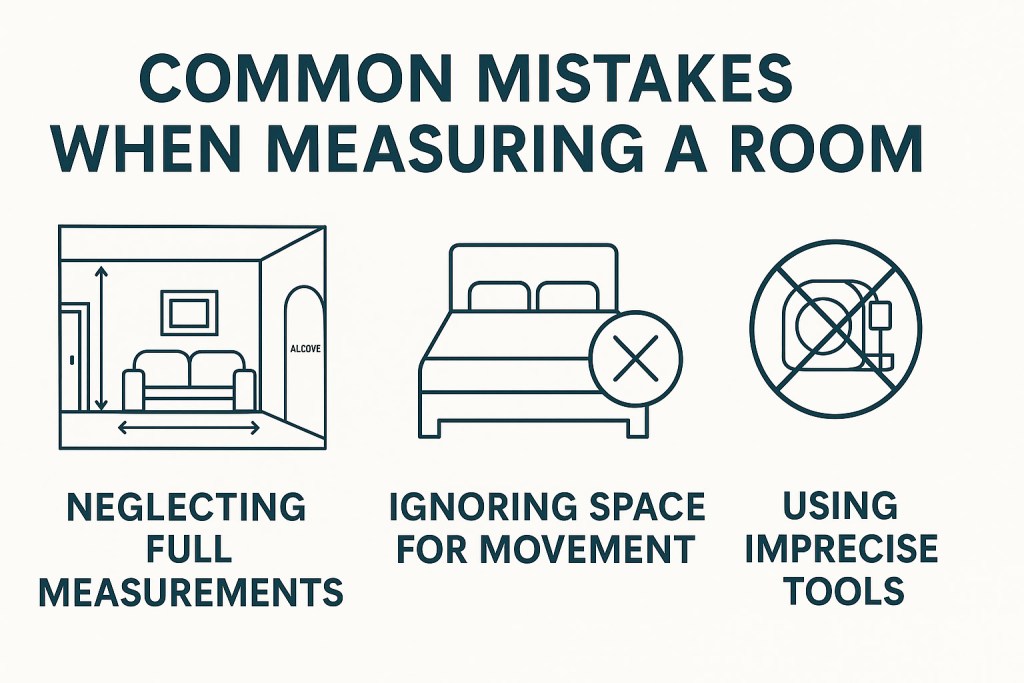
When measuring room size for a single bed, avoid common mistakes for accuracy. Firstly, measure the entire room, including walls, alcoves, and architectural features, to prevent inaccuracies. Secondly, consider the necessary space for movement and additional furniture to ensure functionality and comfort. Lastly, use precise measuring tools and double-check measurements, as inaccuracies can lead to poor planning and fitting issues.
Visualising Your Space: Using Floor Plans and Design Apps
Visualizing your space can significantly improve the planning process for a well-designed room. You can start by sketching a simple floor plan with the room’s dimensions and features to experiment with furniture arrangements. Additionally, design apps like Roomstyler, Planner 5D, and SketchUp can enhance this process by allowing you to input precise dimensions and visualize layouts in a virtual setting, often with 3D views. These tools also enable experimentation with colour schemes, materials, and decor, helping to avoid costly mistakes and ensuring a functional and attractive space.
Real-Life Examples of Room Layouts with Single Beds
Real-life examples of room layouts offer valuable inspiration for design. A small guest room features a single bed against one wall, complemented by a narrow nightstand and wall-mounted lamp to save space, with a tall wardrobe for storage and a small desk in a corner. Light colors and minimal decor enhance the room’s openness.
In a child’s bedroom, the single bed is positioned in a corner to free up play space. A low bookshelf and storage bins help organize toys, while a small desk is used for homework. Bright decor adds personality and invites fun.
A compact studio apartment utilizes a loft bed for extra floor space or a daybed with storage drawers for dual functionality. The bed’s placement creates defined living areas, while vertical storage and wall-mounted shelves optimise space, blending functionality with style for an efficient living environment.
Conclusion: Achieving the Perfect Fit for Your Space
Achieving the perfect fit for your space requires careful planning and accurate measurements, with a focus on your needs and preferences. Understanding room size and the dimensions of a single bed aids in effective furniture placement and layout. Utilizing the right tools enhances measurement accuracy while encouraging a functional and comfortable environment.
Incorporating additional furniture considerations and tips for maximizing small spaces can lead to a well-organized room. Avoiding common mistakes and using design tools can improve the planning process. Real-life layout examples offer inspiration for your own designs.
Ultimately, creating a harmonious blend of comfort, functionality, and style is key to transforming your space. By measuring accurately and planning thoughtfully, you can create a serene sanctuary that reflects your personal taste, whether it’s for a guest room, child’s retreat, or compact studio. Embrace the journey to discover the perfect fit for your space!

Giulia is a content writer at Luxe Mattresses, where she blends her background in product development with a passion for sleep science and design. A graduate of Imperial College London, Giulia studied Product Development & Entrepreneurship, giving her a strong foundation in how everyday products like mattresses & impact human well-being.
At Luxe, she focuses on writing informative, user-friendly blogs that explore everything from mattress comparisons and sleep quality tips to innovations in bedding technology. Giulia is especially passionate about helping readers make smarter choices when it comes to comfort, health, and bedroom design.