
Is your foam mattress no longer giving you the comfort it once did? Over time, even the best foam mattresses can sag, trap heat, or lose support. With advances in mattress technology, hybrid mattresses have become a top choice in 2025. If you’ve been wondering whether it’s time for a change, this guide will help you decide whether a foam vs hybrid replacement is the right move for your sleep quality.
What Is a Foam Mattress?
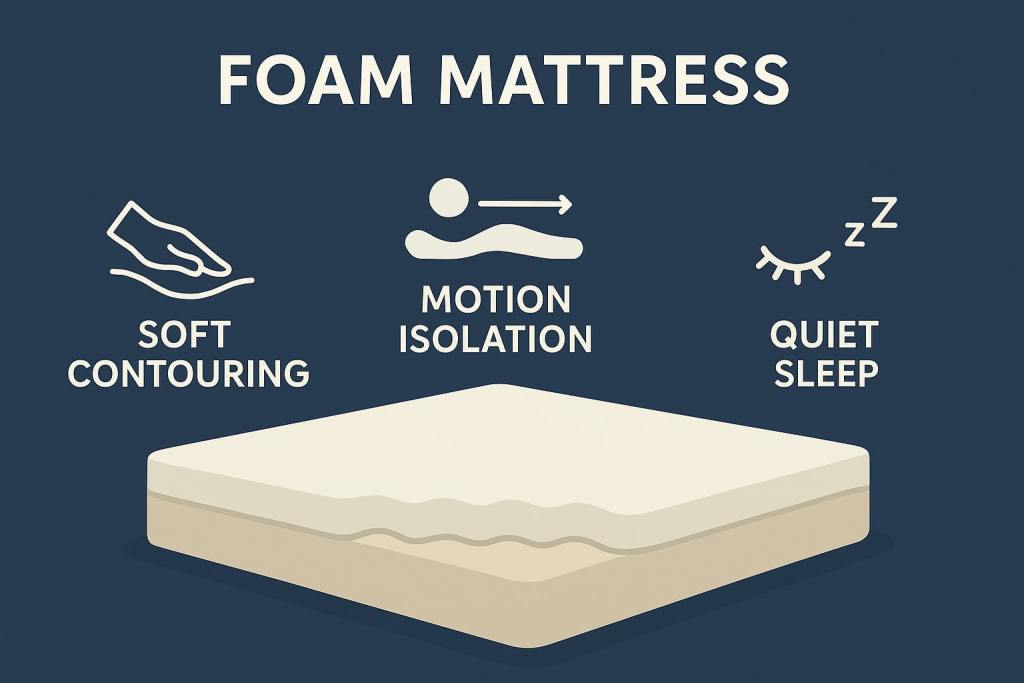
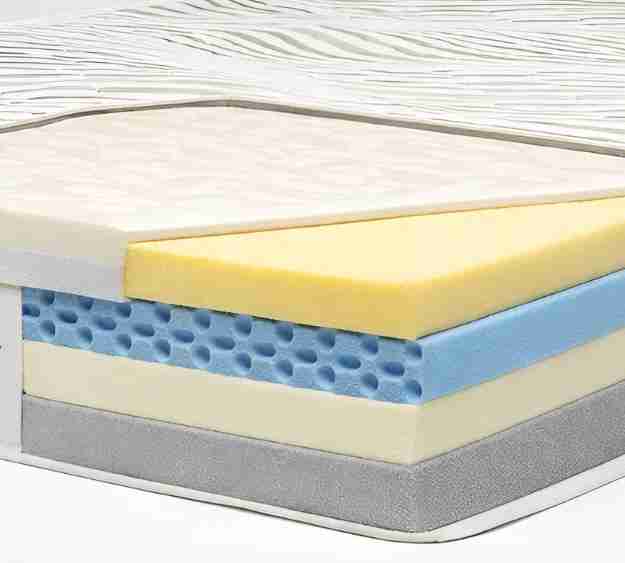
Foam mattresses, especially memory foam, are made entirely of viscoelastic foam layers. They are celebrated for:
- Soft contouring: Hugs your body for pressure relief.
- Motion isolation: Reduces disturbance from a partner’s movement.
- Quiet sleep: No coils mean silent nights.
However, foam mattresses also have some downsides:
- Heat retention: Foam can trap body heat, making you feel hot.
- Less bounce: Getting in and out of bed can feel more effortful.
- Sagging over time: Foam may lose its shape, affecting support and alignment.
If any of these issues sound familiar, it may be time to consider a foam vs hybrid replacement.
What Is a Hybrid Mattress?
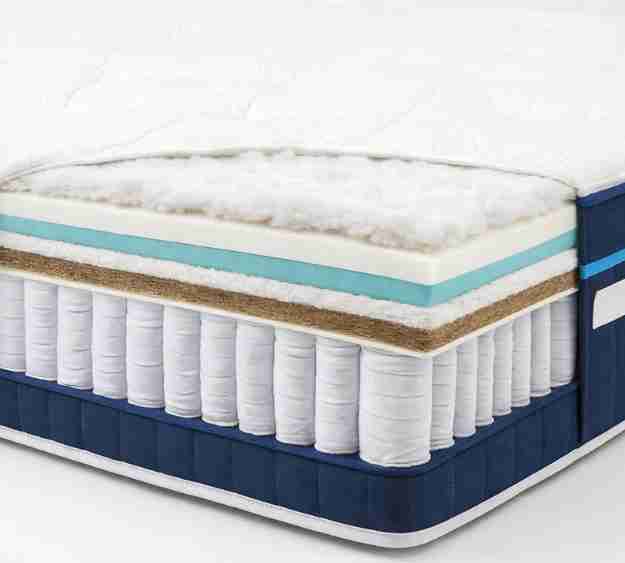
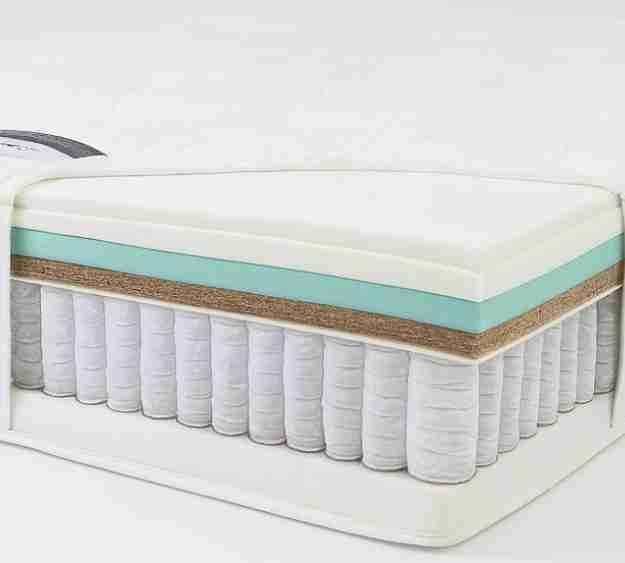
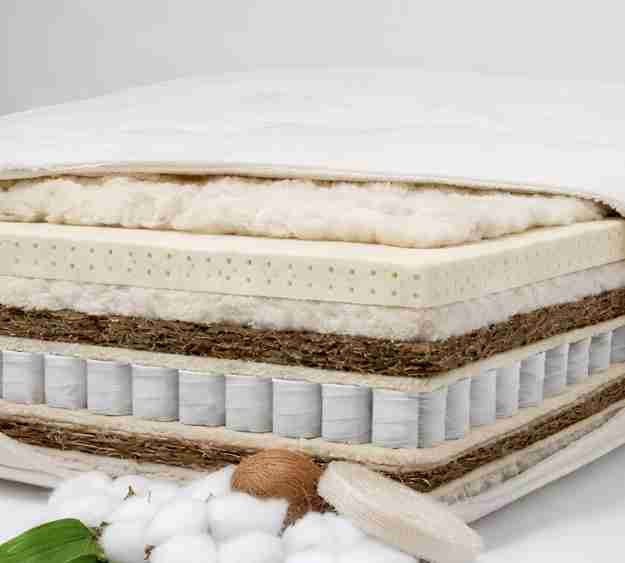
Hybrid mattresses combine innerspring coils with foam or latex comfort layers, offering a balance of support and cushioning. The benefits include:
- Pressure relief: Foam layers cushion shoulders, hips, and sensitive areas.
- Support: Coil systems maintain spinal alignment and reduce sagging.
- Temperature regulation: Coils allow airflow to keep you cooler.
- Durability: Lasts longer than most all-foam mattresses.
For sleepers who want firmness and cushioning, a hybrid mattress is a smart upgrade. If you’re considering switching to a hybrid mattress, it’s worth evaluating the differences closely.
Key Differences Between Foam and Hybrid Mattresses
Here’s a quick comparison to help you see why many people are choosing an upgrade to hybrid:
| Feature | Foam Mattress | Hybrid Mattress | Winner |
|---|---|---|---|
| Spinal Alignment | Moderate | Excellent, coil layer supports evenly | Hybrid |
| Pressure Relief | Excellent, deep contouring | Very good, balanced with foam & coils | Foam |
| Cooling | Poor | Better airflow via coils | Hybrid |
| Motion Isolation | Excellent | Good | Foam |
| Durability | 5-7 years | 8-10 years | Hybrid |
| Bounce / Responsiveness | Low | High, easier movement | Hybrid |
| Edge Support | Moderate | Reinforced coil edges | Hybrid |
- Foam: Best for side sleepers and those needing deep pressure relief.
- Hybrid: Ideal for couples, hot sleepers, or anyone needing better spinal support and cooling.
This table highlights why a foam vs hybrid replacement can be beneficial if you’re experiencing heat retention, sagging, or discomfort.
Signs You Should Replace Your Foam Mattress

Not sure if it’s time to make the move? Here are signs it’s time for a foam vs hybrid replacement:
- Sagging or visible body impressions.
- Worsening back or hip pain.
- Trouble sleeping due to heat retention.
- Motion transfer disturbing your partner.
- Mattress older than 7-8 years.
If you notice multiple signs, a hybrid mattress is a smart long-term investment in your health and sleep quality.
Benefits of Switching to a Hybrid Mattress
When you’re switching to a hybrid mattress, here’s what you can expect:
- Better support: Coils help keep your spine aligned, reducing back pain.
- Enhanced comfort: Foam layers cushion pressure points without sinking too deep.
- Cooler sleep: Coils increase airflow, preventing overheating.
- Durable construction: Lasts longer than foam mattresses alone.
- Ideal for couples: Excellent motion isolation and edge support.
Who benefits most from an upgrade to hybrid:
- Hot sleepers who overheat on foam.
- Couples with different sleep patterns.
- Side, back, and combination sleepers needing balanced comfort.
Potential Downsides of Hybrid Mattresses
Before making the switch, consider potential drawbacks:
- Cost: Hybrids are more expensive than foam mattresses.
- Heaviness: Harder to move or rotate.
- Noise potential: Low-quality coils can squeak over time.
- Not ideal for minimalists: Hybrids are bulkier than foam.
Despite these minor issues, the benefits often outweigh the cons for long-term comfort and support.
Why You Might Want to Switch to a Hybrid Mattress?
If your current mattress is leaving you hot, sore, or restless at night, it might be time for an upgrade. Switching to a hybrid mattress can offer the perfect blend of support, comfort, and durability for better sleep.
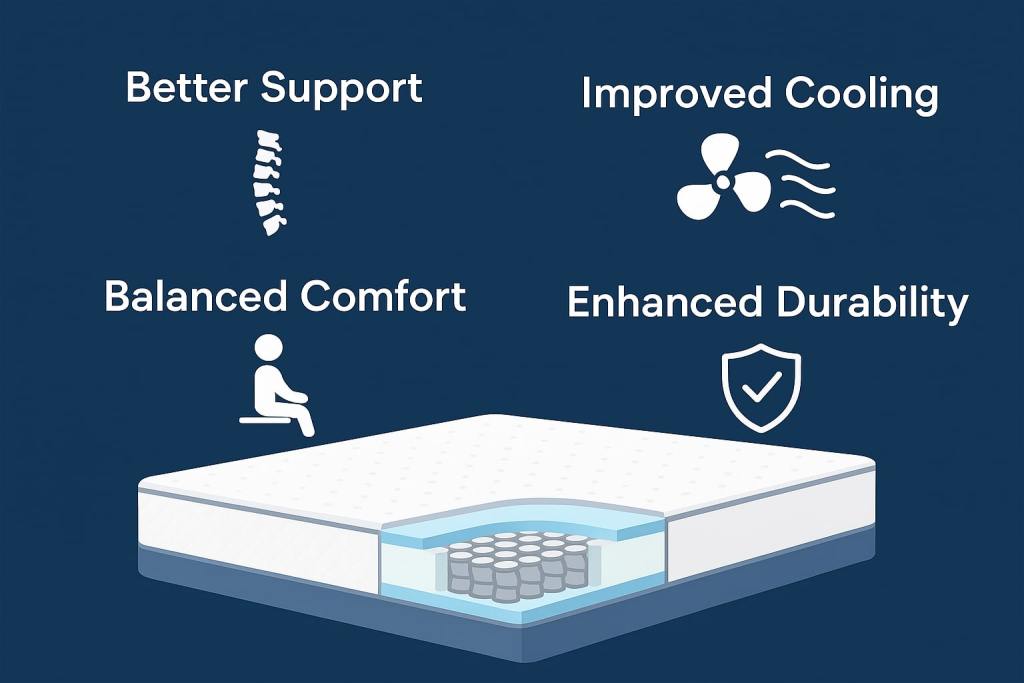
- Better Support: Coils keep your spine aligned.
- Improved Cooling: Airflow through coils prevents overheating.
- Balanced Comfort: Foam layers cushion pressure points without sinking too deep.
- Enhanced Durability: Lasts longer than all-foam mattresses.
- Perfect for Couples: Motion isolation and edge support reduce disturbances.
When a Hybrid Mattress Might Not Be Right for You?
While hybrid mattresses offer excellent support and comfort for many sleepers, they aren’t ideal for everyone. Certain preferences, budgets, or lifestyle needs might make another mattress type a better choice.
- Budget constraints: Foam may be sufficient if cost is your primary concern.
- Love soft contouring: Some foam mattresses provide a hugging feel that hybrids cannot match.
- Mobility issues: Hybrids are heavier and harder to move.
- Short-term use: Guest rooms or temporary setups may not require an upgrade to hybrid.
How to Choose the Right Hybrid Mattress?
Choosing the right hybrid mattress can feel overwhelming with so many options available. The key is finding the perfect balance of support, comfort, and durability to suit your sleep position.
- Firmness Level: Medium-firm suits most sleepers.
- Coil Count: 800+ coils provide proper support.
- Foam Type: Gel or latex adds cooling and durability.
- Trial Period: Look for 100-night or longer sleep trials.
- Warranty: At least 10 years is ideal.
These tips make your switching to hybrid mattress process easier and safer.
Conclusion
If your foam mattress no longer provides comfort, support, or cooling, it may be time for a foam vs hybrid replacement. Hybrid mattresses offer the perfect balance of cushioning, spinal support, airflow, and durability. By making this investment, you’ll enjoy deeper, healthier sleep for years to come.
Final takeaway: When your foam mattress shows signs of wear or discomfort, an upgrade to hybrid is one of the best choices you can make for long-term sleep quality. Visit our store for our top collection of hybrid mattresses that bring ultimate comfort to you.
FAQ’s
Yes! Hybrid mattresses combine supportive coils with cushioning foam layers. The coils maintain proper spinal alignment, while the foam relieves pressure on shoulders and hips. This combination often helps reduce back pain compared to all-foam mattresses.
Hybrid mattresses generally last longer than traditional foam mattresses. While foam mattresses usually last 6–8 years, high-quality hybrid mattresses can provide 8–10 years of consistent support and comfort due to their durable coil structure.
Yes. Hybrid mattresses have innerspring coils that promote better airflow, helping to regulate temperature. Foam mattresses tend to trap heat, whereas hybrids offer a cooler sleep experience, especially if they include gel-infused or breathable foam layers.
Absolutely, especially if you want long-term comfort, support, and durability. While hybrids are more expensive upfront, they often last longer, reduce back pain, improve spinal alignment, and provide better motion isolation making them a worthwhile investment.
In most cases, yes. Hybrid mattresses work well with slatted frames, platform beds, and traditional box springs. Just make sure your frame is sturdy enough to support the weight of the hybrid mattress, as they tend to be heavier than foam mattresses.

I’m Zainab, and I write to help people choose the right mattresses. I share clear, useful information about everything from comfort to materials, so you can pick the one that’s best for you.