
Choosing a good memory foam mattress can completely transform your sleep experience but with so many brands claiming to be “the best,” it’s easy to get confused. Some mattresses may feel comfortable at first but lose shape or support within months. So, how do you really tell if you’re investing in a good memory foam mattress?
In this guide, we’ll break down everything you need to know from foam density and layers to certifications and firmness to help you recognize whether a memory foam mattress is truly worth your money.
Understanding What Makes a Good Memory Foam Mattress
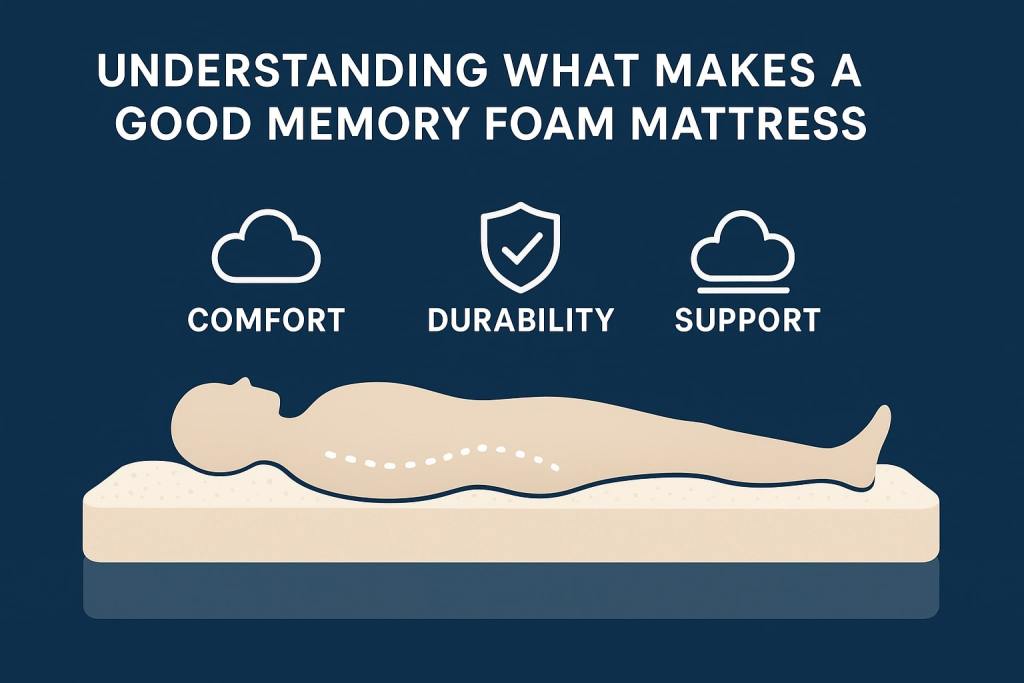
A good memory foam mattress is designed to balance comfort, durability, and proper support. It should adapt to your body, relieve pressure points, and retain its structure for years.
Memory foam is known for its “viscoelastic” quality meaning it reacts to body heat and pressure, molding perfectly to your shape. However, not all foams are created equal. Low-quality ones lose this ability quickly, leading to sagging and poor spinal alignment.
Signs of a Good Memory Foam Mattress
Let’s look at the most reliable indicators of quality so you can spot a truly good memory foam mattress before buying.
1. Foam Density
The foam’s density is one of the clearest signs of quality.
- High-density (5 lb/ft³ or above): Excellent support and durability (ideal for heavy sleepers).
- Medium-density (3–4 lb/ft³): Balanced comfort and longevity (suits most people).
- Low-density (under 3 lb/ft³): Softer, cheaper, but less durable.
A good memory foam mattress usually falls in the medium to high-density range, offering support without feeling too hard.
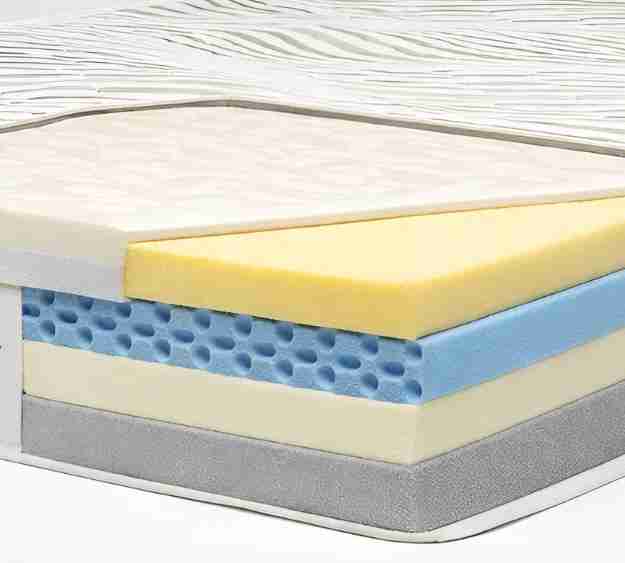
2. Multiple Foam Layers
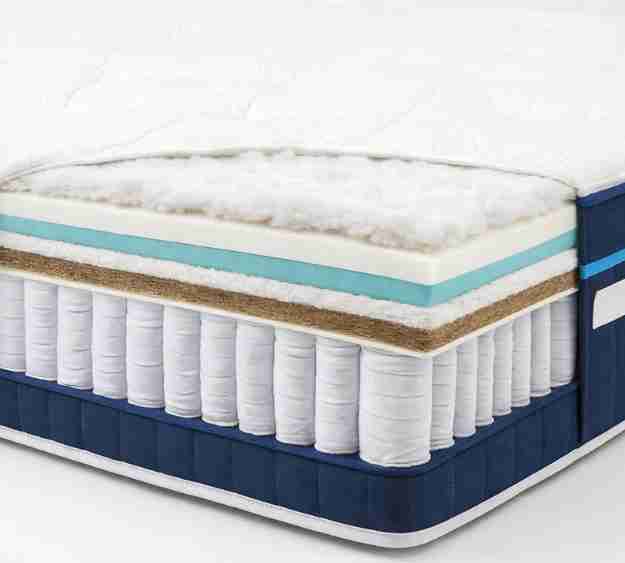
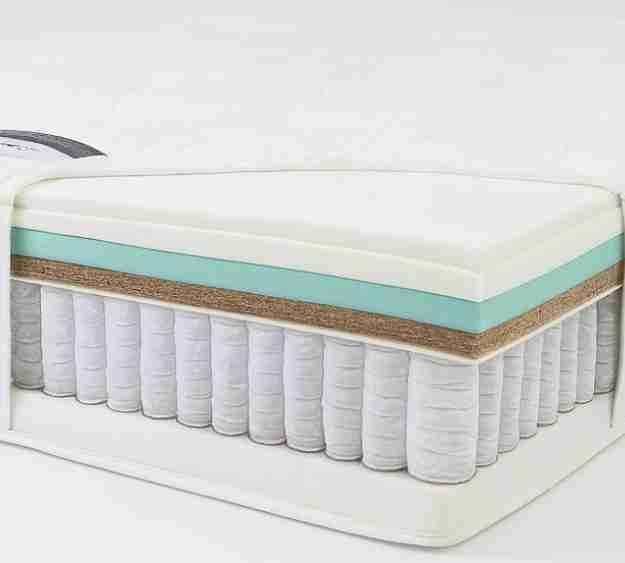
A quality mattress includes more than just a single foam slab. It combines:
- Comfort layer: Contours to your body.
- Transition layer: Prevents sinking.
- Support base: Adds durability and structure.
If your mattress has these layers clearly defined, it’s likely a good memory foam mattress that will last longer and provide consistent support.
3. Certifications Matter
Look for certifications like:
- CertiPUR-US®: Ensures foam is free from harmful chemicals.
- OEKO-TEX®: Verifies safe, skin-friendly materials.
These labels guarantee you’re buying a good memory foam mattress that’s both safe and eco-conscious.
4. Edge Support
One common problem with poor-quality mattresses is weak edges that sag over time. A good memory foam mattress will have reinforced edges, so you can sit or sleep near them without slipping off.
5. Temperature Regulation
Classic memory foam traps heat, but modern versions use cooling gels or open-cell technology. If you often wake up hot, look for cooling features they’re a sign the brand uses advanced materials and design, typical of a good memory foam mattress.
6. Responsiveness and Recovery Time
Press your hand into the foam it should gently bounce back in a few seconds. Too slow means it’s low-quality foam; too quick means it lacks contouring ability.
A good memory foam mattress strikes a balance, supporting you without making you feel “stuck.”
7. Warranty and Trial Period
Trusted manufacturers offer a 5–10-year warranty and at least a 100-night trial. That’s a sign of confidence in their product. A short warranty often signals the opposite.
Quick Comparison Table
| Feature | Poor Quality Foam | Good Memory Foam Mattress |
|---|---|---|
| Foam Density | Under 3 lb/ft³ | 3–5 lb/ft³ or more |
| Support Layers | Single layer | 3+ layers (comfort, transition, base) |
| Certifications | None | CertiPUR-US®, OEKO-TEX® |
| Temperature | Sleeps hot | Cooling gel or open-cell foam |
| Edge Support | Weak | Reinforced and stable |
| Warranty | < 3 years | 5–10 years |
| Lifespan | 2–3 years | 8–10 years |
Are Memory Foam Mattresses Good for You?
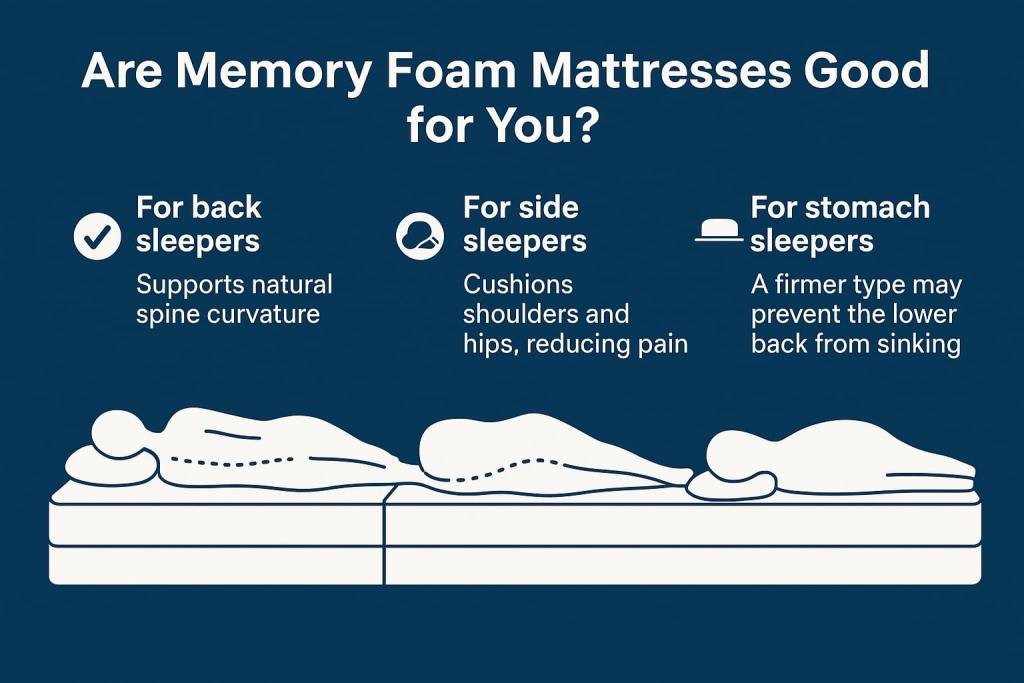
Many buyers still ask, “Are memory foam mattresses good?” or “Is memory foam mattress good for your back?” The answer depends on your needs but in most cases, yes, memory foam mattresses are good for maintaining proper spinal alignment and relieving pressure points.
- For back sleepers: Memory foam supports natural spine curvature.
- For side sleepers: It cushions shoulders and hips, reducing pain.
- For stomach sleepers: A firmer type may prevent the lower back from sinking.
So, if you’ve ever wondered “Is a memory foam mattress good?” the answer is yes, when it’s made well and matched to your body type.
How to Choose a Good Memory Foam Mattress?
1. Check the Thickness
A good memory foam mattress is at least 10 inches thick. Thinner mattresses might feel too soft and wear out quickly.
2. Determine Your Firmness Level
- Soft: Good for lighter side sleepers.
- Medium: Best for most sleepers.
- Firm: Ideal for heavy or stomach sleepers.
Choosing the right firmness ensures that your good memory foam mattress provides proper support and comfort.
3. Look for Zoned Support
High-end mattresses feature zones that support different body parts firmer under the back, softer at the shoulders. This design helps with spinal alignment and adds to overall comfort.
4. Avoid Cheap Knockoffs
If the price sounds too good to be true, it probably is. Cheap foams lose shape fast. Investing in a good memory foam mattress pays off because it lasts longer and offers consistent comfort.
What Is a Good Memory Foam Mattress Made Of?
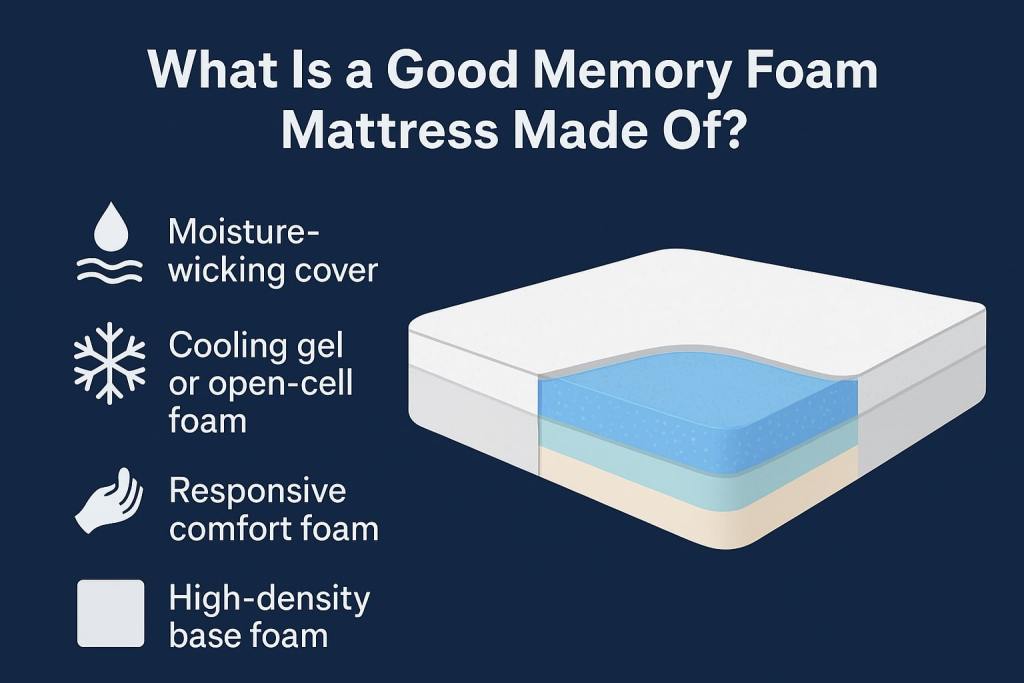
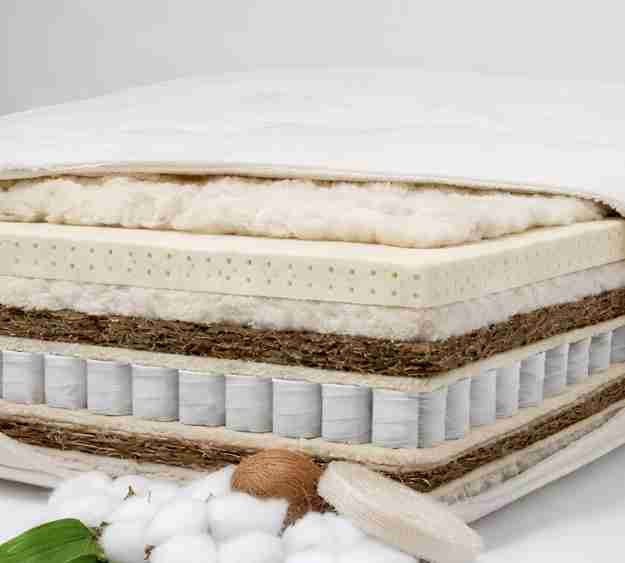
A good memory foam mattress usually includes:
- High-density base foam: For structure and durability.
- Responsive comfort foam: To contour to the body.
- Cooling gel or open-cell foam: For breathability.
- Moisture-wicking cover: Keeps the surface fresh and hygienic.
These materials work together to create that signature “floating yet supported” feeling people love.
Are Memory Foam Mattresses Good for Back Pain?
If you’ve been asking, “Are memory foam mattresses good for your back?” the short answer is yes provided you choose the right firmness.
A good memory foam mattress:
- Keeps your spine neutral.
- Reduces pressure on lower back and shoulders.
- Minimizes tossing and turning.
However, extremely soft or poor-quality mattresses can worsen back pain over time. Always test or check firmness ratings before buying.
Advantages of a Good Memory Foam Mattress
- Excellent pressure relief.
- Adapts to all body types.
- Long-lasting structure.
- Hypoallergenic and dust mite-resistant.
- Reduces partner motion disturbance.
- Available in various budgets.
Disadvantages to Be Aware Of
Even the good memory foam mattress options have potential downsides:
- Might retain heat without cooling features.
- Heavy to move or rotate.
- Some people dislike the “sink-in” feel.
- Takes time to adjust to body shape.
However, with improved designs and materials, these drawbacks are now much less noticeable.
Final Thoughts
Finding a good memory foam mattress isn’t just about price it’s about quality, comfort, and durability. Pay attention to foam density, multiple layers, certifications, and real user feedback. When you invest in a good memory foam mattress, you’re not just buying a bed you’re investing in years of deep, restful, and healthy sleep.
FAQs
It includes high-density support foam, responsive comfort layers, and breathable cooling technology to ensure durability and comfort.
Yes, they promote spinal alignment and reduce pressure points, making them ideal for people with back or joint pain.
Typically 8–10 years if it’s made from high-quality materials and properly maintained.
Modern models with cooling gels and breathable covers regulate temperature much better than older types.

I’m Zainab, and I write to help people choose the right mattresses. I share clear, useful information about everything from comfort to materials, so you can pick the one that’s best for you.