
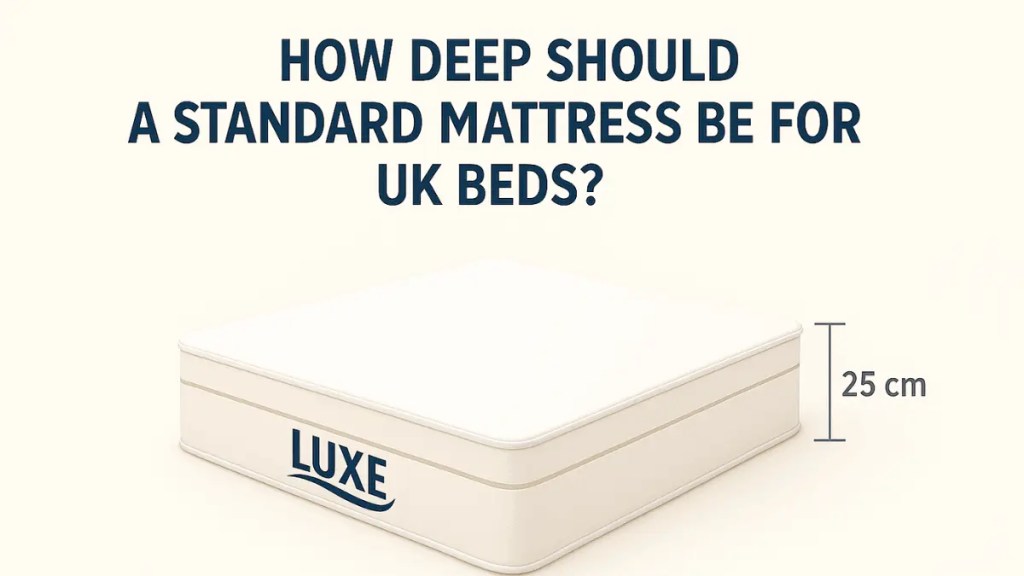
When most people buy a mattress, they focus on size or firmness but the depth of a mattress is just as important. Your standard mattress depth doesn’t only affect comfort, it influences how your bedding fits, how easily you get in and out of bed, and even the visual balance of your bedroom.
In the UK, mattresses come in several thickness options. Understanding UK mattress thickness standards helps you choose a bed that feels comfortable, fits your bedding, and suits your lifestyle perfectly.
Understanding Mattress Depth: What Does It Actually Mean?
A mattress’s depth, sometimes called height or thickness, refers to the distance from its top surface to its bottom edge. It is typically measured in centimetres (cm) in the UK.
This dimension might seem minor, but it directly impacts:
- Support and durability: Deeper mattresses often contain more layers for better comfort.
- Temperature control: A thicker mattress can retain more heat depending on materials used.
- Ease of use: Getting in and out of bed becomes easier or harder depending on total height.
Generally, most UK mattresses range from 20 cm to 30 cm deep, though certain luxury or orthopedic designs can go up to 35 cm or more.
| Mattress Type | Common Depth | Typical Comfort Level |
|---|---|---|
| Budget Foam Mattress | 15–20 cm | Light, portable, ideal for guest or kids’ beds |
| Hybrid Mattress | 23–28 cm | Balanced support and airflow |
| Memory Foam Mattress | 25–30 cm | Deep contouring comfort |
| Orthopedic Mattress | 25–35 cm | Firm, targeted spinal support |
So when you’re comparing models, don’t just look at the feel and consider how mattress thickness shapes your overall sleep experience.
Why Mattress Depth Matters More Than You Think
1. Proper Bedding Fit Depth
Your fitted sheets, protectors, and toppers are designed with a specific bedding fit depth in mind.
- If your mattress is too thick, standard sheets might pop off the corners.
- If it’s too thin, the sheets may look loose and wrinkled.
To get a perfect fit:
- Mattresses up to 20 cm = “shallow” fitted sheets.
- Mattresses 20–28 cm = “standard” fitted sheets.
- Mattresses 28 cm or more = “extra-deep” fitted sheets.
Matching your bedding fit depth not only makes your bed look neater but also keeps your mattress protected and hygienic.
2. Comfort and Ergonomics
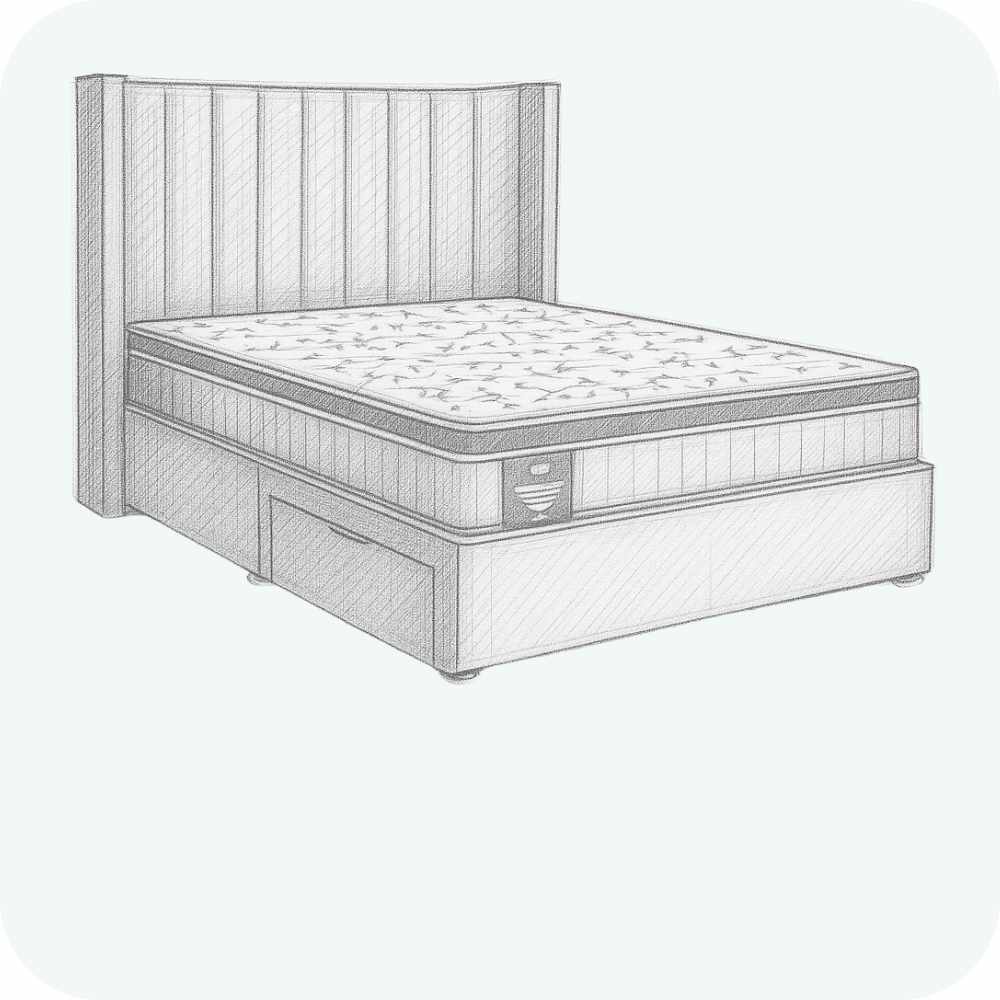
Your standard mattress depth also affects your comfort height standard, the total height of your bed once the mattress is placed on the frame.
For most adults, the ideal bed height (from the floor to the top of the mattress) is between 55 cm and 65 cm. This height aligns naturally with the knees, making it easy to sit down and stand up.
- A too-low bed can strain your back and knees.
- A too-high bed can make it difficult for shorter individuals to get on comfortably.
So, when choosing your mattress, consider your own height, your bed frame, and your mobility.
3. Aesthetic and Bedroom Design Balance
The right depth also plays a big role in your bedroom’s appearance. A tall, plush mattress can make a bed look luxurious and inviting, ideal for traditional or classic interiors. On the other hand, a slim profile mattress suits a minimalistic, modern aesthetic especially when paired with a low-platform bed.
Your comfort height standard should feel balanced high enough to look premium but not so tall that it overwhelms the bed frame.
What Is the Standard Mattress Depth in the UK?
In the UK, the standard mattress depth generally falls between 23 cm and 28 cm, with 25 cm being the most common average.
This measurement isn’t a strict rule, but rather an industry average designed to fit most UK bed frames and sizes.
| Mattress Profile | Depth Range | Common Use Case |
|---|---|---|
| Low Profile | ≤ 20 cm | Guest rooms, bunk beds, kids’ rooms |
| Standard Profile | 20–28 cm | Everyday UK mattresses |
| Deep Profile | 28–35 cm+ | Luxury, orthopedic, and hotel-grade mattresses |
Choosing within this range depends on your personal preference and how your mattress interacts with the rest of your bedroom setup.
Mattress Depth by Material and Construction
Each type of mattress construction brings its own typical depth. Let’s explore how material composition influences overall mattress thickness.
Memory Foam Mattresses
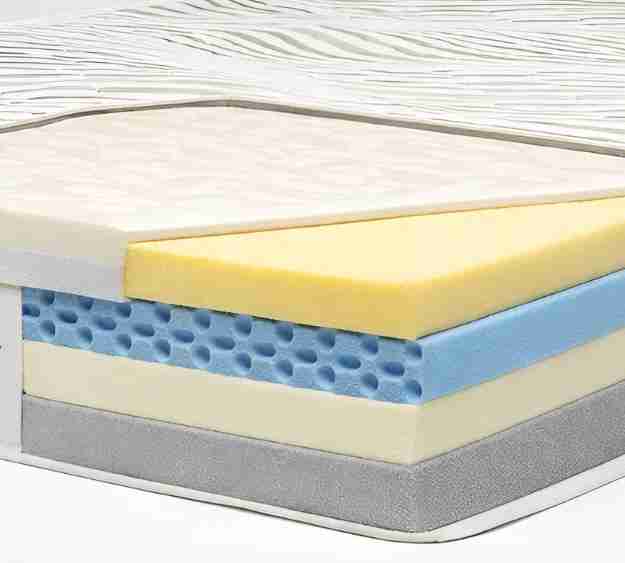
Usually 25–30 cm thick, these have multiple layers of foam that mould to your body. The extra depth allows better contouring for joints and spine support.
Pocket Spring Mattresses
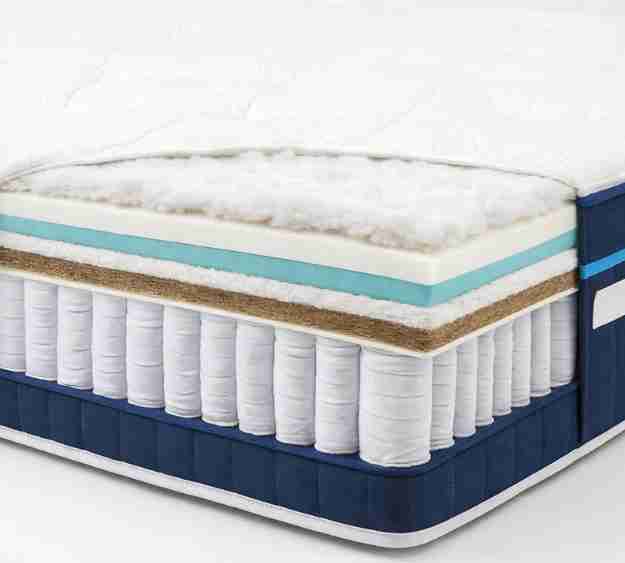
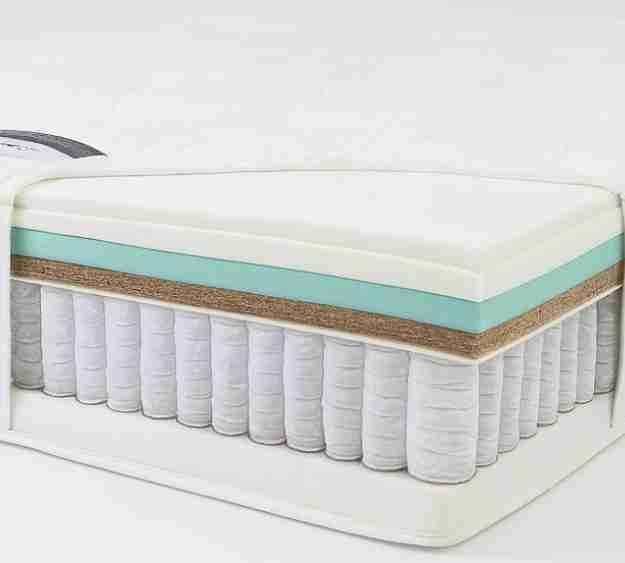
Typically 22–28 cm deep. The coil structure requires space for springs, padding, and fabric layers.
Hybrid Mattresses
Around 25–30 cm deep. They combine coils and foam for comfort and resilience, making them ideal for couples with different sleep preferences.
Latex Mattresses
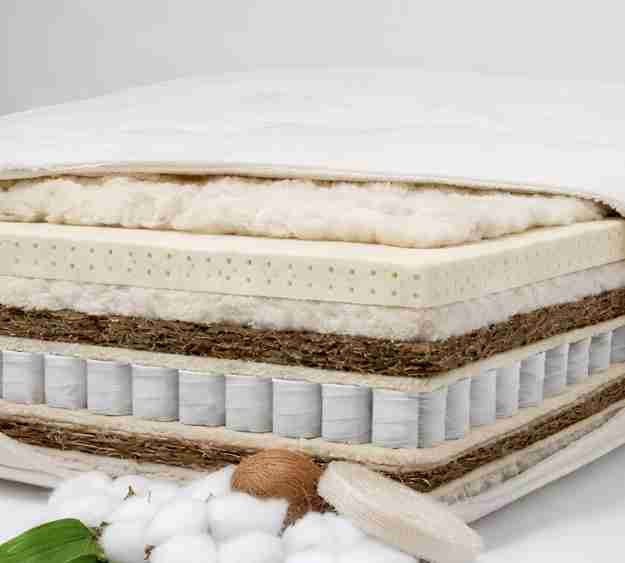
Ranging from 20–25 cm. Natural latex provides firm support and bounce, even at moderate depths.
Orthopedic Mattresses
The thickest category, often 25–35 cm. These are built for posture alignment and spinal care, using dense foam and reinforced springs.
Matching Mattress Depth With Bed Frame Types
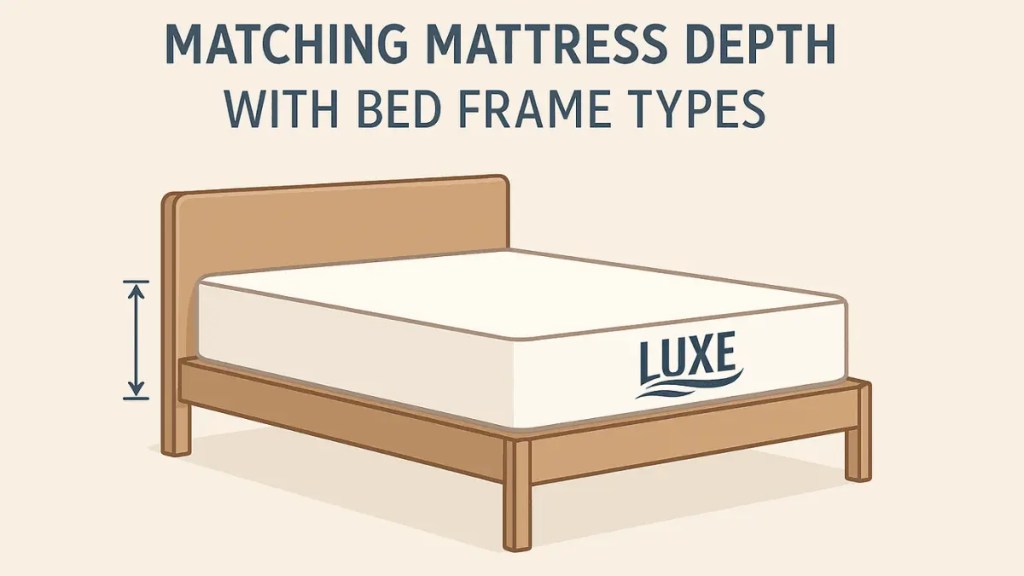
Your bed base or frame also affects what mattress depth will feel right.
Here’s a quick compatibility guide for common UK bed types:
| Bed Frame Type | Ideal Mattress Depth | Reason |
|---|---|---|
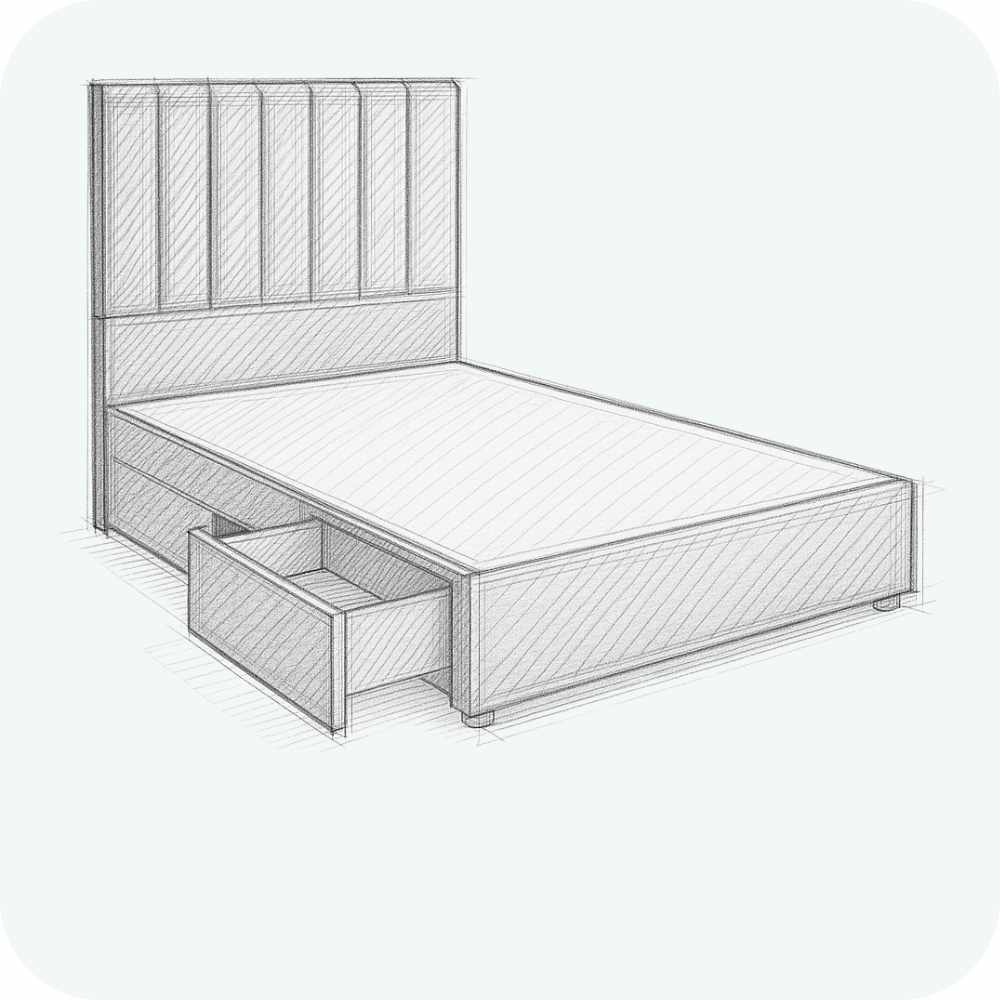
| Divan Base | 25–28 cm | Creates perfect overall height and even edge support |
| Platform Bed | 20–30 cm | Works well with most depths; modern low design |
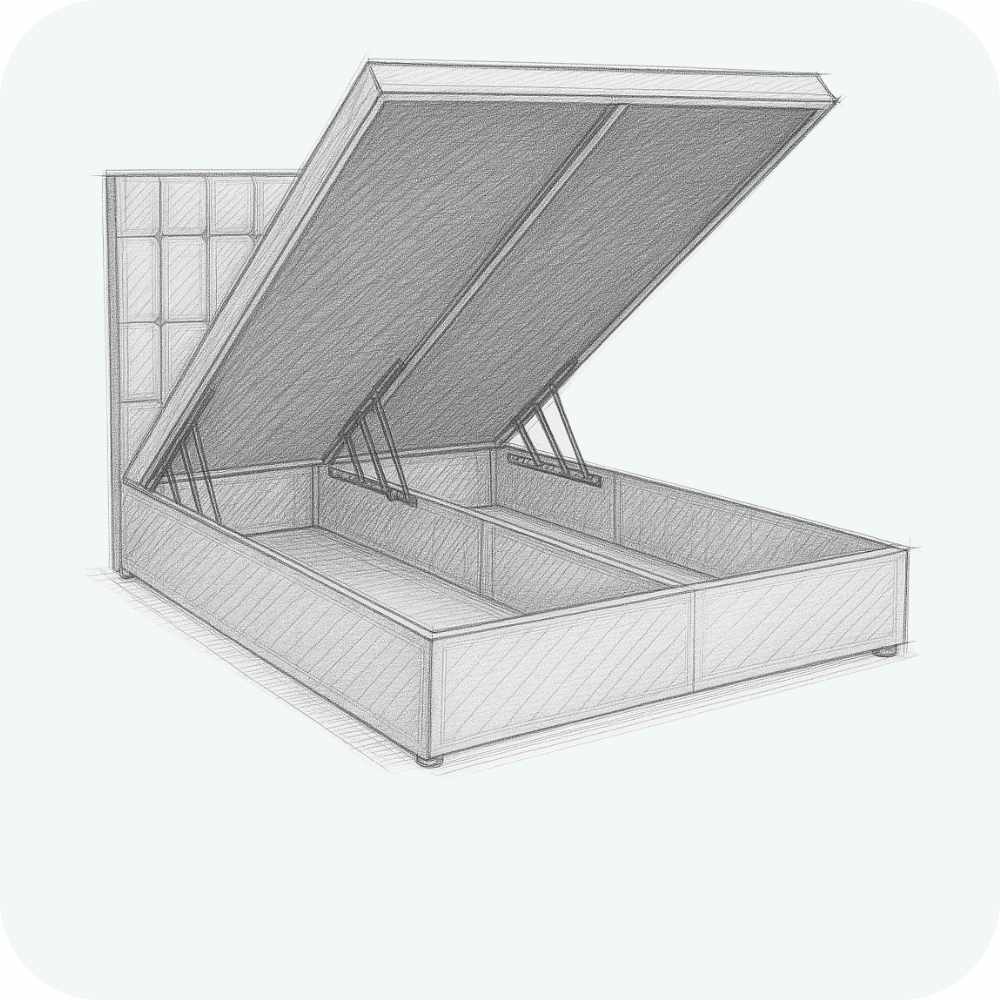
| Ottoman Storage Bed | 20–25 cm | Makes lifting mechanism easier |
| Adjustable Bed | ≤ 25 cm | Allows smooth bending and flexibility |
| Canopy or Four-Poster | 25–30 cm | Complements taller, luxury setups |
Checking your frame height and depth compatibility before buying can save you from bedding frustrations later. For full dimensions by size category, see our UK mattress size guide.
How to Measure Your Mattress Depth Correctly
To avoid confusion when buying bedding or a replacement mattress:
- Remove all sheets and toppers.
- Use a measuring tape from the bottom seam (where it touches the base) to the top edge.
- Round to the nearest centimetre.
- Add any topper height if you plan to use one regularly.
For instance, a 25 cm mattress plus a 5 cm topper means your bedding should fit 30 cm deep.
The Relationship Between Depth and Support
Many people assume that the deeper a mattress is, the better it performs but that’s not always true. Quality of materials matters far more than centimetres.
A good 25 cm hybrid mattress with high-density foam and pocket springs will outperform a 35 cm mattress made with low-quality foam.
Depth contributes to:
- Layer stability: Thicker beds have room for comfort and transition layers.
- Edge support: A deeper mattress can hold weight better at edges.
- Motion isolation: More layers often mean less motion transfer between partners.
However, going beyond 35 cm doesn’t necessarily improve comfort; it can make bedding harder to find and raise your sleeping surface uncomfortably high.
How Luxe Mattresses Engineers the Perfect Depth
At LuxeMattresses.co.uk, every model is carefully designed around UK comfort height standards.
We focus on:
- Balanced support: Combining the right number of layers within 25–30 cm depth.
- Easy bedding fit: All our mattresses align with standard and extra-deep fitted sheets available in the UK.
- Luxury feel: Premium quilting and foam density to create a plush yet stable surface.
This attention to standard mattress depth ensures your purchase fits seamlessly into your bedroom aesthetically and ergonomically.
Practical Buying Tips for the Right Mattress Depth
- Measure your bed frame height before purchase. Combine it with the mattress depth to maintain an overall bed height of about 60 cm.
- Check bedding specifications. Choose fitted sheets that fit 2–3 cm deeper than your actual mattress.
- Consider your mobility. If you struggle to climb onto taller beds, stay closer to the 20–25 cm range.
- Account for toppers or protectors. They add a few centimetres that can alter bedding fit.
- Balance comfort and practicality. The deepest mattress isn’t always the best find your sweet spot between comfort and usability.
For choosing the right size alongside depth, use our mattress dimensions chart (UK.
Common Misconceptions About Mattress Depth
“Thicker mattresses are always softer.”
Not necessarily. Firmness depends on foam density and coil tension, not just depth.
“All UK mattresses have the same depth.”
Incorrect. While 25 cm is standard, variations exist based on materials and design.
“Extra-deep sheets fit all beds.”
They can look baggy on thinner mattresses, so match sheet depth to mattress size.
Final Thought
Choosing the right standard mattress depth is about more than measurements; it’s about matching comfort, practicality, and style. The correct UK mattress thickness ensures your bedding fits neatly, your posture stays supported, and your bed looks beautifully proportioned.
Whether you prefer a low-profile minimalist bed or a luxurious hotel-style setup, always aim for harmony between mattress depth, frame height, and bedding design.
For precision-crafted comfort and perfectly balanced comfort height standards, explore the exclusive range at LuxeMattresses.co.uk where every mattress is built to fit both your sleep and your style.
FAQs
Around 25 cm, suitable for most standard bed frames and sizes.
A 25–30 cm orthopedic or hybrid mattress offers enough support and comfort layers for spinal alignment.
Yes. If it exceeds your frame’s side rails, the mattress can slide or appear unbalanced.
Add about 3 cm extra to your mattress measurement to accommodate protectors or toppers.
Absolutely. Always include it when selecting your bedding or fitted sheet.

I’m a professional sleep health and mattress content specialist with extensive experience writing about orthopedic mattresses, back pain relief, pressure-point support, and overall sleep comfort. I collaborate with industry research, sleep studies, and mattress performance insights to deliver accurate, trustworthy, and reader-focused content. I’m known for simplifying complex mattress technologies such as memory foam, motion isolation, and firmness levels, making them easy to understand for everyday buyers. My goal is to help readers choose mattresses that match their lifestyle, sleep posture, and health needs empowering them to achieve deeper, healthier, and pain-free sleep through informed decisions.