


How do I clean a memory foam mattress properly? Over time, mattresses naturally accumulate dust, dirt, spills, and allergens. Even with regular bedding changes, sweat, dead skin cells, and tiny dust mites build up, affecting hygiene and sleep quality. Without proper cleaning, mattresses can harbor bacteria and unpleasant odors, making your sleeping environment uncomfortable and unhygienic.
Fortunately, cleaning a memory foam mattress is simple when you know the right methods. This guide provides step-by-step instructions, tips, and tricks to maintain a fresh, clean, and long-lasting mattress. By following these techniques, you can ensure your bed stays comfortable and healthy for years. Let’s explore how to clean a memory foam mattress effectively.
Why You Should Clean a Memory Foam Mattress Regularly
Cleaning your memory foam mattress is essential for hygiene and durability. Dust mites, bacteria, and sweat accumulate over time, creating odors and potential health issues. Regular cleaning removes these contaminants, keeping the mattress safe and comfortable. Using proper techniques ensures that foam does not get damaged while cleaning. Maintaining a clean mattress also improves sleep quality and extends its lifespan naturally.
Memory foam is sensitive to liquids, so using the right methods matters. Over-wetting or using harsh chemicals can damage the material. Cleaning regularly prevents stains and odor buildup while maintaining the mattress’s supportive properties. By caring for your mattress, you reduce allergens and protect your overall health.
Signs Your Mattress Needs Cleaning
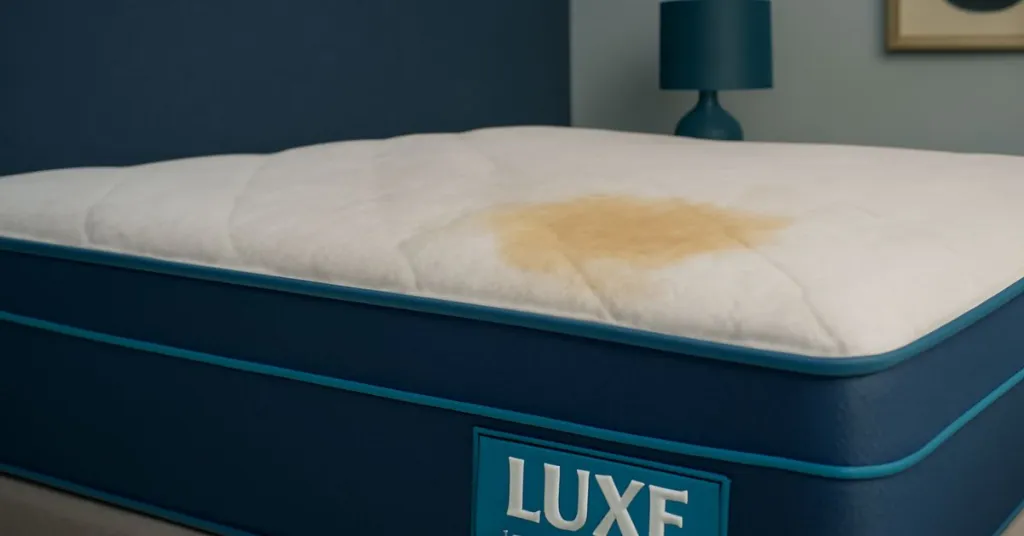
There are clear signs that a mattress requires cleaning. Visible stains from spills or sweat indicate immediate attention. Unpleasant odors suggest bacteria or dust accumulation inside the foam. Allergic reactions, such as sneezing or congestion during sleep, may also signal dust mites or dirt. Regularly inspecting your mattress helps identify these signs before serious damage occurs. Cleaning promptly maintains both hygiene and comfort.
Step-by-Step Guide: How Do I Clean a Memory Foam Mattress
Cleaning a memory foam mattress involves a few simple, careful steps. By following these instructions, you can remove dirt, stains, and odors without harming the foam. These steps are designed to protect the material while restoring freshness. The process is easy enough to perform a few times a year for regular maintenance.
Vacuum the Mattress
Start by thoroughly vacuuming the mattress surface. Use a handheld or upholstery vacuum attachment to remove dust, dirt, and debris. Pay extra attention to seams and corners, where dust often accumulates. Vacuuming prevents buildup of allergens and maintains hygiene. This step is the foundation of proper mattress cleaning.
Spot Clean Stains
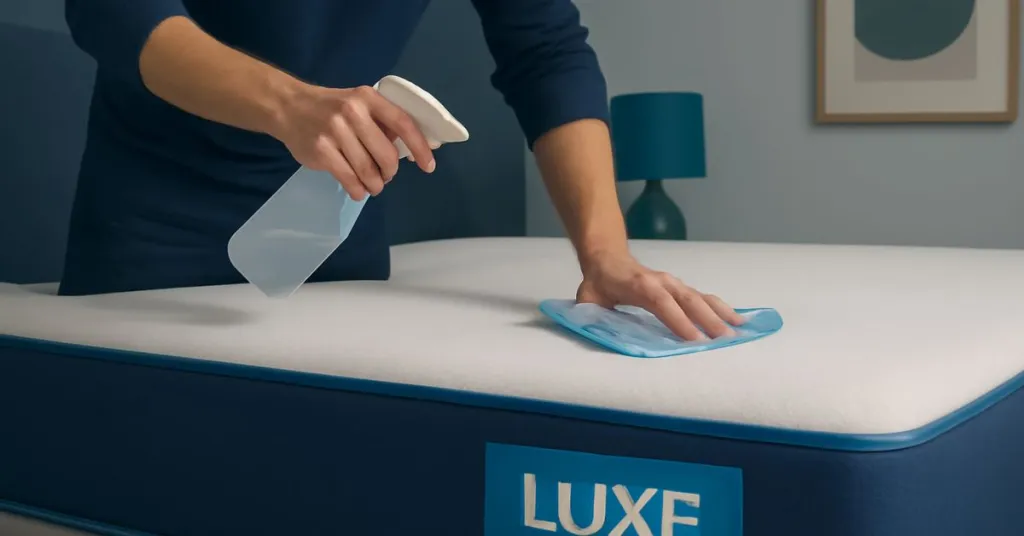
Identify stains and use a mild detergent mixed with water to clean them. Avoid soaking the foam; lightly blot the stain with a soft cloth instead. For tougher stains, gently rub in circular motions. Rinse the cloth and repeat until the stain is lifted. Proper spot cleaning removes marks without compromising mattress structure.
Deodorize the Mattress
Sprinkle baking soda evenly across the mattress surface to neutralize odors and absorb moisture. Leave it for several hours or, ideally, overnight. Afterward, vacuum the mattress thoroughly to remove all residue. This step ensures your mattress smells fresh and prevents bacteria growth. Deodorizing also helps maintain a clean sleeping environment.
Drying Your Memory Foam Mattress
After cleaning, air drying is crucial. Place the mattress in a well-ventilated area and avoid direct sunlight or heat sources, which can damage foam. Ensure the mattress is completely dry before putting on bedding to prevent mold and mildew. Proper drying keeps the mattress safe, fresh, and durable.
Additional Tips for Cleaning a Memory Foam Mattress
Regular maintenance keeps your mattress in top condition. Rotate it every few months to avoid uneven wear. Using mattress protectors reduces stains and spills significantly. Avoid harsh chemicals that can degrade the foam’s quality. Simple habits prevent buildup of dirt and odors, making cleaning easier over time.
Prevent Future Stains
Act quickly when spills occur. Blot liquids immediately with a clean cloth instead of rubbing. Use protective covers or mattress pads to prevent stains. Quick action minimizes damage and ensures your mattress stays fresh. Preventive care is as important as proper cleaning.
Using Enzyme Cleaners Safely
Enzyme-based cleaners are effective for protein-based stains like sweat or urine. Apply a small amount, blot gently, and allow the foam to absorb before vacuuming. Always test a small area first to ensure compatibility. Using enzyme cleaners correctly keeps your mattress clean without damaging memory foam.
Common Mistakes to Avoid While Cleaning Memory Foam
Certain mistakes can harm your memory foam mattress. Over-wetting, using harsh chemicals, or exposing foam to high heat can cause permanent damage. Ignoring regular cleaning leads to allergen buildup and odor. Being aware of these mistakes protects both your mattress and your health.
Over-Wetting the Foam
Excess water can penetrate deep into memory foam, leading to mold or mildew growth. Always use minimal liquid and blot carefully. Avoid soaking the mattress entirely, and ensure thorough air drying. Over-wetting is one of the most common causes of mattress damage.
Using Harsh Chemicals
Avoid bleach, ammonia, or strong detergents that can degrade foam. Harsh chemicals break down material and may leave harmful residues. Use gentle, foam-friendly solutions for cleaning stains. This approach preserves mattress integrity and ensures safety for sleepers.
Conclusion
Proper cleaning extends your memory foam mattress’s life and improves hygiene. Regular vacuuming, spot cleaning, deodorizing, and air drying are essential steps. Understanding how do I clean a memory foam mattress helps prevent damage and maintain comfort. With careful maintenance and protective measures, your mattress remains fresh, supportive, and healthy for years. Start these habits today for better sleep every night.

Results-driven Digital Marketing and E-Commerce Specialist with 5+ years of experience helping diverse clients achieve their online business goals. Proven expertise in managing end-to-end Shopify store operations, developing impactful Social Media strategies, and driving traffic through effective SEO techniques.
Core Skills & Expertise:
• E-Commerce Strategy & Management: Building, optimizing, and managing successful online stores, particularly on Shopify.
• Digital Marketing Campaigns: Planning, executing, and analyzing multi-channel campaigns (Social Media, Search, Email).
• Social Media Marketing: Creating engaging content, managing communities, running targeted ads (Facebook, Instagram, etc.), and building brand presence.
• Search Engine Optimization (SEO): On-page & technical optimization, keyword research, link building, and improving organic search visibility & rankings.
• Client Collaboration: Understanding client objectives, delivering measurable results, and maintaining successful long-term partnerships.
What I Bring:
• Proven Track Record: Successfully delivered projects for numerous clients across various industries.
• Platform Proficiency: Deep hands-on experience with Shopify, major social platforms, and SEO tools.
• Data-Driven Approach: Focusing on analytics and KPIs to optimize performance and demonstrate ROI.
• Holistic E-Commerce View: Integrating marketing, platform management, and optimization for sustainable growth.
Ready to help your business thrive online. Let’s connect!