
When it comes to purchasing a new mattress, one question that often arises is, “How many pocket springs in a good mattress?” The answer is not just about the number of coils but also about the quality of support and comfort the springs provide. Pocket spring mattresses, known for their individually wrapped coils, have become popular for their ability to offer personalized support and minimal motion transfer.
The key to a good night’s sleep lies in the design of the mattress, and understanding pocket springs is crucial. These mattresses are distinct from other types, like memory foam or latex, due to their individual coil construction, which provides more tailored support for different areas of your body. So, how do the pocket spring count and the mattress’s overall construction affect your sleep quality?
High-Density Spring Mattress and Individually Wrapped Coils
Pocket spring mattresses come with individually wrapped coils that move independently, providing pressure relief and ensuring that each part of your body is properly supported. This type of construction is particularly important for those who suffer from joint pain or back issues. A higher pocket spring count generally means better overall support, especially for people who need more firm or targeted support.
What Are Pocket Springs?

Pocket Spring Mechanism
Pocket springs are coils that are encased in fabric pockets. These springs work independently, allowing them to react to the pressure exerted by the body. The main advantage of pocket springs is their ability to move independently of each other, which helps reduce motion transfer. If one person moves on the mattress, the other person is less likely to feel it, making pocket spring mattresses ideal for couples.
Zoned support is another feature of pocket spring mattresses. This means that different areas of the mattress may have springs with varying tensions, firmer springs in the center for lumbar support and softer ones near the edges for comfort. This zoning provides better spine alignment, a key factor for pressure relief and comfort.
The Science Behind Pocket Springs
Pocket springs play a significant role in maintaining spinal alignment by supporting the body at various pressure points. Proper alignment helps prevent back and joint pain, improving overall sleep quality. Chiropractors often recommend pocket spring mattresses for individuals who suffer from spinal misalignment or pressure-induced discomfort. By offering targeted support, these mattresses help alleviate discomfort and promote better sleep.
How Many Pocket Springs Should a Good Mattress Have?
Understanding Pocket Spring Count
The number of pocket springs in a mattress is directly related to its ability to provide support and comfort. A typical range for high-quality mattresses is anywhere from 1000 to 2000 pocket springs. More springs generally translate into better weight distribution and less sagging over time. However, it’s not just about the number, it’s also about how the springs are arranged and the mattress’s overall design.
A high-density spring mattress with 1500–2000 springs is ideal for those who need firm support, while a lower count may be more suitable for lighter sleepers or those who prefer a softer feel.
The Link Between Pocket Spring Count and Mattress Firmness
The number of pocket springs influences the firmness of a mattress. Side sleepers typically benefit from a mattress with a higher spring count and softer coils, while back and stomach sleepers often prefer firmer mattresses with a lower spring count for better spinal alignment. The spring count and tension vary between mattress types, brands, and models, so understanding your sleep posture is key to selecting the best mattress.
Pocket Spring Count vs. Comfort and Longevity
While it’s easy to assume that a mattress with more springs will always provide better comfort, this is not always the case. A mattress with fewer, but higher-quality springs, can often provide the same or better support than a mattress with a higher spring count. The balance between spring count and mattress longevity is crucial, too many springs in a low-quality mattress can result in quicker wear and tear.
The Role of Zoned Pocket Spring Support
What Is Zoned Support?
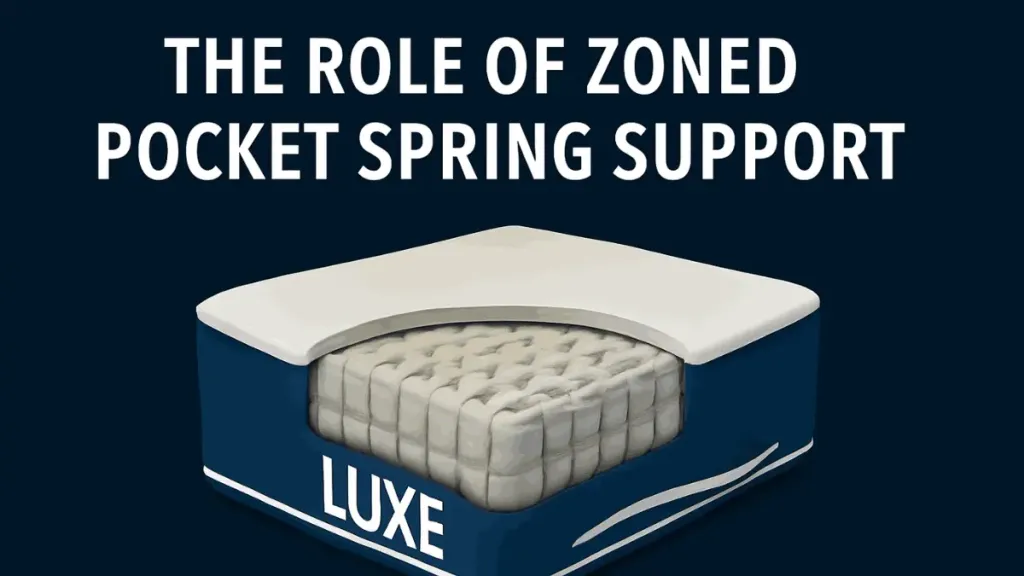
Zoned pocket spring support is a design feature that involves using different spring tensions in various areas of the mattress. For example, firmer springs are placed in the middle of the mattress to support the lumbar region, while softer springs are used near the shoulders and feet to reduce pressure. This targeted support helps keep the spine in a neutral position, which is important for people with back pain or those who need extra support in specific areas.
Is Zoned Pocket Spring Support Necessary?
Zoned support can make a significant difference, especially for side sleepers or those who suffer from joint pain. Mattresses with zoned support are designed to improve spinal alignment and provide relief from pressure points. Many high-quality mattresses, including those designed for back pain relief, feature zoned pocket spring support for optimal comfort.
Hybrid Mattresses and Pocket Springs
What Is a Hybrid Mattress?
A hybrid mattress combines pocket springs with other materials like foam or latex to offer the best of both worlds, support and comfort. Hybrid mattresses typically have a layer of latex foam or memory foam on top of the pocket springs, which helps with pressure relief, motion isolation, and overall comfort.
Benefits of Hybrid Mattress Construction
Hybrid mattresses are great for people who want the benefits of pocket springs but need the additional comfort of foam. These mattresses are ideal for couples, those with allergies, or anyone who needs a mattress that offers motion isolation and edge support. Hybrid designs also offer the durability and support of pocket springs, along with the comfort and adaptability of foam layers.
Pocket Spring vs Hybrid Mattress: Which One to Choose?
Choosing between a pocket spring mattress and a hybrid mattress depends on your personal needs. If you prefer the natural support of individual coils and don’t mind a firmer feel, a pocket spring mattress may be your best option. However, if you want the added comfort of foam or latex, a hybrid mattress may be more suitable for you.
How to Choose the Right Pocket Spring Mattress for You
Factors to Consider: Pocket Spring Count and Mattress Quality
When selecting a pocket spring mattress, consider factors like firmness, support, longevity, and price. Your body weight and sleeping habits also play a role in determining the ideal pocket spring count. High-density spring mattresses are better for heavier sleepers who require firm support, while lighter individuals may find that medium-density mattresses provide adequate comfort.
Sleep Position and Pocket Spring Count
The right pocket spring count varies depending on your sleeping position. For side sleepers, mattresses with a higher spring count and softer springs are ideal, while back and stomach sleepers typically require a firmer mattress with a lower spring count to maintain proper alignment.
Test for Comfort: Mattress Trial Periods and Firmness
It’s important to test a mattress before committing to it, especially since spring count can affect the feel during a trial period. Many brands offer mattress trials and 100-night returns, allowing you to test the comfort of a pocket spring mattress in real-life conditions.
Conclusion
The right number of pocket springs depends on your sleep needs, body weight, and preferences for firmness. A mattress with a pocket spring count between 1000 and 2000 offers a good balance of comfort and support for most sleepers. Zoned support and high-density spring mattresses provide extra benefits for individuals with specific needs, such as back pain or poor posture.
Ultimately, the best pocket spring mattress for you is one that meets your sleep posture, comfort preferences, and budget. Whether you choose a traditional pocket spring mattress or a hybrid, understanding the role of pocket springs and how they contribute to comfort will help you make an informed decision.
FAQ’s
A mattress with 1000–2000 pocket springs is typically considered high-quality. The ideal spring count depends on your personal preferences for firmness and support.
High-density pocket springs provide firmer support and are ideal for heavier individuals, while low-density springs offer a softer feel.
A higher pocket spring count typically provides better support, pressure relief, and durability, though the quality of the springs also matters.
Yes, a mattress with too many springs may feel too firm for light sleepers or those who prefer a softer mattress.
Hybrid mattresses combine the benefits of pocket springs and foam, offering a more adaptable feel. They are ideal for couples or anyone looking for a combination of comfort and support.

I’m a professional sleep health and mattress content specialist with extensive experience writing about orthopedic mattresses, back pain relief, pressure-point support, and overall sleep comfort. I collaborate with industry research, sleep studies, and mattress performance insights to deliver accurate, trustworthy, and reader-focused content. I’m known for simplifying complex mattress technologies such as memory foam, motion isolation, and firmness levels, making them easy to understand for everyday buyers. My goal is to help readers choose mattresses that match their lifestyle, sleep posture, and health needs empowering them to achieve deeper, healthier, and pain-free sleep through informed decisions.