

Sleep is one of the most essential functions of our body, yet so many of us overlook its true importance. We often count the number of hours we sleep, but the real secret to feeling refreshed lies in the quality of our sleep, especially deep sleep. This restorative stage is when your body and brain recharge, repair, and prepare for the next day.
But the big question remains: how much deep sleep do you need? The answer is not always simple. It depends on your age, lifestyle, health, and daily stress levels. In this blog, we’ll dive into what deep sleep really is, why it matters, and how you can improve it.
What is Deep Sleep?
Deep sleep, also known as slow-wave sleep, is one of the most important stages of your sleep cycle. It’s during this stage that:
- Your body repairs tissues and muscles
- Growth hormones are released
- Your immune system strengthens
- Memories and learning get consolidated
Without enough deep sleep, you may feel physically tired, mentally foggy, and less focused, even if you slept for 7–8 hours.
How Much Deep Sleep Do You Need?
Experts generally recommend that adults get 20–25% of their total sleep time in deep sleep. For most people, this equals about 1.5 to 2 hours of deep sleep per night.
Here’s a quick breakdown:
| Age Group | Average Sleep Needed | Recommended Deep Sleep |
|---|---|---|
| Infants (0–1 year) | 12–16 hours | 4–5 hours |
| Teenagers (13–18) | 8–10 hours | 2–3 hours |
| Adults (18–64) | 7–9 hours | 1.5–2 hours |
| Older Adults (65+) | 7–8 hours | 1–1.5 hours |
So, the real answer to how much deep sleep you need depends on your age and overall health. For most healthy adults, 1.5–2 hours each night is ideal.
Why Deep Sleep is So Important
Deep sleep isn’t just about “resting.” It’s a powerhouse stage of your sleep cycle that helps your body in multiple ways:
- Physical Recovery: Muscles rebuild, tissues heal, and energy stores refill.
- Brain Function: Improves learning, focus, and memory.
- Hormone Regulation: Balances hormones that control appetite, stress, and growth.
- Immune Health: Strengthens the body’s defense against illness.
Without enough deep sleep, you may struggle with fatigue, weakened immunity, or difficulty concentrating.
Signs You’re Not Getting Enough Deep Sleep
You might be wondering: “Am I really hitting my nightly deep sleep goal?” Some common signs that you’re not include:
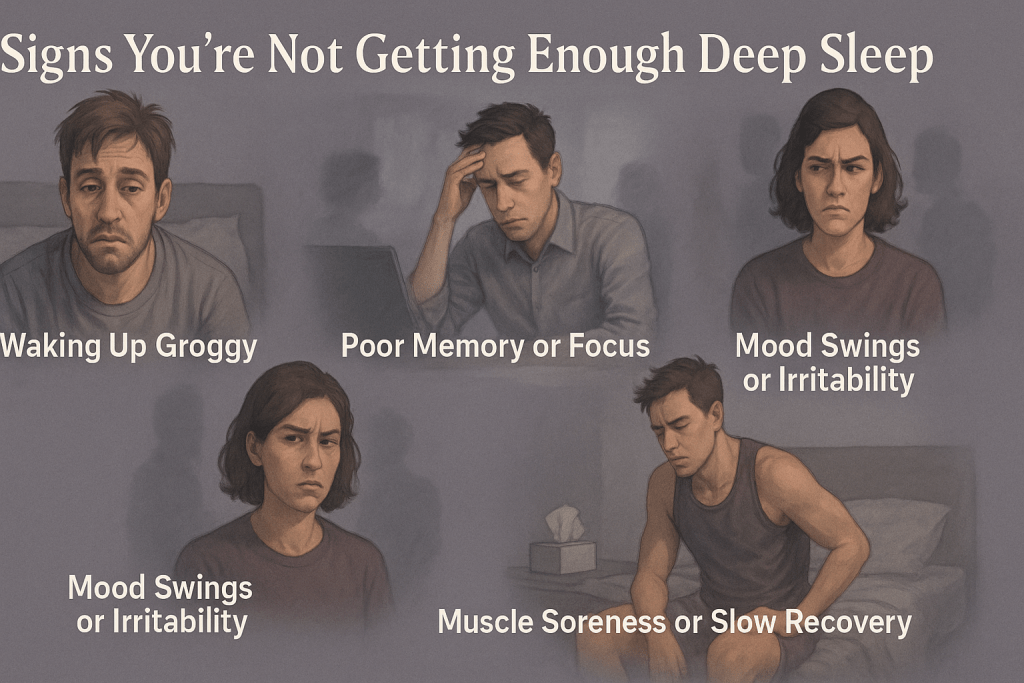
- Waking up groggy even after 7–8 hours of sleep
- Poor memory or focus during the day
- Mood swings or irritability
- Frequent illnesses
- Muscle soreness or slow recovery from workouts
If you notice these, it may be time to check how much deep sleep you need and improve your sleep habits.
How to Improve Deep Sleep Naturally
Here are some simple and effective ways to boost your deep sleep:

1. Stick to a Sleep Schedule
Going to bed and waking up at the same time every day trains your body clock.
2. Create a Sleep-Friendly Environment
Keep your bedroom cool, dark, and quiet. Invest in a comfortable mattress and pillow.
3. Limit Blue Light Before Bed
Phones, laptops, and TVs emit blue light that disrupts melatonin production. Switch them off an hour before sleeping.
4. Watch What You Eat and Drink
Avoid caffeine and heavy meals before bedtime. Herbal teas or warm milk can help relax you.
5. Exercise Regularly
Daily movement, even light exercise, helps your body fall into deeper stages of sleep.
6. Practice Relaxation Techniques
Meditation, deep breathing, or light stretching before bed can promote deep sleep.
7. Avoid Alcohol Before Bed
While alcohol may make you sleepy, it interferes with the deep sleep stage.
Deep Sleep vs. Other Sleep Stages
To understand how much deep sleep do you need, it’s useful to compare it with other sleep stages:
- Light Sleep (Stage 1 & 2): The transition into sleep, makes up about 50% of the cycle.
- Deep Sleep (Stage 3): The most restorative stage, about 20–25%.
- REM Sleep: Where dreams occur, crucial for creativity and emotional health.
All stages matter: light sleep, deep sleep and REM sleep, but deep sleep is the foundation of rest.
Key Takeaways
- How much deep sleep do you need? Around 1.5–2 hours for most adults.
- Deep sleep equals 20–25% of your total sleep cycle.
- Without enough deep sleep, your body and mind struggle to recharge.
- Lifestyle changes like regular schedules, exercise, and screen-free nights can improve your deep sleep.
FAQs
You still need about 20–25% of your total sleep as deep sleep. So, within 6 hours, you should aim for at least 1 — 1.5 hours.
Not usually. Your body regulates itself, but oversleeping in general may signal underlying health issues.
Using sleep trackers, noticing how refreshed you feel, and checking for signs of fatigue can help you measure.
Yes. Younger people naturally get more deep sleep, while older adults often see a decline
Short naps mostly keep you in light sleep stages. Long naps (over 90 minutes) may enter deep sleep, but it’s not as restorative as nighttime sleep.
Conclusion
So, how much deep sleep do you need? The golden number for most adults is about 1.5 to 2 hours per night. While the exact amount varies by age and health, focusing on sleep quality is just as important as sleep quantity. By improving your sleep environment and habits, you can maximize your deep sleep and wake up truly refreshed.
Remember: sleep isn’t a luxury, it’s a necessity. Invest in your rest, and your body will thank you.

As a passionate blog publisher and editor, I specialize in creating engaging and informative content that resonates with audiences across a variety of topics. With a keen eye for detail and a strong understanding of SEO practices, I ensure that every blog post I publish is not only captivating but also optimized for maximum visibility.
