
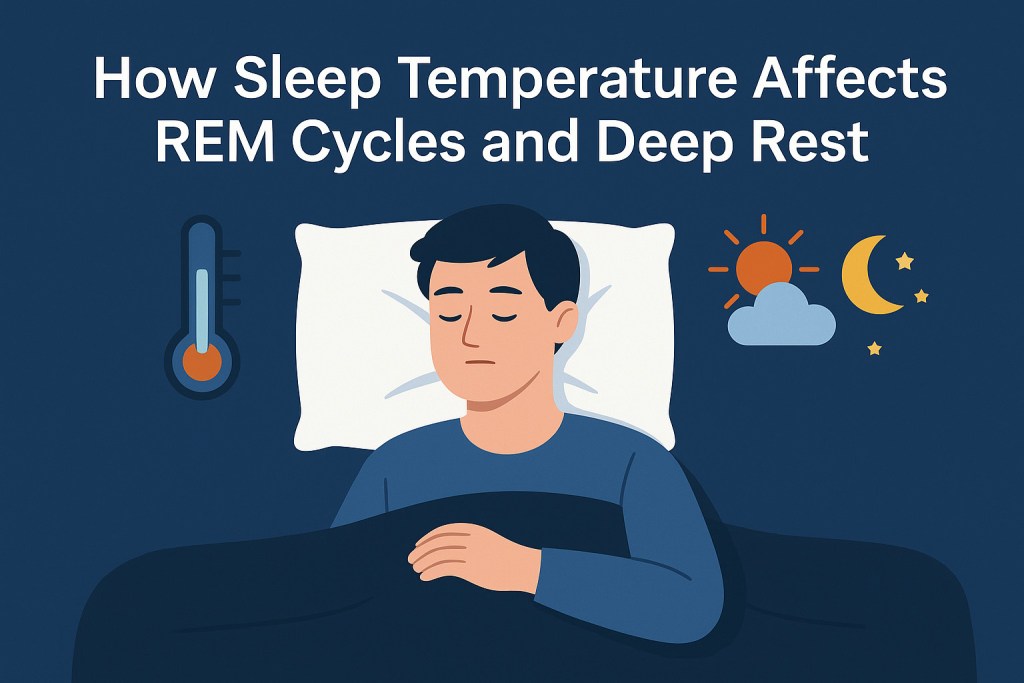
A good night’s sleep is about more than simply hitting the hay, it’s about getting sleep that works for you. You need enough deep sleep and REM sleep to restore your mind and body. Something you might not think about when it comes to low sleep quality is your physical temperature. Your body is unable to reach those crucial stages of sleep if it is too warm or too cold while you sleep at night.
In this article, we’ll delve into the science behind thermoregulation, exploring how temperature affects both REM sleep and deep sleep, and how mattress materials can help you sleep cooler and achieve better rest. If you’re considering swapping out your mattress or adding a topper for better sleep, opt for a mattress that helps with thermal regulation.
The Importance of Thermoregulation for Sleep
Thermoregulation is the body’s natural defense mechanism to maintain the core at an optimal temperature. As you prepare to sleep, your core body temperature naturally decreases by 1–2°C,” Sleep Foundation explains. This drop is your body’s way of saying it’s time to rest.
However, if the sleep environment is too hot, your body’s cooling mechanism is hindered. This interference can complicate:
- Fall asleep quickly
- DIVE into deep (slow wave) sleep
- REM sleep which is important for cognitive functions and emotional processing
The bottom line is that Heat interferes with your brain’s ability to complete a healthy sleep cycle, and you wake up tired after a night spent between the sheets.
The Relationship Between Room Temperature and REM Sleep
REM (Rapid Eye Movement) Sleep is a crucial stage during which dreaming occurs, as well as memory and mood regulation. It typically starts 90 minutes after you fall asleep and increases later in the night.
However, REM is more vulnerable to disturbances because heat sensitivity increases during this stage of sleep. Even a small increase in room or mattress temperature can shorten REM duration and lead to broken and early-morning sleep, according to studies published in the Journal of Physiological Anthropology.
It is also difficult at low temperatures in stage 3 non-REM sleep. This is the time when your body undergoes cellular repair and enhances its immune function. A stable, low temperature is crucial for facilitating the recovery of the body and brain during sleep.
What Factors Affect the Temperature of a Mattress?
Room temperature, bedding, and sleepwear all play a role, yes, but your mattress is the largest single surface area in contact with your body for 6–9 hours at night. If it’s holding on to Heat, you’re going to overheat. If it encourages airflow, you’re more likely to reach deeper sleep stages.
Here’s how mattress technology plays a role in regulating sleep temperature:
1. Gel-Infused Foam to Reduce Heat
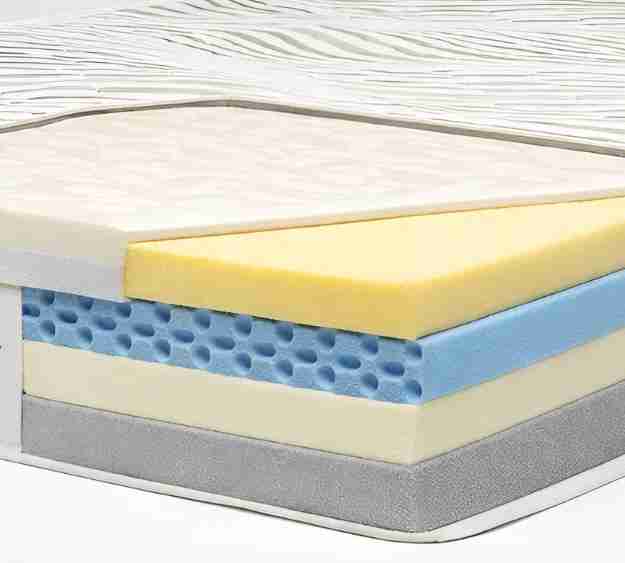
Gel memory foam helps distribute body temperature and dissipate it throughout the night. While traditional memory foam can retain Heat, gel infusion makes this mattress foam a cooler sleeping surface. Cooler temperatures facilitate sleep onset and continuity, according to experts at Johns Hopkins Medicine.
2. Open-Cell Foam Structure
Foams utilising open-cell technology permit maximum breathability when air circulates freely through the foam. The pass-through airflow serves as a natural cooling system, eliminating heat buildup below your body. It also enables moisture to evaporate more effectively, contributing to a more fresh sleep environment.
3. All-Natural Latex Brings the Sleep
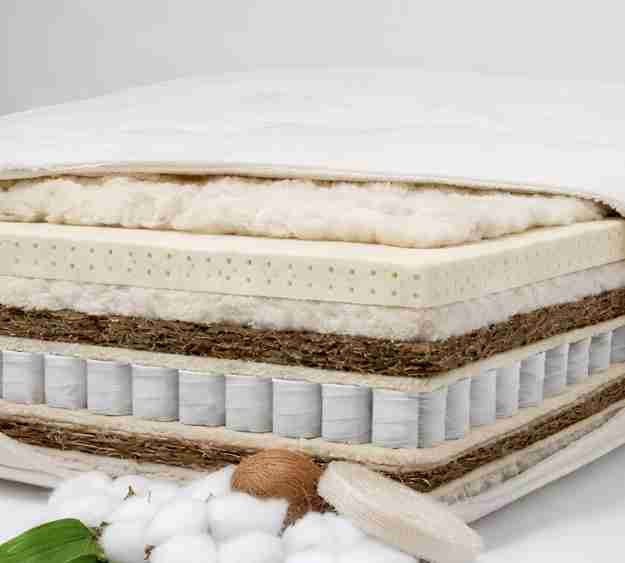
Each layer of the mattress is made from an all-natural comfort layer of latex for pure comfort and an eco-friendly rubber-based latex for incredible support.
It also features natural latex for one of the most breathable sleeping experiences available. It has a cushy and bouncy feel and already comes with ventilation holes that maximize airflow. Unlike synthetic foams, natural latex does not retain Heat and is cool to the touch, even in warm surroundings.
4. Coil and Hybrid Construction
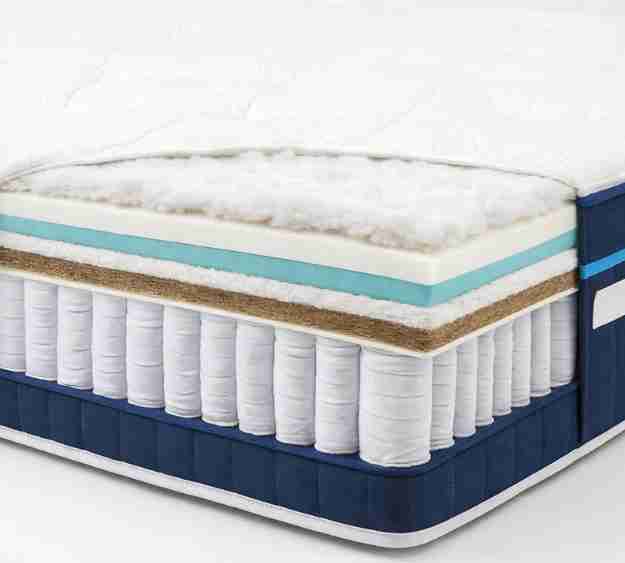
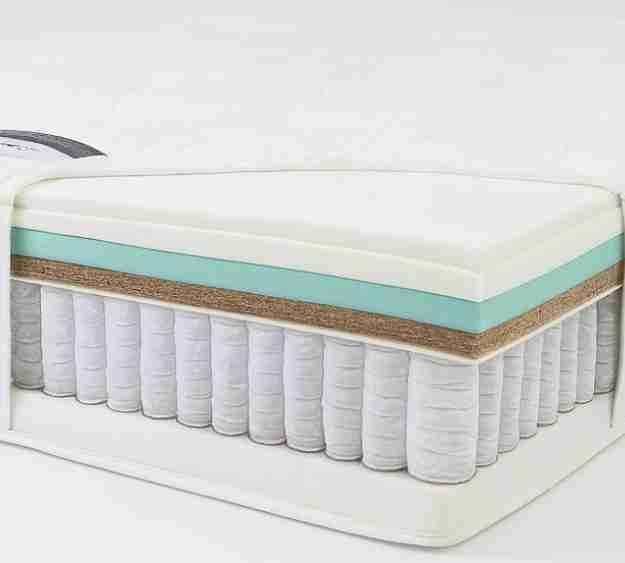
Coils or pockets of springs — common in hybrid beds — will really provide a nice bit of circulation to your bed if you need it. The coils are spread out to encourage airflow from the bottom up, preventing Heat from getting trapped in the comfort layers.
Explore our breathable hybrid mattress collection at LuxeMattresses.co.uk
Picking a Mattress That Allows for Temperature Regulation
To enhance your REM sleep and ensure you’re getting deeper rest, pick a mattress with the following:
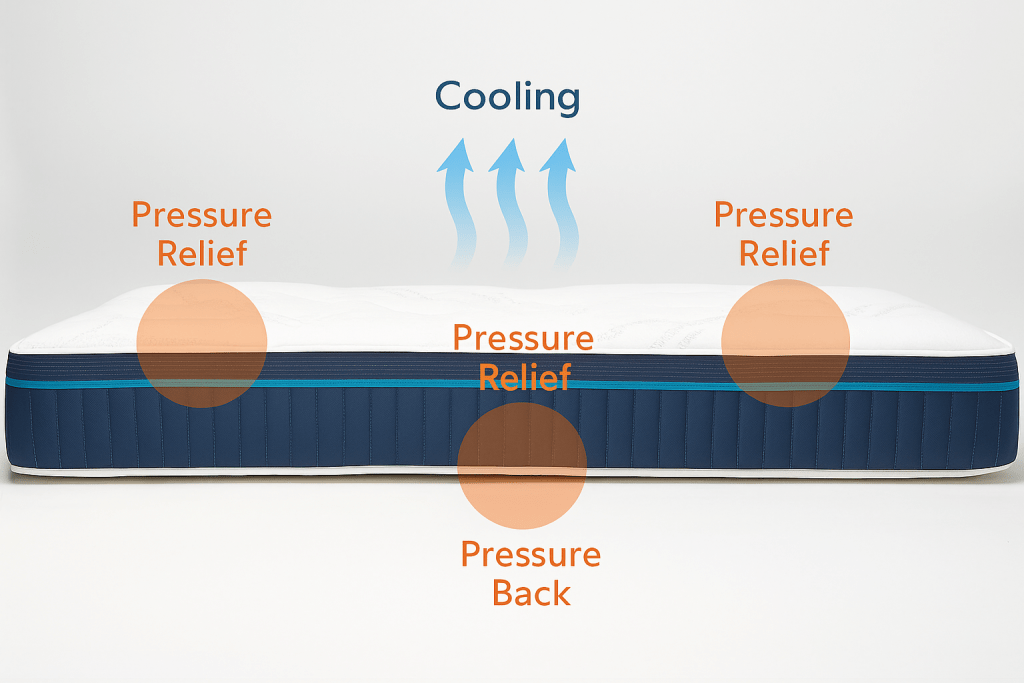
- Cooling foams: like gel-infused or graphite-infused memory foam
- Ventilation layers: open cell designs and pinhole latex enhance breathability
- Base Layers Specifically Designed for Airflow: This includes any bases that offer special technology, such as individually wrapped coil systems
- Moisture-wicking covers: fabric technologies that assist in regulating temperature and sweat
Your mattress should also accommodate your sleep position—and if you sleep on your side, know that they tend to be heat-retentive because there is less surface area for the Heat of your body to disperse.
More Sleep Hacks For Regulating Temperature
In addition to selecting a mattress that regulates temperature with technology, make some of these easy adjustments:
- Keep room temperature in the bedroom 16–19°C
- The bedding should be of a natural fiber and breathable.
- Eat lightly and avoid late exercise, which will heat you from within
- Taking a warm bath before bed will initiate the cooling process for your body when you get out
When combined with the proper mattress, these techniques help you maintain thermoregulation and achieve a more balanced rest.
FAQs
Ideally, the temperature in the bedroom should be between 16 °C and 19°C for the best quality of sleep. This aids the body in cooling down more quickly and entering deep sleep more efficiently.
Yes. Research also suggests that minor increases in heat can compress or delay REM cycles, resulting in shallower and more fragmented sleep.
If you wake up sweaty a lot, or if you toss and turn like a rotisserie chicken on a spit, your mattress could be trapping Heat. A breathable, cooling mattress can be the solution to this problem.
Final Thoughts
If you sleep hot, here’s why you need a bamboo mattress and pillow: Thermoregulation (it’s not just about comfort; it’s a biological necessity for quality sleep). If your mattress is trapping Heat and is not breathable, it may be disrupting your REM cycles and the deep rest that you may not even know you need. The difference can be made by a cooling mattress made from the right materials.
Or check out other LuxeMattresses collections for customised cool comfort and better, deeper sleep support.

Marie Soukup is a seasoned senior copywriter and editor who’s written for global brands like Virgin Australia, blending storytelling and strategy to create content that connects. She’s passionate about bringing ideas to life across the travel, lifestyle, and business worlds.