



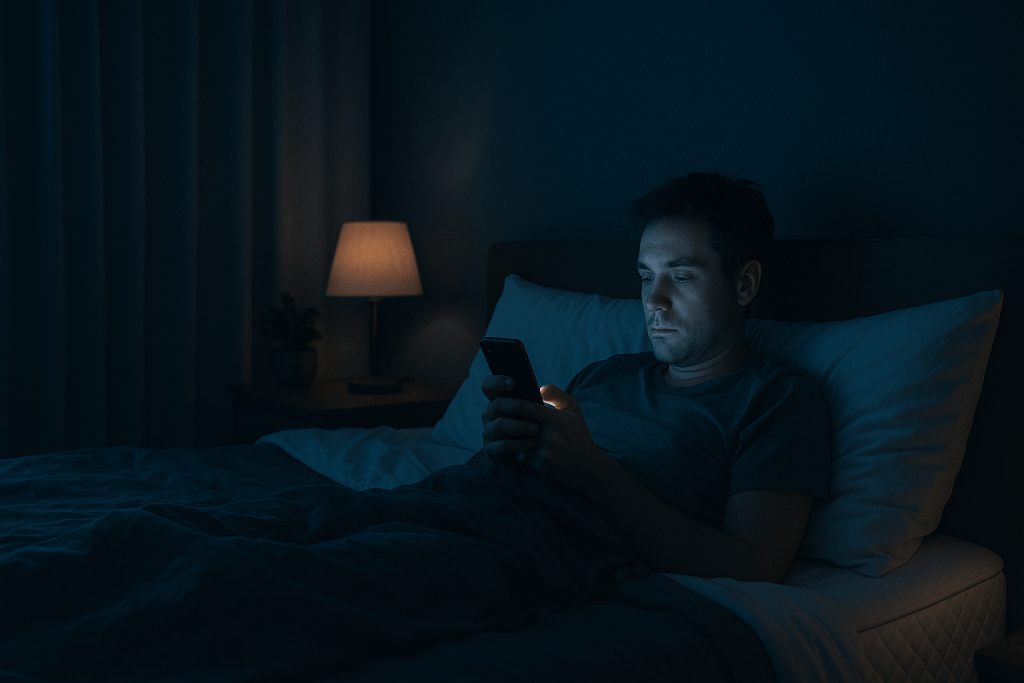
Using social media before bed can disrupt your sleep quality by exposing you to blue light, which suppresses melatonin production and delays sleep onset. Scrolling through feeds also triggers mental stimulation, increasing stress and anxiety, which can lead to insomnia and restless nights. This habit often causes sleep deprivation, reducing REM sleep and weakening your circadian rhythm over time. To improve sleep hygiene, experts recommend limiting screen time and creating a digital bedtime routine that supports better rest.
The Subtle Threat of Blue Light Exposure
At first glance, a few minutes of scrolling through Instagram reels or catching up on TikTok dance trends seems harmless, even comforting. Yet lurking beneath these casual routines is an invisible threat to your sleep. In today’s hyper-connected always-on world, understanding the hidden consequences of social media use before bed has never been more important.
Modern research paints a clear cautionary tale: the blue light radiating from smartphones tablets and other screens interferes with your body’s melatonin production, the hormone that whispers “It’s time to sleep”.
When melatonin levels drop, falling asleep becomes a frustrating battle and the body’s natural sleep-wake cycle, the circadian rhythm, spirals out of balance. The result? Restless nights and groggy mornings that feel endless.
Why Anxiety Keeps You Awake at Night
But it’s not just biology at play. Social media can stir emotions like excitement, anger , envy, even joy emotions powerful enough to keep your mind buzzing when it should be drifting into slumber.
A lively debate on Twitter, a shocking headline on Facebook or even a heartwarming story on Instagram can all jolt your system, raising cortisol levels, the notorious stress hormone. Elevated cortisol makes your mind race, keeping sleep at bay.
And the trap deepens. According to the Sleep Research Society, those who engage with social media within 30 minutes before bed are far more likely to suffer sleep disruptions. It’s not hard to see why: the “just one more post” cycle becomes an irresistible lure stretching bedtimes later and later until sleep becomes a casualty of your feed.
Doom scrolling: The New Digital Danger
Enter “doom scrolling”, a term that sounds dramatic because it is. Doom scrolling refers to the compulsive act of consuming negative news online, often late into the night. It’s a modern phenomenon and it’s wreaking havoc on mental health worldwide.
A striking study from Norway revealed that just one hour of screen time before bed can spike the risk of insomnia and poor sleep by a whopping 59 per cent. Beyond ruining your night’s rest, doom scrolling fuels anxiety, drains your optimism and magnifies fears, a toxic combination for both the mind and body.
How To Get A Good Night’s Sleep
Breaking free doesn’t have to require dramatic life changes. Small deliberate shifts can lead to powerful improvements.
Set a social media curfew , a firm no-screens rule at least an hour before bed. Activate the night mode on your devices to reduce blue light exposure. Better yet, replace endless scrolling with a calming ritual: reading a physical book, stretching lightly or practising mindfulness. These soothing activities signal your brain that it’s time to slow down, not speed up.
Conclusion
Reliable sources like the Sleep Foundation offer a treasure trove of tips on cultivating better sleep habits and managing screen time wisely.
In an era where constant connectivity feels like survival, choosing to protect your sleep is a revolutionary act. By mindfully cutting down nighttime screen time you’re not just investing in better rest, you’re choosing clearer thoughts, sharper focus and a healthier life. And it all begins tonight.
FAQs
Yes, using social media before bed can reduce sleep quality by delaying sleep onset and increasing mental stimulation.
Blue light suppresses melatonin production, making it harder to fall asleep and disrupting the body’s natural sleep cycle.
Yes, constant scrolling and emotional content can increase stress and anxiety, leading to difficulty falling or staying asleep.
Experts recommend avoiding screens at least 30–60 minutes before bedtime for better sleep quality.
Try reading a book, listening to calming music, practicing meditation, or journaling to relax before sleep.

I’m a professional sleep health and mattress content specialist with extensive experience writing about orthopedic mattresses, back pain relief, pressure-point support, and overall sleep comfort. I collaborate with industry research, sleep studies, and mattress performance insights to deliver accurate, trustworthy, and reader-focused content. I’m known for simplifying complex mattress technologies such as memory foam, motion isolation, and firmness levels, making them easy to understand for everyday buyers. My goal is to help readers choose mattresses that match their lifestyle, sleep posture, and health needs empowering them to achieve deeper, healthier, and pain-free sleep through informed decisions.