
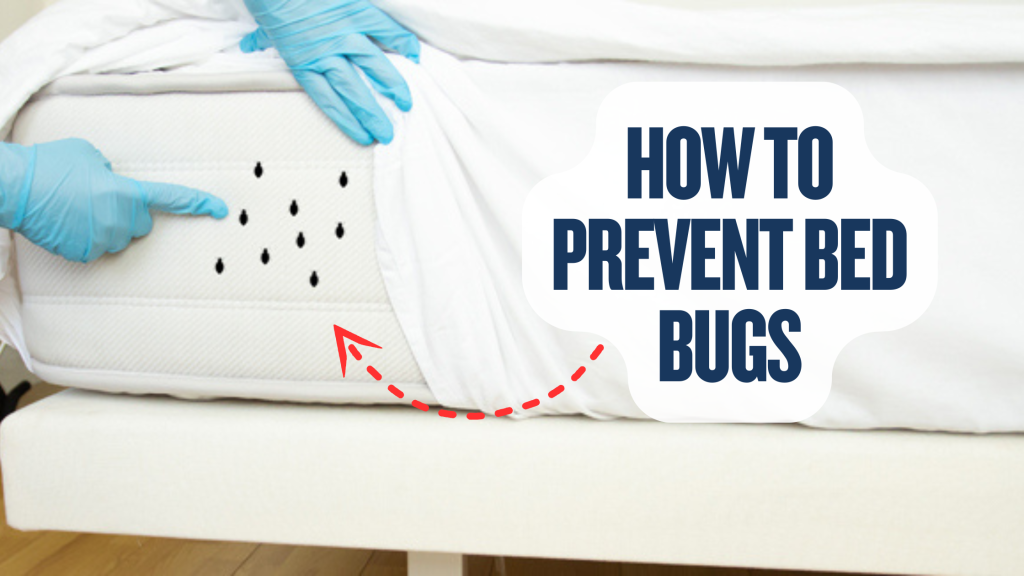
Bed bugs aren’t easy to ignore for homeowners, travelers and business people, either. These small blood-sucking creatures multiply quickly and are always difficult to get rid of. The most effective way to protect yourself is to stop an infestation from happening in the first place.
In this guide, we’ll talk about the practical steps that you should take in your home, focusing on how to prevent bed bugs and what to do if you think there’s any infestation.
What Are Bed Bugs?
Bed bugs (Cimex lectularius) are common bloodsuckers that are unfriendly to the sight and are effective to survive by attacking the blood of humans and animals.
Adult bed bugs are about the size of an apple seed with flat oval-shaped bodies. Their ability to hide where the hole is as small as a pinhole makes it almost hard to notice them until a group of bed bugs is established and the infestation is discovered.
Where Do Bed Bugs Live?
Bed bugs are able to thrive in several places, some of which include the following: Homes and apartments, hotel rooms and motels, public transport (buses, trains, taxis), dormitories and shelters, cruise ships and office buildings.
They are capable of easily attaching themselves to luggage, clothing, furniture, and other items thus traveling happens to be one of the most common ways of their spread.
How to Prevent a Bed Bug Infestation
Protect Your Home
Use mattress and box spring encasements to eliminate the hiding points. Regularly clean your home focusing more on mattresses, carpets, curtains and upholstered furniture. Getting rid of clutter is the best way to reduce potential bed bug hiding spots.
Do not forget to install door sweeps on entryways to prevent bed bugs from moving from one place to another within the multi-family housing building.
Be Cautious When Traveling
Go through the hotel room properly before you decide to unpack and get comfortable. Examine the mattress, bed frame and furniture thoroughly for signs of bed bugs (small black dots, tiny eggs, or peeled skins). Place the luggage on a luggage rack or in the bathroom away from beds and carpets.
Wash all clothes the moment you get back home, including the ones you have not even worn, and then dry them on high heat. You can use plastic bags to carry your clothes when washing in public.
Learn more about bed bug travel tips from the Centers for Disease Control and Prevention.
Inspecting Used Items Before Bringing Them Inside
Avoid picking up discarded furniture from curbs or secondhand stores without a thorough inspection. If you are the one who is purchasing second-hand furniture, drawers and crevices for signs of infestation.
If you’re looking to invest in mattresses for your home even new products could have infestations too. Therefore, you should inspect the new mattresses before they are placed in your home. Trucks that are used for delivery may carry old infested mattresses.
Discover the best ways to inspect used furniture before bringing it inside over on the How Stuff Works site.
What to Do If You Have Bed Bugs
Home Remedies
- Wash all bedding, clothes and curtains and dry them on high heat of the dryer.
- Dispose of the vacuum bag outside and replace it with a new one.
- Use a stiff brush and scrub mattress seams to get rid of any eggs.
- Seal all infested items in plastic bags and put them out in the sun for a few hours or in a hot car for several hours.
- Declutter and seal the cracks in walls and furniture to reduce the hiding spots.
Professional Treatment
Bed bugs have a certain level of resistance and are capable of living without nourishment for several months. In the event that homemade procedures do not work, one should consult a licensed fireman for professional heat-treated or pesticide applications.
Final Thoughts
Keeping bed bugs out of a home needs being watchful and preventive measures. You need to inspect regularly keep a low traveling profile and a clean house (practically sparkling) to avoid these pesky insects.
If you get a sneaky thought that there could be a bed bug problem, then you will want to act fast and get professional treatment. Stay informed with the latest bed bug prevention tips from the US Environmental Protection Agency’s official Bed Bug Guide.

I’m a professional sleep health and mattress content specialist with extensive experience writing about orthopedic mattresses, back pain relief, pressure-point support, and overall sleep comfort. I collaborate with industry research, sleep studies, and mattress performance insights to deliver accurate, trustworthy, and reader-focused content. I’m known for simplifying complex mattress technologies such as memory foam, motion isolation, and firmness levels, making them easy to understand for everyday buyers. My goal is to help readers choose mattresses that match their lifestyle, sleep posture, and health needs empowering them to achieve deeper, healthier, and pain-free sleep through informed decisions.