

After a long day, your bedroom should feel like a retreat, not just another room in the house, but a space where stress melts away and rest comes naturally. Sadly, for many of us, our sleep space is anything but relaxing. Cluttered, noisy, poorly lit, and let’s not get started on the old mattress that’s seen better years.
So, how do you create a truly stress-free bedroom? One that supports both physical comfort and emotional calm? In this article, we’ll explore exactly that, from lighting and colour to texture, layout, and sound, helping you build a bedroom setup for sleep that genuinely restores you.
Why Your Sleep Environment Matters?
Good sleep isn’t just about how tired you feel at bedtime. Your body needs certain signals, low light, cool air, and quiet surroundings, to switch into rest mode. And your mind? It’s even fussier. A cluttered or chaotic bedroom can trigger stress and keep your nervous system on high alert.
According to NHS sleep guidelines, creating the right environment is one of the most effective ways to improve both sleep quality and duration. When your bedroom actively supports relaxation, falling asleep becomes easier, and staying asleep does too.
The Science Behind a Calming Bedroom
Your sleep environment affects your brain more than you might think. Light affects melatonin. Colors influence mood. Texture, sound, even smell, all signals to your brain whether it’s safe to unwind or whether it should stay alert.
When done well, these small sensory cues combine into one message: it’s time to rest. When done poorly, they keep your brain stimulated, long after your body is ready to lie down.
1. Light: Set the Mood for Sleep
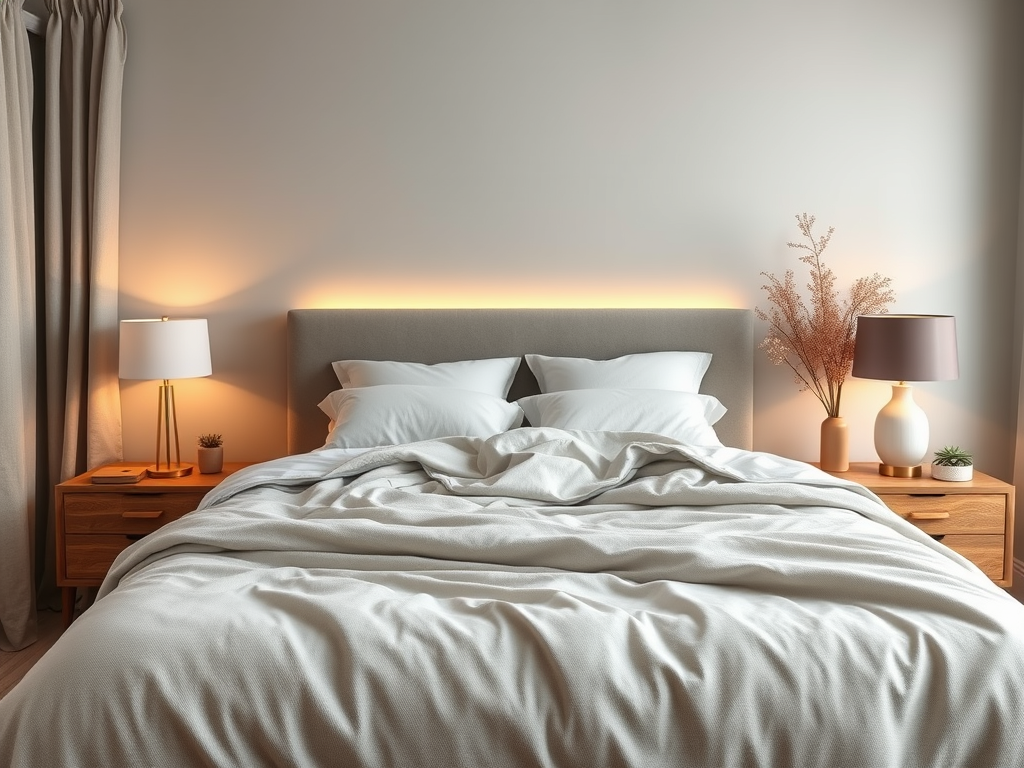
Light is arguably the most important factor in a calming bedroom. Harsh overhead lighting tells your brain to stay awake, while soft, warm-toned lighting signals wind-down time.
What helps
- Warm bulbs (think amber, not blue-white)
- Lamps instead of ceiling lights
- Dimmer switches or smart bulbs for gradual transitions
- Blackout curtains or blinds to keep early morning light out
Your lighting should mimic dusk in the evening. Too much brightness can delay the release of melatonin, the hormone that helps your body fall asleep naturally.
2. Colour: The Psychology of Calm
Colours influence how we feel, often without us even realising. For a stress free bedroom, stick to soothing tones that encourage stillness rather than stimulation.
Best choices
- Soft blues and greys (linked to calm and clarity)
- Warm neutrals like beige, taupe, or soft white
- Pale sage or olive green for a nature-inspired touch
- Dusky pink or lavender for a bit of gentle warmth
Avoid bright reds, stark whites, or anything overly saturated. A bedroom isn’t the place for visual energy; it’s a space to downshift.
3. Textures: Invite Comfort, Not Clutter
We often think of décor as visual, but touch matters just as much, especially when it comes to comfort. The goal is to create layers of softness that feel inviting the moment you enter the room.
Suggestions
- Invest in high-quality bedding, breathable cotton, or linen
- Add a plush throw or knitted blanket at the foot of the bed
- Layer cushions with soft fabrics like velvet or brushed cotton
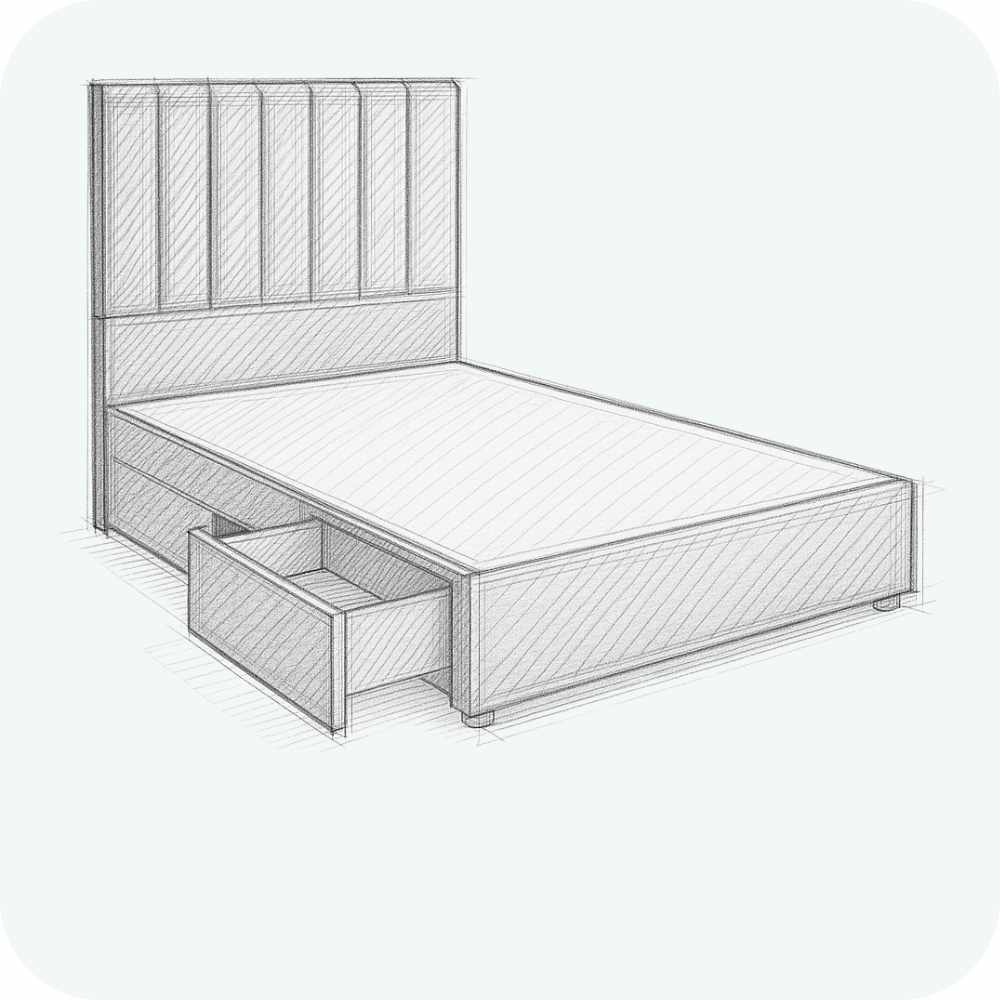
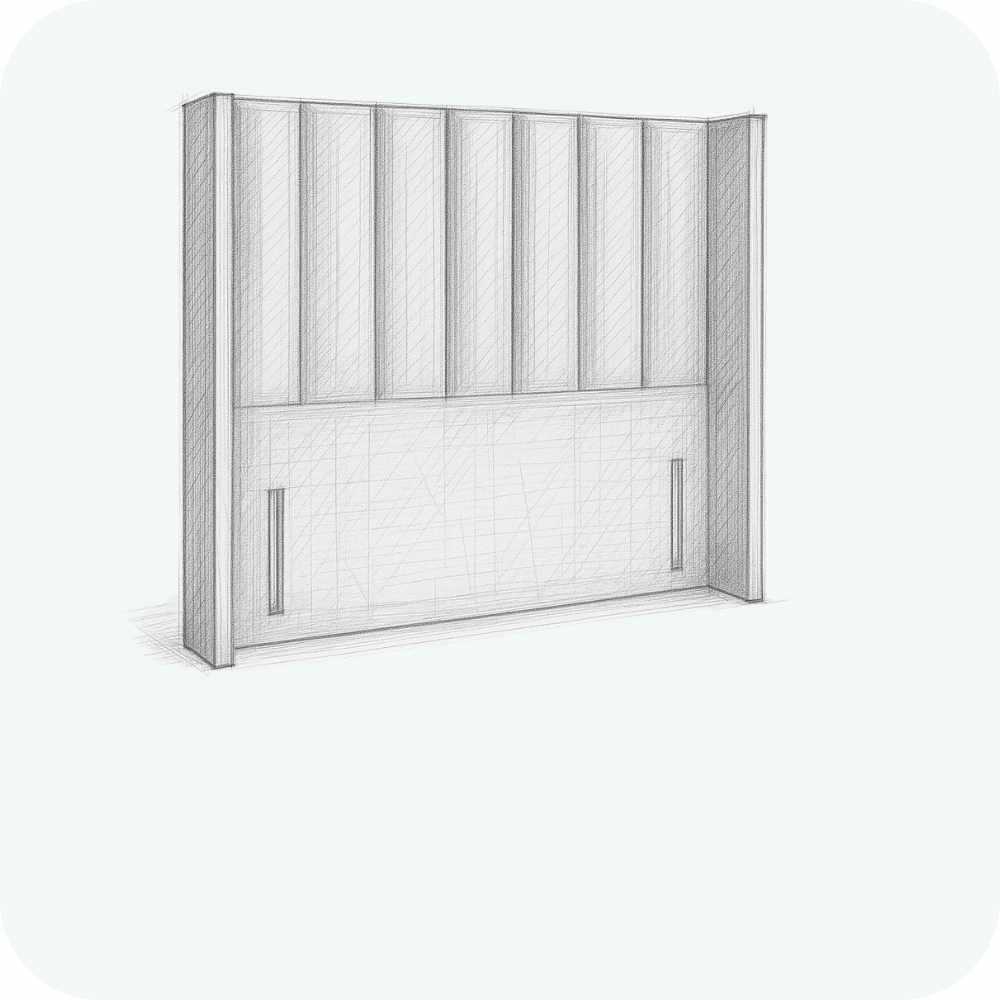
- Opt for a padded headboard if you sit up in bed
Importantly, don’t overdo it. A few well-placed textures are better than an overload of soft furnishings that feel fussy rather than restful.
4. Noise Control: Create a Quiet Zone
A truly stress-free bedroom needs to feel insulated from the outside world. Even low-level noise, from traffic, neighbours, or inside the home, can disrupt sleep cycles and raise cortisol levels.
What works
- Thick curtains or rugs to absorb sound
- White noise machines or sleep sound apps
- Earplugs for particularly noisy settings
- Soft ambient playlists to soothe your mind (instrumentals work best)
If you share a bed, consider a mattress with motion isolation, like those from LuxeMattresses, so your partner’s movements don’t disturb your rest.
5. Scent: Don’t Overlook the Power of Smell
Scent affects memory, mood, and even stress hormone levels. A light, calming fragrance can subtly cue your brain to relax, but it must be gentle, not overpowering.
Calming options
- Lavender is backed by studies for its anxiety-reducing effects
- Chamomile or sandalwood, warm and grounding
- Eucalyptus, for a fresh, clear feeling
Try a pillow spray, oil diffuser, or natural sleep mist. Consistency helps. When your brain starts to associate that scent with bedtime, it strengthens your wind-down cue.
6. Layout: Keep It Simple and Spacious
The way you arrange your room matters more than you think. Cluttered spaces trigger low-level stress. Clean lines, open space, and an uncluttered floor give your brain a sense of calm.
Tips
- Keep bedside tables clear
- Store cables, chargers, and clutter out of sight
- Avoid using your bedroom as an office or workout space
- Let your bed be the centrepiece, and give it space to breathe
Of course, make your bed every morning. It’s a simple gesture that sets the tone for calm and makes returning to bed feel more intentional.
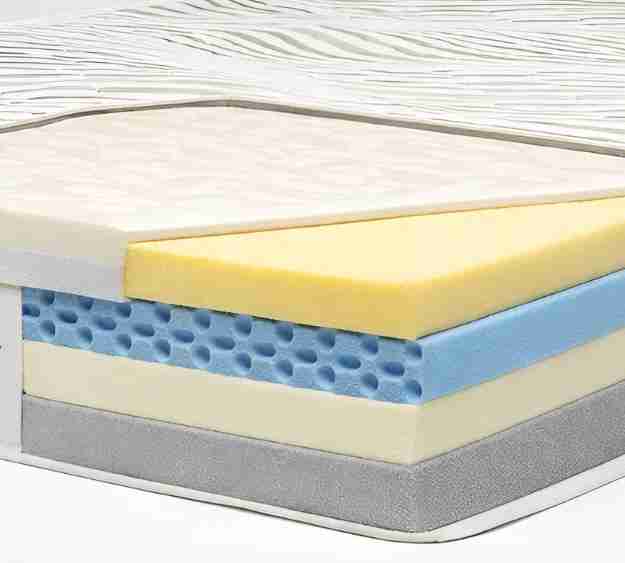
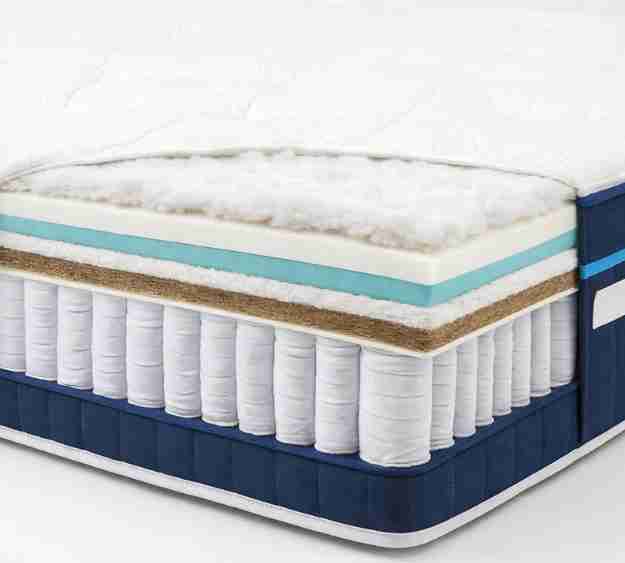
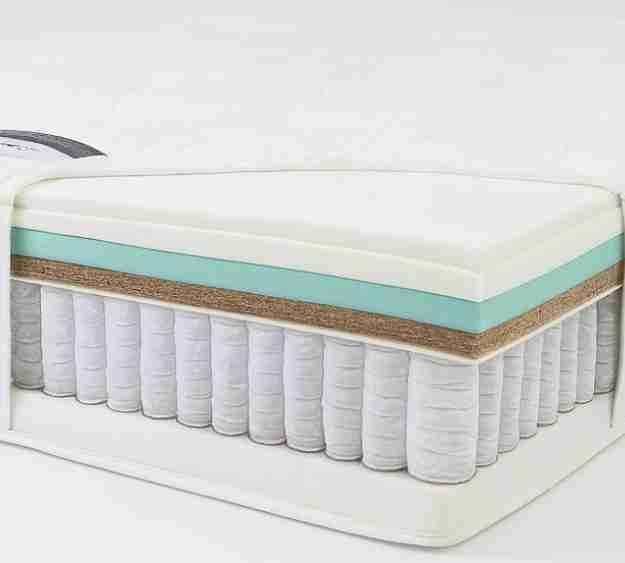
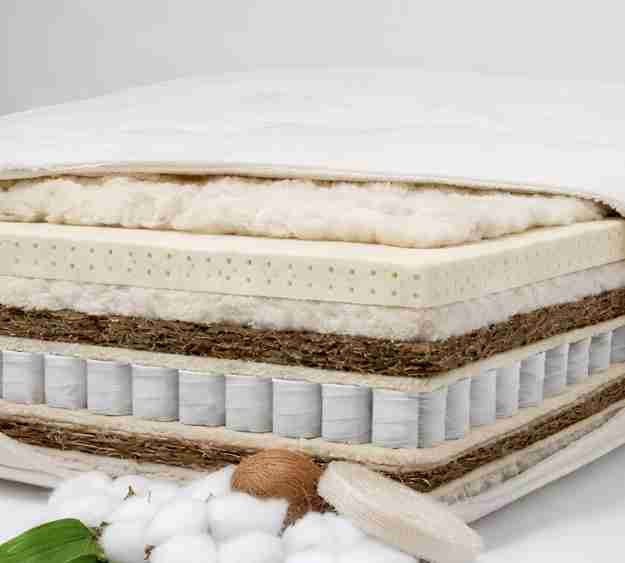
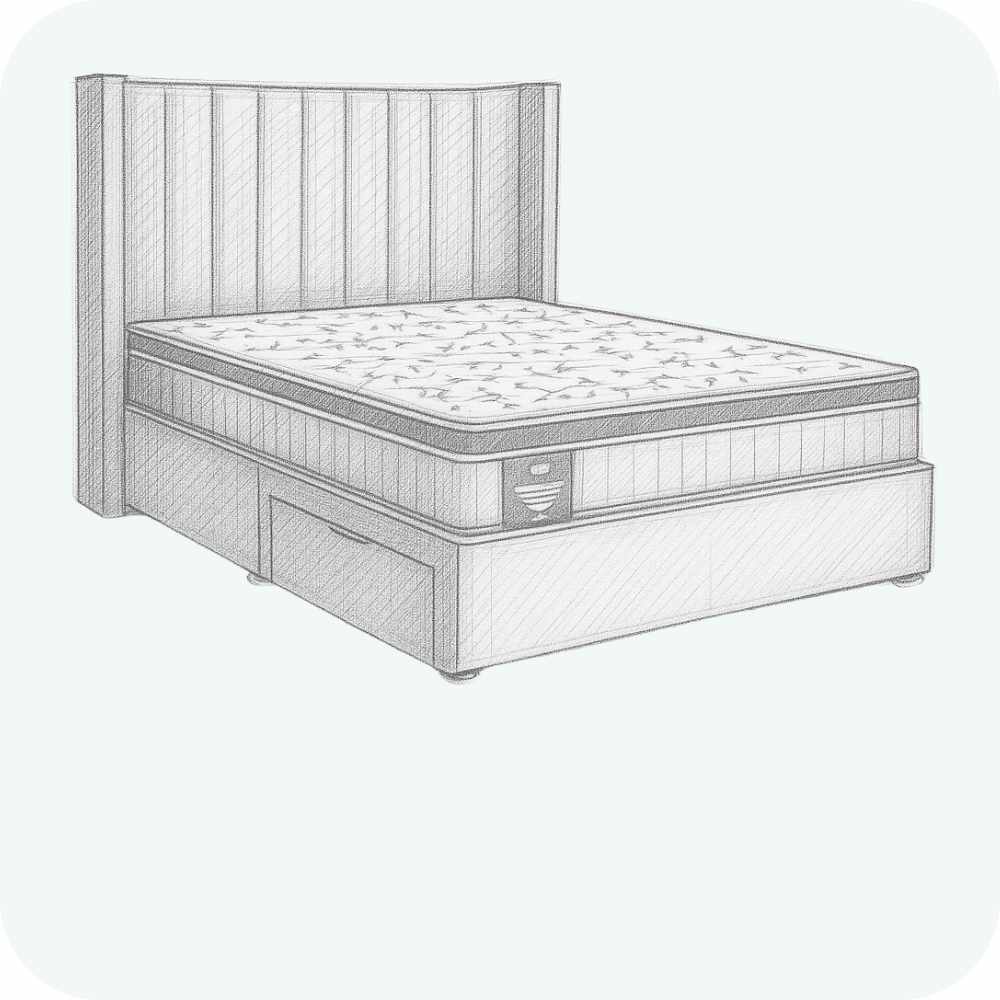
7. Your Mattress: The Heart of a Sleep Sanctuary
Even if your room is beautifully styled, if your mattress causes discomfort, your nervous system won’t fully relax. A lumpy, unsupportive, or overly warm mattress can prevent you from entering deep sleep or make it harder to fall asleep in the first place.
LuxeMattresses offers beds designed specifically for comfort, airflow, and pressure relief. Whether you sleep hot, share with a partner, or simply haven’t upgraded in a decade, the right mattress can transform your entire sleep environment.
To learn more about which mattress fits your needs, see our expert mattress guide.
Final Thoughts
Creating a stress-free bedroom doesn’t require a full renovation; it just takes some intention. Soften your lighting. Choose calming colours. Clear the clutter. Add texture that invites rest, and scent that calms the mind. And above all, ensure the space physically supports your sleep, starting with a mattress designed for it.
When you give your bedroom purpose, as a sanctuary, not just a storage space, your sleep improves. And when sleep improves, so does everything else.
To learn more about designing your sleep space or investing in comfort that truly lasts, visit the LuxeMattresses blog or explore our premium sleep solutions made to support better nights, naturally.
FAQs
Start with lighting. Switch to warm-toned bulbs, add a lamp for evenings, and use blackout curtains. That one change often has the biggest impact.
Yes. Soft, muted tones help reduce mental stimulation. Bold or bright colours, even if you love them, can keep your brain alert when it should be winding down.
Declutter. Clean the space. Add a warm-toned bulb, and swap your pillowcase for something soft and breathable. Small tweaks often go a long way.
Studies show lavender and similar essential oils reduce stress and improve sleep onset. A light spray or diffuser can signal to your brain that it’s time to relax.
Layer curtains, add soft furnishings to dampen sound, and use a white noise machine or earplugs. Also, choose a mattress with motion isolation to block internal disruptions.
Absolutely, A supportive, breathable mattress helps your body stay in deep sleep longer and prevents micro-wakeups caused by discomfort or heat. Explore the LuxeMattresses collection for the most sleep-supportive options.
Ideally not. Using your bedroom for work, TV, or exercise can confuse your brain’s sleep cues. Keep the space restful and dedicated to sleep and relaxation.

Marie Soukup is a seasoned senior copywriter and editor who’s written for global brands like Virgin Australia, blending storytelling and strategy to create content that connects. She’s passionate about bringing ideas to life across the travel, lifestyle, and business worlds.