


Estimated reading time: 7 minutes
Table of contents
Sleep is important, and a good quality mattress is essential for it, yet many people overlook why it matters—not only for physical rest but also for our mental and emotional wellbeing.
Sleep has never been a passive pause. It’s the time your brain uses to process stress, stabilise your mood, and prepare you for the challenges of the next day. And while things like bedtime routines and blue light avoidance get plenty of attention, there’s something else at the centre of it all: your mattress.
Yes, that piece of furniture you lie on each night could be silently helping—or hurting—your mental health.
The Science: Why Sleep Quality Affects Mental Health
When we talk about mental wellness, we often focus on daytime habits. But good sleep is the foundation beneath it all.
During sleep—especially deep and REM stages—your brain is actively working to regulate mood, manage emotional stress, and consolidate memory. Without those phases, things start to fall apart. You’re more irritable, less focused, and more sensitive to stress.
Poor sleep over time has been linked to higher levels of anxiety, increased cortisol production (your body’s stress hormone), and even depression. And here’s the thing: you don’t need to be aware of sleeping poorly for your mental health to suffer. Even low-level discomfort from a worn-out mattress can prevent your brain from hitting those deep, restorative sleep phases.
This is where choosing a sleep quality mattress becomes essential—not just for your back, but for your brain.
How the Cheap Quality Mattress Adds to Your Stress
Sometimes, stress shows up before your alarm even goes off.
If you’ve ever woken up with tension in your neck, stiffness in your lower back, or the sense that you were more restless than restful, your mattress could be part of the problem.
Subtle physical discomfort—too much firmness, sagging in the middle, or poor pressure distribution—can lead to micro-awakenings during the night. You may not remember them, but your sleep cycle does. And over time, this pattern prevents your brain from completing the restorative processes that lower stress levels and improve emotional balance.
A good stress-relief mattress doesn’t just feel nice—it actually prevents these interruptions by supporting your body evenly, keeping your spine aligned, and limiting the physical strain that turns into emotional tension.
What to Look for in a Mattress That Supports Mind & Body
A good sleeping routine is crucial, and your mattress choice plays a vital role in your sleep health. Shopping for a mattress with your mental health in mind might not sound obvious—but it’s incredibly smart.
Here’s what to look for:
- Balanced support: The mattress should hold your body without forcing it. Think firm enough to align your spine, but soft enough to relieve pressure.
- Pressure relief zones: These areas (often around the shoulders and hips) help prevent tossing and turning.
- Temperature regulation: Overheating can wake you up, even subtly. Breathable materials and gel-infused foam are game changers.
- Motion isolation: Especially important if you share a bed with a partner. The fewer sleep disruptions, the better.
- Soft, calming textures: You’d be surprised how much a breathable, smooth cover can influence your sense of calm at bedtime.
If you’re looking for a comfortable mattress that UK shoppers genuinely trust, focus less on labels like “plush” or “luxury” and more on how well the mattress supports healthy, uninterrupted sleep.
Where Luxe Comfort Features Make a Difference
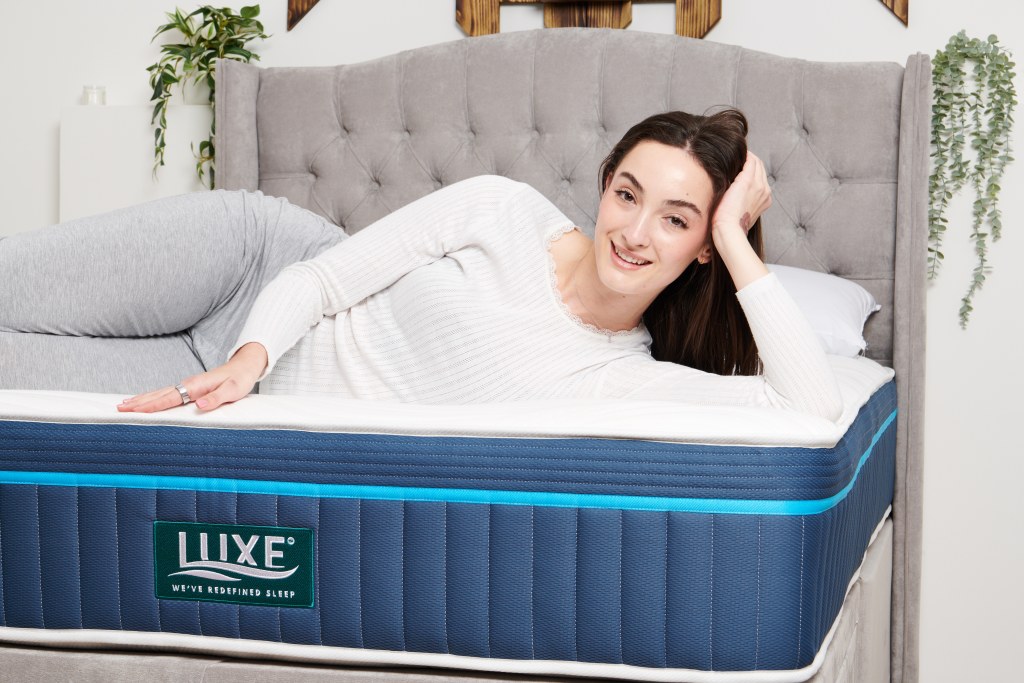
Luxe comfort products are designed with a refreshing level of intention. These aren’t just soft beds, but they’re sleep systems crafted to work with your body’s natural rhythms.
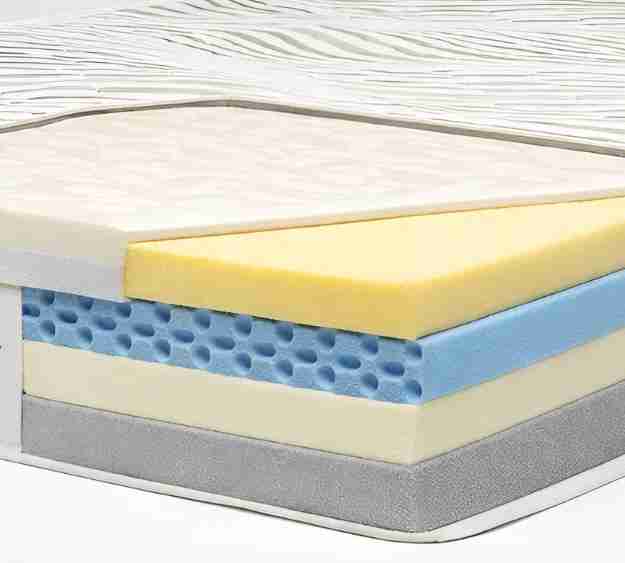
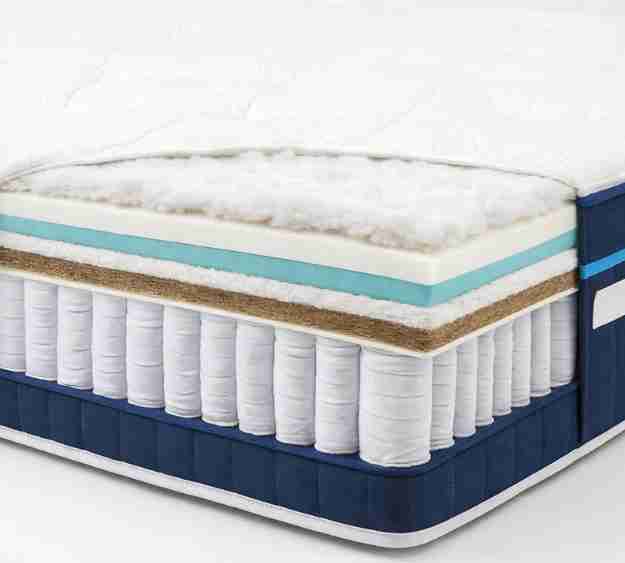
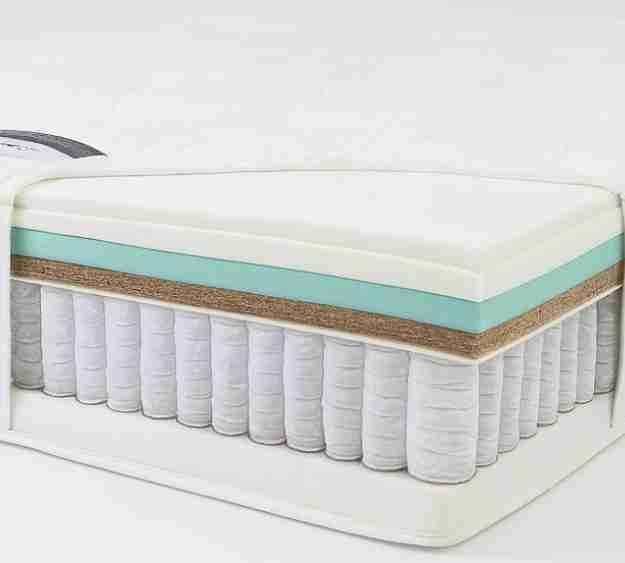
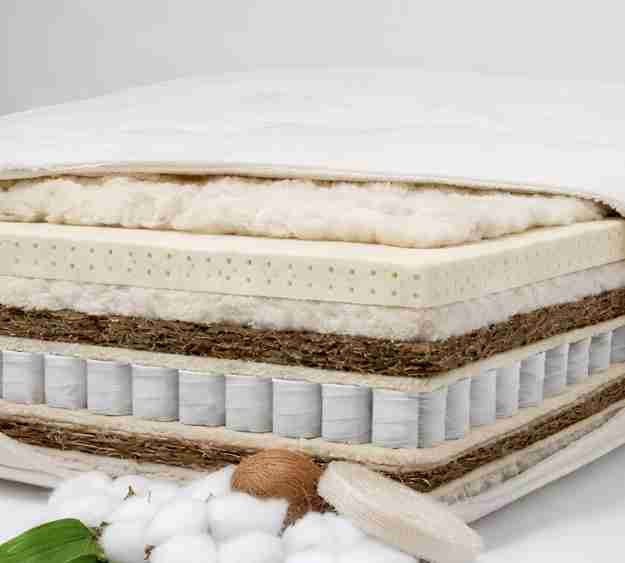
Whether you prefer hybrid support or memory foam contouring, Luxe focuses on:
- Pressure-mapped layers that cradle and support where you need it
- Breathable, heat-reducing materials that help maintain a consistent sleep temperature
- Motion-isolating designs that create peaceful, partner-friendly nights
It’s this blend of comfort and technical thoughtfulness that elevates Luxe from “just another mattress” to a key part of your sleep wellness routine.
These Luxe comfort features help protect your peace of mind while you rest.
Other Ways to Support Sleep Wellness Holistically
Of course, your mattress is just one part of the bigger picture. If you’re already investing in better sleep, a few other habits can help you round it out:
- Stick to a regular sleep schedule
- Avoid screens (at a minimum) 30 minutes before sleep
- Create a wind-down ritual—reading, stretching, herbal tea
- Use your bed for rest only—not work, not worry
- Declutter your space to create a calmer sleep environment
When your sleep space is peaceful and your mattress supports proper rest, you don’t just sleep better—you feel better.
It’s More Than Just a Bed
If you’re feeling overwhelmed, unfocused, or simply more drained than usual, don’t underestimate your mattress.
Sleep quality is not just about how many hours you log. It’s about what your body and mind are doing during those hours—and your mattress plays a bigger role than you might think.
Investing in a quality mattress that supports both your comfort and your mental clarity shouldn’t a luxury—it is a step toward real wellness.
Because your best days start the night before.
FAQ
Answer:
Yes, a poor-quality mattress can indirectly contribute to anxiety and depression. When your body doesn’t get enough restorative sleep—especially deep and REM stages—your brain’s ability to regulate mood and stress is impaired. Over time, this sleep deprivation can lead to increased cortisol (stress hormone) levels, irritability, and feelings of low motivation or sadness.
Solution:
• Choose a mattress with proper spinal support and pressure relief zones to reduce physical discomfort.
• Make sure it helps minimize micro-awakenings, which disrupt deep sleep stages.
• Aim for a mattress that regulates temperature well—overheating can also cause frequent waking.
Answer:
You might not realize it immediately, but signs include:
• Waking up more tired than when you went to bed
• Frequent headaches or body aches
• Mood swings or feeling emotionally drained without clear reasons
• Trouble concentrating or staying calm during the day
Solution:
• Assess how you feel after sleeping elsewhere (e.g., hotel or friend’s house).
• If symptoms improve, your mattress might be the culprit.
• Replace your mattress if it’s older than 7–8 years, especially if it sags or feels uneven.
Answer:
A mattress that offers a balance of support and comfort is ideal. Look for:
• Medium-firm feel for proper spine alignment
• Memory foam or hybrid mattresses with motion isolation to reduce partner disturbance
• Cooling features (like gel-infused layers or breathable covers) to maintain comfortable temperatures
• Pressure relief zones to reduce tossing and turning
Solution:
Try mattresses with sleep trials (like 100-night trials) so you can test how well it improves your rest and mood before committing.
Answer:
Most mattresses should be replaced every 7–10 years, depending on the quality and material. However, if you’re noticing dips, uneven support, or waking up with aches or poor mood—even before that time—it’s probably time to upgrade.
Solution:
• Rotate your mattress every 3–6 months to extend its lifespan.
• Use a mattress protector to prevent allergens and bacteria buildup, which can affect sleep and overall wellbeing.
• Upgrade sooner if your mattress is affecting your emotional balance or sleep consistency.
Answer:
Absolutely. The tactile feel of your bed—the surface texture, breathability, and responsiveness—can influence how relaxed and secure your body feels at bedtime. Soft, smooth, breathable fabrics can help cue your brain that it’s safe to rest, promoting a calmer mental state.
Solution:
• Opt for a mattress with a breathable and soft-touch cover (e.g., bamboo or organic cotton).
• If you’re sensitive to texture, avoid coarse or overly synthetic fabrics.
• Layer your bed with calming textiles like smooth sheets and weighted blankets to enhance bedtime relaxation.


Marie Soukup is a seasoned senior copywriter and editor who’s written for global brands like Virgin Australia, blending storytelling and strategy to create content that connects. She’s passionate about bringing ideas to life across the travel, lifestyle, and business worlds.