


Your night routine plays a powerful role in shaping both your sleep quality and mental well-being. The habits you follow before bed whether scrolling on your phone, working late, or practicing relaxation can directly affect stress levels, mood, and emotional balance.
A consistent and calming evening routine helps signal your brain to unwind, improving sleep and supporting better mental health over time. By making small, intentional changes at night, you can create a healthier mindset and wake up feeling more refreshed and focused.
Why Your Evening Habits Matter More Than You Think
Routines offer more than just structure. They offer comfort. And when it comes to sleep and mental wellbeing, comfort and predictability are your best allies.
The brain doesn’t flick a switch at 10 pm and fall asleep on command. It needs winding down, mentally, emotionally, and physically. If your nights are unpredictable or overstimulating, your nervous system won’t have time to downshift. That’s when poor sleep, anxiety, and mood dips start to creep in.
Mind.org.uk highlights the link between routine and emotional regulation; a regular, calm evening rhythm can ease stress and support sleep.
The Mental Health Cost of a Chaotic Night
We all know what it feels like to lie awake, staring at the ceiling with thoughts racing. Maybe it’s work. Maybe it’s money. Or maybe it’s just your brain rehashing things from five years ago.
When there’s no bedtime routine, your brain never gets the memo that the day is over. That means:
- Cortisol stays high (which keeps your mind alert)
- Melatonin stays low (which delays sleep)
- And your chances of getting a deep, healing night’s rest drop
This isn’t just frustrating. Over time, it chips away at your resilience, making you more reactive, emotional, and overwhelmed. NHS research shows that disrupted sleep patterns can increase anxiety and depression risk over time.
Evening Habits That Quietly Make Things Worse
It’s not always what you do; sometimes it’s when you do it. Let’s take a look at a few habits that can interfere with both sleep and mental health:
1. Taking Screens to Bed
Whether it’s news, WhatsApp, or TikTok, late-night scrolling overstimulates the brain. Blue light delays melatonin. Emotional content keeps you mentally engaged.
2. Eating or Drinking Too Late
Heavy meals or alcohol within a couple of hours of bed can affect your digestion and disrupt sleep cycles, which then affect your mood the next day.
3. Working Until the Last Minute
Closing your laptop at 10 pm and jumping into bed might be efficient, but your brain stays “on.” You haven’t transitioned to rest.
These habits aren’t harmful in isolation, it’s the lack of separation between “day mode” and “night mode” that adds up.
What a Healthy Night Routine Actually Looks Like
There’s no one-size-fits-all template, but a few principles hold up across the board. A strong night routinedoesn’t have to be long or elaborate, it just has to be consistent and calming.
Here’s what helps:
1. Start with a Signal
Pick a time (roughly 60–90 minutes before bed) and begin a slow transition. Dim the lights. Lower the volume. Turn off notifications. Let your body know the day is winding down.
2. Layer in Calming Rituals
- Try a warm shower or bath
- Use a natural sleep mist on your pillow
- Read something light, or write in a journal
- Listen to a calming playlist, preferably without lyrics
The aim is to gently disengage from anything that demands mental effort or emotional response.
3. Prepare the Physical Space
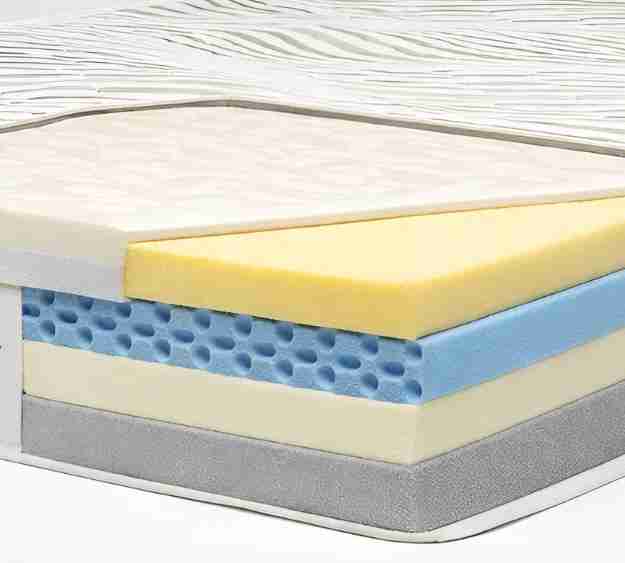
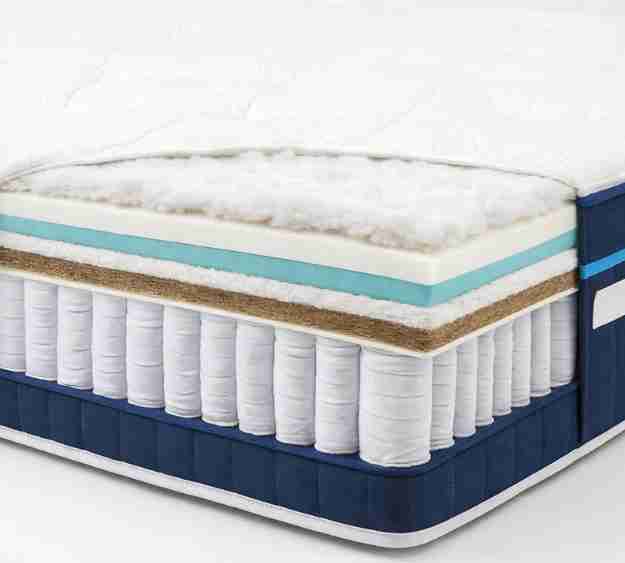
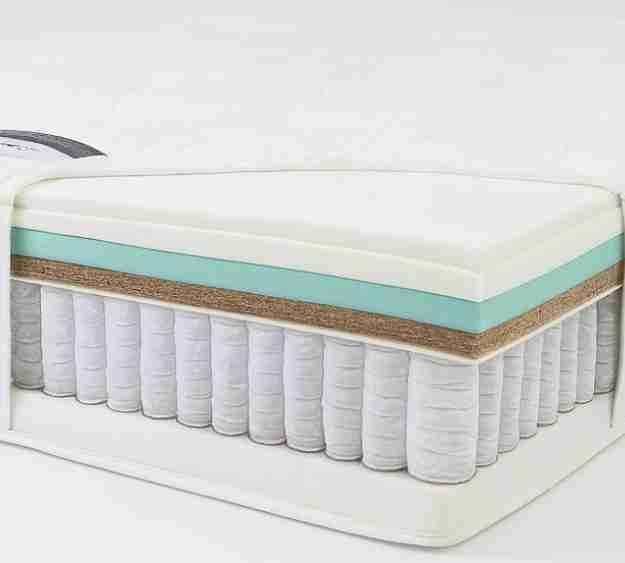
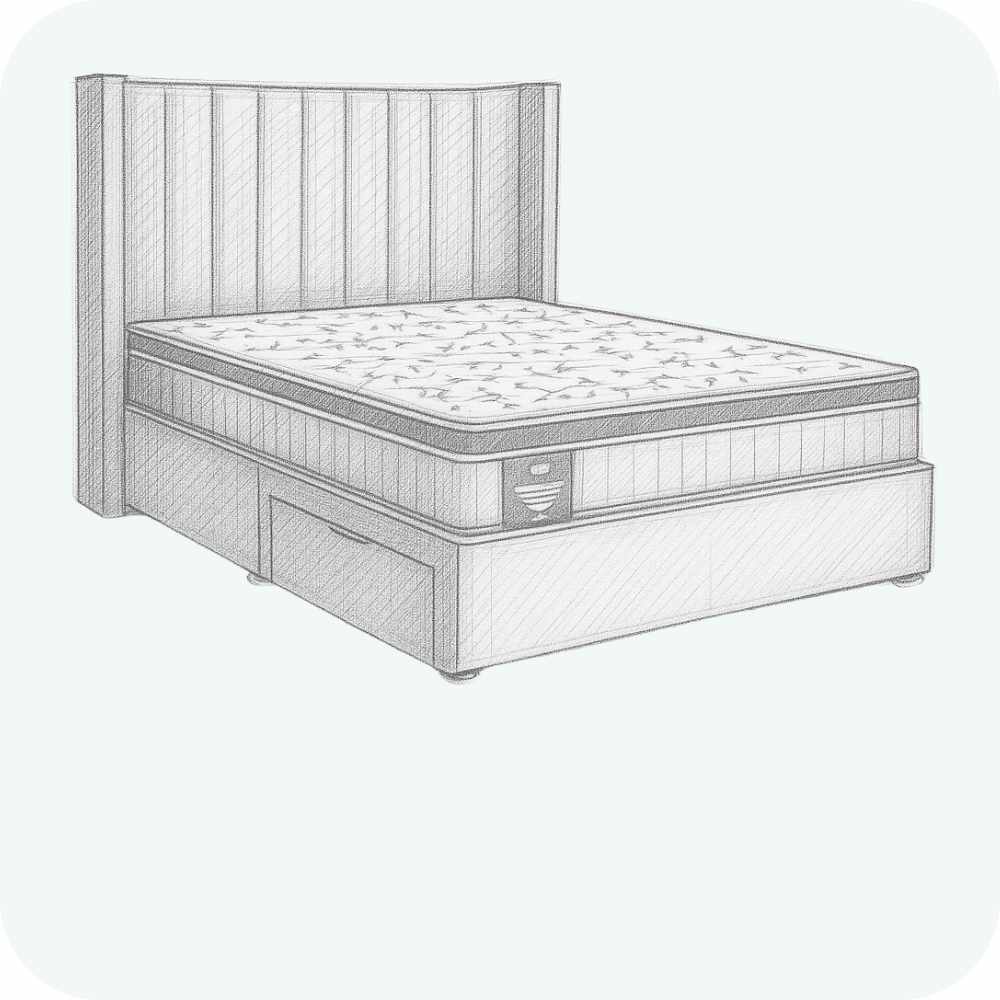
Keep your bedroom cool, quiet, and dark. But perhaps most importantly, comfortable. A poor mattress can create physical stress that keeps you tense, even if you’re mentally tired.
At Luxe Mattresses, we design mattresses that don’t just support your back; they support your whole night. Pressure relief, breathability, and ergonomics all play a part in creating a sleep setup that promotes both comfort and emotional calm.
For more, you can explore our guide to sleep hygiene on the blog.
Your Mattress and Your Mental State
It might sound like a stretch, but yes, your mattress affects your mind. Poor support can cause you to toss and turn. Interrupted sleep increases irritability, shortens your fuse, and amplifies stress.
Signs your mattress might be affecting your mental wellbeing:
- You wake up feeling unrested or sore
- You wake frequently during the night without a reason
- You feel more tired than when you went to bed
A luxury quality mattress helps you stay asleep longer and enter deeper, more restorative sleep stages. That matters for mental clarity, mood regulation, and emotional resilience, all things that suffer when sleep is broken.
Take a look at our mattress collection to see options designed specifically to support long, restful nights.
Building a Realistic Routine: A UK Lifestyle Fit
You don’t need to meditate on a cushion for an hour. Your night routine for mental health should reflect your life and be something you can stick to.
Try this simple structure:
- 9:00 pm – Close work-related tabs, switch phone to silent
- 9:15 pm – Brew a caffeine-free tea, do light stretching
- 9:30 pm – Use a lavender sleep mist on sheets
- 9:45 pm – Read, journal, or listen to soft music
- 10:15 pm – Lights out
Over time, this kind of routine teaches your nervous system what to expect. You don’t have to “try” to fall asleep, your body does the work for you.
Final Words
There’s no magic formula for mental health. But if you’re overlooking your evenings, you may be missing one of the simplest, most effective tools available.
Creating a routine isn’t about restriction; it’s about protection. You’re giving your mind a buffer between the chaos of the day and the rest it desperately needs. Whether you start with 10 minutes or a full hour, it’s a step towards better sleep, less anxiety, and more balance.
Ready to build a night that supports both body and mind? Explore the Luxe Mattresses blog for more science-backed guidance or browse our sleep-enhancing mattresses made to restore and reset, night after night.
FAQs
Yes. Consistent evening habits reduce cortisol levels, help you unwind gradually, and lower the mental clutter that feeds anxiety.
Anywhere from 30 to 90 minutes is ideal. The key is doing the same things in the same order each night; it’s the rhythm that matters most.
Absolutely. A poor mattress causes micro-wakeups and tension, which disrupt deep sleep and worsen mood. Luxe Mattresses offers UK-designed solutions built for optimal comfort.
Don’t force it. Do something relaxing outside of bed, avoid screens, and return when you feel drowsy. This helps preserve your bed-sleep connection.
Yes, as long as they don’t keep your mind active. Look for content that’s low stimulation, ambient soundscapes, breathing guides, or sleep stories that work well.
Give it 10–14 days. That’s typically enough for your body clock to adjust and for the emotional benefits to start kicking in.
Yes, if they’re vigorous. Try gentle yoga or stretching instead. Intense exercise can raise your heart rate too much, making it harder to sleep.

Marie Soukup is a seasoned senior copywriter and editor who’s written for global brands like Virgin Australia, blending storytelling and strategy to create content that connects. She’s passionate about bringing ideas to life across the travel, lifestyle, and business worlds.