


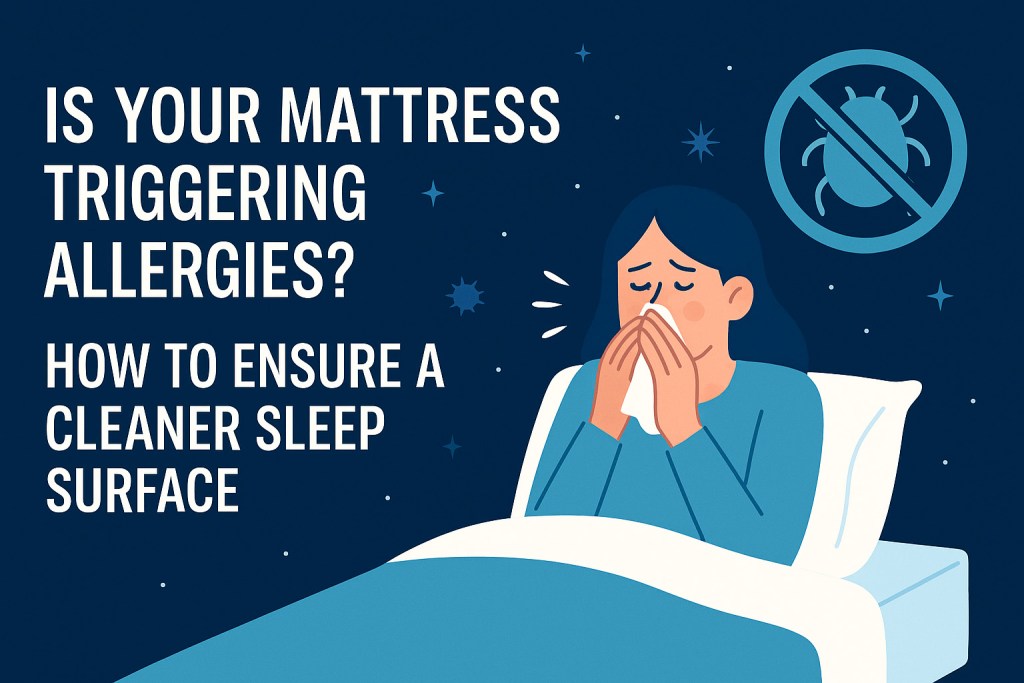
Do you wake up with itchy skin and eyes? Mainly, people consider it an everyday allergy that comes on and goes off with seasons. However, the culprit behind this can be your mattress. Most people ignore this factor, but mattresses can be home to several allergens, and a bad mattress can impact on your health. It is an overlooked yet serious matter. These allergens can take away your rest time and lead to discomfort. Let’s explore how your mattresses could be secretly affecting your health.
Understanding Mattress-Related Allergies
Bed Dust Allergens, also called House Dust Mites, can reside inside or on top of the surface of your mattress. Prolonged close contact with these allergens can lead to nasal irritation, sneezing, respiratory tract irritation, coughing, and eye allergy. It is equally possible that you already have these health problems, and they are just getting worse because of the mattress allergens.
Common Mattress Allergens
The most common mattress allergens are pollen, moulds, pet dander, dead skin cells and dust mites. These accumulate on the mattress if proper and regular cleaning is not assured. Pollens enter your bedroom if you have an open-air source, or they come in on your clothes. They get settled on the surface and contribute to allergies.

Moulds
Moulds develop in a humid environment. They can occur on a sweaty mattress. Pet dander detaches from the skin of pets, and it makes its way deep inside the mattress. Dead skin cells are human body cells that accumulate on mattresses. They act as nourishment for dust mites that are a part of a poorly maintained bedroom environment. The dust mites, in turn, are highly allergenic.
Breeding Place for Allergens
Mattresses provide an ideal breeding surface for allergens. The sweat and moisture are trapped inside because of limited air circulation. They culminate in a perfect breeding ground for allergens’ growth and multiplication. The longer a mattress is used, the more allergens it contains.
Breathing Issues
Some common signs indicate whether the mattress causes an allergy. If breathing difficulties, coughing, sneezing and other symptoms worsen at night, it is most probably mattress-related. Irritated skin, rashes, and itching aggravated at night are the signs of mattress-related allergies.
Identifying If Your Mattress is the Problem
You can easily get the cause behind your allergies and other problems by thoroughly assessing the mattress condition and the bedroom environment. The timing of symptoms is a significant indicator that the mattress is the problem. If the symptoms appear or get worse at night and disappear when you are out of the bedroom, it is a clear sign that the mattress is the culprit. The reason behind the worsening of symptoms will be the close, prolonged contact between you and the mattress at night.

If you sleep on another mattress, like in a guest house or hotel, and the symptoms get better, this also indicates that the problem is your mattress. Hotels usually have new mattresses in a well-maintained and clean environment, thus lowering your suffering. If your mattress is worn out and has clear wear and tear signs, it surely has a large number of allergens.
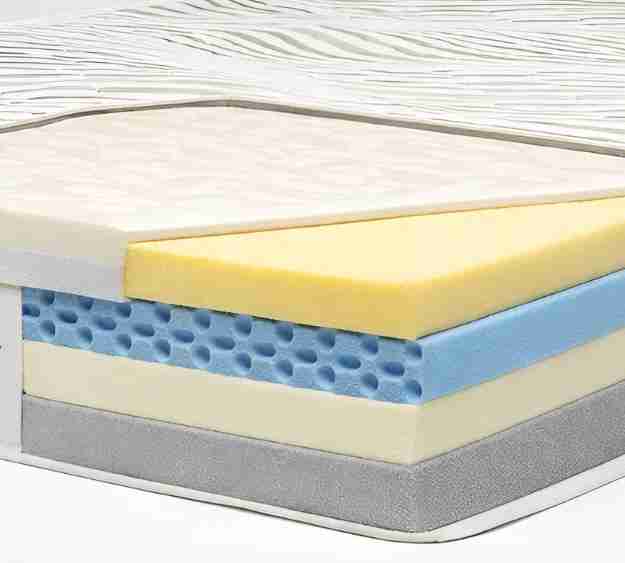
The development of mattress allergies also depends on the type of mattress. Synthetic foams in particular mattresses, absorb more moisture and sweat and trap more dust particles. As a result, they provide a perfect nurturing environment for allergens. Hence, mattresses are a significant difference maker in your health and comfortable sleep.
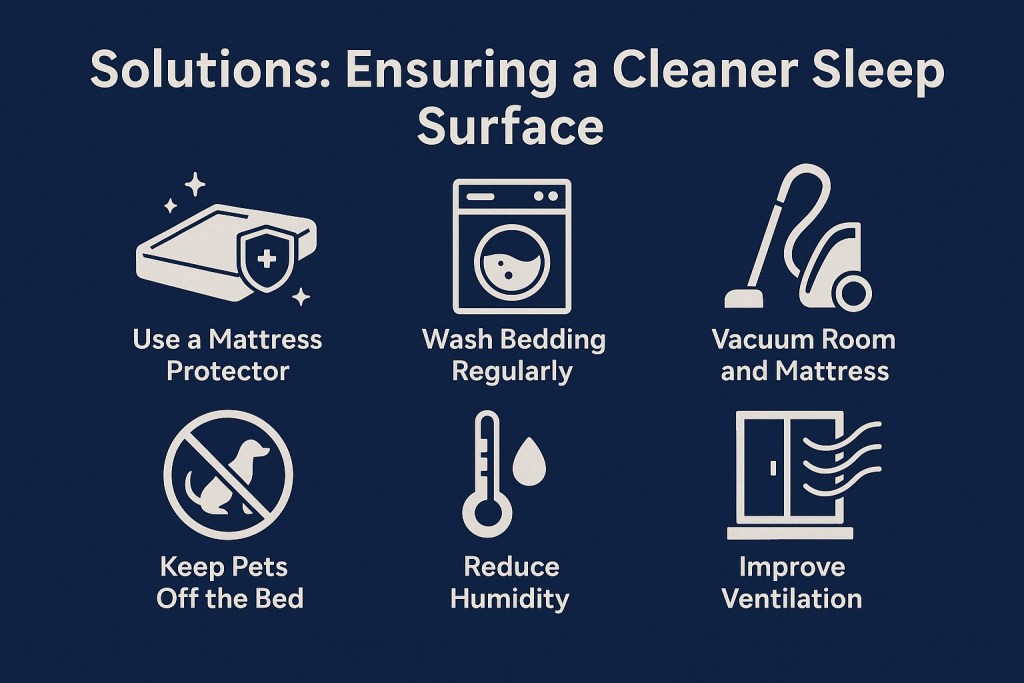
Solutions: Ensuring a Cleaner Sleep Surface
If you are entirely sure that your mattress is causing allergies, there is no need to worry because certain practices will help you get rid of these allergies. These solutions will keep your bedroom clean and healthier.
- First of all, use a mattress protector that is certified hypoallergenic and dust-proof. Also, make sure the protector does not allow water, sweat or moisture to absorb on its surface. This step will protect you from dust mites and mould growth.
- Wash all the bedroom clothing once a week or at least twice a month and weekly change your sheet. Pillow covers and mattress sheets must be washed in hot water to kill all the existing allergens. Vacuum your room and the mattress too regularly. This will keep dust away, and allergens won’t find a space to grow. Modern vacuum cleaners use radiation to kill bacteria, dust mites and other allergens. Consider using one once a month to get rid of any harmful agents.
- As mentioned before, pets can leave allergens on the mattress, like pet dander. The pets can shed their skin cells, which causes contamination. Try avoiding your pets from the bedroom, especially the mattress. Bedroom air quality plays a vital role. Bad air quality will bring airborne allergies, dust particles and pollen. Also, humid air provides a perfect environment for the growth and multiplication of such allergens.
- It is an old tradition to let your mattress breathe out occasionally. Keep your mattress out in the wind for some time, often. This helps to remove several allergens. Also, it removes the moisture and the odour. Keep windows open and let the air exchange in the bedroom once a week for better ventilation. Using these strategies can keep your mattress clean and bring comfortable sleep.
Choosing the Right Mattress for Allergy Sufferers
If you have done all the solutions, taken all the measurements and still are not getting any relief from allergies, it is probably time to upgrade your mattress. The average lifespan for a mattress is 7-10 years. Even well-maintained, every mattress will expire one day. A right-selected mattress will reduce your complaints and provide healthier, deeper sleep. Luxe Mattress will be an ideal choice in this scenario.
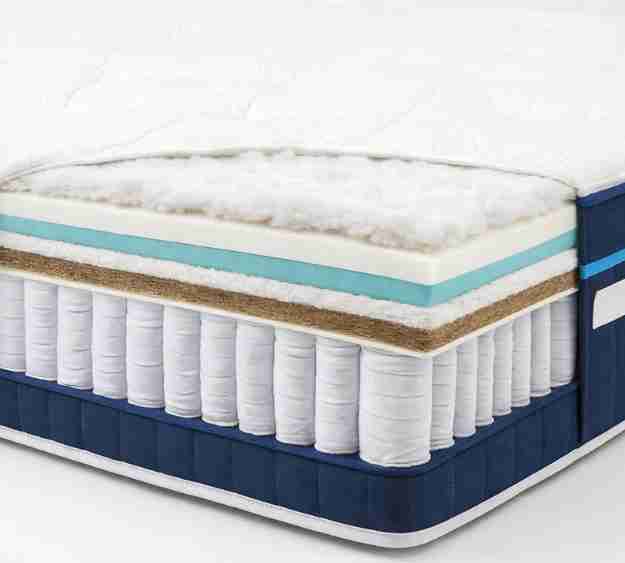
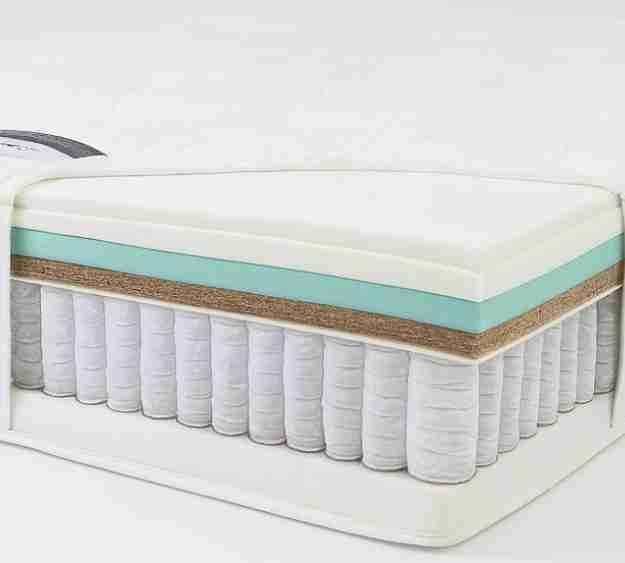
Check out the certifications and select a hypoallergenic mattress. Check the foam quality and select firmness according to your requirements. Choose a mattress designed using modern technology with antimicrobial, allergen resistance, cooling and ventilation features. Keep in mind to get a mattress with a removable cover so that you can wash it. Make it clear that a well-chosen mattress will work greatly only if the cleaning measurements are taken.
When to Replace Your Mattress
Check the condition of your mattress. Signs like wear and tear, stains, uneven firmness, and bad smells mean it needs to be replaced. Unhealthy symptoms such as coughing, itching, sneezing, or eye allergies also suggest it’s time for a new mattress. Here is a detailed guide on “when you should replace your mattress.”
Luxe Mattresses Allergy-Reducing Features
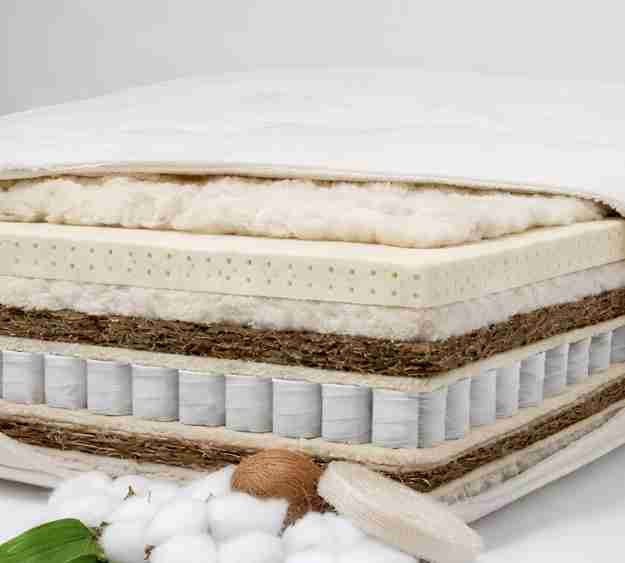
Luxe Mattresses focuses on both luxury and health. The mattresses are manufactured with natural materials, and the coverings are made with organic cotton to prevent allergies. Luxe Mattresses provides high-quality, breathable, and hypoallergenic mattresses to prioritize health and wellness.
Luxe Mattresses ensures the use of antimicrobial and dust-resistant technologies to keep allergies away. The removable and washable coverings allow you to clean the surface when needed to maintain your bedroom. Luxe Mattresses provides clean and health-friendly mattresses coped with luxury to give you premium comfort.
Conclusion
Mattress quality and maintenance work simultaneously to provide a sleep-friendly, clean environment. Your mattress might be silently affecting you, but ensuring a cleaner surface can prevent it from doing so. The path to better sleep begins with a better mattress, and LuxeMattress follows all the protocols of health and comfort.
FAQs
Yes, your mattress might be the hidden culprit of allergies. A sagged mattress can be the residence of several allergens. Not following cleaning measures can allow your mattress to cause allergies, too.
Clean up your mattress at least once a month. Wash the coverings and sheets every week. Do not forget to air out the mattress once in a while.
It is wise to replace your mattress every 7-10 years. However, the period can vary in allergic persons. If the symptoms keep getting worse even after cleaning, an early upgrade is recommended.
The most common mattress allergens include:
Mould
Dust mites
Pet dander
Pollens
Latex mattresses are considered best for allergy sufferers. These are designed using organic materials to keep away allergens.

Marie Soukup is a seasoned senior copywriter and editor who’s written for global brands like Virgin Australia, blending storytelling and strategy to create content that connects. She’s passionate about bringing ideas to life across the travel, lifestyle, and business worlds.