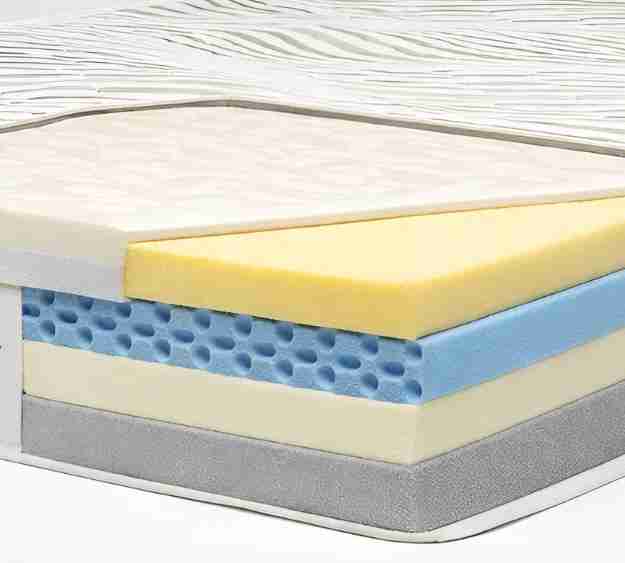
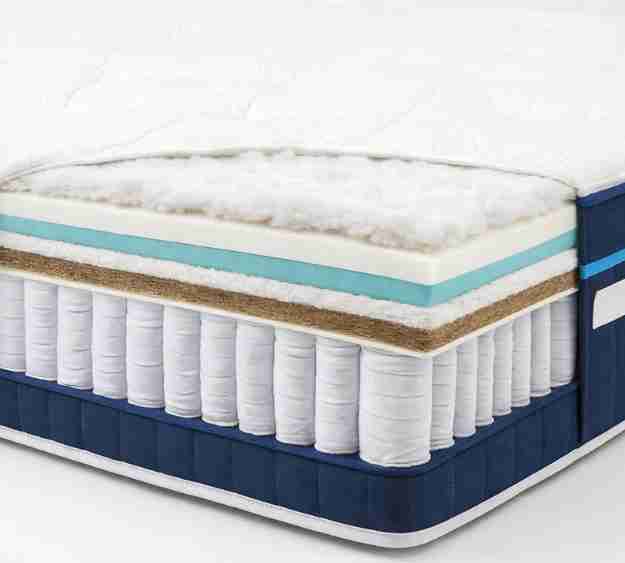
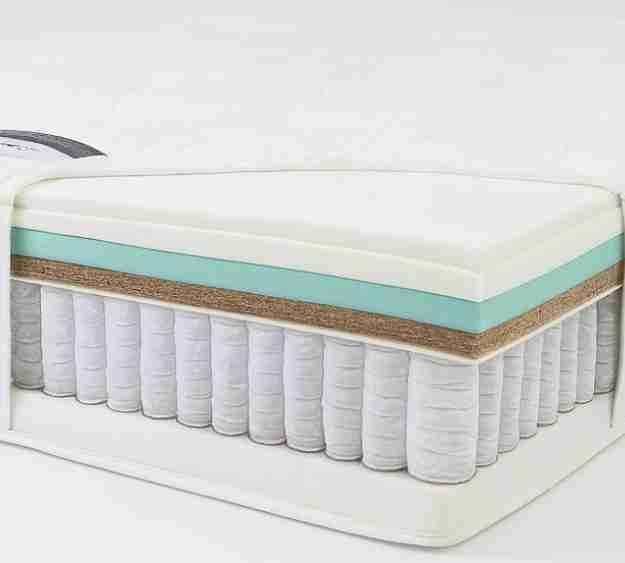
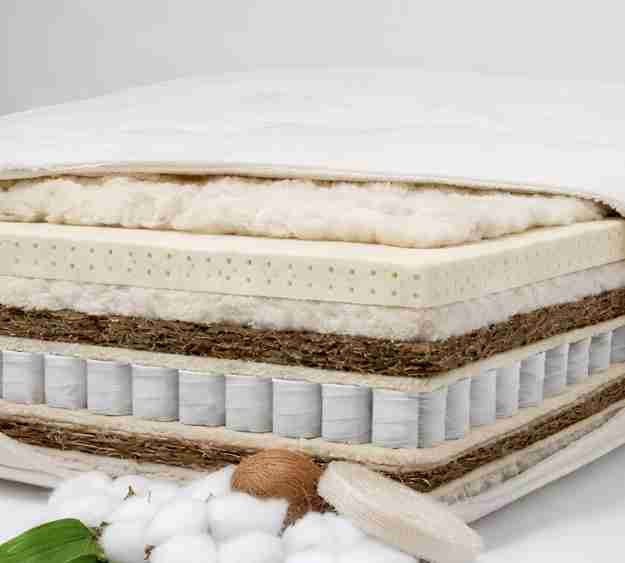

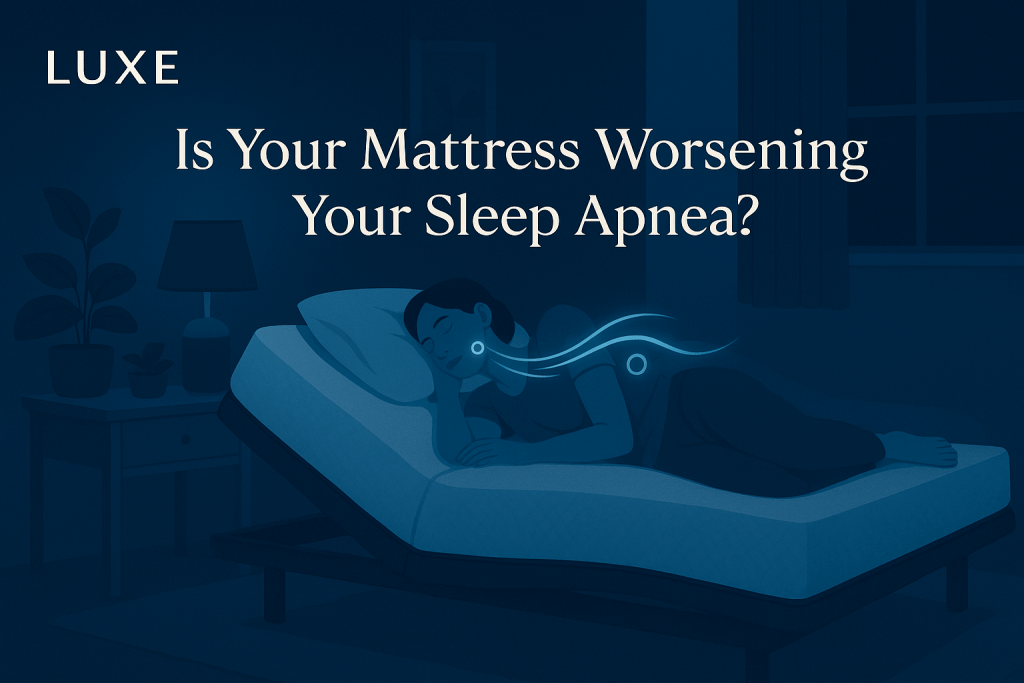
Your mattress choice can significantly worsen sleep apnea symptoms by disrupting spinal alignment and airway positioning, with soft sagging models causing throat collapse while overly firm ones strain neck posture reducing airflow up to 50% per studies.
Medium-firm memory foam or hybrid mattresses promote neutral spine support, optimal head elevation, and side/stomach sleeping (proven to cut apnea events), unlike 7-10-year-old beds that lose firmness and trap heat, exacerbating snoring and awakenings.
Understanding the Hidden Connection
Sleep apnea, especially the most widespread form of obstructive sleep apnea, extends far beyond the stereotype of loud snoring or feeling drowsy during the day. It is a serious chronic health condition where the airway collapses intermittently through the night, interrupting breathing and robbing the body of essential oxygen.
Although continuous positive airway pressure (CPAP) machines are widely recognised as the frontline defense, there’s an equally critical yet often overlooked player in the battle for better sleep: your sleep environment. Surprisingly one of the biggest influences may be lying right beneath your mattress.
How Mattresses Can Affect Sleep Apnea
1. The Critical Role of Sleeping Position
How you sleep, not just how long can be the difference between restful slumber and a night of restless shallow breathing.When you lie flat on your back, gravity does its worst: the tongue and soft tissues drift backwards, obstructing your airway and intensifying apneic episodes. Side sleeping, however, offers a natural advantage by keeping airways more open and stable.
Investing in a mattress designed to support lateral sleeping like a medium-firm memory foam can significantly ease the burden.
2. Why Elevation and Adjustable Bases Matter
Think about how propping yourself up with an extra pillow eases congestion during a cold. The same principle applies to sleep apnea.
Elevating the head while sleeping can dramatically reduce airway blockages. An adjustable bed base, when paired with a responsive mattress, offers personalised elevation that can enhance breathing quality, lower apneic incidents and provide all-around comfort .
3. Mattress Firmness: The Unsung Hero of Better Sleep
Soft plush mattresses may feel indulgent at first but they often fail to provide the structural support your body needs through the night.
When the spine falls out of alignment, which happens easily on a mattress that’s too soft, airway collapse becomes more likely, compounding sleep apnea symptoms.
Medium-firm mattresses tend to hit the sweet spot, balancing support with comfort to encourage better posture and easier breathing.
How to Choose the Right Mattress: Practical Tips
Finding the right mattress isn’t just about luxury; it could be a serious health decision if you’re managing sleep apnea. Keep these priorities in mind:
- Opt for Medium-Firm Support: Critical for spinal alignment and airway stability.
- Consider Adjustable Bases: Allow flexible elevation adjustments to find your ideal breathing position.
- Ensure Compatibility with CPAP Equipment: Some mattress and bed setups integrate better with CPAP machines making nightly use more convenient and effective.
Curious about creating the ultimate sleep environment? Check out this full guide on improving your sleep hygiene on the Sleep Foundation website.
Consultation and Personalised Advice
Of course, even the perfect mattress can’t replace expert medical guidance. Consulting with a sleep specialist can help diagnose the severity of your condition, tailor treatments like CPAP therapy and finetune lifestyle changes that support better rest.
When combined, the right sleep surface and professional advice can transform not only how you sleep but how you live every day.
Conclusion
Your mattress plays a far bigger role in managing sleep apnea than most people realise. Poor support, sagging surfaces, and improper firmness can worsen airway collapse, disrupt spinal alignment, and intensify snoring and breathing interruptions throughout the night. Choosing a medium-firm mattress, ideally paired with elevation or an adjustable base, helps maintain a neutral spine, supports side sleeping, and promotes better airflow. While medical treatments remain essential, upgrading your sleep surface is a powerful, often overlooked step toward fewer apnea events, deeper rest, and healthier sleep overall.
FAQs
Yes, mattresses impact sleep apnea by influencing spinal alignment and airway position soft ones cause sinking that collapses airways, while medium-firm hybrids reduce obstruction by 50% in studies.
Sudden worsening stems from weight gain, alcohol use, allergies, aging, or mattress degradation (sagging after 7 years), all narrowing airways and spiking AHI events overnight.
Your bed doesn’t cause apnea but worsens it via poor support too-soft surfaces misalign the neck, increasing collapse risk by 30-40%; firm hybrids promote open airways.
Medium-firm is optimal over extreme firmness, providing contouring without sinkage; memory foam or latex hybrids cut symptoms best by maintaining neutral spine and breathability.
The 3% rule defines apnea severity: AHI under 5 (normal), 5-15 (mild), 15-30 (moderate), 30+ (severe), measuring hourly breathing pauses with 3-4% oxygen drops.

I’m a professional sleep health and mattress content specialist with extensive experience writing about orthopedic mattresses, back pain relief, pressure-point support, and overall sleep comfort. I collaborate with industry research, sleep studies, and mattress performance insights to deliver accurate, trustworthy, and reader-focused content. I’m known for simplifying complex mattress technologies such as memory foam, motion isolation, and firmness levels, making them easy to understand for everyday buyers. My goal is to help readers choose mattresses that match their lifestyle, sleep posture, and health needs empowering them to achieve deeper, healthier, and pain-free sleep through informed decisions.