


Ever found yourself wide awake at midnight, even though you’re exhausted? Or struggled to feel alert in the morning, no matter how early you went to bed? You might be surprised to learn how much the light effect on sleep contributes to these issues. The connection between light and sleep is stronger than you may realize.
The light you’re exposed to throughout the day, and especially in the evening, plays a huge role in how well you sleep. And with so many of us staring at screens late into the night, our sleep cycles are taking a hit. The good news? With a few tweaks to your lighting setup, you can help your body rest when it’s meant to.
Let’s dive into how light affects your circadian rhythm, why timing matters, and what you can do to build a sleep-friendly bedroom even in the middle of winter.
What’s The Link Between Light and Sleep?
Your body runs on a 24-hour internal clock, known as your circadian rhythm. It’s the reason you feel naturally tired at night and awake in the morning (well, on a good day, anyway). And this rhythm is mostly set by light.
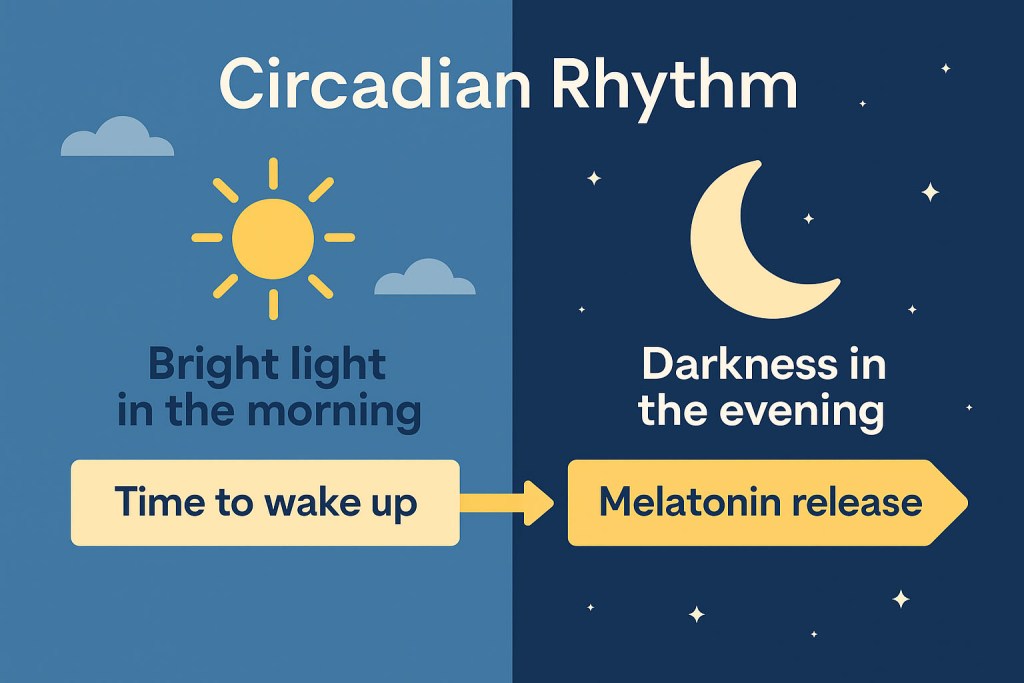
- Bright light in the morning signals to your brain: time to wake up.
- Darkness in the evening cues the release of melatonin, your sleep hormone.
But here’s the catch: artificial light especially from overhead LEDs and digital screens can seriously mess with that system. According to the Sleep Foundation, too much light in the evening delays melatonin production, making it harder to drift off when you should.
What About Artificial Lighting At Home?
Modern lighting is incredibly bright. Too bright, in fact. Especially if you’ve got white ceiling lights, recessed spotlights, or backlit TVs, and when those stay on late into the night, your body gets the message: stay awake.
The result? You might feel wired at bedtime, or worse, toss and turn for ages even after switching the lights off.
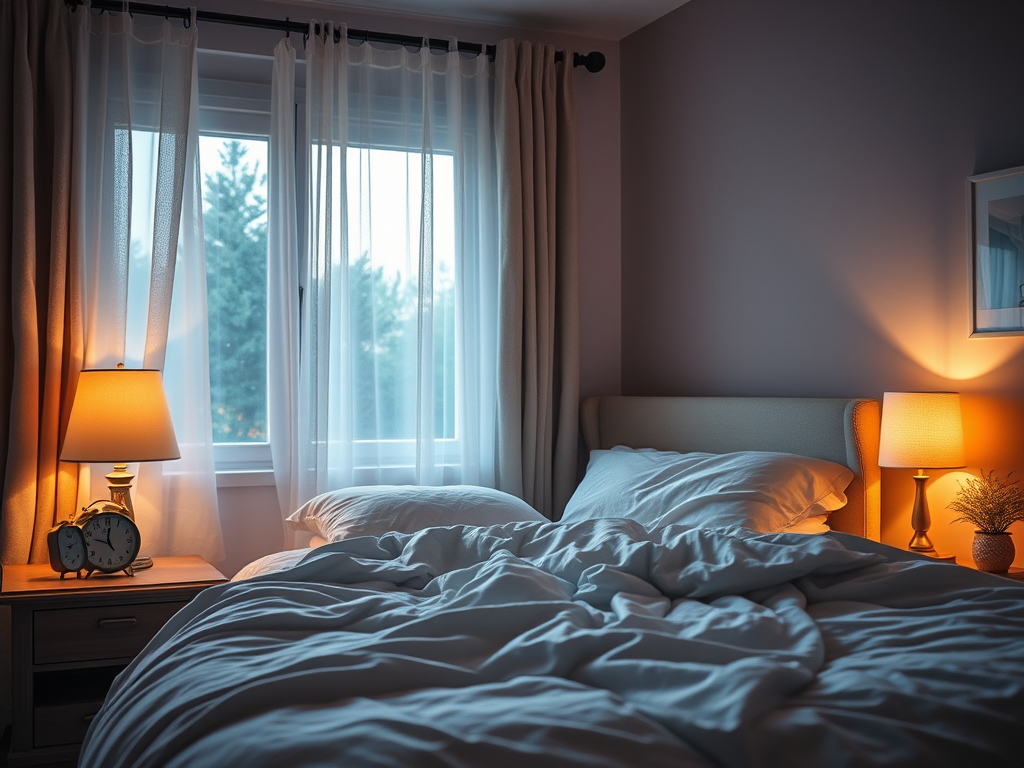
Here’s where bedroom lighting tips come into play. Soft, warm light in the evening helps your body wind down more naturally. Harsh overhead lighting? Not so much.
Bedroom Lighting Tips That Actually Work
Let’s be practical. No one’s suggesting you sit in the dark after 6 pm. But you can adjust your lighting to better support your body’s natural sleep cycle.
1. Switch to warm bulbs
Look for bulbs labelled “warm white” (2700K or below). These create a soft glow that mimics candlelight perfect for winding down.
2. Use lamps, not overhead lights
Ceiling lights are fine for cleaning or getting dressed. But in the hour or two before bed, stick to table or bedside lamps with softer tones.
3. Install dimmers or smart bulbs
Dimmers let you gradually reduce brightness as bedtime approaches. Smart bulbs can even shift from bright white in the morning to amber at night.
(The Luxe Mattresses mattress setup guide includes more ways to create a restful evening atmosphere without overhauling your space.)
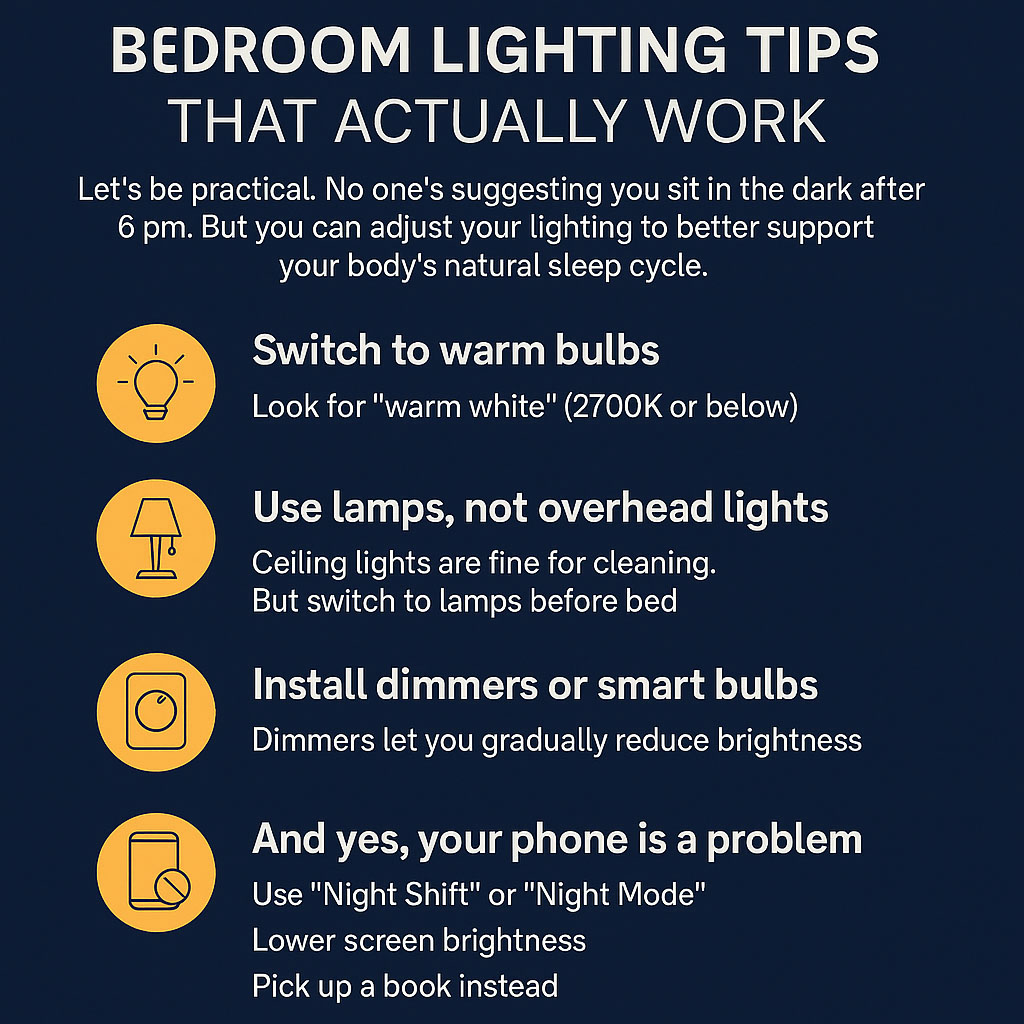
And yes, your phone is a problem.
We all do it check Instagram before bed or scroll through emails “just quickly.” However, blue light from screens is a well-known melatonin blocker. It tells your brain to stay alert when it should be powering down.
Here’s how to fix it:
- Use “Night Shift” or “Night Mode” on your phone
- Lower screen brightness in the evening
- Try blue-light blocking glasses if you must scroll
- Better yet, leave your phone in another room and pick up a book
According to Mind.org.uk, reducing screen time at night doesn’t just improve sleep it also helps ease anxiety and racing thoughts.
Light in The Morning Matters Too
While most sleep advice focuses on what you do at night, your morning light routine is just as important.
Getting natural daylight within the first hour of waking helps reset your body clock and boosts alertness. Even a walk around the block or five minutes in the garden can do the trick.
If you wake before sunrise or during dark UK winters, consider using a light therapy lamp or a sunrise alarm clock. These mimic natural light and can help with energy dips, especially for those dealing with seasonal low mood.
Light Therapy: Worth It?
Light therapy isn’t just for people with Seasonal Affective Disorder. It’s helpful for anyone who:
- Struggles with groggy mornings
- Works night shifts
- Feels tired all day and alert at night
- Has an inconsistent sleep schedule
Sit near a 10,000-lux light box for 20–30 minutes in the morning ideally between 6am and 9am. This exposure helps realign your circadian rhythm and can reduce the “midday slump.”
Design a Bedroom That Works with Your Body, Not Against It
Your bedroom shouldn’t feel like an operating theatre. It should feel soft, cosy, and ready to wind down when you are. Here’s how to make that happen:
Keep light sources low
Table lamps and wall sconces beat overhead lights every time.
Choose layered lighting
Use a mix of sources bedside lights, dimmable bulbs, maybe even string lights—for flexibility.
Block outside light at night.
Streetlights and early sunrises can be just as disruptive. Blackout curtains or a good eye mask make a huge difference.
Pair this with a supportive mattress like the ones from Luxe Mattresses and you’ve got a recipe for better rest. Explore our collection of sleep-friendly mattresses or learn how to build the perfect minimalist sleep environment.
Light, Mood, and Mental Health
The connection between light and sleep, and how light effects on sleep cycles, goes deeper than just falling asleep quickly. It also affects mood, focus, and even symptoms of anxiety and depression.

As Mind.org.uk explains, proper exposure to light (especially natural light) can lift mood, reduce stress, and help regulate emotions something many of us could use a bit more of.
So, if you’re feeling low or out of sync, adjusting your light exposure might be a small but powerful step in the right direction.
Common Lighting Mistakes to Avoid
Even well-meaning routines can include some lighting habits that quietly undermine your sleep. Keep an eye out for:
- Cool white or “daylight” bulbs in the bedroom
- Leaving the TV or phone screen on until you fall asleep
- Keeping your lights on full brightness late at night
- Not getting enough daylight before noon
- Using overhead spotlights exclusively after 7 pm
Sometimes, the simplest changes like switching a bulb or moving a lampcan bring surprising results.
Final Thoughts
We often focus on what we eat or how much we exercise, but overlook the impact of something as basic as light. The truth is, your body’s sleep rhythm isn’t just about bedtime routines or the number of hours you clock. It’s about timing. It’s about light. And it’s about teaching your body when to be alert and when to let go.
So, try adjusting your lighting, both natural and artificial, to match what your body actually needs. Pair that with a calm space, a supportive mattress from LuxeMattresses, and a phone that stays out of the bed, and you might just sleep better than you have in years.
FAQs
What type of light is best for sleeping?
Warm, soft lighting (around 2700K) is ideal. It mimics sunset tones and won’t disrupt melatonin production.
Does morning light help sleep?
Yes, getting sunlight within an hour of waking helps reset your body clock and improve night-time rest.
Are smart bulbs worth it for sleep?
They definitely let you shift colour temperature throughout the day and create bedtime-friendly lighting routines.
Can I use my phone before bed if I use Night Mode?
Night Mode helps, but it’s still best to limit screen use entirely before sleep. Try reading or journaling instead.
What if I wake up before the sun?
Use a sunrise alarm or light therapy lamp to simulate daylight. It helps signal to your brain that it’s time to start the day.

Marie Soukup is a seasoned senior copywriter and editor who’s written for global brands like Virgin Australia, blending storytelling and strategy to create content that connects. She’s passionate about bringing ideas to life across the travel, lifestyle, and business worlds.