
A good mattress brand is more than just a place to sleep it directly impacts sleep quality, spinal alignment, and overall health. The right choice can ease pressure points, improve posture, and promote deeper rest, while the wrong one may lead to discomfort and long-term back issues. Since we spend nearly a third of our lives in bed, choosing wisely becomes an essential investment in wellbeing.
Today’s buyers also face new priorities. Best Luxury Mattress Brands to Know in the UK Beyond the classic tradeoff between comfort and support, there’s a rising demand for “natural luxe” mattresses eco-friendly, organic, and sustainably made options that combine luxury with health-conscious design. In this article, we’ll explore the main mattress types, materials, and key features to look for, along with premium natural options for a healthier, more restorative sleep experience.
Here’s what this article will cover:
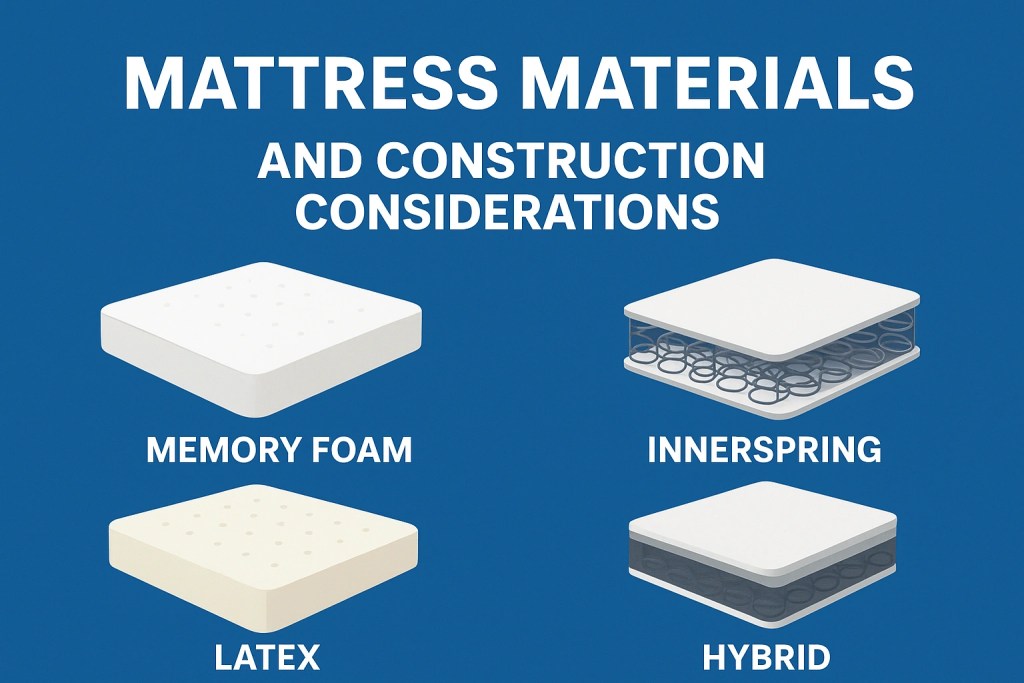
- Types of mattresses: memory foam, innerspring, latex, hybrid, and more.
- Materials that matter: natural vs. synthetic, breathable fabrics, hypoallergenic options.
- Key factors to look for: firmness levels, durability, sleep position compatibility.
- Natural luxe picks: leading brands offering eco-conscious, luxury sleep solutions.
With the right knowledge, you can confidently choose a mattress that enhances both your comfort and your long-term health.
Types of Mattresses: Pros & Cons
When it comes to choosing the right mattress, understanding the different types can make your decision much easier. Inside the World of the Best Luxury Mattress Brands: What UK Buyers Should Know Each style comes with its own construction, feel, and advantages what works for one sleeper may not suit another. Let’s break down the most common types.
1. Innerspring / Coil Mattresses
The classic mattress design, innersprings feature a core of steel coils topped with layers of padding.
- Pros: Excellent support, strong edge stability, better airflow (cooler sleep), and a familiar feel many sleepers prefer.
- Cons: Less body-contouring than foam, potential for coil noise, and may sag with time.
2. Foam / Memory Foam
Made from viscoelastic polyurethane, memory foam softens with heat and pressure to contour the body.
- Pros: Outstanding pressure relief, minimizes motion transfer (great for couples).
- Cons: Can trap heat, has a “sinking” sensation, and some models emit off-gassing odors initially.
3. Latex Mattresses
Natural latex is sourced from rubber trees, while synthetic or blended versions are also available.
- Pros: Bouncy and responsive, highly durable, breathable, and naturally hypoallergenic.
- Cons: Higher price point, heavy to move, and may trigger latex sensitivity in rare cases.
4. Hybrid Mattresses
Blending coils with foam or latex comfort layers, hybrids aim to offer the best of both worlds.
- Pros: Balanced support plus contouring, versatile for many sleep styles.
- Considerations: Some models may have uneven transitions between layers or rely on complex zoning. here
5. Airbeds & Waterbeds (Specialty Options)
Airbeds allow firmness adjustment through inflatable chambers, while waterbeds use water as the support core.
- Pros: Adjustable comfort, unique feel, tailored support.
- Cons: Less common, can require more maintenance, and waterbeds may be prone to leaks.
By weighing these pros and cons, you’ll be better equipped to match your mattress choice with your sleep style, comfort needs, and lifestyle.
Mattress Materials and Construction Considerations
The comfort, durability, and overall feel of a mattress brands depend heavily on its materials and construction. Beyond the type of mattress, the density, firmness, and internal layering all play a major role in shaping the sleep experience. Metrics like ILD (Indentation Load Deflection) and IFD (Indentation Force Deflection) help measure how firm or soft a foam feels, giving buyers a clearer idea of what to expect.
Layers & Zoning
Most modern mattresses are built with multiple layers, each designed to serve a purpose:
- Comfort layer(s): The top surface that provides cushioning and pressure relief.
- Transition layers: Help with contouring and gradual support, preventing a “bottoming out” feel.
- Support core: Often coils, high-density foam, or latex that form the mattress’s backbone. here
- Edge supports: Reinforced perimeters add stability and prevent sagging when sitting or sleeping near the edge.
Cooling & Temperature Regulation
Heat buildup is a common concern, which is why brands integrate cooling features:
- Open-cell foams for airflow.
- Gel infusions and phase-change materials to draw away heat.
- Air channels, perforations, or conductive inserts (like copper or graphite) for temperature balance.
Durability & Sag Resistance
- Coil gauge and spring count affect support and longevity.
- High-density foams and resilient latex hold up better over time.
- Material fatigue is minimized in premium models, ensuring longer performance.
Safety & Certifications
To avoid harmful emissions, look for mattresses tested for chemical safety:
- CertiPUR-US, OEKO-TEX, GREENGUARD Gold for foams.
GOLS (latex) & GOTS (fabrics) for organic certification.
Covers & Quilting
Mattress covers enhance comfort and breathability:
- Organic cotton, Tencel, wool, or bamboo for natural softness and cooling.
- Stretch knit fabrics for flexibility.
- Pillow-top or Euro-top designs for an added plush layer. here
By understanding these construction elements, shoppers can choose a mattress that balances comfort, cooling, durability, and health-conscious materials.
Matching Mattress Type to Sleep Needs

No single mattress brands works for everyone because sleep needs vary by body type, weight, and preferred sleeping position. Matching the mattress to your sleep style ensures both comfort and healthy spinal alignment.
Side Sleepers
Side sleepers typically need more contouring and pressure relief. A softer comfort layer helps cushion the shoulders and hips, preventing tension build-up. Memory foam and latex hybrids often excel here.
Back Sleepers
For those who sleep on their backs, medium-firm mattresses brands are ideal. The goal is to keep the spine aligned while still offering enough softness to support the natural curve of the lower back.
Stomach Sleepers
This position requires extra firmness to stop the hips from sinking too deeply, which can otherwise strain the lower back. A firmer mattress with strong core support is recommended.
Combination Sleepers
Switching positions during the night calls for a responsive mattress. Hybrids or latex models provide a balance of contouring, support, and quick rebound, making movement easier.
Body Weight & Firmness
- Heavier sleepers often need firmer support cores to prevent sagging.here
- Lightweight sleepers may prefer softer surfaces that allow gentle contouring.
Partners & Special Needs
Couples should consider motion isolation to avoid sleep disruption, along with strong edge support for shared space. Hot sleepers benefit from cooling technologies like gel foam or breathable latex, while those with back pain may need zoned support systems. Allergy sufferers should look for hypoallergenic materials such as organic latex or certified foams.
Choosing a mattress based on your unique sleep style and personal needs ensures better rest and long-term health.
Natural Luxe / Premium Organic Mattress Options

Defining “Natural Luxe”
Natural luxe mattresses are crafted from organic, non-toxic, and sustainably sourced materials such as latex, wool, and cotton. Beyond comfort, these beds emphasize superior craftsmanship, elegant finishes, and eco-conscious branding. They are designed not only for restorative sleep but also as long-term investments in health and sustainability. Certifications such as GOTS, GOLS, GREENGUARD Gold, and OEKO-TEX highlight low emissions and ethical sourcing, giving buyers peace of mind.
Key Features
- Multi-layered latex combined with coils, or full-latex cores for responsive support.
- Quilting with wool or silk for natural temperature control.
- Organic cotton covers that feel soft, breathable, and chemical-free.
- Zoned support, lumbar reinforcement, and pillow-top enhancements for ergonomic comfort.
- Durability-focused builds with reinforced edges and minimal synthetic adhesives.
Example: Birch Luxe Natural Mattress
The Birch Luxe from BirchLiving.com embodies these qualities: an organic cotton cover, natural wool layers, and two sheets of organic latex atop steel coils. It offers a medium-firm feel with natural cooling, GREENGUARD Gold certification, and a plush quilted finish. What makes it “luxe” is the attention to detail extra layers, premium materials, and a soft yet supportive hand-crafted build. here
Other Premium Organic Options
- Avocado Green & Avocado Luxury Plush
- Saatva Latex Hybrid
- WinkBeds Eco
- PlushBeds Botanical Bliss
Pros & Tradeoffs
Natural luxe mattresses brands deliver unmatched sustainability, comfort, and durability. However, they often come at higher price points, can be heavy to move, and may have limited availability in local showrooms.
How to Evaluate a Natural Luxe Mattress
- Verify certifications and material transparency (percentages, sourcing).
- Check trial periods, warranties, and return policies for peace of mind.
- Assess firmness options to match sleep style.
- Consider service perks like white-glove delivery and old mattress removal.
Investing in a natural luxe mattress ensures healthier sleep, a reduced environmental footprint, and timeless comfort crafted to last.
How to Choose Among Brands & Models
Finding the perfect mattress is as much about knowing your priorities as it is about comparing features. With countless brands and models on the market, having a clear checklist helps you make a confident decision.
Define Your Must-Haves
Before browsing, outline what matters most support for spinal health, cooling for hot sleepers, eco-friendly materials, or a specific budget. This ensures you don’t get swayed by marketing and instead focus on essentials.
Test in Person vs. Online Trials
- If possible, visit a showroom to get a feel for firmness and responsiveness.
- If buying online, prioritize brands with generous trial periods (100+ nights) and hassle-free returns.
Evaluate the Specs
Look beyond fancy descriptions and check measurable details:
- Foam densities and ILD ratings for durability.
- Coil counts and gauge for innerspring or hybrid strength.
- Comfort layer thickness to understand how plush or supportive the bed will feel.
Policies & Protection
- A solid warranty should include sag protection.
- Clear return policies and exchanges ensure peace of mind.
- Consider cost per year of use rather than just sticker price it’s an investment in long-term health. here
Reputation & Compatibility
Check customer reviews, brand reputation, and durability reports. Also, make sure your base or foundation matches the mattress type; for example, latex and memory foam often require solid platforms.
By combining personal needs with careful research, you can choose a mattress brands that delivers both comfort and value for years to come.
Potential Pitfalls and Myths

Buying a mattress can feel overwhelming, especially with so many claims and marketing buzzwords. To make a truly informed choice, it helps to be aware of the most common pitfalls and myths that trip up shoppers.
“More Layers = Better”
A frequent misconception is that a mattress with more layers is automatically higher quality. In reality, it’s the materials and construction that matter most. Extra layers can sometimes add unnecessary cost without improving comfort or durability.
Firmness Mistakes
Choosing a mattress that’s too soft or too firm is one of the most common errors. Side sleepers often need more contouring, while stomach sleepers require firmer support. Ignoring your body’s needs can lead to restless nights or back pain.
Brand vs. Specs
Many buyers overvalue brand reputation while overlooking measurable specifications like foam density, coil count, or latex type. A well-known name doesn’t always guarantee the right fit for your sleep style.
The Break-In Period
Another myth is that a mattress feels “wrong” immediately if it isn’t perfect on night one. Most new mattresses need a few weeks to break in and adjust to your body before reaching their true comfort level.
Warranty & Sag Clauses
Beware of short warranties or hidden clauses that don’t cover sagging unless it’s extreme. A good mattress warranty should protect against early material failure.
Off-Gassing Concerns
Synthetic foams can emit odors when new a process called off-gassing. While often temporary, this can be bothersome, especially for sensitive sleepers. Opting for certified low-VOC or natural materials can ease this concern.
By knowing these pitfalls and myths, you can cut through the noise and choose a mattress that truly matches your needs instead of marketing promises.
Conclusion
The best mattress is the one that balances comfort and support while matching your sleep style, body weight, and health needs. Side, back, and stomach sleepers all require different firmness levels, and factors like cooling, durability, and motion isolation should guide your choice. For those exploring natural luxe mattresses, focus on certified organic materials (latex, cotton, wool) and trusted labels like GOTS, GOLS, or GREENGUARD Gold to ensure safety, sustainability, and craftsmanship.
When buying, use a structured approach: test in-store if you can, or take full advantage of online trial periods; study the specs, not just the brand name; and check warranties for real protection. A mattress is a long-term investment in your sleep and overall wellbeing so compare carefully, invest smartly, and ultimately trust how your body feels once you try it.
Side sleepers often benefit from memory foam or hybrid mattresses, which provide pressure relief for shoulders and hips.
Not necessarily. While high-end mattresses may offer premium materials, comfort and support depend on personal preference and sleep style.
Look for medium-firm mattresses that support spinal alignment and relieve pressure points. Memory foam or hybrid options are usually recommended.
Hybrid or memory foam mattresses with motion isolation reduce disturbance, making them ideal for couples with different sleep patterns.
Most mattresses last 7–10 years. Signs like sagging, lumps, or poor sleep quality indicate it’s time for a replacement.

Hello, this is me Sidra and I am a professional content writer with a sharp eye for detail and I love to write about mattresses. Whether it’s blog post, website content or articles. I bring clarity, creativity and purpose to every piece of write. My goal is simple. I create content about mattresses not only inform but resonates. I can create professional content about mattresses. It’s help people to choose the write mattress. From all this you can choose the best for your comfort.
