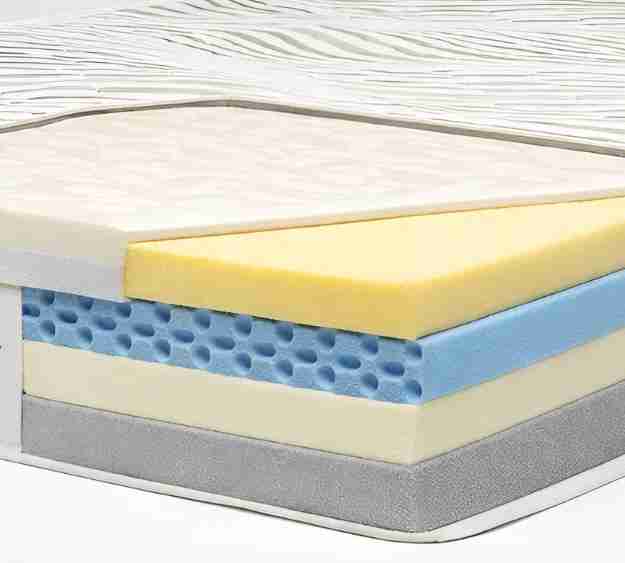
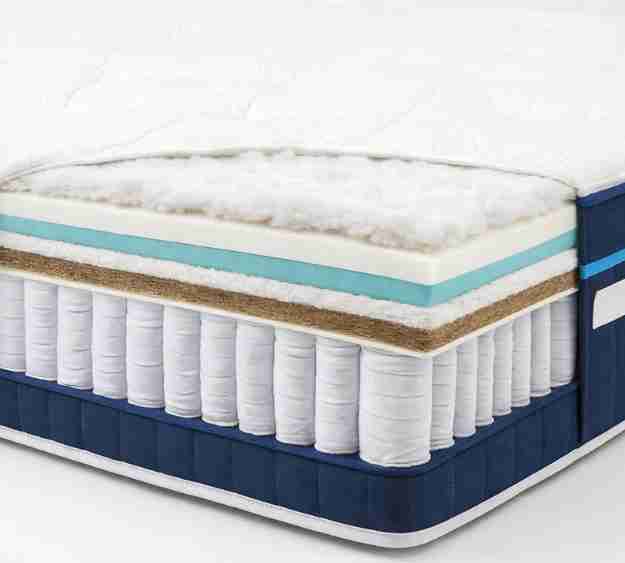
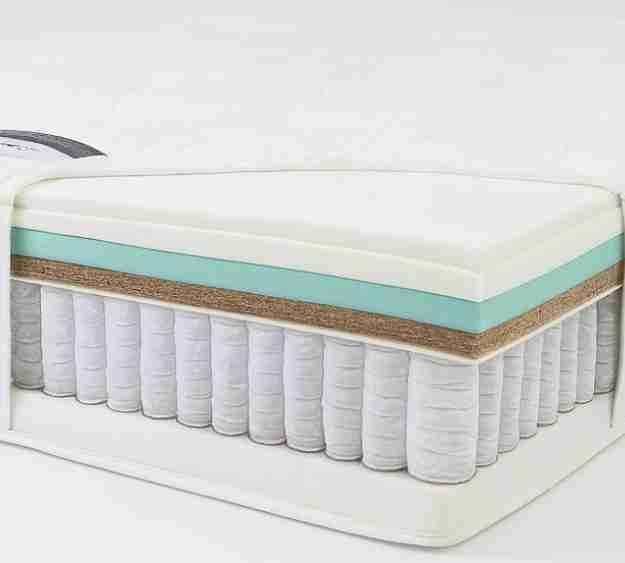
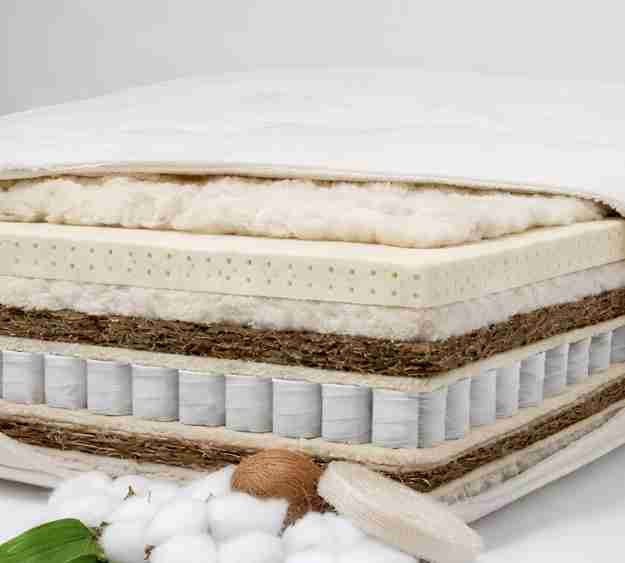



A mattress is not just a place for you, it has a direct impact on your back, comfort, and health. If you wake up with back pain. Feel tired despite a full night’s sleep, your mattress might be losing support. A sagging or uneven bed can affect your posture and comfort. Many people wonder how often they should replace their mattress but the answer isn’t always simple.
It is commonly said that you should replace your mattress every 7 to 10 years. The truth is that how often. You should replace your mattress depends on the type of bed you have. The quality of your sleep, and whether you choose a natural or luxury mattress. Mattress Topper Small Double: Improve Your Sleep Without Buying a New Mattress
How do you know a mattress needs replacing?

Many people wonder how often to replace their mattress, but there’s no strict rule. Generally, it’s suggested every 7–10 years, yet your body and mattress show the real signs. Sagging, bulges, or stiffness after sleep are clear indicators it’s time for a change.
If you hear springs popping or notice odors and allergies increasing, your mattress is wearing out. Single Mattress Topper: The Perfect Choice for Comfort and Better Sleep. Dust mites and germs also build up over time, affecting comfort and health. Replacing your mattress regularly ensures better sleep and overall well-being.
What is the lifespan of a mattress?
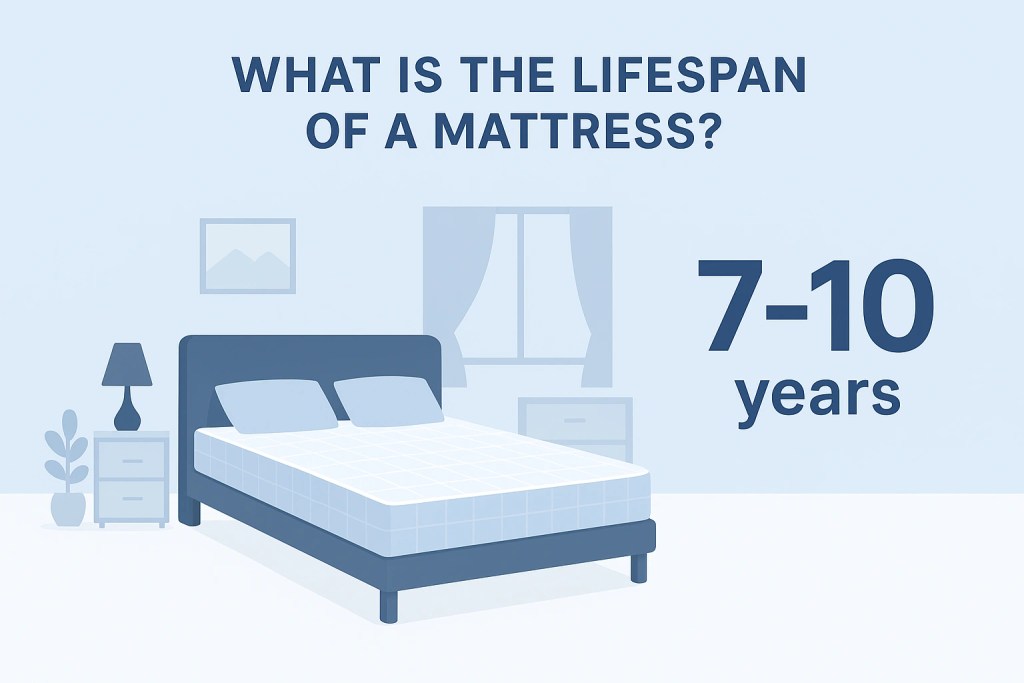
There’s no fixed rule for replacing a mattress your body and bed show the signs. While experts suggest every 7–10 years, you might need to do it sooner if comfort or support declines.
Visible bulges, holes or bulges: This is a clear sign that the mattress is no longer flat supporting your body. You may think that the mattress needs to be turned over occasionally, but is this a temporary solution?
Stiffness in the morning: If you still feel tired after a good night’s sleep. The question arises: would a new mattress make you feel better? The answer is usually
Springs popping or popping – These sounds and signs indicate that the structure is wearing out. What’s Inside a High-End Luxury Mattress? At this point, there’s no question about whether it’s better to repair. replace a mattress of course, replacing is better.
Allergies, Odors, or Cleanliness Issues: Over time, dust mites and bacteria build up in a mattress. Which can affect your health. Why it’s a good idea to replace your mattress frequently.
Warranty expires or support decreases: If your mattress is no longer as comfortable as it used to be. It’s time to replace it. After all, the lifespan of a mattress isn’t measured in years. In the way it supports and cushions your body. That’s the real reason to replace your mattress frequently.
Are you supposed to flip your mattress every so often?
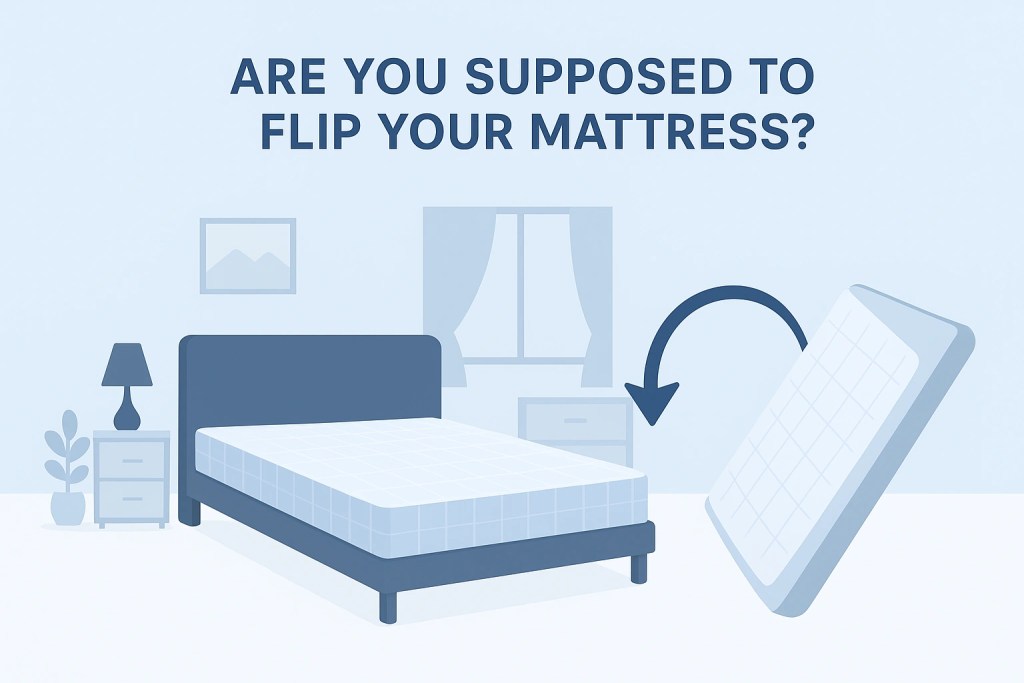
Many people ask if flipping their mattress helps it last longer.Older mattresses were reversible and could be flipped to extend life.Modern designs have fixed comfort layers, so flipping isn’t ideal
instead, rotate it occasionally for even wear.
Instead of flipping, many mattresses benefit from rotating turning the mattress 180 degrees so that the head becomes the foot. This helps distribute wear more evenly and delays those dreaded body reactions that make you wonder, How do you know when your mattress needs to be replaced?
Here are some practical guidelines:
Flipping vs. Rotating
- Flipping – Works for double-sided designs.
- Rotating – Works for almost all types and helps preserve comfort. here
Suggested Schedule (as even noted on Wikipedia):
- First few months: rotate monthly.
- After that: rotate every 2–3 months.
When NOT to Flip
- Memory foam, pillow-top, and most hybrid mattresses are single-sided. Flipping can damage the comfort layers.
Memory foam, pillow top, and most hybrid mattresses are one-sided. Flipping can damage the comfort layers.
Repair or Replace? Is it better to repair or replace a mattress?
At some point, every sleeper faces the question: Is it better to repair or replace a mattress? The honest answer has a direct bearing on how often you should replace your mattress. Top Reasons to Replace Your Mattress Every 7-10 Years While quick fixes can sometimes extend its life in the short term, most fixes are only temporary solutions.
Repairs may be an option in some cases:
- Patching or adding padding – If the surface fabric is torn or the comfort layer feels thin, adding a topper or extra padding can provide relief.
- Top-layer fixes – Minor adjustments may work if the mattress is otherwise structurally sound.
But there are significant limitations that make you rethink how often should I switch my mattress:
- Sagging or support failure – Once the core support breaks down, no amount of patching will restore comfort. This is usually how you know a mattress needs replacing.
- Hygiene and safety concerns – Dust mites, trapped moisture, and degraded foams create an unhealthy sleep environment. Even if you wonder, does a new mattress help you sleep better, the answer is clear: yes, especially compared to sleeping on a worn-out bed.
- Cost vs. value – Repairs can add up, and often the expense is close to buying new. In this case, replacement is not only more practical but healthier. here
Ultimately, while wondering whether you should flip your mattress more often may help in the short term, an alternative is usually the better choice.
Does a New Mattress Help Sleep? Does a new mattress help you sleep better?

One of the most important questions people ask when it comes to how often you should replace your mattress is: Does a new mattress help you sleep better? The answer is almost always yes, and there are several reasons why.
A new mattress provides better support, which promotes proper spinal alignment, reducing back and joint pain. 10 Reasons to Invest in a Custom Bed for Better Sleep. When the old one starts to sag, you wake up stiff and restless clear signs when you’re asking, how do you know when your mattress needs to be replaced? Replacing it at the right time restores comfort and prevents further health problems.
Other benefits include:
Better temperature regulation – Modern mattresses use breathable materials that keep you cool throughout the night.
Reduced motion transfer – No more waking up every time your partner moves.
Fresh, clean materials – A new bed removes years of dust, allergens, and odors, something no amount of flipping can fix (should you flip your mattress over and over again? Yes, but it only delays the inevitable).
There’s also a psychological benefit: The feeling of sleeping on a fresh, supportive surface often leads to deeper, more restful sleep. Are You Getting Enough Sleep? Signs You’re Under-Sleeping or Over-Sleeping Numerous case studies and customer stories confirm that once people finally ask themselves whether it’s better to repair or replace their mattress and opt for an alternative, their sleep quality improves almost immediately.
Ultimately, the real answer to whether a new mattress helps you sleep better is linked to time. By knowing how long a mattress lasts and knowing how often I should replace my mattress, you can make sure you’re not losing sleep on an old bed. This is why it’s so important to understand how often you should replace your mattress – it’s not just about comfort, it’s about health and quality of life.
Choosing a Mattress: Which type of mattress should I choose?
One of the most important steps in answering how often you should replace your mattress is choosing the right type from the start. The type of mattress you invest in will directly affect its durability, comfort, and ultimately how long it will last before you need to replace it.
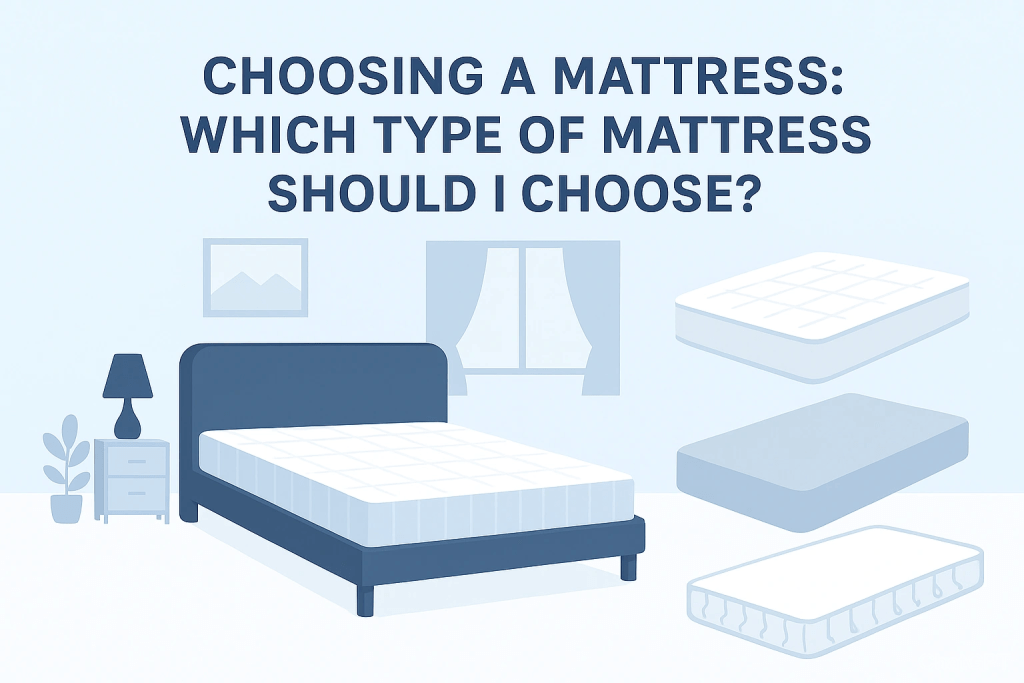
Overview of the main types:
1.Innerspring mattresses – Traditional, affordable, and supportive. However, they wear out quickly, which means you may be asking how soon should I replace my mattress than you think.
2.Memory foam mattresses – Great for pressure relief and motion isolation. But if not rotated (should you flip your mattress frequently? No, but rotation helps), they can create permanent marks. here
3.Latex mattresses – Extremely durable, eco-friendly, and supportive. They often have the longest lifespan of any mattress, 10-15 years or more.
4.Hybrid mattresses – A balance of coils and foam/latex, offer both support and comfort. Longevity depends on quality, and maintenance is essential. here
5.Air/adjustable beds – Custom firmness can be expensive and require maintenance.
Consider your sleeping style and body type when making a decision. Side sleepers often benefit from softer foam, while back and stomach sleepers may need firmer support. Heavier people can also look for latex or hybrid models that can last longer.
Materials & Features to Look For (Especially for Natural / Luxe Models)
When it comes to whether you should replace your mattress after this question, the biggest difference lies in the quality of the mattress and its construction. Expensive or natural mattresses usually last longer, so you don’t have to wonder when you should replace your mattress. If you invest in the right features, they can give you a comfortable start and stability.
Key materials and features include:
Certifications (CertiPUR, OEKO-TEX, GOTS, GREENGUARD) – Guarantee safety, non-toxicity, and quality construction.
High-density foams & pocketed coils – Provide consistent support, minimise motion transfer, and prevent early sagging that makes you wonder how do you know a mattress needs replacing?
Natural latex (GOLS-certified) – Known for durability and eco-friendliness, latex can extend what is the lifespan of a mattress to 12–15 years or more.
Organic fabrics (cotton, wool, bamboo) – Naturally breathable and hypoallergenic, helping you avoid hygiene issues that lead to early replacement.
Breathable covers & cooling technology – Keep you comfortable, ensuring you don’t lose sleep wondering does a new mattress help you sleep better?
Reinforced edges – Prevent sagging at the sides, supporting longevity.
Luxury mattress manufacturers often combine all these elements high-quality coils, organic fabrics and advanced cooling technology to make them more comfortable and durable than regular mattresses. Benefits of Investing in a Quality Mattress: Why Sleep Matters While you may want to turn them over occasionally (should you flip your mattress?), the natural construction reduces the risk of these defects.
Natural Luxe Mattresses: Special Considerations
Natural luxury mattresses use eco-friendly materials like organic cotton, wool, and latex for non-toxic, durable comfort.natural luxury” They outlast standard beds, often lasting 12–15 years with proper care. These mattresses also resist allergens and dust mites, promoting healthier, better sleep. Investing in one means replacing your mattress less often.
When You Do Change: Disposal & Transition Tips

Even after carefully weighing how often should you change your mattress, eventually, replacement becomes unavoidable. Once you’ve decided is it better to repair or replace a mattress and replacement is the right choice, the next step is knowing what to do with the old one and how to transition smoothly to your new bed.
Disposal and recycling options include:
- Recycling programs – Many cities have mattress recycling centres that break down springs, foam, and fabrics for reuse.
- Donation – If your mattress is still in fair condition, local charities may accept it. This works well if you’ve determined how do you know a mattress needs replacing for yourself but someone else could still benefit.
- Responsible disposal – If neither is possible, schedule bulk pickup with your municipality to ensure proper handling.
Transition tips for your new mattress:
- Allow for a break-in period your body may take a few weeks to adjust, especially if you switched from innerspring to memory foam or latex.
- Pair your mattress with the right pillows and bed base to maximise comfort and extend what is the lifespan of a mattress.
- Take advantage of warranties and trial periods to confirm you’ve made the right choice.
Remember, are you supposed to flip your mattress every so often? Not always many modern designs require only rotation. Caring for Your Luxury Firm Mattress: Tips to Extend the Life of Your Investment But proper care, starting from day one, will reduce how often should I switch my mattress in the future.
Conclusion
There’s no fixed rule for when to replace your mattress it depends on its type, quality, and care. While most last 7–10 years, luxury latex or hybrid models can last longer, and standard innerspring ones may wear out sooner. Listen to your body for the best guide.
The most practical way is to monitor your own symptoms. Choosing the Perfect Mattress: A Comprehensive Guide for All Sleepers If you wake up every morning with stiffness or pain, feel a sinking or bulging sensation in your mattress, or start to wonder if it’s time to replace your mattress? These are clear signs that it’s time to get a new mattress. Maintenance is also important. Most modern mattresses are simply rotated. If you take care of it on time, the lifespan of the bag can be extended and it does not need to be replaced frequently.
Several factors can shorten the life of a mattress. Poor-quality materials, lack of proper support from the bed frame, and not rotating or flipping the mattress (when required) all contribute to early wear. Heavy use, spills, exposure to moisture, and neglecting to clean or protect the mattress with a cover also accelerate its breakdown. Essentially, the less care you give your mattress, the quicker you’ll need to replace it.
A 20-year-old mattress is often far dirtier than most people realize. Over two decades, it can accumulate pounds of dead skin cells, sweat, oils, and dust. More concerning is the buildup of dust mites, bacteria, and allergens. Even with sheets and regular cleaning, mattresses are not designed to last that long. At this point, it’s almost impossible to keep one sanitary or supportive.
You can check for sagging by lying on the mattress and noticing if your body sinks into a dip or slope. Visually, you may also see indentations or uneven surfaces where you typically sleep. If you place a straight edge (like a ruler or broom handle) across the mattress and light passes underneath, that’s a clear sign of sagging. Sagging often leads to back pain, stiffness, and poor sleep quality.
Moisture, spills, and humidity are major enemies of a mattress, as they promote mold and bacteria growth. Jumping on the bed, using the wrong bed frame, or failing to rotate/flip the mattress can also damage its structure. Allowing dust, pet hair, or dirt to build up without protection shortens its life too. In short, a lack of care and protection is what ruins a mattress the fastest.
Yes, dust mites thrive in old mattresses. They feed on the dead skin cells that naturally shed from your body each night. An older mattress especially one that’s 10 years or more can house millions of dust mites. Their presence can trigger allergies, asthma, and other respiratory issues, which is one of the key reasons experts recommend replacing a mattress after its typical lifespan.

Hello, this is me Sidra and I am a professional content writer with a sharp eye for detail and I love to write about mattresses. Whether it’s blog post, website content or articles. I bring clarity, creativity and purpose to every piece of write. My goal is simple. I create content about mattresses not only inform but resonates. I can create professional content about mattresses. It’s help people to choose the write mattress. From all this you can choose the best for your comfort.