

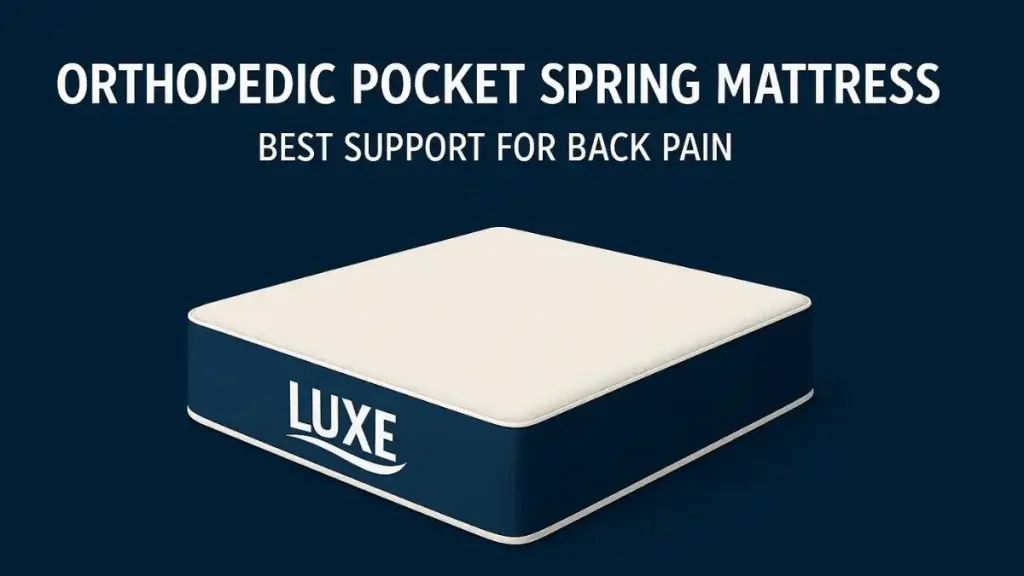
Millions of people struggle with back pain every night, and for many, the culprit lies beneath them, their mattress. An unsupportive bed can disrupt spinal alignment, strain the lower back, and cause stiffness that lingers all day. The good news is that modern sleep science has evolved. The orthopedic pocket spring mattress offers a medically informed balance between firmness, adaptability, and pressure relief, making it one of the most recommended solutions for chronic back discomfort.
By combining orthopedic engineering with responsive coil technology, this type of mattress is designed to improve posture, enhance circulation, and support the natural spinal curvature, ensuring restful sleep that heals rather than harms.
Understanding Orthopedic Pocket Spring Design

What Makes an Orthopedic Pocket Spring Mattress Unique?
“Orthopedic” isn’t just a marketing term; it refers to products that promote musculoskeletal health, specifically targeting bone, joint, and spinal support. When applied to mattresses, it signifies structured firmness and alignment designed to assist those with chronic or posture-related discomfort.
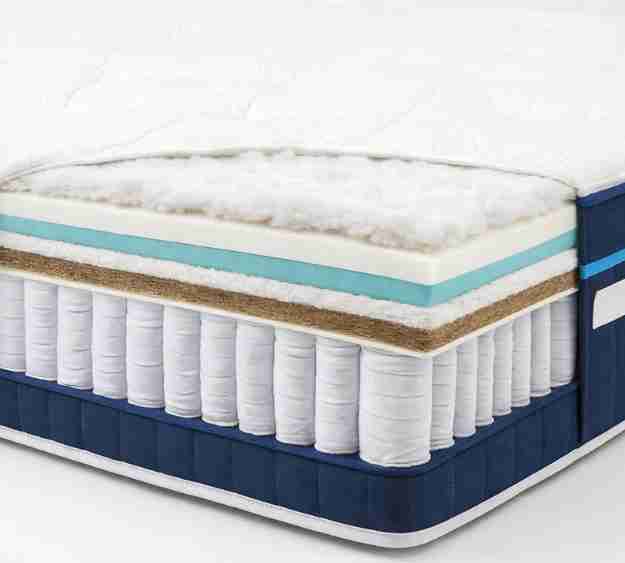
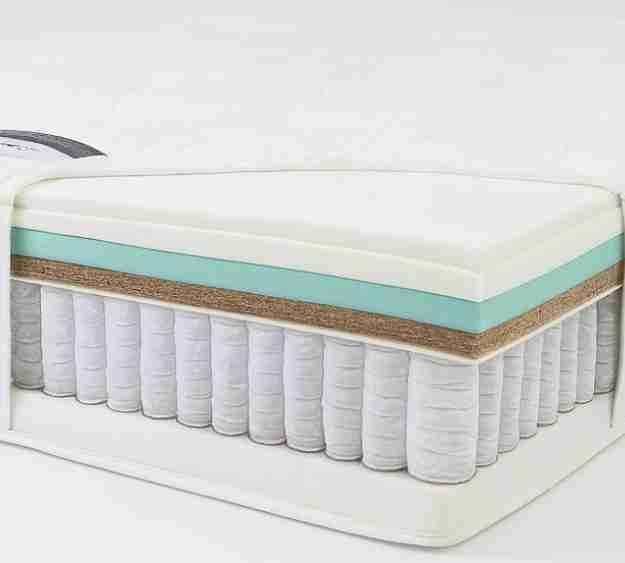
The orthopedic pocket spring mattress incorporates hundreds (often thousands) of individually encased coils. Each coil moves independently, adjusting to your body’s shape and weight. This independent motion supports specific pressure zones, shoulders, hips, and lower back, without transferring movement across the surface.
This construction helps maintain the natural lumbar alignment, ensuring the spine stays neutral while you sleep. Medical professionals often cite these beds among the most chiropractor-recommended beds due to their ability to minimize joint stress and promote circulation.
The Science Behind Orthopedic Support
A mattress that supports your back effectively does so by distributing body weight evenly. Uneven surfaces can cause your spine to curve unnaturally, leading to discomfort. Orthopedic designs prevent this by offering consistent tension across the firmness scale, typically ranging between 6.5 and 8 for medium-firm to firm models.
This balance is crucial, too soft, and the spine dips; too hard, and pressure points emerge. The medium-firm comfort of an orthopedic pocket spring mattress achieves the optimal equilibrium for spinal health.
In studies inspired by NHS-backed recommendations, medium-firm mattresses have consistently shown benefits for patients with lower back pain. They maintain proper spine alignment bed support while cushioning sensitive joints, improving sleep quality across all positions.
How It Supports Spinal Health and Comfort
Targeted Zones for Lumbar Alignment
The hallmark of orthopedic mattress design is its zoned structure. Each area of the bed supports a different body region, the head, shoulders, hips, and lumbar alignment zones. This zoning ensures the spine retains its natural S-curve, allowing muscles to relax while maintaining postural stability.
During sleep, these zones distribute your weight strategically. For example, softer coils under the shoulders reduce tension, while firmer coils under the lower back prevent sagging. This targeted structure preserves spinal curvature integrity and promotes deep, restorative sleep.
Firmness and Motion Control
Firmness plays a vital role in posture correction. A firm pocket spring mattress prevents your body from sinking too deeply, keeping the spine aligned horizontally. This stability reduces morning stiffness, a common issue linked to sagging surfaces.
For those sharing a bed, motion isolation is another benefit. Because each coil in an orthopedic pocket spring mattress works independently, one sleeper’s movement doesn’t disturb the other. It’s a thoughtful design element that enhances sleep continuity for couples.
Over time, this structure acts as an orthopedic sleep solution, consistently supporting the body and mitigating chronic pain from poor sleeping posture.
Comparing Orthopedic Pocket Spring Mattresses with Other Types
Orthopedic vs. Memory Foam Mattresses
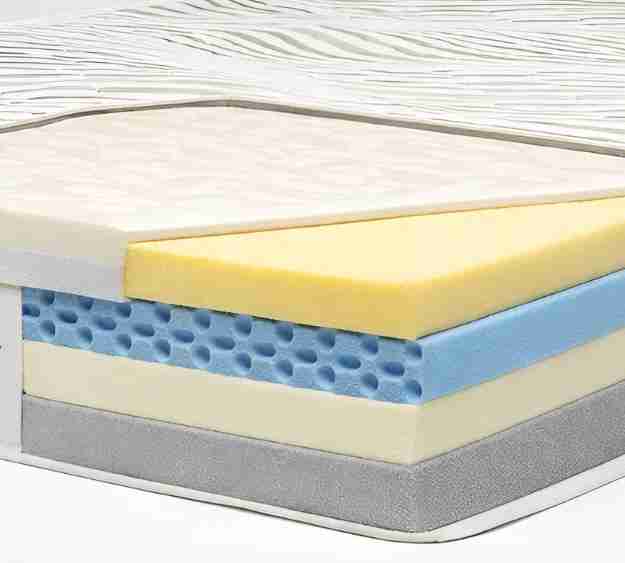
Memory foam mattresses adapt well to pressure but tend to retain heat, which can disrupt deep sleep cycles. They also lack the buoyant responsiveness that spring mattresses provide.
In contrast, the orthopedic pocket spring mattress offers excellent airflow and temperature regulation. The coil system naturally promotes ventilation, preventing overheating and moisture buildup. It provides contouring comfort with reliable bounce, making it ideal for people who dislike the “sinking” feeling of pure foam beds.
Edge support is another differentiator, pocket springs maintain structure better over years of use, reducing sagging and extending mattress lifespan.
Orthopedic vs. Hybrid and Latex Options
Hybrid and latex models blend foam layers with coils for balanced comfort. However, orthopedic pocket spring designs remain superior in spinal response and durability. Their coil zones adapt more precisely to lumbar alignment, while latex variants can feel overly bouncy or firm.
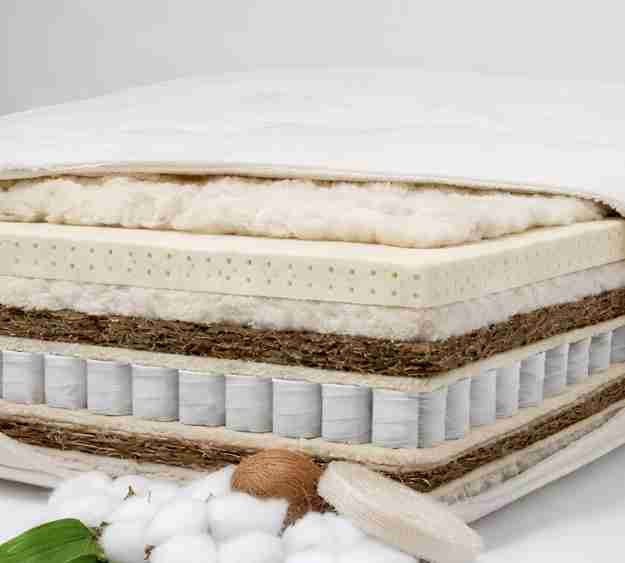
Premium orthopedic mattresses often feature eco-friendly materials such as natural latex or organic cotton covers for added breathability. Still, the underlying strength of the spring system makes them unbeatable for long-term back support and postural correction.
Expert Insights and Real-World Reviews
Chiropractor Recommendations and Clinical Views
Chiropractors consistently emphasise that proper spinal support during sleep is essential for healing musculoskeletal strain. According to clinical observations, maintaining a neutral lumbar alignment helps reduce inflammation and promotes deep tissue recovery.
In multiple surveys, chiropractor-recommended beds often score highest on comfort retention and long-term back support. A medium-firm orthopedic pocket spring mattress meets this medical advice perfectly, firm enough to stabilise posture, soft enough to prevent pressure build-up.
Consumer Satisfaction and Comfort Longevity
User feedback from back support mattress UK reviews highlights durability as one of the most valued features. Consumers report that high-quality orthopedic models maintain their firmness and shape for 8–10 years, outperforming memory foam and hybrid counterparts.
Statistical data from consumer polls reveal:
- 85% of users experienced improved back comfort within 3 weeks.
- 72% noticed better sleep posture and fewer night awakenings.
- 90% said the mattress provided consistent orthopedic sleep solution benefits after one year of use.
These insights show why orthopedic pocket spring systems are becoming the preferred choice for long-term back health.
Buying Guide Choosing the Right Orthopedic Pocket Spring Mattress
Key Features to Evaluate Before Purchase
Before buying, look beyond brand names and focus on performance metrics that matter most:
- Firmness Scale: Choose a medium-firm (6.5–8) rating for optimum posture support.
- Spring Count: Models with 1000–2000 pocket springs offer precise contouring and durability.
- Comfort Layers: Opt for memory foam or latex tops for additional cushioning.
- Edge Reinforcement: Sturdy perimeters prevent sagging and roll-off.
- Trial Period & Warranty: Trusted UK manufacturers provide 100-night trials and at least 10-year guarantees.
By evaluating these features, you ensure that your orthopedic pocket spring mattress investment aligns with both your comfort and long-term spinal health.
Matching the Mattress to Your Sleeping Style
Sleeping position influences how effectively your mattress supports your spine:
- Back Sleepers: Medium-firm options preserve natural curves and relieve pressure.
- Side Sleepers: Slightly softer tension helps cushion shoulders and hips.
- Stomach Sleepers: Firmer surfaces prevent overextension of the lower spine.
Matching mattress firmness to body weight and position helps maintain spinal curvature and prevents muscular strain over time.
FAQ’s
It’s a type of bed designed to support musculoskeletal health through individually pocketed springs and orthopedic firmness for spinal alignment.
Yes, it’s specifically engineered to reduce tension in the lumbar region by maintaining even posture throughout the night.
A medium-firm level (6.5–8 on the firmness scale) is generally best for balancing comfort and structural support.
Absolutely. They’re among the most chiropractor-recommended beds for patients with posture and joint discomfort.
On average, high-quality models last 8–10 years, maintaining consistent support and minimal sagging.
Conclusion
The orthopedic pocket spring mattress isn’t just another bedding trend, it’s a science-backed solution that addresses the root cause of back discomfort. By combining medical-grade support with the comfort of pocket spring technology, it helps maintain lumbar alignment, relieves pressure, and encourages deeper, restorative sleep.
Whether you suffer from chronic pain or simply value better posture, this design provides targeted relief where your body needs it most. With consistent firmness, zoned coils, and adaptive response, it’s more than a mattress, it’s a daily therapy for your spine.

Results-driven Digital Marketing and E-Commerce Specialist with 5+ years of experience helping diverse clients achieve their online business goals. Proven expertise in managing end-to-end Shopify store operations, developing impactful Social Media strategies, and driving traffic through effective SEO techniques.
Core Skills & Expertise:
• E-Commerce Strategy & Management: Building, optimizing, and managing successful online stores, particularly on Shopify.
• Digital Marketing Campaigns: Planning, executing, and analyzing multi-channel campaigns (Social Media, Search, Email).
• Social Media Marketing: Creating engaging content, managing communities, running targeted ads (Facebook, Instagram, etc.), and building brand presence.
• Search Engine Optimization (SEO): On-page & technical optimization, keyword research, link building, and improving organic search visibility & rankings.
• Client Collaboration: Understanding client objectives, delivering measurable results, and maintaining successful long-term partnerships.
What I Bring:
• Proven Track Record: Successfully delivered projects for numerous clients across various industries.
• Platform Proficiency: Deep hands-on experience with Shopify, major social platforms, and SEO tools.
• Data-Driven Approach: Focusing on analytics and KPIs to optimize performance and demonstrate ROI.
• Holistic E-Commerce View: Integrating marketing, platform management, and optimization for sustainable growth.
Ready to help your business thrive online. Let’s connect!