
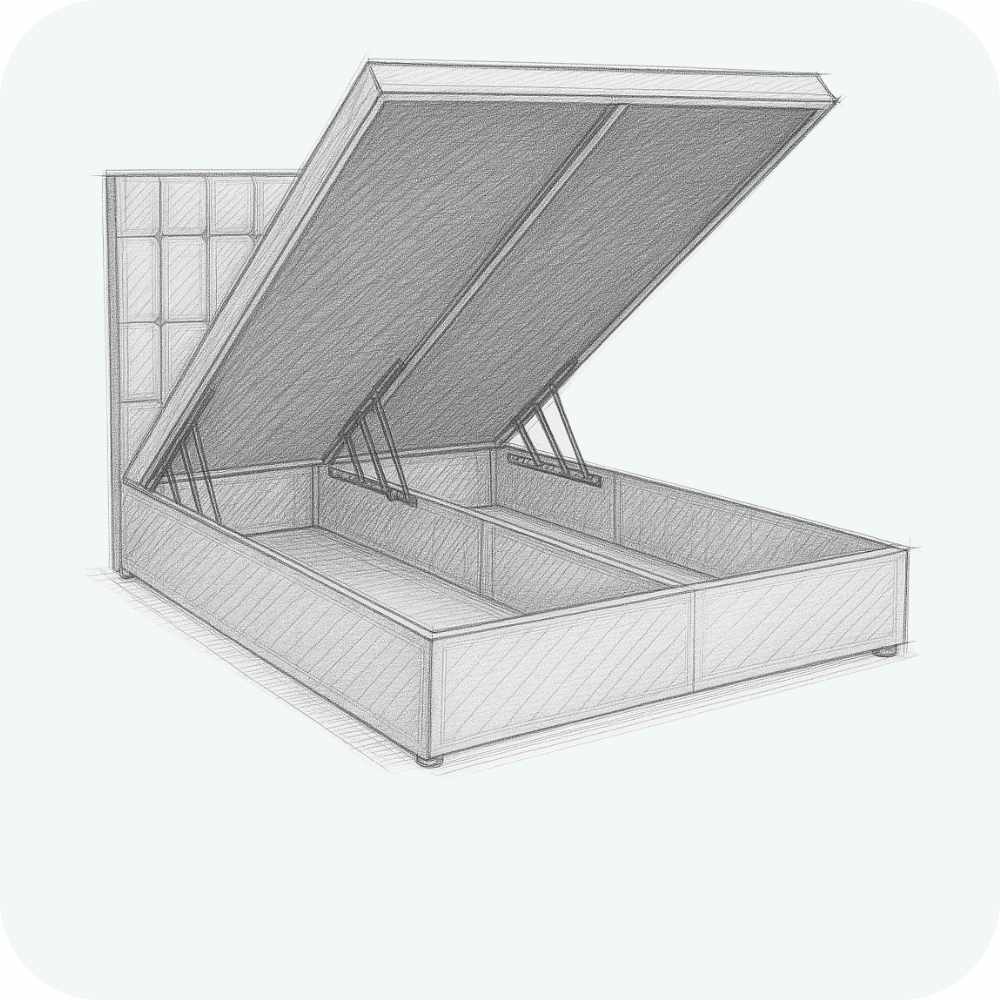
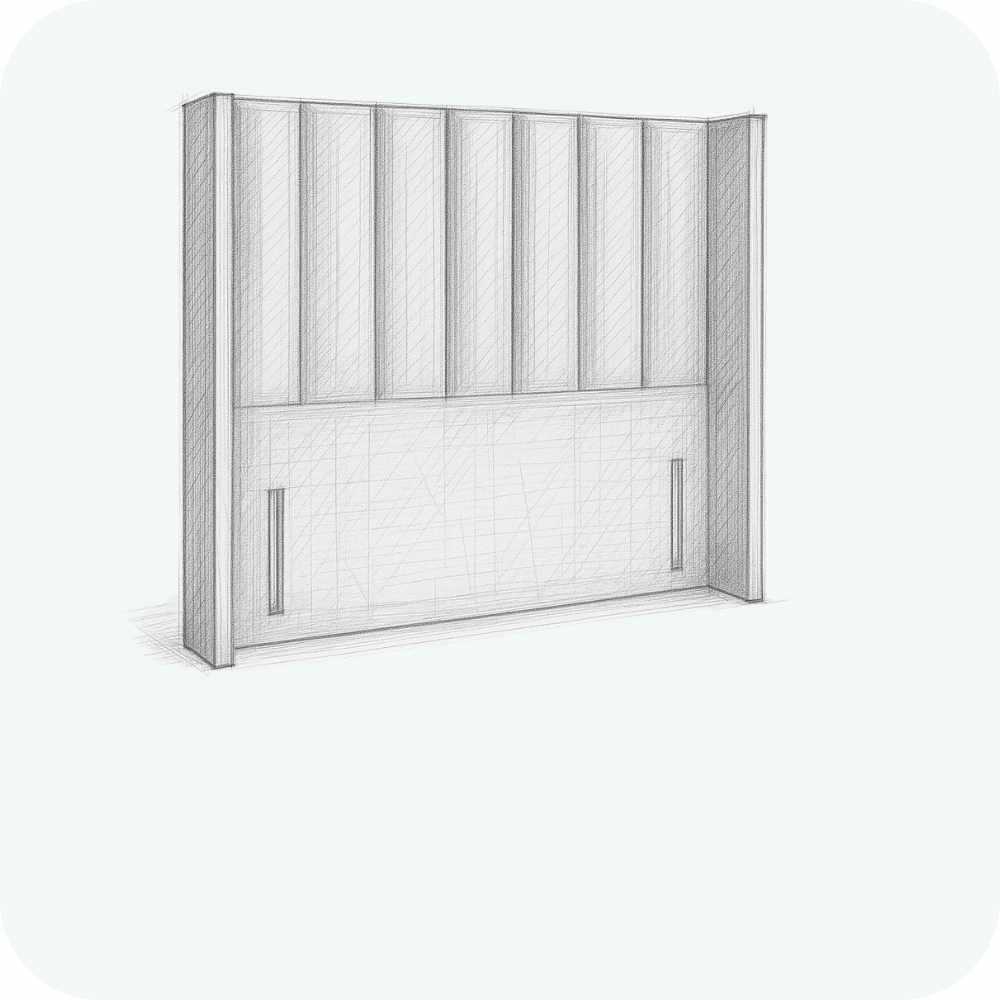
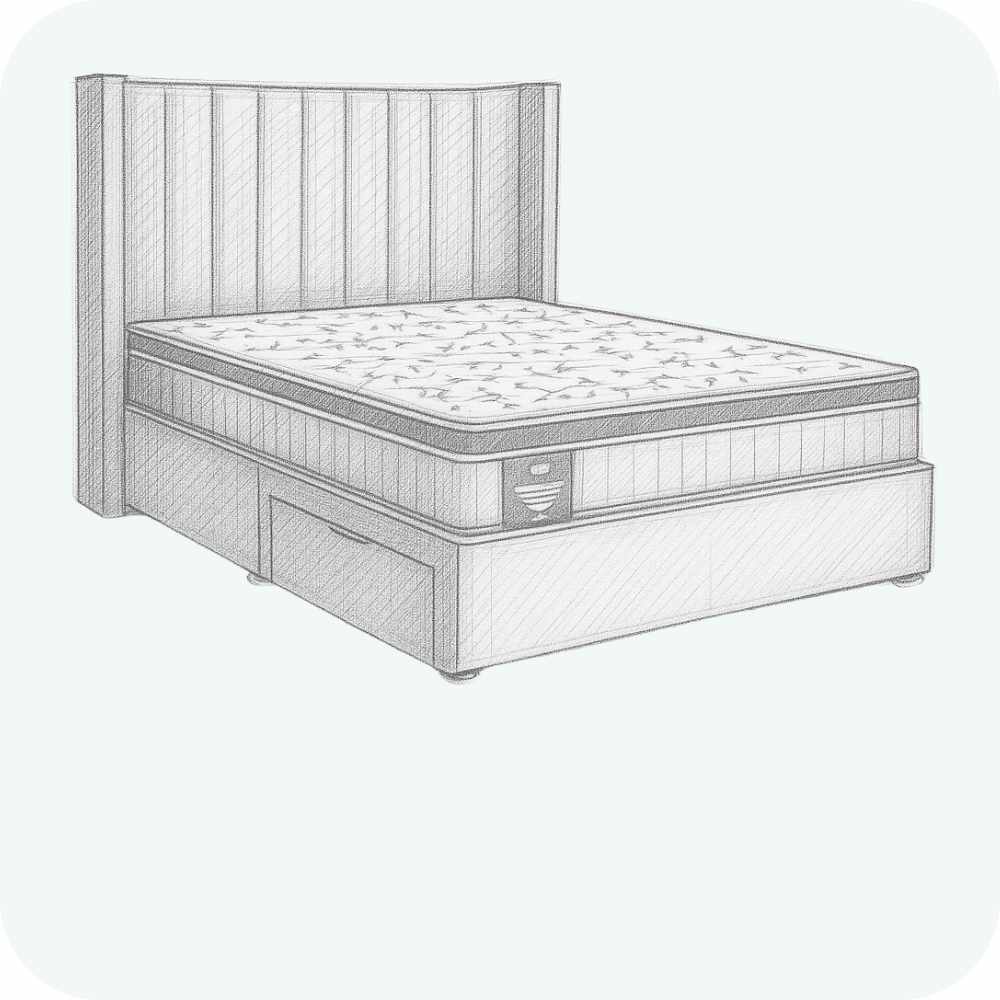

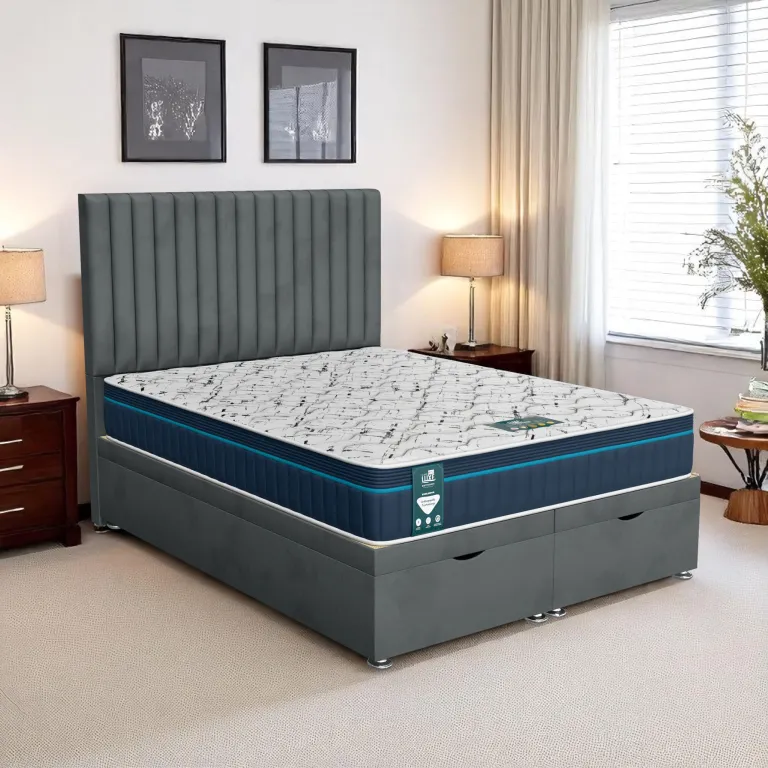
Buying a lift-up storage base seems simple until it arrives and your room feels smaller. The frame footprint, lift direction, and clearance around wardrobes decide whether storage is effortless or frustrating. Luxe Mattresses’ ottoman and divancollection focuses on upholstered designs with gas-assisted lifting and durable base engineering, with warranty details shown per model. For some orders, assembly on delivery may be available at checkout. Use the steps below to size your bed to your room first, then pick the storage setup that fits how you live.
Which Bed Size Should I Get?
Start with how you use the room, not what looks best online. Measure walkways, door swings, and where the lift will open. Then match bed width to your sleep habits and furniture. These two questions solve most sizing regrets quickly.
What size bed for a 12×12 room?
In a 12×12 room, sizing fails when you forget clearance. A double (135cm) usually balances sleep space with walkways, bedside tables, and wardrobe access. A king (150cm) can fit, but only with slimmer furniture and fewer extras. Mark the bed footprint on the floor with tape, then test two actions: open wardrobe and drawer fronts fully, and raise the lift-up storage platform without hitting walls or radiators. If either action feels awkward, step down a size or choose side-opening. Finally, check socket and plug placement so charging and lamps stay practical. Leave a clear path for laundry baskets and vacuuming.
Is a king bed too big for a 12×12 room?
A king feels ‘too big’ when it turns daily routines into a squeeze. In a 12×12 room, you’ll notice it first at the sides: you brush the bed making it, bedside tables become tiny, and wardrobe doors can’t open cleanly. The fix is not guesswork—test a king footprint with tape, then measure your usable walkway and door swing zones. If you can’t pass comfortably with a laundry basket or open storage without bumping furniture, choose a double or a side-opening lift. Reserve king for minimal furniture layouts and calm traffic routes. Also consider radiator clearance and where you place lamps.
How to Choose the Right Ottoman Bed?
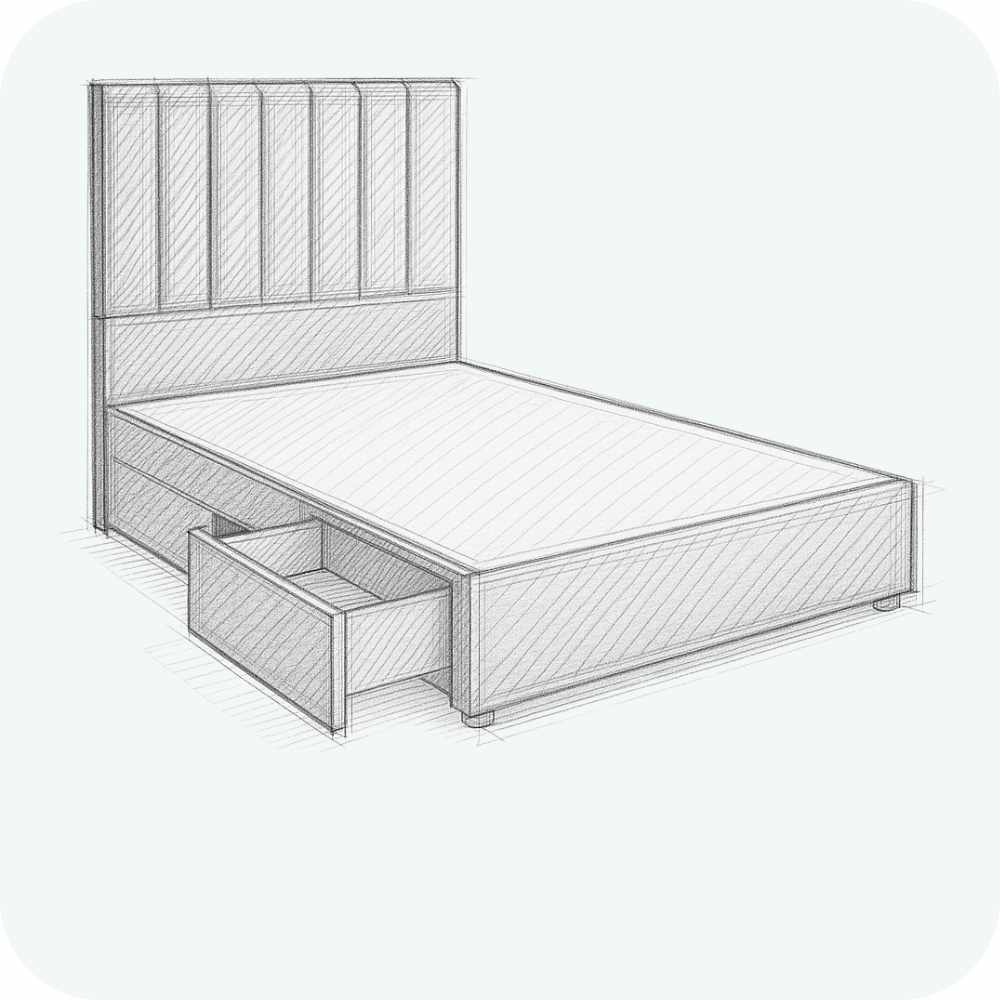
Once size fits, the next regret is choosing the wrong opening direction or storage setup. A lift-up base needs clear space to open and close safely. Use the questions below to confirm dimensions, daily access, and long-term durability for you.
How big is a king size ottoman bed?
UK king mattress size is 150 x 200 cm, but the frame around a lift-up base adds extra centimetres on each side and at the headboard. Some designs also have thicker upholstery, so external width and length vary by model. To avoid a delivery-day surprise, check three measurements on the product listing: overall external dimensions, internal sleeping area, and the space needed to open the lift mechanism. If your room is tight, prioritise slimmer headboards and side-opening. Many Luxe Mattresses models offer multiple fabrics and gas-assisted lifting; verify exact sizes before checkout. Allow space for tables and wardrobe doors too.
Is It Big Enough for 2 People?
Two people can share almost any width once, but comfort over months is different. The most common regret is buying for price, then waking each other up nightly. Use these questions to match width to sleep style and routine properly.
Is a 120cm bed enough for 2 people?
120cm is the UK small double. For two adults, it can work short term, but many couples feel cramped because each person gets limited shoulder room. If either sleeper turns a lot, sleeps hot, or needs space for a child or pet, you’ll notice disturbed sleep quickly. The simple rule: if you currently fight for duvet space, move up to a double (135cm) or king (150cm) if your room allows. If your room cannot, keep the small double and improve comfort with a supportive mattress and minimal toppers, so lifting stays easy. Also choose a firm base and anti-slip platform.
Is a 4ft bed big enough for 2 people?
A 4ft bed is the same as a 120cm small double, so the comfort trade-offs are identical. It suits couples who sleep close, are smaller-framed, or use it as a guest option, but it can feel restrictive for nightly use. Don’t decide by width alone—think about your bedding and movement. If you use a larger duvet now, you may struggle on a 4ft. Use a quick test: lie side by side and check whether shoulders overlap and whether one person’s elbows fall off the edge. If yes, upgrade to 4ft6 or 5ft, if space permits. Keep furniture slim to cope.
Is a King or Queen Better for Sleeping Alone?
For most solo sleepers, a double (135cm) already feels generous, especially in a UK spare room. Choose a wider king (150cm) only if you starfish, share the bed with a pet, or want space to sit and read without bending covers. If you’re using the word “queen”, treat it as “bigger than double”; the practical decision is the same: buy width only when you’ll use it every night.
Room planning matters more than ego. A wider frame reduces walkway space, makes bedside storage smaller, and can limit how easily you open a lift-up storage base. Before you size up, check external dimensions on the listing and test door swings and wardrobe access. If space is tight, keep the bed narrower and spend on a supportive mattress and durable base engineering, such as quality fabrics and gas-assist mechanisms with clear warranty details. That way, it feels luxurious without overcrowding your room.
Which Bed Size Is More Popular?
Popularity is a moving target, because it depends on where you live, how big homes are, and whether the bed is for a main room or a spare. In many UK households, double and king sizes are common choices, while small doubles stay popular for box rooms and rentals. But copying what others buy can backfire if your room has awkward doors, a radiator, or built-in wardrobes.
Use popularity only as a shortlisting tool. Start by measuring your usable space, then decide how you actually sleep: if you spread out, size up; if you sleep still, prioritise storage and clearance. If you need maximum under-bed space, choose a lift-up base and keep bedside furniture minimal. Finally, compare the external frame dimensions on each product page, because upholstery and headboard depth can change the footprint even within the same mattress size. This keeps your choice practical, not just trendy or assumed.
Is a 12 or 14 inch mattress better for side sleepers?
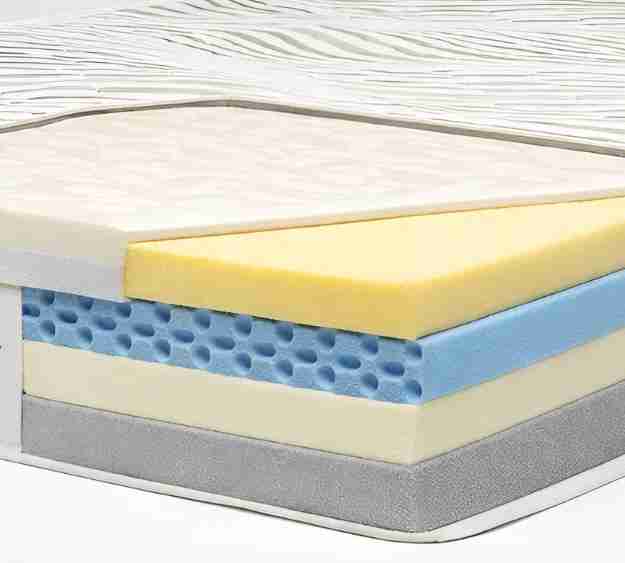
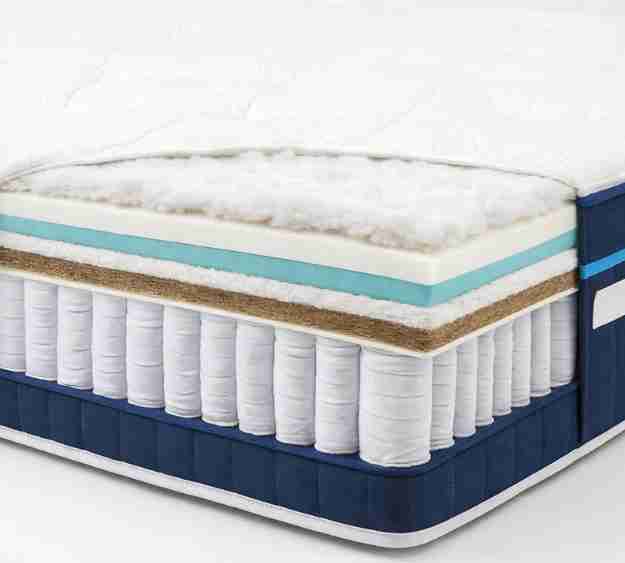
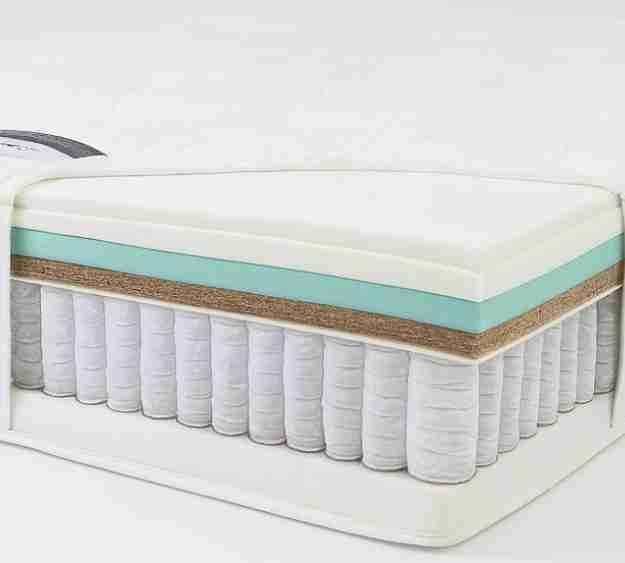
For side sleepers, the goal is pressure relief at shoulders and hips while keeping the spine level. Mattress thickness alone (12 vs 14 inches) doesn’t guarantee that; what matters is the comfort layer quality and how the support core prevents sinking. A well-built 12-inch mattress can outperform a poorly designed 14-inch one. Choose by feel and spec: look for enough cushioning on top and stable support underneath, then test whether your shoulder sinks just enough without your waist dropping.
With a lift-up storage base, thickness links to weight. Taller mattresses can be heavier, which may make lifting feel slower or require stronger gas assistance. Check the product page for any guidance on mattress suitability and opening smoothness, especially if you prefer a plush feel. If you add a topper, keep it minimal so the platform closes securely and stays aligned. This protects hinges, pistons, and your routine.
Quick Decision Checklist (60-Second Pick)
First, measure your room and mark door swings, wardrobes, and radiators. Next, decide where you want your main walkway and which side must stay clear for making the bed. Then choose width: single for tight box rooms, small double for occasional couples, double for most adults, and king only when clearance remains comfortable. Finally, confirm you can lift the base safely without moving furniture every time you need stored bedding.
Now choose the storage setup. If the end of the bed is blocked, pick side-opening; if the sides are tight, pick end-opening. Check the product page for external dimensions, headboard depth, and any notes on mattress weight. Look for quality signals such as solid frame materials, anti-slip platforms, and well-specified gas-assist mechanisms with warranty details. If you want less hassle, see whether assembly on delivery is offered. Finish by selecting a fabric that matches your room’s light and cleaning needs.
Size Guide Table (UK) (THIS MUST BE AN HTML TABLE)
Use this table to shortlist a size based on who sleeps in the bed and how much floor space you can spare. The dimensions below are standard UK mattress sizes, which is why you’ll see them on most product listings. Remember: upholstered frames and headboards add extra width and length, so always check the external measurements before ordering. If you’re unsure, start smaller and prioritise storage quality, fabrics, and warranty first.
If your room is small, prioritise access over max width. You should be able to open wardrobes, walk past the bed with a basket, and raise the lift-up platform without collisions. If you want a calmer look, choose slimmer bedside tables rather than forcing a larger size. For couples, a double is often the practical sweet spot; move to king or super king only when clearance stays comfortable. Use the ‘Room fit tip’ column as your final sanity check.
| UK size | Typical mattress size (W × L) | Best for | Room fit tip |
|---|---|---|---|
| Single | 90 × 190 cm | Box rooms, teens, solo sleepers with tight layouts | Maximise clearance for wardrobes and easy lifting access |
| Small Double (4ft) | 120 × 190 cm | Small rooms, guest use, occasional couples | Choose slim bedside furniture; test duvet-sharing comfort |
| Double | 135 × 190 cm | Most adults and many couples | Often the best balance of comfort and floor space |
| King | 150 × 200 cm | Couples who want more space; solo sleepers who spread out | Tape the footprint; confirm walkways and lift clearance |
| Super King | 180 × 200 cm | Maximum comfort for couples (space permitting) | Works best in larger rooms with minimal furniture clutter |
Luxe Mattresses and Beds | UK+2Luxe Mattresses and Beds | UK+2
Conclusion
Choosing the right lift-up storage bed is mostly a measurement problem, not a style problem. Start by marking the footprint on your floor and testing real movements: walking past the bed with a basket, opening wardrobes, and raising the storage platform. Then match size to sleep behaviour—double for balanced comfort, king only when clearance remains easy, and small double only when space is the constraint.
After size, choose the opening direction that suits your layout and keep the mattress weight sensible for smooth lifting. Finally, compare external dimensions, fabrics, and warranty details on each product listing, and consider optional assembly if you want zero hassle. When you’re ready, browse the Luxe Mattresses ottoman and divan range to shortlist a design that fits your room and your routine.
FAQ’s
Q: Which bed size should I get?
A: Choose the biggest size that still leaves comfortable walkways, clear wardrobe access, and smooth lift-up opening.
Q: What size bed for a 12×12 room?
A: A double is usually the safest fit; a king can work if furniture is slim and clearance stays comfortable.
Q: Is a king bed too big for a 12×12 room?
A: It’s too big if you can’t open wardrobes fully or you’re forced into narrow, awkward walkways.
Q: Is a 120cm bed enough for 2 people?
A: It can work short term, but many couples find it tight for daily sleep—double or king is usually better.
Q: Is a 4ft bed big enough for 2 people?
A: A 4ft is a small double; it suits occasional use, but many couples prefer 4ft6 or wider long term.
Q: How big is a king size ottoman bed?
A: A UK king mattress is typically 150 × 200 cm, but the frame footprint varies—always check external dimensions.

Results-driven Digital Marketing and E-Commerce Specialist with 5+ years of experience helping diverse clients achieve their online business goals. Proven expertise in managing end-to-end Shopify store operations, developing impactful Social Media strategies, and driving traffic through effective SEO techniques.
Core Skills & Expertise:
• E-Commerce Strategy & Management: Building, optimizing, and managing successful online stores, particularly on Shopify.
• Digital Marketing Campaigns: Planning, executing, and analyzing multi-channel campaigns (Social Media, Search, Email).
• Social Media Marketing: Creating engaging content, managing communities, running targeted ads (Facebook, Instagram, etc.), and building brand presence.
• Search Engine Optimization (SEO): On-page & technical optimization, keyword research, link building, and improving organic search visibility & rankings.
• Client Collaboration: Understanding client objectives, delivering measurable results, and maintaining successful long-term partnerships.
What I Bring:
• Proven Track Record: Successfully delivered projects for numerous clients across various industries.
• Platform Proficiency: Deep hands-on experience with Shopify, major social platforms, and SEO tools.
• Data-Driven Approach: Focusing on analytics and KPIs to optimize performance and demonstrate ROI.
• Holistic E-Commerce View: Integrating marketing, platform management, and optimization for sustainable growth.
Ready to help your business thrive online. Let’s connect!