
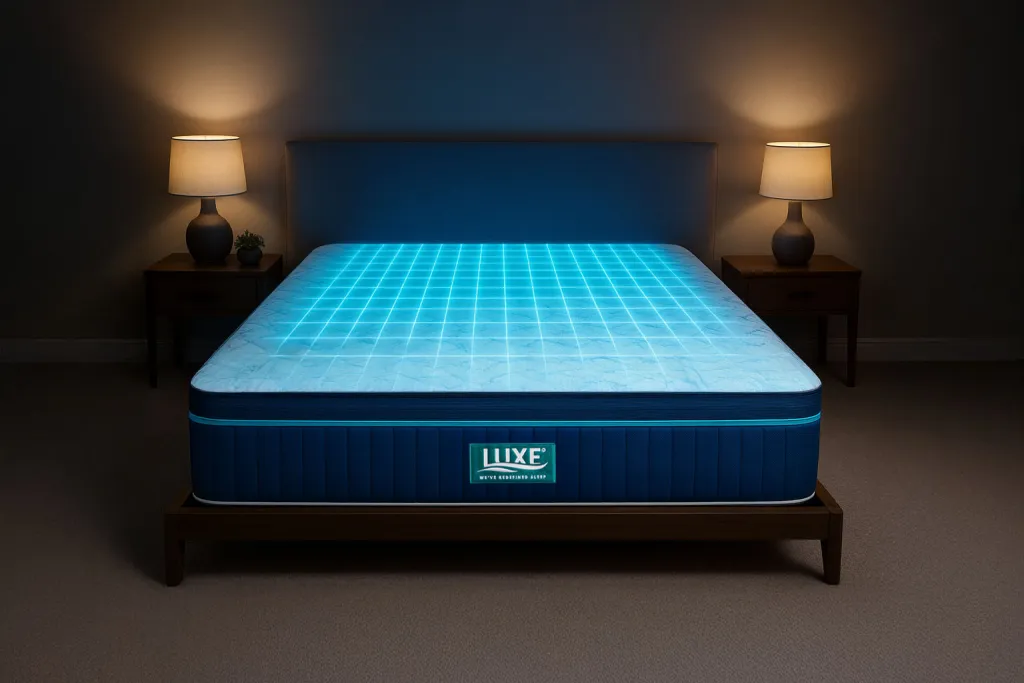
When it comes to getting a restful night’s sleep, body temperature plays a crucial role. Overheating or excessive sweating during the night can disrupt sleep cycles, reduce REM sleep, and leave you feeling tired and stiff in the morning. This is where Phase Change Materials (PCMs) come into play an innovative technology used in modern mattress design to improve sleep quality by regulating temperature.
What Are Phase Change Materials (PCMs)?
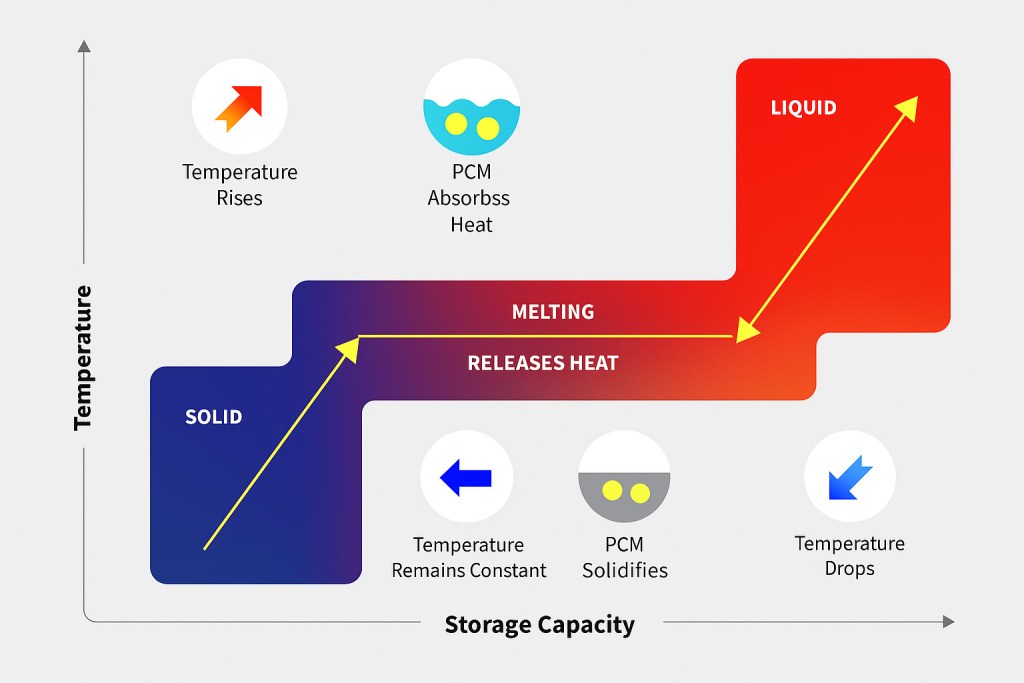
Phase Change Materials are substances that absorb, store, and release thermal energy during the process of melting and solidifying (changing from one phase to another). The most common example of a PCM is water, which absorbs a large amount of heat when it melts from ice to liquid.
In mattresses, PCMs are microencapsulated and embedded into fabrics or foam layers. These materials are engineered to remain in a solid form at room temperature but melt when exposed to excess body heat. As they melt, they absorb this heat cooling the sleeping surface. When the temperature drops again, they re-solidify and release the stored heat, maintaining a balanced temperature throughout the night.
to read Phase Change Materials (PCMs) in more details with scientific approaches you check read here.
How PCMs Help Regulate Body Temperature
- Absorption of Excess HeatWhen your body starts to overheat, the PCM layer absorbs and stores the excess thermal energy, preventing the mattress from becoming too warm. This helps maintain a cool sleeping surface.
- Release of Stored HeatIf your body cools down too much (such as in colder climates or during early morning hours), the PCMs re-solidify and release the stored heat, gently warming you back to a comfortable state.
- Thermal Regulation for Deeper SleepBy smoothing out temperature fluctuations, PCMs create a stable sleep environment. This minimises awakenings due to overheating or chills, allowing you to cycle more effectively through deeper, restorative sleep stages.
Scientific Backing for PCM Use in Sleep
Use of Phase Change Materials in mattress to regulate temperature is increasing rapidly, thermoregulation is a biological process deeply tied to circadian rhythms. Research indicates that the body naturally lowers its core temperature to signal the brain it’s time for sleep. However, traditional foam and memory foam mattresses can trap heat, interfering with this cooling process. This leads to disrupted sleep patterns, night sweats, and even chronic back discomfort due to poor sleep posture caused by tossing and turning.
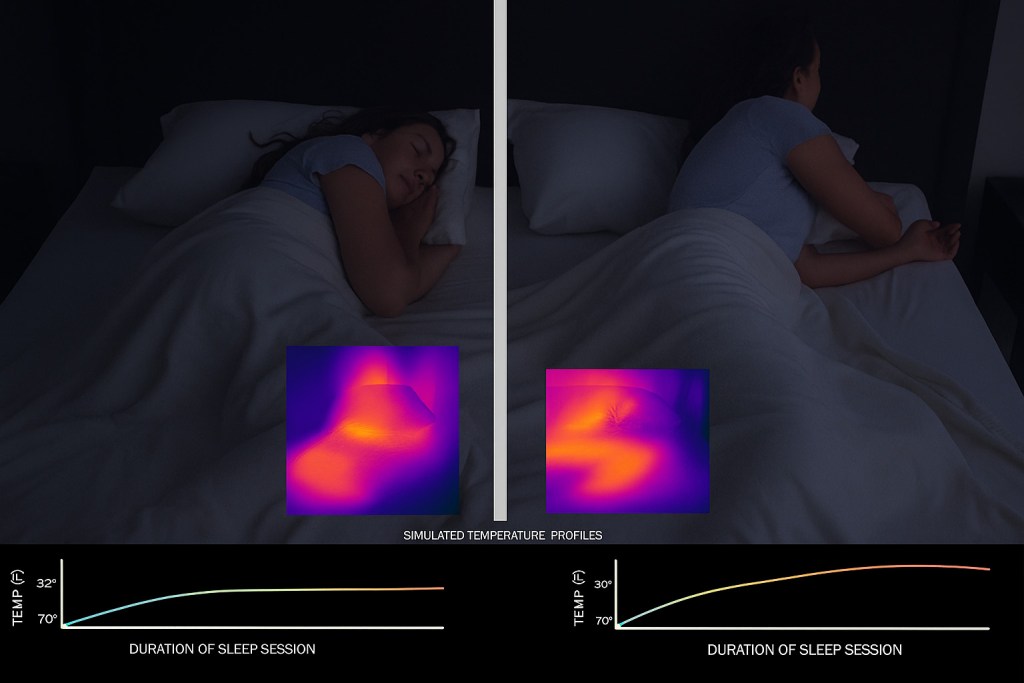
PCMs work by assisting the body’s thermoregulatory process, aligning with the body’s natural circadian temperature cycle. Studies have shown that sleep products with PCMs can reduce skin temperature variability and improve overall sleep satisfaction.
Research in the field of thermal comfort and sleep architecture has highlighted the importance of temperature homeostasis for uninterrupted rest. A 2012 study in the Journal of Physiological Anthropology concluded that skin temperature stabilisation through PCMs improved overall sleep efficiency and comfort source.
PCMs vs. Conventional Cooling Features
While many mattresses claim to be “cooling,” not all are created equal. Traditional solutions like breathable fabrics or gel-infused foams offer passive cooling. They help a bit, but once they heat up, they stay hot.
PCMs, on the other hand, offer active temperature regulation by physically changing states to manage heat. This makes them especially effective for:
- Hot sleepers
- People living in warm climates
- Individuals with night sweats or hormonal imbalances
- Those who suffer from back pain due to heat-induced restlessness
Back Pain, Heat Retention & the Role of PCMs
A little-known contributor to back pain is overheating during sleep. When a mattress retains too much heat, the sleeper tends to toss, shift, or wake up in awkward positions. This lack of consistent, proper spinal alignment can strain the lower back and neck. Over time, it contributes to chronic discomfort.
Disrupted sleep also prevents proper muscle recovery, which is essential for pain relief. Poor sleep posture combined with heat retention can lead to morning stiffness, lower back tension, and even exacerbate chronic pain conditions source: Cleveland Clinic.
Orthopaedic mattresses for back pain that include PCM layers offer dual benefits:
- Spinal support through firmer foam or zoned construction
- Thermal comfort via phase change technology to reduce heat-related restlessness
This combination supports muscles, promotes better posture, and allows the body to heal during deeper sleep phases.
Best Cooling Practices & PCM Integration
Many premium mattresses now incorporate PCMs under various branding terms. One standout known for this feature is the Luxe Therm Mattress, often recognised as one of the best cooling mattresses in the UK. It pairs high-quality support materials with advanced PCM technology to ensure consistent temperature regulation for sleepers prone to overheating or back issues.
Even without brand names, when shopping for a cooling or orthopaedic mattress, look for features such as:
- PCM-infused covers or comfort layers
- Gel memory foams with active thermal control
- Zoned support cores for spinal alignment
- Moisture-wicking and breathable textiles to enhance PCM performance
The Role of Luxe Cooling Mattress (Luxe Therm)
One example of a PCM-enhanced sleep surface is the Luxe Cooling Mattress, also awarded as the best cooling mattress in uk by Goodhouse Keeping Institute . It’s known for incorporating advanced thermal-regulating materials that actively manage temperature and moisture, making it ideal for hot sleepers and those with chronic pain.
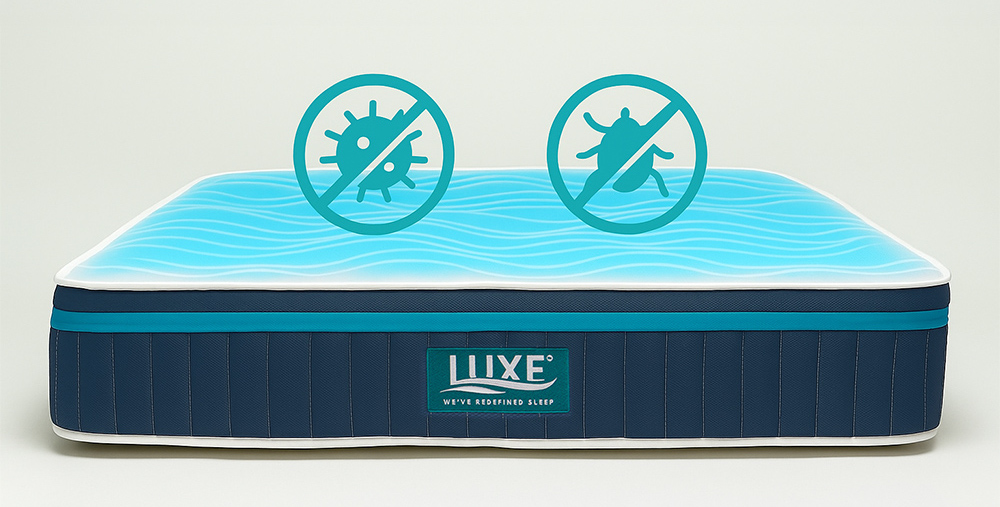
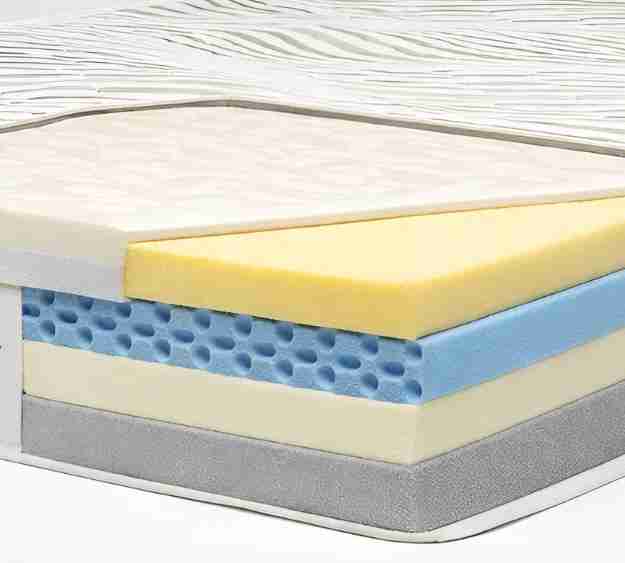
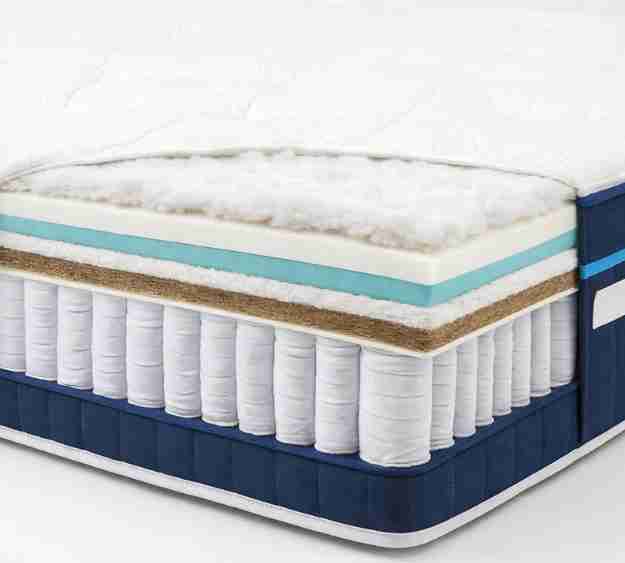
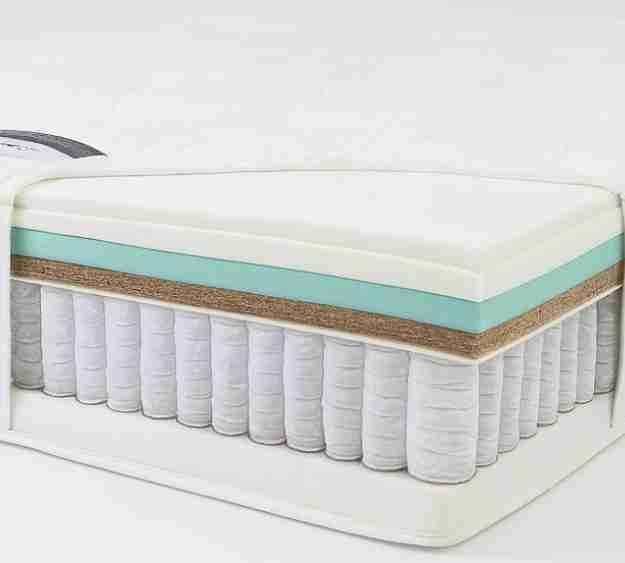
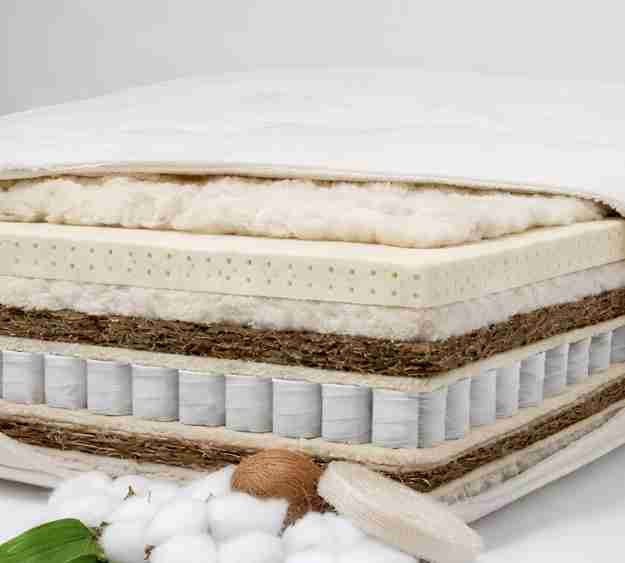
Its layered construction, combined with PCMs, helps reduce heat buildup and keeps the spine supported with orthopedic-grade firmness.
Note: This product is often highlighted in industry discussions, but we include it solely for its notable thermal performance. We do not link directly to commercial product pages.
Final Thoughts
Phase Change Materials have transformed how we approach mattress temperature control. By absorbing and releasing heat precisely when needed, PCMs create a sleep environment that’s not too hot, not too cold just right.
If you’re a hot sleeper, suffer from chronic back pain, or want to improve sleep quality overall, investing in a mattress with PCM technology is a smart, science-backed decision. Combine that with an orthopaedic design, and you have a solution that not only supports your spine but also soothes your body through every sleep stage.
Better temperature control leads to better posture, deeper rest, and fewer aches—and that’s a change worth sleeping on.

Marie Soukup is a seasoned senior copywriter and editor who’s written for global brands like Virgin Australia, blending storytelling and strategy to create content that connects. She’s passionate about bringing ideas to life across the travel, lifestyle, and business worlds.