

Modern mattresses live or die by how precisely they balance spinal alignment, pressure relief, and temperature control. Among all core designs, the pocket spring has reshaped expectations by isolating movement, contouring to the body, and staying cool where foams often trap heat. Unlike older linked-coil systems that tug the whole surface when you turn, individually encased coils respond right under each pressure point, so you move without waking your partner.
This article breaks down the structure, physics, and design choices behind encased coils; how they differ from open coil/Bonnell units; why zoned systems improve alignment; and how they compare with memory foam and hybrids. You’ll get a practical view of materials, firmness, spring counts, and maintenance plus straightforward buying tips grounded in what actually affects sleep quality, not marketing fluff.
What Are Pocket Springs?
The Structure and Function of Pocket Springs
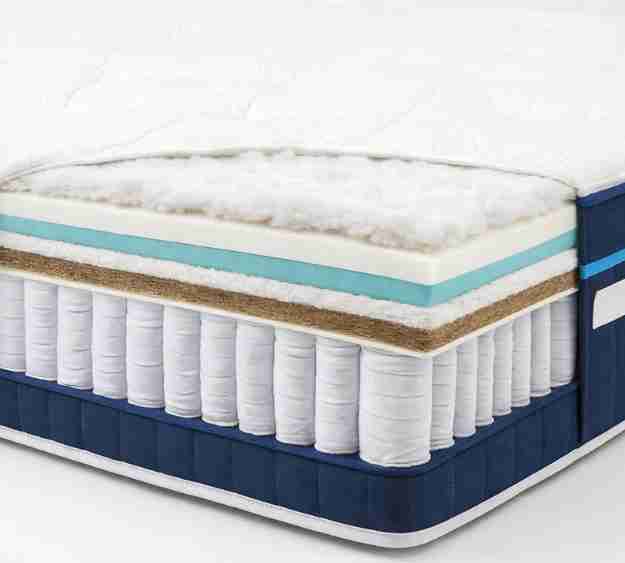
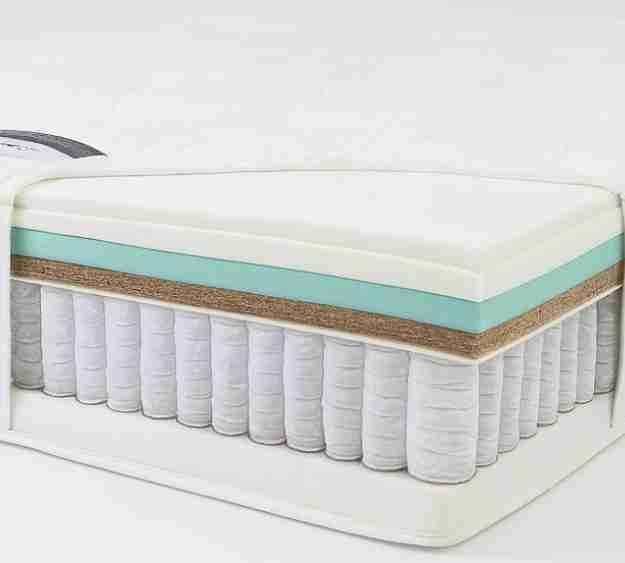
A pocket spring is a single metal coil sewn into its own fabric pocket so it can compress independently. Because each coil moves on its own axis, the surface supports you where you need it without dragging down surrounding areas.
That’s why motion transfer drops dramatically and weight distribution improves compared with linked systems. In contrast, open coil (Bonnell/continuous) units tie coils together; when one section moves, neighbouring coils shift, creating roll-together and hot spots.
The Evolution of Pocket Spring Technology
Over the last two decades in the UK mattress industry, pocket spring technology has evolved from simple encased coils to multi-layer hybrids with targeted zones and eco-forward textiles. Early designs mimicked basic coil beds with fabric sleeves; modern versions add varied wire gauges, mini-coils, and recycled or plant-based pockets.
Zoned layouts place softer response under shoulders and firmer resistance at the lumbar, creating a pocket spring support system that aligns the spine more consistently than one-tension surfaces.
How the Pocket Spring Support System Works

Independent Response to Pressure Points
When you lie down, each pocket spring compresses relative to your local load—deeper under hips/shoulders, shallower under the waist. This micro-mapping reduces peak pressures (primary cause of numb arms, sore hips, and tossing) and stabilises posture. Because coils don’t tug their neighbours, partner disturbance drops, which is essential for light sleepers.
Pressure map concept (illustrative):
| Zone | Linked Coil Surface | Encased-Coil Surface |
| Shoulders | High peak pressure | Lower, distributed pressure |
| Lumbar | Under-supported or over-firm | Targeted, firmer lift |
| Hips | Deep sink/ripple | Localised compression |
Zoned Pocket Spring Support System for Targeted Comfort
A zoned pocket spring support system varies coil gauge and/or height across regions: slightly softer under the shoulders to avoid pinch, firmer under the lower back and hips to prevent hammocking. This mirrors orthopedic design principles, keep the spine neutral, distribute load, and eliminate concentrated stress. The result: less morning stiffness and fewer rotation micro-arousals.
The Science Behind Pocket Spring Comfort
Motion Isolation and Noise Reduction
Each pocket spring lives in a sleeve that damps lateral sway. That independent action cuts cross-bed movement so you’re not sharing every turn your partner makes. Fabric encasement also stops metal-on-metal chatter you get from old open-coil grids, so squeaks and creaks are essentially engineered out.
Temperature and Airflow Advantages
Air can move vertically and laterally through the coil core, so heat and humidity don’t accumulate. Compared with dense foams, a pocket spring mattress breathes by design, which is why hot sleepers often report steadier overnight temperatures and fewer wake-ups linked to heat spikes.
Pocket Spring vs Memory Foam – Which Is Better for You?
Comfort, Support, and Firmness Comparison
In pocket spring vs memory foam, you’re choosing between responsive lift and deep contour. Encased coils provide elastic support with a natural bounce that maintains surface stability and makes changing positions easier (useful for back or combination sleepers). Memory foam emphasises contouring and pressure melt but can feel slow to respond.
For back pain tied to poor alignment, coils with a defined lumbar zone tend to keep the spine straighter; for sharp pressure sensitivity at the shoulders, mid-density foam layers can help.
Durability, Cost, and Maintenance
Encased coils resist long-term compression better than many low-density foams. They’re also easier to keep fresh: ventilate regularly, rotate by season, and use a breathable protector. Here’s a quick comparison:
| Feature | Encased Coils | Memory Foam |
| Responsiveness | Buoyant, quick | Slow, “hugging” |
| Heat | Airy core | Can trap warmth |
| Edge Support | Strong (with edge frame) | Often softer edges |
| Sag Resistance | High (good steel gauge) | Varies by density |
| Care | Rotate, air, protect | Rotate, protect from heat |
Pocket Spring Mattress Design and Construction
Layer Composition and Material Choices
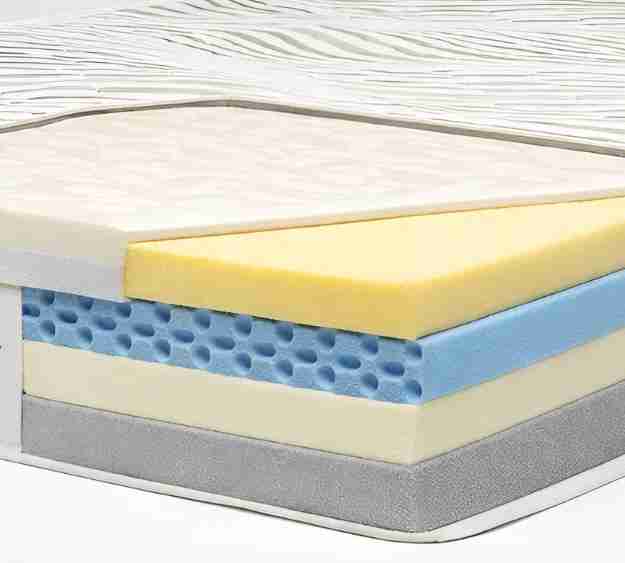
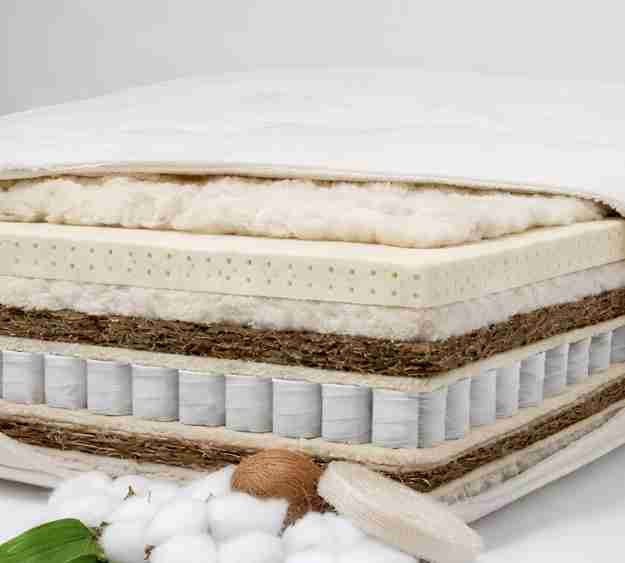
A modern pocket spring mattress stacks comfort layers (latex, high-resilience foam, or natural fibres like wool/cotton) over the coil unit. Materials tune feel and airflow: latex and natural fibres breathe best; certain foams add plushness but can warm.
Match this with a firmness guide: side sleepers benefit from a slightly plusher top for shoulder relief; back/stomach sleepers need firmer lift to avoid swayback.
The Role of Spring Count in Comfort Levels
Typical counts cluster around 1000–2000 for UK king size. More springs can refine contouring, but count isn’t everything, wire gauge, coil height, zone mapping, and upholstery quality change the outcome more than raw numbers. A well-designed 1000–1500 coil unit with proper zoning routinely outperforms a higher count with poor tensioning.
Benefits of Pocket Spring Mattresses
Key Advantages at a Glance
- Superior spinal alignment via targeted lift
- Excellent airflow and moisture management
- Minimal motion transfer for couples
- Shape retention and stable edge options
- Works across varied body types and sleep styles
Together, these make the pocket spring a reliable core for long-term comfort rather than a trend that fades in six months.
Real-World Testimonials and Case Studies
Luxury hotels rely on zoned encased-coil cores because high turnover guests need consistent support that still feels plush. UK sleep clinics routinely recommend firmer lumbar zones for chronic lower-back discomfort; encased coils execute that without the stuck-in-mud feel some foams produce. Brand tests often show lower partner-disturbance scores on encased coils than on continuous wire units.
How to Choose the Right Pocket Spring Mattress
Factors to Consider Before Buying
Start with your body and sleep style. Side sleepers: aim for medium to medium-soft comfort layers over a supportive core. Back/stomach: medium-firm with defined lumbar zoning. Check spring count plus wire gauge; confirm perimeter reinforcement if you sit on the edge.
Assess cover breathability, certifications (e.g., FR compliance, fabric standards), trial length, and warranty. Make sure the label clarifies size-based spring counts (a double has fewer coils than a king, even in the same model). Finish with honest in-store testing or a trial that lets you return if alignment feels off.
Expert Buying Tips
- Test in your usual sleep position for at least 10 minutes.
- Prefer breathable protectors and slatted or ventilated bases.
- Read verified reviews filtered by body weight and sleep position.
- If you sleep hot, prioritise coil cores plus natural-fibre comfort layers.
- For couples with different needs, consider a hybrid with zoned coils and a medium top layer.
FAQ’s
Tempered steel coils individually wrapped in fabric sleeves; gauges vary for feel.
For a UK king, 1000–1500 is a strong baseline; quality and zoning matter more than chasing the highest number.
Depends on priorities: coils for airflow, bounce, and alignment; foam for deep contour and pressure melt.
Good units hold tension 8–10 years with rotation and ventilation; poor steel or over-soft upholstery shortens life.
Yes, especially with firmer lumbar zones and medium-firm overall feel to keep the spine neutral.
Rotate seasonally, ventilate monthly, use a breathable protector, and ensure a supportive base.
Conclusion
Encased coils deliver what matters: stable alignment, cooler nights, and motion control that protects sleep continuity. The design scales, zoning, gauge, and comfort layers can be tuned to your body without sacrificing airflow or edge stability.
If you want a bed that’s supportive without feeling dead or swampy, a coil core is the practical answer. Pair the core with breathable, durable comfort layers, verify zoning, and choose firmness by your posture, not by hype. Do that, and you’ll get the long-term value people expect when they hear “built right,” not just “sold well.”

Results-driven Digital Marketing and E-Commerce Specialist with 5+ years of experience helping diverse clients achieve their online business goals. Proven expertise in managing end-to-end Shopify store operations, developing impactful Social Media strategies, and driving traffic through effective SEO techniques.
Core Skills & Expertise:
• E-Commerce Strategy & Management: Building, optimizing, and managing successful online stores, particularly on Shopify.
• Digital Marketing Campaigns: Planning, executing, and analyzing multi-channel campaigns (Social Media, Search, Email).
• Social Media Marketing: Creating engaging content, managing communities, running targeted ads (Facebook, Instagram, etc.), and building brand presence.
• Search Engine Optimization (SEO): On-page & technical optimization, keyword research, link building, and improving organic search visibility & rankings.
• Client Collaboration: Understanding client objectives, delivering measurable results, and maintaining successful long-term partnerships.
What I Bring:
• Proven Track Record: Successfully delivered projects for numerous clients across various industries.
• Platform Proficiency: Deep hands-on experience with Shopify, major social platforms, and SEO tools.
• Data-Driven Approach: Focusing on analytics and KPIs to optimize performance and demonstrate ROI.
• Holistic E-Commerce View: Integrating marketing, platform management, and optimization for sustainable growth.
Ready to help your business thrive online. Let’s connect!