


Sleep Apnoea: The Silent Epidemic Affecting 2.5 Million Brits
Sleep apnoea is a serious but treatable sleep disorder that affects millions of people in the UK. Despite its widespread impact, sleep apnoea in the UK remains vastly underdiagnosed. Many people dismiss loud snoring or disrupted sleep as minor annoyances, unaware they could be signs of a more serious condition.
According to the British Lung Foundation and other healthcare organisations, over 2.5 million Brits are already affected by sleep apnoea. Yet, public awareness remains limited. This article explores what sleep apnoea is, how to spot the symptoms, and the available treatment options in the UK.
What is Sleep Apnoea?
Sleep apnoea is a disorder where breathing repeatedly stops and starts during sleep. There are two primary types:
Obstructive Sleep Apnoea (OSA)
This is the most common type in the UK. It occurs when the soft tissue at the back of the throat collapses and blocks the airway during sleep.
Central Sleep Apnoea (CSA)
This is less common and results from the brain failing to send the correct signals to the muscles that control breathing.
In both cases, sleep is disrupted, often without the person realising. Left untreated, sleep apnoea in the UK can lead to serious health complications.
Signs and Symptoms of Sleep Apnoea
During the Night
- Breathing stops and starts
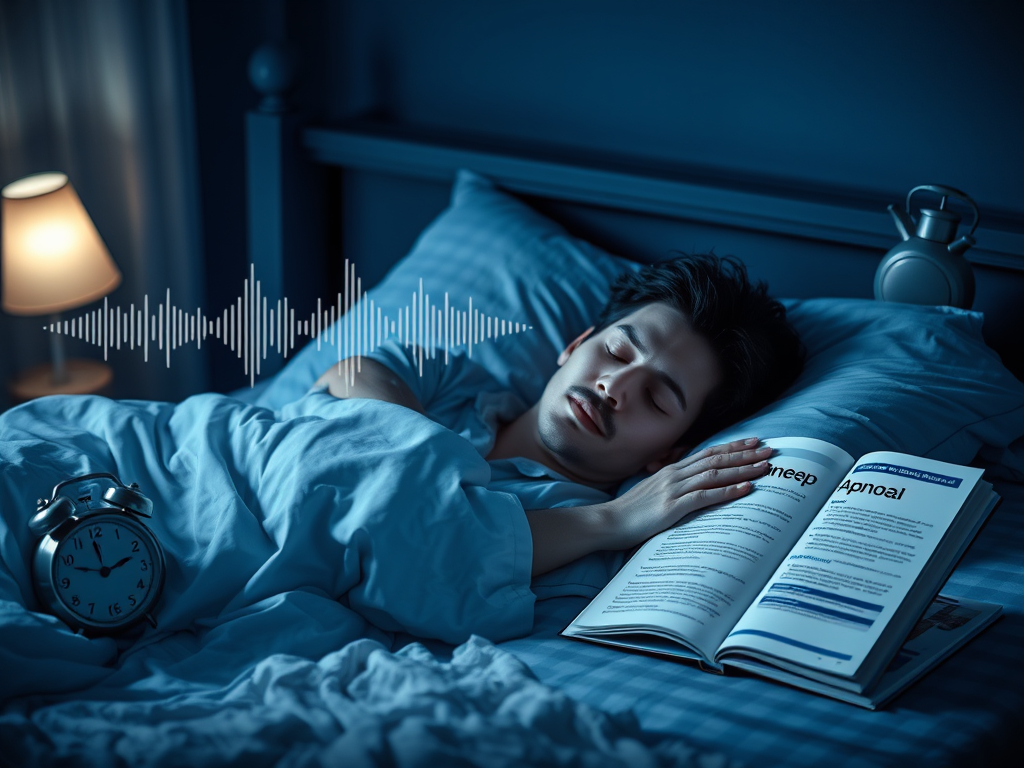
- Snoring, choking, or gasping sounds
- Frequent awakenings
During the Day
- Excessive fatigue and tiredness
- Trouble focusing or staying alert
- Mood swings or irritability
- Morning headaches
If you or a loved one experience these symptoms, it’s important to speak with a GP for further assessment and possible diagnosis.
Why Sleep Apnoea is a Hidden Epidemic in the UK
take comprehensive sleep quiz to find out your sleep health.
Comprehensive Sleep Quiz
Discover your personalized sleep score and get expert recommendations to improve your sleep quality. This quiz takes about 5-7 minutes to complete.
Why Take This Quiz?
- Get a comprehensive analysis of your sleep habits
- Receive personalized recommendations from sleep experts
- Find the perfect mattress match for your sleep style
- Learn science-backed tips to improve your sleep quality
- Get personalized product recommendations
Despite its growing prevalence, sleep apnoea remains largely overlooked in the UK. Several factors contribute to this:
- Underdiagnosis: Fatigue and sleep issues are often mistaken for lifestyle stress or ageing.
- Social stigma: Snoring is seen as a minor nuisance rather than a medical concern.
- NHS wait times: Limited access to sleep studies and specialists delays treatment.
While healthcare system limitations are a factor, lifestyle changes and awareness can make a significant difference.
Health Risks of Untreated Sleep Apnoea
Untreated sleep apnoea can lead to serious health issues, including:
- High blood pressure and heart disease
- Stroke and increased risk of cardiovascular events
- Type 2 diabetes due to disrupted insulin response
- Declining mental health and reduced cognitive function
How Sleep Apnoea is Diagnosed in the UK
If you suspect sleep apnoea, there are a few diagnostic pathways available:
- GP Referral: Your first step for evaluation and access to specialist care.
- NHS Sleep Clinics: Sleep studies that monitor breathing, oxygen levels, and other vitals.
- Home Sleep Tests: Portable devices that allow you to track symptoms overnight at home.
Treatment Options for Sleep Apnoea in the UK
- CPAP Machines: Devices that keep airways open with constant airflow.
- Mandibular Advancement Devices (MADs): Oral appliances that keep the jaw forward to reduce blockage.
- Lifestyle changes: Weight loss, reduced alcohol, better sleep posture.
- Sleep accessories: Orthopaedic pillows and sleep aids that enhance comfort and airflow.
Home Tips to Improve Sleep Quality
While not a cure, certain home adjustments can ease symptoms:
- Sleep on your side instead of your back
- Use pillows that elevate the head and neck
- Create a cool, dark, and quiet sleep environment
Mattress Advice for People with Sleep Apnoea
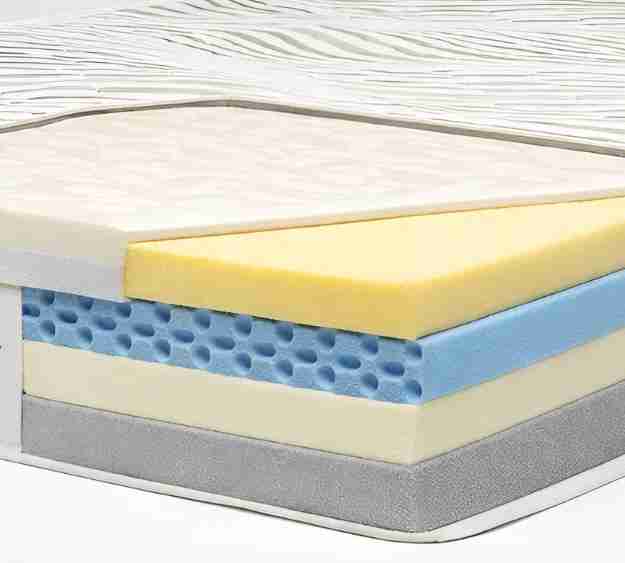
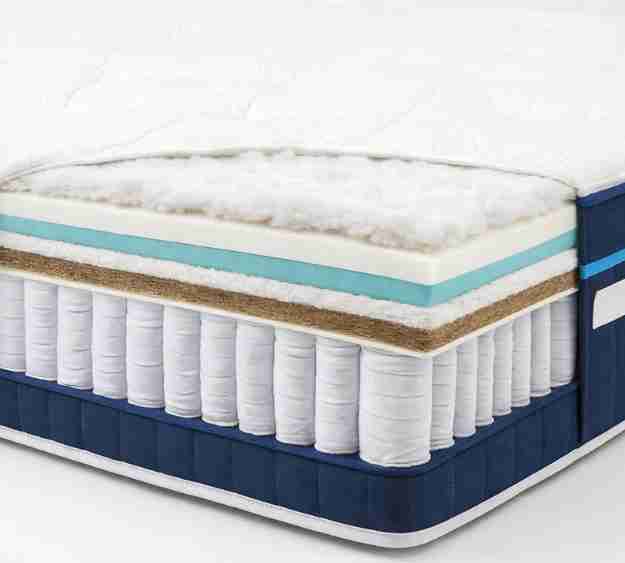
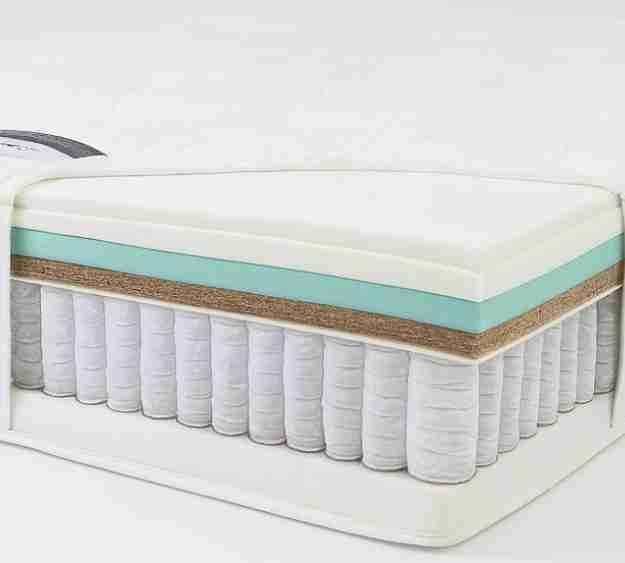
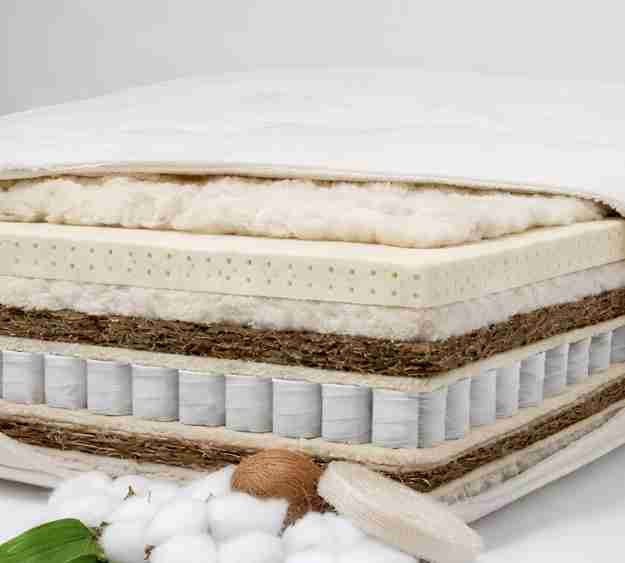
Choosing the right mattress can significantly improve sleep comfort and airflow. Look for:
Smart Mattress Quiz
Find your perfect mattress match with our personalized recommendation system. Based on your sleep style, health needs, and comfort preferences.
Why Take This Quiz?
- Get tailored mattress recommendations for your specific needs
- Save time researching – we’ve done the analysis for you
- Compare mattresses that match your sleep style and budget
- Understand which mattress features matter for your comfort
- Exclusive discounts on recommended mattresses
- Medium firmness for spinal alignment
- Breathable materials such as gel foam or latex
- Proper support to reduce sagging and neck pressure
FAQs About Sleep Apnoea
Can sleep apnoea be cured?
Sleep apnoea can often be managed through treatment and lifestyle changes, though it is not always curable.
Is snoring always a sign of sleep apnoea?
No, but if snoring is loud and irregular—especially when combined with fatigue—it may indicate sleep apnoea.
What is the best sleep position for sleep apnoea?
Side sleeping is generally recommended as it helps prevent airway obstruction during the night.
How long is the NHS wait time for sleep studies?
On average, NHS wait times for sleep tests range from 4 to 8 weeks, depending on your location and referral process.
Can the right mattress help with sleep apnoea?
Yes, a supportive and breathable mattress can improve posture and comfort, which may help reduce symptoms.
Conclusion
Sleep apnoea in the UK is more than just snoring—it’s a serious condition affecting millions. Don’t ignore the warning signs. With proper diagnosis, medical support, and lifestyle changes, sleep apnoea can be managed successfully. Take control of your sleep health and speak to your GP if you suspect any symptoms.

Dr. Arshad Malik is an Associate Professor at Tsinghua University with a PhD from the same institution. He completed his prestigious CAS-TWAS Postdoctoral Research Fellowship at the Chinese Academy of Sciences in Beijing. With over 99 published research papers and 1,000+ academic citations, Dr. Malik brings a deep scientific perspective to topics at the intersection of biomedical science, health, and wellness.
He has previously served as an Associate Professor at the International Islamic University Islamabad (IIUI), and currently contributes as an editorial advisor and content reviewer on health-related topics for Luxe Mattresses & Beds. His insights help bridge the gap between academic research and everyday well-being.