Choosing the ideal softness level in a soft memory foam mattress can be confusing, especially when every brand claims to offer the perfect feel. Comfort depends on firmness, density, thickness, and your sleeping position. A mattress that’s too soft can cause sagging and back pain, while a mattress that’s too firm may create pressure points. Understanding how to balance softness and support is essential for long-lasting comfort.
This guide explains how a soft memory foam mattress should be, what firmness levels mean, and how to choose the best option for your sleep style.
What “Soft” Really Means in Memory Foam Mattresses?
A soft memory foam mattress typically falls between 3 and 4 on the mattress firmness scale (1 being ultra-soft and 10 being extra-firm). However, the feel varies depending on density, thickness, and foam type.
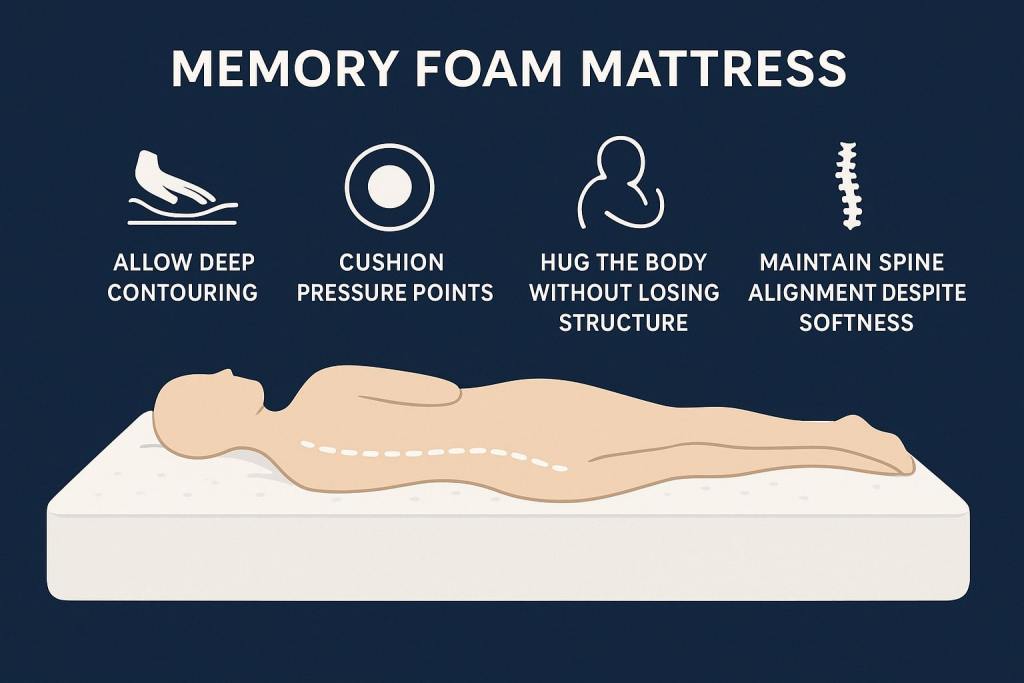
A memory foam mattress described as soft should:
- Allow deep contouring
- Cushion pressure points
- Hug the body without losing structure
- Maintain spine alignment despite softness
If a mattress is soft but lacks support, it may not be suitable for everyday sleeping. That’s why many sleepers prefer a medium soft memory foam mattress, which offers plush comfort with better durability.
Ideal Softness Based on Sleeping Position
Different sleeping positions require different firmness levels to avoid discomfort and improve sleep quality.
Side Sleepers
Side sleepers typically benefit the most from a soft or medium memory foam mattress.
Best firmness: 3–5
Why: A soft foam mattress reduces pressure on shoulders and hips, improving circulation and comfort.
Back Sleepers
Back sleepers need more support, but some still prefer a soft feel with enhanced contouring.
Best firmness: 4–6
Why: Proper support prevents the lower back from sinking too deeply.
Stomach Sleepers
A mattress that is too soft can misalign the spine for stomach sleepers.
Best firmness: 6–7
Why: Firmer surfaces reduce bowing of the spine.
Combination Sleepers
Combination sleepers require a balance of softness and support.
Best firmness: 4–6
Why: Medium-soft memory foam provides cushioning without restricting movement.
Best Softness Levels for Maximum Comfort
| Sleeper Type | Recommended Firmness | Suitability of Soft Memory Foam Mattress |
|---|---|---|
| Side Sleeper | 3–5 | Excellent |
| Back Sleeper | 4–6 | Good |
| Stomach Sleeper | 6–7 | Not ideal |
| Combination Sleeper | 4–6 | Very Good |
What Determines How Soft a Memory Foam Mattress Feels?
Three major factors influence softness and overall comfort.
1. Density of the Foam
Density affects comfort and durability more than any other factor.
- Low-density foam (2.5–3.5 lb/ft³): Softest but least supportive
- Medium-density foam (3.5–4.5 lb/ft³): Balanced cushioning
- High-density foam (5+ lb/ft³): Deep contouring but firmer feel
A memory foam soft type usually uses low- to medium-density foam.
2. Thickness of the Comfort Layer
Thicker foam layers produce a softer feel.
- 2–3 inches: Medium soft feel
- 3–4 inches: Soft and deeply contouring
- 4+ inches: Ultra-plush and best for side sleepers
3. Foam Type
Different memory foams create different softness sensations.
- Traditional memory foam: Deep sink-in softness
- Gel-infused foam: Cooler and slightly firmer
- Open-cell foam: Softer and breathable
- Plant-based foam: Responsive yet still soft
A soft mattress foam model generally uses open-cell or traditional foam to maximize plushness.
Signs Your Memory Foam Mattress Is Too Soft
Even a high-quality soft memory mattress can feel too soft for some sleepers. Watch for:
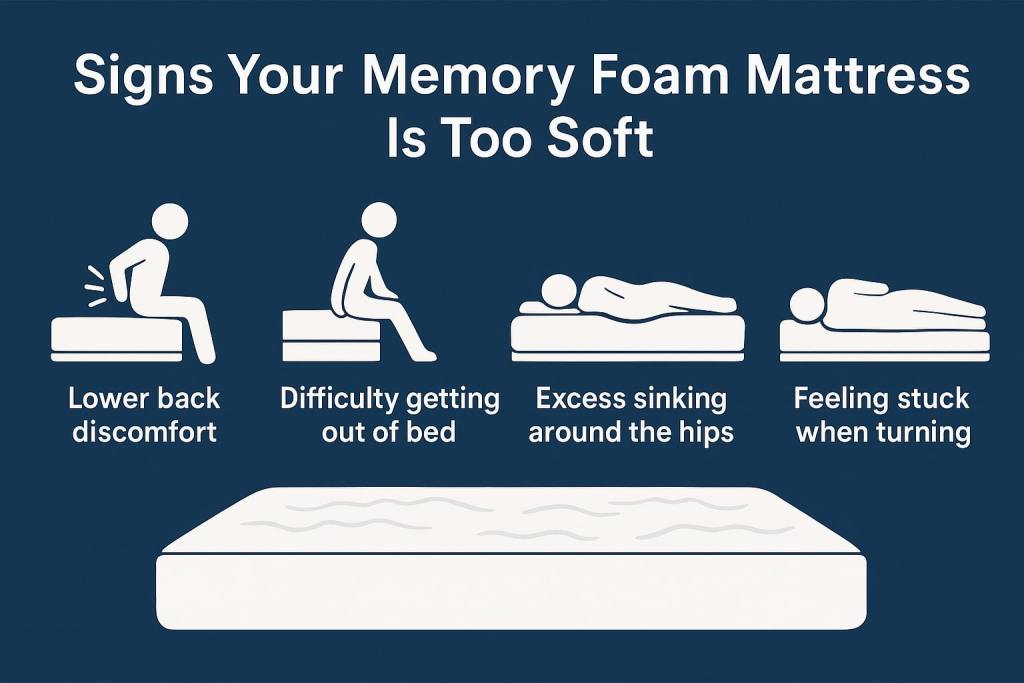
- Lower back discomfort
- Difficulty getting out of bed
- Excess sinking around the hips
- Feeling stuck when turning
- Body impressions staying after you get up
These are indications you may need a medium soft memory mattress instead.
How Soft Should a Memory Foam Mattress Be for Maximum Comfort?
For most sleepers, the ideal softness level lies between 3 and 5 on the firmness scale.
This range delivers:
- Pressure relief for hips and shoulders
- Proper spine alignment
- Comfortable body contouring
- Reduced motion transfer
- Adequate support for daily use
A soft memory foam mattress should never feel mushy or collapsing. A well-designed foam mattress soft model remains supportive while still offering a plush, cloud-like feel.
Buying Tips: Choosing the Right Soft Mattress
Use the following checklist to ensure the mattress you choose is soft yet supportive.
Look for These Features
- A firmness rating of 3–5
- At least 3 inches of comfort foam
- Medium-density foam (3.5–4.5 lb/ft³) for balanced softness
- CertiPUR-US certified foams
- Cooling features (gel, open-cell design, breathable cover)
- A long trial period (100 nights or more)
- A warranty of 5–10 years
Avoid These Signs of Poor Quality
- Extremely low density
- No return policy
- Softness with no structural support
- Cheap fiber-filled toppers advertised as memory foam
Table: Soft vs Medium Soft vs Firm Memory Foam Mattresses
| Mattress Type | Feel Characteristics | Best For |
|---|---|---|
| Soft Memory Foam Mattress | Deep sink-in, plush, contouring | Side sleepers, lightweight adults |
| Medium Soft Memory Foam | Balanced softness and support | Back and combination sleepers |
| Firm Memory Foam Mattress | Minimal sink-in, higher resistance | Stomach sleepers, heavier individuals |
Benefits of Choosing a Soft Memory Foam Mattress
A high-quality soft memory mattress offers multiple advantages:
Pressure Relief
Soft memory foam reduces pressure on joints, especially important for side sleepers.
Motion Isolation
Memory foam absorbs movement, making it ideal for couples.
Enhanced Comfort
The soft contouring creates a plush sleeping experience.
Good for Lightweight Sleepers
Lighter individuals often struggle to compress firmer mattresses enough to feel comfortable.
When to Choose Medium Soft Instead of Soft?
A medium soft memory foam mattress is a better choice if:
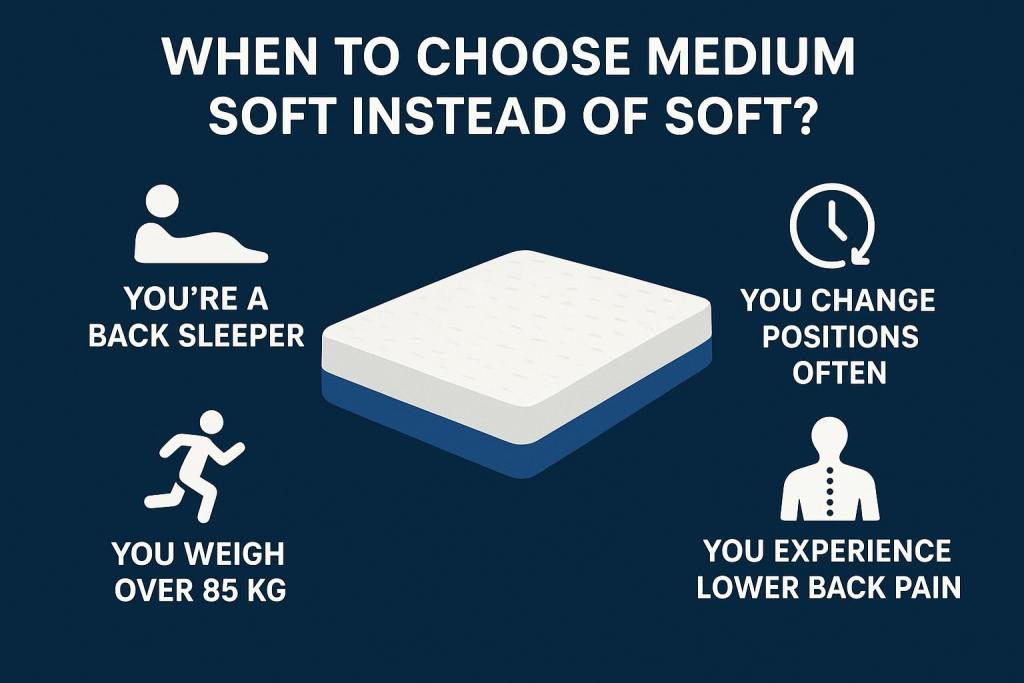
- You’re a back sleeper
- You change positions often
- You want more support but still prefer softness
- You weigh over 85 kg
- You experience lower back pain
How to Maintain the Softness and Longevity of Memory Foam
Soft mattresses can last for many years if properly cared for.
Rotate the mattress
Every 3 months to avoid dips.
Use a breathable mattress protector
Maintains cleanliness without trapping heat.
Keep the room cool
Memory foam softens with heat.
Allow time to expand fully
Especially after unpacking from a compressed box.
Final Thoughts
Finding the right softness in a memory foam mattress comes down to balancing plush comfort with reliable support. A soft memory foam mattress can deliver exceptional pressure relief, but it should still maintain proper spinal alignment to ensure long-term comfort. By choosing the right density, firmness level, and construction, you can enjoy a mattress that feels luxurious, supportive, and perfectly suited to your sleeping style.
FAQs
Yes, as long as it has proper support layers. A soft memory foam with medium-density is ideal for everyday comfort.
Only if it lacks support. A well-constructed memory foam mattress soft type maintains spine alignment.
If you sink too deeply or wake with back pain, the mattress may be too soft.
Yes, especially those with medium- to high-density foam and reinforced base layers.
Medium soft is usually better for growing bodies, offering both comfort and proper support.

I’m Zainab, and I write to help people choose the right mattresses. I share clear, useful information about everything from comfort to materials, so you can pick the one that’s best for you.