
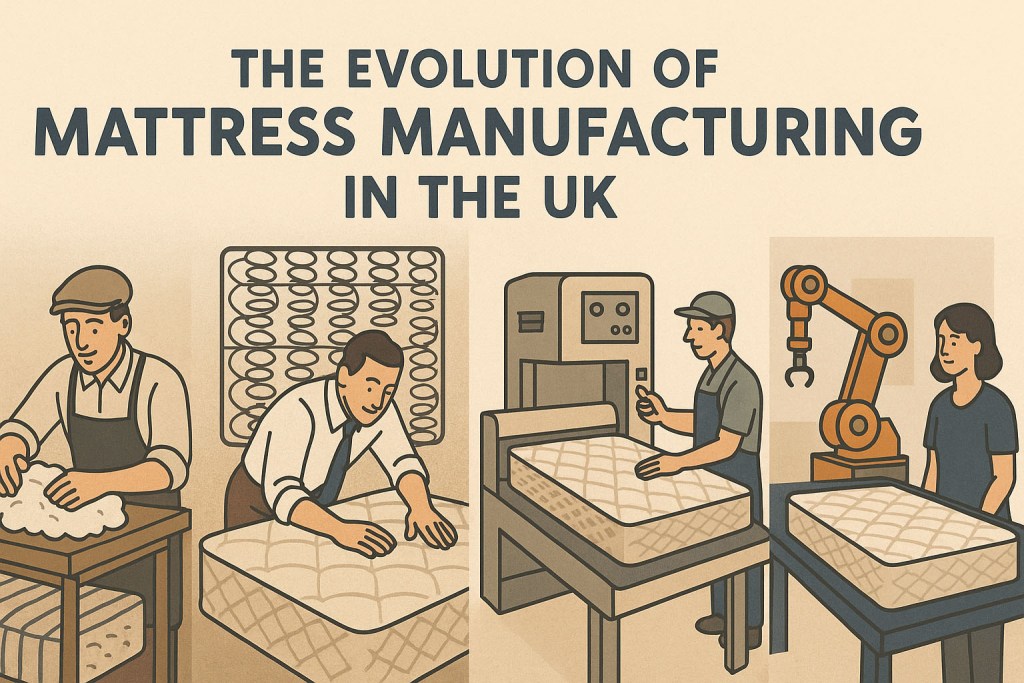
A good night’s sleep is more than just a luxury it’s essential for our health, mood, and overall well-being. And at the heart of that rest lies the mattress. Over centuries, mattresses have evolved from simple piles of straw to advanced sleep systems designed to support every curve of the human body.
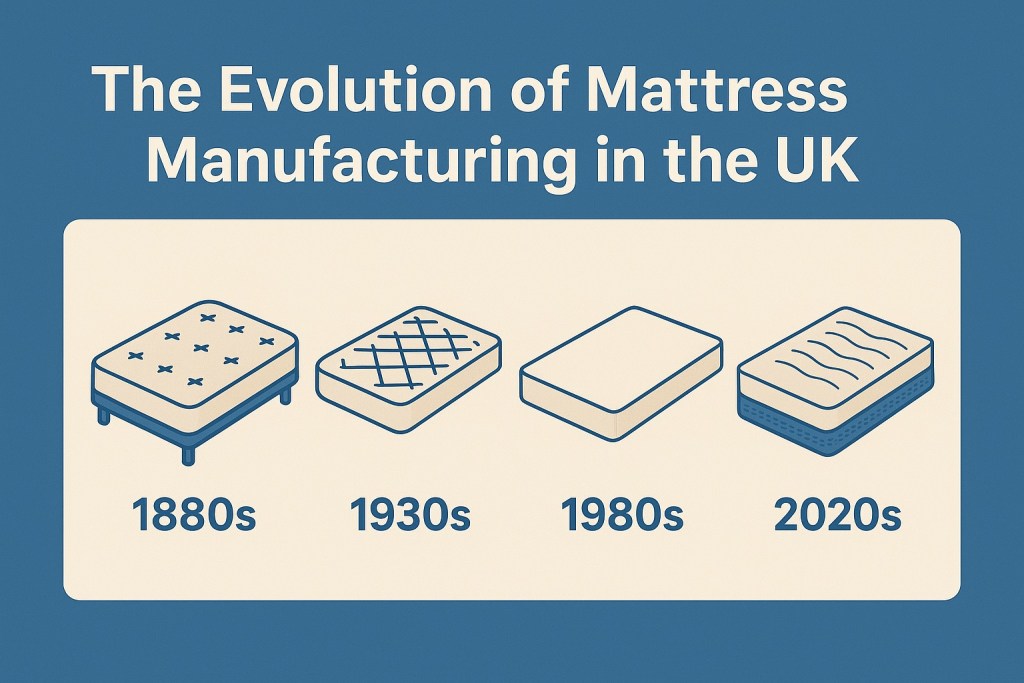
This evolution matters because the right mattress doesn’t just provide comfort; it plays a critical role in spinal alignment, pressure relief, and even long-term health. Moreover, as we grow increasingly conscious of our planet’s well-being, mattress innovation has also turned toward sustainability, reducing environmental impact while enhancing sleep quality.
Today’s journey takes us through:
- Early Craftsmanship – where mattresses were handmade from natural materials like hay, wool, and cotton, reflecting necessity over comfort.
- Modern Manufacturing – the industrial revolution of sleep, introducing mass production, springs, and memory foam innovations.
- Natural Luxe Trends – a return to nature, blending luxury with eco-consciousness through organic latex, sustainable fabrics, and toxin-free designs.
The Rise of Natural Luxe Mattresses in the UK
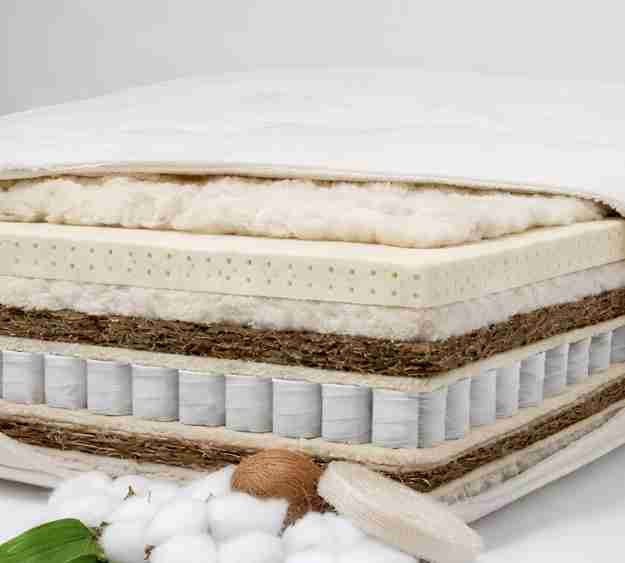
In recent years, the UK has witnessed a significant shift toward natural latex mattresses, driven by growing awareness of health, sustainability, and superior comfort. These mattresses use premium natural fibres such as organic latex (Dunlop and Talalay), horsehair, British fleece wool, cashmere, silk, cotton, and alpaca fibre.
Each material offers unique benefits: latex delivers contouring support while remaining breathable, horsehair ensures resilience and moisture control, wool regulates temperature, and cashmere and silk add an indulgent softness. Together, they create a sleep surface that is luxurious, hypoallergenic, and exceptionally durable.
Sustainability is a core focus. Leading brands seek eco-certifications like OEKO-TEX®, GOTS (Global Organic Textile Standard), GOLS (Global Organic Latex Standard), , guaranteeing that their mattresses are free from harmful chemicals and ethically produced. This commitment resonates with eco-conscious consumers seeking healthier products for themselves and the planet.
Another hallmark of this movement is craftsmanship. Many of these mattresses are handmade, featuring techniques such as hand-tufting to secure layers without adhesives, resulting in exceptional longevity some lasting up to 50 years. This artisanal approach ensures every mattress is a work of precision and comfort.

Take LuxeMattresses’ Natural Collection as an example. Their products incorporate certified organic latex, British wool, organic cotton, coir, hypoallergenic plant-based materials, and breathable fire-resistant covers.
Advanced engineering elements like cores, technology, combine to deliver unmatched support. Their Luxe-Organic Natural Pillow Top exemplifies innovation, blending organic latex, coir, wool, cotton, reflex foam, and Zero Gravity™ layers for cloud-like comfort backed by an impressive 30-year warranty.
Which Type of Mattress Should You Choose?
Choosing the right mattress isn’t just about comfort it’s about finding a sleep solution that matches your lifestyle, health needs, and long-term priorities. In today’s market, three major types dominate: Hybrid, Memory Foam, and Natural, each with unique benefits.
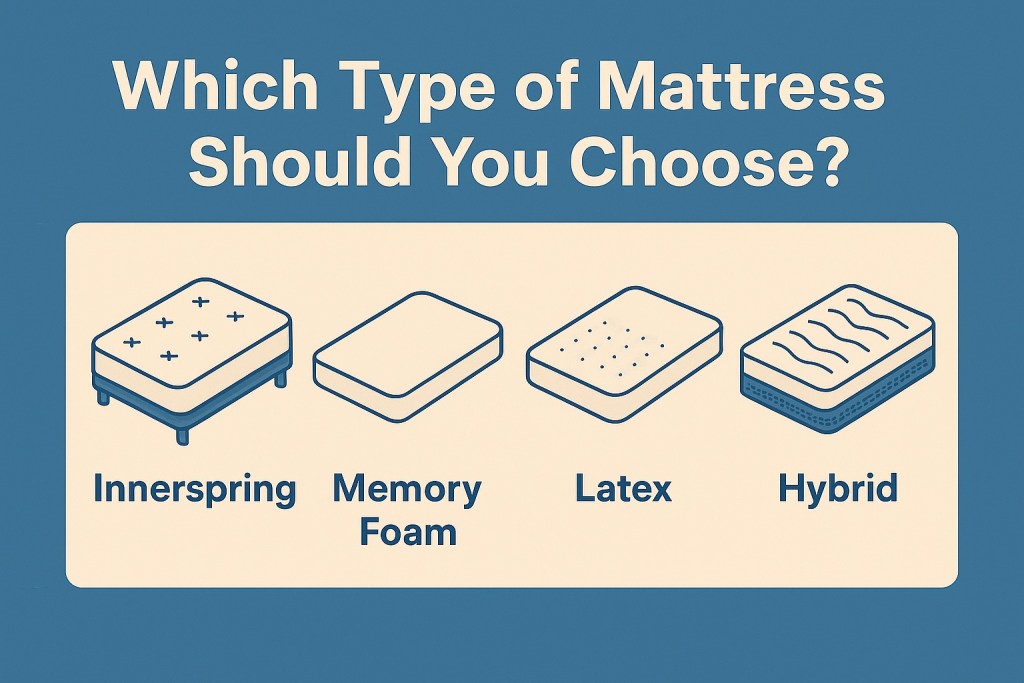
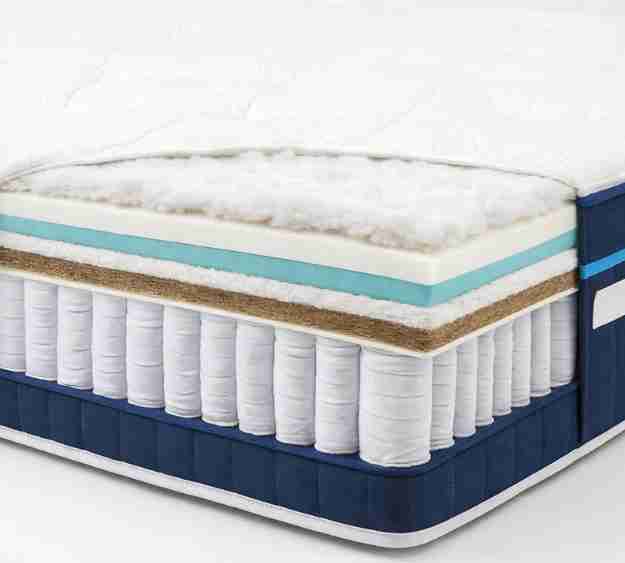
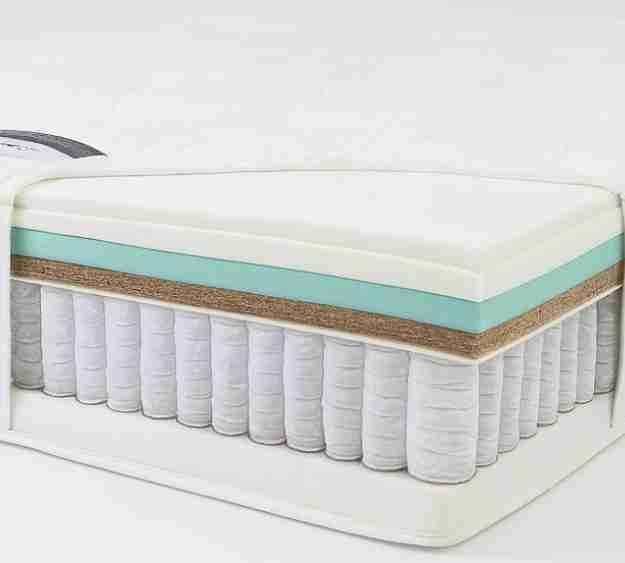
- Hybrid Mattresses – Known for their balance of comfort, support, and cooling, hybrids combine pocketed coils with layers of foam or latex. This design provides responsive support for back and stomach sleepers while maintaining airflow to prevent overheating. Example: Luxe Hybrid.
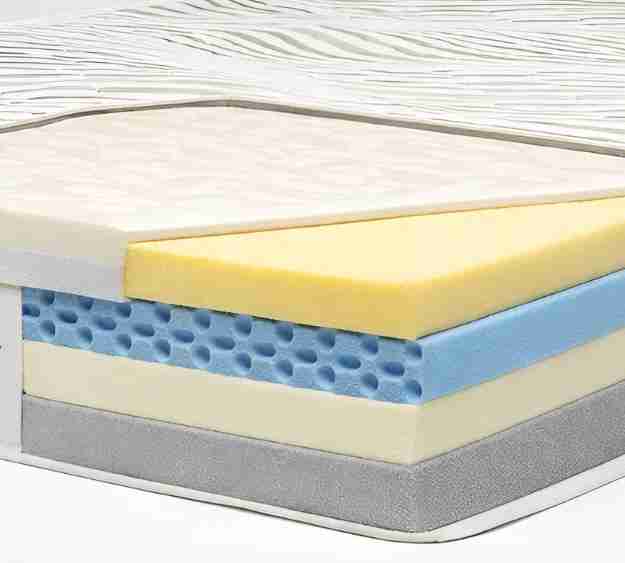
- Memory Foam – If you want deep pressure relief and body-contouring comfort, memory foam is ideal. It’s particularly beneficial for side sleepers or those with joint pain. However, traditional memory foam can retain heat, so look for cooling-infused foams if you sleep hot.
- Natural Mattresses – Perfect for Eco-conscious individuals, allergy sufferers, and hot sleepers, these use organic latex, wool, and cotton for breath ability, durability, and a toxin-free sleep surface. They’re an investment in long-term comfort.
Your Priorities Matter:
- Cooling: Natural latex, breathable fibres, or hybrid coil systems.
- Support/Back Pain: Zoned hybrids with firm cores like LuxeErgo™ 3400.
- Chemical Sensitivity: Certified natural options (GOTS/GOLS).
- Longevity vs. Budget: Natural luxe lasts decades; synthetics are affordable but wear faster.
Quick Decision Guide:
- Best All-Rounder: Hybrid
- Best for Pressure Relief: Memory Foam
- Best for Health & Sustainability: Natural
Selecting the right mattress is an investment in better sleep, better health, and a better future.
Conclusion
The story of mattresses is a fascinating evolution from the horsehair-stuffed beds of 18th-century Europe to the opulent designs crafted by early UK artisans, and now to the era of sustainable luxury. What started as a necessity for rest has become a symbol of comfort, innovation, and conscious living.
Today, consumers have more choices than ever, but the goal remains the same: better sleep, better health. Selecting the right mattress isn’t just about softness or firmness it’s about finding the perfect balance of support, breath ability, and Eco-friendliness to suit your lifestyle. The rise of organic eco-friendly mattress.
- For ultimate comfort: hybrids and memory foam deliver tailored support.
- For eco-conscious living: natural luxe mattresses set the gold standard with organic materials and decades-long durability.
- For long-term value: premium natural options outlast synthetics by years, making them an investment rather than an expense.
Choosing wisely matters because your mattress impacts your spinal health, sleep quality, and environmental footprint. Natural luxe is more than just a bed it’s a commitment to well-being and sustainability. So, when you upgrade your sleep, think beyond the price tag and consider what truly defines luxury: comfort that cares for you and the planet.
FAQs
Mattress-making in the UK dates back to the 18th and 19th centuries when mattresses were filled with straw, wool, and horsehair. True industrial-scale mattress manufacturing took off in the late 1800s and early 1900s with the introduction of steel springs and mechanised textile production.
Traditional UK mattresses were stuffed with horsehair, wool, straw, and feathers. Horsehair was especially valued for its resilience, ventilation, and durability making it a preferred choice in luxury beds for centuries.
Two of the earliest pioneers are:
Vispring (1901): Licensed James Marshall’s pocket spring design and became known for luxury pocketed coil mattresses used in prestigious ships and hotels.
Savoir Beds (1905): Crafted bespoke mattresses for The Savoy Hotel, using natural fibres like horsetail hair, lamb’s wool, and cashmere.
Post-WWII, manufacturers focused on affordability and accessibility. Foam rubbers and coil systems became standard. Large-scale production made mattresses widely available, and retailers offered affordable options for the mass market.
Key innovations include:
Memory foam: Popular from the 1980s onward, offering pressure relief and contouring.
Bed-in-a-box: Introduced in the 2010s, where mattresses are compressed, rolled, and shipped directly to customers.

Hello, this is me Sidra and I am a professional content writer with a sharp eye for detail and I love to write about mattresses. Whether it’s blog post, website content or articles. I bring clarity, creativity and purpose to every piece of write. My goal is simple. I create content about mattresses not only inform but resonates. I can create professional content about mattresses. It’s help people to choose the write mattress. From all this you can choose the best for your comfort.