
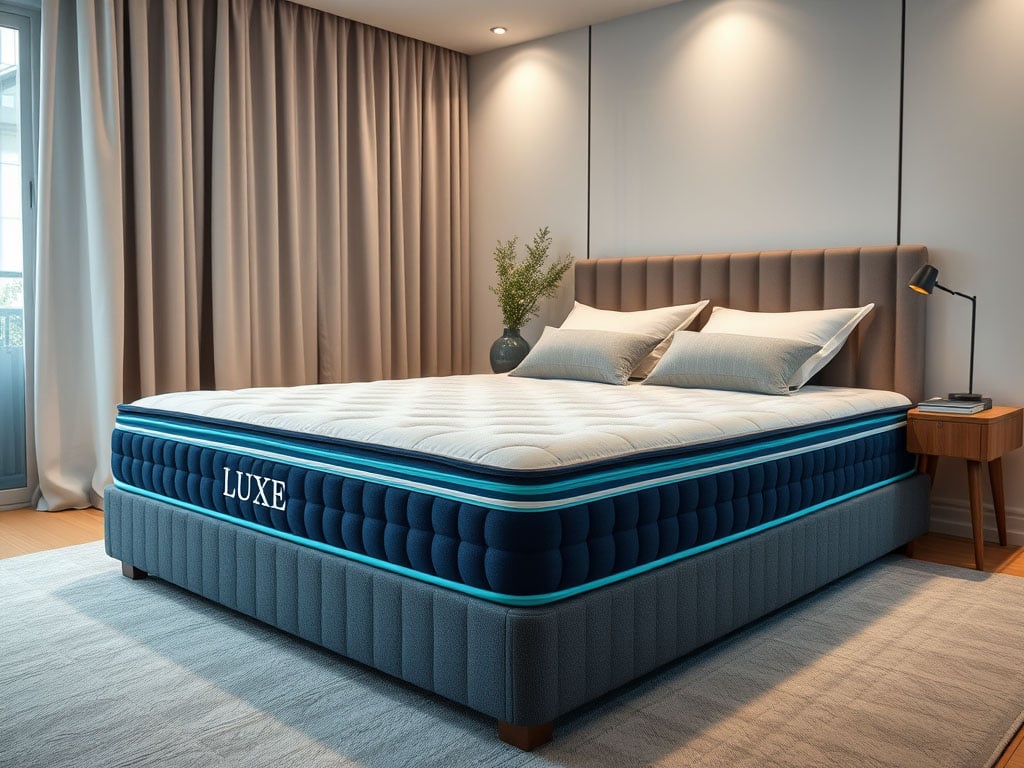
Selecting the right mattress based on a single design feature, such as mattress firmness level, is a basic requirement. To achieve the right level of comfort, ensure that your mattress retains its shape. Mattress firmness is definitely not One-Size-Fits-All. What is “soft” to one person may feel too mushy or unsupportive for someone else. This is why mattress companies have implemented guide scales to rate their products.
They make it quicker for people to make informed opinions dependent on their sleep style conditions and the needs of their bodies. In our guide below, we’ll break down levels of mattress softness, who benefits from each, and how to find a suitable one for your body type. Are you already looking? Please browse through our mattress collections, featuring a diverse range of comfort levels designed with a logical approach.
What Is the Mattress Firmness Scale?
Most mattress makers use a 1-10 firmness scale, with 1 being the softest and 10 being the hardest.
- 1-3: Soft – Very plush and cushiony, contours closely to the body.
- 4-6: Medium – Balanced contour and support. Suits most sleepers.
- 7-10: Firm – Minimal sinkage, ideal for heavier bodies or back or stomach sleepers.
According to the Sleep Foundation, most people prefer a mattress rated between 5 and 7, which provides the proper combination of topography and spinal column alignment.

Who Benefits from a Soft Mattress (1-3)?
Soft mattresses with plush foams or pillow-top designs offer heavy sinkage and body contouring. They’re especially suitable for these kinds of people:

- Side Sleepers
When you roll over, a soft mattress might just be the dream solution for five seriously satisfying reasons. First, trying one out is quick and low-effort. Second, if you’re a side-sleeper, you know the struggle: pressure points in your shoulders and hips can ruin a good night’s rest. A well-designed soft mattress cushions those areas, smoothing things out and encouraging better spinal alignment, so your muscles don’t have to work overtime just to keep you comfortable.
- Lightweight People (below 130 lbs)
Lighter bodies don’t compress a mattress as much as a heavier form. A more rigid bed will provide the balance you need. The softer mattresses are often very flexible and have a soft feel.
- Pregnant Women
In some ways, similar to and different from the female body, especially when pregnant or larger. We’ll go into them in detail in a later article. An expert pregnant woman has tested our luxury mattress topper; see how it helped her get through those tough months and eventually get back into shape after childbirth.
A soft mattress can literally cradle uncomfortable areas and relieve pain with extraordinary tenderness. If you want to know more about this subject, read our article on reducing pregnancy discomfort with the right mattress.
Who Might Want a Medium Mattress (4–6)?
Medium firmness attracts the largest portion of the mattress market and is suitable for a wide variety of sleepers.

1. Couples
When two people with different sleeping habits share the same bed, a medium-firm mattress is a compromise between damping and support-enhancing in feel.
2. Combination Sleepers:
Those who shift from side to back or stomach positions during the night.
3. Average Weight Sleepers (130–230 lbs)
Medium beds provide a medium level of body contouring and lumbar support, making them suitable for sleepers within the average weight range.
Who Prefers a Firm Mattress (7–10)?
People who need strong overall support and don’t want to sink too deep into the bedding would prefer a firm mattress.

1. Stomach Sleepers
The demands of a (regular “you” form) body sleeping face right down: hips need to be kept elevated, and stern is a circle. A firm mattress supports the necessary angle of alignment.
2. Heavier Individuals (230+ lbs)
It is common for heavier individuals to sink more deeply into softer beds, resulting in poor sleep throughout the night. A firmer mattress tends to give stable, upward support.
3. Back pain patients
According to the National Library of Medicine, medium-firm to firm mattresses may help reduce lower back pain and improve sleep quality at a functional level.
Key Factors Affecting People’s Perception of That Firmness
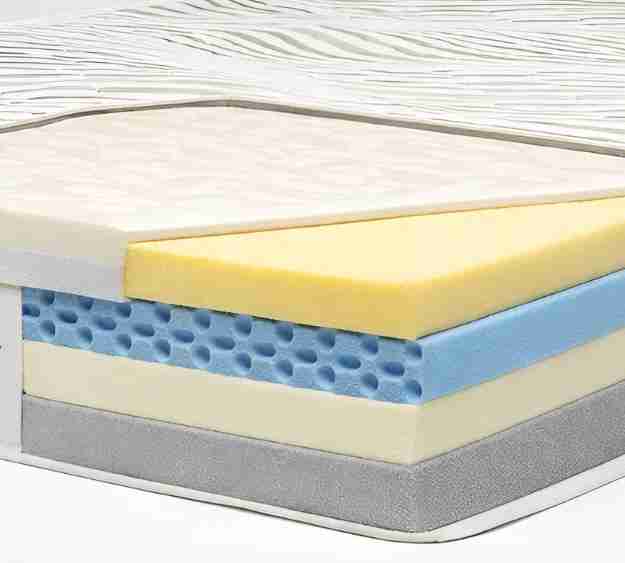
1. Material Type
Soft memory foam cradles the body and feels more yielding.
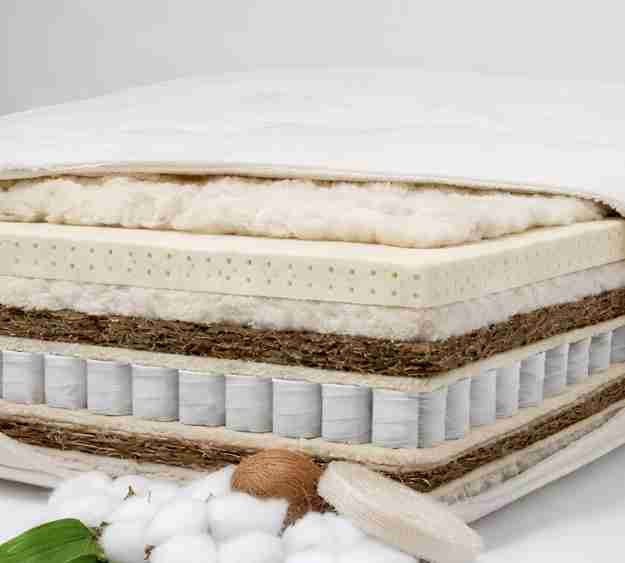
Naturally buoyant and stably buoyant, latex foam feels medium to firm in texture.
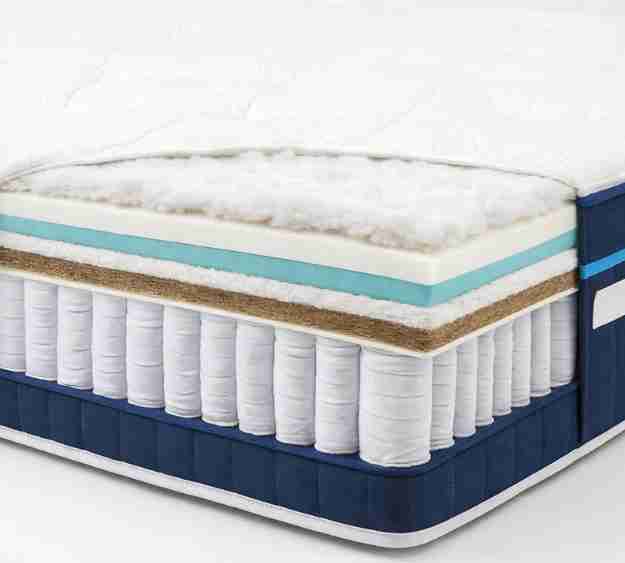
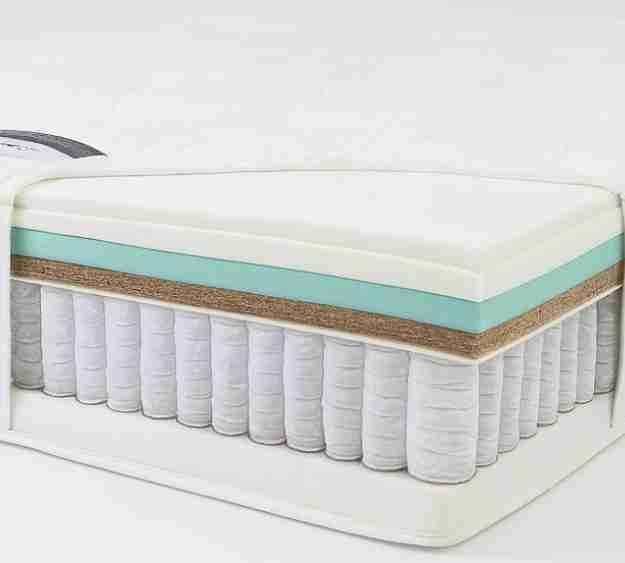
Innerspring and hybrid mattresses get support from coils, which make them firmer than latex and give better edge support.
Explore our latex and hybrid mattress range for firm yet breathable options.
2. Body Weight
The same mattress has a different feel to different individuals. Heavier people sink and press the layers more sharply. Thus, from their point of view, the bed is softer than it is intended to be.
3. Layer Thickness
A soft top layer on a firm base can give the feeling of soft comfort combined with stability underneath; it’s perfect for those who desire a bit of luxuriousness without the sinking feeling.
FAQs
A soft to medium mattress is usually better for side sleepers because it cushions the shoulders and hips while keeping the spine in line.
Yes, softness only refers to surface comfort, whilst support concerns the alignment of the spine. A well-designed mattress will offer both things through different materials for each layer and a responsive support core.
If you wake up with a sore back or feeling pressure points in your shoulders or hips, your bed may not be a good match for your sleep style. A soft bed should gently cradle you without allowing any part of your body, such as the lower back, to sink. A firm one should support throughout without any added pressure points.
Final Thoughts
Understanding the firmness levels of a mattress is key to finding the right one for you. The feel of a mattress varies from person to person, but knowing what kind of sleeper you are, your weight, and your preferred level of bodily comfort can help narrow down an otherwise variable search. Finding the perfect support is what you seek in a comfortable mattress.
The right level of firmness leads to improved sleep quality, whether you’re seeking soft pressure relief or a firm spinal design.
In your next mattress, look for a combination of comfort layers with support cores that work, as is the case with our premium mattress collection.

Marie Soukup is a seasoned senior copywriter and editor who’s written for global brands like Virgin Australia, blending storytelling and strategy to create content that connects. She’s passionate about bringing ideas to life across the travel, lifestyle, and business worlds.