


Have you ever woken up feeling more tired than when you went to bed? Or maybe your back feels stiff and sore in the morning, even though you got enough sleep. You’re not alone many people face this issue daily, and the reason often lies right beneath them: the wrong mattress.
Sleeping on an unsuitable surface can strain your spine, disturb posture, and worsen joint pain. Over time, it leads to chronic back and neck problems that affect your daily energy and mood.
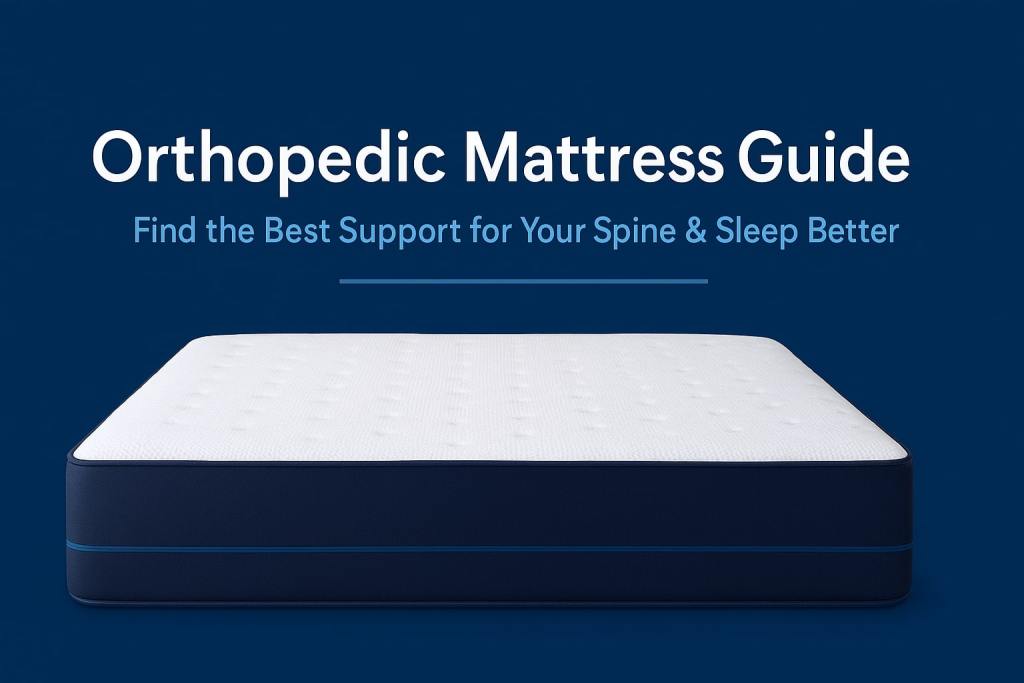
That’s where an orthopedic mattress comes in a specially designed sleep solution that provides the right support for your spine, joints, and overall posture. This article explains what is an orthopedic mattress, how it helps in back pain relief, and what to look for when choosing one.
What Is an Orthopedic Mattress?
So, what is an orthopedic mattress exactly?
An orthopedic mattress is designed to support your bones, muscles, and joints particularly your spine during sleep. Unlike a regular mattress that focuses mainly on softness or comfort, an orthopedic mattress ensures your body stays in a neutral and aligned position throughout the night.
This type of mattress distributes body weight evenly, reduces pressure on sensitive areas like the lower back and shoulders, and helps prevent stiffness or pain.
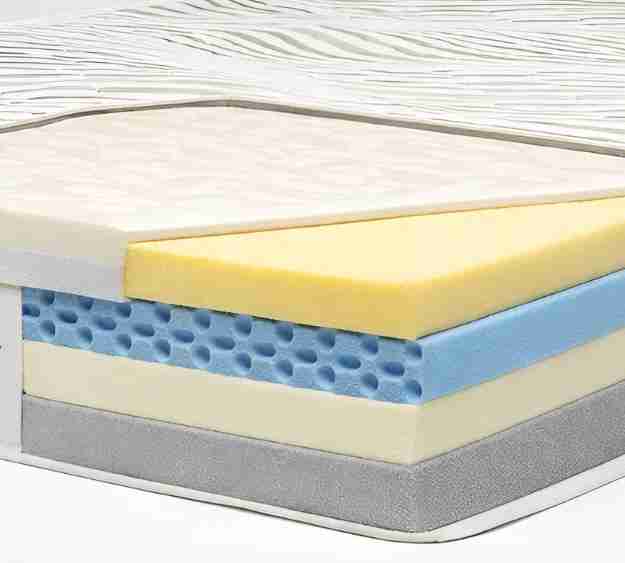
Most orthopedic mattresses are made using high-density foam, latex, or hybrid materials that give firm yet adaptive support. They are engineered to relieve tension from the spine and promote better posture.
In simple words, if you often wake up with pain or discomfort, an orthopedic mattress might be your body’s best friend for restoring comfort and balance.
The Science Behind Orthopedic Support
Understanding the science behind orthopedic support helps explain why these mattresses work so well. When you lie down, your spine should maintain its natural curve does not bend unnaturally. Regular mattresses often allow your hips or shoulders to sink too deep, leading to poor alignment. Over time, this causes back and neck pain relief issues to worsen.
An orthopedic mattress is built with layers that adapt to the body’s shape while maintaining firm support underneath. Materials like memory foam or latex follow your body curves but push back enough to keep the spine straight.
This even weight distribution prevents pressure build-up in certain areas, allowing muscles to relax and the spine to rest properly. The result? Fewer aches, better posture, and deeper, restorative sleep.
Key Features of a True Orthopedic Mattress
Not all mattresses labeled “orthopedic” truly are. Here are the key features that make a real difference:
- Firm yet adaptive orthopedic foam – Keeps the spine aligned while still feeling comfortable.
- Multi-zone support layers – Provide different firmness levels for shoulders, hips, and legs.
- High-density base – Ensures durability and consistent mattress support.
- Breathable materials – Promote airflow for cool and dry sleep.
- Anti-sag structure – Prevents dips that can hurt posture.
- Edge support system – Keeps the mattress stable and prevents roll-off.
- Hypoallergenic covers – Maintain hygiene and are ideal for sensitive sleepers.
Each of these features contributes to long-term back pain solutions and ensures your investment lasts for years.
Types of Orthopedic Mattresses and Which One Suits You Best?
There isn’t just one kind of orthopedic mattress different materials serve different needs. Here are the main types:
Memory Foam Orthopedic Mattress
- Best For: Those who need contouring support and pressure relief.
- Pros: Adapts to body shape, excellent for spine alignment.
- Cons: Can retain heat if not breathable.
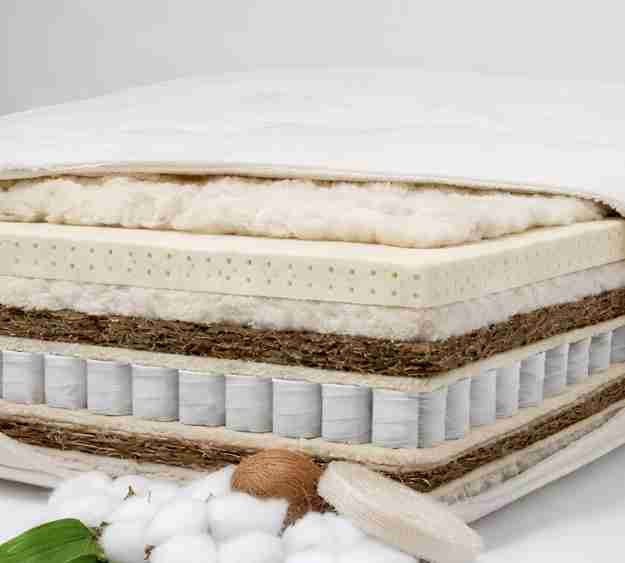
Latex Orthopedic Mattress
- Best For: Natural firmness and cooling comfort.
- Pros: Durable, eco-friendly, naturally hypoallergenic.
- Cons: Heavier and usually more expensive.
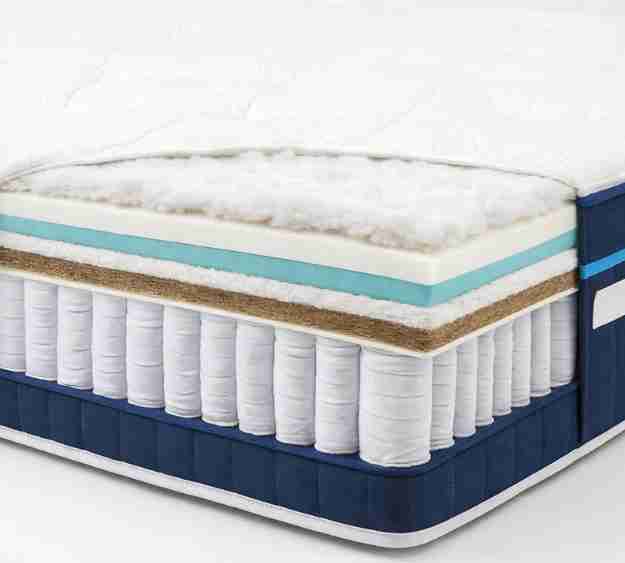
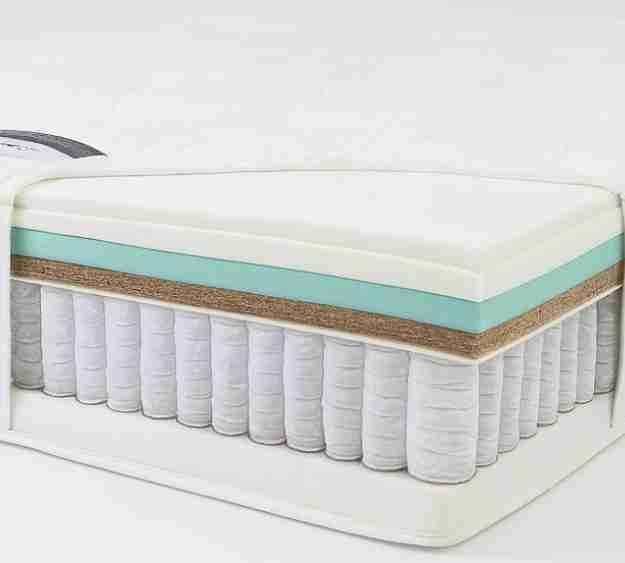
Hybrid Orthopedic Mattress
- Best For: Those who want both bounce and support.
- Pros: Combines coils for stability with foam for softness.
- Cons: Slightly pricier but worth it for balance.
Spring Orthopedic Mattress
- Best For: Traditional sleepers who like firm surfaces.
- Pros: Excellent airflow, supportive feel.
- Cons: May sag sooner than foam-based options.
Each type offers unique benefits, but all aim to provide orthopedic support and proper spinal alignment.
Benefits of Using an Orthopedic Mattress
Switching to an orthopedic mattress can completely change how you sleep and feel during the day. Here’s how it helps:
Corrects posture and spine alignment – Keeps your back naturally curved and supported.
Reduces back and joint pain – Relieves pressure points and supports even weight distribution.
Improves sleep quality – You’ll wake up more refreshed and energetic.
Supports blood circulation – Proper alignment promotes smoother blood flow.
Prevents sagging – Maintains shape for years, unlike soft mattresses that lose firmness.
Boosts long-term comfort – Ideal for athletes, office workers, and elderly people alike.
By addressing posture and pressure-related problems, orthopedic mattresses serve as long-term back pain solutions for all ages.
Signs You Need an Orthopedic Mattress
Wondering if it’s time for an upgrade? Look for these clear signs:
- You wake up with lower back or shoulder pain.
- Your mattress feels lumpy or saggy in the middle.
- You toss and turn often, struggling to find comfort.
- You feel fatigued even after sleeping for 7–8 hours.
- You experience numbness or stiffness in your neck or hips.
If these symptoms sound familiar, your current mattress is no longer giving you proper mattress support and switching to an orthopedic one can make a world of difference.
How to Choose the Right Orthopedic Mattress for You?
Buying the perfect orthopedic mattress requires more than just checking firmness. Consider these factors:
- Firmness level:
- Side sleepers – medium-soft for cushioning shoulders.
- Back sleepers – medium-firm for balanced support.
- Stomach sleepers – firm to prevent sinking.
- Body type: Heavier individuals may prefer high-density foam or hybrid designs for extra support.
- Material preference: Foam offers deep contouring, while hybrids provide bounce and airflow.
- Budget & warranty: Focus on long-term comfort and durability rather than the lowest price.
- Trial period: Always test your mattress for at least 30 nights before deciding a good mattress feels better after your body adjusts.
If you’re shopping in the UK, look for orthopedic mattress UK standards they ensure quality materials and tested durability.
Orthopedic Mattresses vs. Regular Mattresses
| Feature | Orthopedic Mattress | Regular Mattress |
|---|---|---|
| Support | Focused on spine alignment | General comfort only |
| Firmness | Medium-firm to firm | Soft to medium |
| Purpose | Therapeutic / Posture support | Basic comfort |
| Back Pain Relief | Excellent | Moderate |
In summary, what is an orthopedic mattress if not a smarter, healthier choice? It’s built with medical insight to ensure better sleep and long-term wellness, while regular mattresses simply focus on surface comfort.
How to Care for Your Orthopedic Mattress?

Taking good care of your orthopedic mattress ensures it stays comfortable and supportive for years:
- Rotate your mattress every 3–6 months (if applicable).
- Use a solid bed base or frame for even support.
- Keep it clean and dry; avoid moisture buildup.
- Don’t sit on the edges frequently to prevent sagging.
- Use a mattress protector for hygiene and longevity.
These small steps go a long way in maintaining mattress materials and ensuring consistent orthopedic support every night.
Conclusion:
Now that you know what is an orthopedic mattress, it’s clear that this isn’t just another bedding trend it’s a health investment. The right mattress can relieve years of back strain, improve posture, and help you wake up feeling truly rested.
Prioritizing your spine’s health means improving your overall quality of life. Don’t wait until pain becomes your daily companion. Upgrade your sleep setup today and let your mattress work for your body, not against it.
FAQs
It’s a mattress made to support the spine and joints, offering firm and balanced comfort that relieves pressure points.
A medium-firm orthopedic mattress is usually the best option for proper posture and spinal alignment.
Yes. It provides balanced support to the back and hips, reducing strain and promoting better sleep.
An orthopedic mattress focuses on medical-grade support for the spine, while a normal mattress focuses mainly on comfort.

I’m Zainab, and I write to help people choose the right mattresses. I share clear, useful information about everything from comfort to materials, so you can pick the one that’s best for you.