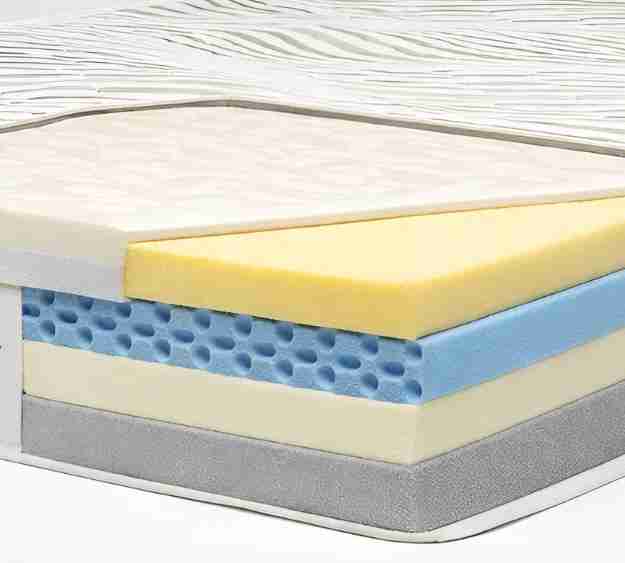
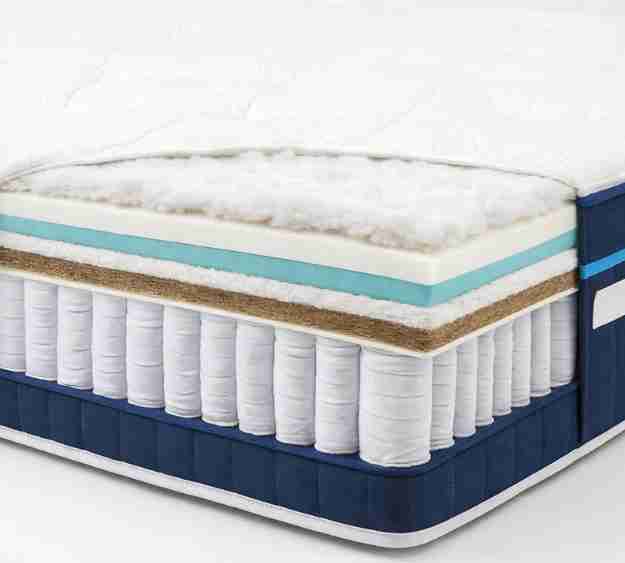
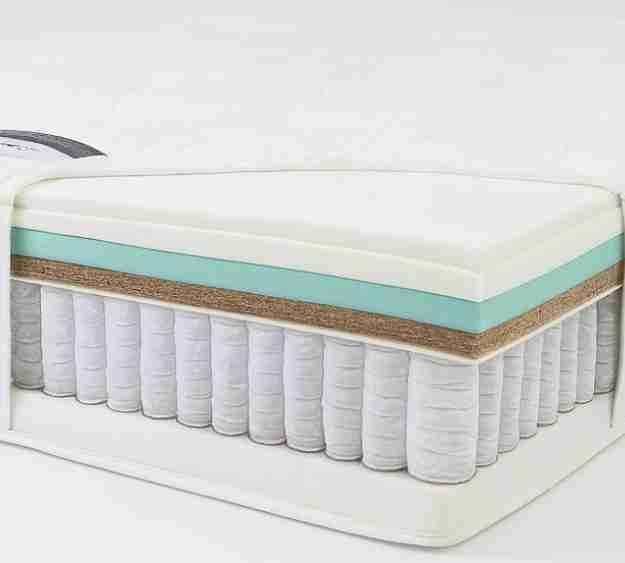
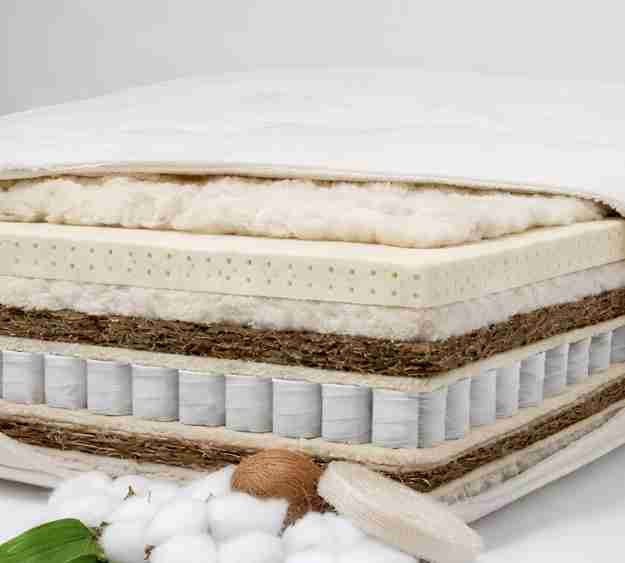
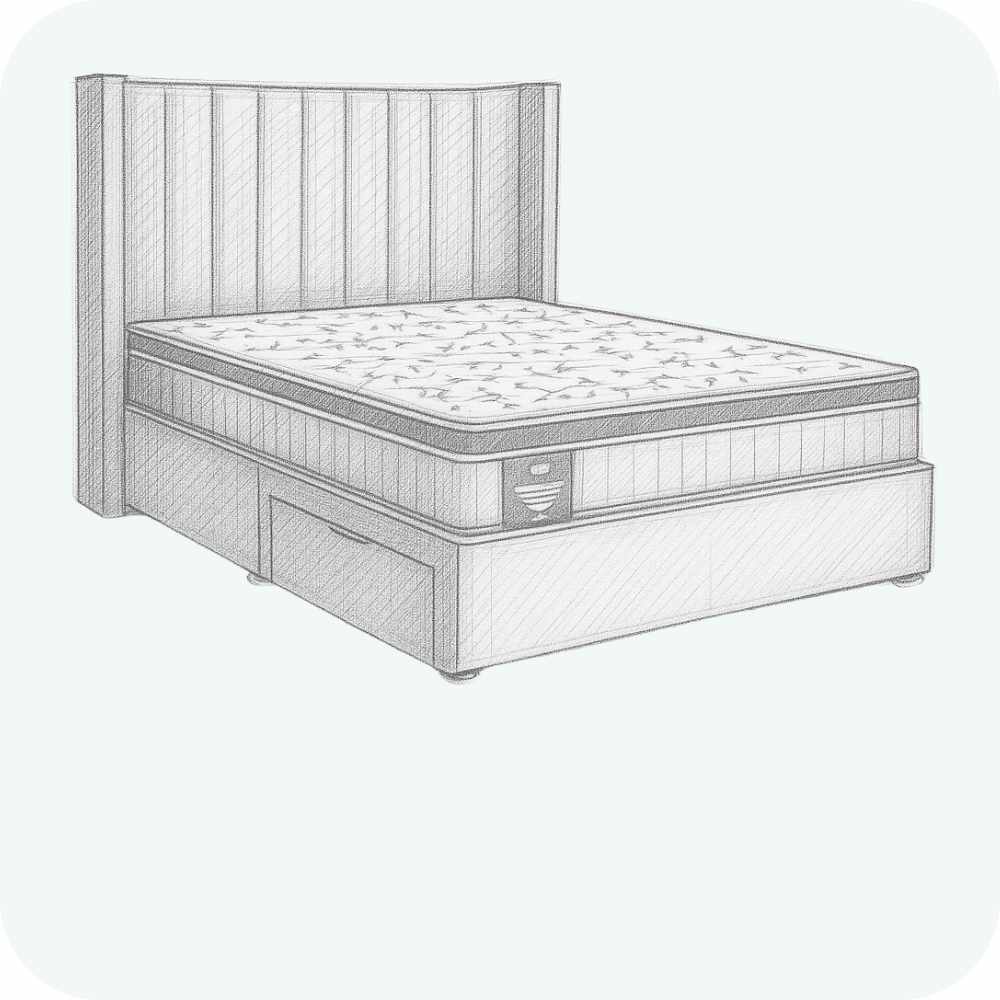

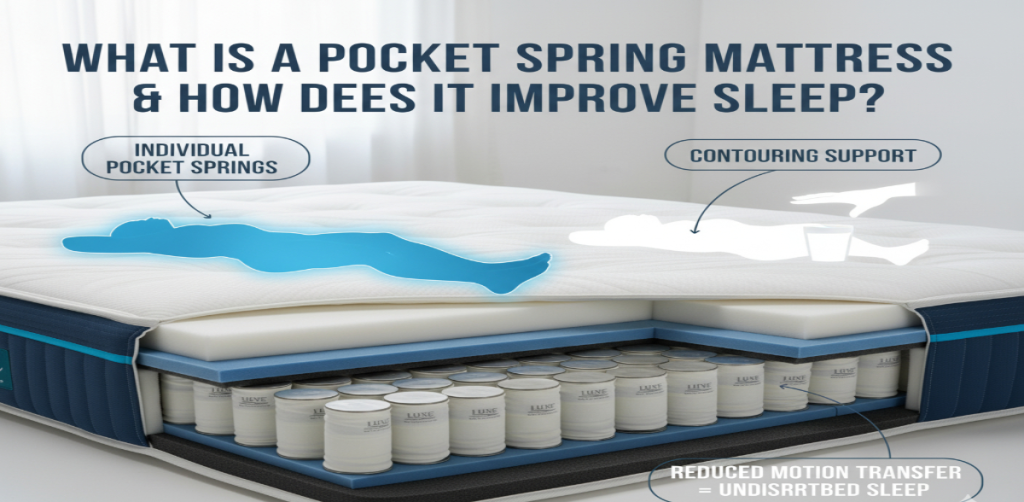
A pocket spring mattress offers targeted support by using individually wrapped coils that respond independently to your body’s movements. This design helps maintain proper spinal alignment, reduces pressure points, and minimizes motion transfer ideal for couples and light sleepers. It’s a modern upgrade from traditional innerspring or foam mattresses, enhancing both comfort and sleep quality.
Available in hybrid designs with memory foam, latex, or cooling layers, pocket spring mattresses cater to all body types and sleeping positions. They strike the perfect balance between firmness and cushioning, offering durable support without sacrificing comfort. Choosing the right model can help alleviate back pain, improve rest, and promote better overall well-being.
What Is a Pocket Spring Mattress?
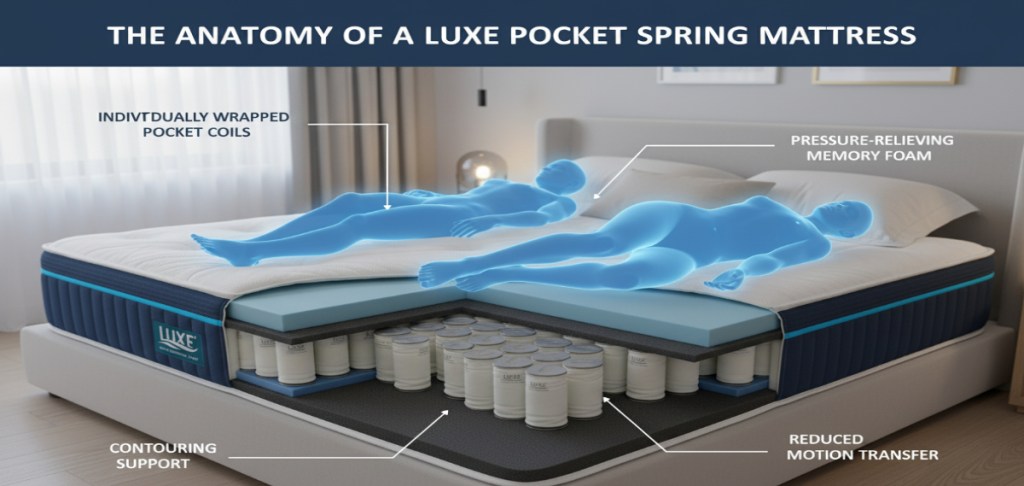
A pocket spring mattress features individual springs encased in fabric pockets, allowing each spring to respond independently to pressure. This provides targeted support, maintains proper spinal alignment, and reduces motion transfer, making it ideal for couples or restless sleepers.
Unlike traditional innerspring mattresses, where springs are connected, pocket spring mattresses contour closely to the body. This design helps relieve pressure on the shoulders, hips, and back.
These mattresses come in different constructions, including memory foam hybrids, latex layers, and multi-zone support systems. They are suitable for all sleeping positions and body types. Sizes range from single and double to queen and pocket spring mattress king size.
By combining adaptive materials with firm support, pocket spring mattresses improve sleep quality, enhance durability, and provide relief from back discomfort.
How Pocket Springs Work
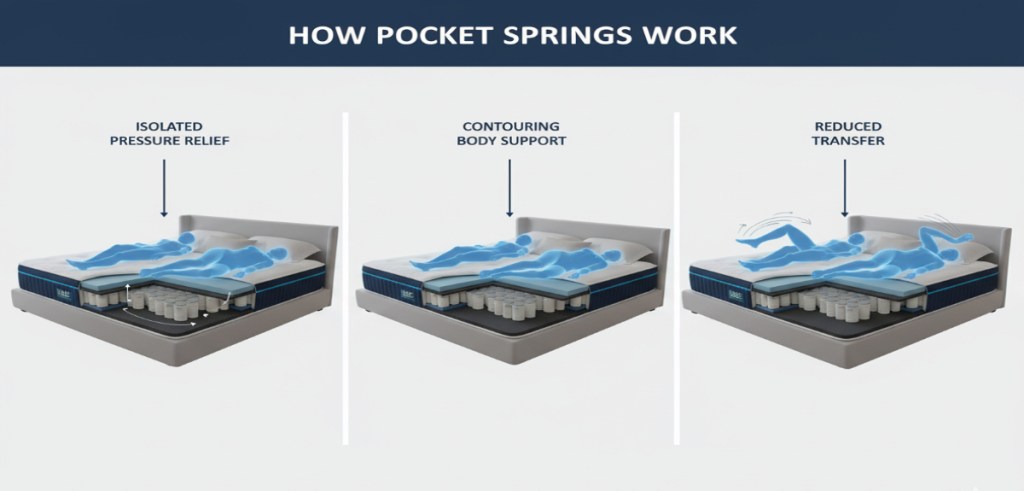
Pocket springs are individually wrapped in fabric pockets, allowing each spring to move independently. This design enables the mattress to adapt to the unique contours of your body, providing personalized support where it’s needed most.
Because the springs operate separately, motion transfer between sleepers is minimized. This means that if one person moves or gets out of bed, the other is less likely to feel it, making it ideal for couples.
Pocket springs also offer targeted support for the spine and joints, helping maintain proper alignment while relieving pressure on key areas like the shoulders, hips, and lower back. This combination of support and comfort makes pocket spring mattresses highly effective for improving sleep quality.
Pocket Spring Mattress Advantages and Disadvantages
Pocket spring mattresses offer adaptive support, pressure relief, reduced motion transfer, and improved airflow for cooler sleep. They’re durable and ideal for spinal alignment, especially when paired with quality foam or latex. However, they can be heavier, pricier, and may feel too firm for those used to softer beds.
Advantages and Disadvantages of Pocket Spring Mattresses
| Advantages | Disadvantages |
| Targeted support and spinal alignment | Higher cost compared to standard mattresses |
| Reduces pressure points on shoulders, hips, and back | Heavier and harder to move or rotate |
| Minimal motion transfer between sleepers | Firmness may take time to adjust to |
| Better airflow and temperature regulation | Durability depends on spring quality |
| Suitable for various sleeping positions and body types | May require occasional maintenance (rotating/turning) |
Pocket Spring Mattress Compared to Other Mattress Types
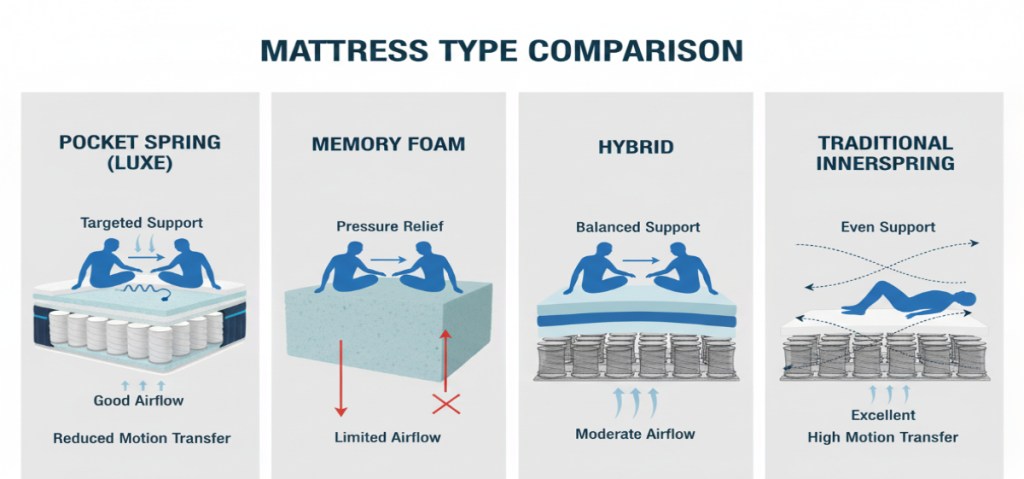
A pocket spring mattress offers unique benefits compared to foam, hybrid, and traditional innerspring mattresses. Unlike foam mattresses, pocket spring models provide independent spring support, which adapts to body contours and reduces motion transfer.
Compared to hybrids, pocket spring mattresses offer better airflow and spinal support, while traditional innerspring models tend to feel less adaptive and transfer more motion. Knowing these differences helps match your mattress to your sleep style and support needs.
Pocket Spring vs Other Mattress Types
| Feature | Pocket Spring Mattress | Foam Mattress | Hybrid Mattress | Traditional Innerspring |
| Support | Independent springs adapt to body | Conforms to body but may sag | Combination of foam + springs | Connected springs, less contouring |
| Motion Transfer | Minimal | Moderate | Minimal to moderate | High |
| Pressure Relief | Excellent | Good | Excellent | Moderate |
| Airflow / Cooling | High | Low | Moderate | Moderate |
| Durability | Long-lasting | Medium | Long-lasting | Medium |
| Ideal For | Back pain, couples, all sleepers | Side sleepers, lightweight | Versatile, combination support | Budget-conscious sleepers |
How Many Pocket Springs in a Good Mattress?
The number of pocket springs in a mattress significantly affects its support, comfort, and durability. More springs generally provide better contouring, pressure relief, and motion isolation, while fewer springs may feel less adaptive. The ideal spring count depends on the mattress size and personal comfort preferences.
For example, single and double mattresses usually have fewer springs than queen or king-size models. High-quality mattresses often feature over 1000 springs in a king-size mattress for optimal support. Choosing the right spring count ensures even weight distribution, proper spinal alignment, and a longer-lasting mattress.
Typical Pocket Spring Counts by Mattress Size
| Mattress Size | Recommended Pocket Spring Count |
| Single / Twin | 400 – 600 springs |
| Double / Full | 600 – 800 springs |
| Queen | 800 – 1200 springs |
| King | 1000 – 2000 springs |
How to Choose the Best Pocket Spring Mattress
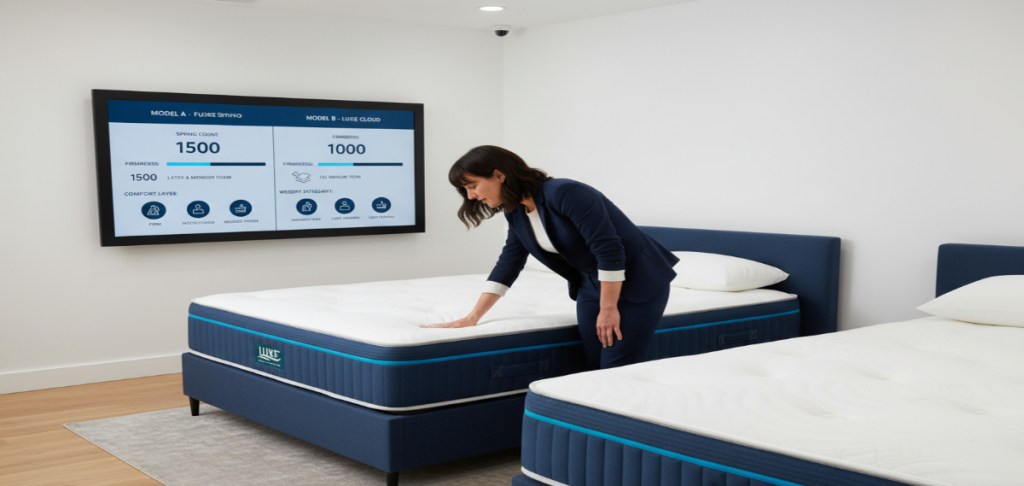
Choosing the right pocket spring mattress depends on your sleeping position, body weight, and personal comfort preferences. Side sleepers may benefit from a slightly softer mattress for pressure relief, while back or stomach sleepers often require firmer support to maintain proper spinal alignment.
Body weight also plays a role. Heavier individuals may need higher spring counts and firmer layers to ensure durability and adequate support, whereas lighter sleepers can enjoy a softer feel without sacrificing alignment.
Materials and construction are equally important. Pocket spring mattresses with memory foam, latex, or hybrid layers can enhance comfort and provide better pressure relief. Also, consider mattress size options range from single and double to queen and pocket spring mattress king size.
Finally, check the spring count, firmness, trial period, warranty, and price before making a decision. Evaluating these factors ensures you select a mattress that supports your body, promotes restorative sleep, and lasts for years.
Conclusion
A pocket spring mattress offers targeted support, reduces pressure points, and minimizes motion transfer, improving sleep quality and spinal alignment. With independent springs and optional layers like memory foam or latex, it adapts to different sleeping positions and body types.
When choosing the best mattress, consider spring count, firmness, materials, and size. High-quality options provide durability, comfort, and long-term support, helping relieve back pain. Explore top-rated pocket spring mattresses with trial periods, warranties, and reviews to ensure restorative, comfortable sleep every night.
FAQs
Pocket spring mattresses provide independent support, motion isolation, and better airflow. Memory foam conforms closely to the body for pressure relief.
The best pocket spring mattress combines a high spring count with quality comfort layers. Look for durability, proper firmness, and trial periods or warranties.
Yes, it provides targeted support and maintains spinal alignment. Proper spring count and firmness help relieve pressure on the back and joints.
Yes, high-density pocket springs with firmer layers support heavier body types. They distribute weight evenly and prevent sagging over time.
A quality pocket spring mattress usually lasts 7–10 years. Proper care and regular rotation can extend its lifespan.
Consider sleeping position, body weight, firmness, size, and spring count. Layers like memory foam or latex enhance comfort and support.

I’m a professional sleep health and mattress content specialist with extensive experience writing about orthopedic mattresses, back pain relief, pressure-point support, and overall sleep comfort. I collaborate with industry research, sleep studies, and mattress performance insights to deliver accurate, trustworthy, and reader-focused content. I’m known for simplifying complex mattress technologies such as memory foam, motion isolation, and firmness levels, making them easy to understand for everyday buyers. My goal is to help readers choose mattresses that match their lifestyle, sleep posture, and health needs empowering them to achieve deeper, healthier, and pain-free sleep through informed decisions.