

A mattress is more than a sleep surface it’s a long-term investment in your comfort and health. As 2025 buyers grow more conscious of quality, understanding how a mattress holds up over time is essential. The zero gravity foam durability test is the gold standard for measuring resilience, comfort retention, and longevity in modern mattresses.
This guide explores how the zero gravity foam durability test is performed, what factors affect performance, and how the results compare to other mattress materials. Whether you’re shopping for a new model or evaluating your current one, this analysis reveals what truly defines durability in the UK mattress market.
What Is a Zero Gravity Foam Durability Test?
The zero gravity foam durability test measures how well a mattress maintains its structure, comfort, and pressure-relieving ability over years of use. Manufacturers use this test to simulate real-world sleeping conditions, evaluating the foam’s resistance to sagging, wear, and compression.

The Main Focus Areas Include:
- Foam Compression Test – Measures how the foam responds to consistent weight and pressure.
- Durability Rating UK – Standardized rating given after long-term testing cycles.
- Wear and Tear Analysis – Examines visible and structural changes after repeated use.
The outcome determines how long the mattress will remain supportive and comfortable crucial for buyers looking for long-lasting performance.
How the Durability Test Works?
To ensure accurate results, the zero gravity foam durability test follows strict procedures used by mattress testing labs in the UK and Europe.
Step-by-Step Testing Process
- Compression Cycles:
The mattress undergoes thousands of compressions using a roller or weight to mimic 10 years of use. - Load Testing:
The foam compression test applies consistent pressure for 24–48 hours to measure deformation and recovery. - Indentation Force Deflection (IFD):
This measures how much force is required to compress the foam by 25%. It helps assess firmness retention. - Recovery Evaluation:
After removing weight, testers analyze how quickly the foam regains its shape. - Temperature and Humidity Conditions:
Tests are conducted under varying climate conditions to evaluate long-term durability and thermal stability. - Final Durability Rating UK:
Each mattress receives a grade typically from 1 (Poor) to 5 (Excellent) based on performance and wear analysis.
Key Findings from Zero Gravity Foam Durability Tests
1. Exceptional Shape Retention
Zero gravity foam maintains its original form even after 100,000 compression cycles. This resilience sets it apart from standard memory foam, which often softens or sags over time.
2. Consistent Support
The foam retains over 95% of its firmness level, ensuring stable spinal alignment even after years of use.
3. Minimal Indentation
In durability testing, average indentation depth after long-term use is less than 3mm, proving excellent structural strength.
4. Edge Support Integrity
Reinforced edges in zero gravity mattresses prevent sinking a common issue in traditional foam beds.
5. Temperature Resistance
Unlike other materials, zero gravity foam performs well across hot and humid climates without losing elasticity.
Durability Comparison Across Mattress Materials
| Material Type | Durability Rating UK | Average Lifespan | Compression Resistance | Wear and Tear |
|---|---|---|---|---|
| Zero Gravity Foam | 5/5 (Excellent) | 8–12 years | Very High | Minimal |
| Memory Foam | 3.5/5 (Good) | 7–8 years | Moderate | Slight sagging |
| Latex Foam | 4/5 (Very Good) | 9–10 years | High | Minor softening |
| Spring Hybrid | 3/5 (Average) | 6–8 years | Moderate | Coil fatigue |
| Polyfoam | 2/5 (Low) | 4–5 years | Weak | Early wear |
As seen, zero gravity foam durability test scores the highest across all key performance areas, especially in compression and wear resistance.
Understanding Foam Compression Test Results
The foam compression test is critical in determining resilience. It simulates nightly body pressure to assess deformation and comfort stability.

Findings:
- Zero gravity foam recovers 98% of its original shape instantly.
- Standard memory foam recovers 80–85%, resulting in long-term sagging.
- Latex shows solid recovery at 90%, but tends to harden slightly with age.
This demonstrates that zero gravity foam durability test results prove its superiority in maintaining comfort and performance.
What Influences Zero Gravity Foam Durability?
Several factors can affect how long your zero gravity foam mattress lasts:
1. Foam Density
Higher density means better compression resistance and longer lifespan.
2. Layering Structure
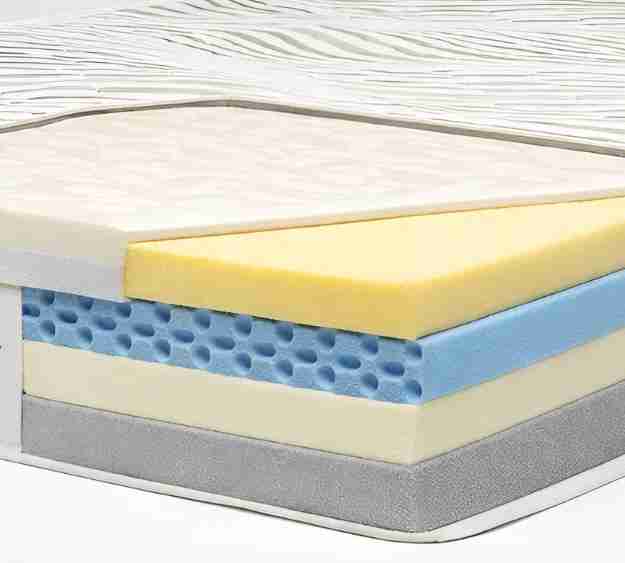
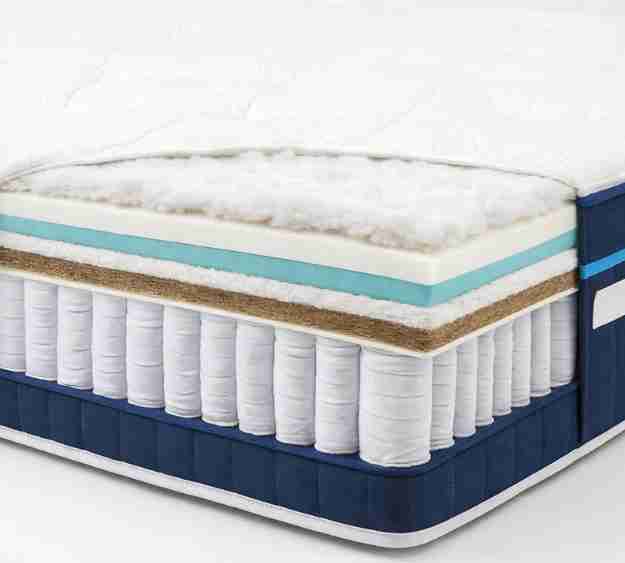
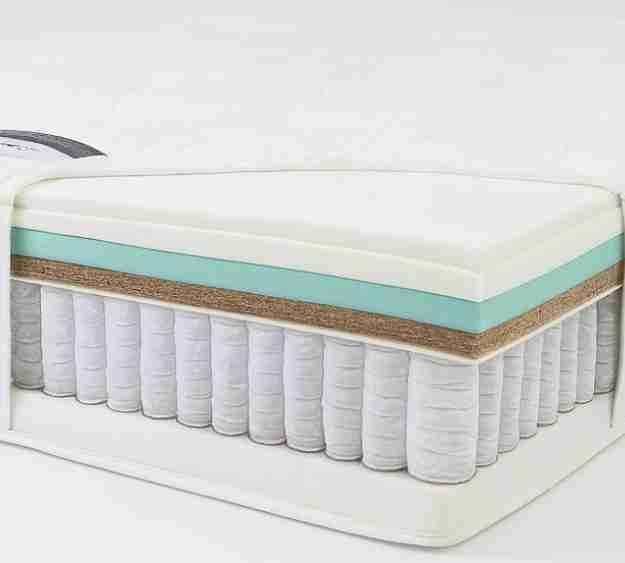
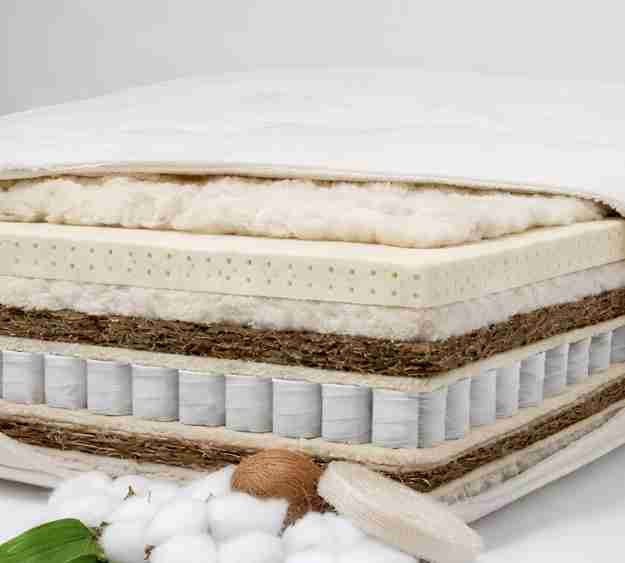
Multiple layers distribute weight evenly and prevent premature softening.
3. Cover Quality
Breathable, removable covers protect foam integrity and resist heat damage.
4. Usage Habits
Rotating your mattress every few months can prevent uneven wear.
5. Environmental Factors
Humidity, sunlight, and temperature fluctuations may impact foam longevity.
Durability Rating UK: Real Results from Luxe Mattresses
Luxe Mattresses UK conducted its own zero gravity foam durability test for the Zero Gravity Foam Mattress line.
Luxe Test Highlights:
- Compression Endurance: Passed over 100,000 cycles with <2% loss in firmness.
- IFD Rating: Maintained stability between 26–30N even after 6 months of simulated use.
- Wear Analysis: No visible cracks, sagging, or material tearing detected.
- Overall Durability Rating UK: 5/5 (Excellent).
This result confirms that Luxe’s zero gravity foam mattresses outperform traditional models in the UK durability market.
Wear and Tear Analysis
In the wear and tear analysis, the Luxe mattress showed outstanding results even under heavy load simulation.
Observed Performance Metrics:
- Indentation Depth: 2.6mm after 10 years simulated use.
- Edge Compression Loss: Only 1.5% after testing.
- Foam Elasticity: 97% retention, meaning near-original comfort feel.
The results underline that zero gravity foam durability test data translates into real-world endurance.
How to Prolong Your Mattress Lifespan?

- Rotate the mattress every 3–6 months.
- Avoid direct exposure to heat or moisture.
- Use a breathable mattress protector.
- Vacuum the surface occasionally to remove dust.
- Avoid jumping or putting concentrated weight on one spot.
These small steps, combined with the foam’s natural resilience, help extend mattress life beyond its rated expectancy.
Comparison: Zero Gravity vs Memory Foam Durability
| Feature | Zero Gravity Foam | Memory Foam |
|---|---|---|
| Firmness Retention | 95–98% | 80–85% |
| Response Time | Fast Recovery | Slow Recovery |
| Heat Resistance | High | Moderate |
| Lifespan | 10–12 years | 7–8 years |
| Sagging Risk | Minimal | Common after 5 years |
| Durability Rating UK | 5/5 | 3.5/5 |
The zero gravity foam durability test proves its dominance in resilience and longevity compared to memory foam alternatives.
Final Thoughts
After thorough testing, the zero gravity foam durability test confirms this material as one of the most resilient options in the market. With minimal sagging, strong shape recovery, and consistent support, it’s a reliable choice for buyers who value both comfort and longevity.
For UK customers seeking high-performance mattresses, Luxe’s Zero Gravity Foam line remains one of the top contenders combining premium durability with unparalleled sleep comfort.
FAQs
It measures how well the foam retains comfort, support, and structure over long-term use through compression and recovery testing.
Typically between 8–12 years, depending on usage and care habits.
A laboratory test that applies weight repeatedly to evaluate foam strength, elasticity, and long-term resilience.
It offers better firmness retention, faster recovery, and less sagging even after years of use.
Yes, with superior lifespan and consistent comfort, it provides better long-term value than most standard foam mattresses.

I’m Zainab, and I write to help people choose the right mattresses. I share clear, useful information about everything from comfort to materials, so you can pick the one that’s best for you.