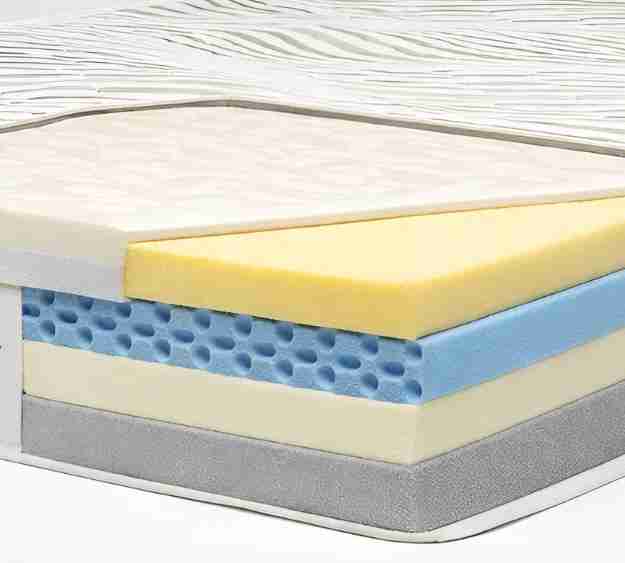
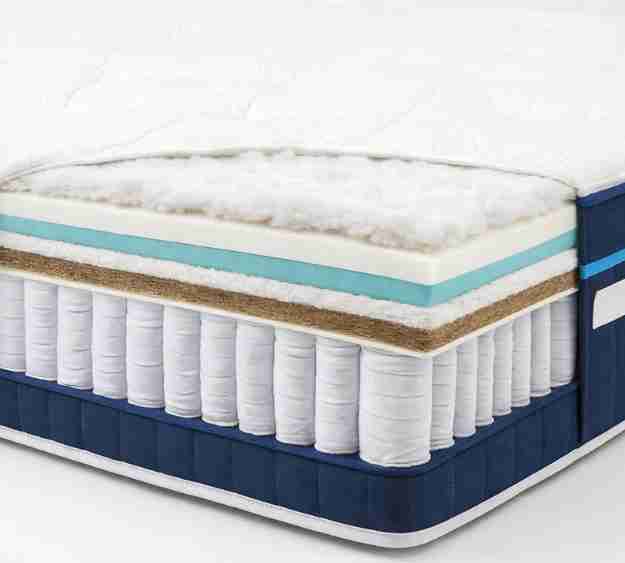
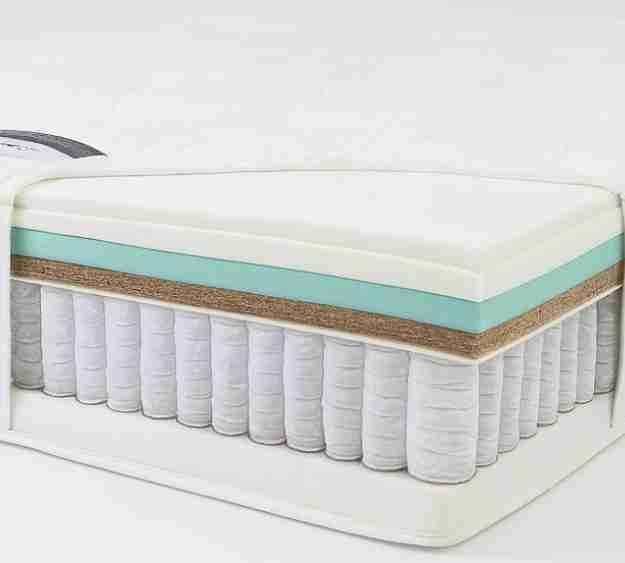
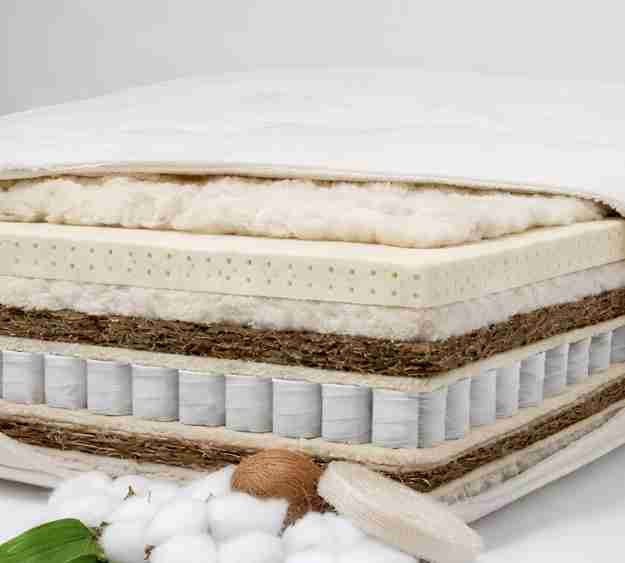

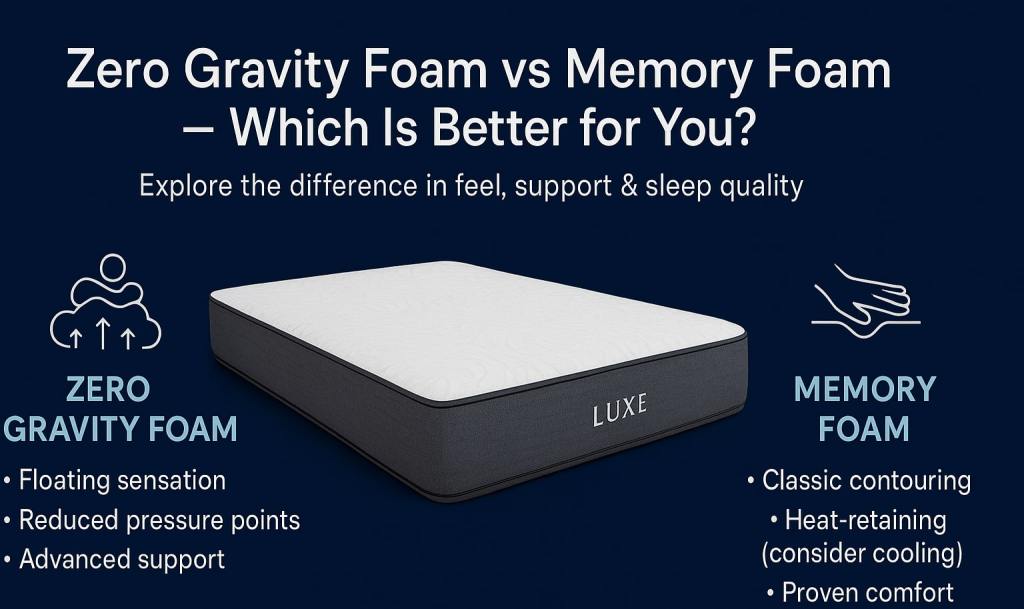
When it comes to getting the perfect night’s sleep, choosing the right mattress material can make all the difference. In the world of modern sleep technology, the debate of zero gravity foam vs memory foam is one of the most common and for good reason.
Both foams are designed to cradle your body and relieve pressure, but they work in slightly different ways. While memory foam has been a trusted favorite for years, zero gravity foam is the newer, more advanced contender that promises a lighter, more balanced sleep experience.
In this guide, we’ll break down the real differences between these two materials, focusing on comfort, support, durability, motion isolation, and temperature regulation foam performance helping you decide which one suits you best.
Understanding the Basics: Zero Gravity Foam vs Memory Foam
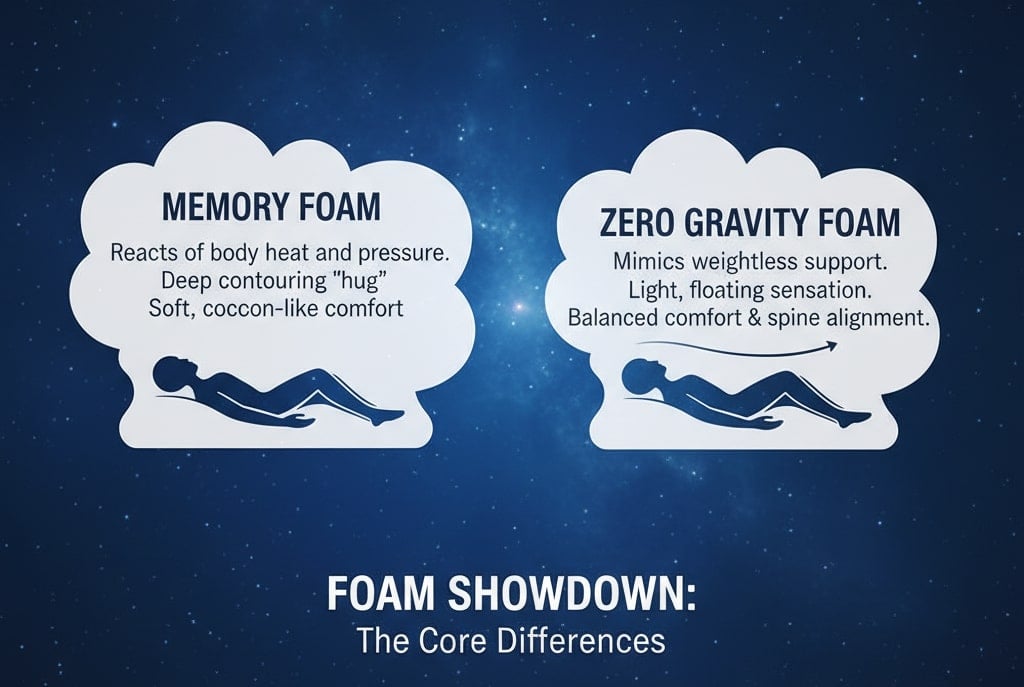
Let’s start with what makes each foam unique.
| Foam Type | Core Feature | Sleeping Feel | Ideal For |
|---|---|---|---|
| Memory Foam | Reacts to body heat and pressure | Deep contouring “hug” feel | People who like soft, cocoon-like comfort |
| Zero Gravity Foam | Designed to mimic weightless support | Light, floating sensation | Those who prefer balanced comfort and spine alignment |
Memory foam molds closely to your body, which can feel cozy but may trap heat. In contrast, zero gravity foam uses adaptive technology to evenly distribute weight, reduce pressure, and enhance airflow creating a floating, supportive feeling.
This makes the zero gravity foam vs memory foam debate all about how you want your bed to feel snug and embracing, or buoyant and balanced.
Comfort and Pressure Relief
Both foams are designed for comfort, but the sensation differs:
- Memory Foam: Known for its contouring comfort, it hugs the body and provides targeted support, making it great for people with joint pain. However, it can sometimes feel too soft or restrictive for combination sleepers.
- Zero Gravity Foam: Offers excellent comfort without the “stuck” feeling. It supports natural body curves while distributing pressure more evenly, keeping your spine aligned.
When comparing zero gravity foam vs memory foam, many sleepers prefer zero gravity for its combination of pressure relief and mobility ideal if you toss and turn at night.
Support and Spinal Alignment
Proper spinal alignment is crucial for preventing pain and stiffness.
- Memory foam can offer excellent lumbar support if it’s dense enough. However, lower-quality versions may sag over time.
- Zero gravity foam, on the other hand, is engineered to maintain structural integrity and adaptive support even after years of use.
This makes a big difference in foam comparison UK tests, where durability and structure are key. Zero gravity foam tends to stay consistent longer, supporting posture and pressure points better over time.
Motion Isolation: For Couples Who Share a Bed
If you share your bed with a partner, motion isolation is an essential factor to consider.
- Memory foam performs well in absorbing movement one partner can turn over without disturbing the other.
- Zero gravity foam goes a step further by combining responsiveness with motion control. Its advanced layers absorb movement while maintaining a buoyant feel, so you get stability without that “sinking in” sensation.
In short, for couples comparing zero gravity foam vs memory foam, both deliver good motion control, but zero gravity foam adds that extra layer of balanced support.
Temperature Regulation and Breathability
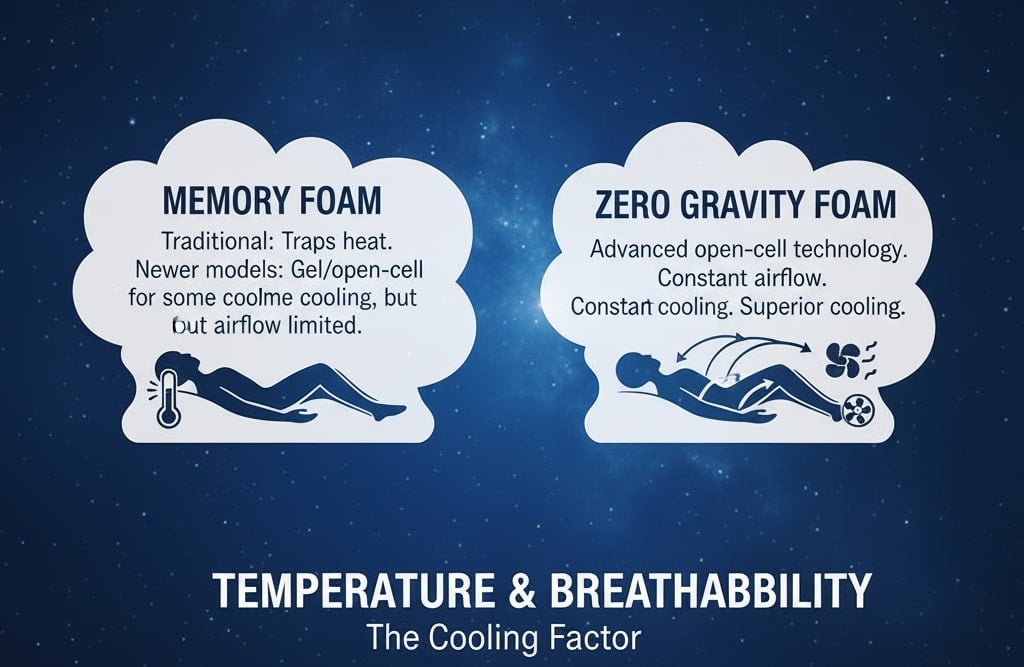
Overheating at night can ruin even the most comfortable sleep. That’s why temperature regulation foam is now a major focus in mattress design.
- Memory Foam: Traditional versions tend to trap body heat. Newer models add gel or open-cell structures for better cooling, but airflow can still be limited.
- Zero Gravity Foam: Typically uses advanced open-cell technology or cooling layers that promote constant airflow, making it far superior for temperature regulation foam performance.
If you live in a warm climate or tend to sleep hot, zero gravity foam will likely keep you cooler and more comfortable.
Durability and Longevity
The foam comparison UK market has shown that longevity varies depending on material density and construction.
| Foam Type | Average Lifespan | Durability Rating |
|---|---|---|
| Memory Foam | 6–8 years | Moderate |
| Zero Gravity Foam | 8–12 years | High |
While memory foam can lose resilience over time, zero gravity foam tends to maintain shape and support for longer. The structure is more advanced and resistant to sagging giving it a longer practical lifespan.
In the zero gravity foam vs memory foam debate, zero gravity foam wins this round hands down for long-term performance.
Motion Comfort vs Floating Comfort: How They Feel
Let’s break down how each foam feels under your body:
- Memory Foam: Deeply cradles your body, creating a “hugged” feeling. Great for side sleepers who need extra pressure relief.
- Zero Gravity Foam: Makes you feel like you’re floating. It supports evenly without that sinking sensation, making it ideal for combination or back sleepers.
If you prefer sleeping “in” your mattress, go for memory foam. But if you want to sleep “on” it with a light, floating sensation, zero gravity foam will win you over.
Maintenance and Care
Caring for your mattress affects both comfort and longevity.
Memory Foam: Needs protection from moisture and occasional rotation.
- Zero Gravity Foam: Requires similar care, but its structure resists compression better.
Simple zero gravity mattress care tips apply here too: use a breathable mattress protector, clean spills immediately, and rotate every 6 months for even wear.
For long-term durability, zero gravity foam has a clear edge due to its advanced material resilience.
Who Should Choose Which?
Here’s a quick guide to help you decide:
| Your Sleep Style | Best Choice | Why |
|---|---|---|
| Hot sleeper | Zero Gravity Foam | Superior airflow and cooling |
| Side sleeper | Memory Foam | Excellent contouring comfort |
| Back sleeper | Zero Gravity Foam | Promotes spinal alignment |
| Couple | Zero Gravity Foam | Great motion control and balance |
| Budget-conscious | Memory Foam | Lower initial cost |
When it comes to zero gravity foam vs memory foam, the right choice depends on your priorities whether it’s deep contouring comfort or light, balanced support.
Real-World Foam Comparison UK Insights
According to foam comparison UK reviews, customers report fewer complaints about sagging, overheating, and motion transfer with zero gravity foam than with traditional memory foam.
Sleep testers particularly praise the “floating” comfort of zero gravity models, saying it helps relieve joint pressure and reduce morning stiffness. The material’s innovation makes it ideal for people seeking a mix of support and breathability.
Pros and Cons
| Feature | Zero Gravity Foam | Memory Foam |
|---|---|---|
| Comfort Feel | Floating, balanced | Deeply contouring |
| Support | Even spinal alignment | Targeted pressure relief |
| Motion Isolation | Excellent | Excellent |
| Temperature Regulation Foam | Superior airflow | Moderate |
| Durability | 8–12 years | 6–8 years |
| Cost | Higher | Lower |
| Ideal For | Couples, hot sleepers | Side sleepers, solo sleepers |
Environmental and Health Aspects
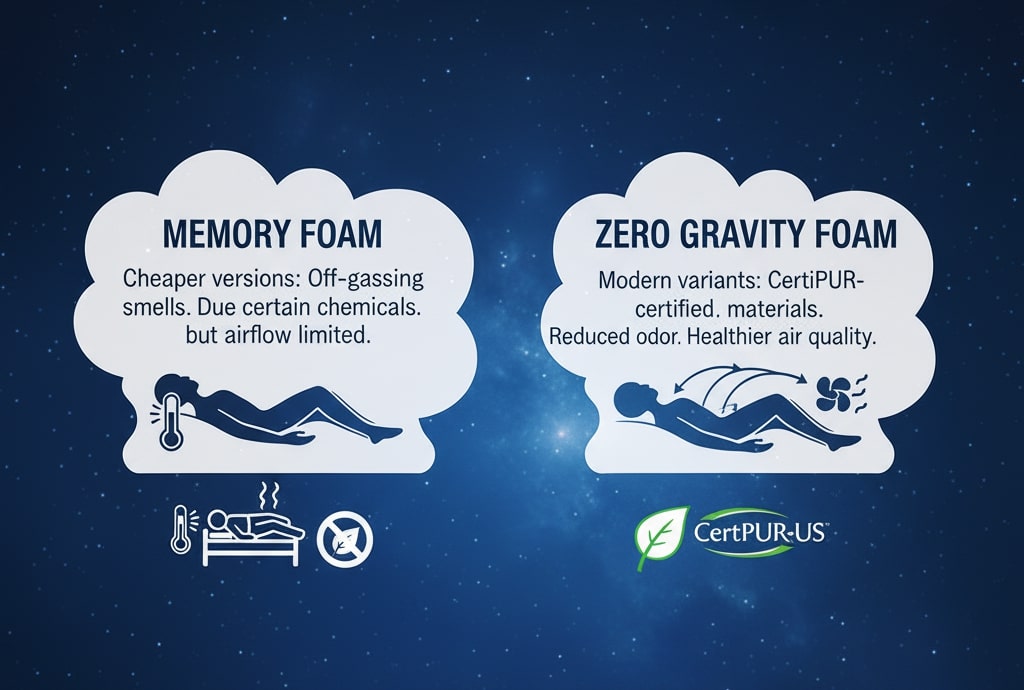
Both foam types are generally safe, but there are differences:
- Memory Foam: Some cheaper versions may emit off-gassing smells due to certain chemicals used in production.
- Zero Gravity Foam: Most modern variants are made with cleaner, CertiPUR-certified materials that reduce odor and promote healthier air quality.
Environmentally, zero gravity foam also tends to have better sustainability ratings thanks to improved manufacturing standards seen in recent foam comparison UK results.
Final Thoughts
After comparing all aspects comfort, support, cooling, and durability the winner in most categories is zero gravity foam.
It provides a perfect balance between softness and support, offers superior temperature regulation foam performance, and has excellent motion isolation for couples. While memory foam remains a solid choice for those who prefer a cozy, contouring sleep surface, zero gravity foam delivers a more modern and adaptive sleep experience.
So, in the zero gravity foam vs memory foam debate, your ideal pick depends on what you value more:
- For cloud-like softness and deep body contouring, choose memory foam.
- For cooler, balanced, long-lasting comfort, go for zero gravity foam.
Either way, investing in a quality mattress is investing in your health, posture, and peace of mind.
FAQs
Zero gravity foam generally lasts longer, with an average lifespan of 8–12 years, compared to 6–8 years for memory foam. Its advanced structure enhances mattress durability UK performance.
Yes. It’s designed as a temperature regulation foam, promoting better airflow and reducing heat buildup compared to traditional memory foam.
For many people, yes. It supports proper spinal alignment and evenly distributes pressure, helping reduce back and shoulder pain.
Absolutely. Both materials minimize motion isolation, but zero gravity foam maintains more surface balance while isolating movement effectively.
While memory foam is cheaper upfront, zero gravity foam’s superior durability and cooling make it a better long-term investment.

I’m Zainab, and I write to help people choose the right mattresses. I share clear, useful information about everything from comfort to materials, so you can pick the one that’s best for you.