
Tired of tossing and turning? You are not alone. While many blame stress or schedules, the truth is: your own habits might be sabotaging your rest. Even seemingly harmless routines like late-night snacking or scrolling can throw your sleep into chaos. Studies show that nearly 60 per cent of people suffer from sleep issues triggered by daily lifestyle choices.
Let’s break down ten common habits that might be keeping you up and what to do instead.
1. Scrolling Before Bed
We get it… checking Instagram or watching a quick show feels like a harmless way to wind down. But blue light from phones and screens suppresses melatonin, the hormone that signals to your brain that it’s time to sleep. Worse, digital content keeps your mind alert when it should be easing into stillness.
Put your screens away at least 30–60 minutes before bed. Try reading a book, journaling your thoughts or meditating instead. Unplug to unwind.
2. Irregular Sleep Schedule
Sleeping in on weekends and staying up late during the week disrupts your circadian rhythm. Your body clock gets confused, making it harder to fall and stay asleep. The result? Shallow rest, groggy mornings and “social jetlag” come Monday. Stick to a consistent schedule even on weekends. Regularity helps your body anticipate rest, leading to deeper, more refreshing sleep.
3. Late Caffeine Intake
That 4pm latte might feel necessary but caffeine lingers. It can remain in your bloodstream for up to eight hours, keeping your brain stimulated long after sunset. Coffee, tea, soda or even dark chocolate can all sabotage your ability to drift off. To play it safe, cut off caffeine after 2pm. Go for caffeine-free herbal teas like chamomile or peppermint in the evening.
4. Overeating at Night
A heavy meal right before bed may satisfy cravings but it wreaks havoc on digestion. Greasy or spicy foods trigger bloating, acid reflux and interrupted sleep. Your body needs rest, not a midnight shift digesting a three-course dinner. Aim to finish eating at least two to three hours before bed.
5. Using Alcohol as a Sleep Aid
Sure, a glass of wine might make you feel tired. But alcohol disturbs your sleep cycle, especially REM, which is serious for memory and mood. It can cause you to wake up repeatedly, sweat excessively or feel groggy the next day.
Instead of using alcohol to wind down, try relaxing teas like lemon balm or magnesium supplements. Sleep that’s alcohol-free is far more restorative.
6. Exercising Too Late
Exercise is excellent for sleep but not if it’s right before bed. Intense evening workouts elevate your heart rate and stimulate adrenaline and cortisol, both of which keep your body alert.
Try to finish workouts at least two to three hours before bedtime. If you crave movement in the evening go for light stretching or restorative yoga.
7. Long or Late Naps
A nap can feel heavenly but too much or too late backfires. Oversleeping in the afternoon reduces your body’s sleep pressure, the biological need that builds throughout the day to help you fall asleep at night.
Keep naps short 20–30 minutes max and always before 3pm. This way, you recharge without sabotaging your nighttime rest.
8. Poor Sleep Environment
A noisy, cluttered or overly warm bedroom makes it nearly impossible to unwind. Your brain associates the environment around you with how safe and calm you feel.
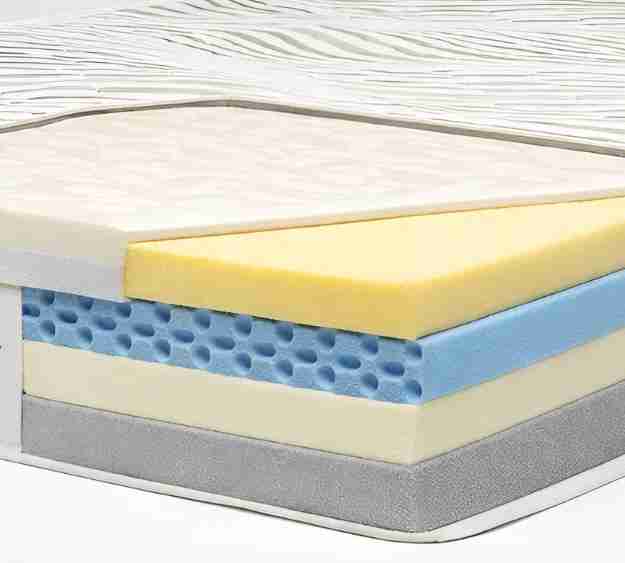
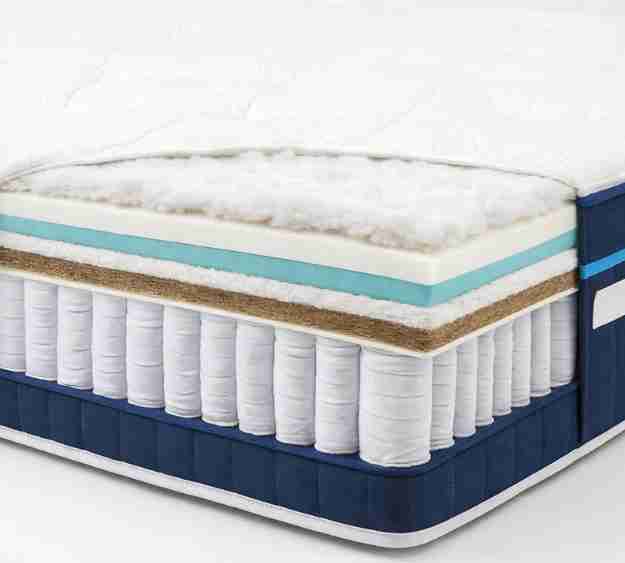
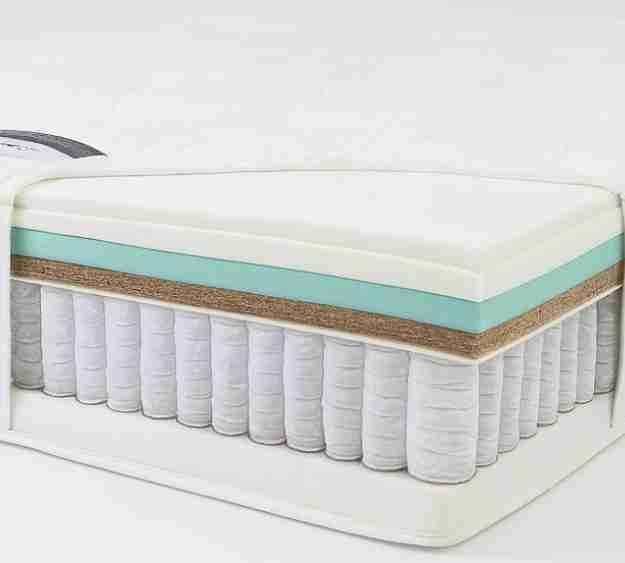
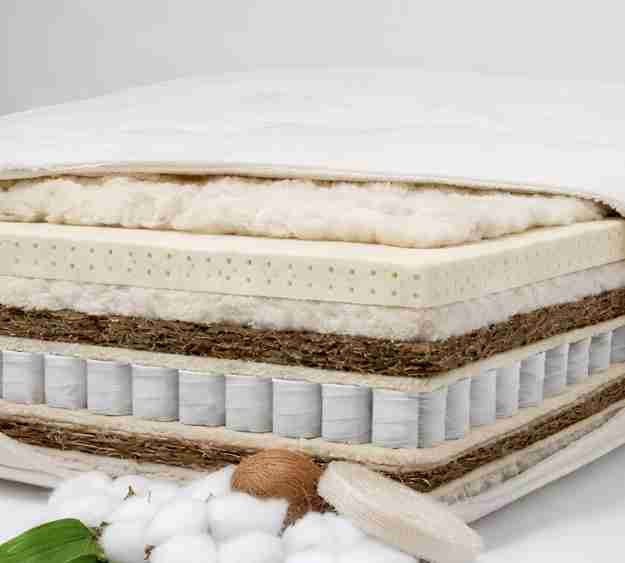
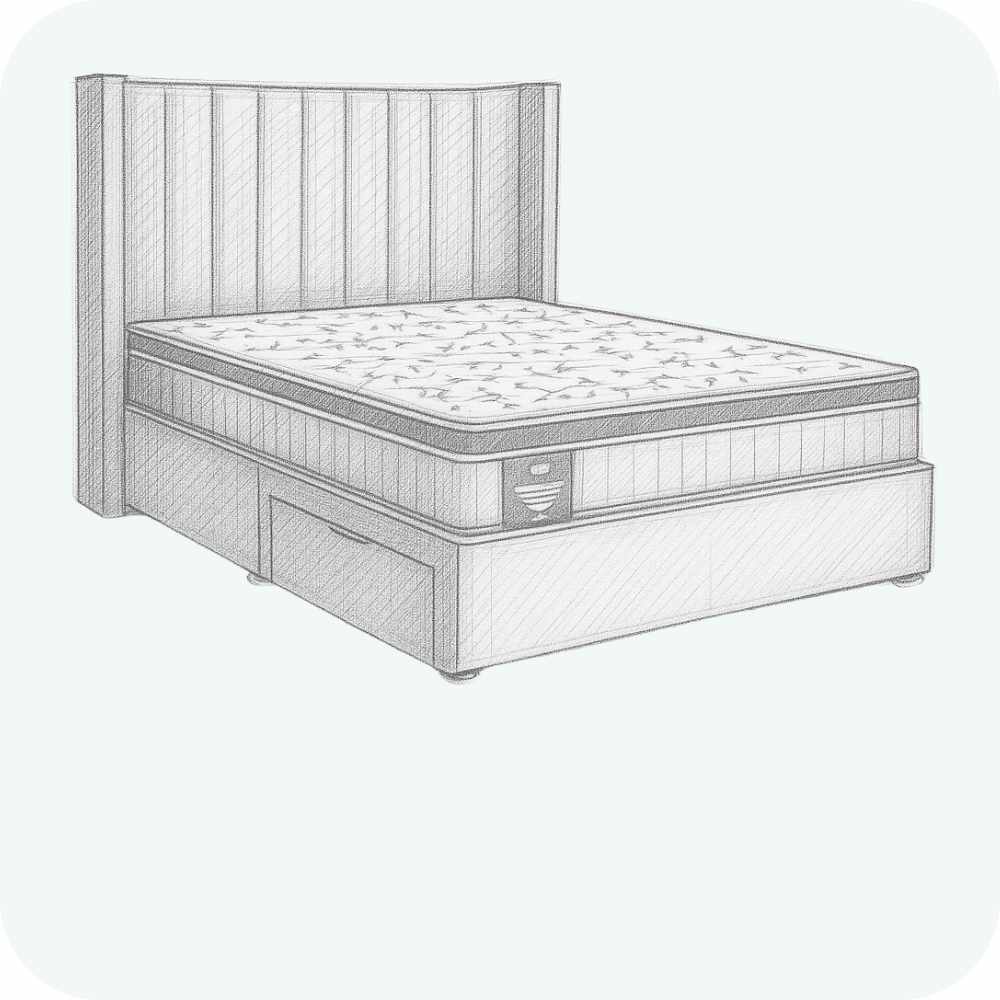
Use blackout curtains and/or white noise machines, and keep the room cool (ideally around 65°F or 18°C). And invest in a high-quality mattress like something from our Luxe Mattress Collection for breathable supportive comfort night after night.
9. Stressing in Bed
Lying awake ruminating over your to-do list? You are not alone. But this habit teaches your brain that bed = worry. Elevated cortisol, the stress hormone, blocks melatonin and delays sleep onset.
Instead of overthinking, practise calming habits: deep breathing, gratitude journaling or calming audio. If you can’t sleep after 20 minutes, get up, move to another room and return when sleepy.
10. No Bedtime Routine
Without a wind-down ritual your brain has no signal that it’s time to shut down. Jumping straight from stimulation to bed leaves your nervous system in go-mode.
Build a gentle evening routine: lower the lights, brush your teeth, stretch and read. Repetition trains your brain to associate these actions with sleep, easing the transition into rest.
Better Habits = Better Sleep
Great sleep doesn’t happen by accident, it’s built through small conscious habits. By identifying and replacing bad sleep behaviors with healthier alternatives you’ll notice big changes in your energy focus and mood.
Start with one shift then another. Soon restful nights will become your new normal. Want a real upgrade? Try a Luxe Mattress. Your best sleep begins with the right foundation.
Conclusion
Better sleep starts with awareness. Many of the habits we think are harmless like scrolling on our phones, late-night snacks, or inconsistent schedules can quietly sabotage our rest. By identifying these habits and replacing them with healthier routines, you can improve your sleep quality, boost your energy, and feel more focused during the day.
Start small, pick one habit to change at a time, create a calming bedtime routine, and make your sleep environment a peaceful retreat. With consistent effort, restful nights won’t just be a dream they’ll become your new normal.
FAQs
Common sleep-disrupting habits include late-night screen time, irregular sleep schedules, caffeine or alcohol before bed, late-night meals, and high stress levels.
Using phones or screens before bed exposes you to blue light, which suppresses melatonin and keeps your brain alert, making it harder to fall asleep.
Yes. Caffeine can stay in your system for up to 8 hours, while alcohol may make you drowsy initially but disrupts REM sleep, leading to grogginess and night awakenings.
Try keeping a consistent sleep schedule, limiting screen time before bed, creating a calm sleep environment, practicing stress-reduction techniques, and following a gentle bedtime routine.
Start by identifying which habits are harming your rest. Gradually replace them with healthier routines like meditation, light evening stretches, early dinners, and limiting naps, plus investing in a supportive mattress.

I’m a professional sleep health and mattress content specialist with extensive experience writing about orthopedic mattresses, back pain relief, pressure-point support, and overall sleep comfort. I collaborate with industry research, sleep studies, and mattress performance insights to deliver accurate, trustworthy, and reader-focused content. I’m known for simplifying complex mattress technologies such as memory foam, motion isolation, and firmness levels, making them easy to understand for everyday buyers. My goal is to help readers choose mattresses that match their lifestyle, sleep posture, and health needs empowering them to achieve deeper, healthier, and pain-free sleep through informed decisions.