


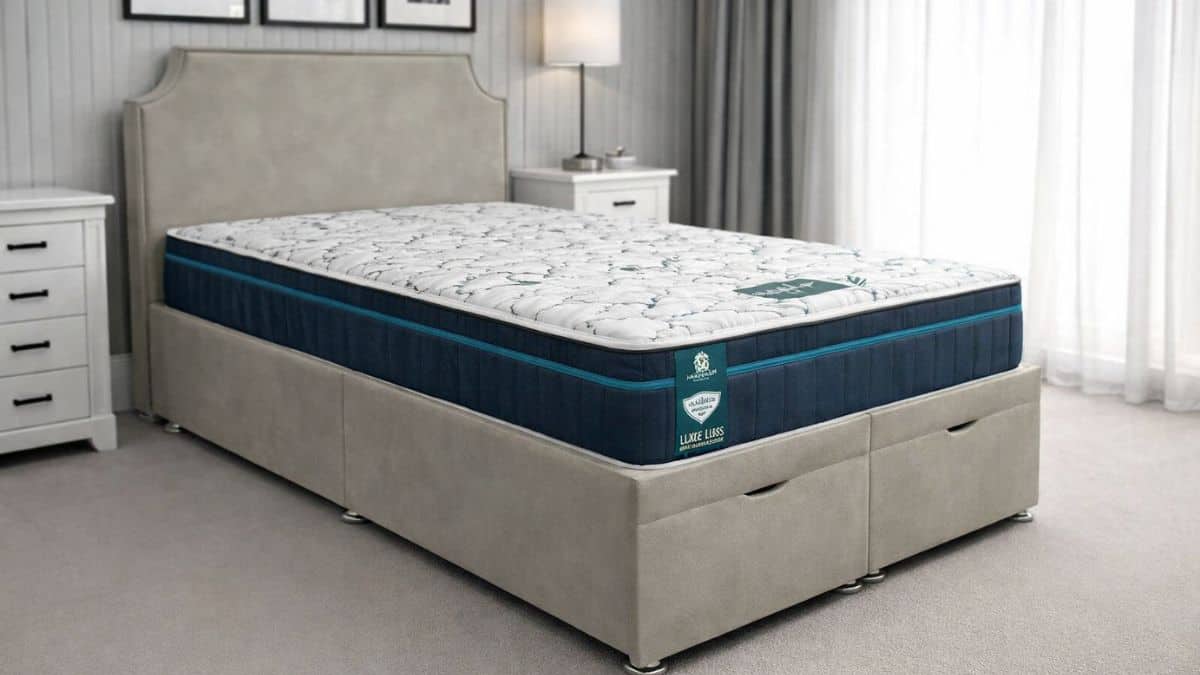

Single Ottoman Bed: Why Does It Feel Tight (And How to Fix It)?
Ottoman beds are a popular choice in many UK homes, especially for those looking to maximize space in smaller rooms. However, a common issue that many UK residents face with single ottoman beds is the feeling of tightness or discomfort, particularly in cramped living spaces. This feeling of tightness can make rooms feel even smaller and hinder easy access to the storage compartments underneath the bed.
The frustration of dealing with a bed that’s hard to open or uncomfortable to use is all too real for many. But don’t worry this article is here to help! We will explore the reasons behind why your single ottoman bed might feel tight and offer practical solutions to enhance both comfort and functionality. By the end, you’ll have the knowledge to troubleshoot common problems, create a more comfortable sleep environment, and improve the overall usability of your ottoman bed.
Why Is My Ottoman Bed Not Opening?
Common Reasons for Difficulty in Opening a Single Ottoman Bed
If your single ottoman bed is difficult to open, there could be several reasons behind this issue. The most common causes include:
- Mechanical Failures: Over time, the lifting mechanism may wear out or become misaligned, preventing the bed from opening smoothly.
- Obstructions Under the Bed: Items or debris under the bed can block the mechanism and prevent it from lifting properly.
- Hinge Issues: The hinges on the ottoman bed may become stiff or loose, making it difficult to lift the bed frame.
- Uneven Weight Distribution: If the bed’s weight is not evenly distributed or if it’s overloaded, it could make the lifting mechanism harder to operate.
How to Fix a Stuck Ottoman Bed
Fixing a stuck ottoman bed is easier than it seems. Here are some actionable tips to get your bed functioning again:
- Check for Obstructions: Start by clearing the area around and under the bed to ensure nothing is blocking the lifting mechanism.
- Lubricate the Hinges and Joints: Apply a lubricant to the hinges and joints to ensure smooth movement.
- Inspect the Frame: Make sure the bed frame is in good condition. If it appears damaged, it may need to be replaced or repaired.
Why Does My Ottoman Bed Feel So Tight?
Impact of Small Rooms on the Feel of an Ottoman Bed
In small rooms, the space around the bed can feel cramped, which exacerbates the feeling of tightness. When there isn’t enough clearance for the bed to open properly or when the room is packed with furniture, the storage compartment becomes difficult to access. The design of the room plays a huge role in how comfortable the ottoman bed feels.
How to Fix the Tightness Issue
There are a few layout tips to enhance the feel of your ottoman bed in a small space:
- Clearance Rules: Ensure that there is enough space around the bed to allow for easy lifting. Aim for at least 3-4 feet of space around the bed if possible.
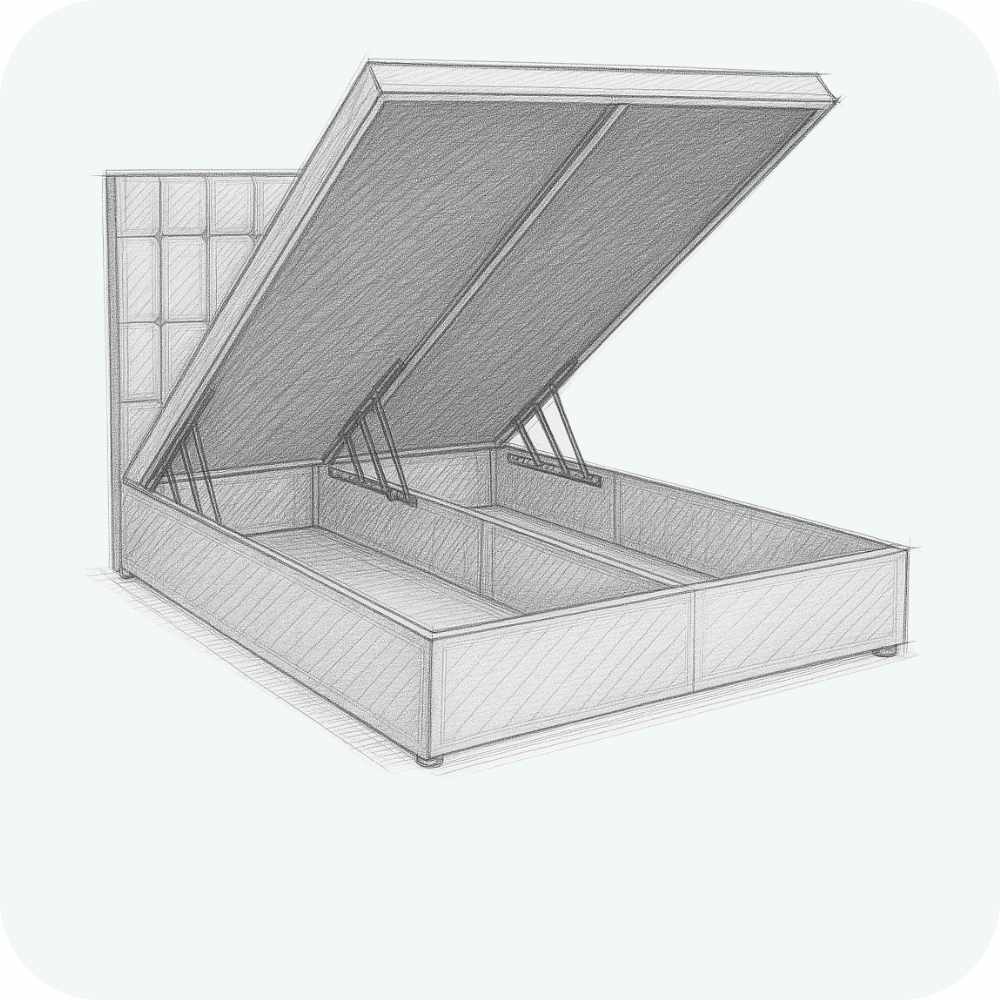
- Consider a Side-Lift Ottoman: If your bed is positioned against a wall or in a particularly tight space, a side-lift ottoman bed might be a better option. This design allows for better access to the storage area without needing as much space for the bed to open.
How to Make a Single Bed More Comfortable?
Choosing the Right Mattress for a Single Ottoman Bed
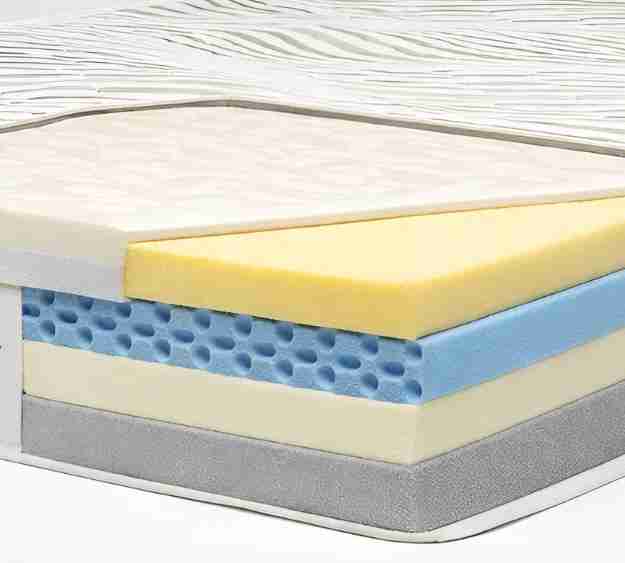
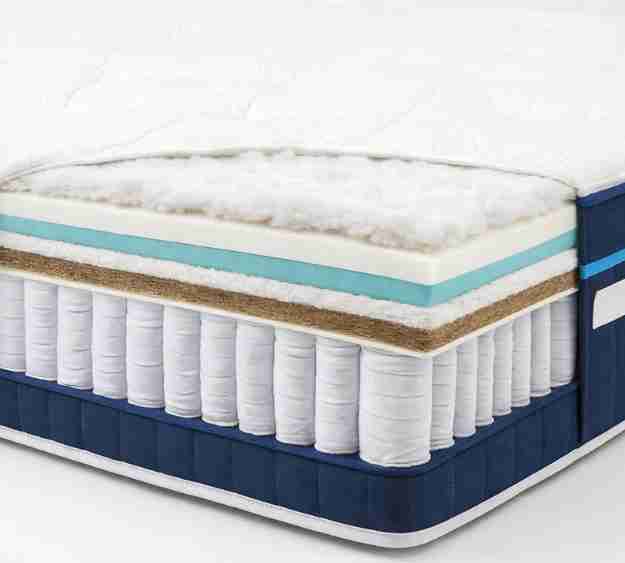
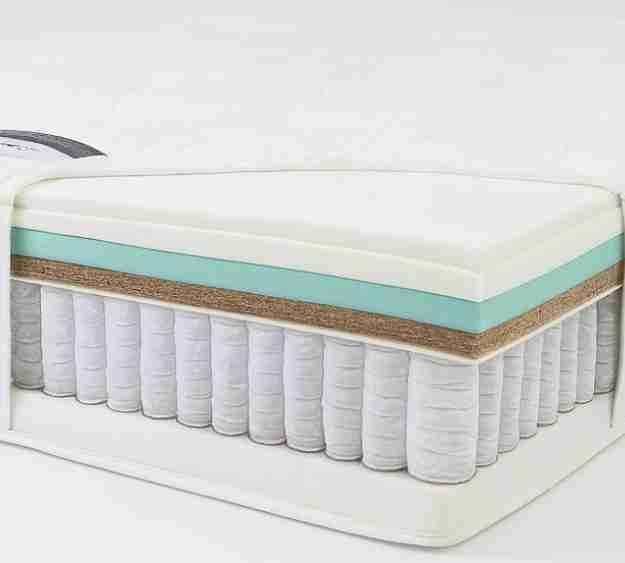
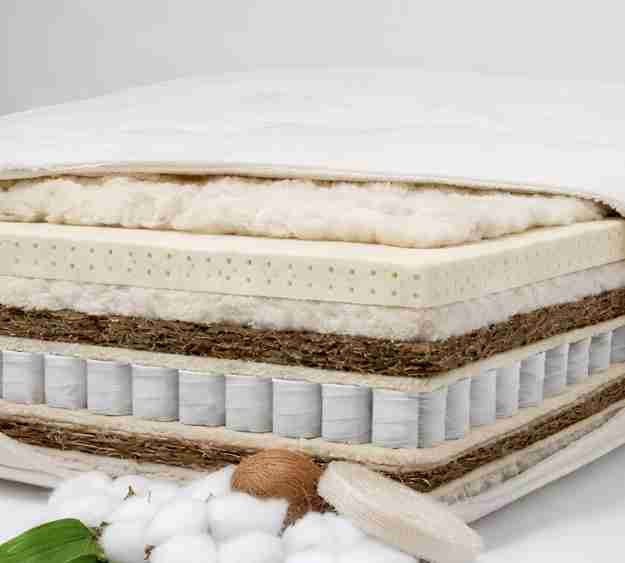
Selecting the right mattress is crucial for comfort. A mattress that is too thick may reduce storage capacity, while a too-thin one may leave you uncomfortable. Look for a mattress that balances both comfort and functionality.
- Memory Foam Mattresses: These provide excellent support and comfort while maintaining a low profile, making them ideal for single ottoman beds.
- Hybrid Mattresses: Combining memory foam with pocket springs, hybrid mattresses offer a balance of comfort and support.
Adding Softness to a Single Bed
If you find your single ottoman bed too firm, there are several ways to soften it:
- Use a Mattress Topper: A mattress topper can add an extra layer of cushioning, improving sleep comfort.
- Plush Bedding: Soft sheets and pillows can also make the bed feel more inviting.
- Consider a Soft Base: A softer base layer beneath the mattress may help to improve comfort.
How to Move a Heavy Ottoman Bed?
Tips for Moving a Single Ottoman Bed Alone
Ottoman beds can be heavy and tricky to move, but it is possible to do it on your own. Here are some tips:
- Lift with Proper Technique: Bend your knees, not your back, when lifting to avoid injury.
- Use Furniture Sliders: These can help move the bed without damaging the floor or straining your muscles.
- Secure the Bed: If you need to disassemble the bed to move it, ensure that all parts are properly packed and protected.
Can One Person Build an Ottoman Bed?
Step-by-Step Guide for Building a Single Ottoman Bed
Assembling a single ottoman bed is a task that one person can accomplish with some patience. Follow these steps:
- Gather Your Tools: You’ll typically need a screwdriver, a wrench, and possibly a drill, depending on the model.
- Start with the Frame: Assemble the bed’s frame first, following the manufacturer’s instructions closely.
- Attach the Lifting Mechanism: If your bed has a hydraulic or manual lifting mechanism, attach it securely.
- Add the Mattress: Once the frame and lifting mechanism are in place, place the mattress and check for proper function.
While it can be challenging, it is definitely possible to build an ottoman bed alone, especially if you have a few basic tools and follow a clear guide.
Is a Single Bed OK for an Adult?
Comfort and Space Considerations for Adults Using a Single Bed
A single ottoman bed can be suitable for an adult if it’s set up correctly. Consider the following:
- Mattress Thickness: A thicker mattress may provide more comfort, especially if you’re tall or need more support.
- Additional Comfort: Using a mattress topper or plush bedding can significantly improve comfort.
- Space Limitations: While a single bed is more compact, it’s essential to ensure that the bed offers enough space for you to sleep comfortably.
Are Ottoman Beds OK for Heavy People?
Choosing a Sturdy Ottoman Bed for Heavier Individuals
Ottoman beds can be suitable for heavier individuals, but it’s important to choose one that is designed to support a higher weight capacity:
- Look for Strong Frames: Choose a bed with a sturdy wooden or metal frame that can handle additional weight.
Check the Weight Limit: Always check the bed’s specified weight limit to ensure it’s appropriate for your needs.
How to Fix a Squeaky Ottoman Bed?
Common Causes of Squeaking in Ottoman Beds
Squeaky sounds from ottoman beds are usually caused by:
- Loose Screws: The bed’s screws may have loosened over time.
- Rubbing Metal Parts: If metal parts are rubbing together, they can create noise.
Solutions:
- Tighten the Screws: Use a screwdriver to ensure all screws are secure.
- Lubricate the Joints: Apply a lubricant to the moving parts to reduce friction and noise.
What Are Common Problems with Adjustable Beds?
Troubleshooting and Fixing Issues with Adjustable Ottoman Beds
Adjustable ottoman beds come with their own set of challenges. Common problems include:
- Bed Adjustment Malfunctions: The adjustable mechanism may not work properly.
- Power Issues: If your bed is electric, check for power connection issues.
To troubleshoot, ensure that the bed is plugged in, check the remote for functionality, and inspect the motor for issues.
Conclusion
Single ottoman beds can provide both comfort and functionality, but only when they are properly maintained and set up in the right environment. By addressing common issues like tightness, difficulty opening, and squeaking, and by selecting the right mattress and layout, you can create a more comfortable and user-friendly space. Follow the tips outlined in this article, and you’ll be able to enjoy your ottoman bed without the frustration.