
100-Night Risk-Free Trial
Free Nationwide Delivery
10 Years Warranty
Call us at: 020 4572 5122
0% APR Finance Available
best mattress for back pain issues-2
April 16, 2026

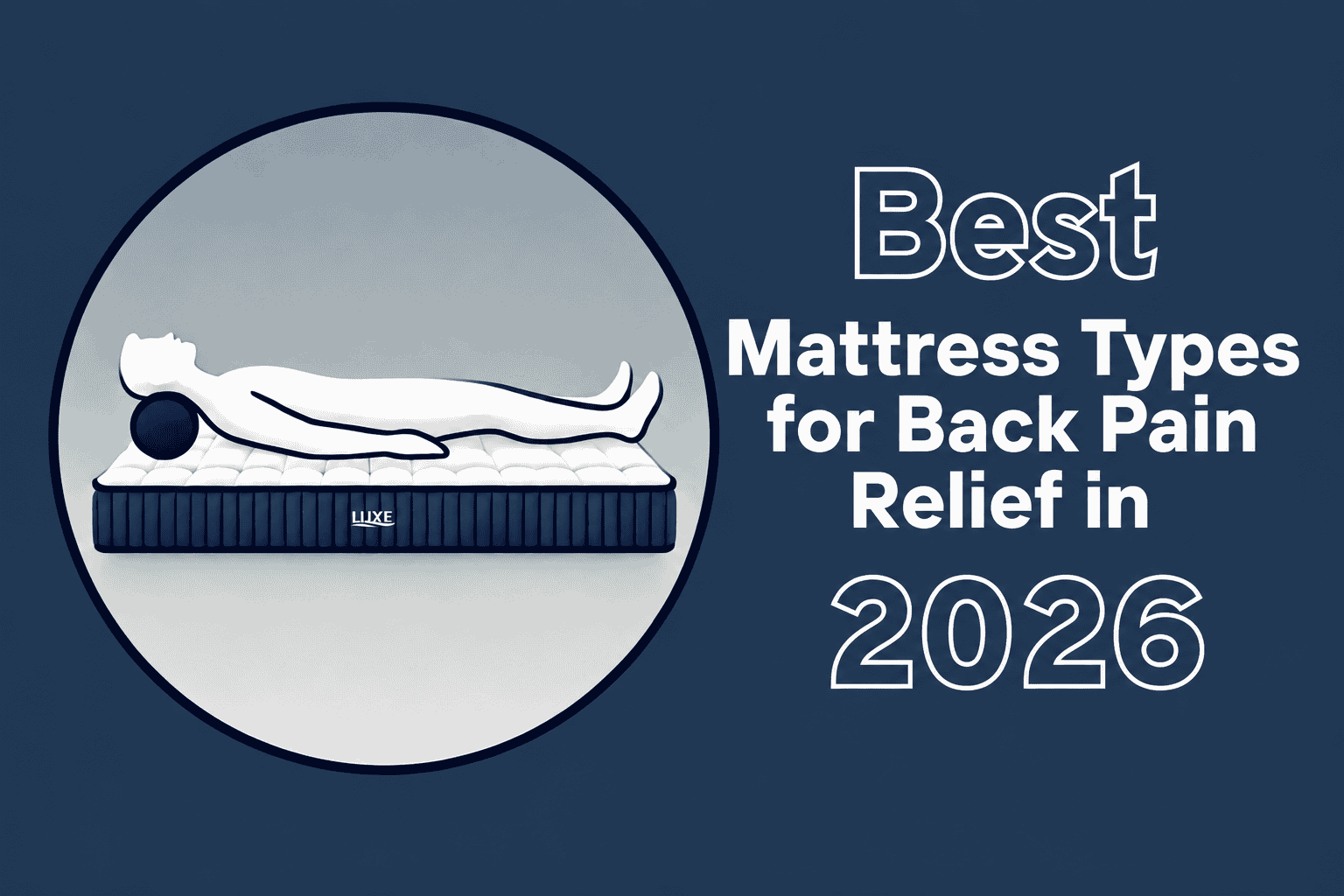
Best Mattress for Back Pain (Complete Buying Guide)

Choosing the best mattress for back pain is not as straightforward as picking the firmest or most expensive option. One of the biggest mistakes people make is assuming that a single type of mattress will work for everyone. In reality, mattress selection is highly personal and depends on multiple factors that most people don’t even consider before making a purchase.

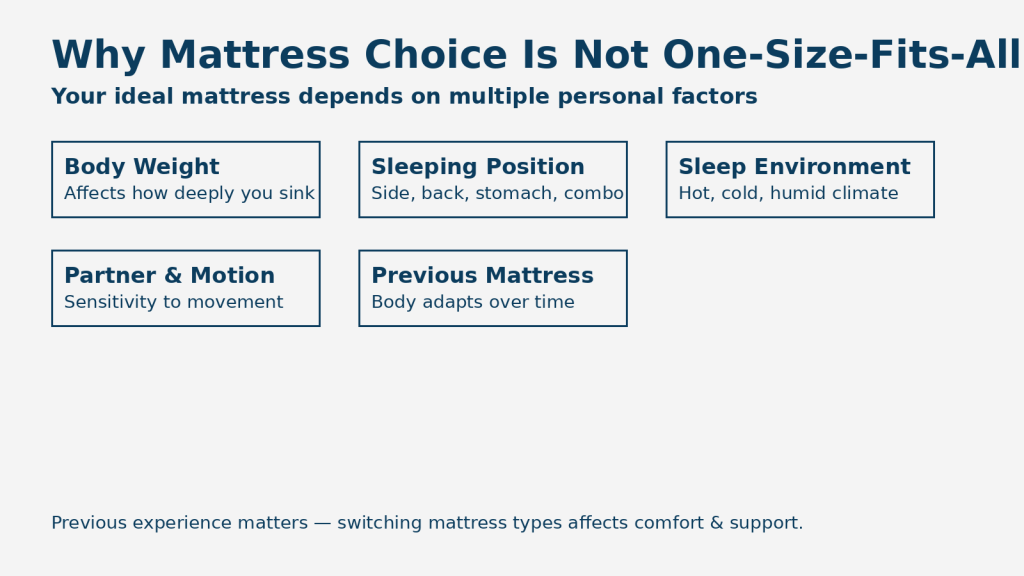
There are several variables involved, including body weight, sleeping position, body temperature, geographical location, previous mattress experience, and whether you sleep alone or with a partner. Even factors like how much you sweat at night or how sensitive you are to motion can significantly affect your choice. All of these elements play a role in determining what truly becomes the best mattress for back pain for an individual.

Why Mattress Choice Is Not One-Size-Fits-All

You cannot generalise mattress suitability because every individual has different sleeping habits and physical requirements. Someone who sleeps on their back in a cold environment will need a completely different mattress compared to someone who sleeps on their side in a warm, humid climate.

For example, your decision should always consider:

  • Your body weight and how deeply you sink into the mattress
  • Whether you sleep on your side, back, stomach, or switch positions
  • Whether you sleep with a partner and how sensitive you are to movement
  • The type of mattress you have used previously (foam, hybrid, latex, etc.)

Previous experience matters more than most people realise. If someone has always slept on a firm foam mattress, switching directly to a soft hybrid can feel uncomfortable and even worsen back pain initially.

Understanding Back Pain and Mattress Support

When people search for the best mattress for back pain, they often don’t realise that back pain itself varies.

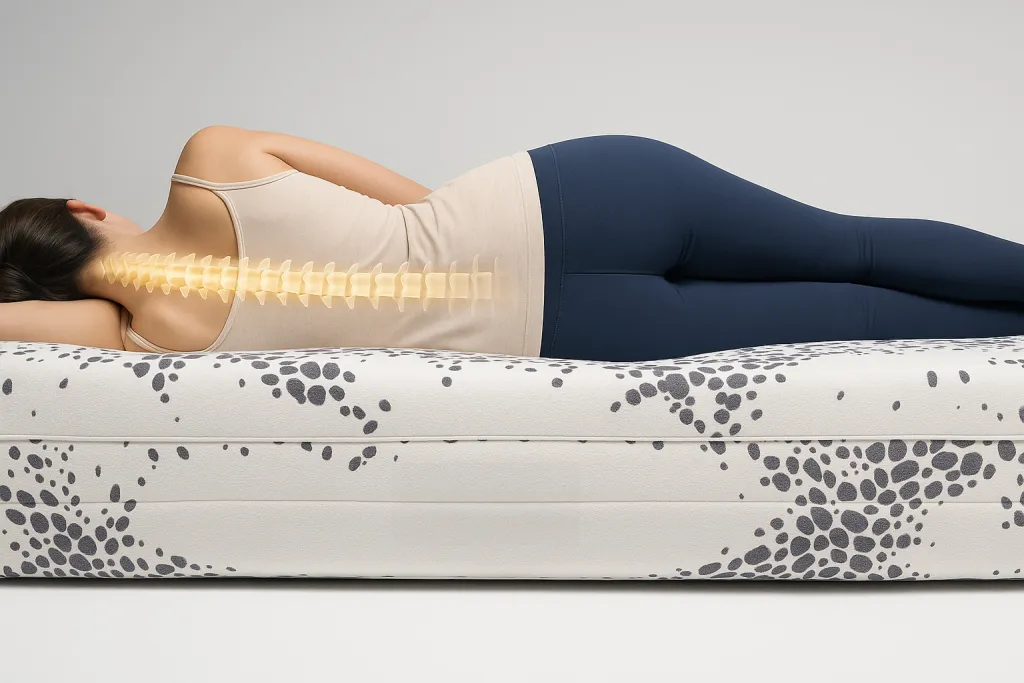
Lower back pain is the most common issue and is usually caused by improper spinal alignment during sleep. This happens when the shoulders remain on the surface of the mattress, but the hips dip too deeply due to uneven weight distribution. As a result, the spine curves unnaturally, creating pressure throughout the night. read more…

This issue can occur regardless of sleeping position, whether you sleep on your back, side, or stomach. The key problem is always the same: lack of proper support.

Upper back pain, on the other hand, is more common in side sleepers. It is typically caused by pressure building up around the shoulders and upper back when the mattress does not allow enough contouring.

How Sleeping Position Affects Mattress Choice

Sleeping position plays a crucial role in determining the best mattress for back pain.

If you are a side sleeper, an extra firm foam mattress may not be the best option. Firm foam mattresses are not flexible and do not allow your shoulders to sink into the mattress. This creates a gap between your shoulders and hips, leading to spinal misalignment and increased pressure.

In such cases, better options include:

  • Pocket spring mattresses (for flexibility and support)
  • Hybrid mattresses (for balanced cushioning and support)
  • Memory foam mattresses (for pressure relief)

Pocket springs are particularly effective because they respond individually to body weight, allowing proper alignment.

If you are a back or stomach sleeper, the situation is different. You generally need a more stable surface that prevents your hips from sinking too much. This is where firmer mattresses, especially high-density foam, can be more effective.

Types of Mattresses for Back Pain

Hybrid Mattress (Best Overall Option)

Hybrid mattresses are often considered the best mattress for back pain because they combine multiple materials to deliver both comfort and support.

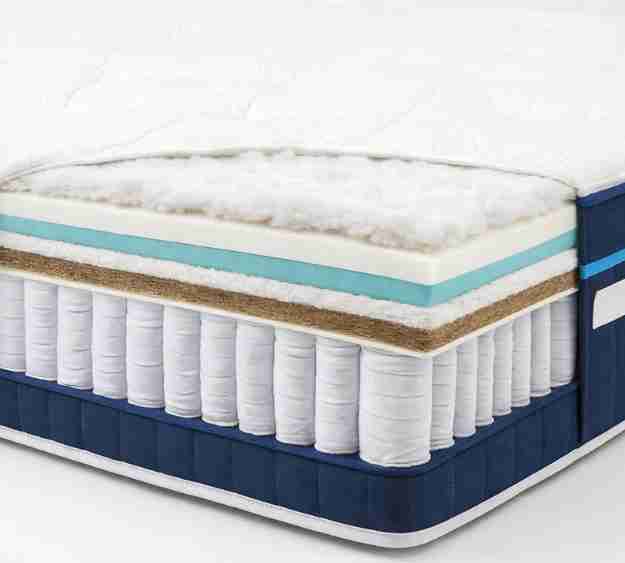
Hybrid mattress

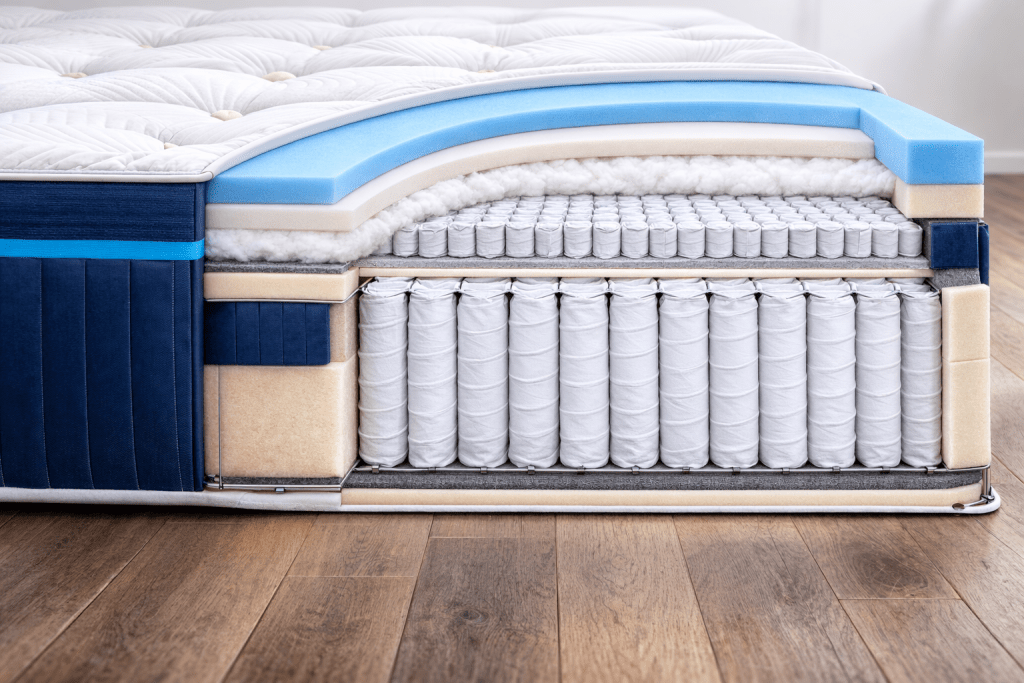
A true hybrid mattress includes:

  • Pocket springs for structural support
  • Micro pocket springs for pressure relief
  • Foam or latex layers for cushioning
  • Natural materials like wool, cotton, and coconut fibre

Premium hybrid mattresses use dual or even triple spring systems, which significantly improve support, reduce motion transfer, and help regulate temperature.

These mattresses provide a balanced feel, not too soft, not too hard and adapt to different sleeping positions. They also offer strong edge support, especially when built with reinforced or metal framing, making them more durable than standard “mattress-in-a-box” designs.

Memory Foam Mattress

Memory foam mattresses are a popular choice and can work well for combination sleepers, as well as back, stomach, and side sleepers.

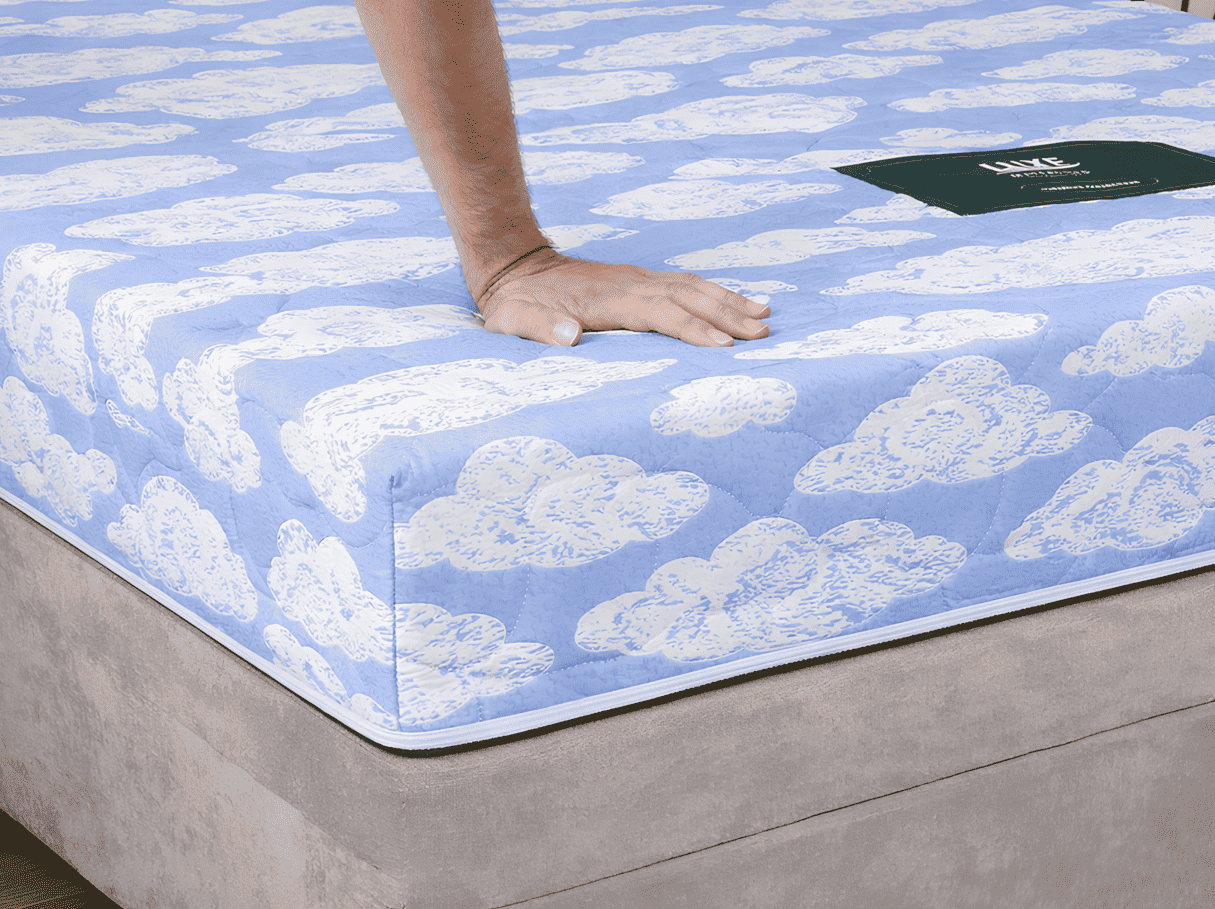
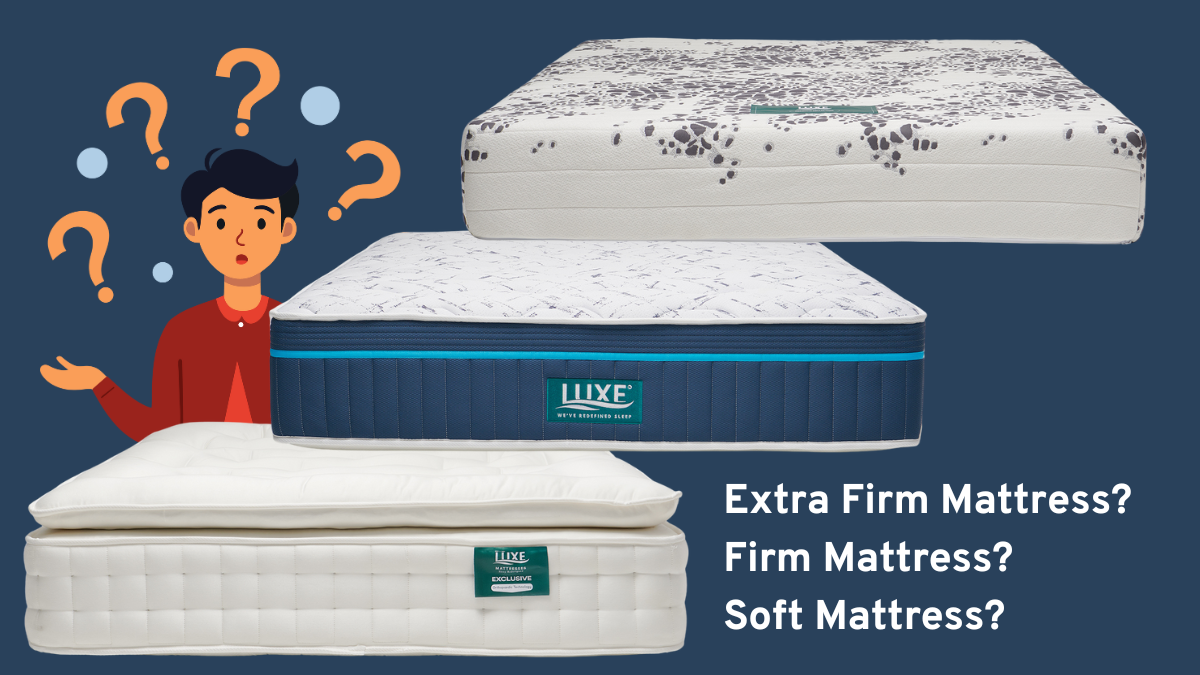
extra firm mattress

They are particularly effective for:

  • Pressure relief
  • Body contouring
  • Reducing discomfort around joints

However, one common drawback is temperature regulation. Memory foam tends to retain heat, which can make it uncomfortable for hot sleepers.

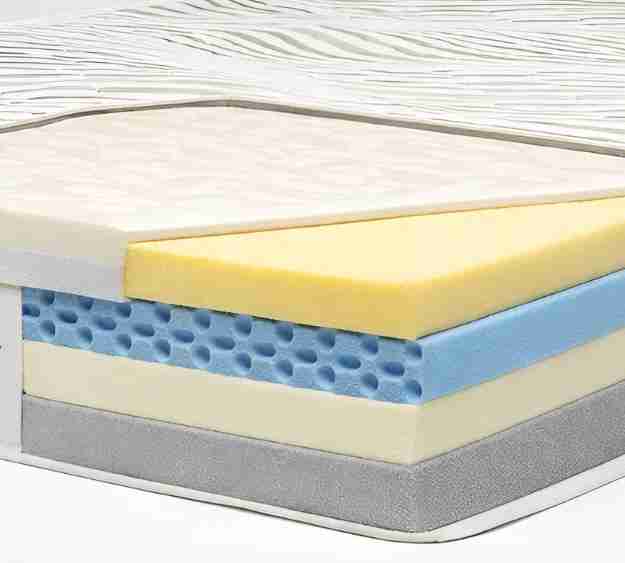
Foam Mattress (Firmest Option)

Foam mattresses made from high-density materials are the firmest option available. These mattresses provide minimal to no sink and do not contour to the body.

The feel is often described as:

“Sleeping on a wooden surface with slight flexibility.”

extra firm foam mattress

These mattresses are commonly preferred in countries like India, Pakistan, and China, where people are more accustomed to harder sleeping surfaces.

However, they may not be suitable for everyone, especially for those who have never used a firm mattress before. It usually takes a few weeks for the body to adjust.

When You Should Switch to a Foam Mattress

If you have already tried multiple pocket spring or hybrid mattresses and still experience back pain, switching to a high-density foam mattress may be necessary.

Initially, it may feel uncomfortable for 3–5 weeks, but once your body adapts, it can significantly improve spinal alignment and reduce long-term back pain.

Best Mattress for Back Pain (Top Recommendations)

Based on experience and practical results, here are the three best options:

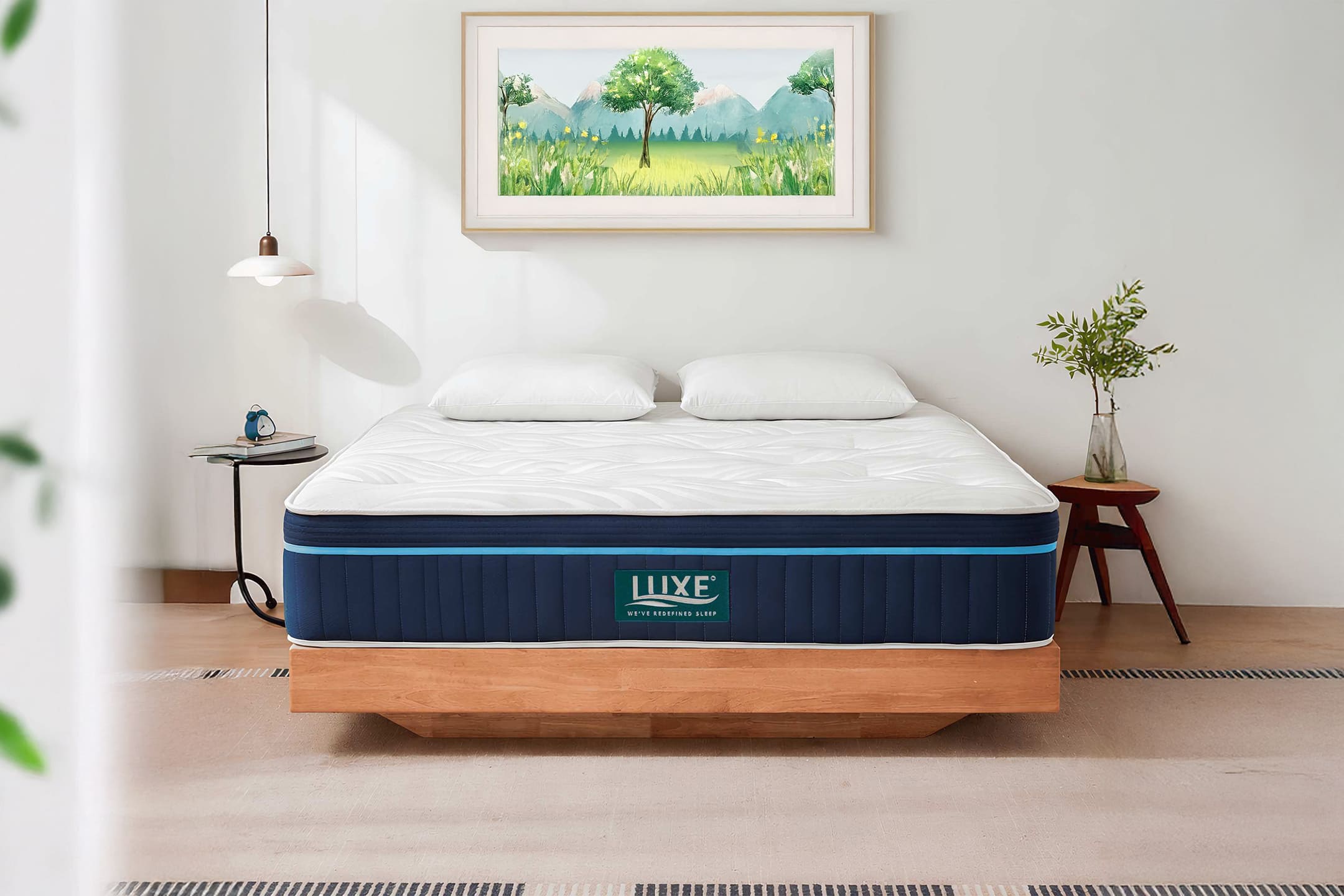
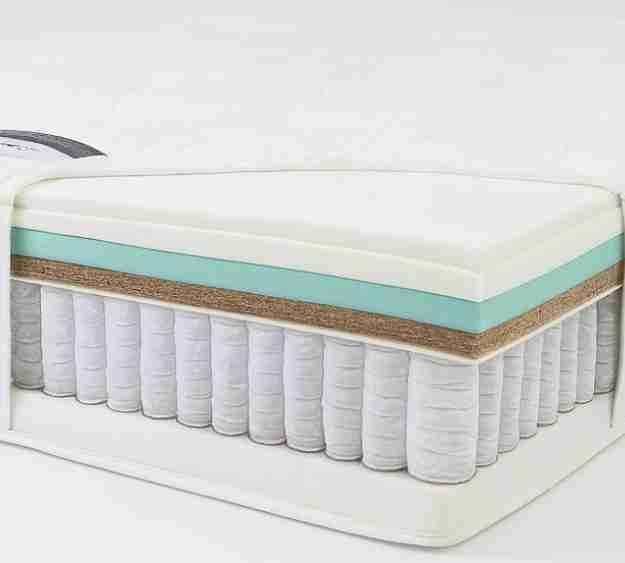
1. Luxe Ergo 3400 Hybrid Mattress (Best Overall)

This is a true hybrid mattress with a dual spring system.

It includes:

  • FortiCoil™ micro pocket springs in the top layer
  • Wool, cotton, polyester, and coconut fibre layers
  • Memory foam with LTX cooling gel
  • Endura pocket springs for core support
  • Reinforced frame for orthopaedic edge support
best hybrid mattress for back pain

It provides:

  • Balanced cushioning and support
  • Excellent pressure relief
  • Proper spinal alignment
  • Strong durability (supports up to 150kg+)

This mattress comes in both firm and extra firm options and is widely recommended for back pain.

2. Majestic 11000 Foam Mattress (Best for Maximum Support)

For those who need solid, no-sink support, this is one of the best options.

It is made using high-density foam (CP-C48 to CP-C52) and is available in:

extra firm foam mattress
  • Extra firm
  • Rock hard

The rock hard version provides an ultra-stable surface with no sinking at all. It is ideal for back and stomach sleepers and people who require strict orthopaedic support.

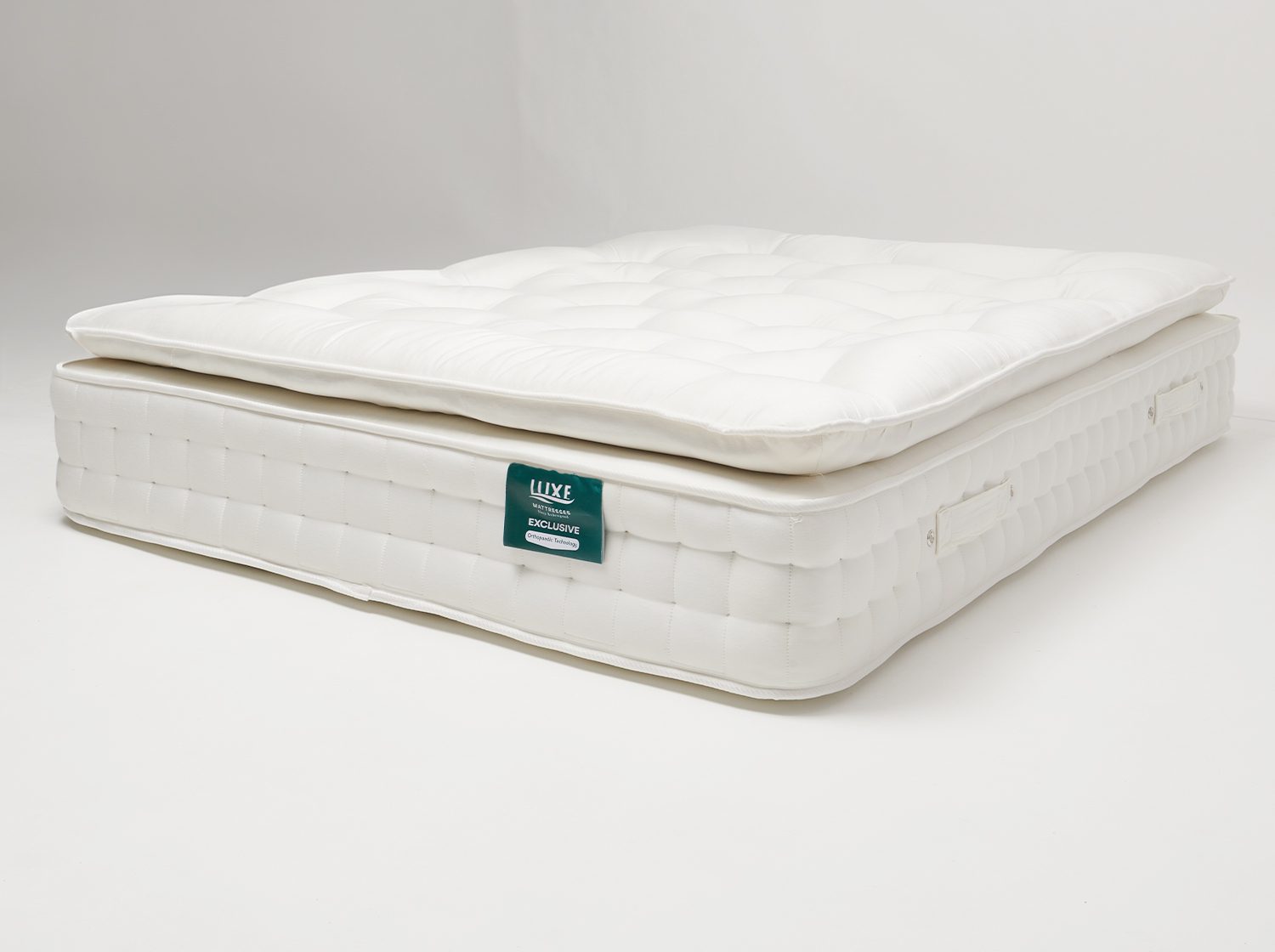
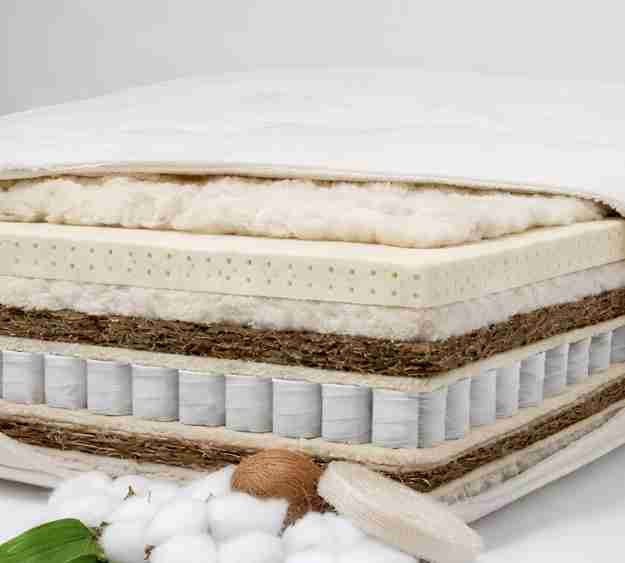
3. Luxe Natural Latex Pillow Top 5000 (Best Premium Option)

This mattress is made using natural materials such as:

  • Wool
  • Cotton
  • Coconut coir
  • Micro pocket springs
  • Endura pocket springs
natural mattress for back support

It offers a more luxurious feel while still maintaining strong support. It is suitable for those who prefer natural materials with a balance of comfort and stability.

Final Advice

If you are searching for the best mattress for back pain, the most important thing to understand is that the right choice depends on your body, your sleeping position, and your previous experience.

Hybrid mattresses like the Luxe Ergo 3400 are generally the safest and most effective option for most people. However, if you need maximum support and sleep on your back or stomach, a high-density foam mattress like the Majestic 11000 can be a better solution.

For those who prefer natural materials with a premium feel, latex-based hybrid mattresses provide an excellent balance.

At the end of the day, the best mattress is the one that keeps your spine aligned, reduces pressure, and allows your body to recover properly during sleep.


1. What is the best mattress for back pain?

The best mattress for back pain is one that keeps your spine in a neutral, straight position while you sleep. For most people, a hybrid mattress Luxe Ergo 3400 works best because it combines support from pocket springs with cushioning from foam or natural layers.

If you need stronger support, especially for back or stomach sleeping, a high-density foam mattress (extra firm or rock hard) can be more effective. For side sleepers, a mattress with more cushioning, such as a hybrid or memory foam, is usually better to reduce pressure on shoulders and hips.


2. Is a firm mattress better for back pain?

A firm mattress can help with back pain, but it is not always the best option for everyone.
If the mattress is too soft, your hips may sink, causing poor spinal alignment. However, if it is too firm, especially for side sleepers, it can create pressure points on the shoulders and upper back.

The key is balanced support:

Back and stomach sleepers ? benefit from firmer mattresses
Side sleepers ? need some cushioning along with support


3. Why does my back hurt after sleeping?

Back pain after sleeping is usually caused by poor spinal alignment during the night. This can happen when:

The mattress is too soft and your body sinks unevenly
The mattress is too firm and doesn’t allow natural contouring
Your sleeping position puts pressure on certain areas
The mattress has lost support over time

When your spine is not properly aligned, pressure builds up for several hours, leading to stiffness and pain in the morning.

How to Choose the Perfect Mattress
March 27, 2026

How to Choose the Perfect Mattress | Sleep Better with Luxe Mattresses

Choosing the right mattress plays a crucial role in your overall health and sleep quality. That’s why it’s important to understand how to choose the right firmness for your mattress. With so many mattress types available such as memory foam, hybrid, innerspring, and organic it can understandably feel overwhelming to find the one that truly suits your needs.

To help you navigate this decision, this guide will walk you through the essential factors to consider when buying a mattress. Also, we’ll help you identify the ideal type based on your sleep style and body type. Finally, we’ll answer some of the most common questions to ensure you’re fully informed and confident in your choice.

Why the Right Mattress Matters for Your Sleep Health

Smart Mattress Quiz

Find your perfect mattress match with our personalized recommendation system. Based on your sleep style, health needs, and comfort preferences.

Why Take This Quiz?

  • Get tailored mattress recommendations for your specific needs
  • Save time researching – we’ve done the analysis for you
  • Compare mattresses that match your sleep style and budget
  • Understand which mattress features matter for your comfort
  • Exclusive discounts on recommended mattresses
Take the Mattress Quiz

A high-quality mattress does more than just provide a comfortable surface to sleep on – it supports your spine, reduces pressure points, and improves your sleep posture. On the flip side, the wrong mattress can lead to back and neck pain, interrupted sleep, and daytime fatigue. For this reason, investing in a mattress that suits your body type and preferred sleeping position is essential for both your physical and mental well-being. Ultimately, choosing the right mattress can make a significant difference in how you feel each day.

Key Factors to Consider When Choosing a Mattress

When shopping for the perfect mattress, focus on these three main factors:

1. Firmness Level

Mattress firmness is subjective but should align with your body weight and sleep position. Firmness is typically rated on a scale from 1 (very soft) to 10 (very firm).

  • Soft (1–4): Best for light side sleepers.
  • Medium (5–7): Ideal for most sleepers; offers a balance of support and comfort.
  • Firm (8–10): Recommended for back and stomach sleepers or heavier individuals.

2. Mattress Construction

Each mattress type offers different benefits:

  • Memory Foam: Conforms to your body and relieves pressure points.
  • Latex: Naturally breathable and responsive with a cooler surface.
  • Innerspring: Traditional coil support with added bounce and airflow.
  • Hybrid: Combines foam and springs for balanced support and comfort.

3. Support and Durability

A supportive mattress maintains spinal alignment and prevents sagging over time. Heavier individuals often benefit from firmer, more durable mattresses like hybrids or innersprings, while lightweight sleepers may prefer softer options.

Best Mattress Types by Sleeping Position

Your sleeping position plays a major role in determining which mattress is best for you.

  • Side Sleepers: Need a soft to medium-firm mattress to cushion shoulders and hips.
  • Back Sleepers: Require medium to firm support for spine alignment.
  • Stomach Sleepers: Need a firm surface to prevent midsection sinking.
  • Combination Sleepers: Benefit from a responsive hybrid or medium-firm mattress that adapts to movement.

How Body Weight Affects Mattress Choice

Your body weight directly affects how a mattress feels and performs:

  • Light Sleepers (<130 lbs): Softer mattresses provide better pressure relief.
  • Average Weight (130–230 lbs): Medium firmness works well for balanced comfort and support.
  • Heavy Sleepers (>230 lbs): Firmer, thicker mattresses prevent sagging and provide adequate support.

Best Mattresses for Hot Sleepers

If you often sleep hot, avoid traditional memory foam. Instead, look for mattresses with:

  • Cooling gel-infused foam
  • Perforated or breathable layers
  • Phase-change technology
  • Latex or hybrid builds for improved airflow

Mattress Budget and Value

A higher price doesn’t always mean better quality. Focus on:

  • Material quality
  • Trial period and return policy
  • Warranty coverage

Many affordable mattresses offer excellent value without the premium price tag. Look for brands with transparent policies and verified customer reviews.

Final Thoughts

Choosing the perfect mattress is a personal decision that depends on your sleep habits, body type, and comfort preferences. Whether you’re looking for pressure relief, temperature control, or motion isolation, there’s a mattress out there that fits your needs. Use this guide to narrow down your options and invest in the best mattress for a healthier, deeper night’s sleep.

FAQs

How do I know what mattress firmness is right for me?

The right firmness depends on your sleep position and body weight. Side sleepers often prefer soft to medium, while back and stomach sleepers do better with medium-firm to firm mattresses.

Is a hybrid mattress better than memory foam?

Hybrid mattresses offer an ideal balance of support and contouring. At Luxe Mattress, we use a combination of Pocket Springs and Micro-springs in our hybrid designs, which enhance motion isolation and provide targeted support for pressure points. If you’re looking for a mattress that offers bounce, breathability, and pressure relief, a hybrid is often a better choice than pure memory foam.

How long should I try a mattress before deciding?

Ideally, you should test it for at least 30 nights. Many online brands, including Luxe Mattresses, offer a 100-night risk-free trial.

Can a mattress help with back pain?

Yes. A supportive, medium-firm mattress can align your spine and reduce pressure points, which often helps alleviate back pain.

What is the best mattress for side sleepers?

Medium-soft to medium-firm mattresses that cushion pressure points and support spine alignment.

How do I know if my mattress is too firm or too soft?

f you wake up with pain or pressure in your shoulders, hips, or lower back, your mattress may not be the right firmness for your body.

Can I test a mattress before buying?

Yes, you can test a mattress before buying. You can also visit in-store to test any mattress for 10–15 minutes in your usual sleep position. Plus, many models come with a 100-night risk-free trial for added peace of mind.

What mattress is best for couples with different sleep preferences?

Medium-firm hybrid mattresses with motion isolation offer the ideal balance of comfort and support, especially for couples or light sleepers. Our layered design featuring Zero Gravity Foam, micro-springs, and base foam reduces motion transfer by up to 95%, ensuring an undisturbed night’s sleep.

Best mattress for back pain
March 27, 2026

Best Back Pain Mattress Options: How Orthopaedic Mattresses Help Relieve Chronic Discomfort

Estimated reading time: 5 minutes

Back pain is one of the most common health issues affecting millions of people across the UK and beyond. While many associate it with posture, age, or injury, few realise just how much of an impact their mattress can have on their spinal health. A poor-quality or overly worn mattress can worsen pressure points, disrupt spinal alignment, and prevent muscles from relaxing properly all of which lead to persistent pain, poor sleep, and reduced mobility.

The good news? The right back pain mattress can play a crucial role in both preventing and relieving discomfort, especially when designed with the spine’s natural alignment in mind.

Back pain can stem from a range of causes muscle tension, poor posture, spinal misalignment, or chronic conditions like sciatica or herniated discs. However, sleeping night after night on an unsupportive mattress only worsens the issue. If your spine isn’t well-supported, your muscles remain tense through the night, leading to morning stiffness and long-term strain.

That’s where orthopaedic mattresses come into play. Designed specifically to support the back, joints, and pressure points, they’re often recommended by chiropractors and physiotherapists for those suffering from chronic or recurring back pain.

How Mattress Firmness Affects Spinal Health

The firmness level of your mattress is a key factor in alleviating back pain. A medium-firm mattress is generally considered the best mattress for back pain because it balances comfort and support. If a mattress is too soft, it causes your hips and shoulders to sink, disrupting the natural curve of your spine. If it’s too firm, it creates uncomfortable pressure points, preventing full-body relaxation.

An ideal back pain mattress allows for neutral spinal alignment, which means your spine retains its natural “S” shape without being pulled or compressed. Keep in mind that your body weight and sleeping position will influence which firmness level feels best to you.

Memory Foam vs Hybrid: Which is the Best Mattress for Back Pain?

When searching for the best mattress for back pain relief, memory foam and hybrid mattresses are typically the most recommended.

Memory Foam Mattresses contour to the body’s shape, providing excellent pressure relief around the shoulders, hips, and lower back. They are ideal for side sleepers or those who prefer a softer feel.

Hybrid Mattresses, on the other hand, combine supportive innerspring coils with layers of memory or latex foam. These offer better breathability, stronger edge support, and enhanced lumbar stability making them particularly effective for those who need a firmer sleep surface.

For people with lower back pain, a hybrid back pain mattress with zoned support often delivers the best of both worlds.

The Importance of Lumbar Support in Orthopaedic Mattresses

A high-quality orthopaedic mattress will offer targeted lumbar support, which is essential for maintaining the natural curve of the lower spine. Many back pain sufferers benefit from mattresses that are firmer in the centre and softer at the shoulders and legs a design that promotes even weight distribution and reduces spinal strain.

Look for orthopaedic models that feature:

  1. Zoned support systems
  2. Reinforced lower-back areas
  3. Pressure-relief technology

These additions can significantly ease chronic pain, especially for people recovering from injury or surgery.

Choosing the Right Mattress for Chronic Back Pain

Smart Mattress Quiz

Find your perfect mattress match with our personalized recommendation system. Based on your sleep style, health needs, and comfort preferences.

Why Take This Quiz?

  • Get tailored mattress recommendations for your specific needs
  • Save time researching – we’ve done the analysis for you
  • Compare mattresses that match your sleep style and budget
  • Understand which mattress features matter for your comfort
  • Exclusive discounts on recommended mattresses
Take the Mattress Quiz

When shopping for the right back pain mattress, consider:

  1. Medium-firm feel for spinal alignment
  2. Zoned or reinforced lumbar support
  3. Breathable materials to prevent overheating
  4. Trial periods and return policies, as it can take 30+ days for your body to adjust

Also, your sleep position matters. Side sleepers may prefer a slightly softer mattress for cushioning, while back or stomach sleepers typically require firmer support to maintain alignment.

Whenever possible, speak with a healthcare provider or sleep specialist to ensure the mattress suits your individual needs.

FAQs About Orthopaedic and Back Pain Mattresses

1. Is a firm or soft mattress better for back pain?

medium-firm mattress is typically best. It supports the spine without creating pressure points or letting your body sink too deeply.

2. Which mattress is best for lower back pain?

hybrid mattress with lumbar support zones is often recommended for people with lower back pain due to its mix of support and comfort.

3. Can a bad mattress cause sciatica?

Yes. A saggy or unsupportive mattress can increase spinal misalignment and worsen pressure on the sciatic nerve.

4. How long does it take to feel relief from a new mattress?

Many people report improvements within a week, but full adjustment can take 3–4 weeks.

5. Are orthopaedic mattresses worth it?

Absolutely. They are designed to reduce pressure on the spinealign the back, and improve overall sleep posture — all essential for long-term back health.

Final Thoughts: Invest in the Right Back Pain Mattress

Whether you’re dealing with occasional back discomfort or chronic pain, investing in the right mattress for back pain can transform your nights and your health. Orthopaedic mattresses and medically-informed designs offer the spinal support and pressure relief your body needs to heal and rest properly.

Prioritise quality sleep, and your back will thank you in the morning.
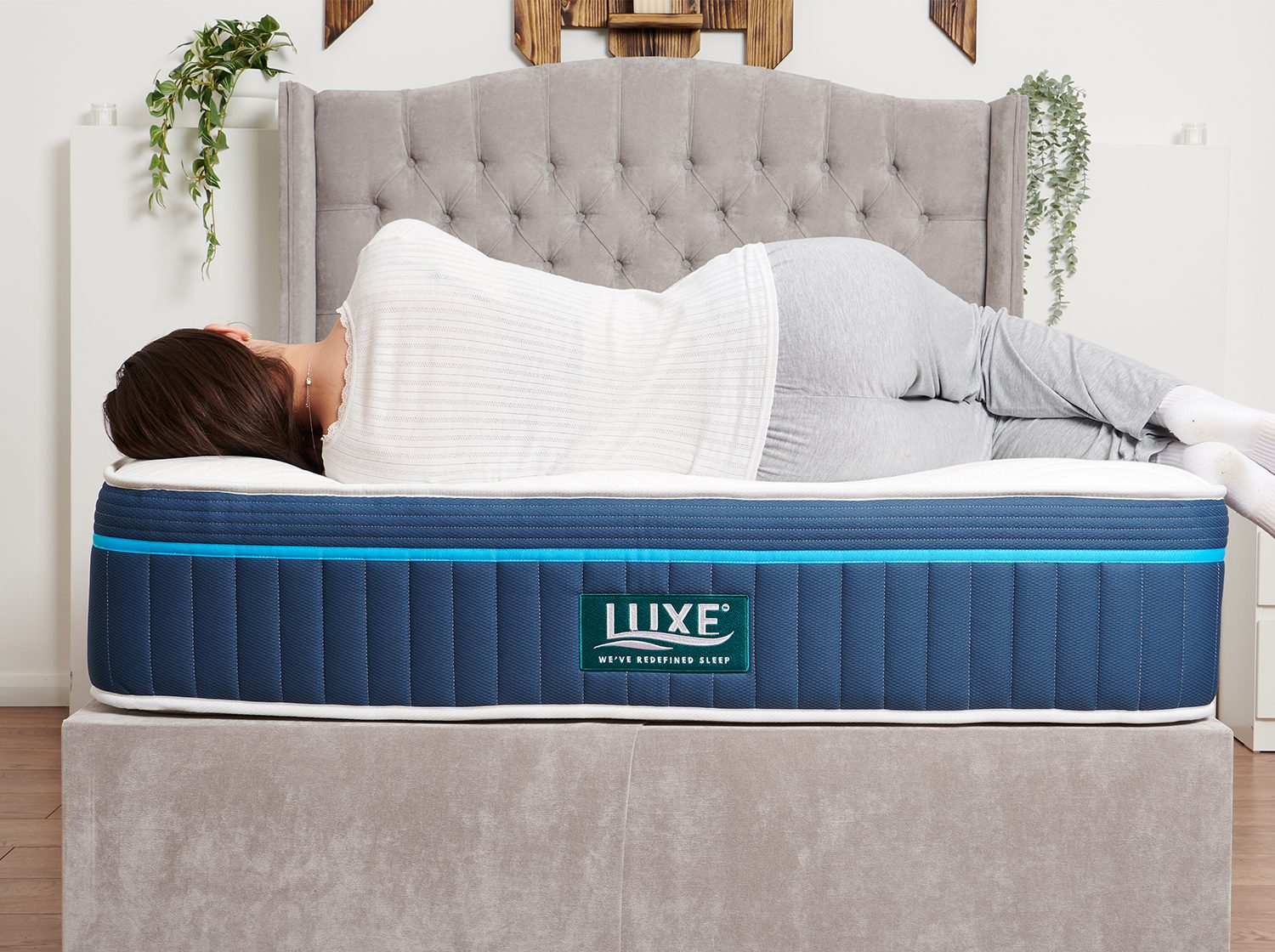
orthopaedic vs cooling mattress
July 13, 2025

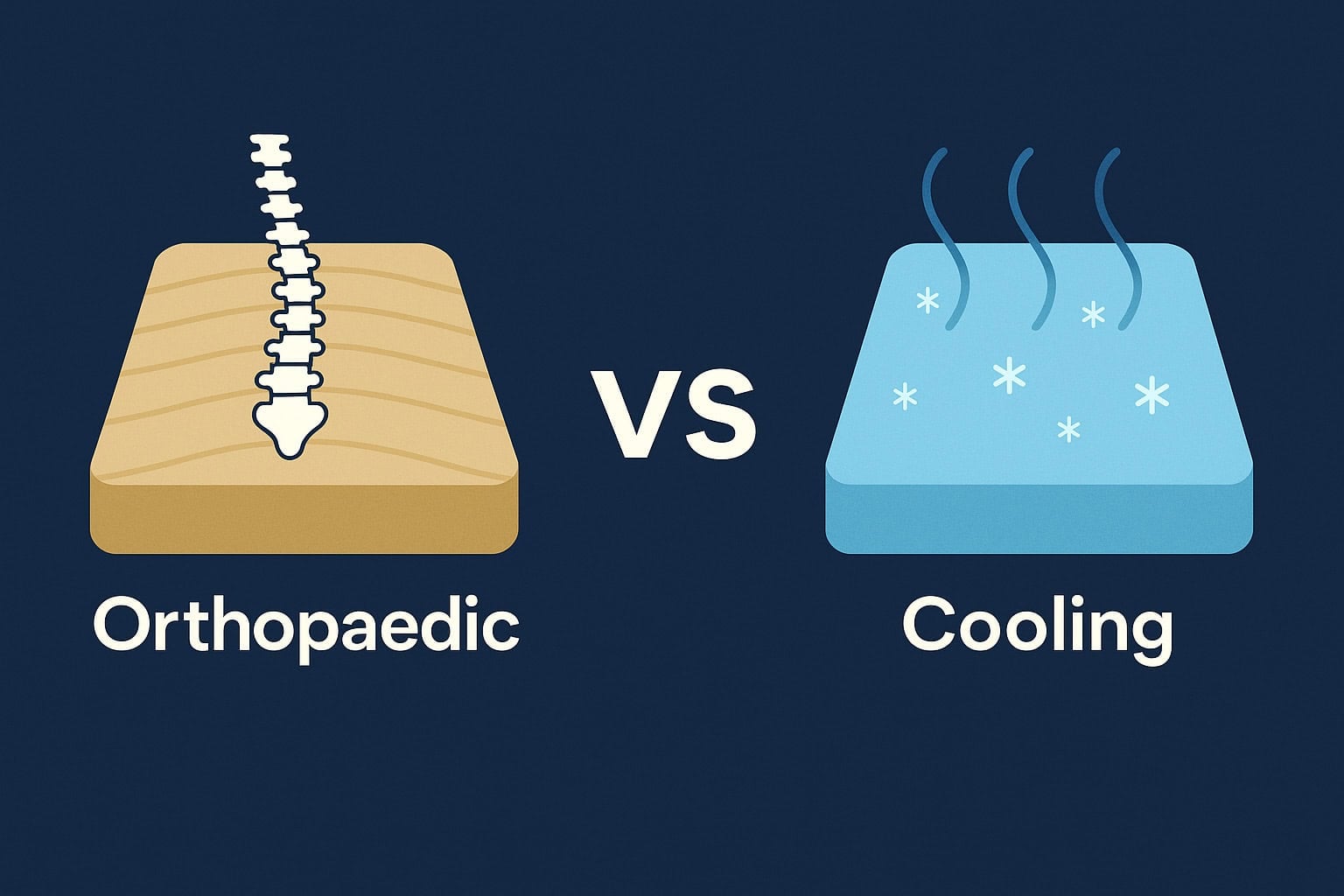
Orthopaedic vs Cooling Mattresses: Which One Offers Better Relief for Pain and Heat?

You wake up feeling either sore or sweaty, maybe even both. Sound familiar? You’re not alone. Whether it’s back pain that won’t quit or waking up feeling like you’ve just run a marathon in your sleep, your mattress might be the one to blame… or to thank.

Two types of mattresses have been getting a lot of attention lately: orthopaedic mattresses and cooling mattresses. One is all about support and pain relief. The other is focused on regulating body temperature and keeping you from overheating at night.

But which one is right for you? Should you prioritise spinal alignment or cooling comfort? Let’s explore both options and figure out which is the better match, based on real needs, not just marketing claims.

What Is an Orthopaedic Mattress?

An orthopaedic mattress is designed to offer targeted support for your bones, joints, and muscles, especially your spine. They’re typically on the firmer side and built to promote proper alignment and reduce pressure on the body.

You’ll often hear the term associated with people who suffer from:

  • Lower back pain â€“ One of the most common reasons people seek orthopaedic support; firm mattresses can help maintain spinal alignment and reduce pressure on the lumbar region.
  • Sciatica â€“ Caused by irritation of the sciatic nerve, often worsened by poor sleeping posture or unsupportive mattresses.
  • Arthritis â€“ Pressure-relieving surfaces can help reduce joint pain and inflammation, particularly in the hips and knees.
  • Slipped or herniated discs – Supportive mattresses prevent excessive spinal movement during sleep, which can aggravate disc issues.
  • Post-surgery recovery – A stable, firm mattress is often recommended to promote healing and reduce muscular strain after orthopaedic procedures.

These mattresses are not just for the elderly. Many young adults with active jobs or sedentary desk habits also find relief using an orthopaedic mattress, especially if they suffer from poor posture, stiffness, or discomfort in the morning.

One great option we recommend exploring is this orthopaedic mattress collection from Luxe Mattresses for firm, supportive designs backed by thoughtful engineering.

What About Cooling Mattresses?

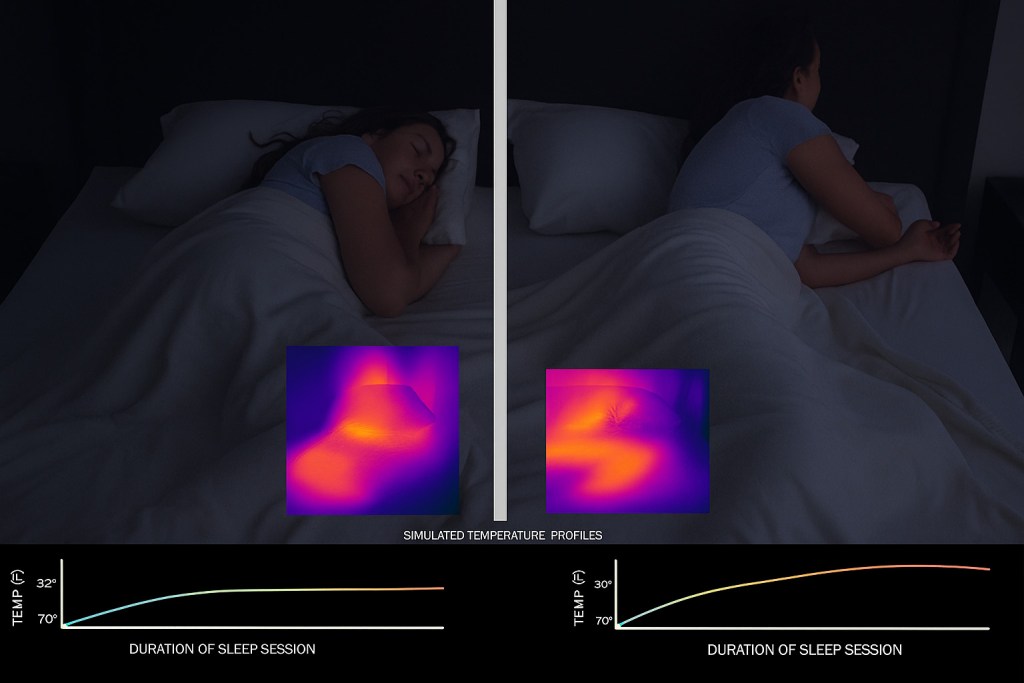
cooling mattress, on the other hand, is designed to regulate temperature and prevent heat buildup while you sleep. Unlike traditional memory foam (which is notorious for trapping heat), cooling mattresses are made from breathable, moisture-wicking materials like gel-infused foam, latex, or open-cell designs.

how cooling mattress regulate body temperature

They’re especially helpful for:

  • People who naturally sleep hot
  • Those going through menopause or hormonal changes
  • Couples who share a bed (because two bodies = double the heat)
  • Individuals with night sweats or certain medical conditions
  • Warmer climates or homes without air conditioning

Many modern models combine comfort with cool tech, like graphite layers, bamboo covers, or phase-change cooling gels, and you’ll find a wide selection of these in most premium mattress lines.

For those after a breathable option with eco-benefits, we also suggest checking out Luxe Mattresses’ latex mattress section, where cooling and sustainability meet.

Real People, Real Choices

Let me tell you about two customers from very different walks of life.

Brian is a 42-year-old warehouse supervisor in Nottingham. Years of lifting, bending, and working long shifts on concrete floors caught up to his lower back. After trying several soft and medium beds, he made the switch to an extra-firm orthopaedic mattress. Within weeks, he said the morning stiffness was gone and he started waking up with more energy and less pain.

On the other hand, Jasmine, a marketing manager in London, had the opposite issue. She constantly woke up hot, sometimes sweating through her sheets. She tried fans, lighter duvets, even sleeping with the window open, no luck. Finally, she invested in a gel-infused cooling mattress and said it felt like “sleeping on a calm breeze.” Her rest improved almost immediately, and her tossing at night practically disappeared.

Both made the right choice because they understood their sleep problem and picked a mattress that solved it.

Pros of Orthopaedic Mattresses

  • Spinal alignment support that helps reduce or prevent chronic pain
  • Firm and stable surface, which is ideal for people with mobility issues or post-surgery needs
  • Often recommended by physiotherapists and doctors
  • Long-lasting durability thanks to high-density materials

Great for: People with back pain, joint stiffness, or structural support needs

Pros of Cooling Mattresses

  • Helps regulate body temperature for uninterrupted sleep
  • Breathable materials like latex or gel foam enhance airflow
  • Often paired with motion isolation, making it ideal for couples
  • Reduces night sweats and heat-induced tossing and turning

Great for: Hot sleepers, couples, or anyone dealing with nighttime temperature spikes

When They Overlap (Yes, You Can Have Both)

It’s worth noting that some mattresses do both, they offer orthopaedic-level support and cooling comfort. For example, some hybrid mattresses combine firm support with breathable coils and cool gel layers on top. Others use natural latex which is both supportive and temperature-regulating.

If you’re looking for a balance between both worlds, browsing a cooling orthopaedic hybrid can be a smart starting point. Retailers like Luxe Mattresses often carry collections designed to meet both medical and comfort demands in one.

How to Decide: Pain vs Heat

Still not sure what to pick? Here’s a quick guide based on what’s bothering you most at night:

Symptom/ConcernGo With…
Lower back or joint painOrthopaedic Mattress
Posture problems or stiffnessOrthopaedic Mattress
Night sweats or overheatingCooling Mattress
Tossing and turning from heatCooling Mattress
Pain and heat combinedHybrid or Latex Option

Final Thoughts: Choose What Your Body Needs Most

There’s no right or wrong answer when choosing between an orthopaedic and a cooling mattress, only what works best for your body, your climate, and your lifestyle.

If pain is your biggest enemy, focus on structured support. If heat is ruining your nights, find a breathable surface that keeps you cool. And if you’re somewhere in between, consider a firm latex or hybrid option that ticks both boxes.

Remember, sleep isn’t a luxury, it’s a foundation for health. Make your mattress work for you, not against you.

mattress for elderly people
July 12, 2025

The Complete Guide to Beds for Elderly People: Choosing the Right Support for Aging Bodies

As we age, the importance of sleep quality becomes more pronounced, not just for energy, but for maintaining physical independence and reducing the risk of chronic pain or injury. For many older adults, the wrong bed can mean discomfort, poor sleep, or even health issues like joint strain and pressure sores.

This guide covers everything you need to know about choosing beds for elderly people, including mattress types, ideal bed height, mobility-friendly features, and evidence-based health considerations. It also includes product insights from LuxeMattresses.co.uk, whose best mattress for elderly selections feature high-quality, natural hybrid sleep systems specially designed to support older adults.

Why Choosing the Right Bed Matters

According to the Sleep Foundation, older adults experience more fragmented sleep, lighter sleep stages, and greater difficulty staying asleep. This means the surface they sleep on plays a major role in rest and recovery.

Medical studies also highlight that older people are more prone to skin breakdown and musculoskeletal pain due to reduced mobility and aging tissue. Choosing a well-designed bed can:

  • Reduce back and joint pain
  • Lower the risk of pressure sores
  • Make getting in and out of bed safer and easier
  • Improve circulation and breathing through supportive positioning

Best Mattress Types for the Elderly

Not all mattresses are created equal, especially when it comes to meeting the specific needs of older adults. While soft foams may seem comfortable at first, they can lack the long-term support and pressure relief needed.

A strong option for UK shoppers is a natural latex hybrid mattress, like those found in LuxeMattresses.co.uk’s Natural Collection. These models feature a thoughtful combination of:

  • GOLS-certified organic latex for responsive, breathable support
  • Individually pocketed springs to isolate motion and improve spinal alignment
  • Natural wool and cotton covers, offering temperature regulation and hypoallergenic properties

This type of construction maintains resilience and body support far better than low-density foam alternatives, which are shown in NICE guidelines to increase pressure ulcer risk in immobile adults.

Why they work for elderly people:

  • Conform to the body without “sinking”
  • Distribute pressure evenly across joints and muscles
  • Support circulation and natural sleep posture
  • Durable materials ensure performance over time

Optimal Bed Height for Seniors

One of the most overlooked, but crucial, considerations is bed height. For elderly individuals, the surface should be at or just below knee height when standing. The goal is to allow the person to sit down and rise without strain or instability.

The recommended range is typically 50–60 cm (20–23 inches) from floor to mattress top. If a mattress is too high, stepping up becomes unsafe. If it’s too low, standing up requires excess effort and may strain the knees or hips.

When selecting beds for elderly people, look for adjustable or low-profile bed frames that work with standard-height mattresses to maintain a comfortable sitting level.

Adjustable Bed Bases: Increased Safety and Comfort

For seniors with arthritis, circulation issues, or limited mobility, adjustable bed bases offer considerable benefits. These beds allow users to elevate the head or feet, raise or lower the height, and adjust positioning at the touch of a button.

Benefits include:

  • Improved breathing for people with sleep apnea or COPD
  • Enhanced blood flow, especially for those with edema
  • Reduced acid reflux when sleeping with the upper body elevated
  • Easier transfer into and out of bed, especially for those with walkers or carers

Though not always available through the NHS, adjustable beds are a practical investment for aging in place. They pair well with natural latex hybrid mattresses that flex and conform without sagging.

Pressure Relief and Skin Health

As people age, their skin becomes thinner and more vulnerable to pressure damage. Limited movement during the night can increase the risk of pressure ulcers, especially at the shoulders, lower back, and hips.

According to a systematic review published in BMJ Open, high-specification foam and hybrid surfaces significantly reduce the development of pressure injuries in elderly populations.

Beds with the following features provide essential protection:

  • Zoned support to relieve pressure at critical points
  • Airflow-enabled materials to prevent overheating and sweating
  • Firm edges for safer sit-to-stand movement

Mattresses like Luxe’s natural latex hybrids offer exactly these benefits. The natural latex adapts to the body’s curves while maintaining firm support, and wool-cotton covers promote breathability for temperature-sensitive skin.

Bed Safety and Mobility Aids

Even the most supportive mattress can’t prevent falls if the overall bed setup isn’t senior-friendly. When choosing beds for elderly people, look beyond just comfort, consider ease of movement and accessibility.

Look for options that allow:

  • Secure grip rails or compatibility with over-bed support poles
  • Stable edge support, so sitting on the edge feels firm, not unstable
  • Non-slip flooring or carpet runners next to the bed
  • Optional low-height or floor-level bases for those at risk of rolling off

Combining ergonomic design with the right support tools can significantly extend independence for older adults living at home.

Final Thoughts

Choosing a bed for an elderly loved one or yourself, is about more than comfort. It’s about preserving independence, preventing injury, and enhancing health through high-quality rest. The right bed setup considers not only the mattress, but height, pressure relief, and adaptability to changing physical needs.

Natural latex hybrid mattresses, like those found at LuxeMattresses.co.uk, offer UK-based shoppers a balance of comfort, support, and health-conscious design. They’re crafted with sustainability in mind and tailored for long-term performance, making them a smart investment for older adults.

Whether you’re a caregiver, adult child, or senior shopping for yourself, don’t underestimate how life-changing the right bed setup can be.

LuxeErgoâ„¢ 3400 Hybrid
April 20, 2025

Science Behind Luxe Orthopaedic Mattresses

As you know good Sleep is not only important for overall wellbeing but also for spinal health. Choosing a good mattress is important for good sleep. It can affect your comfort and how well you recover. A good mattress can also improve your overall quality of life.

Very soft mattresses often fail to keep the spine aligned, which can lead to discomfort. Orthopedic mattresses are crafted to offer support, with the goal of easing pain and improving sleep quality. This article will explore the science behind orthopaedic mattresses and how they help relieve back pain, backed by research.

Why Sleep Quality is Important for Spine Health? 

This is a question that came across many people suffering from backache. The answer to this query is that the body must rest in order to repair tissues, recover muscles, and align the spine.

A bad mattress can lead to poor sleep quality. This can make back pain worse and affect how well you rest.

Studies show that one of the primary causes of poor sleep quality is low back pain. The right mattress can interrupt this cycle by supporting spinal alignment and relieving discomfort. 

Understanding Back Pain and Its Relationship to Sleep

Let’s figure out the relationship between back pain and sleep. Back pain can arise due to several reasons, postural faults, spinal misalignment, or muscle strain. Poor support to the spine during sleeping creates some pressure points that create discomfort and disturbs sleep.

A good mattress helps keep your spine in its natural shape. This support reduces stress on your muscles and ligaments. As a result, it can help ease pain and promote better sleep.

The Role of Sleep Position

The position in which you sleep for hours affects your spine health. An orthopedic mattress is designed to support the musculoskeletal system focusing on the spine and joints. An ordinary mattress tends to sag or not provide sufficient support, however an orthopedic mattress would give more support usually with a firmer feel and with materials allowing even weight distribution and spinal alignment. 

What is Orthopaedic Mattress?

Orthopaedic mattresses are designed to specifically affect the musculoskeletal system, especially the spine and joints. While they do not sag and offer support like a normal mattress, orthopedic mattresses tend to be a little firmer and made of materials that promote even weight distribution and proper alignment of the spine. 

Key Features of Orthopaedic Mattresses

At this point, you are able to understand the key features of orthopaedic mattresses. Orthopedic mattress provides firmness to Prevent the sinking which is a guaranteed method for enabling the spine to stay in a neutral position. Equal distribution of weights causes lesser stress on hips, shoulders, and lower back.

It also enables the natural curve of the spine for a healthier posture. Moreover, Construction with materials like memory foam, latex, and hybrid contours offers support. , Orthopaedic mattresses are meant to last and provide support over time. 

How Orthopaedic Mattresses Differ from Regular Mattresses

If you are wondering to know the difference between regular mattress and orthopaedic mattress, (mattress tends to lower back pain issues), there is no global certification for orthopaedic mattresses, they are usually prescribed by practitioners to patients suffering from joint pain, arthritis, or spinal problems. Commonly, they consist of memory foam, latex, or innerspring coils, and help align the spine, relieve pain in the back, and soothe joints.

Scientific Evidence: What Does the Research Say?

The research indicates that mattress firmness and design largely affect back pain and sleep quality.

A study review shows that most medium-firm mattresses are good for comfort, sleep quality, and keeping your spine in line. Many users also say they have less back pain.

One study found that patients with chronic low-back pain who slept on medium-firm mattresses experienced statistically significant improvements compared with patients sleeping on firm mattresses. Participants on the medium-firm mattress experienced a 48% reduction in back pain after 28 days and a 55% improvement in sleep quality. 

Conclusion

Orthopaedic mattresses help support your spine and reduce pressure points. This can lead to better sleep and is important for handling and avoiding back pain. Research shows that medium-firm mattresses offer the best support and comfort. Choosing the right mattress can help many people sleep well and feel less discomfort.

Choose your mattress wisely as you are not choosing your mattress only but choosing your spine health!

FAQ 

What makes an orthopaedic mattress different from a regular mattress?

They are intended to be stronger than usual mattresses by keeping their spinal alignment.

Will an orthopaedic mattress help me with my back pain?

An orthopedic mattress will do so by supporting the spine and relieving pressure points.

What kind of materials are there in  orthopaedic mattresses?

Most orthopedic mattresses constitute memory foam, latex, and hybrid materials due to their supportive and contouring properties.

How do I know whether an  orthopaedic mattress is for me or not?

Sleepers with chronic back pain symptoms will benefit significantly from an orthopaedic mattress.

Does firmness in mattresses play an important role in sleep position and back pain?

The right level of firmness is important because it helps keep the spine aligned and can help prevent back pain, especially for people who sleep on their sides and backs.

Product has been added to your cart