
100-Night Trial · Refund to night 60 · Exchange to night 100
Free Nationwide Delivery
Covered by Our Own Warranty
Call us at: 020 4572 5122
0% APR Finance Available
is queen size bigger than king
September 23, 2026

Understanding Mattress Sizes: Is a Queen Bigger Than a King?

When shopping for a new mattress, you can come across different terms that brands use for size measurement. Queen, king, small double, single and double are a few mattress sizes that are available in the UK. 

For a British customer with a small family, queen and king-size mattresses are good options. Do you think a queen-size mattress is bigger than a king mattress? The simple answer is no, because in almost all regions, king beds are bigger than queen-size beds. 

Is Queen Size Bigger Than King Size?

No, in the UK, the mattress often referred to as Queen size is not bigger than a King size. In fact, the confusion largely comes down to terminology. Let’s break it down properly.

Queen vs King Mattress Size Comparison

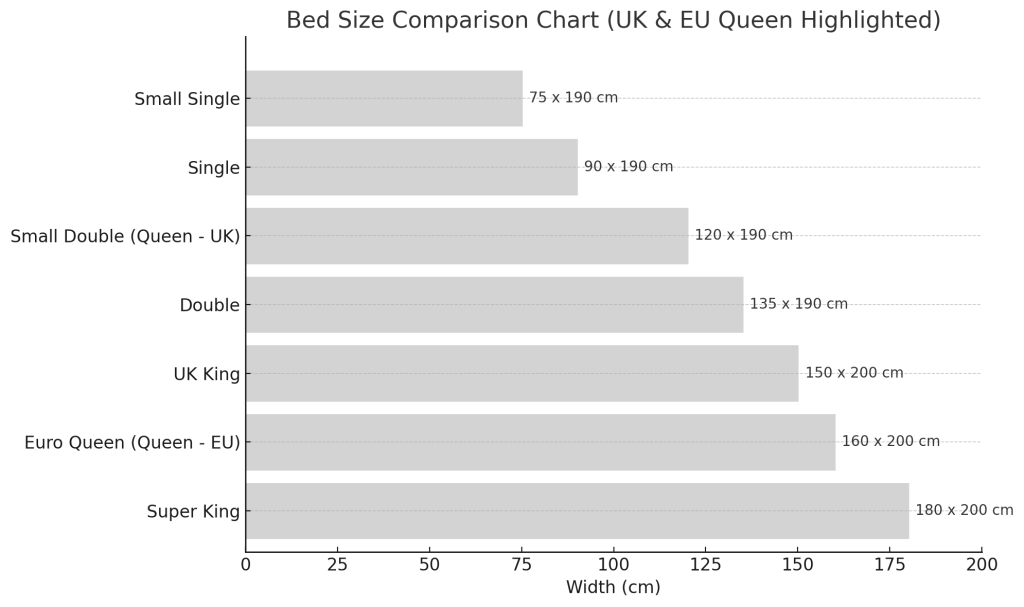
UK Mattress Size Comparison

Mattress Name Dimensions (cm) Also Known As
Single 90 x 190 –
Small Double 120 x 190 Often called “Queen” (UK)
Double 135 x 190 –
King 150 x 200 Standard UK King
Euro Queen 160 x 200 European Queen
Super King 180 x 200 –

Euro Queen vs King: Direct Size Comparison

Size Width x Length (cm)
UK King 150 x 200
Euro Queen 160 x 200
Small Double 120 x 190

Conclusion

  • The UK “Queen size” is actually smaller than a King (often a Small Double).
  • The Euro Queen is wider than a UK King.
  • Always check mattress dimensions, especially when shopping online or with European brands.
  • Euro sizes may not match UK bed frames or bedding—check compatibility first.

Queen and King-Size Mattresses 

Both queen and king-size mattresses are good enough for a couple. A Queen Mattress setup offers enough space for two people to sleep comfortably. King-size mattresses are spacious enough if you need more space in bed or if your kid or pet sleeps with you. 

queen size mattress vs king size mattress

A queen bed is not bigger than a king bed, but there are many other factors that help to determine the best mattress for you. 

In this guide, we will discuss UK vs EU bed sizing and the dimensions of queen and king-size mattresses in the UK. If you are looking forward to buying a new mattress and cannot decide whether a queen or king mattress is good for your bedroom, give this guide a read. 

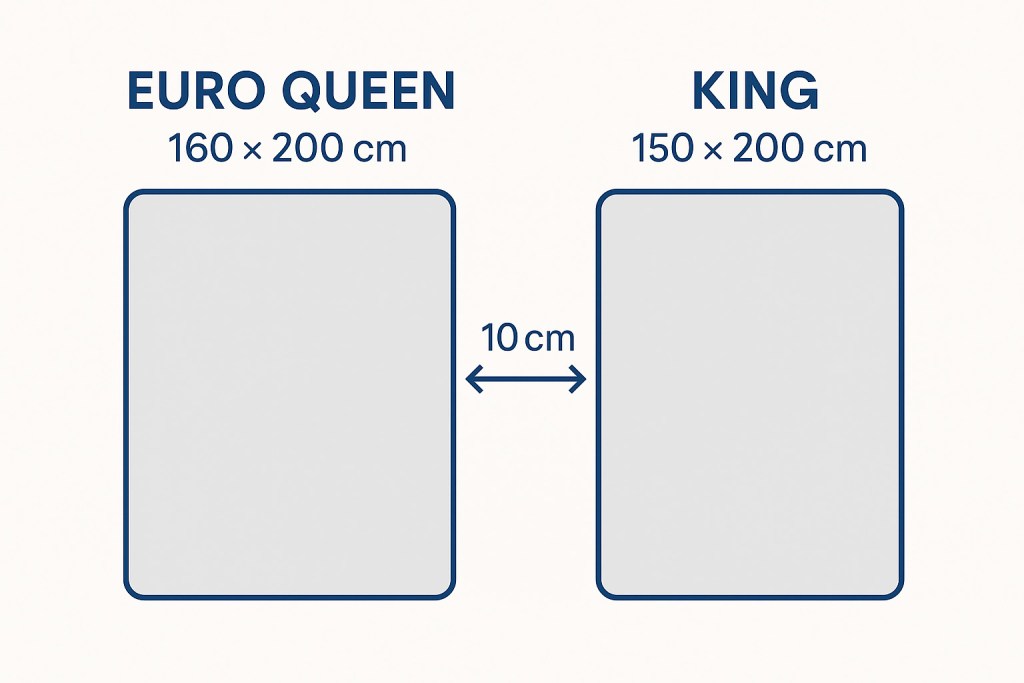
Euro Queen vs King Size Mattress

The Euro Queen size mattress (160 x 200 cm) is 10 cm wider than the UK King size mattress (150 x 200 cm), though both are the same length. Despite the name, the Euro Queen actually offers more sleeping space than the UK King, making it ideal for couples who prefer extra width.
euro queen size vs king size mattress

UK and EU Sizing 

In both the UK and Europe, a king-size mattress is bigger than a queen or Small Double mattress. There are slight differences between the sizes. 

Queen is not an official term for bed sizing in the UK, as most retailers refer to this size as Small Double. For a better understanding of the sizes, let’s have a look at the size comparison of different mattress sizes in the UK and the EU.

Mattress SizeUK DimensionsEU Dimensions
Single 90 cm x 190 cm90 cm x 200 cm
Small Double (Queen)120 cm x 190 cm120 cm x 200 cm
Double 135 cm x 190 cm140 cm x 200 cm
King150 cm x 200 cm160 cm x 200 cm (Euro Queen)
Super King180 cm x 200 cm180 cm x 200 cm

Queen vs King Mattresses- Pros and Cons 

Is a queen-size bed bigger than a king? You probably have a clear answer to this question. Once you are clear about the dimensions of the mattress, there are some other factors that must be considered. First of all, let’s explore the benefits and cons of both mattress sizes. 

Queen Mattress 

ProsCons
Queen mattresses are usually more affordable Might feel cramped for couples with kids
The most popular mattress size for couples, your bedding accessories are usually suitable for queen beds.You might want a bigger mattress if your partner takes up too much space in bed.
Comfortable and spacious enough for two people 
Easier to fit in the room, easy to move  

King Mattress 

ProsCons
Quite spacious for couples and sleepers who require extra space in bedKing mattresses cost more than queen beds
Best for couples with kids or petsAccessories are also expensive 
Looks beautiful in bigger bedroomsThey weigh more and are harder to move
 Not suitable for smaller bedrooms

Both mattresses have unique benefits and disadvantages. What’s the best mattress for you? Well, the right mattress depends on your personal needs and preferences. 

For the ease of customers, every product at Luxe Mattresses has exact dimensions in the description section. These details offer clarity for the customers, and they can also determine if the mattress is suitable for them. 

How to Choose the Right Mattress Size?

With different size options available for mattresses in the UK, how do you determine the right size for your room? Here are some points that can help you in the decision-making process.
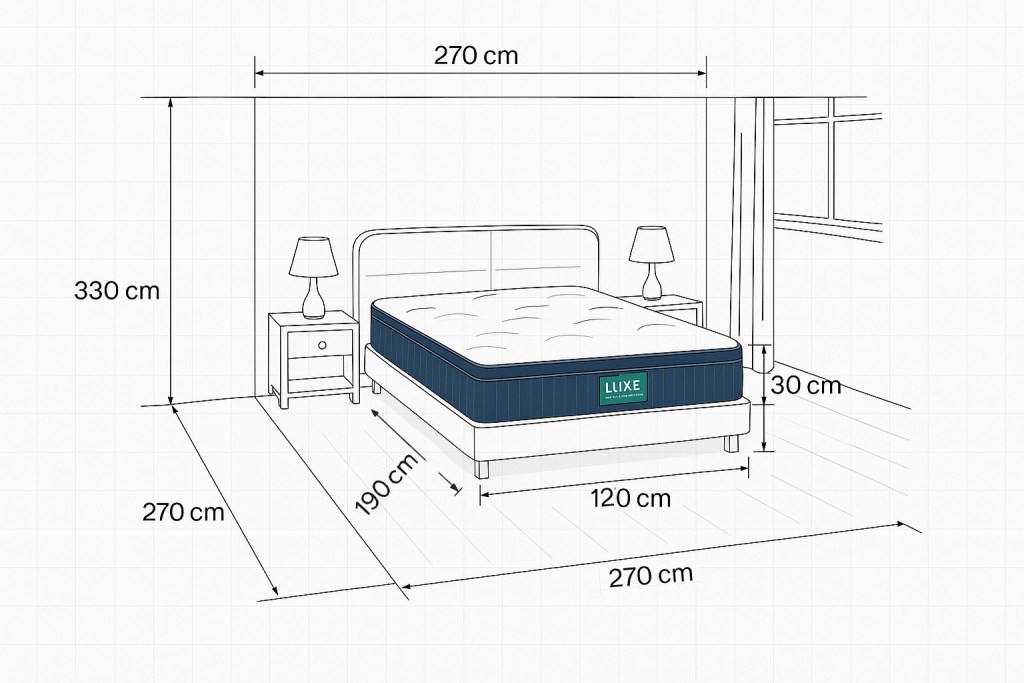
queen size mattress room Dimensions

1.    Room Measurements 

Bedroom size is one of the most important factors in deciding the right size for a new mattress. For a smaller room, a king-size mattress may be too big. Queen mattress is the ideal size option for smaller rooms. Placing a king bed will look good in bigger rooms only. 

2.    Budget 

Looking for the right bed without setting a budget will make the purchase process confusing for you. First things first, set a budget for the mattress, then start analysing the options. 

UK Mattress Price Ranges by Mattress Type (Average Highlighted)

A king mattress is more expensive than a queen mattress. Can you afford more money on a bigger mattress? For customers on a tight budget, queen mattresses may be a more affordable option. 

3.    Sleeping Partner

Are you a solo sleeper? Or do you sleep with your partner and kid? A queen mattress is good enough for a couple. Actually, most couples in the UK prefer queen-size mattresses. The king mattress is only needed if your kid or pet sleeps with you in the bed, or your partner takes up too much space in the bed. 

4.    Sleeping Habits and Body Features

The physical size of the sleepers is also an important factor in the process. For two bulky and oversized sleepers, a queen mattress may feel cramped. If your partner is a combination sleeper and keeps changing sides, you need a king-size mattress. 

Conclusion 

In the UK and Europe, a queen-size mattress is smaller than a king-size mattress. There are slight differences in the dimensions of beds in the UK and the EU. Make sure to confirm the size of the mattress before making the purchase. 

FAQs


What’s the main difference between a queen and king size mattress?

The main difference is width. A king mattress is 30 cm (about 1 foot) wider than a queen, providing more space for couples or those who move a lot during sleep.


Which size is better for couples?

Both work for couples, but a king size offers more personal space, which is ideal for restless sleepers or couples with children or pets who occasionally share the bed.


Will a king size mattress fit in my bedroom?

King size beds require a larger room, ideally at least 12×12 feet (3.6 x 3.6 m), to avoid a cramped feel. Always measure your space before buying.


Is there a big price difference between queen and king size mattresses?

Yes. King size mattresses are typically 10, 20% more expensive than queen size, including bedding and frame costs.


Do I need special bedding for a king size mattress?

Yes, king size mattresses need king-specific sheets, duvets, and frames. These are widely available but can be slightly more expensive than queen bedding.
calculate your sleep time by sleep calculator
September 14, 2026

Calculate Your Ideal Bedtime Based on Wake-Up Time

For years, I thought I had a good understanding of sleep. After all, I was getting around 7 to 8 hours most nights, so why did I still feel tired during the day? It was until I started using a sleep calculator that I realised I was missing a critical part of the equation the timing of my sleep cycles.

Let me walk you through how this discovery changed everything for me, and how it might just do the same for you.

We Think We Are Sleeping Enough But Are We?

If you are anything like me, your evenings are full of well-meaning plans that somehow dissolve into a late-night scroll through social media or just one more episode on Netflix. We tell ourselves we’re fine as long as we get 7, 8 hours. But what we often overlook is how and when we’re actually sleeping.

I used to fall asleep anywhere between 11:30 PM and 1:00 AM, depending on how the day went. My alarm, however, didn’t care it screamed at me at 6:30 AM like clockwork. On paper, I was sleeping enough. In reality, I was a walking zombie by midday.

And I’m not alone. According to the Sleep Foundation, inconsistent bedtimes and screen exposure before bed can disrupt your circadian rhythm, making you feel more tired even if you log enough hours.

The problem was’t just how long I was sleeping it was when I was waking up within my sleep cycle. Research shows that waking during deep sleep (slow-wave sleep) can result in significant grogginess and impaired mental performance also known as sleep inertia.

It wasn’t until I started aligning my bedtime with full 90-minute sleep cycles that I began to wake up feeling like myself again.

Understanding Sleep Cycles

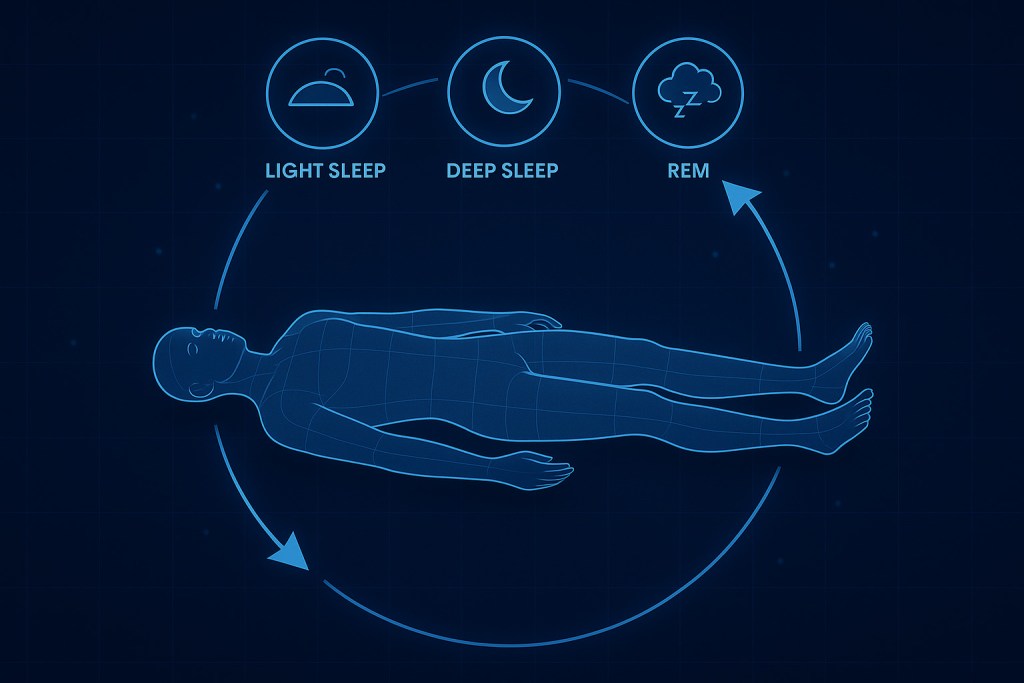
The human brain goes through several stages of sleep, roughly every 90 minutes. These include light sleep, deep sleep, and REM (the dreaming stage). Ideally, you want to wake up at the end of one of these 90-minute cycles not in the middle.

Sleep Cycles

Waking up during deep sleep leaves you groggy, unfocused, and sluggish. But if you wake at the end of a cycle, you’ll often feel clear-headed and refreshed, even with slightly fewer hours of sleep.

This is where a sleep calculator comes in.

What Is a Sleep Calculator?

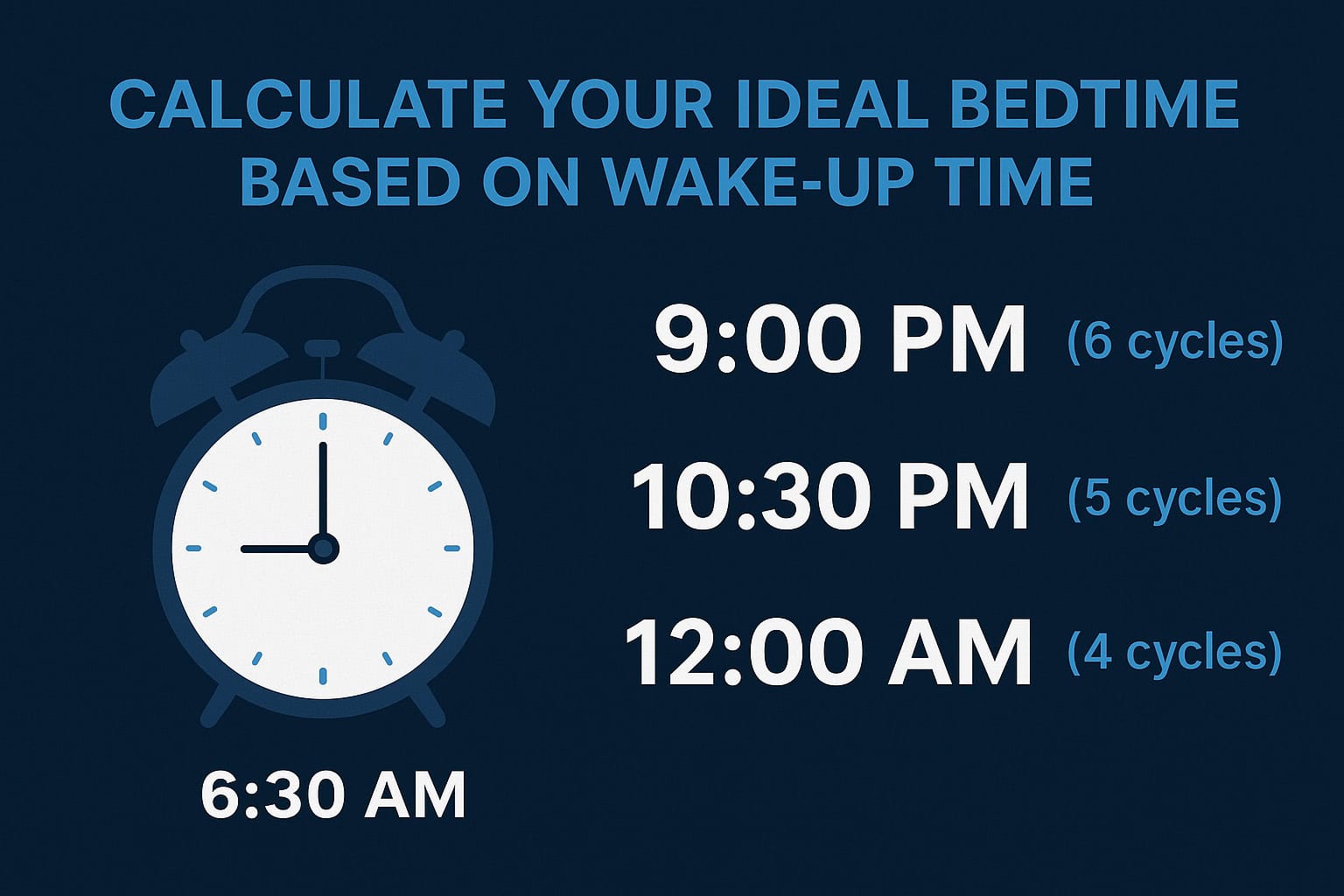
A sleep calculator is a simple tool that tells you what time to go to bed based on when you need to wake up, or vice versa. It calculates backward in 90-minute increments and adds an average of 15 minutes to fall asleep.

Here’s an example: If you need to wake up at 6:30 AM, a sleep calculator might suggest going to bed at:

  • 9:00 PM (6 cycles)
  • 10:30 PM (5 cycles)
  • 12:00 AM (4 cycles)

And so on. The idea is to complete full cycles and wake at their natural end.

My Personal Experience

When I began using a sleep calculator, I committed to trying it out for two weeks. I chose to aim for five full cycles, about 7.5 hours and adjusted my bedtime to 10:30 PM to wake up at 6:00 AM.

The first few nights were rough. I was so used to staying up late that falling asleep earlier felt unnatural. But by night four, I started waking up minutes before my alarm. I didn’t feel groggy. I wasn’t reaching for coffee the second I opened my eyes. I felt genuinely rested.

That change gave me a new level of control over my day. I could focus better, my energy didn’t crash in the afternoon, and my mood was more stable. It was subtle at first, but undeniable.

Real-Life Habits That Disrupt Sleep

We often underestimate the small habits that disrupt our sleep quality and schedule. I’ve worked with clients who think they’re sleeping fine but experience constant fatigue. When we dig deeper, it’s usually due to one or more of the following:

  • Late-night TV or phone use (blue light delays melatonin production)
  • Eating large meals or caffeine late in the day
  • Inconsistent bedtimes and wake-up routines
  • Catching up on sleep on weekends, throwing off weekday rhythm

These things don’t seem like a big deal, until they become patterns. And then we wonder why our energy, focus, and mood are off.

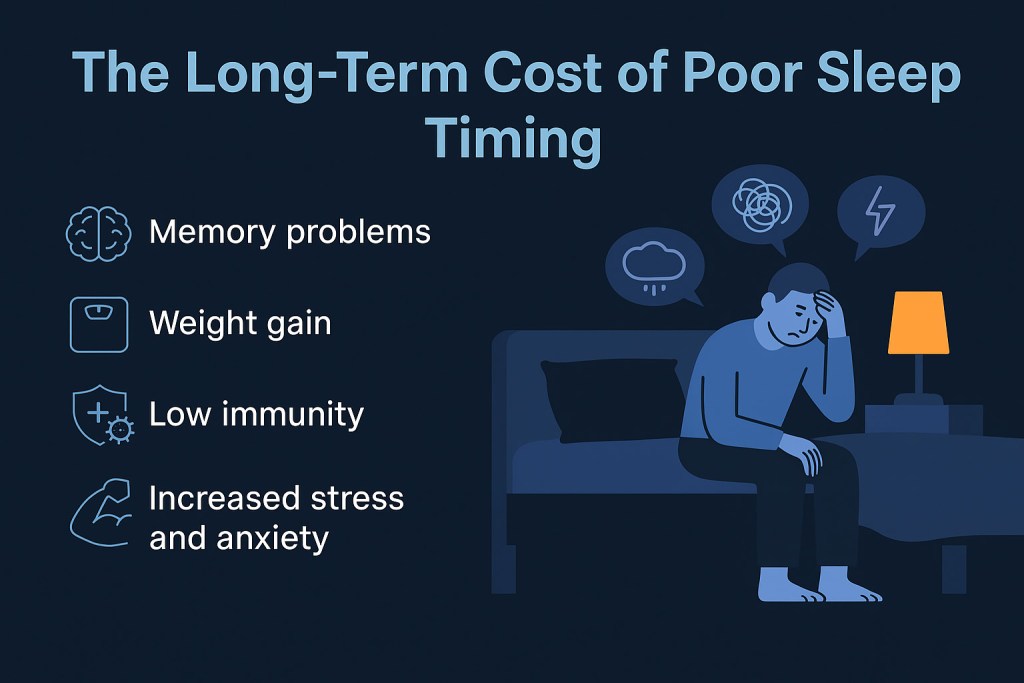
The Long-Term Cost of Poor Sleep Timing

Sleep isn’t just about rest. It’s when your body repairs tissues, balances hormones, and clears out toxins from your brain. Missing proper sleep cycles or waking during the wrong phase consistently can lead to:

side effects of poor sleep
  • Memory problems
  • Weight gain
  • Low immunity
  • Increased stress and anxiety

For years, I didn’t connect the dots between my inconsistent sleep and my struggles with concentration and mood. Once I did, the change was not just noticeable, it was life-changing.

Global Sleep Struggles

Having worked with clients across the UK, US, Canada, India, and Pakistan, I’ve seen how sleep habits vary based on lifestyle and culture. But the struggle is universal.

In the UK, the lack of daylight during winter can confuse the body circadian rhythm. Many people oversleep or find themselves groggy throughout the day despite long rest periods.

In Australia, the abundance of daylight and active lifestyles often push bedtimes later, especially in the summer months. Social events and late dinners mean many aren’t getting consistent sleep duration.

In India and Pakistan, the combination of urban noise pollution, screen-heavy evening routines, and late-night meals creates a perfect storm for poor sleep hygiene. These environments make it hard to maintain a steady bedtime.

In Canada and the US, the biggest culprits tend to be screen exposure at night and irregular work schedules, especially among shift workers. Blue light from phones and tablets delays melatonin production, pushing sleep times later and disrupting natural cycles.

But in every case, when people begin aligning their sleep using a sleep calculator and committing to consistent cycles, results improve sometimes dramatically.

Best Sleep Calculator to Calculate Your Ideal Bedtime

Here are a few tools I’ve used or recommended:

Sleep Calculator

Plan your optimal bedtime and wake-up times based on your body’s natural sleep cycles. Wake up refreshed and energized every morning.

Why Use This Calculator?

  • Calculate the ideal bedtime based on when you need to wake up
  • Find the optimal wake-up time based on when you go to bed
  • Work with your body’s natural 90-minute sleep cycles
  • Minimize grogginess and maximize morning energy
  • Based on sleep science research
Use Sleep Calculator

You don’t need a smartwatch or expensive sleep tracker. You just need consistency and to give your body the chance to work with its natural biology.

My Advice If You’re Just Getting Started

  • Pick a consistent wake-up time and work backwards using a sleep calculator.
  • Don’t try to change everything overnight. Start by adjusting your bedtime by 15, 30 minutes.
  • Create a wind-down routine: no screens, dim lights, maybe some reading or stretching.
  • Avoid caffeine after 2 PM. It really does linger longer than we think.

If you stay consistent for even just a week, you’ll likely notice:

  • Easier mornings
  • More energy during the day
  • Fewer cravings for sugar or caffeine
  • Better focus and mood

Final Thoughts

You don’t have to be perfect with your sleep every night. But if you want to feel better, think clearer, and protect your long-term health, the timing of your sleep is just as important as the duration.

I learned this the hard way by burning out slowly without realising it. But once I discovered sleep calculators and aligned my schedule with my natural rhythm, things changed.

If you are tired of being tired, start tonight. Calculate your ideal bedtime. Try it for a week. Your body will thank you.

And if you have questions or want help adjusting your schedule, I’m here to help.

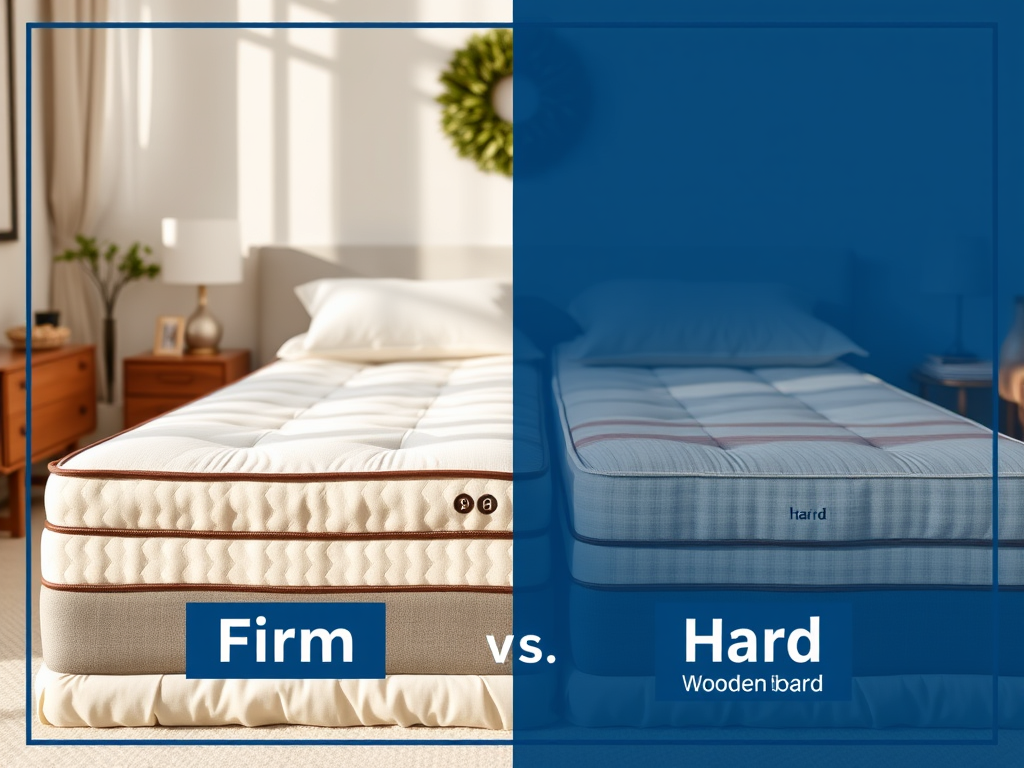
Firm vs. Hard Mattresses: What’s the Real Difference and Why It Matters
August 24, 2026

Firm vs. Hard Mattresses: What’s the Real Difference and Why It Matters

Choosing the right mattress can be confusing and people get confuse between firm vs hard mattress, most of them do not understand the actual differences. You might see words like firm, extra firm, or hard mattress, but what do they really mean? Are they all the same? The answer is no.

In this guide, we’ll explain the difference between a firm mattress and a hard mattress, why it matters, and how to find the best firm mattress for your sleep. We’ll also answer common questions at the end.

What Is a Firm Mattress?

A firm mattress gives your body strong support. It doesn’t let you sink in too much, but it still feels comfortable. Many people find a firm mattress good for sleeping because it keeps the back straight and reduces pain.

Firm mattresses can be:

  • Medium-firm soft with some support
  • Firm more support with less softness
  • Extra firm very solid and strong, little or no sinking

Firm mattresses are not too soft, but also not too hard. They are made to support your body and help you sleep well.

What Is a Hard Mattress?

A hard mattress, or rock hard mattress, is much firmer than a normal firm mattress. It feels stiff and flat, almost like sleeping on the floor or a wooden board.

Hard mattresses may give support, but they often don’t feel very comfortable. They don’t cushion your hips, shoulders, or back. This can cause pain, especially if you sleep on your side.

Firm Mattress vs. Hard Mattress

Let’s look at the key differences:

FeatureFirm MattressHard Mattress
SupportGood support with some comfortVery strong support, not much comfort
FeelSupportive but still softVery stiff and hard
Best forBack and stomach sleepersVery few people, maybe for medical use
Pressure ReliefYes, reduces painNo, can cause pain on shoulders or hips

So, a firm mattress supports your back and body, but a hard mattress might feel too stiff for most people.

Why Firmness Is Important

The firmness of your mattress is important for good sleep. Here’s why:

1. Spine Support

Your spine should be straight while you sleep. A mattress that is too soft can make your body sink too much. A mattress that is too hard can push your back into a bad position. A firm mattress helps keep your spine straight.

2. Comfort

A firm mattress gives support but still feels nice. A hard mattress may cause pain, especially for people who sleep on their side or have sore joints.

3. Body Weight

Heavier people often need an extra firm mattress to stay supported. Lighter people may find a hard mattress too rough and not comfortable.

Who Should Use a Firm Mattress?

A firm mattress is a good choice if you:

  • Sleep on your back or stomach
  • Have back pain
  • Want strong back support
  • Are a heavier person

A firm mattress helps reduce pressure and can help with body pain or posture.

Who Should Avoid a Hard Mattress?

A hard mattress is not right for everyone. It may not be good if you:

  • Sleep on your side
  • Are a lightweight person
  • Have joint pain or arthritis
  • Like a softer, more cushioned feel

These people may feel sore or stiff after sleeping on a rock hard mattress.

How to Choose the Best Firm Mattress

Choosing the best firm mattress for your needs is important. Here’s how to do it:

1. Know Your Sleep Position

  • Back or stomach sleepers do well on firm or extra firm mattresses.
  • Side sleepers need a medium-firm mattress to avoid pressure on their hips and shoulders.

2. Look for Comfort Layers

Even if the mattress is firm, it should still have some softness on top. Memory foam or latex can add comfort.

3. Try Zoned Support

Some mattresses have zoned support, which means firmer areas under your hips and softer areas under your shoulders. This can help with body alignment.

4. Avoid Overly Hard Mattresses

Unless a doctor tells you to, stay away from rock hard mattresses. They often don’t help with sleep and can cause more problems.

What About Extra Firm Mattresses?

An extra firm mattress can be good if you:

  • Sleep on your back
  • Weigh more than average
  • Like a mattress that feels solid and flat

But remember, extra firm is not the same as rock hard. A good extra firm mattress still has a little comfort so you don’t feel sore.

What Is a Back Support Mattress?

A back support mattress is made to help your spine stay straight. It’s usually firm or extra firm and helps with back pain and posture. If you often wake up with lower back pain, this kind of mattress may help you sleep better.

Conclusion 

The difference between a firm mattress and a hard mattress is simple but important. A firm mattress supports your body and feels comfortable. A hard mattress may feel too stiff and cause pain.

If you’re looking for the best firm mattress, think about your sleep position, your body type, and how much support you need. Avoid going too hard unless you have a medical reason.

Getting the right mattress means better sleep and better health. Take your time, test out options if you can, and choose a mattress that helps your body feel good when you wake up.

FAQs

What’s the difference between a firm and a hard mattress?

A firm mattress gives support and comfort. A hard mattress is very stiff and often uncomfortable. Firm is good for most people. Hard is usually too much.

Is a firm mattress good for back pain?

Yes. A firm or extra firm mattress can help keep your spine straight. This may reduce back pain. Just make sure it’s not too hard, or it could make things worse.

Can side sleepers use a firm mattress?

Yes, but they may prefer a medium-firm one. A mattress that’s too firm or rock hard can hurt your shoulders and hips.

Do hard mattresses last longer?

Not always. How long a mattress lasts depends on its materials, not just its firmness. A good firm mattress made from quality materials will last longer than a poor-quality hard mattress.

How do I know if my mattress is too hard?

If you feel sore when you wake up or have pain in your hips or shoulders, your mattress might be too hard. Try a softer topper or a different mattress.

https://www.landofsleep.com/blog/pros-cons-of-hard-vs.-soft-mattresses

https://www.tomsguide.com/face-off/hard-vs-soft-mattress

Extra Firm Mattresses for Heavy or overweight Sleepers: Do They Really Work? 
August 20, 2026

Extra Firm Mattresses for Heavy or overweight Sleepers: Do They Really Work? 

If you are a heavy sleeper, finding the right mattress can be hard. Some beds feel too soft, some sag over time, and others don’t give enough support. That’s why many people look for an extra firm mattress. But do these really help? Are they worth it?

In this post, we will talk about what a firm mattress is, why heavy sleepers may need one, the pros and cons, and how to choose the best firm mattress for you.

Mattress Comparison: Light vs Heavy Sleepers
Category Light Sleeper Heavy Sleeper
Weight Range < 60 kg (130 lbs) > 90 kg (200 lbs)
Mattress Pressure Low High
Recommended Firmness Soft to Medium Medium-Firm to Extra Firm
Average Mattress Lifespan 8“10 years 5“7 years

What Is an Extra Firm Mattress?

An extra firm mattress is a bed that feels very solid. It doesn’t sink much when you lie on it. Some people call it a rock hard mattress. It feels flat, strong, and sturdy. It gives your body support and holds your weight well.

This kind of hard mattress is often best for people who are heavier or those who have back pain.

Why Heavy Sleepers Need Firm Support

When you weigh more, you press down more on a mattress. A soft bed may sink too much. Over time, it loses shape and support. This can cause problems like:

  • Back pain
  • Neck pain
  • Hip or shoulder pain
  • Bad sleep
  • Feeling tired after waking up

A firm mattress helps by keeping your body up, not sunken in. It keeps your spine straight. This can help you sleep better and wake up without pain.

Extra Firm vs. Firm: What’s the Difference?

Let’s keep this simple.

  • A firm mattress is solid but has a little softness.
  • An extra firm mattress is even harder. It feels almost like the floor but with a little padding.

Some people need that extra support. Especially if they are heavy sleepers, or sleep on their back or stomach.

mattress support retention over time comparison between lighter and heavy person

Good Things About Extra Firm Mattresses

Here are some reasons why an extra firm mattress might work for you:

1. Helps Your Back

A back support mattress helps your spine stay in line. This can stop back pain. It can also help your body rest better all night. The good thing is that it prevents chances of long-term backache and make sure you don;t have a back slump. 

2. Lasts Longer

A soft bed may wear out fast for heavy people. A hard mattress does not sag as quickly. It keeps its shape and lasts longer. This means you won’t have to worry about replacing your mattress every five years, making it an economical option. 

3. Less Bouncing

If you sleep with someone else, a firm mattress wont move much when they roll over. You’ll sleep better without shaking or bouncing. This is one of the best options for people who don’t like spring mattresses. 

4. Stays Cooler

Soft beds hold heat. They wrap around your body. A firm mattress keeps you on top of the bed, so air flows better or better option can be firm mattress with cooling properties. This helps keep you cool at night. We don’t mind saying that it will also help you keep the electricity bill to a minimum because you might not have to turn the AC on. 

Bad Things About Extra Firm Mattresses

Not everything is perfect. Here are some downsides to extra firm mattresses:

1. May Feel Too Hard

If you’re used to a soft bed, this kind of mattress might feel way too firm at first. It can take time to adjust, especially if you have always slept on softer surfaces. 

2. Not Great for Side Sleepers

If you sleep on your side, a rock hard mattress may push too hard on your hips and shoulders. It might not feel nice for everyone and can also lead to temporary aches. So, make sure you are mentally prepared for this adjustment period. 

3. Hard to Pick the Right One

Some mattresses say they are firm but feel soft. Some feel too hard. It’s not always easy to find the one that feels just right, so make sure you visit the store and test it out. 

How to Choose the Best Firm Mattress for Heavy Sleepers

Picking the best firm mattress can take some work. But here are simple things to look for:

Smart Mattress Quiz

Find your perfect mattress match with our personalized recommendation system. Based on your sleep style, health needs, and comfort preferences.

Why Take This Quiz?

  • Get tailored mattress recommendations for your specific needs
  • Save time researching – we’ve done the analysis for you
  • Compare mattresses that match your sleep style and budget
  • Understand which mattress features matter for your comfort
  • Exclusive discounts on recommended mattresses
Take the Mattress Quiz

1. Strong Materials

Look for strong springs or high-density foam. These will hold your weight better and last longer. This is important to make sure you have spent on something that brings value. 

2. Mattresses for Heavy Sleepers

Some beds are made just for heavy people. They are thicker, stronger, and won’t sag easily. Look for these options when shopping.

3. Free Trial Period

Many mattress companies give you 90 or 100 nights to try the bed. If it doesn’t feel right, you can return it. This helps you find what works for you.

4. Don’t Go by Labels Only

One brand’s firm might be another’s medium. Always read reviews and, if you can, test the bed yourself.

Do Doctors Say Firm Beds Are Better?

Yes, many doctors say a firm mattress is good for back support. It helps keep your back straight while you sleep. But the mattress shouldn’t be too hard. If it’s painful or makes pressure points, it’s not right for you.

A back support mattress should feel firm but not like sleeping on the floor. For heavy people, a mattress between firm and extra firm usually works best.

What Real People Say

Here are some things heavy sleepers have said about extra firm mattresses:

  • I used to wake up sore. After I got a firm mattress, I sleep much better.
  • It felt hard the first few nights. But now I wake up with no back pain.
  • If you’re big like me, you need the firmest bed you can get. Trust me.

Many people say it helped them sleep better and feel better in the morning.

Are Extra Firm Mattresses Worth It?

So, what’s the final answer? Do extra firm mattresses work for heavy sleepers?

Yes, for many people, they do.

They give strong back support, they last longer, and they help your spine stay in a good position. That means fewer aches and better sleep.

But not every hard mattress works for every person. Some may feel too firm. Some may not give enough comfort. That’s why it’s important to test and find the best firm mattress for your body.

Start by asking yourself:

  • Do I sink too much in my current bed?
  • Do I wake up with pain?
  • Is my mattress worn out or sagging?

If you answered yes to any of those, it might be time to try a firm or extra firm mattress.

Quick Tips

  • A firm mattress helps support your back and body.
  • A rock hard mattress is not for everyone, but many heavy sleepers love it.
  • Look for mattresses made for heavier people.
  • Try before you buy if you can.
  • Don’t give up if it feels too hard at first, your body might need time to adjust.

Conclusion 

Good sleep is so important. If you are a heavy sleeper and your current bed isn’t doing the job, an extra firm mattress might change everything. It may take a few nights to get used to, but the support it gives can make a big difference.

  • No more sinking, no more sagging, no more back pain.
  • Just strong support, better rest, and waking up feeling good.
  • Give it a try because your body will thank you.

Resources:

https://shopsleepology.com/blogs/the-guide-for-choosing-the-perfect-mattress/5-reasons-an-extra-firm-mattress-is-great-for-your-health-and-3-reasons-it-might-not-be?srsltid=AfmBOopRzgxoo7F8ENkeWmOOGhFZsqPwcCwRDcY_IPBL3DNFFITefBqH

https://www.prestige-affairs.com/blogs/mattress/do-extra-firm-mattresses-really-help-your-back?srsltid=AfmBOopsHv0xsMqJted3Xq9mdJiw-iofgNh3pQG4LOvYVTQ4ryc044Kf

https://shopsleepology.com/blogs/the-guide-for-choosing-the-perfect-mattress/understanding-the-difference-between-a-firm-and-extra-firm-mattress?srsltid=AfmBOoqncKIJXWompN8WMRxaXWh8uH5xFyTY-bkjqwCwucEGY6FMEjiK

Is Rock-Hard Mattresses Bad for Your Spine? A Scientific Perspective
August 20, 2026

Is Rock-Hard Mattresses Bad for Your Spine? A Scientific Perspective

Estimated reading time: 8 minutes

We’ve all heard the advice: Sleep on a rock hard mattress; it’s better for your back. Some people even go a step further, sleeping on the floor or buying an extra-firm mattress, thinking they’re doing something good for their spine. But is harder really better when it comes to sleep and back health?

The truth is, rock-hard mattresses might actually do more harm than good. Only mattresses with advanced spinal alignment technology and extra-firm support can truly help reduce pain. Finding the right mattress can be challenging, but let’s break it down in simple terms and explore what really matters when choosing the best firm mattress for your back.

Why Mattress Support Matters for Your Back

Your spine isn’t just a straight line of bones. It has a natural curve that helps it support your body, absorb shock, and let you move freely. When you sleep, your spine needs to stay in a neutral position not bent too far forward or backward.

That’s where your mattress comes in. A good back support mattress helps keep your spine in this neutral shape. If your mattress is too soft or too hard, your body might sink in too much or stay too flat, putting stress on certain areas like your lower back, hips, or shoulders.

Firm vs. Hard: What’s the Difference?

People often mix up a firm mattress with a hard mattress. But they’re not the same thing.

  • A firm mattress supports your body and helps your spine stay aligned. It has structure but still has some softness to relieve pressure points.
  • A hard mattress or a rock hard mattress is very stiff. It offers very little cushioning and feels like sleeping on the floor.

If you’re lying on a surface that doesn’t give at all, it can throw off your body’s alignment, especially if you sleep on your side or have curves that need support, like your hips and shoulders.

What the Science Says About Mattress Firmness

There have been several studies over the years looking at how mattress firmness affects back pain. Here’s what they found:

1. Medium-Firm Is Often the Best Choice

One major study published in The Lancet found that people with chronic lower back pain felt better sleeping on medium-firm mattresses compared to extra firm mattresses. They reported less pain and better movement throughout the day.

Another 2015 review looked at several studies and found that medium-firm mattresses are usually the best for improving sleep quality and reducing back pain. They’re soft enough to relieve pressure but firm enough to support your spine.

2. Your Sleep Position and Body Type Matter Too

What works for one person might not work for another. Your weight, body shape, and sleep position all affect the type of firm mattress that will suit you best:

  • Side sleepers need cushioning around the shoulders and hips. A hard mattress may push too much on these spots and cause pain.
  • Back sleepers usually do best with a medium-firm mattress that supports the lower back and keeps the spine straight.
  • Stomach sleepers may prefer a firmer mattress to keep their hips from sinking, but a rock-hard mattress can still feel uncomfortable.


Mattress Comparison Table: Rock-Hard Foam vs. Advanced Spine-Alignment Technology

FeatureRock-Hard Foam Mattresses (C32, H32, H45)Advanced Spine-Alignment Mattresses
Support TypeFlat, rigid supportZoned support with body contouring
Spinal AlignmentPoor does not follow natural curveExcellent promotes proper spinal posture
Pressure ReliefLow creates pressure points on hips and shouldersHigh adapts to body shape, relieves stress on key areas
Comfort LevelUnyielding, often uncomfortableBalanced comfort with firm yet responsive surface
Adaptability to Body ShapeMinimalDynamic body adaptation using memory foam or latex layers
Common Foam TypeC32, H32, H45 (high-density, hard foam)Smart memory foam, latex, or hybrid materials
Blood CirculationMay restrict blood flow, causing numbness or discomfortSupports circulation by reducing pressure points
Best for Side Sleepers?No causes discomfort and joint pressureYes supports shoulder and hip contours
DurabilityDurable but often uncomfortable long-termDurable with better sleep quality over time
Back Pain ReliefOften worsens back stiffness and painDesigned to alleviate and prevent back pain
Sleep QualityInterrupted, restless sleepDeeper, more restorative sleep

The Problem with Rock-Hard Mattresses

So, is a rock-hard mattress bad for you? In most cases, yes and here’s why:

Rock-hard mattresses don’t support the natural curve of your spine. Instead of adapting to your body’s shape, they create uneven pressure, especially around the shoulders and hips for side sleepers. This can reduce blood circulation, lead to numbness or stiffness, and often leaves you waking up sore or unrested.

The Problem with Rock-Hard Mattresses

Many mattresses labeled as extra firm use high-density foams like C32, H32, or H45. While these foams are durable and rigid, they lack adaptive comfort meaning they don’t contour to your body or respond to pressure points. This rigid structure may look supportive on paper but often fails to provide the targeted spinal alignment and pressure relief your back truly needs.

In contrast, mattresses engineered with advanced body-adapting and spinal alignment technologies are designed to respond to your unique shape and sleeping posture. They combine firmness with smart support zones and responsive materials to reduce pressure, support proper alignment, and actively ease back pain without the harsh, unyielding feel of traditional hard foam.

If your current mattress feels more like the floor than a sleep surface, it might be time to upgrade to one that supports both your spine and your comfort.

When a Firm Mattress is Helpful

Now, that doesn’t mean everyone should avoid firm mattresses. In fact, they can be very helpful in some cases:

  • Heavier people may sink too deeply into softer mattresses, which can throw off alignment. A firm or extra firm mattress gives better support.
  • Back sleepers often benefit from a best firm mattress that keeps their spine in a straight line.
  • People with some back conditions, like certain disc problems, might feel more supported on a firmer surface.

But even then, the mattress should still have some cushioning. A truly rock hard mattress is usually too much.

How to Tell If Your Mattress Is Too Hard

Not sure if your mattress is too firm for you? Here are a few signs:

  • You wake up sore, especially in your hips, shoulders, or lower back.
  • You toss and turn at night trying to get comfortable.
  • You feel like you’re lying on top of your mattress, not in it.
  • You feel stiff or unrested in the morning.

If this sounds like you, your firm mattress might actually be too firm or it might be time for a new one altogether.

Can You Fix a Mattress That’s Too Hard?

Maybe you’re not ready to replace your mattress just yet. No worries there are a few things you can do to make a hard mattress more comfortable:

  • Add a mattress topper. A memory foam or latex topper can add softness and comfort without removing support.
  • Use a thicker pillow. Especially for side sleepers, this helps align the neck and spine better.
  • Try a new sleep position. Back sleeping usually works better on firm surfaces than side sleeping.
  • Layer blankets. Adding extra layers can help soften the feel of a rock hard mattress.

These small changes can make a big difference, especially if your mattress is still in good shape but just too firm.

How Long Should a Mattress Last?

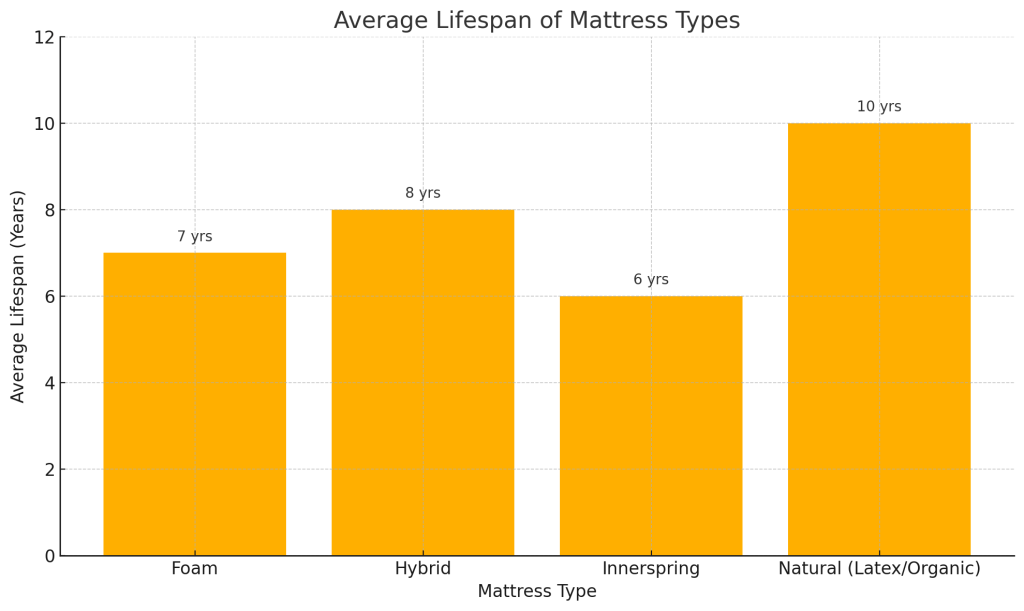
Even the best firm mattress won’t last forever. Over time, materials break down and stop giving you the support your body needs. Most mattresses last between 8 and 10 years. If yours is older than that or sagging in spots it might be time to start looking for a replacement.

average lifespan of mattress

What to Look for in a Back Support Mattress

When shopping for a new back support mattress, here’s what to keep in mind:

  • Firmness level: Look for medium-firm or firm, depending on your sleep style.
  • Material: Memory foam and latex are great for support and comfort.
  • Zoned support: Some mattresses offer extra support in the middle (for the lower back) and softer zones at the shoulders and hips.

The best firm mattress for you is one that keeps your spine straight, supports your body weight, and still feels comfortable enough for deep, restful sleep.

Conclusion

The old saying that harder is better when it comes to mattresses isn’t always true. While firm mattresses offer good back support, rock hard mattresses can do more harm than good. They often cause pressure points, stiffness, and restless sleep.

Most people do best with a medium-firm mattress that balances comfort and support. If your current mattress is too hard, try a topper or new sleep position or start thinking about getting a new one entirely.

FAQs

Is a hard mattress good for back pain?

Not necessarily. Research shows medium-firm mattresses work better for most people. A hard mattress can cause pressure points and throw off spinal alignment.

What’s the difference between a firm and extra firm mattress?

A firm mattress supports your spine while allowing some cushion. An extra firm mattress is much stiffer and may be too hard for many sleepers.

Can I fix a hard mattress without replacing it?

Yes. Try adding a memory foam topper, switching sleep positions, or layering blankets for extra softness.

What’s the best mattress for back sleepers? 

Back sleepers usually prefer medium-firm or firm mattresses that support the lower back without being too stiff.

How do I know if my mattress is hurting my back?

If you wake up sore, stiff, or tired, or if you toss and turn all night, your mattress might not be right for you. A back support mattress should help you wake up feeling better not worse.

Supporting References

https://pmc.ncbi.nlm.nih.gov/articles/PMC8655046

https://www.physiotherapybrighton.co.uk/wellbeing/mattress-bad-back-pain

https://www.health.harvard.edu/pain/what-type-of-mattress-is-best-for-people-with-low-back-pain

https://www.bswhealth.com/blog/back-pain-is-your-mattress-to-blame

https://www.tomsguide.com/reference/firm-mattresses-for-back-pain

Benefits of Mattress Recycling London
August 14, 2026

Discover the Benefits of Mattress Recycling London: A Sustainable Choice

Sustainable living is not a trend you must follow in 2026, but a responsibility you must fulfil, you can start small, such as proper mattress recycling. With more than 700,000 mattresses discarded in a beautiful city like London, mattress recycling London practices need more attention than ever. Engaging in mattress recycle efforts can significantly contribute to environmental sustainability.

Despite some significant efforts by the local authorities and private companies, countless mattresses end up in landfills. These discarded mattresses not only occupy valuable space but also contribute to the degradation of the environment. 

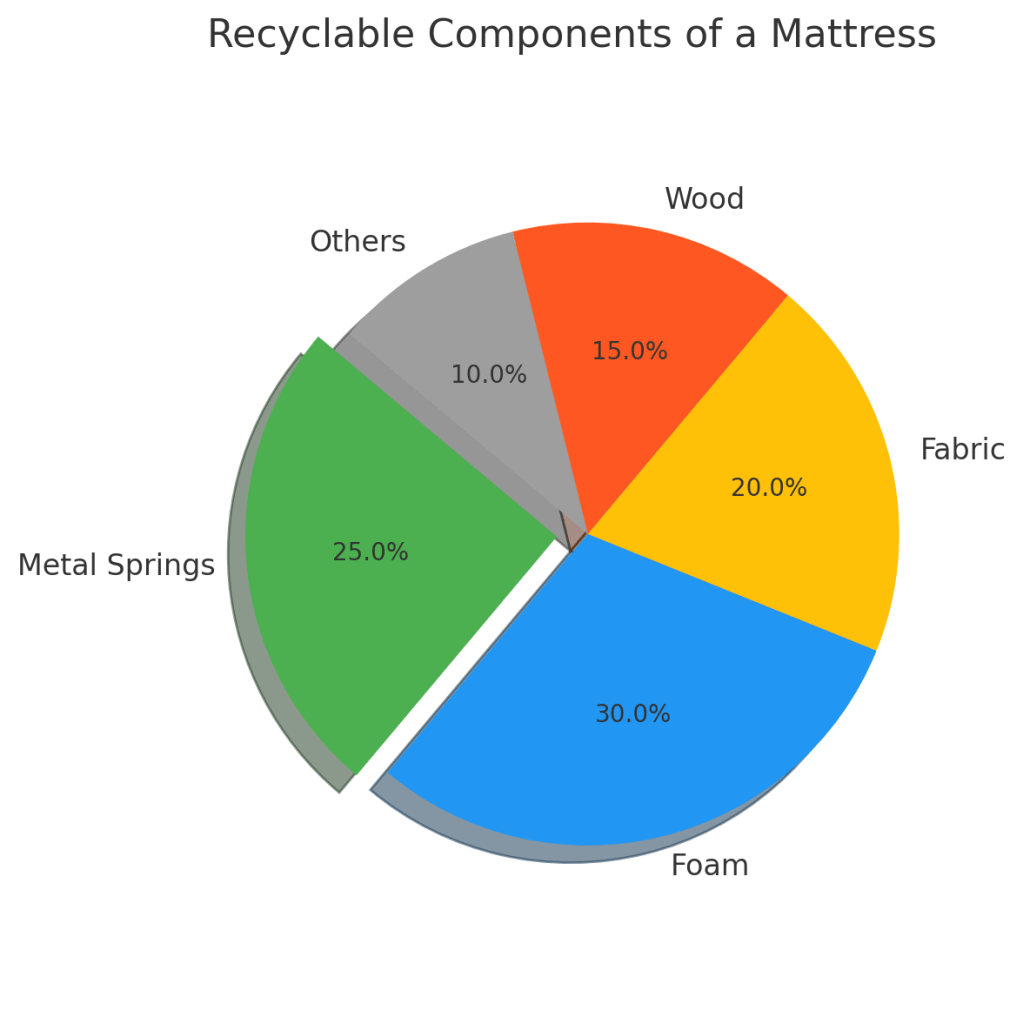
Recyclable components of a mattress

Mattress recycling is a green initiative with having multiple old mattress collection centers set up at different locations. How does mattress recycling London work and what are the benefits of this sustainable choice? We are going to share some valuable insights that will encourage you to consider your actions before discarding your next mattress, and if you want to recycle your mattress by yourself then you can read our mattress recycle guide.

What is Mattress Recycling? 

The process of dismantling old mattresses into various parts for repurposing in an environment-friendly way is called mattress recycling. Fabric, springs, fillings and foam is separated and then these components undergo different procedures to be reused in other items, reducing environmental footprint. 

Mattress recycling is a resource-efficient and sustainable alternative to conventional disposal arrangements. If your local authorities don’t offer free service to dispose bulky mattresses, consider hiring a reliable mattress recycling London company. This little investment can make a huge difference in building a greener and sustainable community. 

Benefits of Mattress Recycling in London 

Why do you need to make an effort to recycle a used mattress or bed safely? If you want a safer and breathable environment for you and your next generations, you already have the answer to this question. 

Disposing old mattresses in a landfill will eventually lead to environmental degradation. Here are some benefits that mattress recycling has to offer in London and everywhere else. 

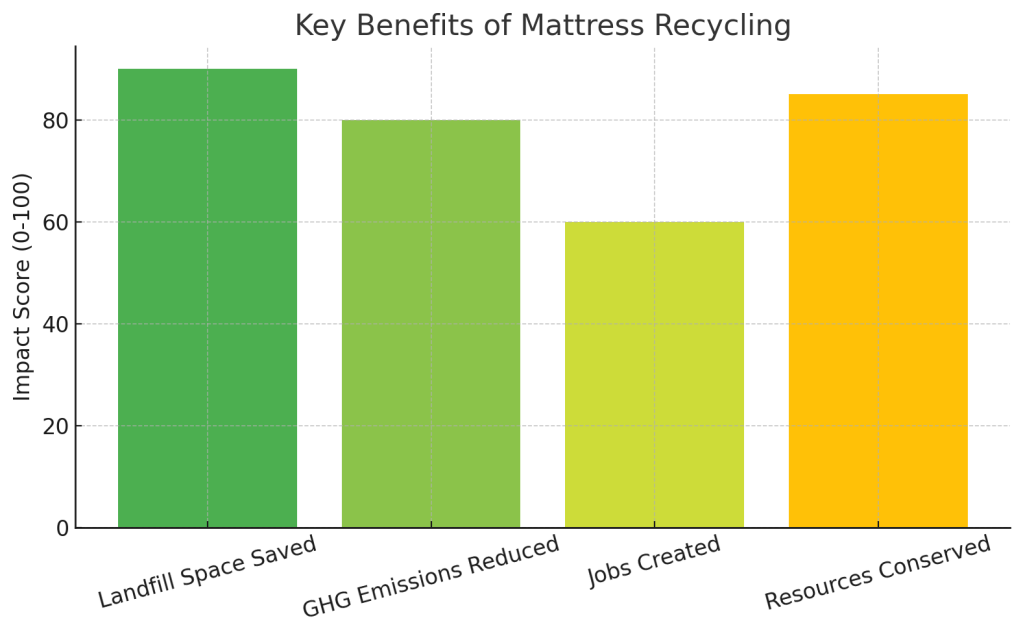
Key Benefits of Mattress Recycling

Environmental Impact of Mattress recycling

These are non-biodegradable products, and due to their bulky structure, mattresses take up significant space in landfills. Greenhouse gases are inevitable if they are left outside unattended for a long time. Here is how proper recycling helps to build a better environment for all of us:

  • More than 90% of the components in mattresses can be reused in other products
  • Metal springs are separated and melted for repurposing, reducing the need for metal mining
  • The carpet and insulation industry can use the shredded foam from the mattresses
  • Landfill methane emission is a serious issue that can be minimized by reducing landfill pressure 

Economic Advantage of Recycling

Smaller initiatives make big difference when it comes to the green economy of London. Use of recycled materials helps to bring down the cost of new manufacturing. 

Apart from that, old mattress collection centers, recycling plants and other industries related to these fields produce new job opportunities for the skilled individuals. Landfills can be used for several other profitable project by municipalities.

Community Health Impacts of Improper Mattress Recycling

Illegal dumping, fire hazards, pest infestation, and many other issues are triggered by improper disposal of mattresses and other bedding accessories, including sofas and beds. When recycled properly, it helps with:

  • Maintaining a cleaner and greener community and streets
  • Reduce the chemical exposure and emissions due to decaying foam and other components 
  • Promote a sense of responsibility and sustainability within the communities 

Options for Old Mattress Collection 

What to do with the old mattress so that it does not add to the pollution? Dumping the old accessory in the streets or waiting for the garbage truck to take it away may not be the smartest move. If you want to dispose an old mattress in London as a responsible citizen, here are your options. 

Local Services for Bed Disposal London

There are local bulky waste collection units in many boroughs. These services can take care of old mattresses, too. Due to limited resources, you might have to wait for your appointment after booking a slot with local services for bed disposal London. 

For a small price, you can have the specialized mattress recycling companies pick up the old mattress from your home. Instead of throwing mattresses in a landfill, these companies responsibly dismantle the mattresses into reusable components. 

1. Collect Your Old Bed

  • Service Area: London and UK-wide
  • Pricing: From £24
  • Recycling Rate: 100% of mattress components recycled
  • Features:
    • Easy online booking
    • Flexible collection dates
    • Partnership with leading home delivery services
  • Website:  https://collectyouroldbed.com/

2. The Mattress Recycling People

  • Service Area: Nationwide, including London
  • Background: Home collection service of The Furniture Recycling Group Ltd.
  • Experience: Over 1.4 million mattresses recycled to date
  • Features:
    • Trusted by major retailers
    • Focus on sustainable recycling practices
  • Website:  https://themattressrecyclingpeople.co.uk/

3. We Are Mattress Recycling

  • Service Area: London and Essex
  • Recycling Policy: Zero-to-landfill commitment
  • Features:
    • Environmentally friendly mattress collection
    • All mattresses fully recycled
  • Website:  https://wearemattressrecycling.co.uk/

DIY Recycling Tips

DIY handling of an old mattress is not as easy as dismantling these bulky items, which requires resources and tools. If you are confident about the proper handling of an old mattress on your own, here are a few possible tips to recycle an old mattress in London as a DIY project:

  • Remove the fabric and reuse it in pet bedding or insulation
  • Foam extracted from beds can be used for packaging materials, insulation, and other DIY projects
  • Metal parts in beds and springs in mattresses can be sold for some cash
  • Donate reusable parts to organizations around you, probably pet-related initiatives

How to Choose a Mattress Recycling Service?

You have made an environment-friendly decision, and now you need to choose the right mattress recycling service in London that can handle the job perfectly. Here are a few tips on choosing the best mattress recycling service near you:

License and Certification

Not every company is permitted to handle waste and disposed items. For better handling of old mattresses, make sure that company is regulated and licensed by the relevant authorities. Their website must display the required certifications and legal work clearly for the visitors, for more information click here.

Customer Reviews and Testimonials for Mattress recycling companies

If the company has good reputation and established name in London, check reviews and testimonials from the previous clients. positive reviews and feedback indicate proper handling of the waste materials. 

Conclusion 

With far-reaching environmental, economic and community benefits, sustainable mattress recycling in London is a serious responsibility. Many private companies have green old mattress collections where they pick bulky items from your home at affordable prices. London needs your immediate support into building greener and sustainable communities where old items are not just disposed but recycled. 

Frequently Asked Questions


How do I recycle my old mattress in London?

You can recycle your old mattress by:
1. Booking a collection with your local councils bulky waste service.
2. Hiring a licensed private mattress recycling company that picks up directly from your home.
3. Dropping it off at designated recycling centers (if you have transport and the center allows it).


Can all parts of a mattress be recycled?


Most of the mattress can be recycled:
1. Metal springs are melted down and reused.
2. Foam and padding can be repurposed for carpet underlays or insulation.
3. Fabrics and fibers are reused or composted.
About 90“95% of a mattress is typically recyclable.


Why should I recycle instead of throwing it away?

Recycling prevents mattresses from ending up in landfills, where they:
1. Take up large amounts of space
2. Release harmful gases and chemicals
3. Contribute to illegal dumping and community health issues
It’s a sustainable and responsible choice that protects the environment and supports the circular economy.


How much does mattress recycling cost?

Costs vary:
1. Council collection services may charge a small fee (typically £20“£40).
2. Private companies may charge £30“£60 for pickup and responsible disposal.
Some charities may collect reusable mattresses for free if they meet hygiene standards.


What if my mattress is still in good condition?

If your mattress is clean, undamaged, and less than 7 years old:
1. Donate it to a charity or reuse organization.
2. Offer it through local community platforms like Freecycle or Facebook Marketplace.
3. Some recycling firms also accept gently used items for refurbishment.

queen size beds dimensions
August 12, 2026

Understanding Queen Size Beds and Their Associations with UK Bed Sizes

In the UK, bed sizes are usually clearly defined ranging from small single to super king. However, the term Queen size frequently causes confusion due to its lack of standardization within the country. While widely recognized in markets like the United States and Europe,a Queen size bed dimensions vary considerably when associated with different UK sizes.

1. Queen Size and Its UK Equivalents

The term Queen size beds has no official standard in the UK, but it commonly corresponds to two sizes:

Small Double (120 x 190 cm):

Often referred to as a Queen size in the UK, especially by older terminology or certain retailers like Dreams and Happy Beds. It provides more space than a single bed, ideal for one person who enjoys extra space or two people sharing a tighter sleeping area.

Euro Queen (160 x 200 cm):

Sometimes called Queen size by UK retailers dealing in European imported beds, such as IKEA and Naturalmat. This size is spacious and comfortably accommodates two adults, offering additional width and length compared to a standard UK double (135 x 190 cm).

2. Comparing Queen Size to UK Standards

UK Small Double (120 x 190 cm):

  • Ideal for solo sleepers or compact spaces.
  • Commonly mislabeled as Queen due to historical or marketing reasons.

UK Double (135 x 190 cm):

  • The standard size for two adults in the UK, smaller than a typical European or American Queen.
  • Rarely confused directly with Queen, but important for comparison.

UK King (150 x 200 cm):

  • Closest to the American Queen (152 x 203 cm) in dimensions.
  • Often confused or interchanged with Queen size in international retail contexts.

Euro Queen (160 x 200 cm):

  • Larger and longer than the UK double and slightly wider than the UK King.
  • Popular in European furniture retail and known widely as Queen size across continental Europe.
Comparing Queen Size to UK Standards

3. Why This Ambiguity Exists

Several factors contribute to the confusion around Queen sizes in the UK:

  • International Imports: European and American bedding terms introduced through global retailers and online shopping.
  • Lack of Official Standards: No unified or legally defined bed-size terms within UK regulations.
  • Retailer Marketing: Varied retailer practices, often labeling beds as Queen for appeal or ease of understanding for international customers.

4. Practical Advice for Consumers

To prevent confusion when shopping:

  • Always rely on specific measurements rather than size labels.
  • Request size details if unclear and compare them directly to your existing bed frame or mattress.
  • Refer to clearly defined UK bed size charts available from reputable retailers.

5. Guidance for Retailers

Retailers can help reduce customer confusion by:

  • Explicitly stating dimensions in centimeters alongside bed size labels.
  • Providing clear comparative size charts to help customers identify the exact size they need.
  • Clarifying in descriptions when referring to European or small double Queenâ dimensions.

Queen size remains an ambiguous and potentially confusing term within the UK bedding market. Understanding its associations with the small double, Euro Queen, and related UK bed dimensions can significantly enhance clarity and satisfaction for both consumers and retailers.

The Impact of a Bad Mattress on Sleep, Health, and Well-Being
July 30, 2026

The Impact of a Bad Mattress on Sleep, Health, and Well-Being

Estimated reading time: 4 minutes

Choosing the right mattress is not just a matter of comfort — it’s a crucial step toward better health. An unsuitable sleeping surface, often referred to as a bad mattress, can dramatically affect your physical well-being, mental clarity, and emotional stability.

Today, health-conscious sleepers are turning more toward organic mattresses, natural mattresses, and health-conscious mattress options to prioritise both sleep quality and overall health. Here’s why your mattress choice matters more than ever.

How a Worn-Out Mattress Affects Your Sleep Quality

When a mattress fails to provide adequate support or comfort, it interrupts your ability to reach deep, restorative sleep stages. Research by the Sleep Foundation shows that inadequate sleep quality leads to:

  1. Frequent awakenings
  2. Difficulty falling back asleep
  3. Lighter, less restorative sleep cycles

This cumulative sleep loss results in morning fatigue, irritability, impaired cognitive function, and a weakened immune system, and some long term issues such as Memory loss, Diabetes, Respiratory diseases and obesity.

common health issues due to poor sleep

This cumulative sleep loss results in morning fatigue, irritability, impaired cognitive function, and a weakened immune system.

Sleep ProblemCauseResult
Tossing and TurningPoor mattress supportSleep fragmentation
Nighttime WakeupsSagging mattressReduced REM sleep
Restless SleepLack of spinal alignmentMorning fatigue

How a Bad Mattress Impacts Your Spine and Joints

Proper spinal alignment during sleep is critical. A sagging or deformed mattress disrupts your body’s natural curves, placing excessive pressure on muscles, ligaments, and joints.

According to the Cleveland Clinic, poor spinal alignment during sleep can contribute to:

  1. Chronic lower back pain
  2. Neck stiffness
  3. Shoulder and hip discomfort

Natural and organic mattresses often feature better contouring support, aligning your spine naturally without excessive pressure points — ideal for health-conscious individuals.

Health Risks of Poor Sleep Linked to a Bad Mattress

The long-term effects of disrupted sleep are significant. Studies from the Centres for Disease Control and Prevention (CDC) link chronic poor sleep to:

  1. Weakened immunity
  2. Higher risk of heart disease
  3. Increased rates of hypertension, diabetes, and obesity

• Cognitive impairments like memory loss and poor concentration

Choosing a natural mattress that minimises toxic chemical exposure and supports proper rest can protect your overall health and resilience.

How Old Mattresses Cause Allergies and Breathing Problems

Mattresses naturally accumulate dust mites, mold spores, and allergens over time. Studies from the American Academy of Allergy, Asthma & Immunology (AAAAI) confirm that old mattresses can worsen:

  1. Asthma symptoms
  2. Eczema flare-ups
  3. General respiratory irritation

Natural mattresses, often made with organic latex and breathable cotton, resist dust mite infestations better and offer hypoallergenic properties for sensitive sleepers.

Allergen RiskOld MattressOrganic Mattress
Dust MitesHighVery Low
Mold GrowthMediumMinimal
VOC ExposureHigh (synthetic foams)Very Low (natural materials)

Comparison Chart of Organic or Natural Mattress vs Poor Quality Foam Mattresses

How Old Mattresses Cause Allergies and Breathing Problems

Psychological Effects of Sleeping on a Poor Mattress

Beyond physical health, a bad mattress also depletes mental wellness. Chronic discomfort leads to:

  1. Increased anxiety and mood swings
  2. Higher irritability
  3. Difficulty focusing and completing tasks

Research from Harvard Medical School links poor sleep quality to higher rates of depression and anxiety disorders. Investing in a health-conscious mattress ensures better mental health along with physical wellness.

FAQs

1. How can I tell if my mattress is causing my back pain?

If you consistently wake up with lower back stiffness that eases throughout the day, it’s a strong sign that your mattress no longer supports your spine properly.

2. Can an old mattress cause insomnia?

Yes. Lack of comfort and disrupted spinal support lead to frequent awakenings, restlessness, and difficulty falling asleep — key contributors to insomnia.

3. When should I replace my mattress?

Every 7–10 years, or sooner if you experience sagging, poor sleep quality, or increased allergies.

4. Does a sagging mattress affect posture?

Absolutely. Poor mattress support leads to misalignment of the spine, damaging posture and causing chronic pain over time.

5. How does mattress quality affect deep sleep?

A high-quality, health-conscious mattress promotes uninterrupted restorative sleep, crucial for emotional resilience and physical health.

Final Thoughts

Your mattress isn’t just about comfort; it’s the foundation of your health.

A natural mattress, made from organic, hypoallergenic, and chemical-free materials, is a smart investment for any health-conscious sleeper. Protect your spine, support deeper sleep, and wake up ready to live your best, healthiest life.

Recommended: Always choose a mattress that meets certified organic standards like GOTS or CertiPUR-US®, and prioritise natural materials for a truly health-forward lifestyle.

References:

  1. Sleep Foundation: How Sleep Quality Impacts Health
  2. Cleveland Clinic: How Your Mattress Affects Your Back
  3. CDC: Sleep and Chronic Disease
  4. AAAAI: Dust Mites and Allergy Symptoms
  5. Harvard Medical School: The Link Between Sleep and Mental Health
Best Back Pain Mattress Options
July 28, 2026

Best Back Pain Mattress Options: How Orthopaedic Mattresses Help Relieve Chronic Discomfort

Estimated reading time: 5 minutes

Back pain is one of the most common health issues affecting millions of people across the UK and beyond. While many associate it with posture, age, or injury, few realise just how much of an impact their mattress can have on their spinal health. A poor-quality or overly worn mattress can worsen pressure points, disrupt spinal alignment, and prevent muscles from relaxing properly all of which lead to persistent pain, poor sleep, and reduced mobility.

The good news? The right back pain mattress can play a crucial role in both preventing and relieving discomfort, especially when designed with the spine’s natural alignment in mind.

Back pain can stem from a range of causes muscle tension, poor posture, spinal misalignment, or chronic conditions like sciatica or herniated discs. However, sleeping night after night on an unsupportive mattress only worsens the issue. If your spine isn’t well-supported, your muscles remain tense through the night, leading to morning stiffness and long-term strain.

That’s where orthopaedic mattresses come into play. Designed specifically to support the back, joints, and pressure points, they’re often recommended by chiropractors and physiotherapists for those suffering from chronic or recurring back pain.

How Mattress Firmness Affects Spinal Health

The firmness level of your mattress is a key factor in alleviating back pain. A medium-firm mattress is generally considered the best mattress for back pain because it balances comfort and support. If a mattress is too soft, it causes your hips and shoulders to sink, disrupting the natural curve of your spine. If it’s too firm, it creates uncomfortable pressure points, preventing full-body relaxation.

An ideal back pain mattress allows for neutral spinal alignment, which means your spine retains its natural “S” shape without being pulled or compressed. Keep in mind that your body weight and sleeping position will influence which firmness level feels best to you.

Memory Foam vs Hybrid: Which is the Best Mattress for Back Pain?

When searching for the best mattress for back pain relief, memory foam and hybrid mattresses are typically the most recommended.

Memory Foam Mattresses contour to the body’s shape, providing excellent pressure relief around the shoulders, hips, and lower back. They are ideal for side sleepers or those who prefer a softer feel.

Hybrid Mattresses, on the other hand, combine supportive innerspring coils with layers of memory or latex foam. These offer better breathability, stronger edge support, and enhanced lumbar stability making them particularly effective for those who need a firmer sleep surface.

For people with lower back pain, a hybrid back pain mattress with zoned support often delivers the best of both worlds.

The Importance of Lumbar Support in Orthopaedic Mattresses

A high-quality orthopaedic mattress will offer targeted lumbar support, which is essential for maintaining the natural curve of the lower spine. Many back pain sufferers benefit from mattresses that are firmer in the centre and softer at the shoulders and legs a design that promotes even weight distribution and reduces spinal strain.

Look for orthopaedic models that feature:

  1. Zoned support systems
  2. Reinforced lower-back areas
  3. Pressure-relief technology

These additions can significantly ease chronic pain, especially for people recovering from injury or surgery.

Choosing the Right Mattress for Chronic Back Pain

Smart Mattress Quiz

Find your perfect mattress match with our personalized recommendation system. Based on your sleep style, health needs, and comfort preferences.

Why Take This Quiz?

  • Get tailored mattress recommendations for your specific needs
  • Save time researching – we’ve done the analysis for you
  • Compare mattresses that match your sleep style and budget
  • Understand which mattress features matter for your comfort
  • Exclusive discounts on recommended mattresses
Take the Mattress Quiz

When shopping for the right back pain mattress, consider:

  1. Medium-firm feel for spinal alignment
  2. Zoned or reinforced lumbar support
  3. Breathable materials to prevent overheating
  4. Trial periods and return policies, as it can take 30+ days for your body to adjust

Also, your sleep position matters. Side sleepers may prefer a slightly softer mattress for cushioning, while back or stomach sleepers typically require firmer support to maintain alignment.

Whenever possible, speak with a healthcare provider or sleep specialist to ensure the mattress suits your individual needs.

FAQs About Orthopaedic and Back Pain Mattresses

1. Is a firm or soft mattress better for back pain?

A medium-firm mattress is typically best. It supports the spine without creating pressure points or letting your body sink too deeply.

2. Which mattress is best for lower back pain?

A hybrid mattress with lumbar support zones is often recommended for people with lower back pain due to its mix of support and comfort.

3. Can a bad mattress cause sciatica?

Yes. A saggy or unsupportive mattress can increase spinal misalignment and worsen pressure on the sciatic nerve.

4. How long does it take to feel relief from a new mattress?

Many people report improvements within a week, but full adjustment can take 3–4 weeks.

5. Are orthopaedic mattresses worth it?

Absolutely. They are designed to reduce pressure on the spine, align the back, and improve overall sleep posture — all essential for long-term back health.

Final Thoughts: Invest in the Right Back Pain Mattress

Whether you’re dealing with occasional back discomfort or chronic pain, investing in the right mattress for back pain can transform your nights and your health. Orthopaedic mattresses and medically-informed designs offer the spinal support and pressure relief your body needs to heal and rest properly.

Prioritise quality sleep, and your back will thank you in the morning.

July 25, 2026

Ultimate Guide to Queen Bed Measurements in the UK: Find Your Perfect Fit!

Estimated reading time: 10 minutes

Finding the perfect bed can transform not only your sleep but also your bedroom aesthetic. If you’re considering a queen bed in the UK, you’re in for a treat: this size strikes an ideal balance between space and comfort. But before making that investment, understanding queen bed measurements is essential to ensure it fits seamlessly within your space.

Whether you’re upgrading from a smaller bed or creating a welcoming guest room, knowing the right dimensions will help you avoid the common pitfalls of mismatched sizes. In this ultimate guide, we’ll explore everything you need to know about queen bed measurements, including standard dimensions, mattress types, historical context, alternative names, and tips for pairing them with stylish frames. Get ready to uncover the perfect fit for your sleep sanctuary!

Understanding Queen Bed Sizes in the UK

When it comes to queen bed sizes in the UK, it’s important to note that the term “queen” isn’t as commonly used as it is in the United States. In the UK, what many people refer to as a queen bed is actually known as a “king” bed. This can be confusing, especially when shopping for beds or bedding, but understanding this distinction is crucial.

In the UK, the standard king bed measures 150 cm in width and 200 cm in length. This size is incredibly popular due to its ideal balance of space and comfort, making it suitable for most adults, whether single or sharing with a partner. The slightly larger dimensions compared to a double bed provide extra room without taking up too much space in the bedroom.

Historical Context: Why the Difference?

The naming difference between “queen” and “king” beds in the UK and US stems from historical evolutions in furniture sizing. In the US, mattress sizes were standardized earlier, and the “queen” size (60 inches x 80 inches) became a popular intermediate choice between the double and the king. However, in the UK, the “king” size (150 cm x 200 cm) filled that role, and the term “queen” never became as commonly used. Instead, UK bedding evolved differently based on traditional European sizing conventions, leading to the variations we see today.

Standard Queen Bed Measurements: Dimensions Explained

The standard queen bed measurements in the UK, often referred to as a king bed, are 150 cm in width and 200 cm in length. These dimensions make the queen bed an excellent choice for couples who want ample space to sleep comfortably without occupying too much bedroom real estate. The extra 15 cm in width over a standard double bed can make a significant difference in comfort, especially for taller individuals or those who move around a lot during sleep.

When planning your bedroom layout, it’s essential to consider not only the bed frame but also the additional space required for movement and other furniture. Ideally, you should allow at least 60 cm of clearance on each side and at the foot of the bed to ensure easy access and a comfortable flow within the room. A queen bed typically requires a minimum room size of approximately 270 cm by 330 cm to accommodate it comfortably.

Alternative Names for Queen Bed Sizes in the UK

Beyond the standard “king” label, some UK retailers and manufacturers may offer beds with alternative names that sit close to queen dimensions. These include:

  • Small King: Sometimes used to describe beds slightly smaller than a standard king but larger than a double.
  • European King: Typically measures 160 cm x 200 cm, slightly wider than the UK king, aligning more closely with continental European sizing.

Understanding these terms can help you navigate the buying process and ensure you’re selecting the size that best fits your space and preferences.

Differences Between UK and US Queen Bed Sizes

One of the most important distinctions to understand when shopping for a queen bed is the difference between UK and US measurements. In the United States, a queen bed is typically 60 inches wide and 80 inches long, which translates to approximately 152 cm by 203 cm. While these dimensions are quite similar to the UK king bed, the slight difference can affect bedding and frame compatibility.

If you’re purchasing a bed or bedding from an international retailer, it’s crucial to pay attention to these measurements to ensure a proper fit. For example, US queen-size sheets and duvets may be slightly larger than their UK counterparts, leading to an ill-fitting appearance and potential discomfort. Conversely, a US queen mattress may not fit perfectly within a UK king-size bed frame, causing issues with stability and support.

To avoid these complications, always double-check the measurements before making a purchase and consider buying from local retailers who specialize in UK bed sizes. This will help ensure that all components of your bed, from the frame to the mattress and bedding, work together seamlessly to provide the ultimate sleeping experience.

How to Choose the Right Queen Bed for Your Space

Selecting the right queen bed for your bedroom involves more than just measuring the available space. It’s essential to consider the overall layout, including the placement of other furniture, windows, and doors, to create a balanced and functional environment. Start by measuring the dimensions of your room and creating a floor plan to visualise how the bed will fit within the space.

Next, think about the style of bed frame that will complement your bedroom decor. Queen beds come in a variety of designs, from sleek, modern frames to ornate, traditional styles. Consider the height and bulkiness of the frame, as this can impact the visual openness of the room. For smaller spaces, a minimalist frame with clean lines can help create a more spacious feel, while larger rooms can accommodate more elaborate designs.

Another important factor is the type of mattress that will best suit your needs. Whether you prefer a firm, medium, or soft mattress, make sure it provides adequate support and comfort for your body type and sleeping habits. Additionally, consider any special features such as memory foam, pocket springs, or hypoallergenic materials that can enhance your sleeping experience.

When it comes to choosing the perfect bed, one of the most important considerations is size. Two of the most popular bed sizes are Queen and King. Here’s a clear and concise comparison of their dimensions and specifications:

How to Choose the Right Queen Bed for Your Space

Queen Bed Size:

  • Dimensions: 60 inches wide x 80 inches long (152 cm x 203 cm)
  • Mattress Size: 60 inches x 80 inches (152 cm x 203 cm)
  • Ideal for: Couples who want a spacious bed without taking up too much room
  • Pros: More affordable than King-size beds, easier to fit in smaller bedrooms
  • Cons: May not be suitable for taller individuals or those who prefer more sleeping space

King Bed Size:

  • Dimensions: 76 inches wide x 80 inches long (193 cm x 203 cm)
  • Mattress Size: 76 inches x 80 inches (193 cm x 203 cm)
  • Ideal for: Couples who want the ultimate sleeping experience, with ample space to stretch out
  • Pros: Provides more sleeping space, especially for taller individuals or those who like to spread out
  • Cons: Takes up more room, may be more expensive than Queen-size beds

Key Differences:

  • Width: King bed is 16 inches wider than Queen bed
  • Length: Both Queen and King beds are 80 inches long
  • Sleeping Space: King bed provides more sleeping space, especially for couples who like to spread out

Ultimate Decision:

Choose a Queen bed if:

  • You have a smaller bedroom
  • You’re on a budget
  • You don’t need extra Sleeping space

Choose a King bed if:

  • You have a larger bedroom
  • You want the ultimate sleeping experience
  • You’re willing to invest in a more spacious bed

By considering these factors, you can make an informed decision and choose the perfect bed size for your needs.

Common Bed Frame Types for Queen Beds

When it comes to bed frames for queen beds, there are several popular options to consider, each offering unique benefits and aesthetic appeal:

Common Bed Frame Types for Queen Beds
  • Platform Beds: Feature a solid or slatted base that supports the mattress without needing a box spring. Available in low-profile and storage designs.
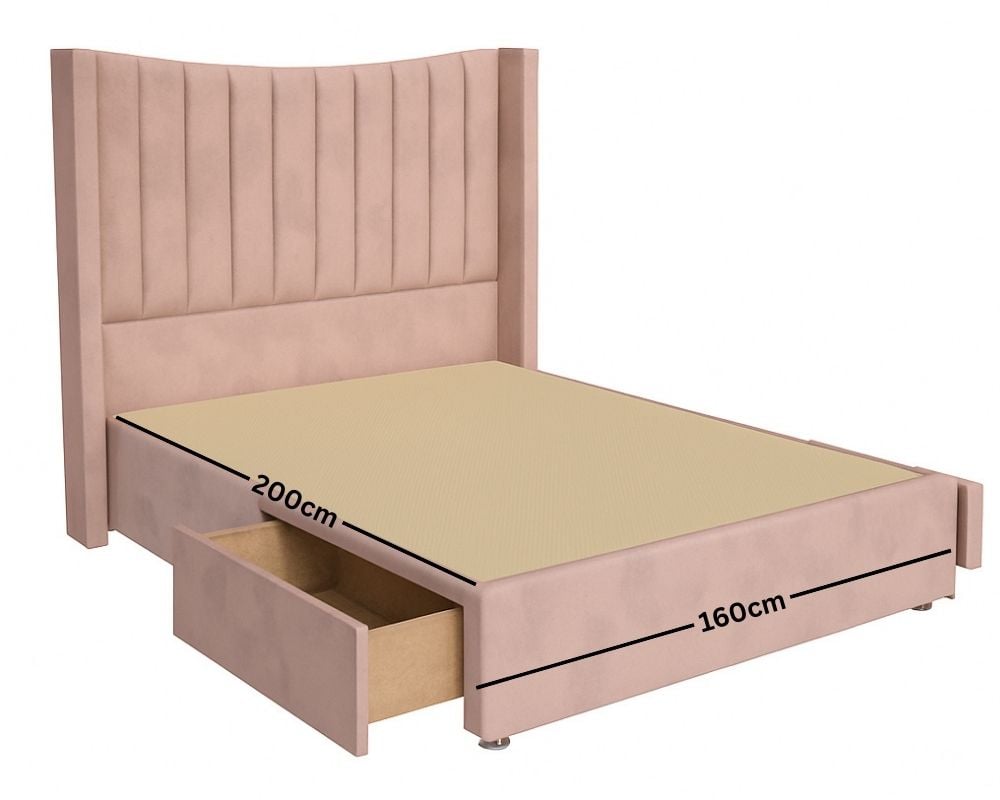
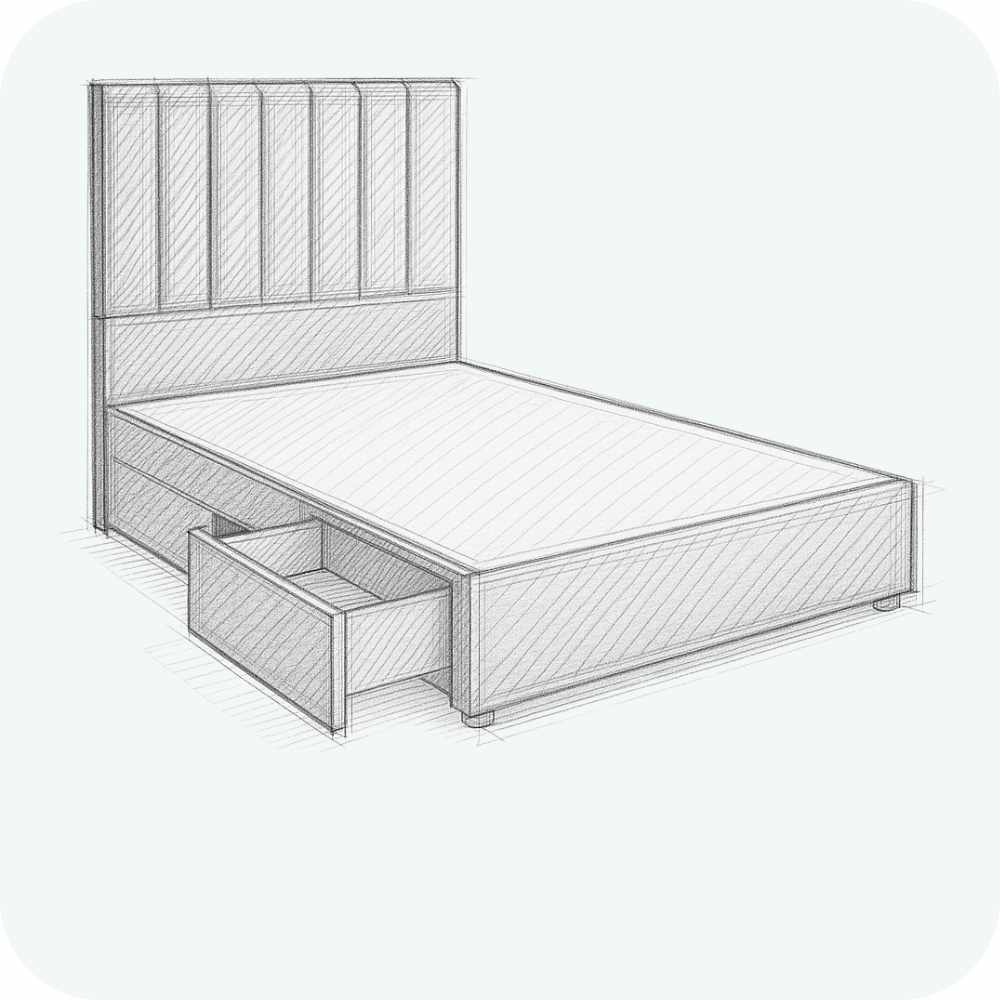
  • Divan Beds: Consist of a sturdy upholstered base, often with built-in storage drawers, known for their durability and clean look.
  • Sleigh Beds: Traditional, elegant designs with curved headboards and footboards, ideal for classic interiors but requiring more space.

Choosing the right frame will depend on your room size, storage needs, and desired style.

Mattress Options for Queen Bed Sizes

Choosing the right mattress for your queen bed is crucial for achieving a good night’s sleep. Some popular mattress options include:

Selecting the mattress that best fits your sleep preferences will ensure maximum comfort and support.

Bedding Essentials: Fitted Sheets and Duvets

Once you’ve selected your queen bed and mattress, it’s time to choose the right bedding. Fitted sheets should match the 150 cm x 200 cm measurements typical of UK king (queen equivalent) beds. Choose high-quality, breathable fabrics like cotton or bamboo.

Duvets should also correspond to bed size, and tog ratings (indicating warmth) should be selected based on seasonality. For year-round use, a 10.5 tog duvet is ideal. Consider investing in a mattress protector and additional bedding accessories for enhanced comfort and longevity.

Tips for Measuring Your Bedroom for a Queen Bed

Before purchasing a queen bed, it’s essential to measure your bedroom to ensure it fits comfortably. Follow these steps:

  • Measure the full length and width of the room.
  • Identify architectural features (windows, doors, built-ins).
  • Allow at least 60 cm of clearance on each side and the foot of the bed.
  • Consider bed height if dealing with low ceilings.
  • Maximize small spaces with frames offering built-in storage.

Proper measurement and planning will help you create a balanced, functional, and beautiful sleep environment.

Frequently Asked Questions About Queen Bed Measurements

Is a queen bed the same as a king bed in the UK?

In the UK, what is often referred to as a queen bed internationally is typically called a king bed (150 cm x 200 cm).

How do I choose the right mattress for a queen bed?

Focus on firmness preference, material type (memory foam, pocket spring, latex), and special needs like hypoallergenic properties.

How can I care for my queen bed and mattress?

Rotate the mattress regularly, use a mattress protector, and clean bedding often to ensure hygiene and extend mattress life.

Conclusion: Finding the Perfect Queen Bed for Your Needs

In conclusion, finding the perfect queen bed involves understanding the various measurements, types, and considerations that go into making an informed decision. By familiarizing yourself with the standard dimensions of a queen bed in the UK, recognizing the differences between UK and US sizes, and carefully measuring your bedroom, you can ensure a seamless fit within your space.

Additionally, exploring different bed frame types and mattress options will help you find the ideal combination of style and comfort to suit your preferences. Investing in high-quality bedding essentials, such as fitted sheets and duvets, will further enhance your sleeping experience and create a cozy and inviting environment.

Ultimately, the perfect queen bed is one that meets your individual needs and transforms your bedroom into a sleep sanctuary. By following this comprehensive guide and considering all the factors involved, you can confidently choose the right queen bed and enjoy the benefits of a restful and rejuvenating night’s sleep. Happy bed shopping!

Product has been added to your cart