
Black Friday 20% off every mattress (25% off natural latex) · Free pillow worth up to £99 on orders over £350 · you choose · + free room-of-choice delivery on every mattress · Lowest price guaranteed — as low as it will go Black Friday: 20% off + free pillow worth up to £99 on orders over £350 Lowest price guaranteed Shop the eventShop
how to calculate your sleep cycle
July 20, 2025

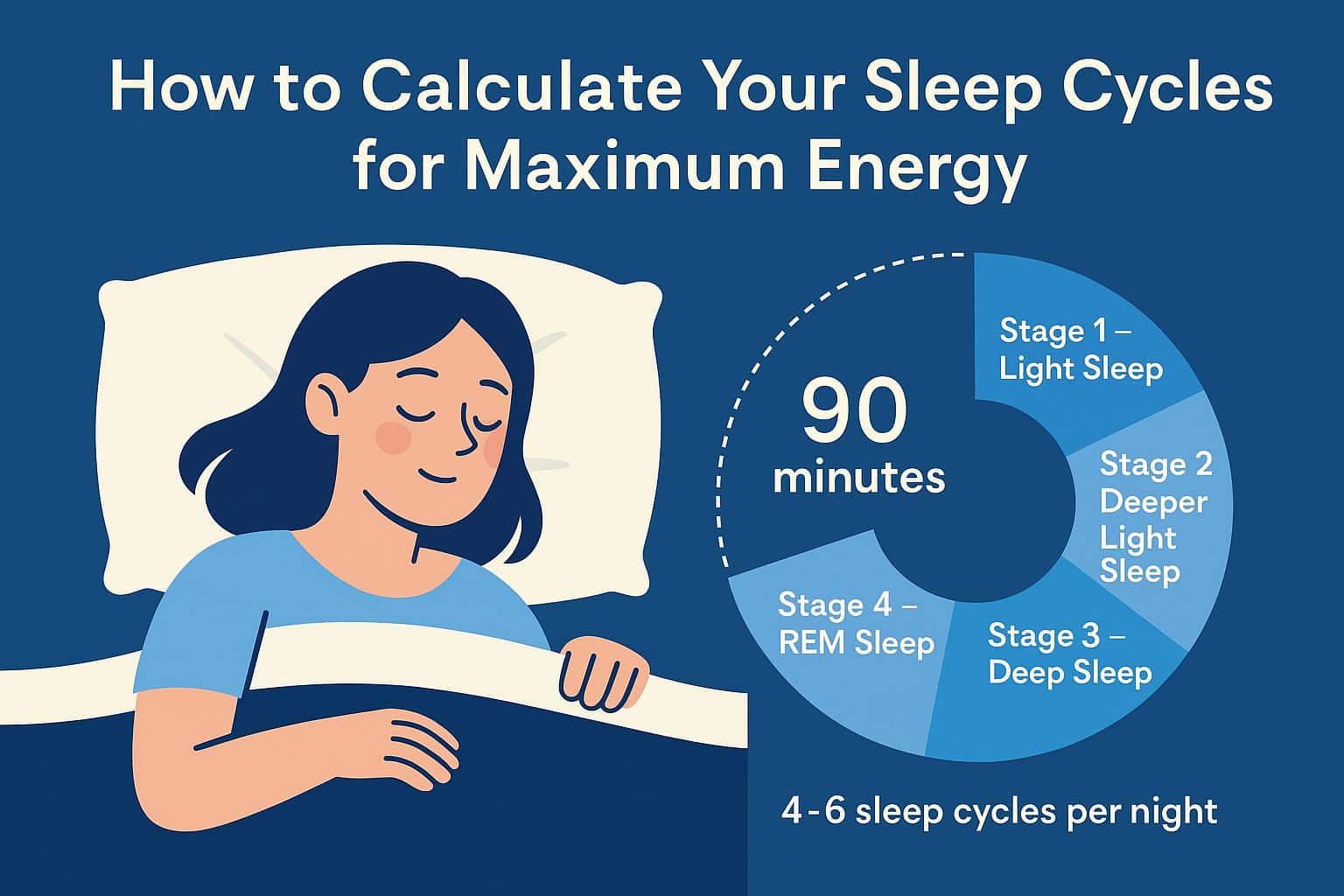
How to Calculate Your Sleep Cycles for Maximum Energy

Have you ever woken up after a full 8 hours of sleep and still felt groggy or more tired than usual? You’re not alone. It turns out, the quality of your sleep may matter more than the quantity. Understanding how sleep cycles work, and how to align your sleep schedule with them, can make a huge difference in how energetic, focused, and refreshed you feel during the day.

In this guide, I’ll break down what sleep cycles are, how they affect your body, and how you can calculate your ideal sleep and wake times to feel truly rested. Plus, I’ll show you how tools like a sleep cycle calculator and the right mattress (yes, seriously) can make a difference in how well you sleep.

What Is a Sleep Cycle?

A sleep cycle is the progression of various stages of sleep that your brain and body go through during the night. On average, one sleep cycle lasts about 90 minutes, and each cycle is made up of four main stages:

  1. Stage 1 – Light SleepThis is the transition phase between wakefulness and sleep. It’s light and easy to wake from.
  2. Stage 2 – Deeper Light SleepYour heart rate slows, body temperature drops, and you start to disconnect from your environment.
  3. Stage 3 – Deep Sleep (Slow-Wave Sleep)This is where real restoration happens. Your body repairs itself, strengthens the immune system, and energy is restored.
  4. Stage 4 – REM Sleep (Rapid Eye Movement)This is when most dreaming occurs. Your brain consolidates memory, boosts learning, and supports emotional processing.
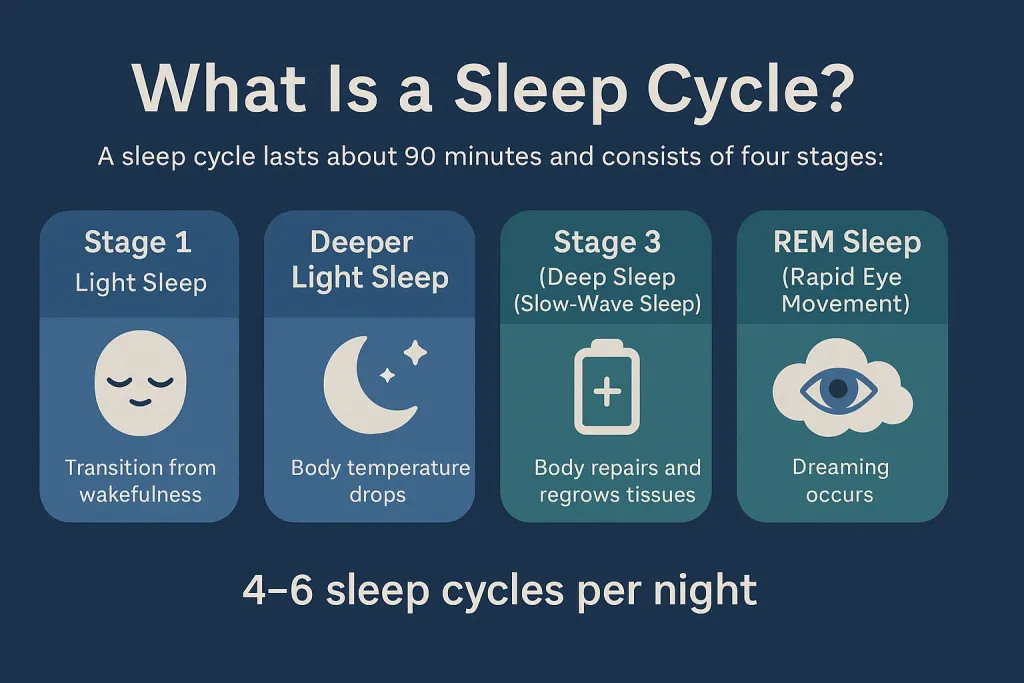
After REM, your brain returns to Stage 1 and the cycle repeats. On average, a person completes 4–6 sleep cycles per night.

Why Sleep Cycles Matter More Than Just Hours

Here’s the catch: waking up in the middle of a deep sleep stage (especially Stage 3 or REM) can leave you feeling disoriented, foggy, and groggy. On the other hand, waking at the end of a full sleep cycle, when your brain is naturally transitioning to lighter sleep, makes it much easier to feel alert and refreshed.

This explains why you might feel better after 6 hours of sleep than after 8, if those 8 hours disrupted your natural cycle.

How to Calculate Your Sleep Cycles

1. Start with the 90-Minute Rule

Since each sleep cycle is about 90 minutes, the goal is to wake up at the end of one.

Here’s a general breakdown of ideal total sleep times:

  • 4 cycles = 6 hours
  • 5 cycles = 7.5 hours
  • 6 cycles = 9 hours

2. Add Time to Fall Asleep

Most people take 10–20 minutes to fall asleep. Add this to your bedtime.

3. Use a Sleep Cycle Calculator

Online sleep cycle calculators (just search “sleep calculator”) can help you backtrack from your desired wake-up time to determine the best time to go to bed.

Example:

If you want to wake up at 7:00 AM, your optimal bedtimes might be:

  • 9:00 PM (6 cycles)
  • 10:30 PM (5 cycles)
  • 12:00 AM (4 cycles)

How Many Sleep Cycles Do You Need?

The ideal number of sleep cycles varies depending on your age, lifestyle, and stress level, but here’s a general guideline:

Age GroupRecommended SleepSleep Cycles
Adults (18–65)7–9 hours5–6 cycles
Teenagers (13–18)8–10 hours5.5–7 cycles
Older Adults (65+)7–8 hours5–6 cycles

You don’t need to hit the same number every night, but bed time schedule and consistency matters more than perfection. Going to bed and waking at the same times, even on weekends, helps reset your internal clock.

How to Tell If You’re Waking Up at the Wrong Time

Here are some signs that your sleep cycle is being disrupted:

  • You wake up tired even after “enough” sleep
  • You feel groggy for the first 30–60 minutes of your day
  • You hit the snooze button multiple times
  • You experience daytime fatigue or brain fog
  • Your dreams are vivid and you feel like you were pulled out of them

These are clear clues that you’re waking during deep sleep, not at the end of a cycle. Read Guide here

Optimizing Your Sleep Cycle: The Essentials

Here are the top things you can do to sync better with your sleep cycles:

Stick to a Consistent Sleep Schedule

Your internal body clock thrives on consistency. Sleep and wake up at the same time daily—even on weekends.

Limit Screen Time Before Bed

Blue light suppresses melatonin. Turn off devices at least an hour before bed.

Avoid Late Caffeine or Heavy Meals

Both can delay sleep onset and reduce time spent in deep sleep.

Create a Sleep-Friendly Environment

Your bedroom should be:

  • Cool (16°C to 20°C is ideal)
  • Quiet (use white noise or earplugs if needed)
  • Dark (blackout curtains or sleep masks help)

Track Your Sleep with a Journal or App

To really dial in your optimal sleep time, consider using:

  • Sleep tracking apps or wearables (e.g., Fitbit, Oura, Apple Watch)
  • Manual sleep journals to log bedtimes, wake times, energy levels, and dream recall

Tracking helps you notice patterns and find your natural rhythm.

Bonus: Gift Yourself the Right Mattress

Your mattress plays a critical role in how well you sleep and move through each cycle. A poor-quality or overly firm/soft mattress can trigger restlessness, overheating, and wake-ups in deep sleep.

If you can afford one luxury for your sleep health, invest in a luxury mattress with temperature regulation, orthopaedic support, and natural materials.

Look for features like:

  • Zero Gravity Foam™ for pressure relief and airflow
  • LTX Cooling Gel™ to stay cool during REM sleep
  • FortiCoil® micro-spring layers for support and bounce
  • Organic cotton or wool covers for breathability

These innovations not only help with comfort, but also reduce the chance of waking up in the middle of a cycle.

How I Found My Ideal Sleep Cycle

Let me share a personal example.

I used to go to bed at 11 PM and wake at 7 AM. That’s 8 hours, right? But I still felt foggy and unmotivated in the morning.

Sleep Calculator

Plan your optimal bedtime and wake-up times based on your body’s natural sleep cycles. Wake up refreshed and energized every morning.

Why Use This Calculator?

  • Calculate the ideal bedtime based on when you need to wake up
  • Find the optimal wake-up time based on when you go to bed
  • Work with your body’s natural 90-minute sleep cycles
  • Minimize grogginess and maximize morning energy
  • Based on sleep science research
Use Sleep Calculator

After using a sleep cycle calculator, I found out that 7.5 hours (5 cycles) was a better fit. I shifted my bedtime to 11:30 PM, woke at 7:00 AM, and felt noticeably better. My energy was more consistent, and I no longer hit the snooze button.

Quick Sleep Optimization Checklist

Here’s a bullet-point rundown to help you put this all into action:

  • Know your wake-up time
  • Work backwards in 90-minute blocks
  • Add 15 minutes for falling asleep
  • Use a sleep cycle calculator
  • Maintain a cool, dark, and quiet room
  • Avoid blue light and caffeine at night
  • Invest in a quality mattress if you can
  • Track your sleep and energy daily

Final Thoughts: Quality Over Quantity

More hours in bed don’t always mean better rest. If you’re sleeping for 8+ hours but still feel tired, it’s likely you’re disrupting your natural sleep cycle.

By calculating your cycles, adjusting your bedtime, and improving your sleep environment, you can wake up feeling more energetic and productive, without needing more sleep.

Remember: great days begin with smarter nights.
eco-friendly mattresses from luxe mattresses in London
July 14, 2025

Eco-Friendly Mattresses in the UK: Sustainable Materials, Certifications & Brands to Know

In today’s world, sustainability isn’t just a buzzword, it’s becoming a core part of how we shop, live, and even sleep. From reusable coffee cups to electric cars, the eco-conscious movement has touched nearly every corner of our lives. But one area many people overlook is what they’re sleeping on every night: their mattress.

If you’re in the UK and thinking of upgrading to a greener, more planet-friendly mattress, you’re in the right place. In this guide, we’ll explore what actually makes a mattress eco-friendly (beyond the marketing), which materials matter, how certifications like GOTS and CertiPUR help you shop smarter, and which types of mattresses are worth your attention all without repeating what’s already been said a thousand times.

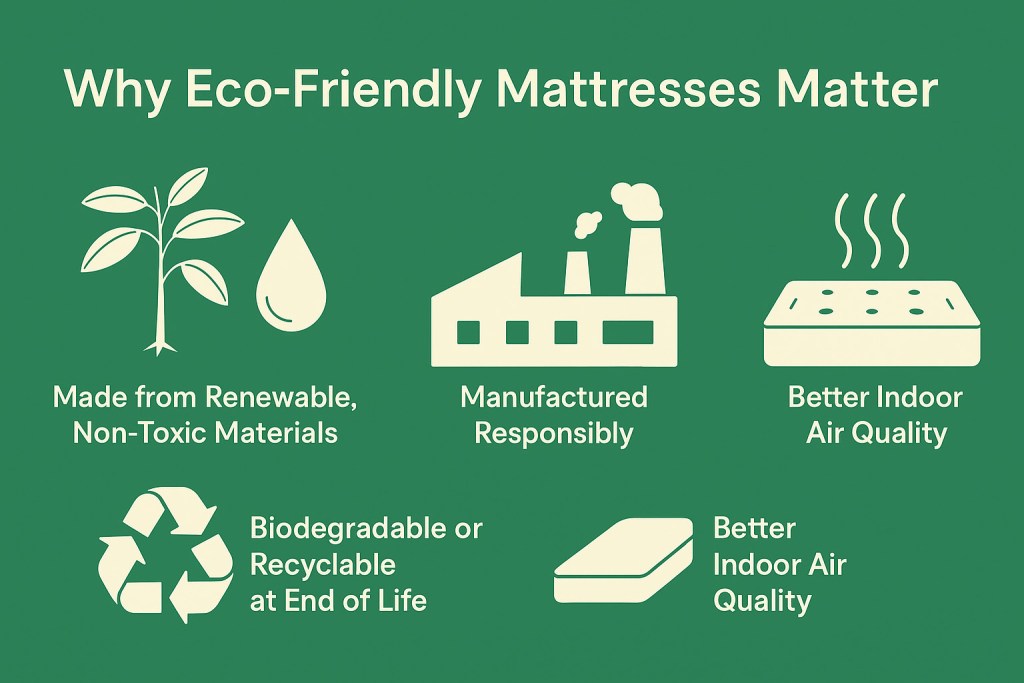
Why Eco-Friendly Mattresses Matter

Let’s face it, mattresses aren’t something most people think of as “wasteful” or “toxic.” They’re soft, cozy, and hidden under blankets, right? But what many of us don’t realise is that the average traditional mattress is made with a cocktail of chemicals and synthetic materials that can harm both our health and the environment.

Most conventional mattresses use polyurethane foam, chemical flame retardants, glues, and petroleum-based fabrics. These materials release volatile organic compounds (VOCs), gases emitted from certain solids or liquids — into the air in your bedroom. Over time, these can contribute to indoor air pollution and may cause headaches, allergic reactions, or respiratory irritation, especially in sensitive individuals. The EPA outlines VOC concerns here.

Beyond personal health, there’s the bigger issue: what happens when a mattress reaches the end of its life? The average UK household throws out a mattress every 7–10 years, and unfortunately, most of them end up in landfills. In fact, more than 7 million mattresses are discarded annually in the UK, and fewer than 20% are recycled according to WRAP UK.

Here’s why eco-conscious mattresses are starting to become the smarter choice and not just for “green” shoppers.

 1. Made from Renewable, Non-Toxic Materials

Eco-friendly mattresses use materials that come from nature, not factories. Think natural latex from rubber tree sap, organic cotton, British wool, and hemp fibres. These materials not only feel better to sleep on, but they also don’t come loaded with harmful synthetics.

Many of these beds are also free from chemical flame retardants, formaldehyde, and phthalates — all of which have been flagged for potential health risks. The EWG (Environmental Working Group) outlines many of the harmful chemicals found in standard mattresses and why it’s worth avoiding them.

2. Manufactured Responsibly

It’s not just what goes into the mattress, it’s also how it’s made. Eco-friendly mattress brands often operate with reduced emissions, ethical sourcing, and lower water use. Some even manufacture locally (here in the UK) to reduce the carbon footprint from shipping.

Look for brands that transparently list their sourcing and sustainability practices and offer certifications like GOTS, GOLS, or OEKO-TEX (more on these in another section).

why eco friendly mattress is new modern

3. Biodegradable or Recyclable at End of Life

While most synthetic mattresses take decades (if not centuries) to break down, natural ones can be biodegraded or disassembled for recycling.

  • Latex, wool, and cotton can break down naturally
  • Spring units can be recycled as scrap metal
  • Some brands are even moving toward glue-free modular designs that make disassembly easier

This means less landfill waste and fewer bulky, unsalvageable materials clogging up waste centres.

4. Better Indoor Air Quality

An underrated benefit of eco-friendly mattresses is simply that you breathe easier. With fewer off-gassing chemicals and low VOC ratings, these mattresses are much less likely to irritate your lungs, eyes, or skin.

For children, older adults, and people with asthma or allergies, this matters a lot. Sleeping 7–9 hours a night on a mattress that emits fewer toxins can actually lead to better sleep, reduced congestion, and improved overall health.

As Harvard Health Publishing explains, indoor air quality plays a major role in health and what we sleep on is a huge part of that equation.

Natural Latex: The Core of Eco Comfort

One of the most sustainable and sought-after mattress materials is natural latex. Made from the sap of rubber trees, latex is a biodegradable, renewable, and incredibly durable material often lasting 15–20 years without sagging.

Unlike synthetic latex (which is made using petroleum byproducts), natural latex is processed using the Dunlop or Talalay methods and is free of harmful chemicals. It’s naturally resistant to dust mites, mould, and bacteria, and is ideal for those with allergies or asthma. You can browse some excellent examples of natural and organic latex mattresses available in the UK here.

Organic Cotton and Wool: Nature’s Finishing Touches

Eco-friendly mattresses often go beyond the core materials to include organic cotton and organic wool in the quilted layers or covers.

  • Organic cotton is grown without pesticides or synthetic fertilisers, reducing the environmental impact and water consumption. It’s breathable, soft, and hypoallergenic.
  • Organic wool is naturally fire-resistant (reducing the need for chemical flame retardants), temperature-regulating, and moisture-wicking. It’s also biodegradable and renewable.

These materials are especially popular in UK-made natural mattresses that prioritise comfort and clean sleep over synthetic blends or budget fillers.

Understanding Key Certifications: GOTS, GOLS, and CertiPUR

With so many mattress brands claiming to be “natural” or “green,” how can you actually verify what’s inside?

That’s where certifications come in third-party, independent standards that back up environmental, health, and ethical claims. These badges aren’t just for show; they ensure the materials in your mattress meet stringent safety and sustainability standards.

GOTS (Global Organic Textile Standard)

This is considered the gold standard for organic textiles like cotton and wool. If a mattress uses GOTS-certified materials, it means the fabric was grown and processed without harmful chemicals, under ethical labor practices, and in facilities that follow strict environmental criteria from farm to factory. It covers everything from pesticide use to water treatment and fair working conditions.

GOLS (Global Organic Latex Standard)

GOLS is to natural latex what GOTS is to textiles. If your mattress carries a GOLS certification, it means it contains at least 95% organic latex, sourced from rubber tree sap and produced in ways that support biodiversity, social welfare, and environmental preservation. It’s an essential badge for anyone shopping for a truly organic latex mattress.

mattress certificates

CertiPUR-US® (or CertiPUR-EU® in Europe)

This certification applies to polyurethane foam used in many mattresses, toppers, and upholstered furniture. A CertiPUR-certified foam is guaranteed to be made without ozone depleters, PBDE flame retardants, heavy metals like mercury and lead, or formaldehyde. It also confirms that VOC (volatile organic compound) emissions are kept to a minimum for safer indoor air quality. It’s not as “natural” as latex, but it’s a far safer alternative to uncertified synthetic foams.

When shopping, always check the tags or product pages for these badges they’re your best clue that the mattress lives up to its eco label.

Recyclability and End-of-Life Considerations

It’s not just about how your mattress is made it’s also about what happens when you’re done with it.

The average mattress in the UK ends up in landfill, where synthetic foam and plastics can take centuries to decompose. Eco-friendly mattresses, on the other hand, are often:

  • Fully recyclable (especially latex and spring models)
  • Biodegradable if made from natural materials like wool or cotton
  • Easier to disassemble for parts reuse

Some brands even offer mattress recycling or take-back schemes when you buy a new one, helping keep your old mattress out of the bin.

Tip: When choosing a mattress, look for those that are glue-free or modular in construction, they’re easier to recycle or repair in the future.

UK Brands Leading the Eco Mattress Movement

In recent years, there’s been a quiet but powerful rise in UK-based eco-conscious mattress brands not just from the household names, but from a wave of independent, quality-driven manufacturers dedicated to natural comfort and responsible production.

These companies focus on using sustainably sourced materials like natural latex, organic wool, and GOTS-certified cotton, and they often produce in low-emission facilities, package minimally, and operate with full transparency. Many of them also make their mattresses by hand right here in the UK, supporting local jobs and reducing transportation-related carbon emissions.

1. Luxe Mattresses

Luxe Mattresses is quickly gaining recognition for its dedication to natural, organic, and latex-based sleep solutions. Their focus on sustainably sourced materials, non-toxic construction, and transparent practices makes them a standout among newer UK brands. They offer a curated range of natural and organic mattresses that combine durability, breathable comfort, and a stylish aesthetic, all without compromising the environment.

2. The Wool Room

Though better known for their wool bedding, The Wool Room also produces mattresses made with traceable British wool, offering a great natural solution for those who want chemical-free, temperature-regulating comfort.

best UK brands to produce eco friendly luxe mattresses

3. Una Organic

Una focuses on organic latex mattresses with modular layers you can adjust for firmness. Everything is certified by GOLS and GOTS, and their packaging is fully biodegradable, ticking all the sustainability boxes.

4. Hypnos

This Royal Warrant-holding brand offers a mix of traditional and eco-conscious collections. Their Origins range uses natural fibres, including wool from the Red Tractor Assurance scheme, and their sustainability credentials are industry leading.

Here are some of the leading UK brands making waves in the green mattress space:

Common Myths About Eco Mattresses, Busted

“Eco mattresses are too expensive.”

Not necessarily. While natural materials can cost more upfront, they often last twice as long, saving money in the long run. And many UK retailers now offer interest-free payment plans.

“They’re not as comfortable as memory foam.”

Today’s latex and hybrid designs rival (and often outperform) foam beds when it comes to comfort, support, and breathability, without the chemicals.

“Eco means flimsy.”

Quite the opposite. Latex is one of the most durable mattress materials available, and wool naturally resists wear and tear.

Final Thoughts: Is an Eco-Friendly Mattress Worth It?

If you care about your health, your sleep, and your impact on the planet, the answer is a resounding yes. A well-made eco-friendly mattress can help you:

  • Sleep better (with fewer chemicals or allergens)
  • Breathe easier (thanks to natural ventilation and low-VOC design)
  • Live more sustainably (through responsible materials and end-of-life recyclability)

Whether you’re going full organic or just trying to make more conscious choices, upgrading to a mattress made from natural, certified materials is a great place to start.

🌿 Ready to explore the options? Browse eco-friendly, natural, and latex mattresses here and take one step closer to greener, healthier sleep.

orthopaedic vs cooling mattress
July 13, 2025

Orthopaedic vs Cooling Mattresses: Which One Offers Better Relief for Pain and Heat?

You wake up feeling either sore or sweaty, maybe even both. Sound familiar? You’re not alone. Whether it’s back pain that won’t quit or waking up feeling like you’ve just run a marathon in your sleep, your mattress might be the one to blame… or to thank.

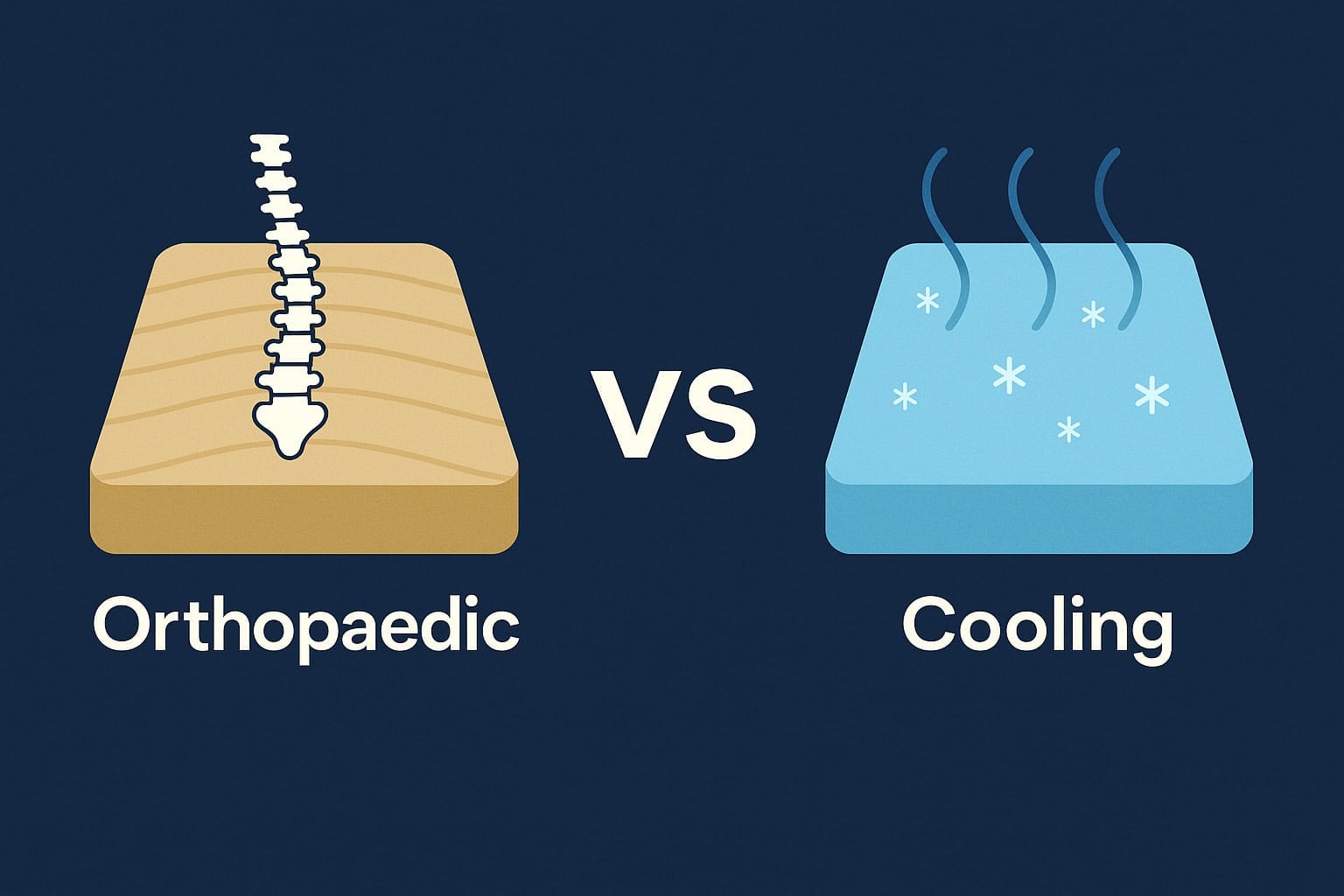
Two types of mattresses have been getting a lot of attention lately: orthopaedic mattresses and cooling mattresses. One is all about support and pain relief. The other is focused on regulating body temperature and keeping you from overheating at night.

But which one is right for you? Should you prioritise spinal alignment or cooling comfort? Let’s explore both options and figure out which is the better match, based on real needs, not just marketing claims.

What Is an Orthopaedic Mattress?

An orthopaedic mattress is designed to offer targeted support for your bones, joints, and muscles, especially your spine. They’re typically on the firmer side and built to promote proper alignment and reduce pressure on the body.

You’ll often hear the term associated with people who suffer from:

  • Lower back pain â€“ One of the most common reasons people seek orthopaedic support; firm mattresses can help maintain spinal alignment and reduce pressure on the lumbar region.
  • Sciatica â€“ Caused by irritation of the sciatic nerve, often worsened by poor sleeping posture or unsupportive mattresses.
  • Arthritis â€“ Pressure-relieving surfaces can help reduce joint pain and inflammation, particularly in the hips and knees.
  • Slipped or herniated discs – Supportive mattresses prevent excessive spinal movement during sleep, which can aggravate disc issues.
  • Post-surgery recovery – A stable, firm mattress is often recommended to promote healing and reduce muscular strain after orthopaedic procedures.

These mattresses are not just for the elderly. Many young adults with active jobs or sedentary desk habits also find relief using an orthopaedic mattress, especially if they suffer from poor posture, stiffness, or discomfort in the morning.

One great option we recommend exploring is this orthopaedic mattress collection from Luxe Mattresses for firm, supportive designs backed by thoughtful engineering.

What About Cooling Mattresses?

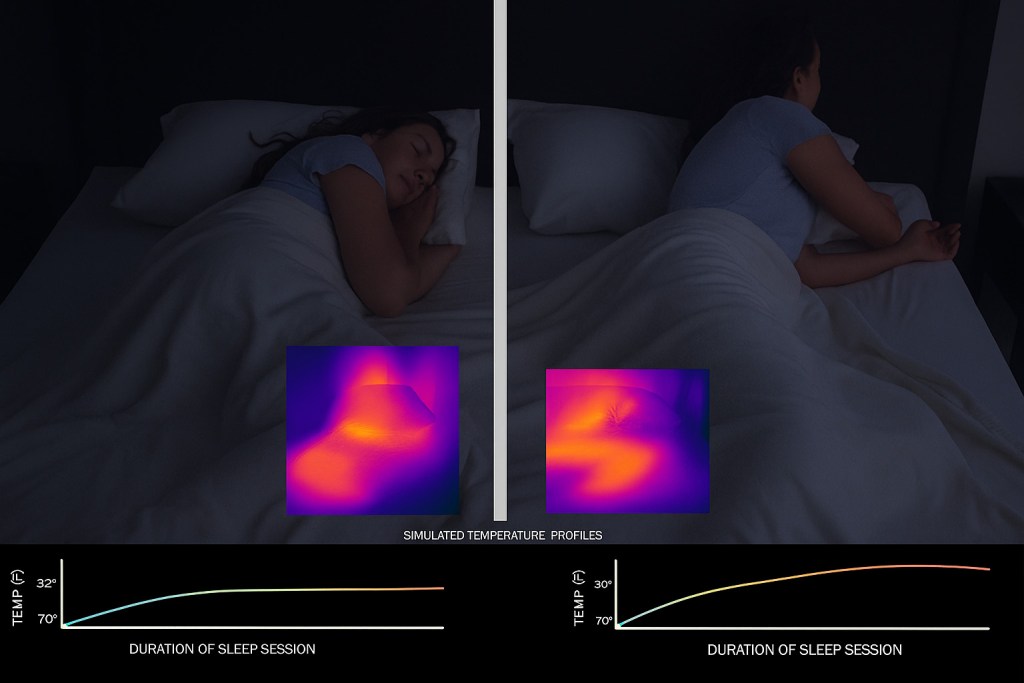
A cooling mattress, on the other hand, is designed to regulate temperature and prevent heat buildup while you sleep. Unlike traditional memory foam (which is notorious for trapping heat), cooling mattresses are made from breathable, moisture-wicking materials like gel-infused foam, latex, or open-cell designs.

how cooling mattress regulate body temperature

They’re especially helpful for:

  • People who naturally sleep hot
  • Those going through menopause or hormonal changes
  • Couples who share a bed (because two bodies = double the heat)
  • Individuals with night sweats or certain medical conditions
  • Warmer climates or homes without air conditioning

Many modern models combine comfort with cool tech, like graphite layers, bamboo covers, or phase-change cooling gels, and you’ll find a wide selection of these in most premium mattress lines.

For those after a breathable option with eco-benefits, we also suggest checking out Luxe Mattresses’ latex mattress section, where cooling and sustainability meet.

Real People, Real Choices

Let me tell you about two customers from very different walks of life.

Brian is a 42-year-old warehouse supervisor in Nottingham. Years of lifting, bending, and working long shifts on concrete floors caught up to his lower back. After trying several soft and medium beds, he made the switch to an extra-firm orthopaedic mattress. Within weeks, he said the morning stiffness was gone and he started waking up with more energy and less pain.

On the other hand, Jasmine, a marketing manager in London, had the opposite issue. She constantly woke up hot, sometimes sweating through her sheets. She tried fans, lighter duvets, even sleeping with the window open, no luck. Finally, she invested in a gel-infused cooling mattress and said it felt like “sleeping on a calm breeze.” Her rest improved almost immediately, and her tossing at night practically disappeared.

Both made the right choice because they understood their sleep problem and picked a mattress that solved it.

Pros of Orthopaedic Mattresses

  • Spinal alignment support that helps reduce or prevent chronic pain
  • Firm and stable surface, which is ideal for people with mobility issues or post-surgery needs
  • Often recommended by physiotherapists and doctors
  • Long-lasting durability thanks to high-density materials

Great for: People with back pain, joint stiffness, or structural support needs

Pros of Cooling Mattresses

  • Helps regulate body temperature for uninterrupted sleep
  • Breathable materials like latex or gel foam enhance airflow
  • Often paired with motion isolation, making it ideal for couples
  • Reduces night sweats and heat-induced tossing and turning

Great for: Hot sleepers, couples, or anyone dealing with nighttime temperature spikes

When They Overlap (Yes, You Can Have Both)

It’s worth noting that some mattresses do both, they offer orthopaedic-level support and cooling comfort. For example, some hybrid mattresses combine firm support with breathable coils and cool gel layers on top. Others use natural latex which is both supportive and temperature-regulating.

If you’re looking for a balance between both worlds, browsing a cooling orthopaedic hybrid can be a smart starting point. Retailers like Luxe Mattresses often carry collections designed to meet both medical and comfort demands in one.

How to Decide: Pain vs Heat

Still not sure what to pick? Here’s a quick guide based on what’s bothering you most at night:

Symptom/ConcernGo With…
Lower back or joint painOrthopaedic Mattress
Posture problems or stiffnessOrthopaedic Mattress
Night sweats or overheatingCooling Mattress
Tossing and turning from heatCooling Mattress
Pain and heat combinedHybrid or Latex Option

Final Thoughts: Choose What Your Body Needs Most

There’s no right or wrong answer when choosing between an orthopaedic and a cooling mattress, only what works best for your body, your climate, and your lifestyle.

If pain is your biggest enemy, focus on structured support. If heat is ruining your nights, find a breathable surface that keeps you cool. And if you’re somewhere in between, consider a firm latex or hybrid option that ticks both boxes.

Remember, sleep isn’t a luxury, it’s a foundation for health. Make your mattress work for you, not against you.

is extra firm mattress right for you
July 13, 2025

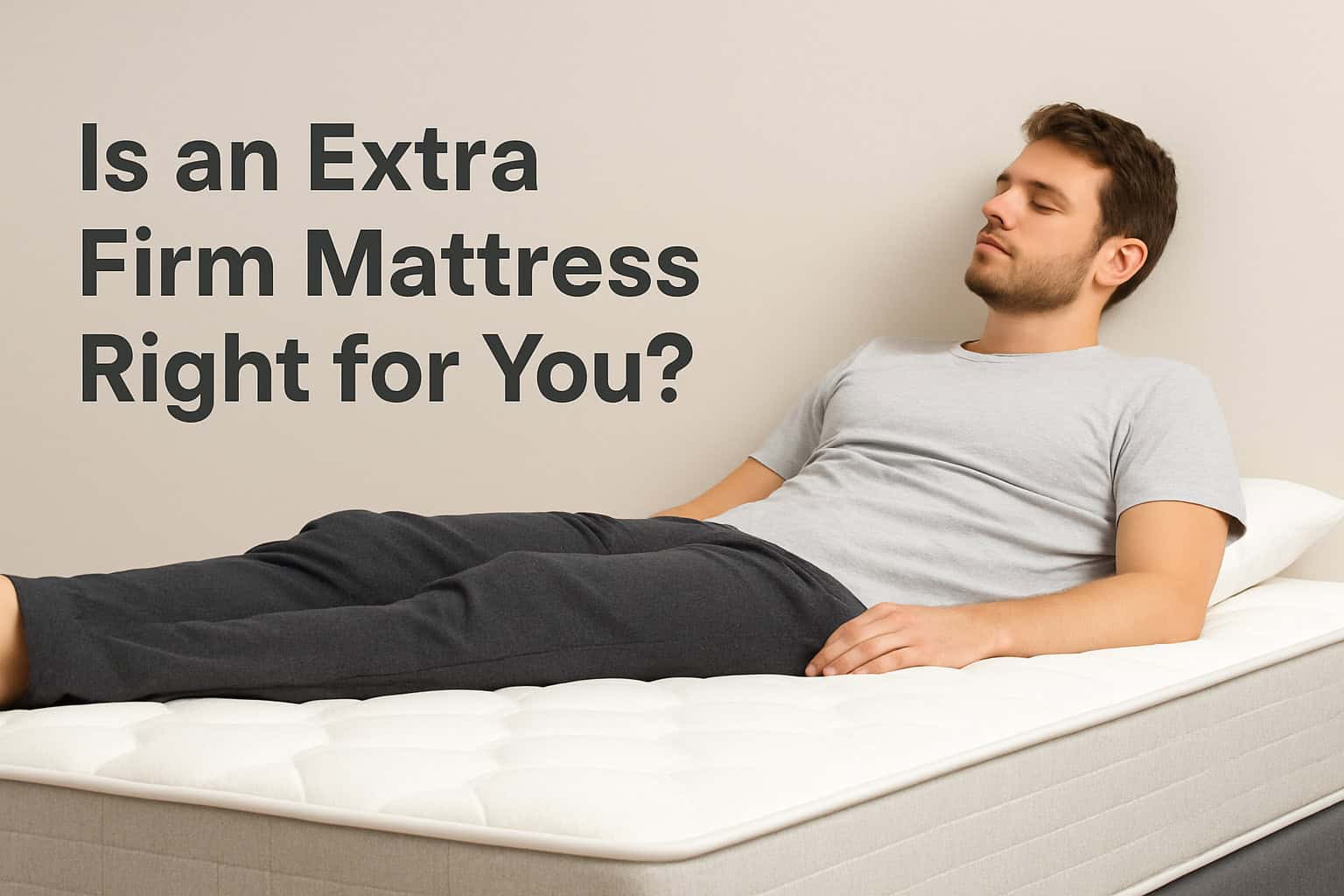
Is an Extra Firm Mattress Right for You? Pros, Cons, and Best Use Cases

Walk into any mattress store or scroll through reviews online, and you’ll quickly notice one thing firmness is a big deal. Especially when it comes to extra firm mattresses, opinions are strong and often polarising. Some people absolutely swear by them. Others wouldn’t sleep on one even if you paid them.

So who actually benefits from an extra firm mattress? Is it just about preference, or is there a science even a lifestyle, behind why this kind of support works better for some and not at all for others?

Let’s dig into what “extra firm” really means, who it’s made for, and when it could be too much of a good thing.

What Does “Extra Firm” Even Mean?

First, let’s set the stage. When we talk about an extra firm mattress, we’re not talking about something that feels like a plank of wood. Well… not exactly. It’s a mattress with minimal sink, maximum support, and a surface that keeps your spine aligned without letting you “melt” into it like softer foam models.

For context, most mattress brands use a firmness scale from 1 to 10. An extra firm mattress typically falls around 8 to 10 on that scale. It feels very supportive, almost flat, and doesn’t give way under your body much at all.

extra firm mattress

It’s not for everyone, but for the right sleeper, it can be life-changing.

1. Heavier Sleepers (Over 15–18 Stone or 100+ kg)

If you carry more weight, chances are you’ve already experienced the â€œsinking swamp” effect on softer mattresses. They simply weren’t built to hold you up properly, which often means waking up with hip pain, back stiffness, or a feeling like you never quite rested, that why you need mattress which can support plus size people and provide extra back support.

An extra firm mattress distributes your weight more evenly and prevents sagging, especially around pressure zones like your hips and lower back. The added surface tension helps your spine stay aligned and your muscles stay relaxed.

One of our clients, Dave a delivery driver from Leeds told us that switching to an extra firm mattress “literally gave me back my mornings.” After years of tossing, sweating, and waking up with a sore lower back, he found that a firmer surface finally supported his frame without caving in.

2. Older Adults Needing Spinal Support

As we age, our backs can become more sensitive to misalignment. hard mattresses offer the kind of consistent spinal support that many older adults find beneficial.

If you’ve ever seen an elderly person shifting carefully to get out of a soft bed, you’ll understand this. A firmer surface gives you leverage. It keeps your body elevated, which makes getting up in the morning or repositioning during the night easier and more comfortable.

For seniors with conditions like degenerative disc disease or lumbar pain, a soft mattress can make things worse. Extra firmness reduces spinal compression and helps keep the vertebrae in a more neutral posture.

3. Manual Labourers and Physically Demanding Jobs

Whether you’re a warehouse worker, a construction contractor, a mover, or anyone else who spends their day lifting, bending, or hauling, your back needs support to recover at night.

One of our regular customers, Aamir, works in industrial maintenance. After 10 hours of hauling heavy parts and crouching under equipment, he said his memory foam mattress felt like “sleeping in a beanbag chair after a deadlift session.” Switching to a high-density, extra firm mattress gave his back the reset it needed. He started waking up without stiffness and said he even noticed his posture improving after a few weeks.

For these workers, sleep isn’t just rest, it’s recovery. And that recovery demands a mattress that holds you up, not one that hugs you into a slump.

4. Back Sleepers (Mostly!)

If you sleep on your back, you’re more likely to benefit from extra firm support. Why? Because lying flat distributes your weight in a way that aligns well with a firmer surface. A softer mattress can let your hips dip, throwing your spine out of alignment.

That said, side sleepers especially lightweight ones may find extra firm mattresses too rigid, leading to pressure on shoulders or hips.

The Pros: Why People Love Extra Firm Mattresses

1. Proper Spinal Alignment

Extra firm mattresses keep the spine straight, especially for heavier bodies or back sleepers, which reduces muscle tension and long-term joint strain.

2. Reduced Motion Transfer

Firm surfaces tend to have less bounce and better motion isolation. This is ideal for couples where one partner moves around a lot at night.

3. Longer Lifespan

These mattresses are often made from high-density materials that resist sagging, which means you won’t be shopping for a new bed every 3 years.

4. Better Airflow (Surprisingly!)

Because you don’t sink into them, there’s more space for airflow around your body. That means cooler sleep, especially compared to plush memory foam.

5. Orthopaedic Support for Back Pain Relief

Extra firm mattresses are often recommended by physiotherapists and chiropractors for people dealing with chronic back pain or recovering from injuries. The firmer surface provides consistent, orthopaedic-level support that helps maintain natural spinal curvature, reduces pressure on joints, and minimises lower back compression, especially during long nights. For people with herniated discs, sciatica, or poor posture, this kind of support can make a noticeable difference in both pain levels and sleep quality.
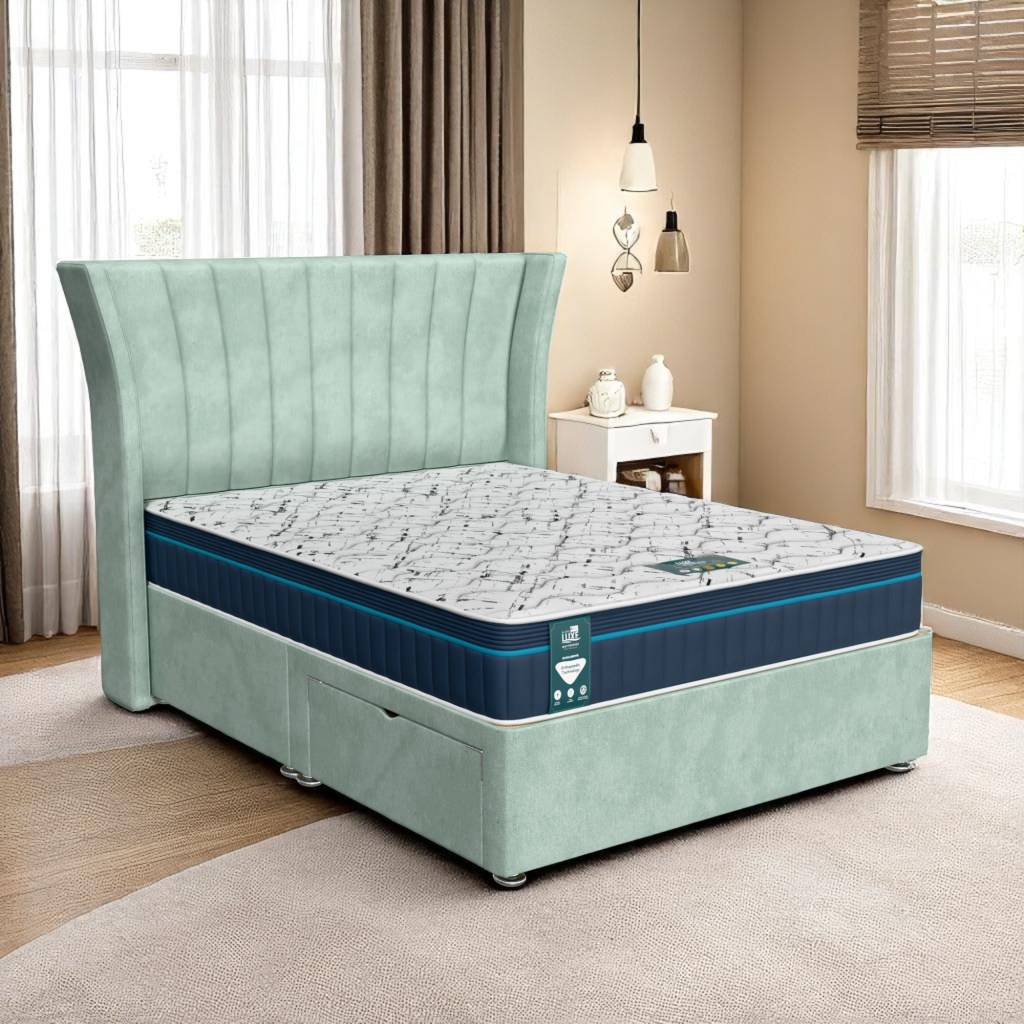
The Cons: When Extra Firm Is Too Much

Let’s not sugar-coat it, not everyone will love an extra firm mattress.

Too Hard for Side Sleepers: If you mostly sleep on your side, you might find that the mattress creates pressure points around your shoulder and hip, cutting off circulation or causing discomfort.

Not Great for Lighter Individuals: People who weigh less often don’t sink in enough to get the support they need. They end up sleeping on the mattress rather than in it, which can feel more like lying on the floor.

Adjustment Period: If you’re switching from a soft or medium mattress, the first week or two on an extra firm surface might feel jarring. But often, your body adapts and begins to thank you for it.

So, Is It Right for You?

If you…

  • Are a heavier individual
  • Sleep on your back
  • Work a job that’s tough on your body
  • Struggle with chronic back pain or poor posture
  • Want a mattress that holds up long-term

…then yes, an extra firm mattress might be exactly what your sleep routine is missing.

But if you’re a side sleeper, lightweight, or prefer a more cushiony feel, you might want to explore medium-firm or hybrid options instead. There’s no one-size-fits-all, just the right match for your body, your sleep habits, and your lifestyle.

Final Thoughts

Choosing a mattress isn’t about trends or brand hype, it’s about how you feel when you wake up. Extra firm mattresses can offer transformational support for the right people: the overworked, the under-supported, the physically taxed.

It’s not about chasing “hardness” for its own sake. It’s about sleeping on something that’s as strong as you are, something that holds your body with confidence and helps you move through the next day with less pain, more energy, and better sleep behind you.

So the next time someone tells you firmness doesn’t matter, you can smile and say, â€œMaybe not for you but it changed everything for me.”

complete guide of latex
July 13, 2025

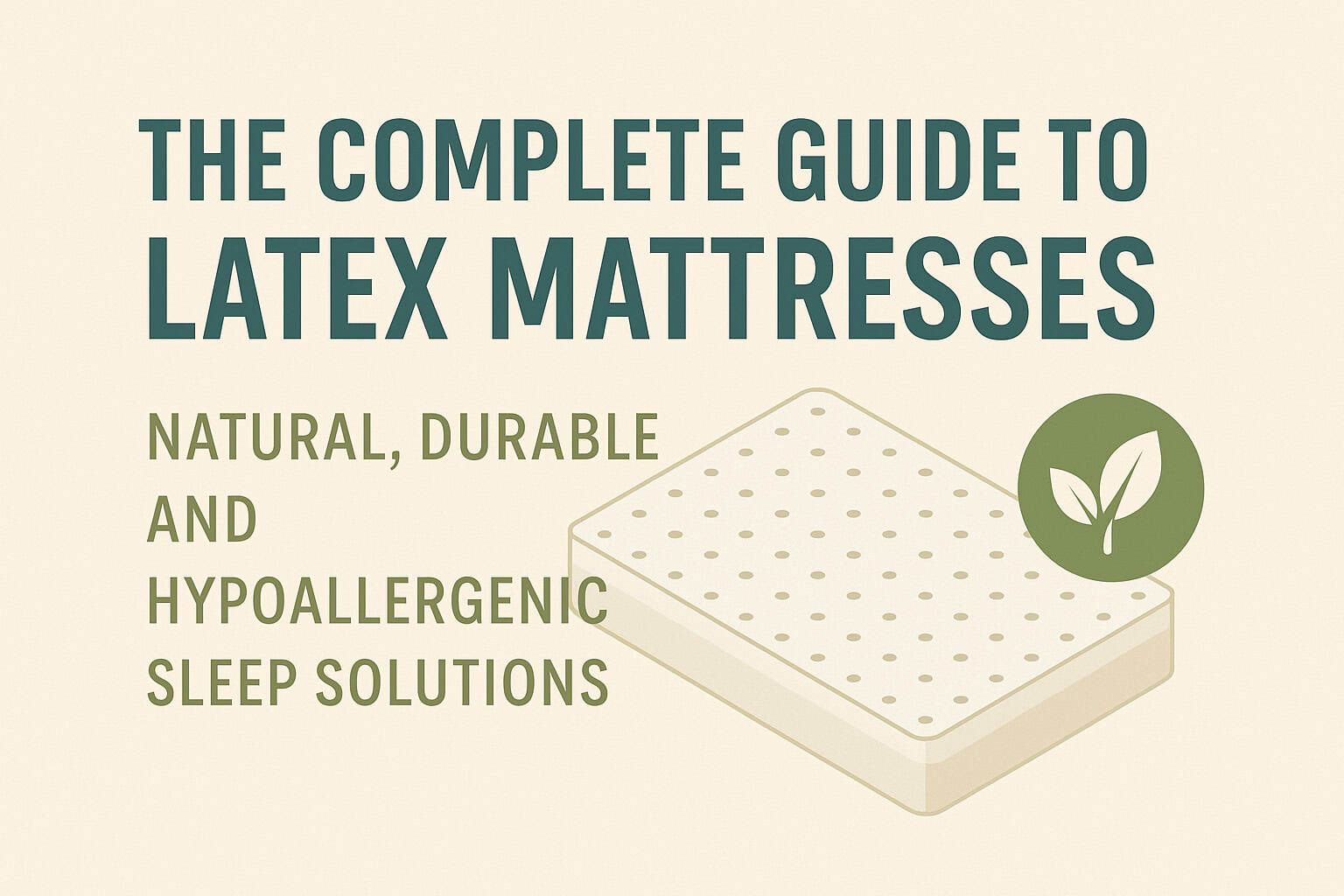
The Complete Guide to Latex Mattresses: Natural, Durable, and Hypoallergenic Sleep Solutions

Choosing a mattress isn’t just about comfort anymore, it’s about sustainability, health, durability, and long-term value. Among the growing sea of options, latex mattresses have carved out a loyal following for good reason. They’re natural, breathable, resilient, and ideal for those who want a cleaner, greener sleep solution.

But are latex mattresses good for everyone? And how do they really compare to popular memory foam beds? If you’ve been wondering whether a UK latex mattress could be your dream upgrade, this complete guide will walk you through everything you need to know with real-world insight and a clear breakdown of your options.

What Exactly Is a Latex Mattress?

A latex mattress is made using layers of latex foam, which can be either natural, synthetic, or a blend of both. Natural latex is harvested from the sap of rubber trees, while synthetic latex is derived from petrochemicals and manufactured to mimic the same springy texture.

Unlike memory foam, which molds tightly to your body and tends to retain heat, latex offers a more buoyant, cooler, and responsive sleeping surface. You lie on it rather than in it, which some people find much more supportive especially when it comes to posture and pressure relief.

Meet Julia: From Restless Nights to Restful, Responsible Sleep

Julia is the kind of person many of us can relate to mindful, active, and always trying to make healthier, more sustainable choices. A yoga teacher based in Manchester, she had slowly started shifting her lifestyle toward eco-conscious living. Reusable water bottles, zero-waste shopping, plant-based eating all part of her evolving routine. But there was one thing she hadn’t thought much about until recently: her mattress.

For years, Julia battled poor sleep. She cycled through three different memory foam beds, each one promising deep comfort and pressure relief. Instead, she often woke up stiff, overheated, and frustrated. At first, she blamed stress or her teaching schedule. But deep down, she knew something wasn’t aligning not just with her back, but with her values.

Luxury mattress

One evening, while chatting with a student after class, the topic of sleep came up. Her student mentioned switching to an organic Dunlop latex mattress, describing how it was not only better for sleep but also free from synthetic chemicals and crafted using sustainable materials. That struck a chord with Julia. She realised she’d been investing in organic food, clean skincare, and non-toxic household items, but had overlooked the very surface she spent a third of her life on.

She did her research and took the leap. The latex mattress she chose was made from responsibly sourced rubber tree sap, free of synthetic additives, and designed to last over a decade. Within just a few nights, she noticed a difference. The mattress offered a springy, supportive feel that kept her spine aligned without that “sinking” sensation she’d grown used to. Best of all, she no longer woke up drenched in sweat or tossing in discomfort.

Julia now calls that decision one of the most impactful changes she’s made, not just for her health, but for the planet. As more people begin to connect sustainability with sleep, stories like hers are becoming more common. Because good rest doesn’t have to come at the environment’s expense and for Julia, it never will again.

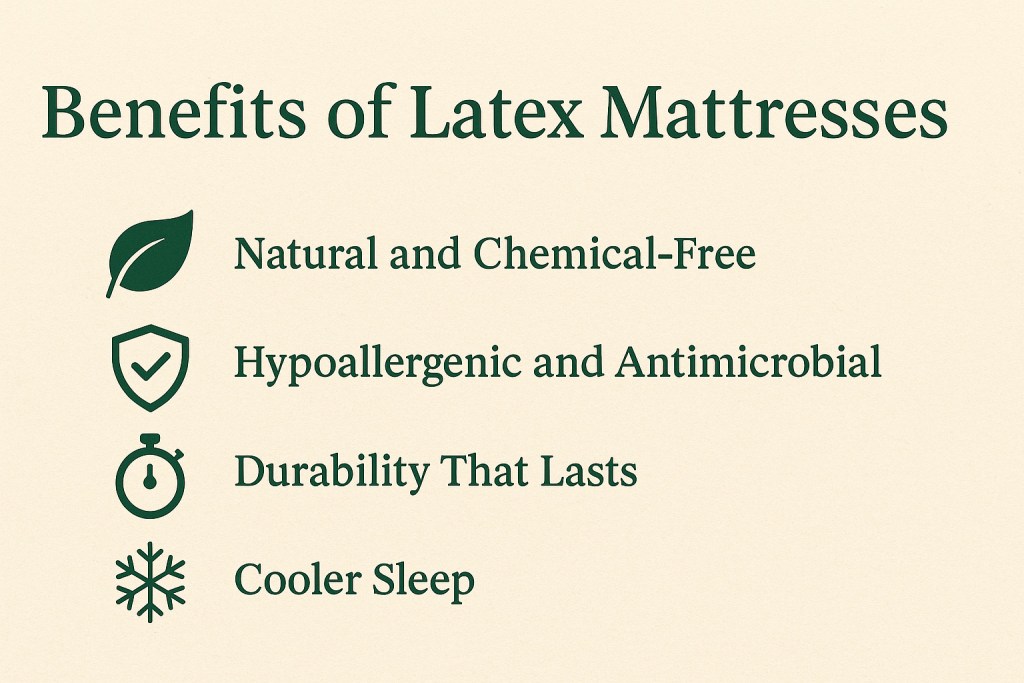
Benefits of Latex Mattresses

So what makes latex so special? Here’s what sets it apart from other materials, particularly for health-conscious and eco-conscious sleepers.

1. Natural and Chemical-Free

Many latex mattresses, especially those made from certified organic latex, are free from synthetic chemicals, off-gassing glues, and flame retardants. If you’re sensitive to smell or want a cleaner sleep environment, a latex mattress natural is an excellent choice.

2. Hypoallergenic and Antimicrobial

Latex naturally resists dust mites, mould, and bacteria, making it ideal for people with allergies or asthma. Unlike other foams that can trap allergens, latex keeps your sleep surface fresh and breathable.

Latex mattress benefits

3. Durability That Lasts

While memory foam tends to break down over time and form permanent dips, latex mattress foam is known for its impressive lifespan. A quality latex mattress can last 10 to 20 years or more with minimal sagging.

4. Cooler Sleep

Thanks to its open-cell structure and natural breathability, latex promotes airflow and temperature regulation. This is a game changer if you tend to sleep hot or live in a warmer climate.

5. Supportive, Yet Comfortable

Latex contours to your body without the “quicksand” feel of memory foam. It responds faster to movement, which makes turning, stretching, and changing positions feel effortless a major plus for combination sleepers.

Natural Latex vs Synthetic Latex: What’s the Difference?

Not all latex mattresses are created equal. It’s important to understand the difference between natural and synthetic latex, especially if you’re shopping for long-term value and health benefits.

Natural latex comes from rubber tree sap and is processed into either Dunlop or Talalay latex. Dunlop tends to be denser and firmer, while Talalay is lighter and more breathable. Both are excellent, but each feels slightly different on the body.

Synthetic latex, on the other hand, is made from petroleum-based materials and is often found in cheaper models. It mimics the feel of natural latex but lacks the same resilience, breathability, and longevity. It’s also not as environmentally friendly.

Some mattresses are made from a blend of both, which helps lower the price while maintaining some of the benefits. If you’re on a tighter budget but still want a feel similar to latex mattress foam, a blended option could be a good entry point.

latex vs memory foam

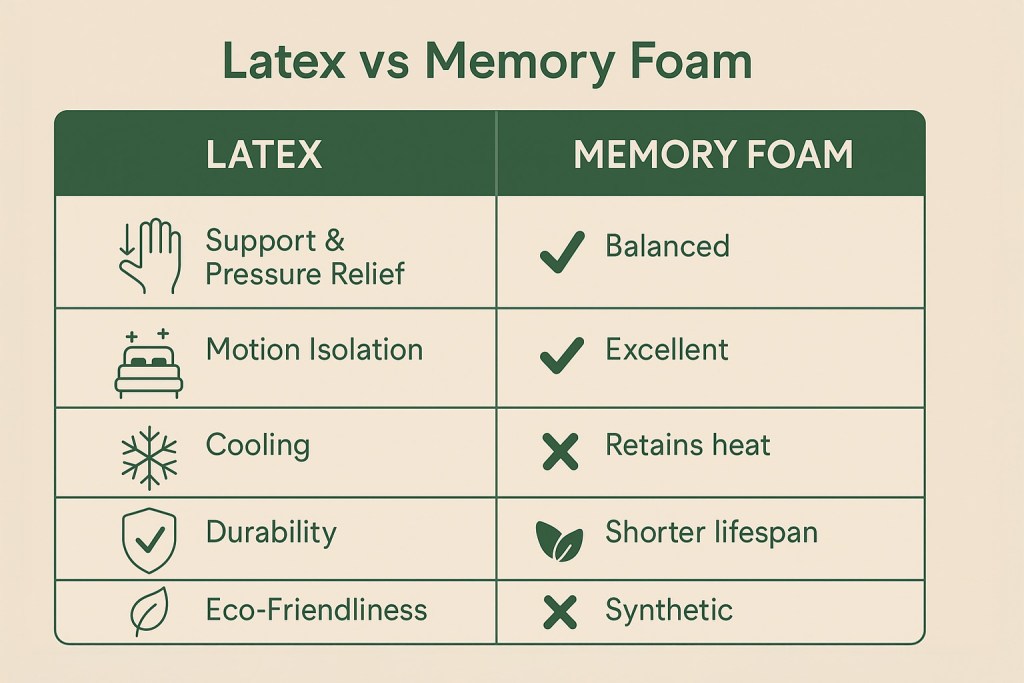
Latex vs Memory Foam: Which One Wins?

Memory foam has been hugely popular in the last decade, especially with boxed mattress brands and online-only retailers. But how does memory foam compare against latex?

  • Support and Pressure Relief: Both materials offer great pressure relief, but latex tends to offer more balanced support without that deep sinking feeling.
  • Motion Isolation: Memory foam is excellent at absorbing movement, which is ideal for couples. Latex does well too, though it’s a bit bouncier.
  • Cooling: Latex wins hands down. It sleeps significantly cooler than traditional memory foam.
  • Durability: Latex is more durable over time. While memory foam can soften or sag, a UK latex mattress often keeps its shape for years longer.
  • Eco-Friendliness: Natural latex is far greener. It’s biodegradable and often produced using sustainable farming practices.

So while both materials have their strengths, latex offers a more responsive, longer-lasting, and healthier sleep experience, especially for those who prioritize clean materials and cooling.

What About Size and Fit? (Hint: Think Double)

One of the most popular options on the market is the latex mattress double, ideal for single adults, couples with limited space, or guest rooms. It gives enough room to spread out while keeping costs and floor space under control.

When shopping for a double mattress, especially in the UK, it’s worth checking mattress height and base compatibility. Latex mattresses can be slightly heavier than their foam or hybrid counterparts, so make sure your bed frame can support the added weight.

Where to Shop for Latex Mattresses in the UK

If you’re wondering where to start your search, there’s a growing number of quality UK retailers offering latex mattress foam in a variety of firmness levels and price points. Look for brands that clearly state whether their product is 100 percent natural latex or a blend, and always check for certifications like GOLS (Global Organic Latex Standard) or OEKO-TEX.

mattress certificates

One advantage of buying from UK-based stores is faster delivery and better support if you need to exchange or return. Many companies now offer generous home trials — which is a huge plus when you’re trying to get the right feel for your sleep style.

Final Thoughts: Is a Latex Mattress Right for You?

To wrap it all up if you’re looking for a sleep solution that is eco-friendly, hypoallergenic, temperature-regulating, and built to last, a latex mattress is hard to beat. Whether you’re drawn to a latex mattress double for a compact space or want a full organic model to transform your sleep routine, this material delivers serious value.

Of course, comfort is personal. The best mattress is the one that supports your spine, keeps your body cool, and helps you wake up without aches or fatigue. For many people, latex checks all of those boxes and then some.

So if you’re in the market for a cleaner, healthier night’s sleep, it might just be time to let latex do the heavy lifting.

mattress on sale
July 13, 2025

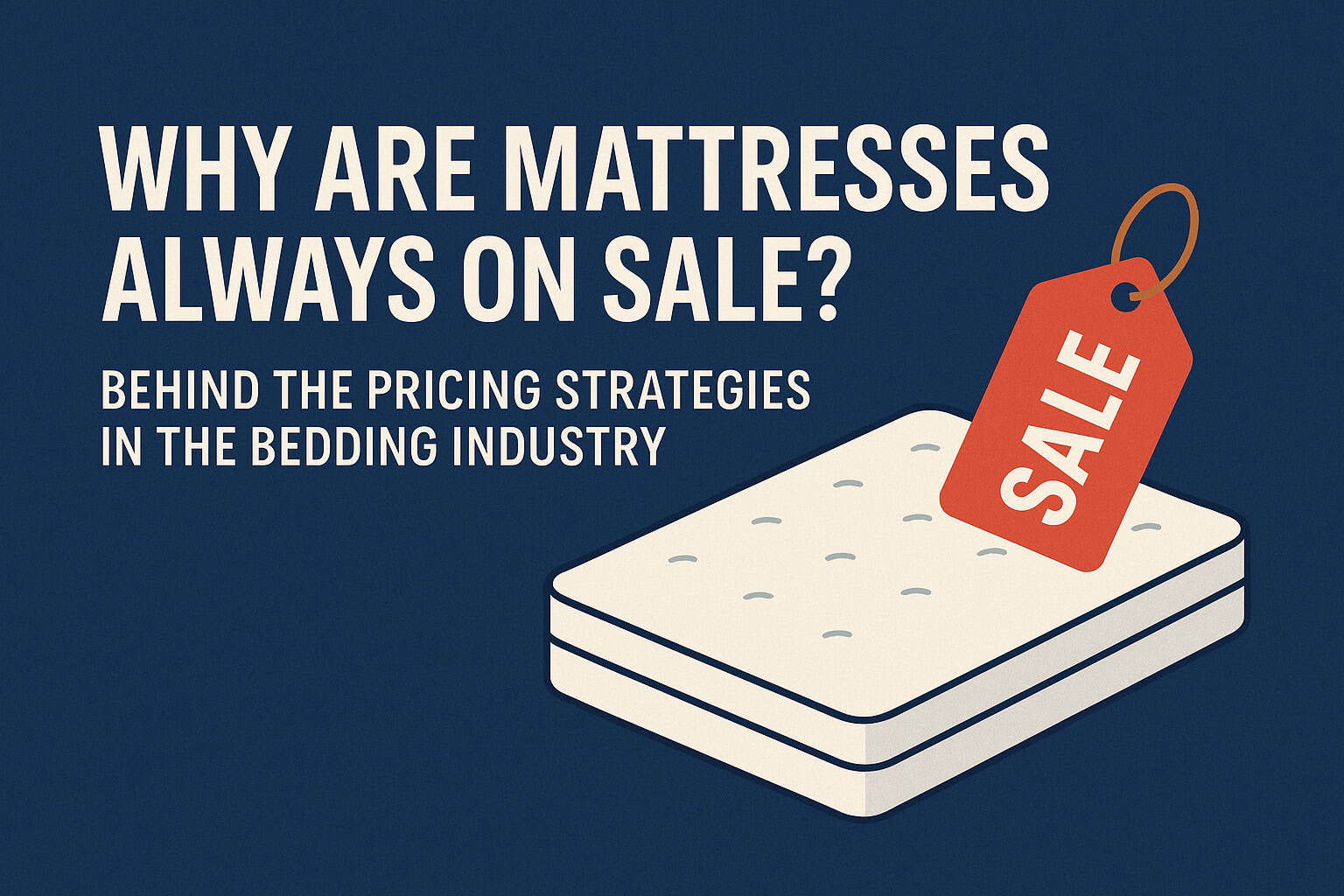
Why Are Mattresses Always on Sale? Behind the Pricing Strategies in the Bedding Industry

Have you ever walked past a mattress store or scrolled through an online shop and thought, “Why are mattresses always on sale?” It’s not just your imagination, mattresses do seem to live in a constant state of discount, especially if you’re looking for a mattress on sale in the UK. Whether it’s “50 percent off,” “Buy one, get one free,” or “This weekend only!”, the mattress world feels like one long, never-ending promotion.

mattress sale

But what’s really going on here? Are these real deals or just clever marketing tricks? And if they’re always on sale, were they ever worth the original price in the first place? To unravel the mystery, let’s pull back the covers (pun intended) on the fascinating world of mattress pricing strategies.

The Curious Case of the Everlasting Sale

Let’s start with the obvious question: Why are there so many sales? A lot of it comes down to psychology. Retailers know that shoppers are more likely to make big purchase, like a new bed , when they feel like they’re getting a deal. In fact, the entire mattress industry leans heavily on psychological pricing.

Imagine walking into a showroom and seeing a luxurious mattress marked at £2,000. You wince, but then notice a big red sign shouting, “Now only £999!” Suddenly, it feels like a steal. That mental leap is exactly what brands are counting on. It’s called anchoring, where your brain compares the sale price to the original, even if that original was artificially inflated to begin with.

A Quick Story From the Sales Floor

Back in 2019, a friend of min, let’s just call her Sarah was managing a well-known mattress retail store in Birmingham. I won’t name the place for… let’s say reasons (haha), but what she shared with me about the industry was pretty eye-opening.

She once told me, “We were technically on sale 365 days a year. We just changed the banners depending on the month. ‘New Year Sale’ became ‘Spring Clearance’ became ‘Summer Sizzler.’ Same products. Same discounts.”

mattress on sale
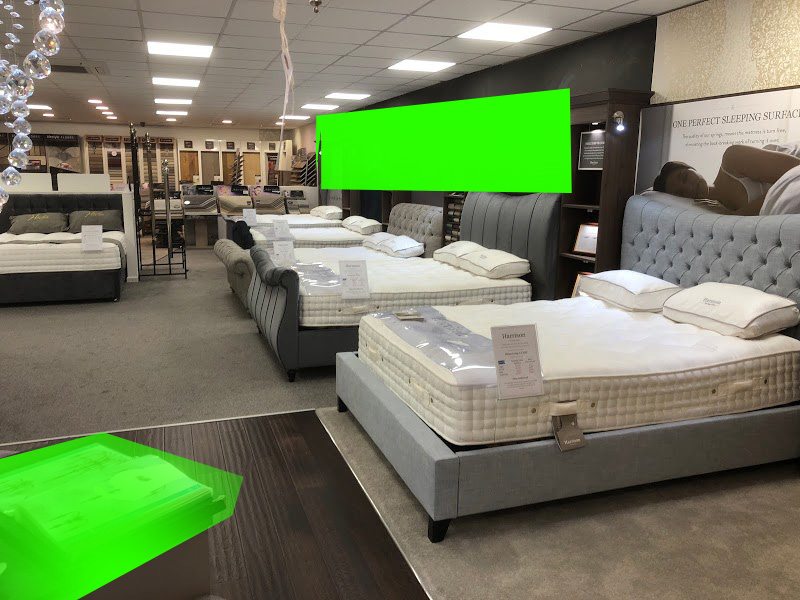
Mattress Store in Uk

It wasn’t about deception, she clarified. It was about perception. People expected mattresses to be on sale, and if they weren’t, they didn’t sell. This speaks volumes about how conditioned we’ve become as shoppers, especially when it comes to high-ticket items like beds.

This taps into something called “urgency bias”, a mental shortcut our brains take when we believe an opportunity is limited. Words like limited time only or final clearance trigger a fear of missing out, nudging us to act quickly. Retailers know that adding a countdown clock or flashing sale banner can spike conversions, not because the deal is necessarily better, but because it feels more pressing. It’s less about what we need and more about what we might lose if we don’t act now.

The Seasons of Sleeping: Sales Cycles and Calendar Timing

Mattresses don’t just go on sale randomly. There’s a rhythm to it. Certain times of the year almost guarantee markdowns:

  • January: New Year sales target people aiming for a “new start,” which often includes better sleep.
  • Spring: Retailers clear out old inventory before launching new models in May and June.
  • Bank Holidays: Think Easter, May Day, and the August bank holiday, all prime time for mattress promotions.
  • November/Black Friday: Possibly the biggest mattress sale event of the year.
  • Boxing Day and January Clearance: When shops slash prices to get rid of leftover stock.

So if you’re looking for the best mattress sale in UK, these are the windows when discounts are not only plentiful, but sometimes actually worth it.

Inventory Pressure and New Models

Here’s something few shoppers realise: mattress companies operate on a model-year system not unlike cars. Each year, brands release new versions of their mattresses, even if the changes are minimal. That means older inventory has to be cleared out, and that’s where inventory clearance sales come in.

If you’re savvy (or just a little lucky), you can snag a premium product at a fraction of the cost, simply because it’s last year’s version. Retailers like Luxe Mattresses regularly offer mattress for sale deals as part of these cycles, making it easier for shoppers to access high-quality beds without breaking the bank.

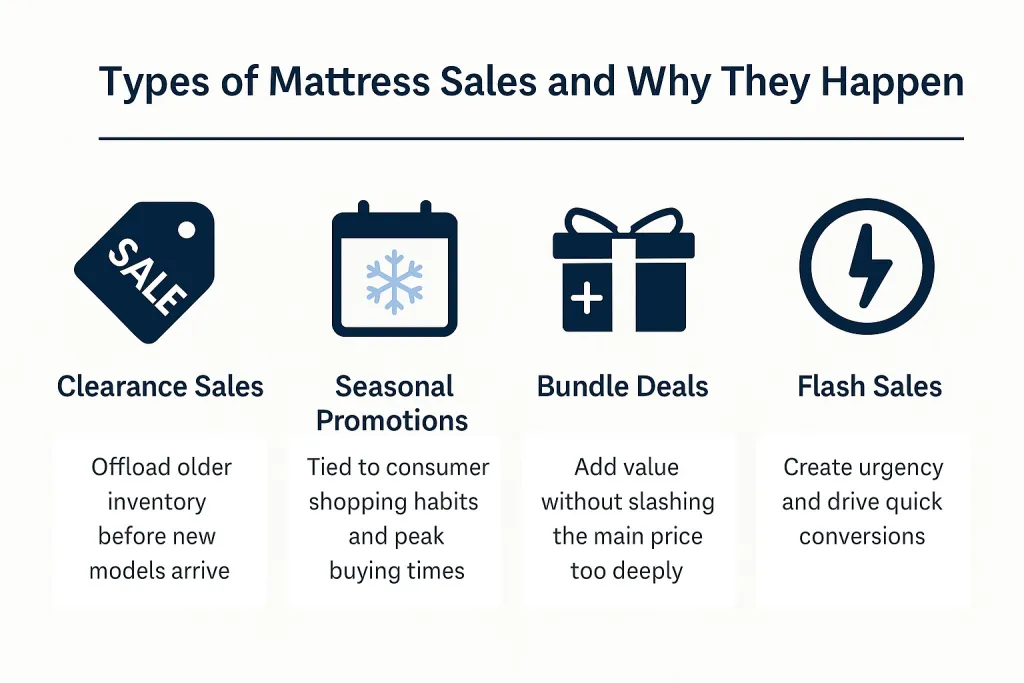
Types of Mattress Sales and Why They Happen

Mattress sales come in all shapes and sizes, from clearance events and seasonal promotions to bundle deals and flash sales. Each type serves a different purpose behind the scenes. Clearance sales usually aim to offload older inventory before new models arrive, while seasonal promotions (like spring or Black Friday sales) are tied to consumer shopping habits and peak buying times.

when companies put sale on mattresses

Bundle deals, think free pillows or a discounted bed frame, add value without slashing the main price too deeply. Flash sales, on the other hand, are designed to create urgency and drive quick conversions. The common thread behind all of them is strategic timing: retailers use these sales to keep inventory moving, maintain cash flow, and tap into buyer psychology at just the right moment.

The Online Mattress Revolution

Over the past decade, we’ve seen the rise of direct-to-consumer mattress brands like Emma, Simba, and Casper, which are almost on sale throughout year, i guarantee it. These brands often cut out the middleman and ship mattresses in a box straight to your door. They also brought a new twist to pricing strategies: perpetual promotions online.

Just search “mattress sale dreams” or “bed sale UK” and you’ll find dozens of results from these brands offering timed discounts, but those “timed” deals often reset or extend when you refresh the page. Some call it clever marketing, others might say it’s manipulative. But it works.

And thanks to geo-targeting and online tracking, searching for “mattress sales near me” will likely result in you seeing personalised ads for the next few weeks, maybe even months.

What About Tempur and Premium Brands?

You might think that luxury mattress companies, like Tempur, Vispring, Luxe Mattresses, and John Rayan wouldn’t need to rely on sales tactics. But surprisingly, even these high-end brands offer seasonal deals, often bundled with free pillows, mattress protectors, or bed frames.

The key difference? They rarely call it a “sale.” Instead, it’s a promotion or a limited-time offer. The psychology remains the same, just dressed up in more elegant packaging. If you’re in the market for a mattress sale Tempure, the best time to strike is around national holidays or retailer anniversaries.

Mattress Markup: The Dirty Little Secret

Let’s get real for a second. One reason mattress companies can offer constant sales is because the markup is huge. According to industry insiders, a mattress that sells for £1,000 might cost as little as £450 to manufacture. That leaves plenty of room for discounts while still making a solid profit.

That doesn’t mean all mattresses are a rip-off, though. What you’re often paying for is not just the foam and springs but also:

  • Brand reputation
  • Delivery and logistics
  • Trial periods and warranties
  • Customer support

It’s just important to understand that a high price tag doesn’t always equal high quality, and a low price doesn’t always mean bad sleep. This is why researching and comparing is more important than ever when you’re browsing for a mattress to sale opportunity that actually meets your needs.

Navigating the Mattress Maze

So how do you shop smart in this sale-heavy landscape? Here are a few friendly, no-nonsense tips:

  1. Ignore the original price. Focus on the final price and what you’re actually getting.
  2. Take your time. Unless your current mattress is un-livable, wait for those key sale windows.
  3. Test before you buy. If you’re buying in-store, lie down. Ask questions. Take notes.
  4. Use trial periods. Many online retailers offer 100 nights or more to try it at home.
  5. Compare apples to apples. Not all “memory foam” is the same. Look at density, layers, and certifications.

And most importantly, don’t rush. Mattresses are one of the few products where a little patience can literally change the quality of your sleep.

Why Luxe Mattresses Does It Differently

At Luxe Mattresses, we take a different approach, and that’s intentional. Unlike many retailers that inflate prices just to offer constant “discounts,” we focus on transparent pricing and long-term value. We believe customers deserve honest deals, not marketing gimmicks. That’s why you won’t see us running never-ending sales or flashing urgent countdowns. Our prices are carefully set to reflect the true quality of the materials, craftsmanship, and comfort we deliver.

When we do put a mattress on sale thorough out yea, it’s because there’s a genuine reason, like seasonal inventory clearance or a special manufacturer promotion. These moments are rare, but they’re real. We want our customers to feel confident that when they shop with us, they’re getting authentic value, not smoke and mirrors. That’s the Luxe difference.

Closing Thoughts: It’s Not a Scam, But It is a strategy

To wrap it up – no, the mattress industry isn’t out to scam you. But it is designed around pricing strategies that play to consumer psychology. Sales are less about generosity and more about timing, inventory, and perception.

Once you understand the why behind the markdowns, you’re in a much better position to make a smart purchase. And with thoughtful platforms like Luxe Mattresses’ clearance sale, you can turn the system to your advantage and find a quality mattress for sale without falling for gimmicks.

Sleep tight – and happy hunting.

custom bed
July 12, 2025

10 Reasons to Invest in a Custom Bed for Better Sleep

Few investments can have as significant an impact as a bespoke bed when it comes to improving sleep. Compared to regular off-the-shelf mattresses, a custom bed is tailor-made around your body, lifestyle, and preferences, which provides customised comfort, better spinal support, and long-term well-being. So, why choose a custom bed over a ready-made one? Basic: Improved sleep quality equals improved health, productivity, and happiness.

We delve into 10 reasons supported by evidence why you should think about making the switch and why a custom bed may be the solution your sleep has been needing.

1. Tailored to Your Unique Body Shape and Sleep Style

Everyone sleeps differently, some on their side, others on their back or stomach. These differences are carefully considered when designing a custom bed. Rather than forcing your body to conform to a standard surface, a well-made bed adapts to your unique shape and sleep style.

According to the Sleep Foundation, your preferred sleeping position should influence the ideal mattress firmness and support level you choose. For example, side sleepers typically benefit from softer surfaces that cushion shoulders and hips, while back sleepers often need medium-firm support to maintain spinal alignment. Custom sleep setups allow for precise pressure point relief, personalised firmness zones, and enhanced body contouring, all of which can significantly reduce pain and improve sleep quality, especially for those with chronic back pain or joint-related conditions.

2. Enhanced Spinal Alignment

Maintaining the correct spinal position is crucial for achieving adequate sleep and a healthy musculoskeletal system in the future. A custom bed also helps keep your spine in a neutral position throughout the night, thereby reducing stress on your muscles and joints.

enhanced spine alignment

Harvard Health research confirms that back pain is often worsened by sleeping surfaces that are either too soft, causing the spine to sag, or too firm, which creates pressure on joints and muscles. The solution lies in a customised bed that strikes the right balance: firm enough to support spinal alignment, yet soft enough to cushion pressure points. This tailored approach is particularly beneficial for those managing chronic lower back pain, as it reduces strain and helps promote more restorative, uninterrupted sleep.

3. Minimise Motion Transfer for Couples

When you sleep with someone, you are aware of how annoying it is when the other person turns and tosses. Custom beds typically feature zoned support and dual firmness, which helps minimise motion transfer between sleep partners.

Instead of settling for a compromise of a middle ground, each partner can decide how firm and supportive they require to be, and restless nights are now a thing of the past. It is beneficial in case one of the parties is a light sleeper or you and your partner have dramatically different body structures or sleeping habits.

4. Ideal for Managing Chronic Pain or Medical Needs

Individuals who have arthritis, sciatica, or sleep disorders such as fibromyalgia usually find it challenging to cope with the regular beds. A custom bed can be constructed to fit sensitive pressure points and meet medical support requirements.

The NHS recommends using ergonomic sleeping surfaces that reduce pressure on joints and support proper body alignment. These surfaces can help improve blood circulation, alleviate pain symptoms, and enhance mobility, especially in individuals with musculoskeletal issues or chronic back conditions. Features commonly found in custom beds include adjustable bases, which allow for head or leg elevation, temperature-regulating materials, and pressure-relieving layers like natural latex or high-specification foam, all tailored to the sleeper’s body and needs.

5. Temperature Regulation for Better Sleep Quality

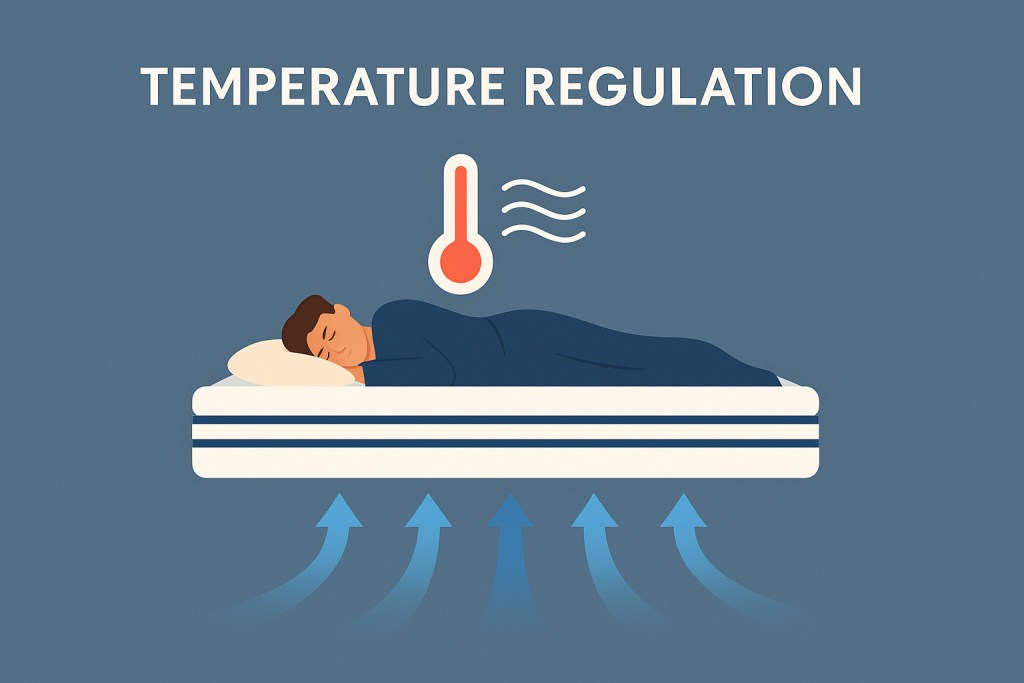
When you sleep in conditions that are either too hot or too cold, your sleep quality can suffer significantly. A bespoke bed can incorporate advanced materials such as gel-infused memory foam or moisture-wicking fabrics to help regulate temperature and promote optimal airflow throughout the night.

temperature regulation in mattress

This is crucial because a study by the National Institutes of Health (NIH) found that maintaining a comfortable sleep temperature, typically between 18°C and 20°C—helps individuals fall asleep more quickly and experience deeper, more restorative REM sleep. Your sleep setup can be further personalised to respond to your body temperature, local climate, or even hormonal shifts such as menopause or night sweats, making high-quality, uninterrupted rest more achievable.

6. Durability and Quality of Materials Long-Term

Beds in the mass market tend to skimp on materials to cut costs. Custom beds are created to order with high-quality, durable materials, be it natural latex, high-density foams, organic cotton, or reinforced edge coils.

Since you will select the construction, your bed will not only work better but also will last longer. Most custom beds are sold with extended warranties, assuring their artistry.

See also: Analyse the Luxe Mattresses Materials and Craftsmanship

7. Greater Long-term Value

The initial price of a custom bed may be higher, but its durability and functionality are likely to be better in the long term. You will have fewer chances to replace it earlier or to add expensive mattress toppers, pain medications, or sleeping aids.

A 2022 consumer survey by Which? revealed that higher-end mattresses, particularly bespoke models, tend to last several years longer than budget alternatives. These premium options also achieved significantly higher owner satisfaction ratings across key categories, including comfort, durability, and overall support. The findings reinforce the value of investing in a well-crafted sleep surface, especially for individuals with specific health or mobility needs.

8. Custom Aesthetic and Size Options

In addition to comfort, a tailor-made bed can fit your style and room needs. Customization also means you can have an extra-long frame, built-in storage, a specific fabric, and a finish that matches your decor without having to compromise.

You can have the bed to match the rest of your bedroom – you can choose the color, style of headboard, type of base, and even the height. This is especially useful in non-standard bedroom designs or for those who want to achieve a luxury design finish.

Design Your Bed with Luxe Mattresses

9. Sustainability and Ethical Manufacturing

Most bed custom makers, such as Luxe Mattresses, utilize sustainable materials, employ ethical labor practices, and utilize green packaging. You can select organic fabrics, recycled steel springs, or vegan-friendly construction options when choosing a customised bed.

This mindful strategy not only benefits your health and comfort but also supports the planet. It aligns with the growing shift toward eco-conscious consumerism, especially in the home and lifestyle space. According to McKinsey’s 2024 Sustainable Consumer Report, over 60% of UK consumers now consider a product’s environmental impact before making significant purchases. Choosing a sustainable, bespoke bed, made with natural materials and responsible production practices, meets both personal and ethical standards.

10. A Bespoke Experience From Start to Finish

The experience is the least appreciated advantage of a custom-made bed. The process is empowering, featuring consultations, sleep assessments, home trials, and white-glove delivery. You are not purchasing a product; you are creating a remedy for your health.

At Luxe Mattresses, we help customers make informed choices based on their sleep patterns, body type, health history, and lifestyle. The resultant outcome? A sleep system that supports you in life- not only your back.

Final Thoughts: Why Choose a Custom Bed?

In conclusion, buying a custom bed is not a luxury; it is a choice based on comfort, health, and value. Do you have pain or sleep disturbance, or do you want to elevate your lifestyle? A customized solution to sleep will provide quantifiable results that can never be achieved with off-the-shelf beds.

A good night’s sleep is an investment in your night quality and, by extension, a day.

FAQs: 

How much does a custom bed cost in the UK?

They usually cost between £ 800 and £ 3,000+ pounds, depending on size, materials, and features. Although custom beds are more expensive compared to mass-produced ones, they have a longer lifespan and are generally more comfortable.

Do custom beds help back pain?

Of course, people with back problems are usually advised to use custom beds. They offer personalised support and pressure relief, which helps alleviate spinal pressure and pain while sleeping.

Do couples have the option of having different firmnesses on the same bed?

Absolutely. Most custom beds feature a dual-firmness option, allowing each partner to adjust their bed to the desired comfort level without affecting the other.

mattress for elderly people
July 12, 2025

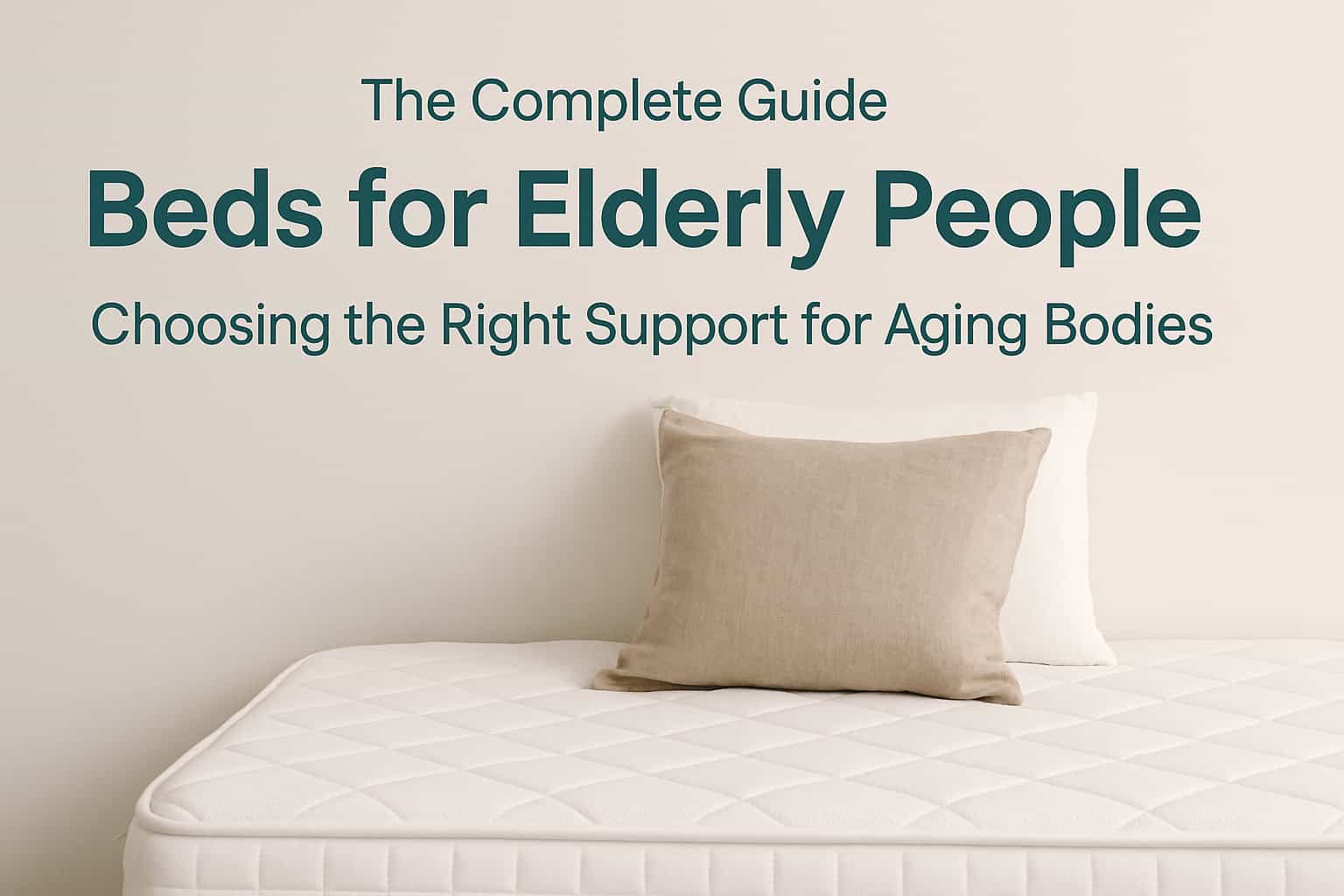
The Complete Guide to Beds for Elderly People: Choosing the Right Support for Aging Bodies

As we age, the importance of sleep quality becomes more pronounced, not just for energy, but for maintaining physical independence and reducing the risk of chronic pain or injury. For many older adults, the wrong bed can mean discomfort, poor sleep, or even health issues like joint strain and pressure sores.

This guide covers everything you need to know about choosing beds for elderly people, including mattress types, ideal bed height, mobility-friendly features, and evidence-based health considerations. It also includes product insights from LuxeMattresses.co.uk, whose best mattress for elderly selections feature high-quality, natural hybrid sleep systems specially designed to support older adults.

Why Choosing the Right Bed Matters

According to the Sleep Foundation, older adults experience more fragmented sleep, lighter sleep stages, and greater difficulty staying asleep. This means the surface they sleep on plays a major role in rest and recovery.

Medical studies also highlight that older people are more prone to skin breakdown and musculoskeletal pain due to reduced mobility and aging tissue. Choosing a well-designed bed can:

  • Reduce back and joint pain
  • Lower the risk of pressure sores
  • Make getting in and out of bed safer and easier
  • Improve circulation and breathing through supportive positioning

Best Mattress Types for the Elderly

Not all mattresses are created equal, especially when it comes to meeting the specific needs of older adults. While soft foams may seem comfortable at first, they can lack the long-term support and pressure relief needed.

A strong option for UK shoppers is a natural latex hybrid mattress, like those found in LuxeMattresses.co.uk’s Natural Collection. These models feature a thoughtful combination of:

  • GOLS-certified organic latex for responsive, breathable support
  • Individually pocketed springs to isolate motion and improve spinal alignment
  • Natural wool and cotton covers, offering temperature regulation and hypoallergenic properties

This type of construction maintains resilience and body support far better than low-density foam alternatives, which are shown in NICE guidelines to increase pressure ulcer risk in immobile adults.

Why they work for elderly people:

  • Conform to the body without “sinking”
  • Distribute pressure evenly across joints and muscles
  • Support circulation and natural sleep posture
  • Durable materials ensure performance over time

Optimal Bed Height for Seniors

One of the most overlooked, but crucial, considerations is bed height. For elderly individuals, the surface should be at or just below knee height when standing. The goal is to allow the person to sit down and rise without strain or instability.

The recommended range is typically 50–60 cm (20–23 inches) from floor to mattress top. If a mattress is too high, stepping up becomes unsafe. If it’s too low, standing up requires excess effort and may strain the knees or hips.

When selecting beds for elderly people, look for adjustable or low-profile bed frames that work with standard-height mattresses to maintain a comfortable sitting level.

Adjustable Bed Bases: Increased Safety and Comfort

For seniors with arthritis, circulation issues, or limited mobility, adjustable bed bases offer considerable benefits. These beds allow users to elevate the head or feet, raise or lower the height, and adjust positioning at the touch of a button.

Benefits include:

  • Improved breathing for people with sleep apnea or COPD
  • Enhanced blood flow, especially for those with edema
  • Reduced acid reflux when sleeping with the upper body elevated
  • Easier transfer into and out of bed, especially for those with walkers or carers

Though not always available through the NHS, adjustable beds are a practical investment for aging in place. They pair well with natural latex hybrid mattresses that flex and conform without sagging.

Pressure Relief and Skin Health

As people age, their skin becomes thinner and more vulnerable to pressure damage. Limited movement during the night can increase the risk of pressure ulcers, especially at the shoulders, lower back, and hips.

According to a systematic review published in BMJ Open, high-specification foam and hybrid surfaces significantly reduce the development of pressure injuries in elderly populations.

Beds with the following features provide essential protection:

  • Zoned support to relieve pressure at critical points
  • Airflow-enabled materials to prevent overheating and sweating
  • Firm edges for safer sit-to-stand movement

Mattresses like Luxe’s natural latex hybrids offer exactly these benefits. The natural latex adapts to the body’s curves while maintaining firm support, and wool-cotton covers promote breathability for temperature-sensitive skin.

Bed Safety and Mobility Aids

Even the most supportive mattress can’t prevent falls if the overall bed setup isn’t senior-friendly. When choosing beds for elderly people, look beyond just comfort, consider ease of movement and accessibility.

Look for options that allow:

  • Secure grip rails or compatibility with over-bed support poles
  • Stable edge support, so sitting on the edge feels firm, not unstable
  • Non-slip flooring or carpet runners next to the bed
  • Optional low-height or floor-level bases for those at risk of rolling off

Combining ergonomic design with the right support tools can significantly extend independence for older adults living at home.

Final Thoughts

Choosing a bed for an elderly loved one or yourself, is about more than comfort. It’s about preserving independence, preventing injury, and enhancing health through high-quality rest. The right bed setup considers not only the mattress, but height, pressure relief, and adaptability to changing physical needs.

Natural latex hybrid mattresses, like those found at LuxeMattresses.co.uk, offer UK-based shoppers a balance of comfort, support, and health-conscious design. They’re crafted with sustainability in mind and tailored for long-term performance, making them a smart investment for older adults.

Whether you’re a caregiver, adult child, or senior shopping for yourself, don’t underestimate how life-changing the right bed setup can be.

July 12, 2025

Sleep Apnoea Symptoms: How to Know If You’re at Risk

Sleep apnoea is more than occasional snoring, it is a disorder in which your breathing repeatedly stops during sleep. These interruptions deprive your body of oxygen and disrupt your sleep cycle, often without your awareness. Over time, untreated sleep apnoea can lead to high blood pressure, heart disease, stroke, diabetes, cognitive decline, and even premature death.

This article will help you identify both common and overlooked symptoms of obstructive sleep apnoea (OSA), explain who is most at risk, and guide you toward when to seek professional evaluation.

What Is Sleep Apnoea?

Obstructive sleep apnoea (OSA) is a condition where the upper airway temporarily collapses during sleep, blocking airflow despite ongoing efforts to breathe. Each pause, known as an apnoea or hypopnoea, can last 10 seconds or more. These events frequently happen throughout the night, often hundreds of times.

According to Sleep Foundation , symptoms include snoring, tossing and turning during sleep, daytime fatigue, and morning headaches. Yet many sufferers remain unaware, as the most obvious signs happen while they’re sleeping.

Night-Time Symptoms You Might Miss

  • Loud, persistent snoring : Frequent, heavy snoring—especially with pauses or choking sounds—is a classic sign.
  • Pauses in breathing or choking/gasping : A bed partner may report that you stop breathing for several seconds, then gasp or snort when breathing resumes. ( NHS )
  • Frequent nighttime awakenings : Waking up repeatedly, even without full awareness, leads to fragmented sleep.
  • Dry mouth or sore throat upon waking
  • Restless sleep, tossing, or excessive movement
  • Night sweats or excessive perspiration while sleeping
  • Frequent nighttime urination (nocturia) : Nearly 50% of people with OSA experience nocturia. ( Health.com )

Daytime Symptoms: The Hidden Toll

  • Excessive daytime sleepiness or fatigue : Even after eight hours in bed, you may feel persistently tired. Studies find excessive sleepiness in 31% of OSA patients. ( Patient.info )
  • Morning headaches : Fluctuating oxygen levels and carbon dioxide retention during the night can trigger headaches upon waking.
  • Difficulty concentrating, brain fog, or memory problems : Cognitive impairment is common in OSA sufferers due to poor-quality sleep and intermittent oxygen deprivation.
  • Mood changes, irritability, or depression : Chronic fatigue and disrupted sleep contribute to mood instability.
  • Daytime drowsiness or falling asleep at inappropriate times : This is especially dangerous while driving or operating machinery.
  • Reduced libido or sexual dysfunction

Less Recognized Symptoms

  • High blood pressure that’s difficult to control
  • Heart palpitations or irregular heartbeats
  • Chest discomfort at night or upon waking
  • Nocturnal sweating
  • Insomnia or difficulty maintaining sleep

How Common Are These Symptoms?

Sleep apnoea affects a significant portion of the population. According to the Journal of Thoracic Disease , OSA affects approximately 22% of men and 17% of women. When combined with daytime sleepiness, the syndrome impacts around 6% of men and 4% of women.

Who Should Be Concerned?

  • Age over 40
  • Male gender (though female cases are often underdiagnosed)
  • Being overweight or having a BMI above 25–30
  • Neck circumference over 17 inches (men) or 15 inches (women)
  • Family history of OSA
  • Smoking or heavy alcohol use
  • Nasal congestion or deviated septum

When to Talk to a Doctor

See your GP or a sleep specialist if you experience symptoms like loud snoring, witnessed breathing pauses or choking, persistent daytime sleepiness, and mood changes. The NHS also recommends bringing observations from your sleep partner.

Diagnostics: What to Expect

  1. Home sleep apnoea test : Measures airflow, oxygen levels, and sleep patterns at home.
  2. Polysomnography : A lab-based sleep study that measures brain activity, eye movement, heart rate, and breathing.

Treatment Options

  • CPAP Therapy : A machine that delivers constant air pressure to keep the airway open.
  • Oral Appliances : Dental devices that reposition the jaw.
  • Lifestyle Changes : Weight loss, side sleeping, and limiting alcohol.
  • Surgery or Implants : Tissue removal or nerve stimulation devices for severe cases.

Benefits of Early Detection

Identifying and treating sleep apnoea early can reduce your risk of stroke, improve cognitive function, enhance mood, and increase life expectancy. Untreated OSA doesn’t just affect your sleep—it can quietly damage your heart and brain over time. To understand the full extent of these risks, read this detailed article on how untreated sleep apnoea can increase your risk of sudden death.

Final Thoughts

If you or a loved one shows signs of sleep apnoea, do not ignore them. A simple sleep test can lead to life-changing treatment. For more on how your sleep environment may contribute, visit this guide on sleep apnoea and mattresses .

why 7 hours of sleep is not enough copy
July 12, 2025

Why 7 Hours Isn’t Enough for Everyone: Personalised Sleep Needs Explained

For decades, sleep researchers and wellness gurus alike have echoed a familiar rule: “Get 7 to 8 hours of sleep per night.” But as our understanding of human biology deepens, it’s becoming clear that this guideline, while well-meaning isn’t universally sufficient. For some, seven hours leaves them alert and productive; for others, it barely scratches the surface of what’s needed to feel truly rested.

In truth, sleep is deeply personalised, shaped by a combination of genetic traits, lifestyle demands, stress load, and recovery needs. Here’s why the standard recommendation often falls short, and how you can begin identifying how much sleep you really need.

1. Sleep Needs Are Hardwired in Your Genes

One of the most overlooked elements in sleep research is our genetic predisposition. According to a study published in Nature Communications, certain people carry gene variants, such as DEC2 or ADRB1, that naturally reduce their sleep needs. These “short sleepers” can thrive on as little as 4 to 6 hours per night without performance drops.

But they are the exception, not the rule. For most of us, skimping on sleep causes real harm, from impaired cognition and mood swings to long-term risks like cardiovascular disease, metabolic dysfunction, and weakened immunity, as shown in research by Harvard Medical School.

In short, your biology, not social norms, should dictate your sleep duration.

3. Quality Trumps Quantity – But They Both Matter

You could spend eight hours in bed and still feel exhausted if your sleep quality is compromised.

Factors like poor mattress support, screen exposure before bed, alcohol, or undiagnosed sleep disorders (like sleep apnea) can degrade sleep efficiency. This means that even if you technically meet your sleep quota, your body might not receive the deep and REM sleep needed for full restoration.

This is why tracking your sleep cycles, not just total sleep time, is essential. Tools like this sleep calculator can help optimize your bedtime by aligning it with natural 90-minute sleep intervals. Over time, this can improve how you wake up, feeling more refreshed even if sleep duration doesn’t change dramatically.

4. Recovery Isn’t a Luxury-It’s Biological Currency

Sleep is the body’s most powerful recovery mechanism. If you’re fighting off illness, building muscle from workouts, recovering from burnout, or adapting to new routines, your body requires more rest sometimes significantly more.

Athletes often need 9 to 10 hours of sleep during intense training phases, according to findings by the Sleep Foundation. Likewise, individuals recovering from trauma or surgery might benefit from extended nighttime sleep and daytime naps, allowing the body to complete its healing work.

If you’ve recently been through a high-demand period, emotionally or physically, then treating sleep as negotiable can delay recovery and trigger other health issues.

5. How to Discover Your Ideal Sleep Window

There’s no single number that guarantees optimal health across the board. Instead, focus on patterns and outcomes:

  • Track how you feel 30 minutes after waking. Groggy, irritable, or craving caffeine? That’s a red flag.
  • Notice your midday performance. Do you crash after lunch, need stimulants, or have mood dips?
  • Use digital tools or a sleep calculator to structure your bedtime around sleep cycles.
  • Experiment with adding 30–60 minutes of sleep over a few weeks. See if your energy, focus, and resilience improve.

When you match your sleep schedule with your body’s true needs, you stop surviving and start thriving.

Final Thought: Rethink the Rulebook

It’s time to retire the myth that everyone should aim for the same amount of sleep. The 7-hour minimum might be adequate for some, but it’s inadequate for many, especially in today’s overstimulated world. Sleep is not just a passive state, it’s an active investment in every aspect of your health, from cognitive performance to emotional resilience.

Instead of chasing arbitrary numbers, focus on alignment: your genetic needs, your daily demands, and your real recovery capacity.

Start by tracking your rhythm, enhancing your sleep environment, and using science-backed tools like a sleep calculator to fine-tune your nightly routine. Because in the end, you don’t just need more sleep you need the right kind of sleep.

Sleep Calculator

Plan your optimal bedtime and wake-up times based on your body’s natural sleep cycles. Wake up refreshed and energized every morning.

Why Use This Calculator?

  • Calculate the ideal bedtime based on when you need to wake up
  • Find the optimal wake-up time based on when you go to bed
  • Work with your body’s natural 90-minute sleep cycles
  • Minimize grogginess and maximize morning energy
  • Based on sleep science research
Use Sleep Calculator
Product has been added to your cart