
Black Friday 20% off every mattress (25% off natural latex) · Free pillow worth up to £99 on orders over £350 · you choose · + free room-of-choice delivery on every mattress · Lowest price guaranteed — as low as it will go Black Friday: 20% off + free pillow worth up to £99 on orders over £350 Lowest price guaranteed Shop the eventShop
is queen size bigger than double
July 12, 2025

Is a Queen Bigger Than Double Size Mattress? The Real Size Breakdown

Is a Queen Size Mattress Bigger Than a Double? Understanding the UK’s “Small Double” Confusion, When shopping for a mattress in the UK, the term â€œQueen Size” can be surprisingly confusing. Unlike in the US or Europe, where mattress sizes like “Queen” and “King” follow consistent measurements, the UK market uses terms more loosely. Most notably, many UK retailers refer to the Small Double mattress (120 x 190 cm) as a “Queen.” So the real question becomes:

Is a UK Queen Size (Small Double) mattress bigger than a Double?

No â€” a Small Double (Queen) is actually smaller than a standard Double.

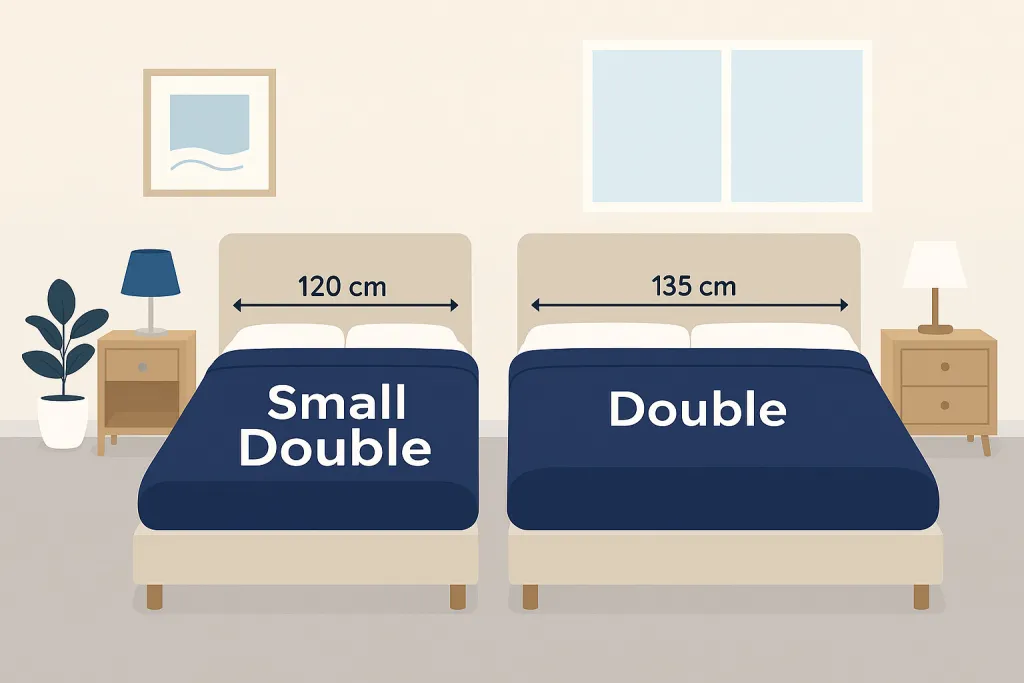
Mattress Type Dimensions (cm) Width Comparison
Small Double (Queen) 120 x 190 –
Double 135 x 190 +15 cm wider

1. Understanding Mattress Size Terminology

Before diving into measurements, it’s important to note that mattress terminology differs by region:

  • In the UK, the term “Queen” is not officially standardised. A Small Double (120 x 190 cm) is often informally referred to as a “Queen.”
  • In Europe, “Euro Queen” refers to a 160 x 200 cm mattress.
  • In the US, a standard Queen size is 60 x 80 inches (approximately 152 x 203 cm).

This variation in naming leads to confusion. When we ask “Is a queen bigger than a double?”—we must first clarify which queen and which double.

2. Standard Mattress Sizes at a Glance

Let’s look at how the most common sizes compare:

Mattress Size Dimensions (cm) Best For
Single 90 x 190 Kids, teens, small guest rooms
Small Double (Queen) 120 x 190 Solo adults, small bedrooms
Double 135 x 190 Couples with limited space
UK King 150 x 200 Couples who want more room
Super King 180 x 200 Luxury spaces, co-sleeping

3. What Is a Small Double (Queen) Mattress?

A Small Double mattress measures 120 x 190 cm and is the size often referred to as â€œQueen” in the UK market. It’s wider than a single but not quite as roomy as a standard double.

queen size mattress dimensions

Who is it for?

  • Solo adults wanting extra room to stretch
  • Teenagers transitioning from single beds
  • Small bedrooms where every cm counts

Advantages:

  • Compact yet spacious for one person
  • Fits in small to medium bedrooms
  • More affordable than double or king options

Drawbacks:

  • Can be tight for two people
  • Limited bedding availability compared to standard sizes

4. What Is a Double Mattress?

A Double mattress is 135 x 190 cm and is traditionally viewed as the first standard couple’s bed. It provides 15 cm more width than a Small Double.

double size mattress dimensions

Who is it for?

  • Budget-conscious couples
  • Solo sleepers wanting generous space
  • Guest rooms or modest master bedrooms

Advantages:

  • Affordable and widely available
  • Works in most UK bedrooms
  • More space for couples than small double

Drawbacks:

  • Can still feel cramped for two, especially for restless sleepers

5. Size Comparison: Small Double vs Double

Let’s break it down clearly:
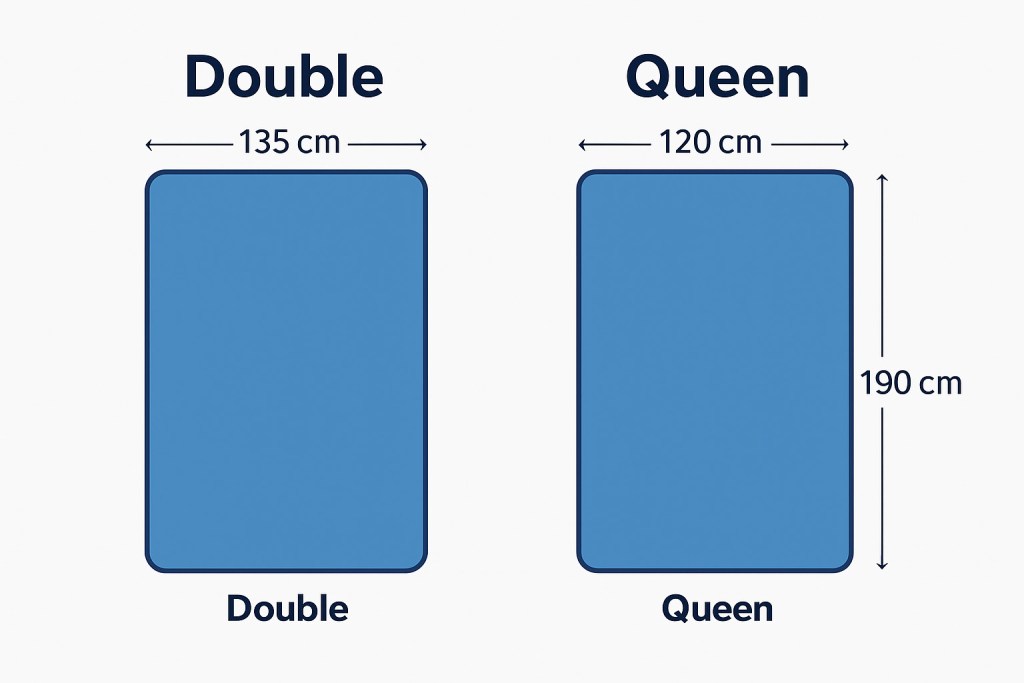
is queen bigger than double size mattress comparison
  • Width
    • Small Double: 120 cm
    • Double: 135 cm
    • Difference: 15 cm more space in a Double
  • Length
    • Both are 190 cm long
  • Surface Area
    • Small Double: 22,800 cm²
    • Double: 25,650 cm²
    • Difference: 2,850 cm², or ~12.5% more surface area in a Double

This difference in space can make a noticeable difference in comfort, especially for two people sharing the bed.

6. How Much Room Do You Need?

To sleep comfortably and maintain good room flow, consider these spacing guidelines:

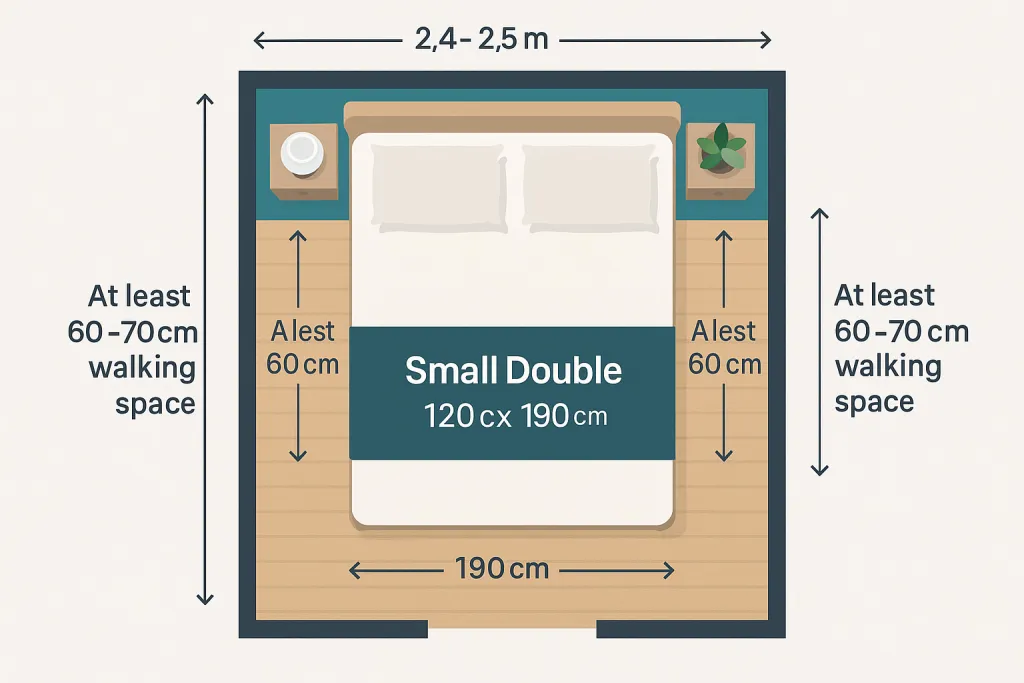
  • 60–70 cm of clearance on each side of the bed
  • 90 cm at the foot of the bed for easy movement

Room Size Tips:

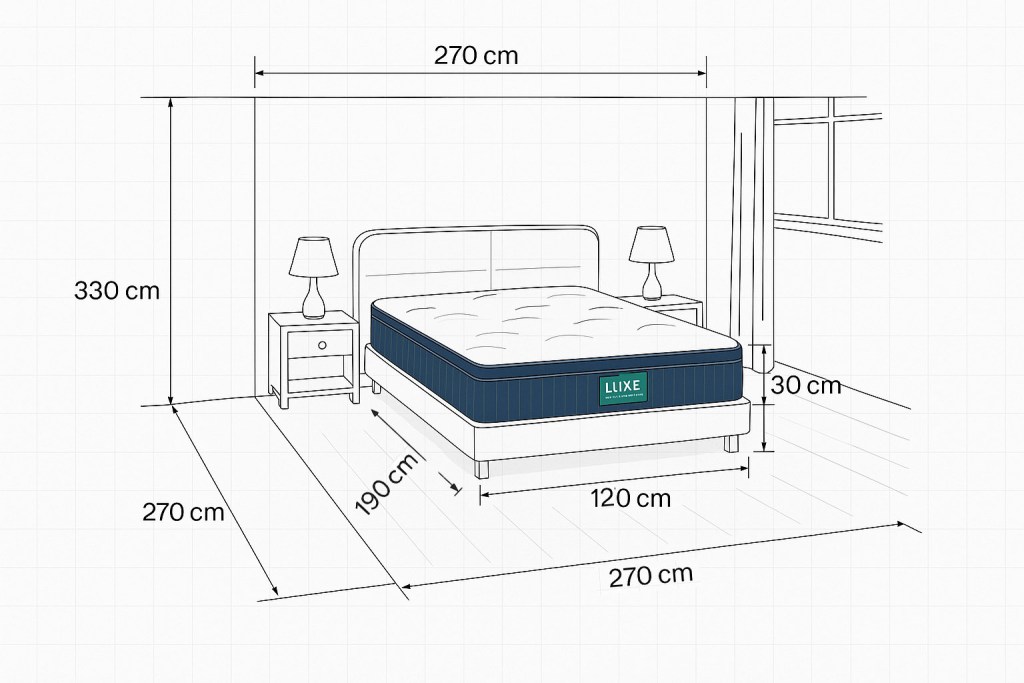
  • Small Double (Queen): Room should be at least 2.3 metres wide
  • Double: Room should be 2.4–2.5 metres wide for optimal flow
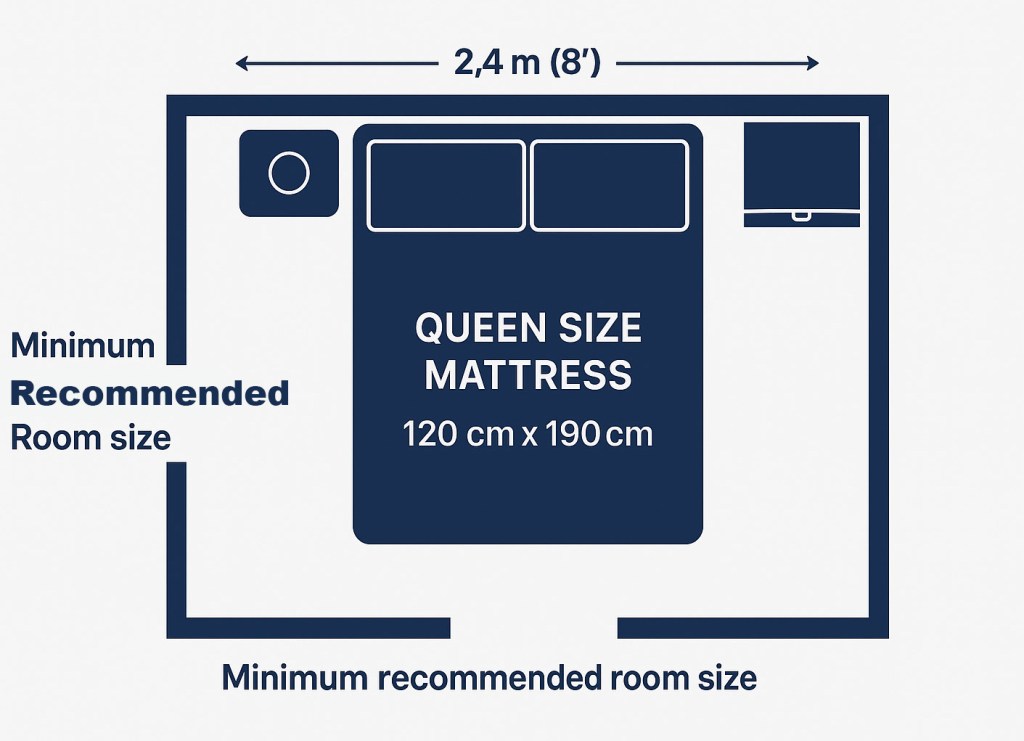
how big room is required for queen size mattress

7. Who Should Choose a Small Double?

  • Solo sleepers needing more than a single
  • Teenagers in their own room
  • Guest bedrooms with limited space
  • Budget buyers who want compact comfort

A small double works well for people who don’t share their bed or need a compact solution that doesn’t sacrifice comfort entirely.

8. Who Should Choose a Double?

  • Couples who are okay with less space
  • Guest rooms needing to fit two adults
  • Solo sleepers wanting extra space and comfort
  • Budget-conscious master bedrooms

For couples who don’t toss and turn much or are used to tighter spaces, the double can still work. But if personal space matters, it might not be ideal.

9. Bedding and Compatibility

Small Double:

  • May require more specific bedding (not as widely stocked)
  • Often found in student bedding ranges or at IKEA

Double:

  • Bedding is universally available across the UK
  • Usually cheaper and easier to find

Buying Tip: Always check the labelled size on packaging. “Queen” can mean 120 or 160 cm depending on the store.

10. Personal Story: Why I Moved from Small Double to Double

In my 20s, I moved into my first flat and bought a “Queen size” bed from an online retailer. I later found out it was actually a Small Double. At first, it was great for just me, but when my partner moved in, we found ourselves bumping elbows more than sleeping peacefully.

We upgraded to a Double, and it made a significant difference. That extra 15 cm gave us enough space to sleep without constantly waking each other. It fit the room just fine with some rearranging, and I could finally buy bedding from local shops without special orders.

11. Common Confusion: UK Queen vs Euro Queen

  • UK Queen = Small Double = 120 x 190 cm
  • Euro Queen = 160 x 200 cm (bigger than a UK King)

Many retailers use “Queen” for both, so always check dimensions before assuming size. The Euro Queen is 40 cm wider than a UK Small Double, so you don’t want to get the wrong frame or bedding.

12. Final Verdict

If you’re comparing a UK Queen (Small Double) to a Double, the Double is definitely larger, offering better space, more comfort for two, and easier bedding options.

Choose a Small Double if:

  • You sleep alone
  • Your room is tight on space
  • You’re upgrading from a single bed

Choose a Double if:

  • You’re sleeping as a couple
  • You have a medium-sized room
  • You want more room to stretch

Bonus Tips Before You Buy

  • Measure your room before choosing your mattress size
  • Don’t rely on labels, check actual measurements
  • Consider your future needs: Will a partner be joining you soon?

Conclusion

A mattress isn’t just about comfort, it’s about function, fit, and long-term satisfaction. While the Queen (Small Double)can suit many UK homes, a Double mattress offers more value and space for most sleepers. Choosing the right size from the start can dramatically improve your sleep quality and how well your bedroom works.
July 11, 2025

Is a Small Double (Queen Size) Bigger Than a Single Mattress?

By Ruby – A Mum’s Perspective

Hi, I’m Ruby, and if you’re a parent like me, you know that children seem to grow overnight. One day they’re tiny and curled up in a toddler bed, and the next they’re long-limbed tweens tossing and turning in the middle of the night. That’s exactly what happened with my 12-year-old son. And it got me thinking: is it time for a bigger mattress?

More importantly, is a small double (sometimes called a “queen size” in the UK) actually bigger than a single mattress, and would it fit comfortably in his room?

What Is a Small Double Mattress?

A small double mattress measures 120 cm x 190 cm, and in many UK stores, it’s often labelled as a “Queen Size.” Confusing, I know — especially when you consider that in Europe, a Euro Queen measures 160 cm x 200 cm, which is even wider than the UK King size!

queen size mattress room Dimensions

This mislabelling can cause a lot of confusion. If you’re trying to understand all the UK mattress types, this mattress size guide really helped me sort it all out.

Is a Small Double Bigger Than a Single?

  • A single mattress is 90 cm wide.
  • A small double is 120 cm wide.

That’s an extra 30 cm of space across — and yes, it makes a massive difference for a growing child who moves around at night.

Who Should Consider a Small Double Mattress?

Small double mattresses are ideal for:

  • Pre-teens and teenagers who need more room
  • Single adults who like extra comfort
  • Guest rooms or box rooms
  • Rooms where a full double would take up too much space

How Much Room Do You Need?

This was one of my biggest concerns. My son’s bedroom isn’t tiny, but it’s not huge either — just a standard room in our UK semi-detached.

Ideally, you should leave at least 60–70 cm of walking space on each side of the bed. A small double bed frame usually measures about 130 cm wide, so a room at least 2.4–2.5 metres wide is ideal.

Here’s a great room planner to help you visualise it.

My Personal Story

My son had been using a single mattress since he transitioned from his cot bed. It worked for years — but lately, he’s been waking up grumpy and visibly tired. And every morning, his arms or legs were hanging off the mattress.

I thought about getting a full double (135 cm wide), but it would have overwhelmed the space. That’s when I came across the small double. It was that sweet spot: enough space for him to stretch out, but still leaving room to walk around.

We went with one from Luxe Mattresses Queen size Collection, and honestly — it was a game-changer. He sleeps better, feels more refreshed, and I don’t have to rearrange the whole room to fit the bed!

Why Extra Sleeping Space Matters

According to the NHS Sleep Guide, good sleep improves focus, mental health, and physical development in children. More sleeping space means:

  • Fewer disruptions from hitting mattress edges
  • More freedom to change positions
  • Better sleep posture, leading to fewer aches and pains
  • Room to grow as your child ages

Quick Comparison Table

FeatureSingle MattressSmall Double (Queen)
Width90 cm120 cm
Length190 cm190 cm
Best ForKids, TeensTeens, Solo Adults, Guest Rooms
Space per PersonLimitedGenerous
Recommended Room Size2.1–2.3 m wide2.4–2.6 m wide

Final Thoughts

If you’re considering upgrading from a single mattress and wondering if a small double is worth it, yes, it absolutely is. It’s more comfortable, offers more longevity, and doesn’t require a full-size bedroom to work well. From one mum to another, you’ll be glad you made the switch.

Need help choosing the right bed frame or bedding? Make sure your sizing matches by checking this UK bed size guide before you click ‘buy’.

type of mattress materials
July 11, 2025

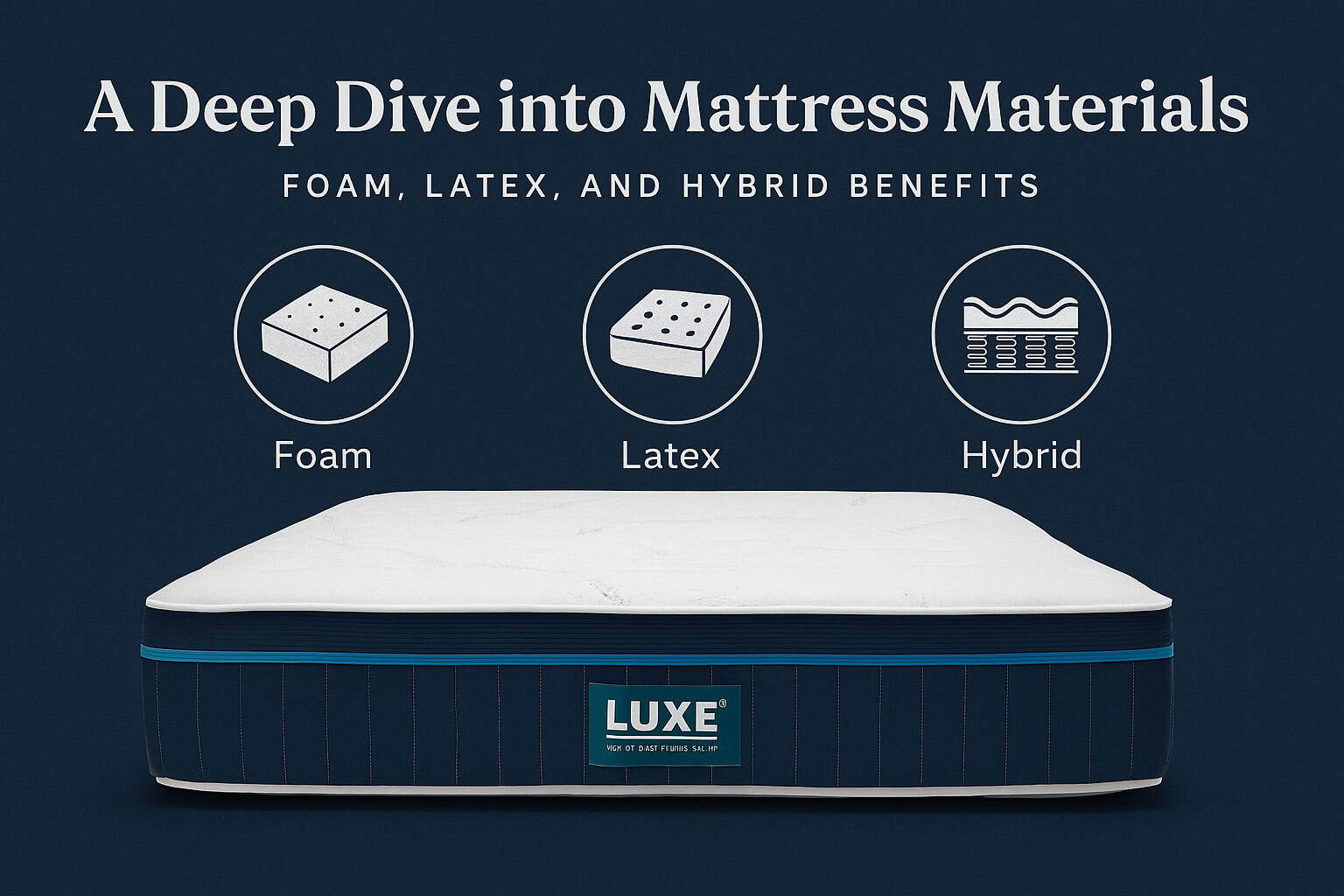
A Deep Dive into Mattress Materials: Foam, Latex, and Hybrid Benefits

Have you ever tried shopping for a mattress and ended up more confused than when you started? Shopping for a mattress can be confusing, especially with all the terms like memory foam, latex, and hybrid. One brand promises cloud-like comfort, while another focuses on support and cooling, making you wonder if your current bed is causing more harm than good. The truth is, that most of us do not know what is inside our mattress or why it matters. But it does matter. The materials inside your mattress significantly impact your sleep quality, how you feel when you wake up, and even the longevity of the mattress. In this guide, we will break down foam, latex, and hybrid mattresses—what they are, how they feel, and whether they are worth your investment.

Foam Mattresses: All About That Sink-In Comfort

So, foam. This one is the big one. You have probably heard of memory foam because it is everywhere. It used to be a high-tech NASA material, but now it is the thing people rave about when they say their mattress “hugs” them.

What is Foam?

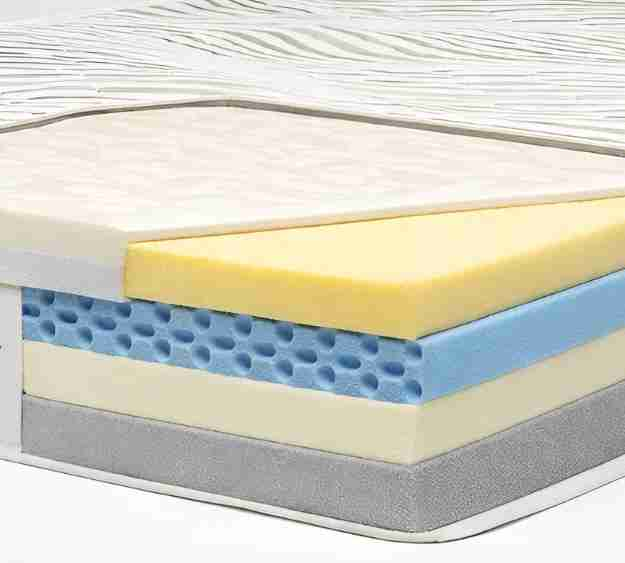
Foam is a broad term. The two main types you will hear about are memory foam and polyurethane foam (often just called polyfoam).

Memory foam is the fancy stuff. NASA originally developed it to absorb impact for astronauts, and now it is in everything from pillows to shoes to, you guessed it, mattresses. It is dense, slow to bounce back, and highly responsive to heat and pressure. When you press your hand into it, it leaves an imprint for a second or two.

Then there is polyfoam. This is the more budget-friendly version. It does not have that same slow-sinking feel, but it is lighter, more breathable, and bounces back quickly. It is typically used in the top or base layers of lower-priced mattresses, or sometimes the entire mattress, particularly in basic models.

Why Do People Love Foam?

Foam mattresses became popular for a reason. They offer a unique kind of comfort that other mattress types do not provide.

Pressure relief is like nothing else: If you deal with sore hips, shoulders, or lower back pain, foam is a game changer. It distributes your weight evenly and helps relieve pressure on your joints. That is why side sleepers, in particular, are big fans.

Excellent motion isolation: You have probably seen those commercials where someone jumps on a mattress next to a glass of wine, and it does not spill. That is foam for you. If your partner tosses and turns or even gets up in the middle of the night, you are much less likely to feel it.

foam mattress

Contours to your body: Foam does not just lie there. It adapts to you. Whether you are a back sleeper with a slight curve in your spine or someone who curls up on your side every night, foam can adjust. It gives you that “tailored” feeling without the need for a custom mattress.

Works well with adjustable beds: If you are using a base that can lift your head or feet, foam bends easily without damaging the structure. It’s handy if you deal with snoring, reflux, or simply want to read in bed.

But there is a Catch. Foam sleeps hot. That is the biggest complaint. It traps body heat, especially the older kinds. Some newer models utilise gel infusions or cooling layers, which help, but they are not always enough for extremely hot sleepers. Also, if you like a bouncy feel or need more support for your back, it might feel too soft or even suffocating.

At Luxe Mattresses, some of the top-rated foam mattresses include cooling technology to combat heat, so it is worth checking them out if foam sounds like your thing.

Latex Mattresses: Natural, Bouncy, and Surprisingly Cool

Latex is often seen as the more premium option for latex or natural mattresses, and there is a reason for that. It feels a bit like foam, but it is bouncier, firmer, and more breathable. It is made from rubber tree sap, which makes it the go-to for people wanting something more natural.

What is Latex, Really?

Latex is tapped from rubber trees. It is turned into a thick, spongy material that is surprisingly durable and naturally resistant to all nasty dust mites, mould, and even bacteria. That makes it a top choice for people with allergies or anyone who wants to avoid chemicals in their bed.

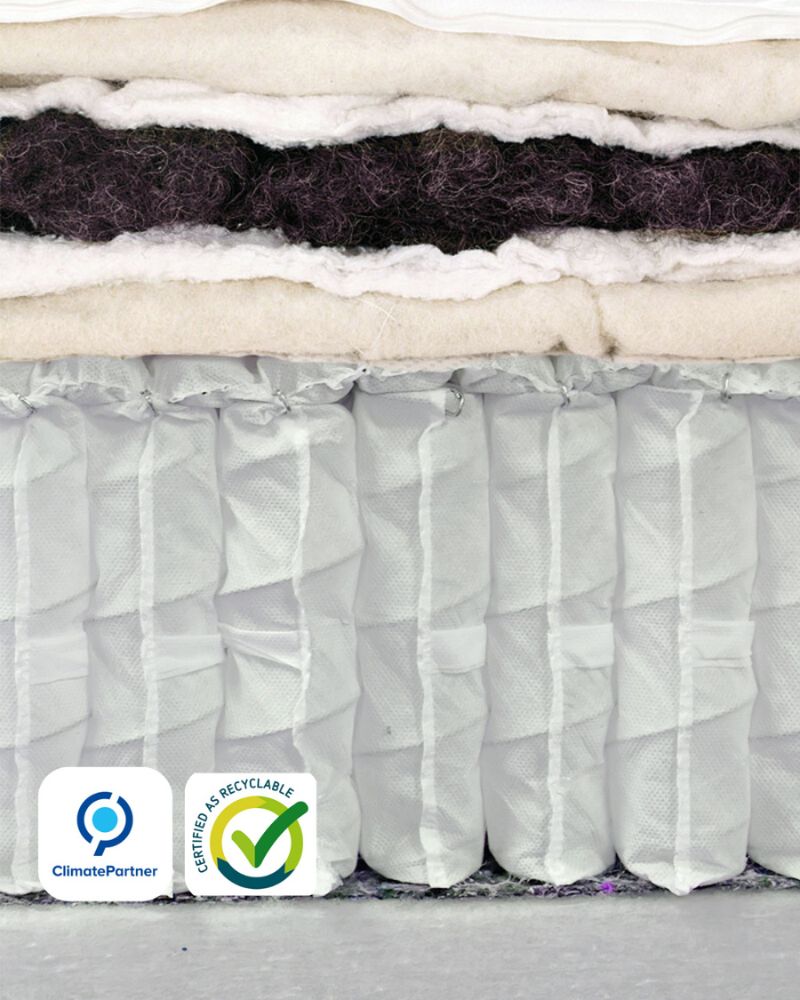
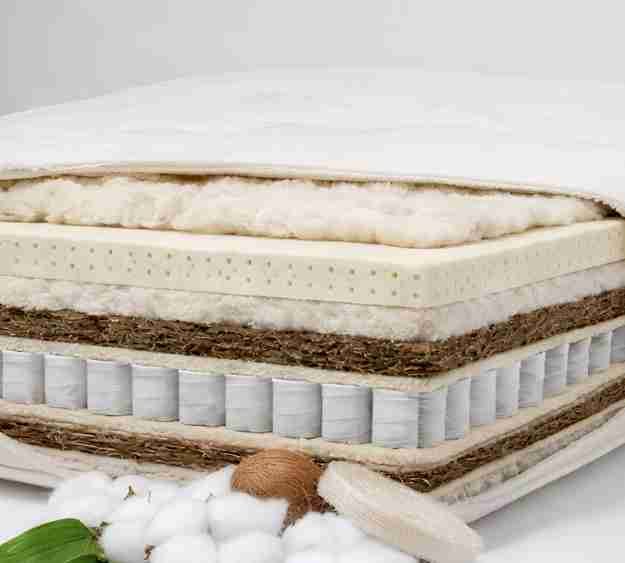
inside a luxury mattress

Dunlop Latex and Talalay Latex

Dunlop is the denser, firmer one. It is heavier and more supportive, often used in the base layers of the mattress.

Talalay goes through a more elaborate process. It is lighter, fluffier, and has a more balanced feel. If you like a bit of bounce but do not want to feel like you are sleeping on rubber, Talalay might be your match.

There is also natural vs. synthetic latex. Natural is what we just described. Synthetics are made with petrochemicals. Some mattresses use a blend to lower costs, but if you are shopping for a truly eco-friendly or organic bed, make sure it is 100% natural or GOLS-certified organic.

What’s the Deal with Latex?

There are two types: Dunlop and Talalay. Dunlop is denser and firmer. Talalay is lighter and a bit softer. Either way, both are super durable.

luxury natural material mattress

Perks of Latex Mattresses

Great for Hot Sleepers: Seriously, latex breathes way better than foam. It does not trap heat, so you will not wake up sweaty.

Eco-Friendly Vibes: If you are into sustainable living, latex is biodegradable and often harvested ethically. Bonus points if it is organic.

Supportive But not Stiff: You still get that body-contouring feel, but you will not sink in like you do with foam. It is more “on” the mattress than “in” it.

A Few Cons to Consider

The Price: Latex does not come cheap. It is often more expensive than foam or hybrids.

Weight: These mattresses are heavy. Like, you are not flipping them alone heavy. Not everyone’s cup of tea. Some people find the bounce distracting or the firmness uncomfortable.

There is also synthetic latex, which is cheaper but not as breathable or natural. So, if you are going for latex, make sure you know what kind you are getting.

For those browsing the Luxe Mattresses range, you will spot latex options that balance firmness with comfort. These work great for sleepers dealing with joint pain or allergies.

Hybrid Mattresses: The Best of Both Worlds?

Now, hybrids. This is where things get interesting. Imagine taking the contouring comfort of foam or latex and mixing it with the firm, bouncy support of pocket springs. That is a hybrid.

What’s Inside a Hybrid?

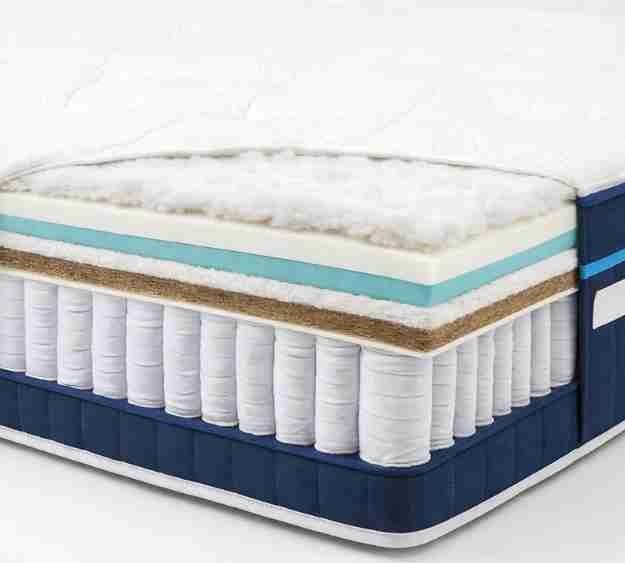
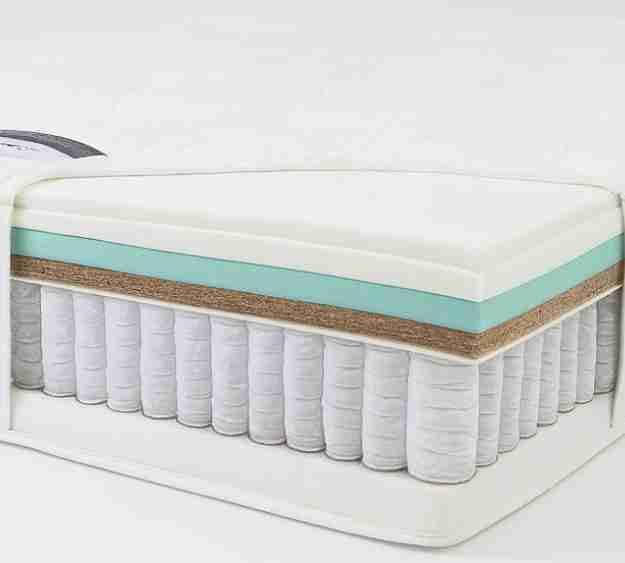
A good hybrid mattress starts with a base layer of individually wrapped coils, also known as pocket springs. These are not your grandma’s old-school noisy springs. In fact, each coil is wrapped individually, which allows each one to move independently from the others. This feature helps to reduce motion transfer, meaning if your partner tosses and turns, you won’t feel it as much. It’s a great choice for light sleepers who need a more peaceful, undisturbed night’s sleep.

Orthopaedic mattress layers
Hybrid Mattress Layers

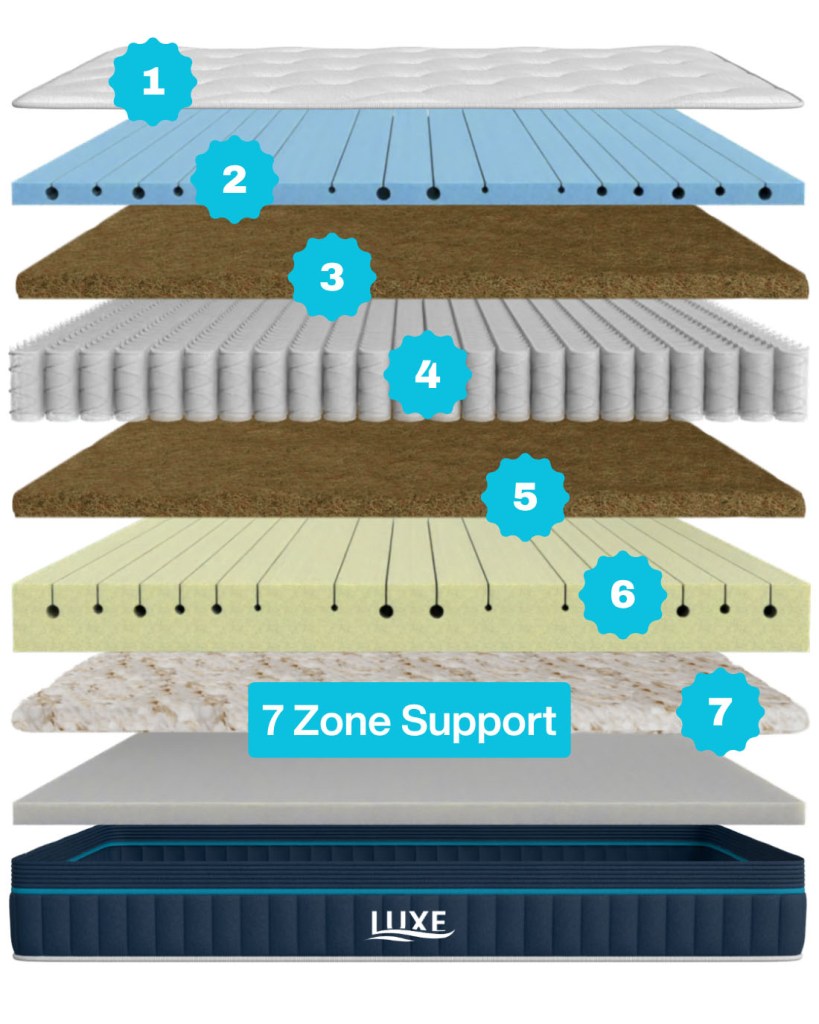
On top of the coils, there are typically one or more comfort layers. These layers are made from materials like memory foam, polyfoam, latex, or sometimes a combination of these. The foam layers are there to give you that soft, plush feel, while latex adds a bit more bounce. Some hybrid mattresses even include additional features like cooling gel or zoned support. Cooling gel helps to regulate your body temperature and prevent the mattress from trapping too much heat, which can be a concern with foam mattresses. Zoned support is designed to provide extra pressure relief in certain areas, such as the hips or shoulders, for better alignment.

In short, a hybrid mattress is all about balance. It combines the softness and comfort of foam or latex on top with the durable, supportive coil base underneath. This combination gives you the best of both worlds: the cushiony feel of foam with the long-lasting support of traditional springs.

Why People Love Hybrids

Balanced Feel: One of the main reasons people love hybrids is because they offer a perfect balance of softness and firmness. They are not too soft, so you won’t feel like you are sinking in too much, and they are not too firm, so you still get that nice cushiony feeling while lying down. You get both proper spinal support and the comfort you need for a great night’s sleep.

Hybrid mattress spine aligbment

Edge Support: If you tend to sleep near the edge of your bed or share it with someone, edge support is a big bonus. Hybrids often provide stronger edge support, so you can sleep all the way to the edge without feeling like you are going to roll off. This is especially helpful if you share the bed with a partner and want to maximize the use of the entire mattress surface.

Cooler Sleep: Another great benefit of hybrids is their ability to promote a cooler night’s sleep. The coil system allows air to circulate more freely through the mattress, which helps regulate the temperature. This means you are less likely to overheat during the night, making hybrids a great choice for hot sleepers.

What to Keep in Mind

Some hybrids cut corners. A thin foam layer on weak springs is simply a fancy spring mattress. It can be pricey, Especially if you go for a hybrid with natural latex on top. Like latex mattresses, these can be a pain to move. For most sleepers, hybrids are the sweet spot. If you are not sure what you like, a hybrid from the Luxe Mattresses collection could be a safe bet. They are versatile and supportive and work for side, back, or stomach sleepers.

Which One’s Right for You?

Alright, let’s break it down simply.

Sleep Style Best Option

  1. Side sleeper: Foam or hybrid with soft top layers
  2. Back sleeper: Medium-firm foam, latex, or hybrid
  3. Stomach sleeper: Firmer hybrid or latex
  4. Hot sleeper: Latex or hybrid (with cooling tech)
  5. Eco-conscious: Natural latex
  6. Budget-focused: Polyfoam or entry-level hybrid

And, of course, comfort is personal. What feels perfect to one person might be awful for someone else. That is why Luxe Mattresses offers a range of options, so you can actually find something that matches your sleep style, not just the trends.

Sleep Quality Is not Just About Materials

Here’s a bit of real talk. Even the fanciest mattress won’t help if your sleep environment is a mess. Think of too much noise, clutter, a too-hot room, or not winding down before bed. NHS advice points to good “sleep hygiene” as a key part of fighting insomnia and poor sleep.

That means having a consistent sleep schedule, keeping the bedroom cool and dark, and, yes, having a mattress that supports your body correctly.

If you are struggling with anxiety or sleepless nights, places like Mind offer practical advice on mental health that connects with better sleep habits.

Final Thoughts

There is no one-size-fits-all mattress. Foam, latex, and hybrids all have their perks and pitfalls. The key is knowing your sleep style, comfort preferences, and budget. Luxe Mattresses makes that easier by offering a selection that covers all bases—from premium latex options to budget-friendly hybrids with legitimate support. Explore what feels right for your body because good sleep really is the foundation for a better day. Claim your discount now at Luxe Mattress limited-time offers on supportive mattresses for heavier sleepers.

Mattress Materials-FAQS

Is foam or latex better for back pain?

 Latex often wins for back support thanks to its firmer, responsive nature, but high-density foam can also work wonders if you prefer a softer feel.

Do hybrid mattresses last longer than foam?

Generally, yes. The coil system adds durability. But it depends on quality. Cheap hybrids wear out just as fast.

Are latex mattresses safe for allergies?

Natural latex is hypoallergenic and resistant to dust mites, making it an excellent choice for allergy sufferers.

Do foam mattresses always sleep hot?

Not always. Some use gel or open-cell technology to improve airflow. Still, if you are a really hot sleeper, latex or hybrid might be better.

Can I flip my mattress to extend its life?

Most modern mattresses (especially foam and hybrid) are one-sided, so flipping is not needed. Rotating it every few months helps, though.

How long should a mattress last?

A good one lasts 7–10 years. Latex can stretch beyond that. Foam might dip sooner if it’s low quality.

What’s the best mattress for couples?

 Foam is excellent for motion isolation, but hybrids offer better bounce and edge support. It depends on your priorities.

can sleep apnea kill you
July 11, 2025

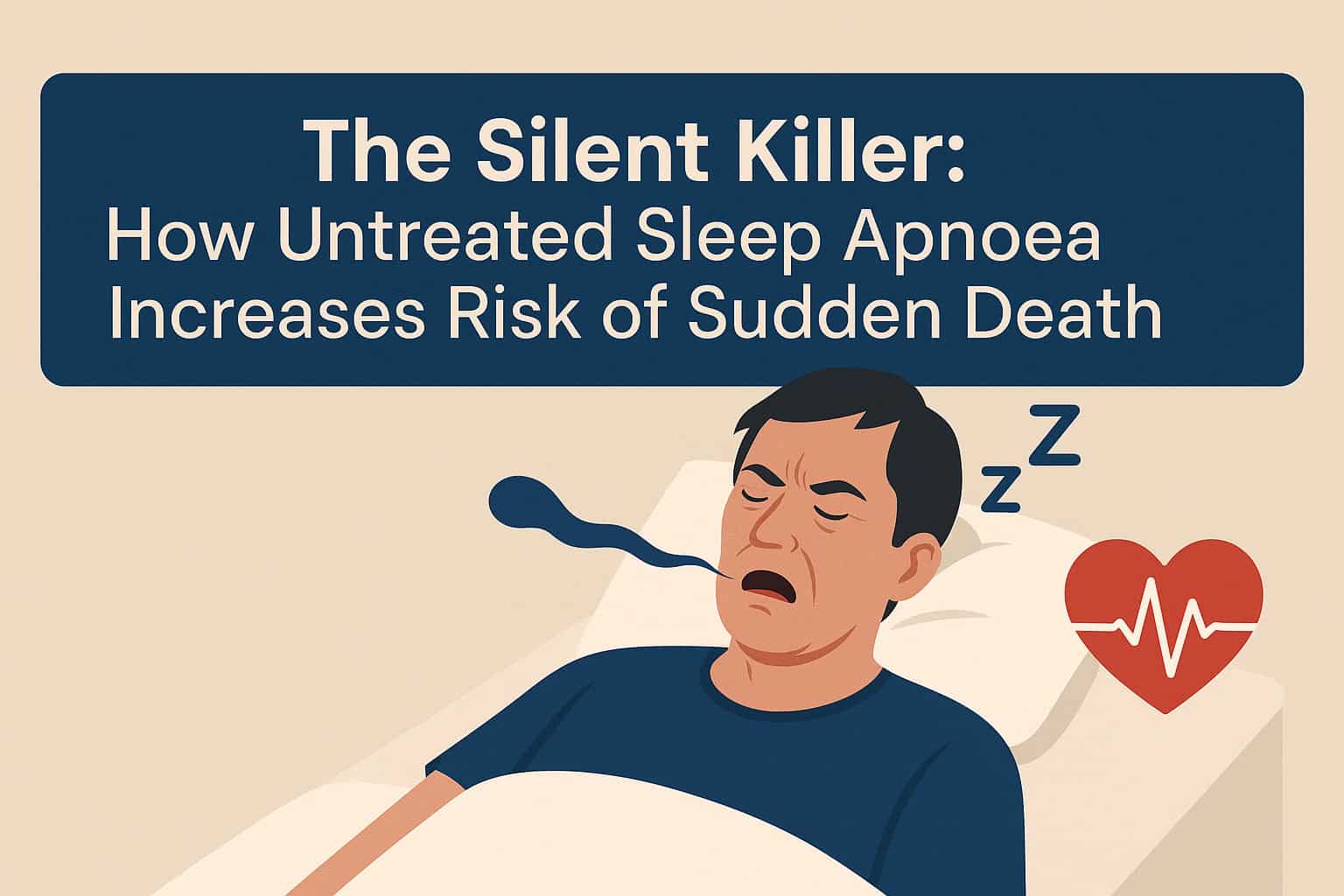
The Silent Killer: How Untreated Sleep Apnoea Increases Risk of Sudden Death

Imagine your body suffocating while you sleep. You wake up gasping for air, your heart racing. Yet, you don’t remember any of it in the morning. This isn’t a horror film; it’s a nightly reality for millions with obstructive sleep apnoea (OSA), often without their awareness. But can sleep apnea kill you? The potential dangers of untreated sleep apnea are serious and should not be ignored.

OSA is one of the most underdiagnosed and dangerous sleep disorders. While it may begin with nothing more than loud snoring and daytime tiredness, its long-term effects on the heart and brain can be deadly.

Understanding Obstructive Sleep Apnoea

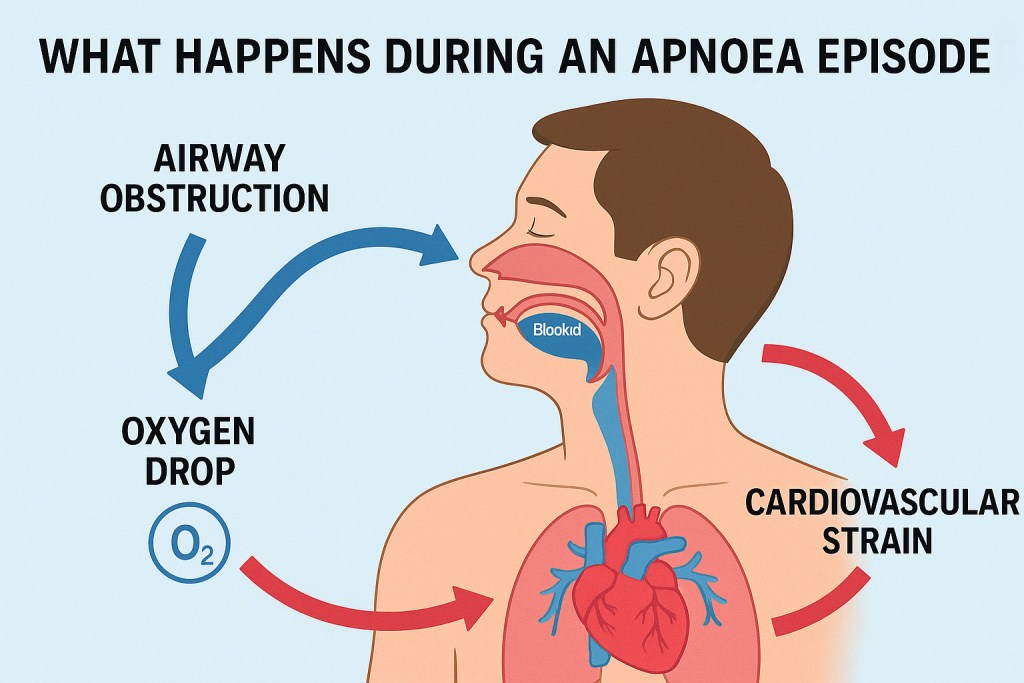
Obstructive sleep apnoea occurs when the muscles at the back of the throat relax too much during sleep, causing the airway to collapse. This blocks airflow, reducing oxygen levels and forcing the brain to wake up partially to reopen the airway. These events can happen anywhere from a few times to hundreds of times a night.

what happens during sleep apnea attach

People with moderate to severe OSA often wake up feeling unrested despite sleeping for 7 to 8 hours. Symptoms like daytime fatigue, difficulty concentrating, morning headaches, or mood changes are common. But beneath these relatively minor symptoms, serious damage may be unfolding inside the body.

The Hidden Cardiovascular Toll

Each time breathing stops, the oxygen level in the blood drops. This drop triggers the brain to send emergency signals that increase heart rate and blood pressure. This repeated cycle — oxygen deprivation followed by a surge of adrenaline, creates a state of chronic stress in the body.

Over time, these nightly stress responses damage the blood vessels, promote inflammation, and lead to high blood pressure. The heart, constantly jolted awake from its normal rhythm, becomes strained and overworked. These effects increase the risk of several life-threatening conditions including:

  • Hypertension
  • Coronary artery disease
  • Heart failure
  • Stroke
  • Sudden cardiac death

Sudden cardiac death (SCD) refers to an unexpected death due to cardiac causes, occurring within one hour of the onset of symptoms. In many cases, there are no early warning signs. A person may go to sleep seemingly healthy and never wake up.

Health Risk Description Supporting Study / Statistic
Hypertension Increased sympathetic activity leads to sustained high blood pressure. Peppard et al., NEJM 2000: 2-3x increased risk
Stroke OSA increases risk of ischemic stroke due to intermittent hypoxia. Yaggi et al., NEJM 2005: 2x increased risk
Sudden Cardiac Death (SCD) Risk increases by 2.5 times, especially during sleep. Gami et al., NEJM 2005: 2.57x risk during sleep
Atrial Fibrillation (AFib) AFib incidence is 4 times higher in OSA patients. Gami et al., Circulation 2004: 4x risk of AFib
Type 2 Diabetes Intermittent hypoxia contributes to insulin resistance. Punjabi et al., AJRCCM 2004: Elevated fasting glucose levels
Heart Failure Left ventricular dysfunction and fluid retention are common. Redline et al., Circulation 2010: Higher rates of HF

Over the past decade, multiple large-scale studies have revealed a strong association between untreated obstructive sleep apnoea and sudden cardiac death. One of the most influential studies, published in the journal Sleep in 2013, followed over 10,000 adults and found that individuals with severe untreated OSA had a 2.5 times greater risk of sudden cardiac death than those without OSA (source).

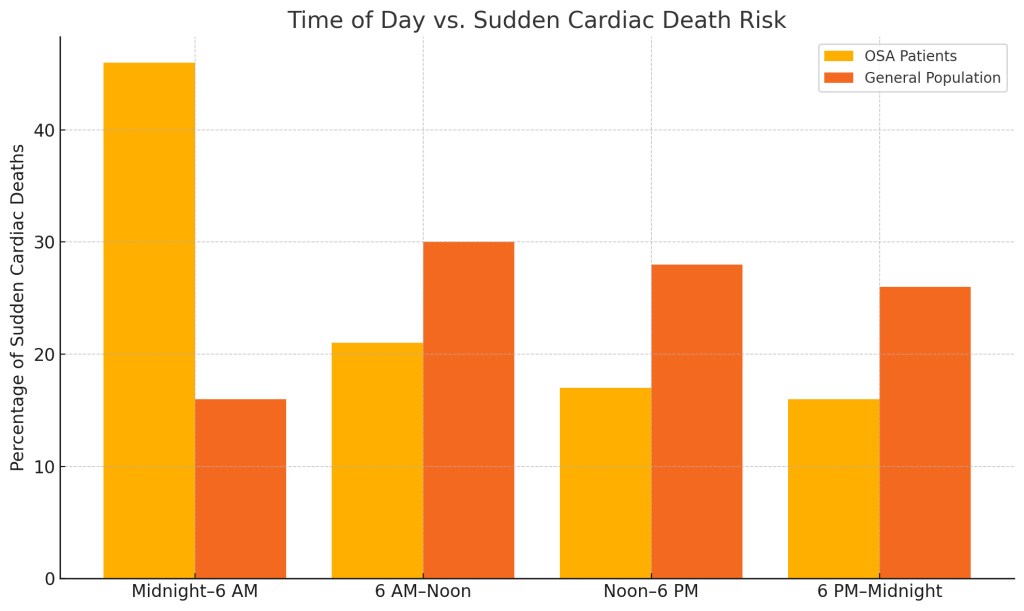
Another key finding is that deaths in individuals with sleep apnoea are more likely to occur during the night. While sudden cardiac death in the general population tends to peak in the early morning hours (typically between 6 a.m. and noon), people with OSA are more likely to die between midnight and 6 a.m. This inversion of the usual pattern highlights the role of apnoea-related events, especially oxygen desaturation and arrhythmias — as critical triggers during sleep (source).

Atrial Fibrillation and Irregular Heartbeats

One of the clearest pathways from obstructive sleep apnoea to sudden cardiac death is through arrhythmias, which are abnormal heart rhythms that disrupt the heart’s normal electrical signals. Episodes of apnoea cause dramatic fluctuations in oxygen and carbon dioxide levels during sleep, placing acute stress on the cardiovascular system.

Atrial fibrillation (AF), the most common type of arrhythmia, is significantly more prevalent in people with OSA. Research published in the Journal of the American College of Cardiology has shown that up to 50 percent of patients with AF also have undiagnosed sleep apnoea, particularly among older adults and those with preexisting heart conditions (source).

If left untreated, AF increases the risk of stroke and heart failure. Moreover, OSA undermines the effectiveness of common AF treatments like catheter ablation and medication. A review from the American Heart Association emphasizes that treating sleep apnoea in tandem with AF significantly improves long-term outcomes and reduces recurrence rates. As a result, many cardiologists now routinely recommend sleep studies for patients diagnosed with atrial fibrillation.

Real-Life Impact: Case Examples ( Sleep Apnea Nearly Killed Michael)

Consider the case of 42-year-old Michael, a New Jersey firefighter. For months, he had been waking up with pounding headaches and feeling exhausted despite getting full nights of sleep. His wife noticed he would stop breathing repeatedly during the night.

sleep apnea consultation

After a sleep study, he was diagnosed with severe OSA, experiencing more than 70 breathing interruptions per hour. His cardiologist was alarmed to discover early signs of cardiac remodeling and irregular heartbeat. Once Michael began using CPAP therapy, his heart rate stabilized and his blood pressure dropped to a healthy level, aligning with findings from studies that show CPAP significantly reduces cardiovascular risk.

Another example is Angela, a 55-year-old teacher who suffered a stroke in her sleep. Doctors later found she had undiagnosed OSA, which had gone unnoticed for years. Angela had always assumed her snoring and fatigue were just part of getting older. This mirrors research showing that sleep apnoea increases stroke risk independently of other factors.

These cases are not rare. Stories like these are becoming increasingly common as awareness of sleep apnoea grows.

Sleep Apnoea and Other Health Risks

Beyond the heart, OSA affects nearly every major system in the body.

  • Stroke: OSA triples the risk of stroke. The nightly swings in blood pressure and oxygen strain the brain’s blood vessels, making them more likely to rupture or clot.
  • Metabolic Disorders: People with sleep apnoea are more likely to develop type 2 diabetes and metabolic syndrome, even if they are not overweight. The inflammation and insulin resistance caused by poor sleep play a major role.
  • Cognitive Decline: Chronic sleep fragmentation from apnoea is linked to memory loss, depression, and even early Alzheimer’s disease.

The Role of CPAP Therapy

The good news is that sleep apnoea is treatable. The gold standard of treatment is CPAP therapy — short for Continuous Positive Airway Pressure. A CPAP machine uses a gentle stream of air to keep the airway open during sleep.

Studies have shown that regular CPAP use:

  • Reduces apnoea events to nearly zero
  • Lowers blood pressure
  • Improves heart function
  • Reduces the risk of stroke and heart attacks
  • Enhances mood, memory, and daytime energy

Patients often report dramatic improvements within just a few days of starting treatment.

However, CPAP is not a cure. It only works if it is used consistently every night. That is why comfort, support, and education are key to long-term success.

Alternative Treatments

For people who cannot tolerate CPAP, other options include:

  • Oral appliances: These custom-fit devices reposition the jaw to keep the airway open.
  • Surgical procedures: In some cases, surgery to remove excess tissue in the airway is recommended.
  • Inspire therapy: An implantable device that stimulates the airway muscles during sleep.

In addition, certain lifestyle adjustments can help improve sleep quality and reduce apnoea episodes. These include weight loss, reducing alcohol use, quitting smoking, and changing sleep position. Even your mattress and sleep posture may play a role in worsening or relieving symptoms of sleep apnoea. Choosing the right mattress can support proper airway alignment and reduce positional apnoea. For more on this, see “Is Your Mattress Worsening Your Sleep Apnea?”.

Improving Sleep Quality and Addressing Comorbidities

Managing obstructive sleep apnoea effectively often requires more than just treating airway obstruction. Many patients with OSA also struggle with insomnia, anxiety, or poor sleep habits that reduce sleep quality even when apnoea events are controlled.

Optimizing your sleep environment and addressing these coexisting issues can significantly improve both treatment adherence and how rested you feel. Practicing better sleep hygiene, reducing screen time before bed, and learning to calm an overactive mind are all part of a holistic approach.

For those struggling with insomnia alongside OSA, consider this science-backed guide to managing insomnia without medication. It covers evidence-based techniques such as CBT-I, relaxation methods, and other holistic strategies that complement OSA treatment.

Public Health and Economic Impact

Sleep apnoea is not just a personal health issue. It is also a growing public health concern.

Untreated OSA is associated with increased healthcare costs due to frequent doctor visits, hospitalizations, and complications like stroke and heart failure. It also contributes to lost productivity, workplace accidents, and drowsy driving incidents.

time of day vs sudden cardiac death risk due to sleep apnea

According to the American Academy of Sleep Medicine, undiagnosed OSA costs the U.S. economy more than $150 billion per year.

Take Action: What You Should Do

If you suspect you or a loved one has sleep apnoea, do not wait. Talk to your primary care doctor or a sleep specialist. A simple overnight sleep study can diagnose the condition.

Look out for these warning signs:

  • Loud snoring
  • Pauses in breathing during sleep
  • Gasping or choking sounds at night
  • Morning headaches
  • Excessive daytime sleepiness
  • Trouble concentrating or memory problems
  • High blood pressure that is hard to control

Sleep apnoea is not a condition to ignore or push aside. Early diagnosis and consistent treatment can save your life, literally.

Conclusion: Silence Can Be Deadly

Sleep apnoea may be silent, but its effects are anything but harmless. It puts immense pressure on the heart, disrupts your body’s natural rhythms, and dramatically increases the risk of sudden death, particularly in the quiet hours of the night.

Fortunately, with greater awareness, better diagnostics, and effective treatments like CPAP, we now have the tools to fight back. Do not sleep on your symptoms. If something feels off, take it seriously. It might be the first step toward protecting your heart, your health, and your future.

luxe mattress quality certificates
July 11, 2025

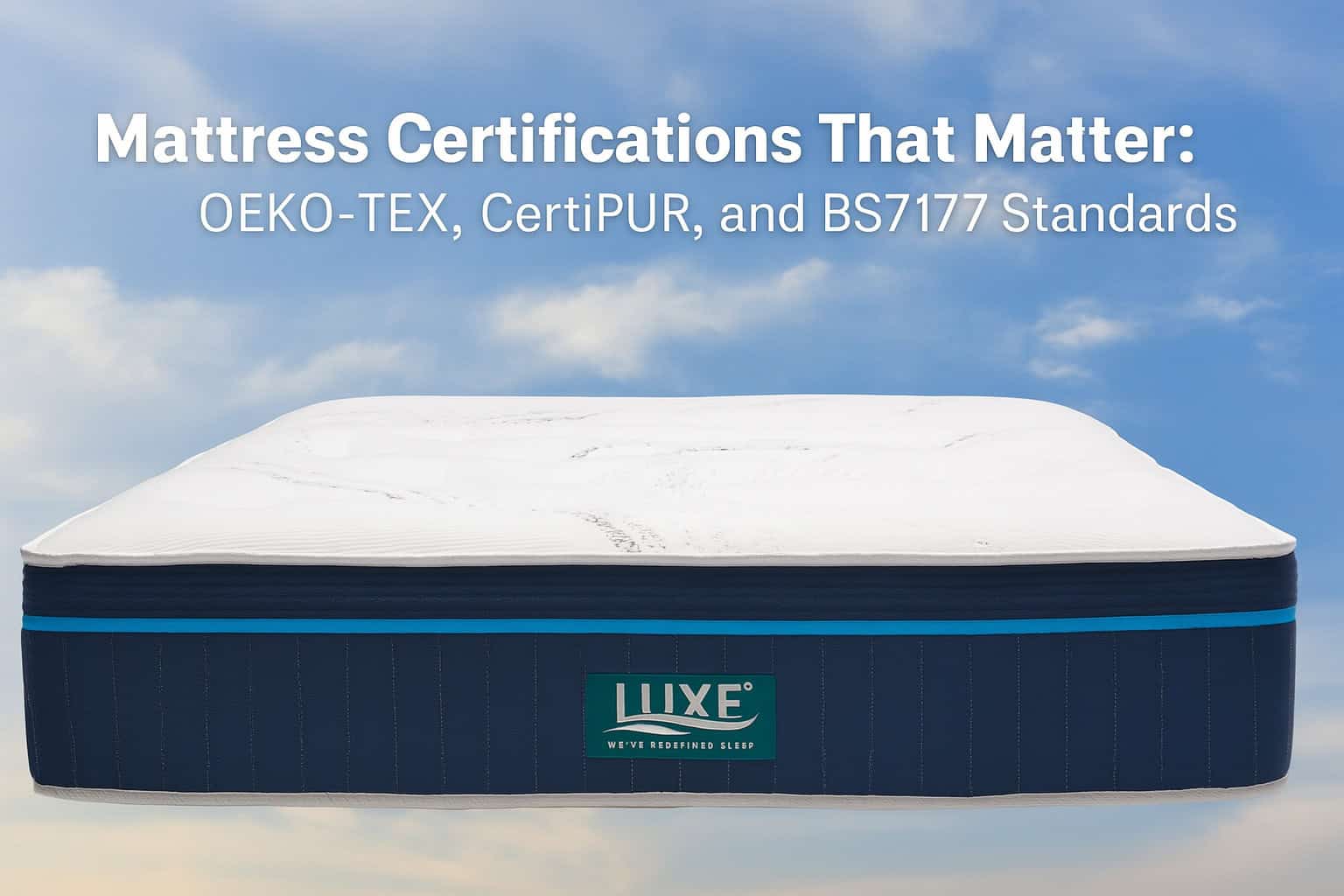
Mattress Certifications That Matter: Understanding OEKO-TEX, CertiPUR, and BS7177 Standards

It is essential to ensure that the mattress is free from harmful materials. For UK customers, understanding certifications such as OEKO-TEX, CertiPUR, and BS 7177 is necessary, and having a mattress certificate can provide assurance. These certifications guarantee that the mattress has been manufactured under strict rules and regulations designed to promote better sleep and overall health. They confirm that the mattresses are made with high-quality materials, prioritising the customer’s health and well-being. This article offers brief insights into Mattress Certifications That Matter: Understanding OEKO-TEX, CertiPUR-US, and BS 7177 Standards.

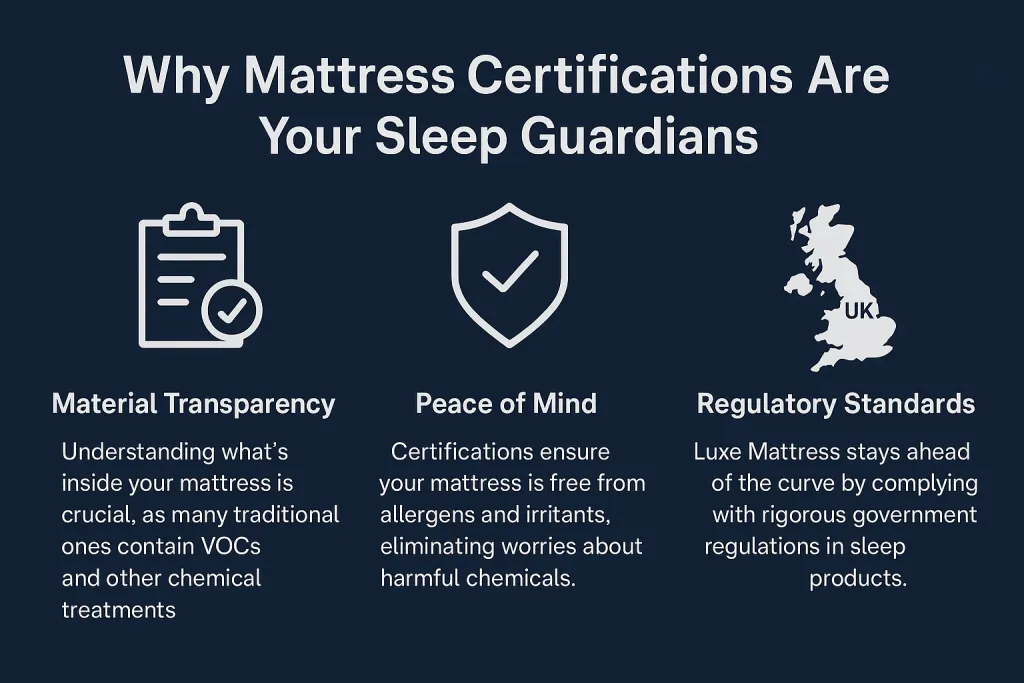
Why Mattress Certifications Are Your Sleep Guardians

Understanding mattress certifications is vital for ensuring quality sleep and peace of mind. These certifications offer insight into the materials used in the mattress. Many traditional mattresses contain Volatile Organic Compounds (VOCs) and various chemical treatments, making material transparency essential for consumer health. Knowing the materials used in a mattress allows consumers to breathe easier and feel more confident in their choices.

luxe mattresses mattress certificates

Certifications offer peace of mind and build trust in the quality and safety of the sleep environment. They also help consumers avoid common allergens and irritants, which are crucial factors in a space where you spend one-third of your day. A certified mattress eliminates worries about harmful chemicals that could affect your health.

The physical and mental health of UK citizens is a top priority for the UK government. With the growing demand for sleep products nationwide, the government has implemented stringent regulations to ensure that people receive the highest-quality materials for their rest. In this competitive landscape, Luxe Mattress is ahead of the curve. Luxe Mattress adheres to all rules and regulations, ensuring that its products meet the highest safety and quality standards.

OEKO-TEX Standard 100: Tested for Harmful Substances

The OEKO-TEX Standard 100 is a globally recognised certification that serves as an independent testing and certification system. It covers all products at every stage of production to maintain the quality and safety of mattresses, including raw materials, intermediate materials, and finished goods. This ultra-careful testing ensures safety by checking for harmful substances.

The standard conducts various tests to detect hazardous substances, including banned azo dyes, formaldehyde, phthalates, and heavy metals. These tests ensure that the textile used is free from harmful levels of these substances, ensuring the product is safe for human contact.

OEKO-TEX certification is essential for minimising the adverse effects on human health. It reduces exposure to irritants and potential toxins, particularly for individuals with sensitive skin. Additionally, this certification helps improve indoor air quality, a key factor in maintaining respiratory health, as emphasised by NHS.uk.

CertiPUR-US® / CertiPUR™: Foam You Can Trust

This certification focuses on the safety standards for flexible polyurethane foam, commonly used in mattresses and upholstered furniture. CertiPUR-US is recognized primarily in the United States, while CertiPUR is its European counterpart. Both certifications ensure that foam products are safe and environmentally responsible.

The certification confirms that the foam used in mattresses is free from harmful substances, including those that deplete the ozone layer. It also ensures the foam contains no PBDEs, mercury, lead, or other heavy metals while maintaining low levels of VOC emissions.

Furthermore, CertiPUR foam contains no formaldehyde or phthalates, chemicals regulated by consumer safety commissions. The use of this foam contributes to a healthier home environment, reducing sleep-related anxiety and improving overall well-being.

which are important certificates for good mattress

BS7177: UK Flammability Standards Explained

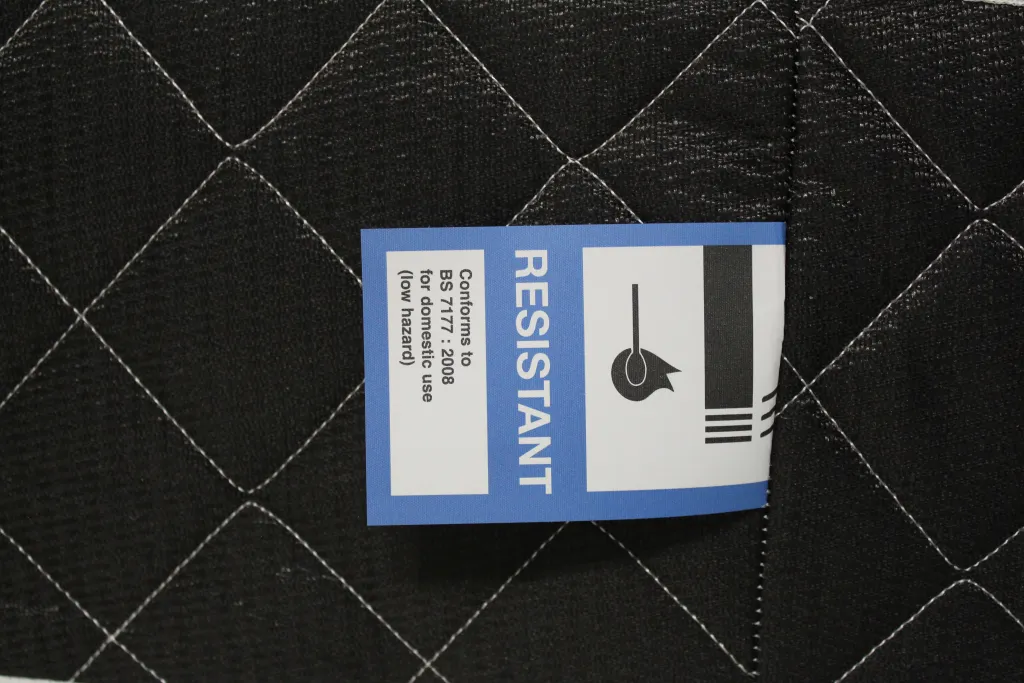
The BS7177 standard is a crucial legal requirement for fire safety in homes across the UK. It applies to the ignitability of mattresses, divans, and bed bases. This legal standard ensures that sleep products undergo rigorous fire safety tests within a domestic environment, making it an essential component of household safety.

fire resistance in mattress material in luxe mattresses

BS7177 defines resistance levels as low, medium, or high hazard, depending on how easily a mattress can ignite and how quickly fire may spread. Strict tests are applied to mattresses according to these levels, simulating various ignition sources to assess their resistance to fire.

Overall, BS 7177 ensures that homes in the UK are protected from fire hazards originating from the bedroom. It plays a vital role in safeguarding families by reducing the risk of ignition and flame spread. Compliance with this standard gives customers peace of mind, knowing that the mattresses they purchase are safe.

Beyond Certifications: What Else Defines a Quality Mattress

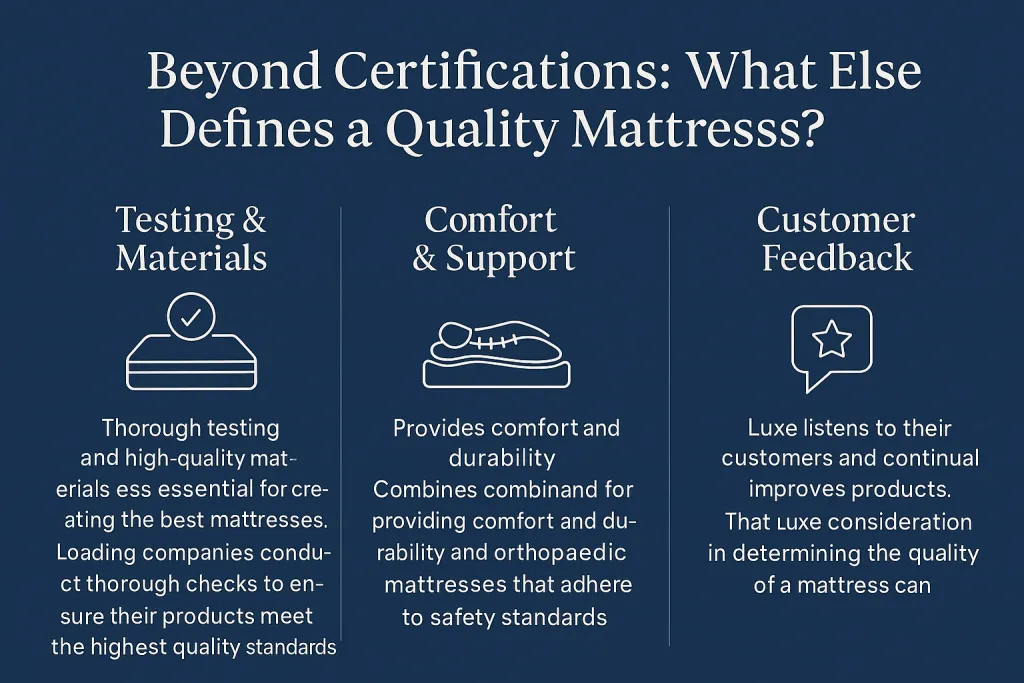
Certifications are necessary, but they are not the only thing that makes a mattress great. Thorough testing and high-quality materials are also essential for creating the best mattress. Leading companies conduct thorough checks to ensure their products meet the highest quality standards. A mattress must meet safety and environmental standards. It should also provide comfort and durability. A well-made mattress can significantly enhance sleep quality, which is essential for overall health and well-being.

what to check to ensure mattress quality

Luxe Mattress is a company that stands out in the mattress industry. They conduct a variety of tests and verifications to ensure their products are of the highest quality. Luxe focuses on using high-grade materials that enhance comfort and support. Their orthopaedic mattresses demonstrate their commitment to providing superior support while adhering to safety standards. By prioritizing both quality and safety, Luxe ensures that customers receive a product that feels good and promotes better sleep posture.

Customer feedback is also crucial in determining the quality of a mattress. Companies like Luxe listen to their customers to continuously improve their products. This feedback helps them understand what features are most important to sleepers. Features like firmness levels and temperature regulation can make a big difference. By combining certifications, rigorous testing, and customer insights, a quality mattress can be created. This ensures that it meets the diverse needs of individuals, helping everyone enjoy a restful night’s sleep.

Conclusion

Understanding mattress certifications can be challenging, but recognizing standards like OEKO-TEX, CertiPUR-US, and BS 7177 will help you make informed decisions. These certifications indicate that the mattress is safe, healthy, and environmentally friendly. Always opt for certified products, preferably from reputable manufacturers like Luxe Mattresses, who perform rigorous testing and use top-tier materials. By choosing such mattresses, you invest in healthier, safer sleep for years to come.

Although understanding all the certifications a mattress holds can be complicated, wise consumers can greatly benefit from recognizing standards such as OEKO-TEX, CertiPUR, and BS 7177. These certifications offer essential insights into the quality of the mattress, ensuring a safer and more informed purchasing decision.

FAQs for Mattress Certifications

What are mattress certifications for?

Certifications demonstrate that a mattress has been tested for harmful chemicals, minimal emissions, and fire safety, resulting in a healthier home and added assurance.

What exactly does OEKO-TEX Standard 100 mean for a mattress?

It means that all parts of the mattress have been tested for harmful substances and are safe for human use.

Is CertiPUR-US significant for foam mattresses?

Yes, it certifies that the foam is made without toxic chemicals or heavy metals and has low emissions, improving indoor air quality.

What is BS7177, and what is its significance in the UK?

BS 7177 is a UK specification for fire safety in mattresses, designed to prevent ignition and ensure the safety of homes.

Are there any mandatory mattress certification programs in place?

Not all certifications are mandatory, but the UK enforces some, such as BS7177. Voluntary certifications provide additional assurance, particularly regarding health and environmental factors.

How do I check a mattress’s certifications?

You can usually find a label on the product or check the certification number on the certifying body’s website.

Are Luxe Mattresses compliant with safety standards?

Yes, Luxe Mattresses complies with all UK safety standards and fire regulations.

May 26, 2025

Is an Extra Firm Mattress Right for Kids or Teens? Pediatric Advice Insider

Mattress shopping for kids or teens isn’t always easy. Especially when it comes to firmness. Considering whether an extra firm mattress might be suitable can add another layer of complexity to the decision-making process.

Many parents wonder,

  • “Should kids sleep on a firm mattress?”
  • “Is an extra firm mattress good for growing bones?”
  • “Will a hard mattress help with posture?”

These questions are important. Sleep plays a big role in healthy growth. The right mattress can make a big difference.

Let’s clear up the confusion with real advice from pediatricians and sleep experts. Here’s what to know before choosing a mattress for a child or teenager.

What Does “Extra Firm” Mean?

An extra firm mattress is very stiff. It has almost no “give.” When someone lies down, the mattress stays flat. There’s little or no sinking in. This can be okay for some adults, especially those with more weight or who sleep on their backs. But kids are different.

Children are lighter. Their bodies are still developing. Their bones and joints need some cushioning. Lying on a rock hard mattress can feel uncomfortable to a young child or teenager. It can cause pressure on the hips, shoulders, or back.

So no, extra firm doesn’t always mean “better.”

Is a Firm Mattress Good for Kids?

Yes, in most cases, a firm mattress is good for children. But there’s a difference between firm and extra firm.

  • Firm means strong support, but still with some comfort.
  • Extra firm means very little softness, almost none.


Mattress Comparison of Firmness for Kids & Teens: Soft vs. Firm vs. Extra Firm

Feature Soft Mattress Firm Mattress Extra Firm Mattress
Spinal Alignment May lack proper support; can cause misalignment Good alignment for most body types Excellent support for spine (if body weight is high)
Comfort Level Very high comfort for lightweight or side sleepers Balanced comfort and support Can feel too rigid or hard for many
Pressure Relief Excellent for pressure relief on shoulders & hips Moderate – some pressure on joints possible Low – may cause discomfort in pressure points
Blood Flow Promotes good blood flow by reducing pressure points Neutral – less sinking, moderate flow Can reduce blood flow due to firmness
Best For Sleep Position Side sleepers, lightweight individuals Back sleepers, some side and stomach sleepers Stomach sleepers, heavier individuals
Support for Heavier Individuals Not ideal – may cause excessive sinking Ideal – prevents excessive sinking Best – strong resistance to sinkage
Motion Isolation Good, especially in foam mattresses Very good Good if foam-based, average if coil-based
Body Contouring High – conforms easily to body curves Moderate body contouring Minimal – designed for flat support
Temperature Regulation Retains more heat unless specially ventilated Better airflow than soft mattresses Good airflow, stays cooler
Durability Moderate – soft foams may degrade faster High – supportive and longer lasting Very high – extremely durable materials

Doctors often recommend firm or medium-firm mattresses for young children. These help keep the spine straight during sleep.

A back support mattress should keep the body level, not bent or curved. But it should also be soft enough to avoid pressure pain.

What About Babies?

Babies are different. Infants need a very firm mattress. This is for safety. Soft mattresses can raise the risk of suffocation or SIDS (Sudden Infant Death Syndrome). That’s why crib mattresses are hard and flat. For newborns:

  • Always use a firm, flat surface
  • Never use a soft or squishy bed
  • Make sure the mattress fits tightly in the crib

After age 1, as the baby grows into a toddler, mattress options can start to change.

What Works for Toddlers and Young Kids?

Toddlers and young kids (ages 2–7) still need support. A firm or medium-firm mattress is usually best. At this age:

  • Their bones are soft but growing fast
  • Sleep posture matters
  • A little cushioning helps with comfort

A hard mattress that’s too stiff may cause them to toss and turn. It might also create soreness in the morning. So, skip the extra firm mattress for this age group unless a doctor says otherwise.

What About Preteens and Teens?

This is where things get more personal. As kids grow into teens, their bodies change a lot. Some grow taller quickly. Others gain muscle. Some are very active, while others are not. So, their mattress needs change, too. In general:

  • Back and stomach sleepers often like a firm mattress
  • Side sleepers usually need more softness on top
  • Active teens might need more support for recovery

For this age group, a medium-firm or firm back support mattress is often a great choice. It gives structure but still feels comfortable.

Too much firmness, like a rock hard mattress, can cause shoulder or hip pain, especially if the teen sleeps on their side.

When Is an Extra Firm Mattress Okay?

In most cases, it’s not the best choice for kids or teens.

But there are a few exceptions:

  • If a doctor recommends it
  • If the child is very heavy and needs extra support
  • If the teen strongly prefers a hard surface

Even then, it’s a good idea to test the mattress first. Many stores or online brands offer trial periods. Let the child or teen try it out and see how they feel after a few nights.

Signs the Mattress Is Too Firm

Watch for these red flags:

  • Complains the bed feels “hard” or “like the floor”
  • Wakes up with stiff shoulders or hips
  • Tosses and turns at night
  • Seems tired in the morning even after a full night’s sleep

These signs may mean the mattress is too firm for their size or sleep style.

Adding a soft mattress topper can helpwithout needing to replace the entire bed.

Mattress Material Matters Too

Not all firm mattresses feel the same. The material inside matters.Some back support mattresses use memory foam. These feel soft on top, but still hold the spine in place. Others use innerspring or hybrid designs.Look for these things:

  • Foam or layers that contour to the body
  • Breathable materials (helps prevent overheating)
  • Strong edges, so kids don’t roll off
  • Long-term durability

The best firm mattress for a kid or teen is one that balances support with comfort. It should help them sleep deeply, without pain or pressure.

Tips for Picking the Right Mattress for Kids or Teens

  • Choose firm or medium-firm, not extra firm
  • Think about how they sleep (back, side, stomach)
  • Let them try the mattress first if possible
  • Check if there’s a trial period
  • Look for quality materials
  • Make sure it fits the bed frame properly
  • Watch how they sleep after a few nights

1. Prioritize Spinal Support for Growing Bodies

Children and teenagers experience rapid growth. A mattress that supports spinal alignment helps prevent posture issues and promotes healthier bone and muscle development. Look for medium-firm mattresses with responsive foam or coil support.

2. Choose the Right Size for Growth

Kids outgrow toddler beds fast. Instead of replacing mattresses frequently, consider starting with a twin XL or full-size mattress to give them space to grow—especially during teenage years.

3. Opt for Hypoallergenic Materials

Young sleepers can be sensitive to dust, mites, and allergens. Choose mattresses made with hypoallergenic or organic materials such as bamboo, organic cotton, or latex to reduce the risk of allergies and asthma.

4. Breathability and Temperature Control Matter

Children can overheat more easily than adults. Choose a mattress with good airflow, breathable fabric covers, or cooling gel layers to help regulate body temperature throughout the night.

5. Balance Comfort and Firmness

Kids need softness for comfort and firmness for support. For most children and teens, a medium or medium-firm mattress is ideal — it cushions their body without letting them sink in too deeply.

6. Consider Sleep Position and Weight

  • Side sleepers need a slightly softer surface for shoulders and hips.
  • Back and stomach sleepers benefit from firmer surfaces to keep their spine aligned.
  • Heavier teens may require more support than lighter ones — opt for a mattress that won’t sag quickly.

7. Look for Certified Safe Materials

Ensure the mattress is CertiPUR-US® or GOLS/GOTS certified, indicating it’s free from harmful chemicals, heavy metals, and formaldehyde.

8. Durability is Key

A quality kid’s mattress should last 7–10 years. Choose one with high-density foam or pocketed coils that won’t lose shape over time.

9. Check for a Removable, Washable Cover

Accidents, spills, and allergies are common. A removable, machine-washable cover helps keep the mattress clean and extends its lifespan.

10. Choose a Trial Period for Flexibility

Kids and teens can be picky or need time to adjust. Choose a mattress brand that offers a risk-free sleep trial (90–100 nights) and a solid warranty.

Conclusion 

An extra firm mattress might sound like the healthy choice, but it’s not the best fit for most kids or teens. Children need support, yes, but also comfort. The spine should stay straight, but the mattress shouldn’t feel like sleeping on the ground.

In most cases, a firm or medium-firm mattress gives the right balance. A good back support mattresshelps with growth, posture, and peaceful sleep. Always pick based on the child’s age, weight, and sleep habits. Not every “firm” mattress works for every kid. When in doubt, skip the rock hard mattress and go with something that feels firm, but still friendly.

FAQs

Can kids sleep on an extra firm mattress?

Not recommended for most kids. It’s usually too hard and can cause discomfort.

What firmness is best for growing kids?

A firm or medium-firm mattress is ideal. It supports their back but isn’t too stiff.

Is a hard mattress good for teenagers?

Sometimes. If they sleep on their back or stomach, it can work. But too much firmness can cause pain for side sleepers.

What’s the best firm mattress for kids?

One that offers support, has breathable materials, and is comfy to lie on. Not too soft. Not too hard.

Can a mattress be too firm for a child?

Yes. If they complain of pain, stiffness, or trouble sleeping, the mattress may be too hard.

References

https://www.saatva.com/blog/kids-mattress

https://www.idealhome.co.uk/all-rooms/mattresses-and-bedding/what-is-the-difference-between-a-kids-and-an-adults-mattress

https://www.maxtrixkids.com/blogs/inspo/how-to-shop-for-a-kids-or-toddler-mattress?srsltid=AfmBOopXeqd15rcOQX60m8SRGTNZiA3uxefMfcSG5wO352SAY502YBha

https://www.bedshed.com.au/blog/best-type-of-mattress-for-children

https://forum.mattressunderground.com/t/selecting-firmness-for-children/722

August 31, 2024

The Ultimate Memory Foam Mattress Buying Guide for Smart Shoppers

Nobody will disagree with the fact that nothing feels better than a restful sleep at night. This is particularly true if you find it difficult to fall asleep every night. You might have heard of memory foam mattresses, you might be wondering if it makes you sleep better. There are two groups of people who agree and disagree with this fact.

Smart Mattress Quiz

Find your perfect mattress match with our personalized recommendation system. Based on your sleep style, health needs, and comfort preferences.

Why Take This Quiz?

  • Get tailored mattress recommendations for your specific needs
  • Save time researching – we’ve done the analysis for you
  • Compare mattresses that match your sleep style and budget
  • Understand which mattress features matter for your comfort
  • Exclusive discounts on recommended mattresses
Take the Mattress Quiz

When it comes to choosing the perfect mattress, memory foam has become the choice for many smart shoppers. The comfort, support and durability of memory foam mattresses make them an ideal choice for good sleep.

But with a variety of options in the market, how do you pick the best one? This memory foam mattress buying guide will help you to buy the best one!

How to Choose the Right Size of a Memory Foam Mattress?

Best memory foam mattresses come in a variety of sizes, from twin to California king. The right size for you depends on your needs and available space. Consider the size of your bedroom, the number of people sharing the bed and your personal preferences.

● Twin and Twin XL

These sizes are ideal for children, single adults or guest rooms. The Twin XL offers a slightly longer length, making it suitable for taller individuals.

● Full

A full-size mattress is a good choice for single adults who want more sleeping space. It can also accommodate a couple, although it can be a bit cosy.

● The Queen

Queen-size mattresses are the most popular choice for couples. They offer enough space without taking up too much space in the bedroom.

● King and California King

If you have the space, a King or California King mattress provides the ultimate in sleeping luxury. These sizes are ideal for couples who want maximum sleeping space or for families who like to sleep together with their children.

Different Types Of Best Memory Foam Mattresses

It’s also very important to learn about the various types of memory foam mattresses before you buy one for yourself.

● Traditional Memory Foam

Traditional memory foam is the original type of memory foam. It offers superior support and comfort. However, it can trap heat, making it less ideal for those who sleep hot.

● Gel-infused Memory Foam

Gel-infused memory foam basically combats heat retention. This type of memory foam contains gel particles that help dissipate heat and keep you cool throughout the night.

● Plant-based Memory Foam

For environment-friendly buyers, plant-based memory foam is a great choice. This type of memory foam replaces some petrochemicals with plant-based alternatives, offering a more environmentally friendly option.

Factors to Consider When Buying the Best Memory Foam Mattress

Learning all about memory foam mattresses is incomplete if we overlook the factors which can help us to buy the best memory foam for our home. So, here are some crucial factors to keep in mind.

● Level of Strength

Memory foam mattresses come in a range of rigidity levels, from soft to extra rigid. You should choose one according to your personal preferences and sleeping position. Side sleepers can prefer a softer mattress, while back and stomach sleepers can choose a firmer one.

● Thickness

The thickness of the mattress affects its comfort and support. Thicker mattresses provide more support, but they can also be more expensive. A 10 to 14 inch thick mattress is often a good balance between comfort and price.

● Density

The density measuring unit of memory foam is known as pounds per cubic foot (PCF). Higher-density foam (4 to 5 PCF) offers better support and durability but feels firmer. Lower-density foam (2 to 3 PCF) is softer but may not last as long.

● Temperature Regulation

Traditional memory foam can retain heat. If you tend to sleep in the heat, consider a gel or plant-based memory foam mattress that offers better temperature regulation.

● Edge Support

Memory foam mattresses are known for their molding properties, but this can sometimes lead to poor edge support. If you often sit or sleep close to the edge of the bed, look for a mattress that offers increased edge support.

● Off-Gassing

New memory foam mattresses often have a distinct smell when first unpacked, known as off-gassing. Although this odor usually dissipates within a few days, it can be unpleasant. That’s why you should choose a mattress that is CertiPUR-US certified because they are made without harmful chemicals and have lower levels of off-gassing.

Additional Tips to Buy the Best Memory Foam Mattress

After learning everything about memory foam mattresses, here are some additional tips for you that you can use to make a perfect choice.

● Budget for A Memory Foam Mattress

Memory foam mattresses vary widely in price depending on factors such as brand, thickness, and other features. So before you start shopping, set your budget and keep in mind what features are most important to you. Although it’s tempting to go for the cheapest option, investing in a quality mattress can lead to better sleep and long-term satisfaction.

● Try Before You Buy

Many companies offer sleep tests that allow you to test the mattress at home for a certain period of time (usually 90-120 days). Use these tests to make sure the mattress meets your needs for comfort and support.

● Pair It with a Good Foundation

Pairing a memory foam mattress with the right foundation is essential. A firm, supportive foundation can increase the performance and lifespan of a mattress. Good choices are platform beds, slatted slats (with narrow gaps) or adjustable basis.

● Warranties and Return Policy

You should also read the warranty terms and return policy before purchasing. A good memory foam mattress should have a warranty of at least 10 years. This ensures protection against manufacturing defects and premature wear.

Why Luxe Mattresses Provide the Best Memory Foam Experience

When looking for the best memory foam mattress, Luxe Mattresses is an obvious choice. We are well-known for providing superior quality and comfort, combining cutting-edge technology with luxurious materials. Each mattress is designed to provide contouring support and pressure relief, allowing you to wake up feeling refreshed.

Final Words

A good and comfortable mattress is the foundation of a cosy and relaxing bedroom. That’s why you should choose the right memory foam mattress as it can greatly affect the quality of your sleep and overall well-being.

If you consider factors such as strength, density, temperature control, and size, you can make a good decision that fits your needs and budget. However, don’t forget to take your time, try different options and invest in a quality mattress that will provide you with comfort and support for many years.

For this, you can also head towards Luxe Mattresses, as we offer premium quality sleep solutions which include mattresses, pillows, beds, and mattress toppers for an exceptional sleeping experience.

Role of Mattresses in Alleviating Sleep Disorders
August 8, 2024

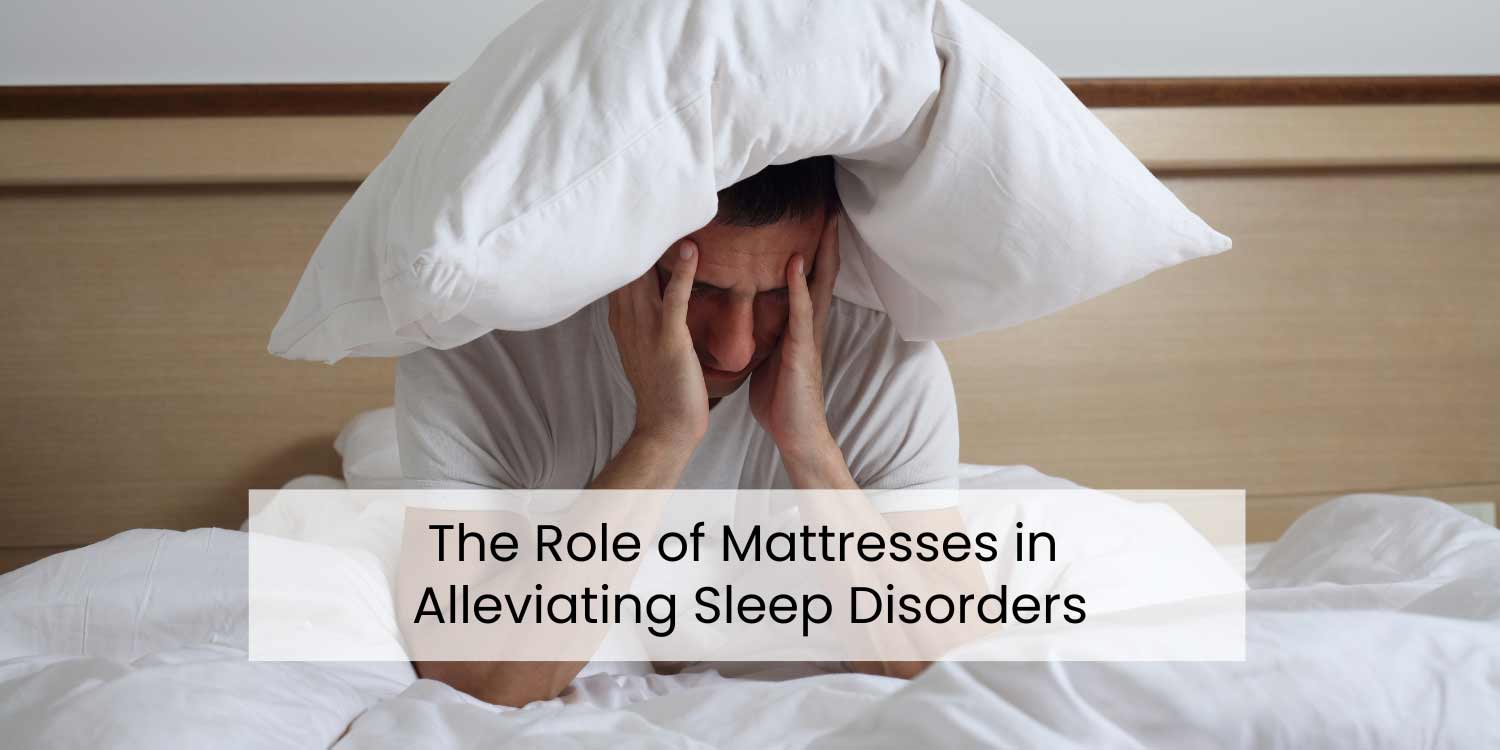
The Role of Mattresses in Alleviating Sleep Disorders

Sleeping disorders are a common problem for many people around the world, negatively impacting their health and quality of life and mattress plays important role in it. Choosing the right mattress type can help in reducing these effects by offering the comfort and support necessary for good sleep patterns. This article explores different kinds of mattresses that may assist in managing sleep disorders, highlighting Luxe Mattresses as an example of one of the top mattress providers in the UK.

Understanding Sleeping Disorders

If you experience irregular sleep patterns, you may have a sleeping disorder. This condition can manifest in several ways, such as insomnia, sleep apnea, narcolepsy, restless legs syndrome, or shortness of breath during sleep. These sleep disturbances can often lead to major health issues, including depression, diabetes, and high blood pressure. The right mattress can effectively help manage these ailments by providing adequate comfort and support.

How Mattresses Alleviate Specific Sleep Disorders?

If you are having trouble falling asleep or staying asleep, your mattress may be one of the reasons for your insomnia. In fact, many experts believe that mattresses lacking comfort and support tend to worsen sleeping disorders in those who suffer from it.

Following are some of the most common sleeping disorders that can be treated with different types of mattresses. Luxe Mattresses offers better insights into how specific mattress materials can help relieve common sleeping problems.

1. Insomnia

Insomnia is a more serious problem than most people realize, as it is characterized by persistent difficulty falling asleep or staying asleep throughout the night. Additionally, sleep loss is often associated with comfort issues in various body parts, especially the back, due to lack of support from certain sleeping surfaces. If you sleep in an uncomfortable bed, it can be hard to settle down, leaving you feeling tired even after a long night’s rest.

Solution:

Luxe Mattresses’ memory foam and latex mattresses offer the right combination of support and comfort for alleviating pressure points, promoting sleep onset, and maintaining continuity during slumber. By conforming to the body’s shape, these beds reduce the chances of disturbance while sleeping.

2. Sleep Apnea

Sleep apnea is a condition characterized by periodic pauses in breathing during sleep, which can be intensified by inappropriate sleeping positions. Sinking into a poor-quality mattress can predispose individuals to airway obstruction.

Solution:

Our orthopedic and hybrid mattresses support upright neck and spine alignment, helping to reduce airway obstruction and promote better breathing. They offer a balance between firmness and softness, keeping the entire body in a position that supports uninterrupted respiration.

3. Restless Leg Syndrome

The restless leg syndrome is characterized by an uncontrollable urge to move one’s legs, especially when trying to sleep. An unsupportive mattress can exacerbate this condition, leading to frequent movements and disrupted sleep.

Solution:

To reduce RLS discomfort, it is important to use a memory foam mattress, as it provides the necessary pressure relief and support. These mattresses conform to the body’s shape, allowing for fewer position changes and promoting a sound sleep.

4. Chronic Pain

Chronic pain conditions, such as arthritis and fibromyalgia, can significantly disrupt sleep due to intense discomfort. A poor mattress quality can increase your pain by failing to address pressure points properly, leading to more discomfort.

Solution:

To alleviate pain and enhance sleep quality, latex and orthopedic mattress offers excellent support and pressure relief. They are designed in such a way that they maintain the spine’s natural alignment, reducing strain on painful areas while promoting restorative sleep.

5. Allergies

Bed linens and mattresses can potentially cause adverse effects on our respiratory system, contributing to sleeping disorders especially for those who are allergic or asthmatic.

Solution:

Hypoallergenic and latex mattressesminimize contact with allergens, leading to improved respiratory function and more complete sleep cycles. A healthier sleeping environment is created by these mattresses as they resist dust mites and fungi.

Luxe Mattresses: The Ultimate Solution for Sleep Disorders

Quality sleep is essential in today’s fast-paced world, and Luxe Mattresses UK stands out as the leading mattress provider in the UK for those suffering with sleep disorders. Designed to ensure maximum comfort and incorporate innovative techniques, Luxe Mattresses address issues like insomnia and sleep apnea effectively.

Crafted with advanced technology and superior materials, our mattresses ensure proper spine alignment, alleviate pressure points and minimize disturbances throughout the night. Whether you are dealing with chronic back pain or simply seeking restful sleep, Luxe Mattresses offer luxurious and therapeutic solutions for improved sleep quality. Say goodbye to restless nights and embrace quality sleep with Luxe Mattresses!

Conclusion

In conclusion, a good mattress can address sleep problems and contribute to overall well-being. This guide will help people choose the right type of mattresses that lead to improved sleep and health. For a wide range of mattresses designed to meet all your sleeping needs, simply visit Luxe Mattresses for sleep-enhancing products.

Product has been added to your cart