



Memory Foam vs Hybrid Mattress UK: Which Is Better for British Sleepers in 2025?
Memory Foam vs Hybrid: What UK Sleepers Need to Know
Choosing the right mattress is more than just about comfort, as it directly impacts your sleep quality, spinal health, and overall well-being. Among the most popular mattress types today are memory foam mattresses and hybrid mattresses. Both options come with unique benefits, but the best choice depends on your sleep position, body type, and preferences.
In this detailed guide, we will explore the differences between memory foam and hybrid mattresses, their pros and cons, and help you make the right decision for your sleep needs.
What is a Memory Foam Mattress?
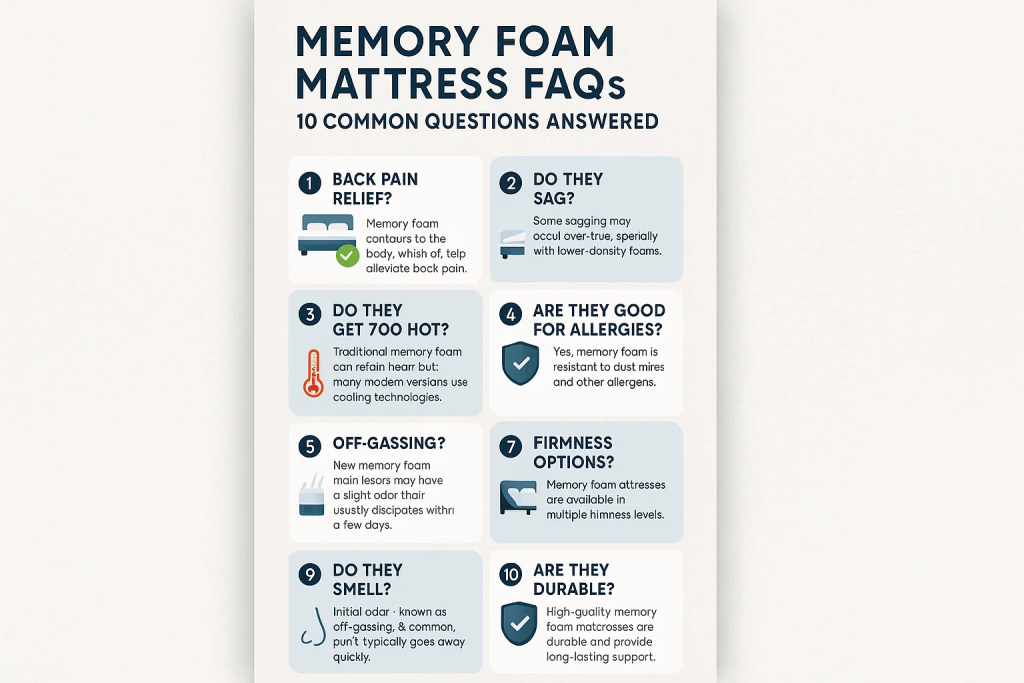
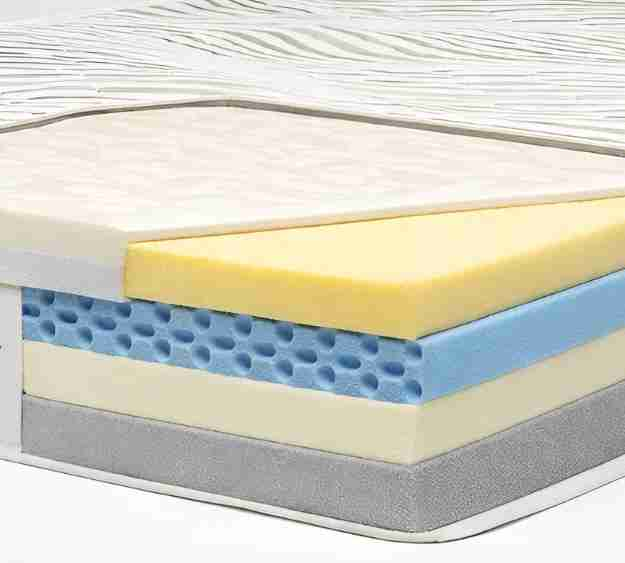
A memory foam mattress is designed to contour around your body. Made from viscoelastic foam, it responds to heat and pressure, allowing your body to sink into the mattress slightly. This creates a “hugging†feel and helps distribute weight evenly.
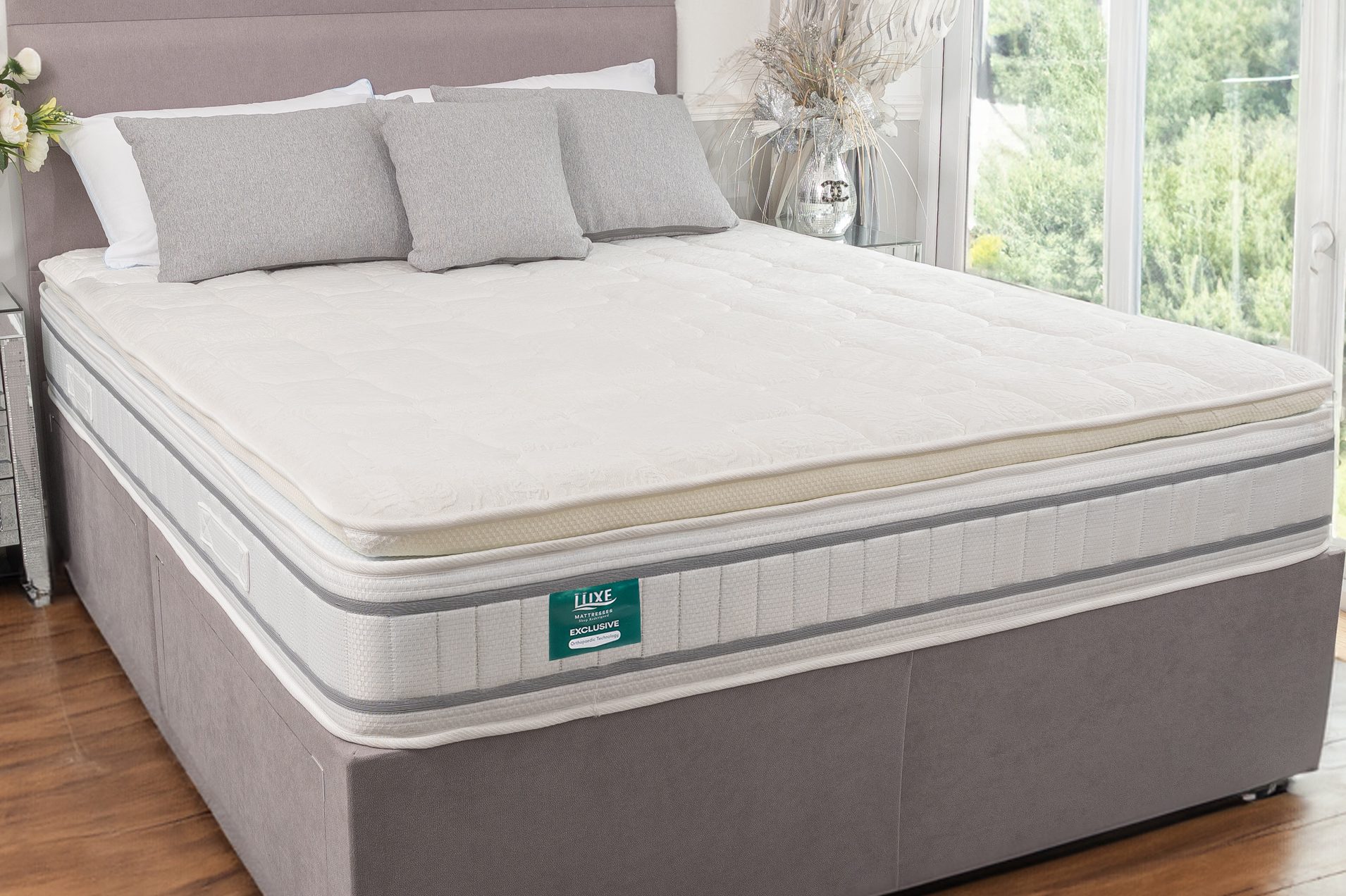
One of the main benefits of memory foam is pressure relief. It cushions sensitive areas like the shoulders, hips, and back, making it an excellent choice for people with joint pain or arthritis. However, memory foam tends to trap heat, so hot sleepers may sometimes feel uncomfortable without proper cooling technology.
What is a Hybrid Mattress?
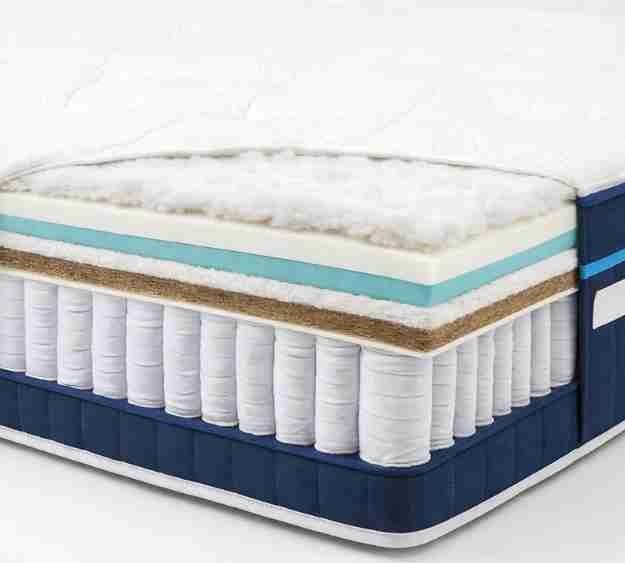
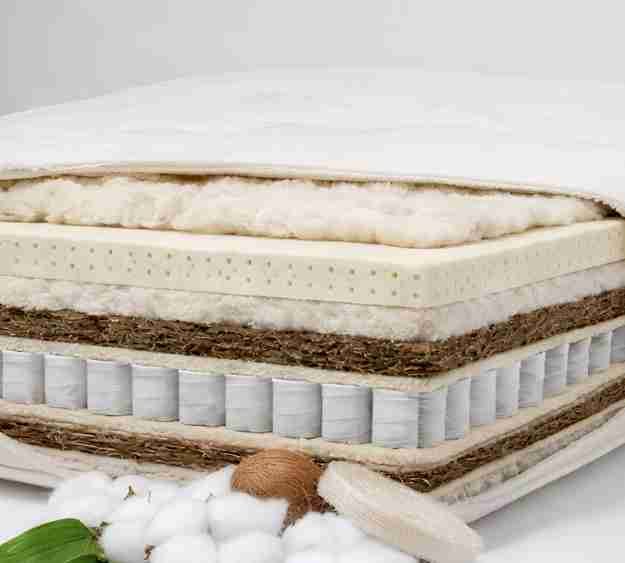
A hybrid mattress combines the best of both worlds: the contouring comfort of foam layers with the bounce and support of an innerspring coil system. This combination makes hybrid mattresses more versatile than memory foam alone.
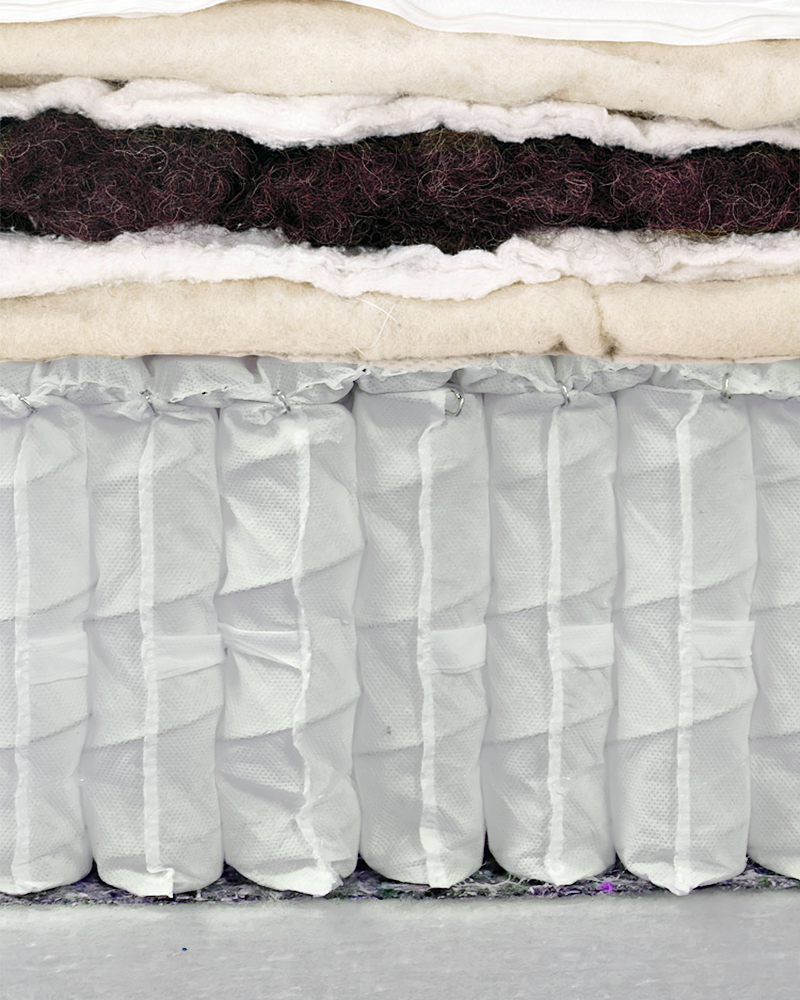
The coil layer provides breathability and support, while the foam on top ensures comfort and pressure relief. Hybrid mattresses are ideal for people who want both cushioning and responsiveness in their bed. They are also great for couples because the coils reduce motion transfer while still offering a supportive surface.
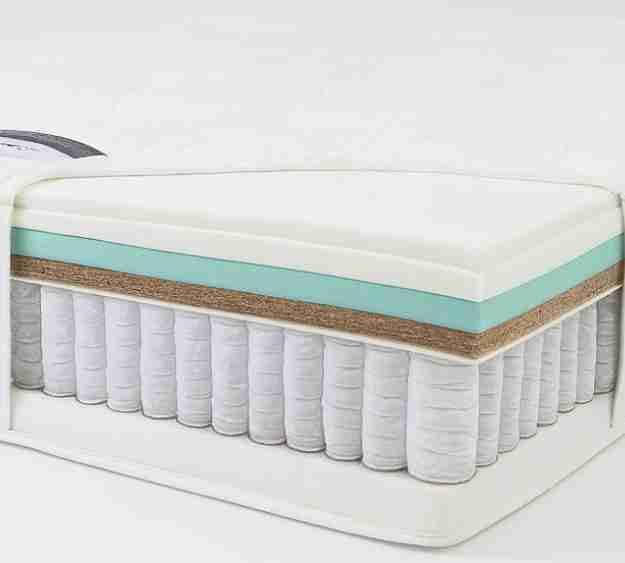
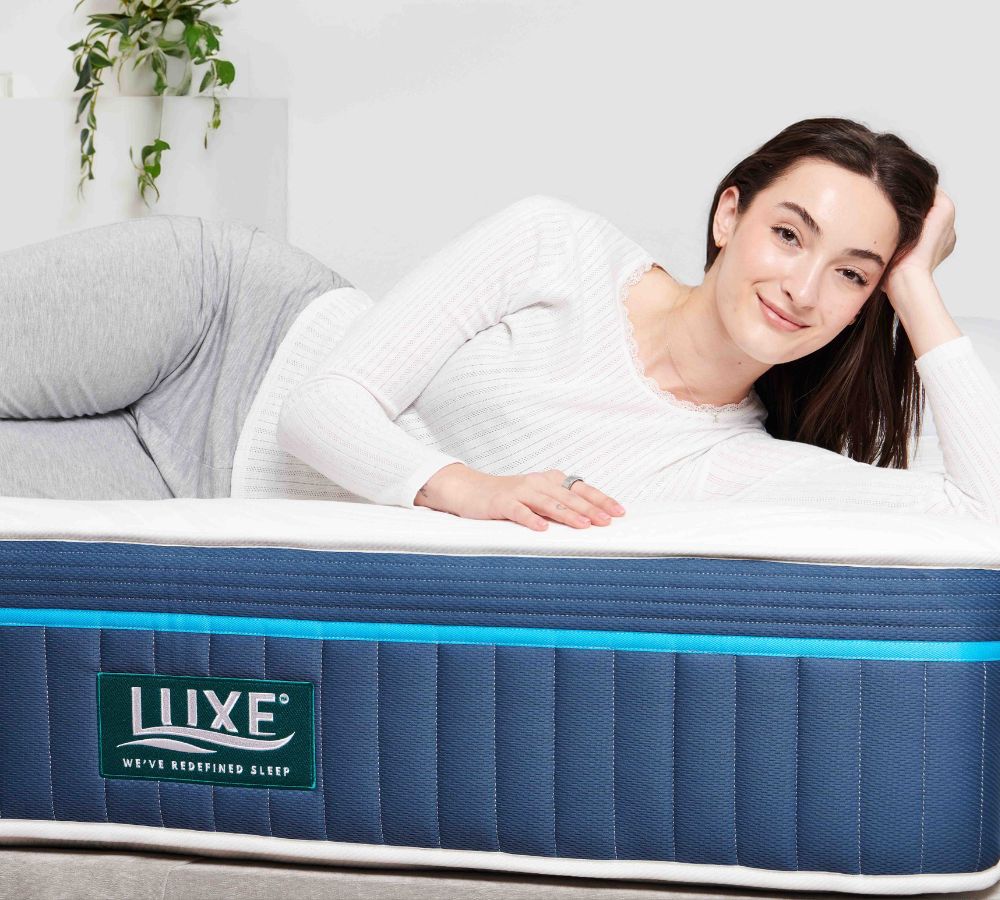
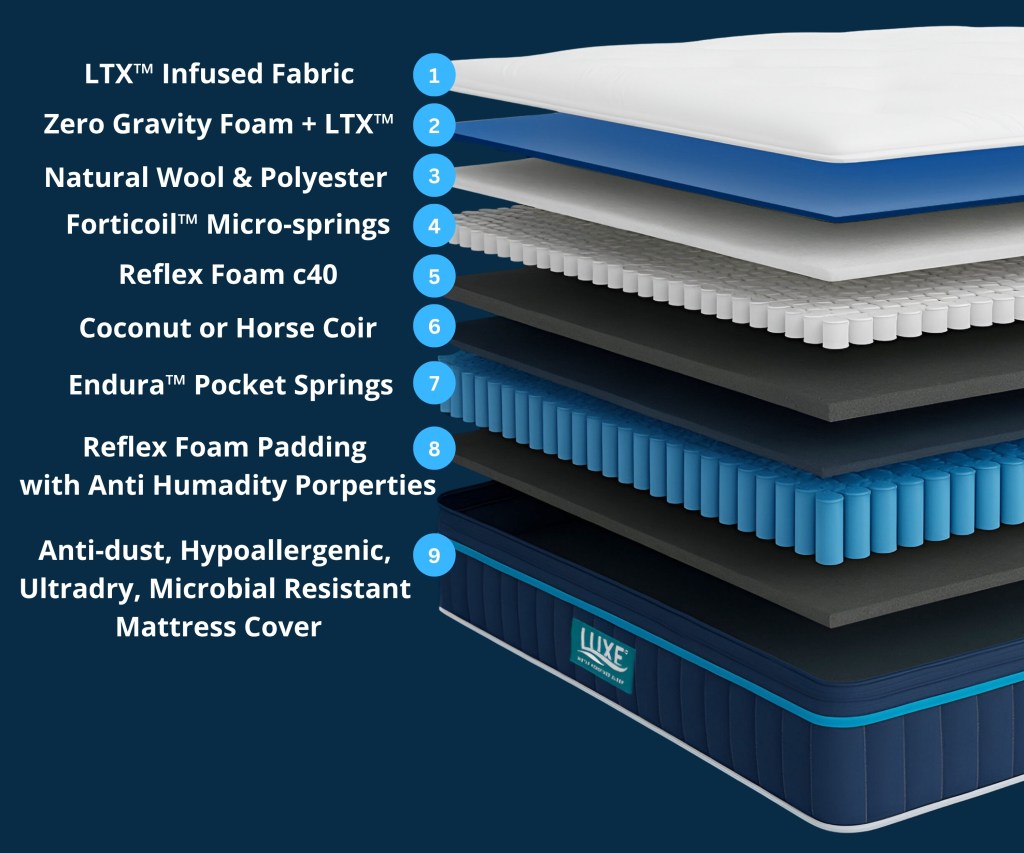
Example of Hybrid Mattress (Luxe Ergoâ„¢ 3400 )
The Luxe Ergoâ„¢ 3400 is a perfect example of a high-quality hybrid mattress, combining advanced engineering with premium materials to deliver exceptional comfort and support. With its dual-layer spring system (2000 EnduraSpringâ„¢ coils + 1400 Micro Pocket Springs), Zero Gravityâ„¢ memory foam, and LTX Cooling Gel technology, it offers precise pressure relief while maintaining outstanding structural integrity. Designed for durability, breathability, and long-term spinal alignment, the Luxe Ergoâ„¢ 3400 stands out as a mattress built for those who demand both luxury and performance.
Support and Back Care for UK Sleepers: Memory Foam vs Hybrid
When it comes to comfort and support, memory foam excels in pressure relief. Side sleepers often love memory foam because it cradles their shoulders and hips, reducing pain and stiffness.
Hybrids, on the other hand, are better for people who prefer a slightly firmer surface with more bounce. The coil layer keeps your spine aligned, making hybrids a good option for back and stomach sleepers.
If you want a soft, body-hugging feel, memory foam is ideal. But if you prefer a balanced mix of cushioning and firmness, a hybrid is the better choice.
Temperature Control in UK Climate (Very Important)
One common complaint about memory foam mattresses is that they trap heat. Traditional foam absorbs body heat, which can make hot sleepers uncomfortable at night. However, modern designs often include gel-infused foam or open-cell technology to improve airflow.
Hybrid mattresses naturally sleep cooler because the coils allow air to circulate through the mattress. This makes hybrids a great option for people living in warmer climates or anyone who tends to overheat while sleeping.
Durability and Longevity
Both memory foam and hybrid mattresses can last for years, but their lifespan depends on material quality.
- A high-quality memory foam mattress usually lasts between 7–10 years. Over time, cheaper foam may sag or lose its responsiveness.
- A hybrid mattress can last 8–12 years, thanks to the supportive coil system. However, hybrids may wear out faster if the coil quality is poor.
In general, hybrid mattresses offer slightly better durability due to the combination of coils and foam.
Motion Isolation
For couples, motion isolation is an important factor. Nobody wants to be disturbed every time their partner moves at night.
Memory foam is excellent at absorbing movement, making it the clear winner in this category. Hybrid mattresses also do a good job, but the coil system can sometimes transfer a bit of motion compared to all-foam designs.
Price Comparison for UK Buyers (2025)
Price is another factor when comparing memory foam vs hybrid mattresses.
- Memory Foam: Usually more budget-friendly. A good quality memory foam mattress can range from £300–£800 in the UK.
- Hybrid: Generally more expensive because they combine multiple materials. Hybrid mattresses can range from £600 to £1500, depending on brand and quality.
If you are on a tight budget, memory foam may be the smarter choice. But if you are willing to invest in long-term comfort and durability, hybrids are worth the extra cost.
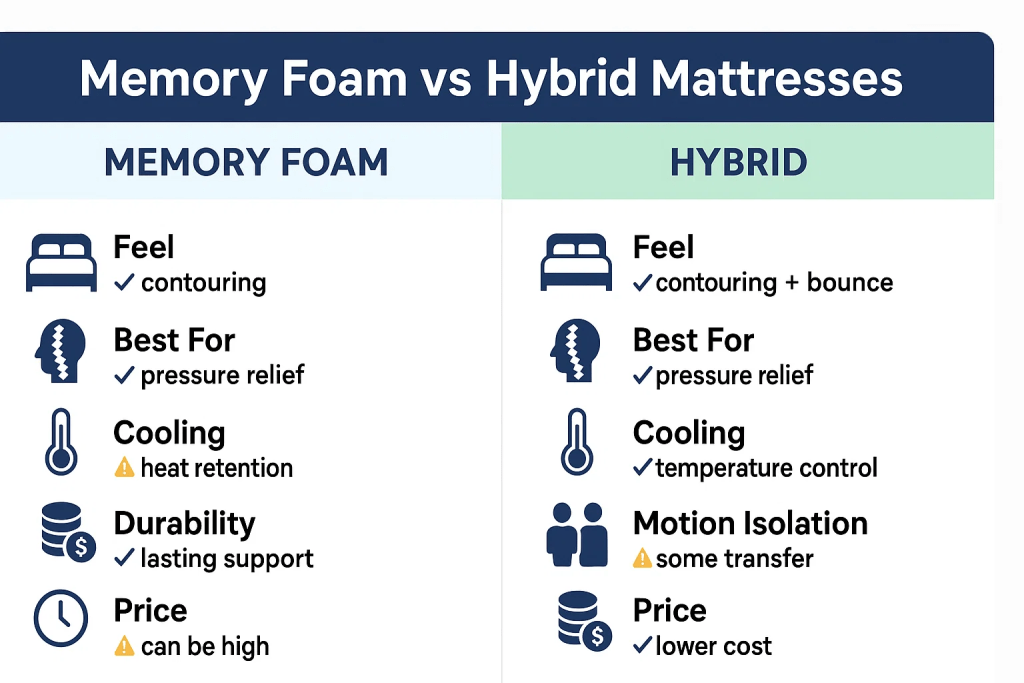
| Feature | Memory Foam Mattress | Hybrid Mattress |
|---|---|---|
| Feel | Body-hugging, contouring, reduces pressure points. | Balanced feel with cushioning and bounce. |
| Best For | Side sleepers, joint pain, couples needing motion isolation. | Back & stomach sleepers, hot sleepers, couples wanting support. |
| Cooling | Can trap heat unless infused with gel/open-cell design. | Naturally cooler due to coil airflow. |
| Durability | 7–10 years (depending on foam density). | 8–12 years (quality coils + foam layers). |
| Motion Isolation | Excellent – absorbs movement fully. | Good, but coils may transfer slight motion. |
| Price Range (UK) | £300 – £800 | £600 – £1,500 |
| Overall Choice | Budget-friendly, great for pain relief & couples. | More versatile, durable, and breathable – worth extra cost. |
Which Mattress Is Better for UK Homes With Cold Winters & Warm Summers?
A memory foam mattress is best suited for:
- Perfect for side sleepers who enjoy a little extra cushioning and gentle pressure relief
- Ideal for those experiencing chronic back or joint discomfort
- A lovely choice for couples wanting peaceful, motion-free sleep
- Great for shoppers looking for comfort and quality without overspending
Who Should Choose Hybrid?
A hybrid mattress is ideal for:
- Great for back and stomach sleepers who prefer firm, steady support
- Ideal for hot sleepers who want cooler airflow throughout the night
- Perfect for those who enjoy a bouncy, responsive feel in their mattress
- Excellent for anyone seeking strong, long-lasting durability
Conclusion
When it comes to memory foam vs hybrid mattresses, there is no one-size-fits-all answer. If you prefer a body-hugging, pressure-relieving feel, memory foam is the right choice. But if you want a mattress that balances comfort, support, and breathability, a hybrid is worth the investment.
Ultimately, the best mattress for you depends on your sleeping style, health needs, and budget. Choosing the right one can make a huge difference in your sleep quality and overall health.
FAQ’s
While memory foam mattresses typically contain a high-density polyfoam core, hybrids use a coil system. Polyfoam cores usually perform better in motion isolation and noise control, but coil systems tend to earn higher marks for bounce, breathability, and edge support
They’re durable – The mix of foam and coils makes for a long-lasting mattress. The best hybrid mattress will usually outlast full memory foam mattresses, which have a tendency to start sagging over time
Retention of Heat. One of the most common complaints about memory foam mattresses is that they trap heat and become uncomfortably warm. Memory foam, particularly traditional memory foam, can become quite warm due to its design to respond to body heat and the density of the material.
Is a hybrid mattress better than memory foam for UK sleepers?
Generally yes – hybrids allow more airflow, which suits the UK’s mix of warm summers and cooler winters.
Do UK hybrid mattresses sleep cooler?
Yes. The coils improve breathability, making hybrids better for hot sleepers in the UK.
Are UK mattress sizes different from US ones?
Yes – UK mattresses use UK sizing (Single, Small Double, King, Super King), not US sizes.