
100-Night Risk-Free Trial
Free Nationwide Delivery
10 Years Warranty
Call us at: 020 4572 5122
0% APR Finance Available
Peaceful Sleep Alignment
October 9, 2025

The Best Mattress for Back Pain: A Complete Guide to Better Sleep

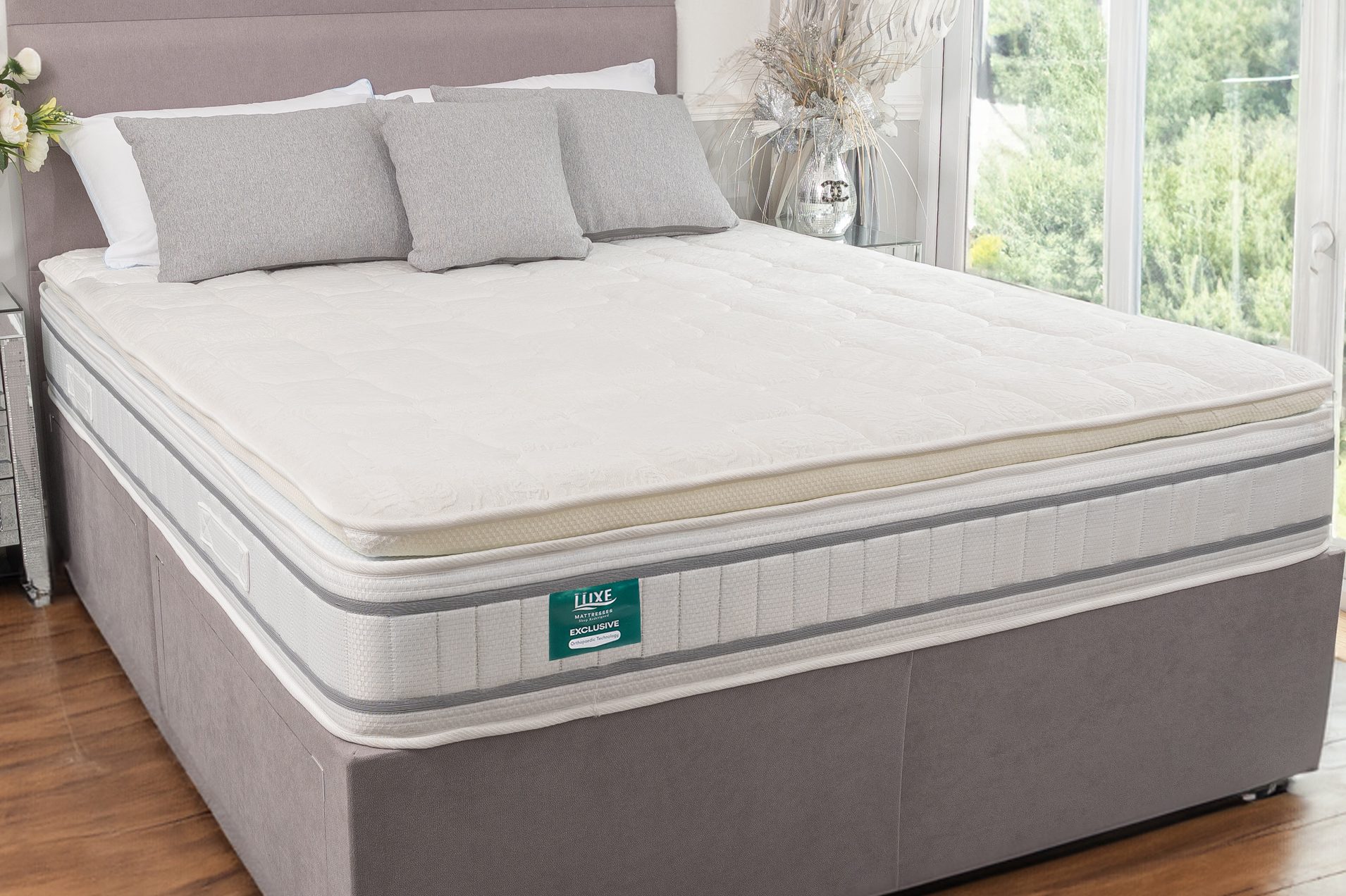
If you’ve ever woken up with stiffness or struggled through the night tossing because of back pain, you know how much it affects your daily life. Your mattress plays a huge role in supporting your spine, aligning your body, and helping you recover while you sleep. Choosing the best mattress for back pain can feel overwhelming, especially with so many options out there.

In this guide, we’ll break down how the right mattress can reduce back pain, what to look for when buying a mattress for back pain, and the top choices people love.

Why Back Pain and Mattresses Are Connected?

Your spine has a natural curve that needs proper support when lying down. A poor-quality or old mattress can put pressure on certain areas, causing or worsening back pain. Over time, sleeping on the wrong surface may lead to misalignment, stiffness, and discomfort.

The best mattress for back pain is one that:

  • Keeps your spine aligned
  • Distributes your weight evenly
  • Reduces pressure points
  • Provides the right balance of firmness and comfort

If you’re already experiencing back pain, your mattress could either be part of the problem or part of the solution.

Signs Your Mattress Is Causing Back Pain

Not sure if your mattress is behind your back pain? Watch out for these signs:

Mattress and Back Pain
  • You wake up with stiffness that eases during the day
  • You feel more comfortable on a hotel bed or someone else’s mattress
  • There are visible sags or lumps in your bed
  • You toss and turn frequently to get comfortable
  • You notice worsening back pain after sleeping

If any of these sound familiar, it’s probably time to start looking for the best mattress for back pain that suits your needs.

Types of Mattresses for Back Pain Relief

When searching for the best mattress for back pain, it’s important to know what each type offers:

1. Memory Foam Mattress

  • Adapts to body shape
  • Reduces pressure points
  • Provides excellent spinal alignment

Memory Foam Mattress is great for people who suffer from lower back pain.

2. Hybrid Mattress

  • Combines memory foam and innerspring
  • Offers both support and cushioning
  • Balanced for most back conditions

A strong candidate for the best mattress for lower back pain if you want versatility.

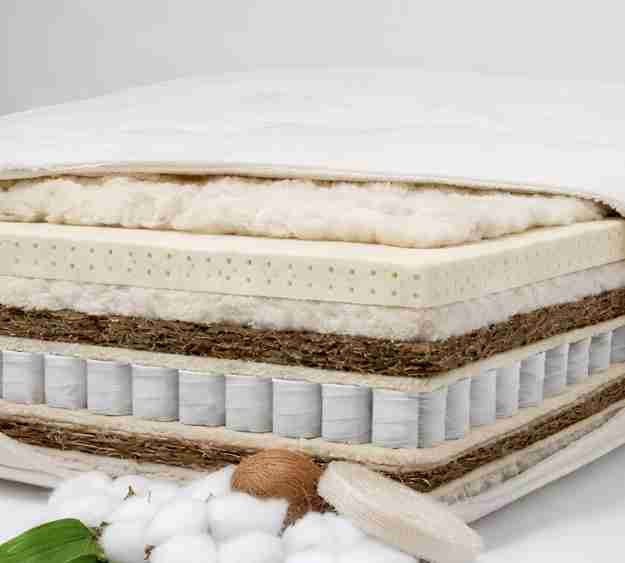
3. Latex Mattress

  • Naturally supportive and durable
  • Offers a firm but bouncy feel
  • Resistant to sagging

Excellent for long-term back pain relief.

Comparison Table: Best Mattress for Back Pain

Mattress Type Composition Main Benefit
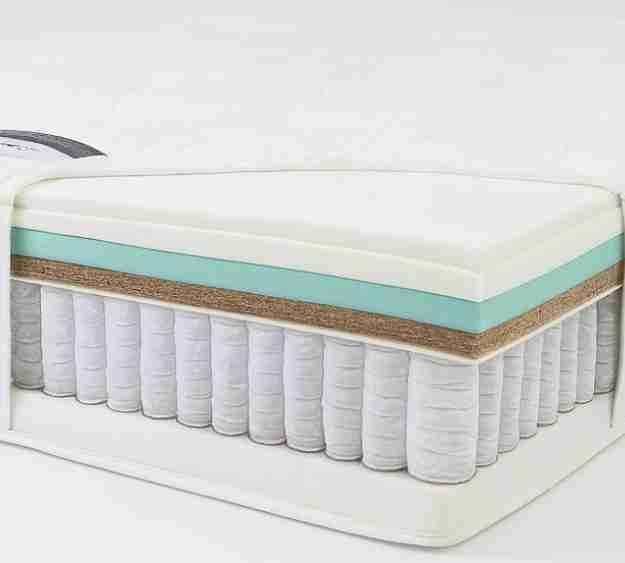
Memory Foam High-density base foam, Zero Gravityâ„¢ foam, gel-infused memory foam Pressure relief & spinal alignment
Hybrid Pocket springs (EnduraSpringâ„¢) + comfort layers of foam/latex Balanced comfort & support
Latex / Natural Natural latex, organic cotton, British wool, durable foams Long-lasting support & eco-friendliness

How to Choose the Best Mattress for Back Pain

Finding the right mattress isn’t about picking the most expensive one, it’s about choosing what works for your body. Here’s what to consider:

1. Firmness Level

  • Too soft → causes sinking and misalignment
  • Too firm → creates pressure points
  • Medium-firm → widely recommended as the best mattress for back pain

2. Sleeping Position

  • Back sleepers: Medium-firm for spinal alignment
  • Side sleepers: Softer surface to reduce shoulder/hip pressure
  • Stomach sleepers: Firmer mattress to prevent arching

Your sleeping position plays a key role in reducing back pain.

3. Body Weight

  • Lightweight sleepers: Softer mattresses work better
  • Heavy sleepers: Firmer options prevent sinking and help with back pain

4. Durability

Sagging is one of the biggest culprits of back pain. Always check the warranty and durability before buying.

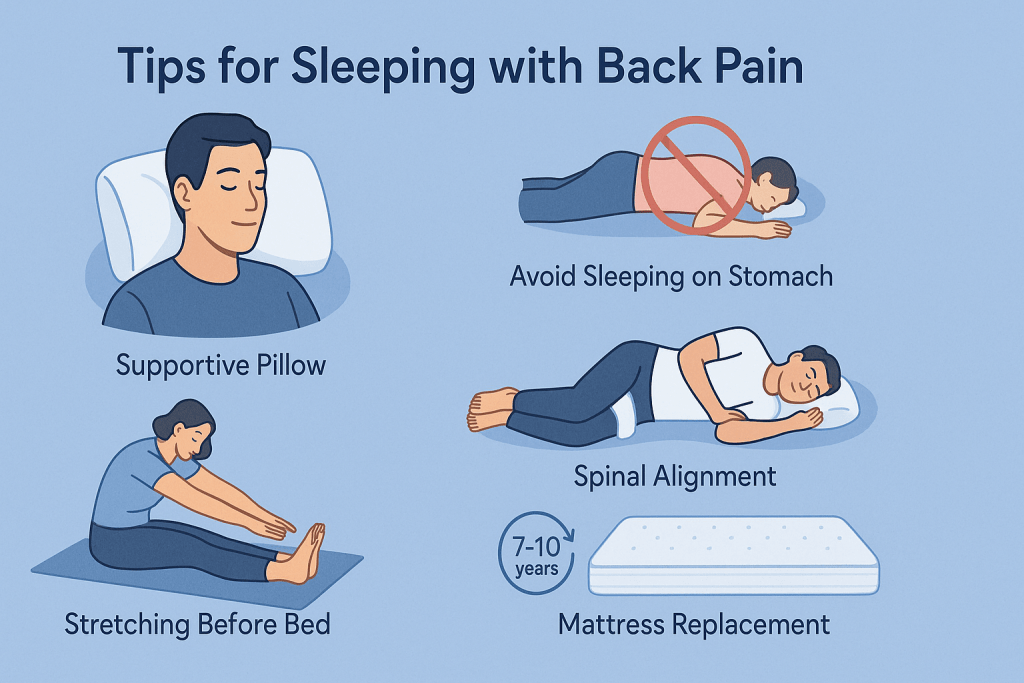
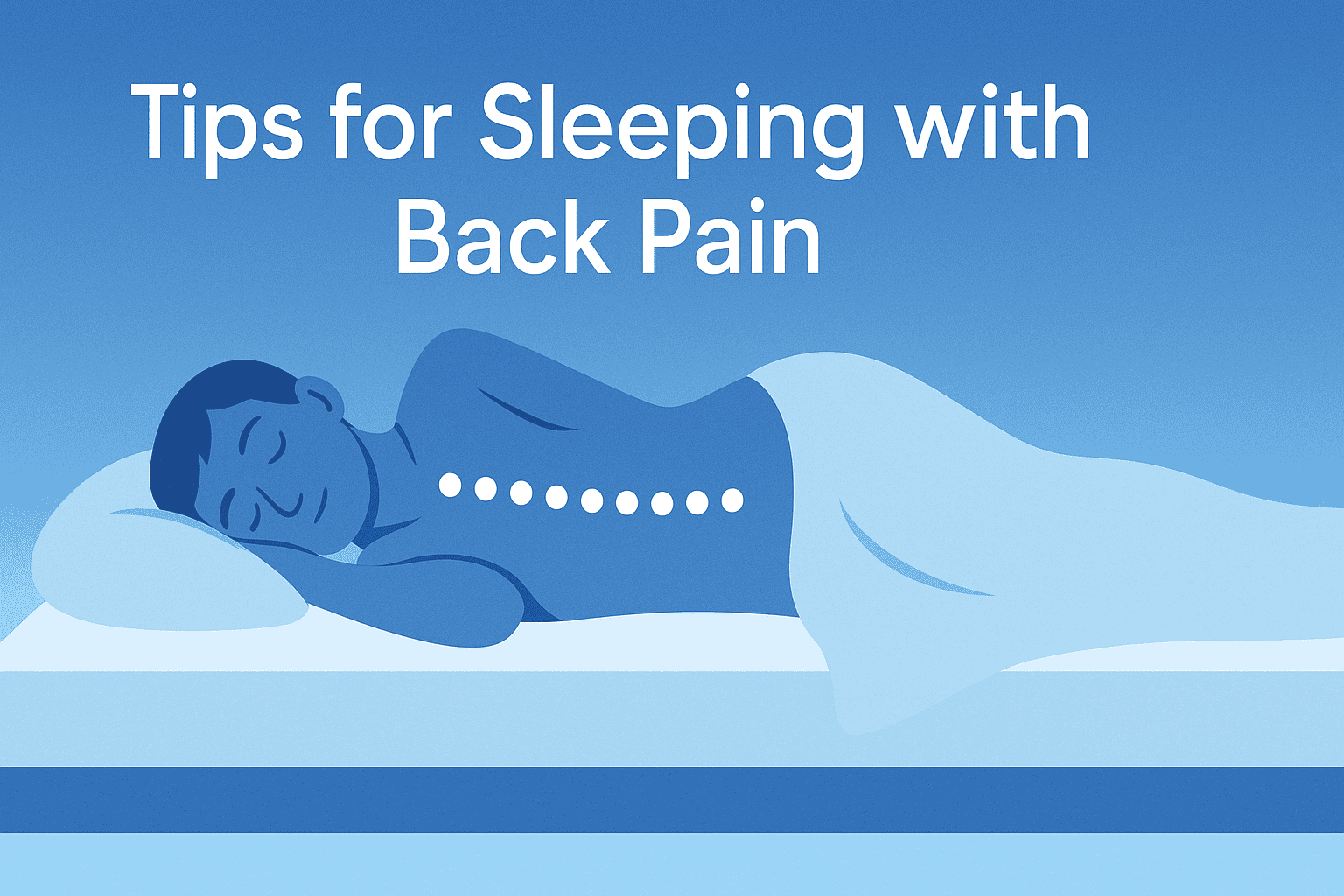
Tips for Sleeping with Back Pain

Even the best mattress for back pain won’t help if you don’t practice good sleep habits. Try these tips:

Back Pain Sleep Tips
  • Use a supportive pillow for neck alignment
  • Avoid sleeping on your stomach if you already have back pain
  • Stretch lightly before bed to relax muscles
  • Keep your spine straight with a small pillow under your knees (for back sleepers) or between your knees (for side sleepers)
  • Replace your mattress every 7–10 years

FAQs 

Q1: What firmness is best for back pain?

A medium-firm mattress is usually considered the best mattress for back pain because it balances support and comfort.

Q2: Can a mattress cause back pain?

Yes. An old or unsupportive mattress can trigger or worsen back pain.

Q3: How long before I notice improvement in back pain after buying a new mattress?

It can take a few weeks for your body to adjust, but many notice back pain relief within days.

Q4: Should I choose memory foam or hybrid for back pain?

Both are great choices. Memory foam is better for contouring, while hybrids combine support and bounce making them strong options for the best mattress for back pain.

Q5: How often should I replace my mattress if I have back pain?

Every 7–10 years, or sooner if sagging or worsening back pain occurs.

Conclusion

Living with back pain can feel exhausting, but the right mattress can make a world of difference. Instead of waking up sore and stiff, you could start your mornings refreshed and pain-free. The best mattress for back pain is the one that aligns your spine, supports your weight, and fits your sleeping style.

Remember:

  • Choose medium-firm support
  • Match your mattress to your sleeping position
  • Don’t overlook durability and quality

By investing in the best mattress for back pain, you’re not just buying a bed, you’re investing in your health, comfort, and overall well-being.You can visit our website to explore the best back pain mattress options designed to give you maximum comfort and support.

hybrid vs memory
August 26, 2025

Memory Foam vs Hybrid Mattress UK: Which Is Better for British Sleepers in 2025?

Memory Foam vs Hybrid: What UK Sleepers Need to Know

Choosing the right mattress is more than just about comfort, as it directly impacts your sleep quality, spinal health, and overall well-being. Among the most popular mattress types today are memory foam mattresses and hybrid mattresses. Both options come with unique benefits, but the best choice depends on your sleep position, body type, and preferences.

In this detailed guide, we will explore the differences between memory foam and hybrid mattresses, their pros and cons, and help you make the right decision for your sleep needs.

What is a Memory Foam Mattress?

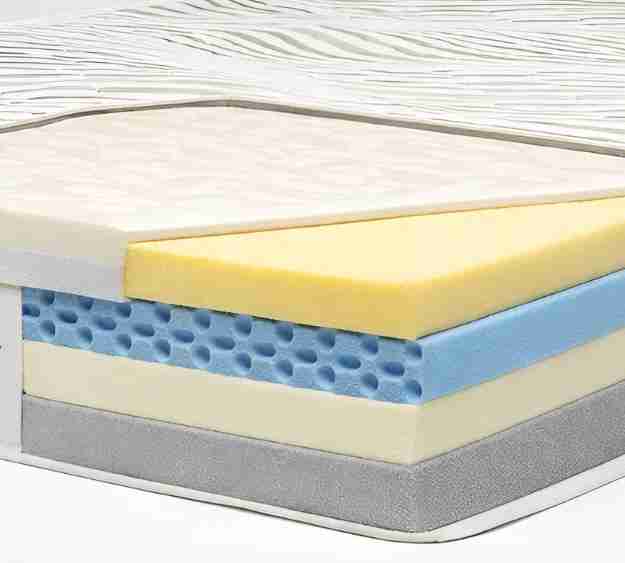
A memory foam mattress is designed to contour around your body. Made from viscoelastic foam, it responds to heat and pressure, allowing your body to sink into the mattress slightly. This creates a “hugging” feel and helps distribute weight evenly.

mattress with memory foam topper

One of the main benefits of memory foam is pressure relief. It cushions sensitive areas like the shoulders, hips, and back, making it an excellent choice for people with joint pain or arthritis. However, memory foam tends to trap heat, so hot sleepers may sometimes feel uncomfortable without proper cooling technology.

What is a Hybrid Mattress?

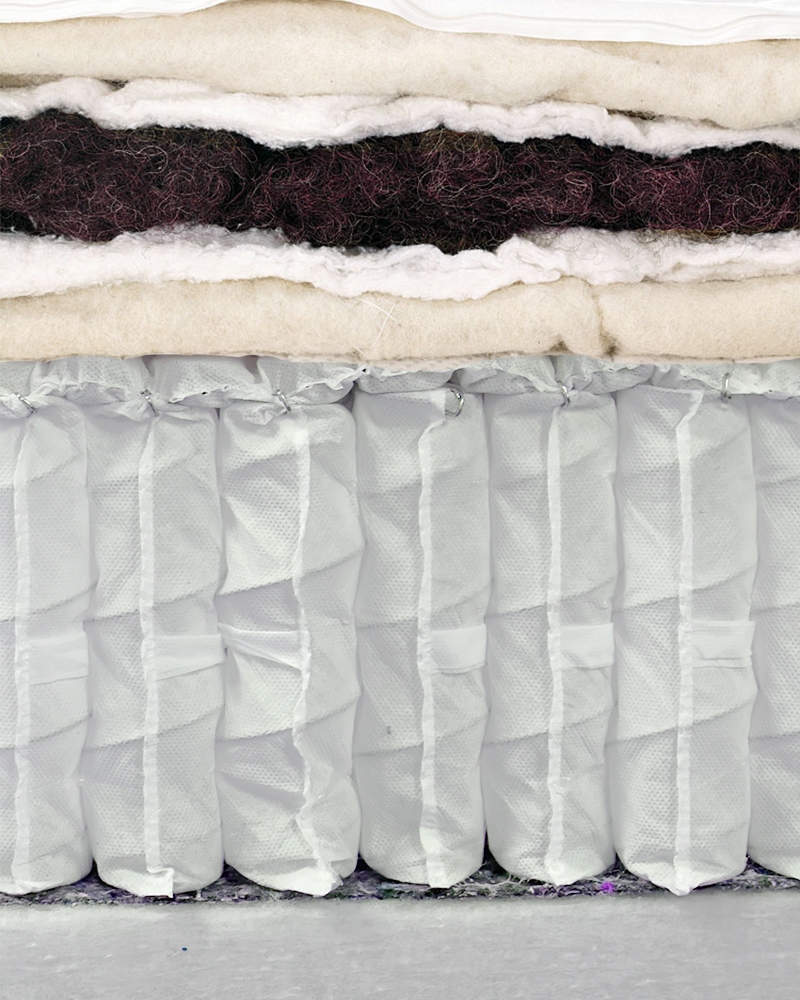
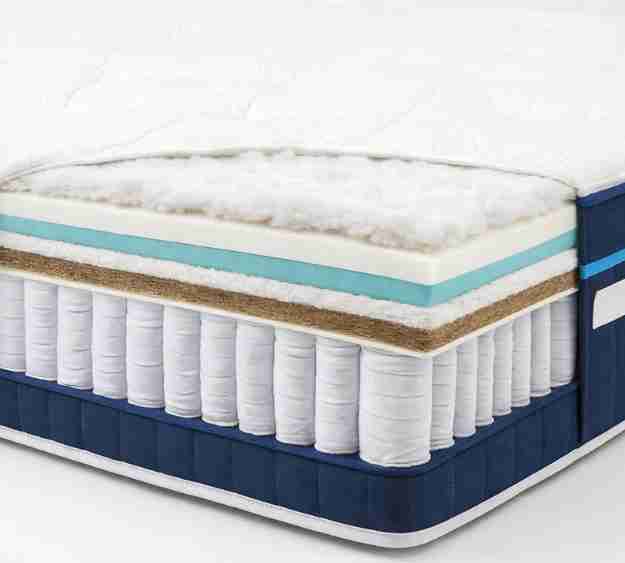
A hybrid mattress combines the best of both worlds: the contouring comfort of foam layers with the bounce and support of an innerspring coil system. This combination makes hybrid mattresses more versatile than memory foam alone.

The coil layer provides breathability and support, while the foam on top ensures comfort and pressure relief. Hybrid mattresses are ideal for people who want both cushioning and responsiveness in their bed. They are also great for couples because the coils reduce motion transfer while still offering a supportive surface.

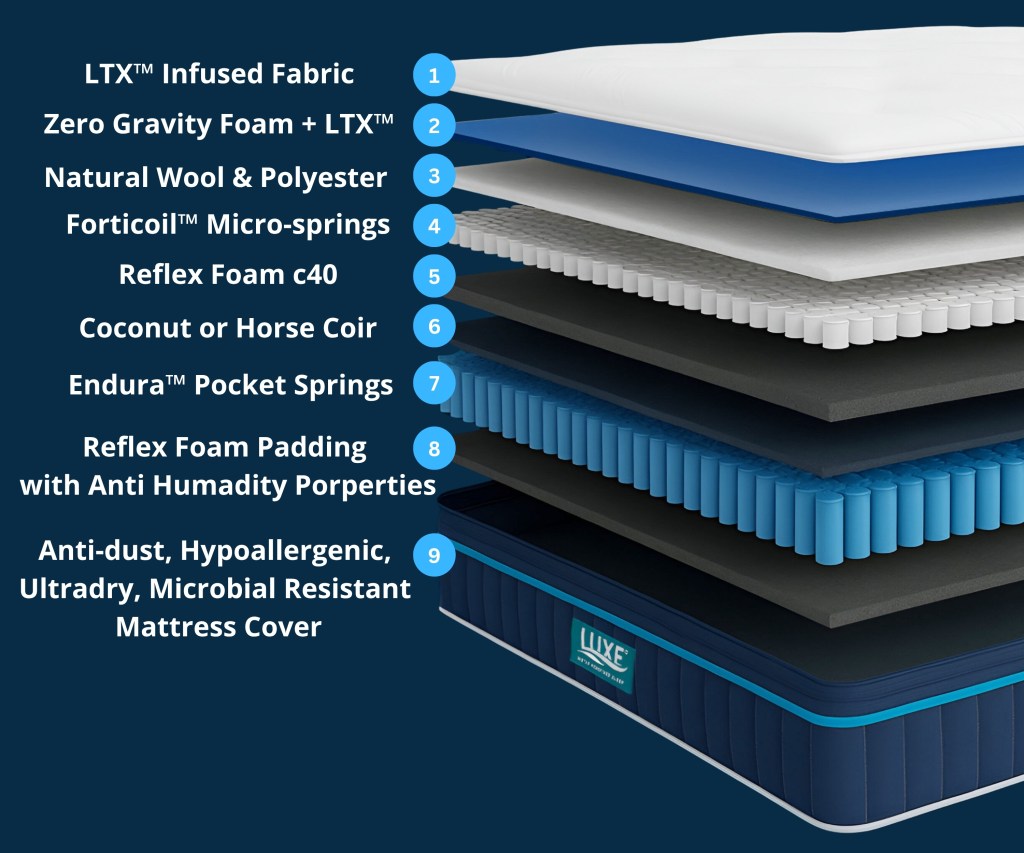
Example of Hybrid Mattress (Luxe Ergoâ„¢ 3400 )

The Luxe Ergoâ„¢ 3400 is a perfect example of a high-quality hybrid mattress, combining advanced engineering with premium materials to deliver exceptional comfort and support. With its dual-layer spring system (2000 EnduraSpringâ„¢ coils + 1400 Micro Pocket Springs), Zero Gravityâ„¢ memory foam, and LTX Cooling Gel technology, it offers precise pressure relief while maintaining outstanding structural integrity. Designed for durability, breathability, and long-term spinal alignment, the Luxe Ergoâ„¢ 3400 stands out as a mattress built for those who demand both luxury and performance.


Support and Back Care for UK Sleepers:
Memory Foam vs Hybrid

When it comes to comfort and support, memory foam excels in pressure relief. Side sleepers often love memory foam because it cradles their shoulders and hips, reducing pain and stiffness.

Hybrids, on the other hand, are better for people who prefer a slightly firmer surface with more bounce. The coil layer keeps your spine aligned, making hybrids a good option for back and stomach sleepers.

If you want a soft, body-hugging feel, memory foam is ideal. But if you prefer a balanced mix of cushioning and firmness, a hybrid is the better choice.


Temperature Control in UK Climate (Very Important)

One common complaint about memory foam mattresses is that they trap heat. Traditional foam absorbs body heat, which can make hot sleepers uncomfortable at night. However, modern designs often include gel-infused foam or open-cell technology to improve airflow.

Hybrid mattresses naturally sleep cooler because the coils allow air to circulate through the mattress. This makes hybrids a great option for people living in warmer climates or anyone who tends to overheat while sleeping.

Durability and Longevity

Both memory foam and hybrid mattresses can last for years, but their lifespan depends on material quality.

  • A high-quality memory foam mattress usually lasts between 7–10 years. Over time, cheaper foam may sag or lose its responsiveness.
  • A hybrid mattress can last 8–12 years, thanks to the supportive coil system. However, hybrids may wear out faster if the coil quality is poor.

In general, hybrid mattresses offer slightly better durability due to the combination of coils and foam.

Motion Isolation

For couples, motion isolation is an important factor. Nobody wants to be disturbed every time their partner moves at night.

Memory foam is excellent at absorbing movement, making it the clear winner in this category. Hybrid mattresses also do a good job, but the coil system can sometimes transfer a bit of motion compared to all-foam designs.

memory vs hybrid


Price Comparison for UK Buyers (2025)

Price is another factor when comparing memory foam vs hybrid mattresses.

  • Memory Foam: Usually more budget-friendly. A good quality memory foam mattress can range from £300–£800 in the UK.
  • Hybrid: Generally more expensive because they combine multiple materials. Hybrid mattresses can range from £600 to £1500, depending on brand and quality.

If you are on a tight budget, memory foam may be the smarter choice. But if you are willing to invest in long-term comfort and durability, hybrids are worth the extra cost.

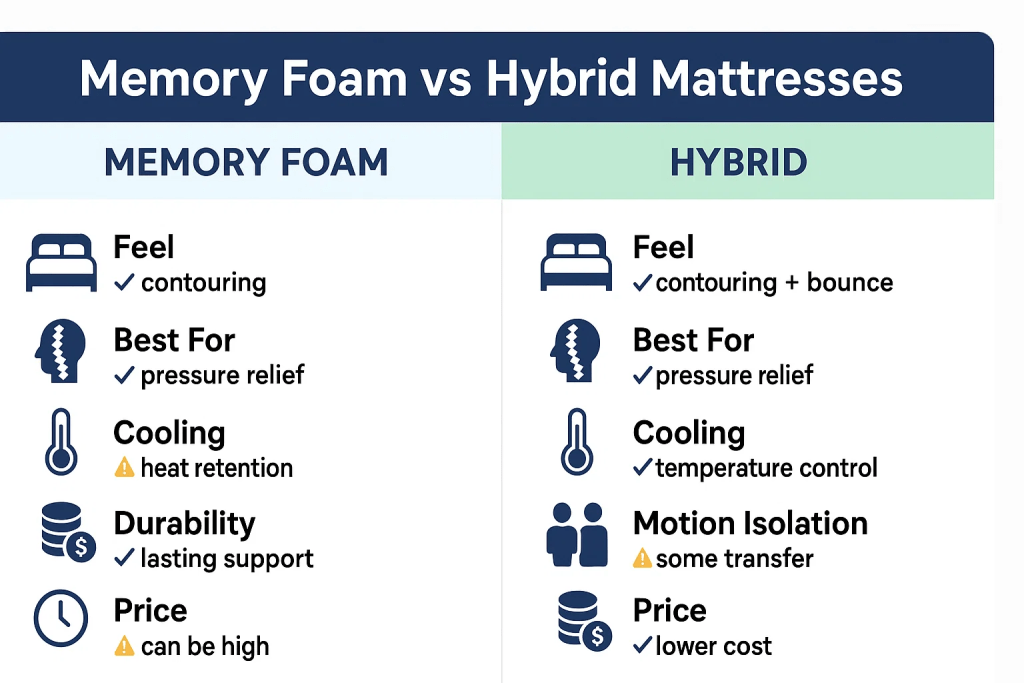
Feature Memory Foam Mattress Hybrid Mattress
Feel Body-hugging, contouring, reduces pressure points. Balanced feel with cushioning and bounce.
Best For Side sleepers, joint pain, couples needing motion isolation. Back & stomach sleepers, hot sleepers, couples wanting support.
Cooling Can trap heat unless infused with gel/open-cell design. Naturally cooler due to coil airflow.
Durability 7–10 years (depending on foam density). 8–12 years (quality coils + foam layers).
Motion Isolation Excellent – absorbs movement fully. Good, but coils may transfer slight motion.
Price Range (UK) £300 – £800 £600 – £1,500
Overall Choice Budget-friendly, great for pain relief & couples. More versatile, durable, and breathable – worth extra cost.


Which Mattress Is Better for UK Homes With Cold Winters & Warm Summers?

A memory foam mattress is best suited for:

  • Perfect for side sleepers who enjoy a little extra cushioning and gentle pressure relief
  • Ideal for those experiencing chronic back or joint discomfort
  • A lovely choice for couples wanting peaceful, motion-free sleep
  • Great for shoppers looking for comfort and quality without overspending

Who Should Choose Hybrid?

A hybrid mattress is ideal for:

  • Great for back and stomach sleepers who prefer firm, steady support
  • Ideal for hot sleepers who want cooler airflow throughout the night
  • Perfect for those who enjoy a bouncy, responsive feel in their mattress
  • Excellent for anyone seeking strong, long-lasting durability

Conclusion

When it comes to memory foam vs hybrid mattresses, there is no one-size-fits-all answer. If you prefer a body-hugging, pressure-relieving feel, memory foam is the right choice. But if you want a mattress that balances comfort, support, and breathability, a hybrid is worth the investment.

Ultimately, the best mattress for you depends on your sleeping style, health needs, and budget. Choosing the right one can make a huge difference in your sleep quality and overall health.

FAQ’s

Is a memory foam or hybrid mattress better?

While memory foam mattresses typically contain a high-density polyfoam core, hybrids use a coil system. Polyfoam cores usually perform better in motion isolation and noise control, but coil systems tend to earn higher marks for bounce, breathability, and edge support

Do hybrids last longer than memory foam?

They’re durable – The mix of foam and coils makes for a long-lasting mattress. The best hybrid mattress will usually outlast full memory foam mattresses, which have a tendency to start sagging over time

Why are people no longer buying memory foam?

Retention of Heat. One of the most common complaints about memory foam mattresses is that they trap heat and become uncomfortably warm. Memory foam, particularly traditional memory foam, can become quite warm due to its design to respond to body heat and the density of the material.


Is a hybrid mattress better than memory foam for UK sleepers?

Generally yes – hybrids allow more airflow, which suits the UK’s mix of warm summers and cooler winters.


Do UK hybrid mattresses sleep cooler?

Yes. The coils improve breathability, making hybrids better for hot sleepers in the UK.


Are UK mattress sizes different from US ones?

Yes – UK mattresses use UK sizing (Single, Small Double, King, Super King), not US sizes.

best mattress for side sleeper with shoulder and hip pain
July 21, 2025

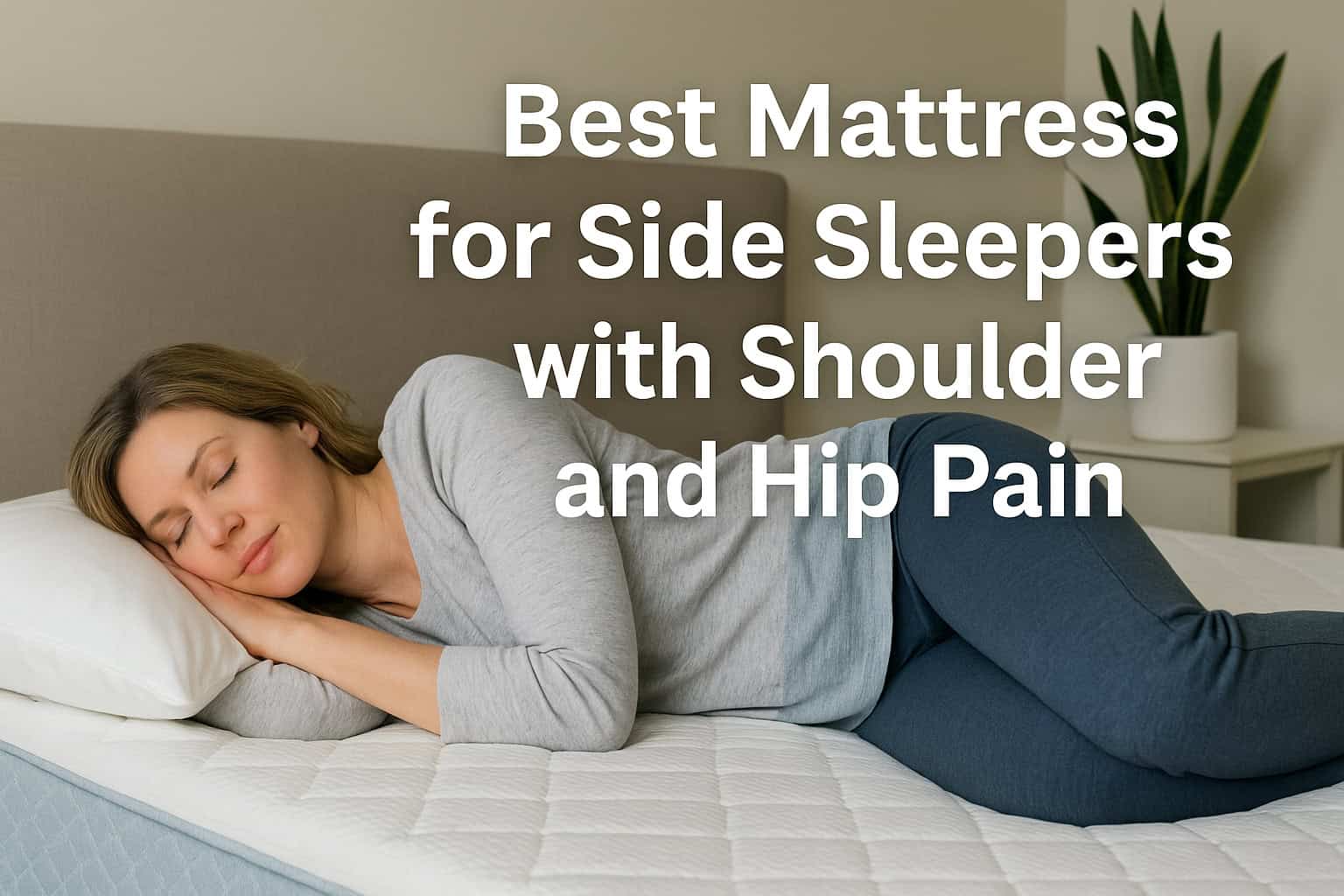
Best Mattress for Side Sleepers with Shoulder and Hip Pain

Sleep is supposed to be the body’s natural healing process, but if you’re a side sleeper waking up with shoulder or hip pain, your mattress may be doing more harm than good. Over time, the wrong mattress can intensify pressure points, misalign your spine, and leave you in more discomfort than rest.

The biggest misconception I have seen in the mattress selection process is that different people do not understand what type of mattress they should buy, and believe me, if you are a side sleeper, back sleeper, stomach sleeper, or combination sleeper, your mattress preferences should change accordingly.

other thing I have noticed after talking to hundreds of clients and guiding them to decide the best mattress for their needs is that I have had many interactions with people who hate foam mattresses; they want pocket sprung mattresses. Some people like foam mattresses and do not like pocket sprung mattresses because they are bouncy.

How to Choose the Perfect Mattress for Your Needs!

Let’s be honest! everyone has a different opinion when it comes to mattresses.

Ask ten people what kind of mattress they prefer, and you’ll likely get ten different answers. Just last month, I spoke with more than ten people who weighed over 100 kg. About 4–5 of them were back sleepers and even among them, there was no agreement on a single mattress type. Some loved memory foam, others hated it. The same pattern applies to side sleepers, stomach sleepers, and combination sleepers.
how to choose right mattress for side sleepers

That’s where many people go wrong.

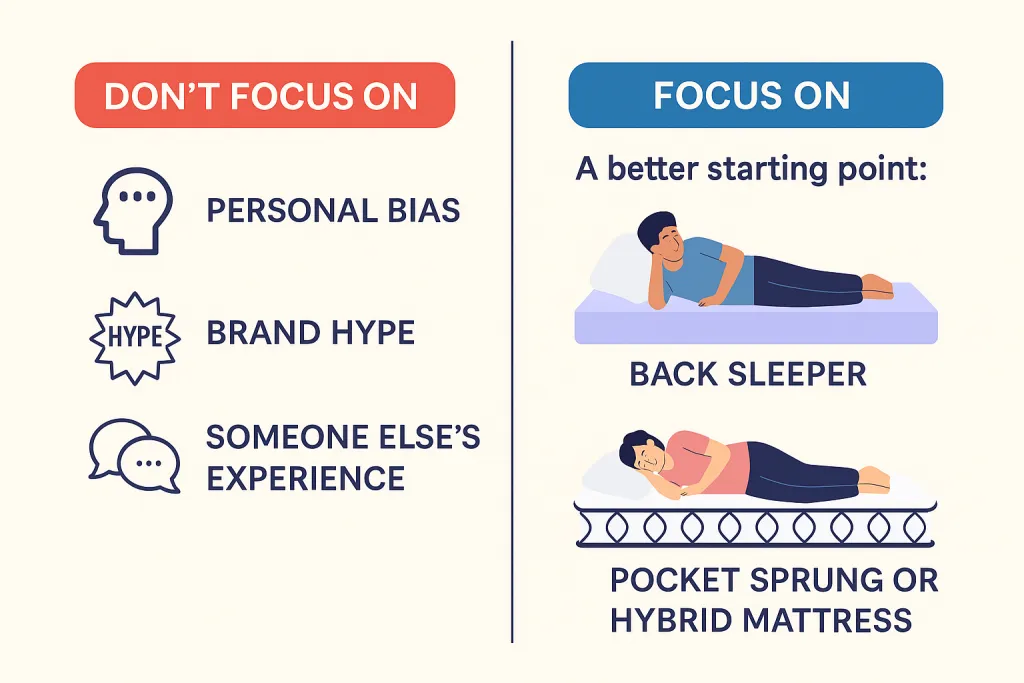
We tend to choose a mattress based on personal bias, brand hype, or someone else’s experience, but that’s not the right way. You shouldn’t pick a mattress based on whether you “love or hate” a certain feel. Instead, approach it with a neutral mindset and focus on your sleeping position and body type.

Here’s a better starting point:

  • If you’re a back sleeper, a foam mattress should be your first consideration. It offers even spinal support and adapts well to the natural curve of your back.
  • If you’re a side sleeper (whether on your right or left), then a pocket sprung or hybrid mattress is typically more suitable. These offer better pressure relief for your shoulders and hips while still supporting your spine.

Once you’ve figured out the right type of mattress for your sleep position, then you can narrow down details like firmness, materials, and extras. The key is to match the mattress to your body’s needs, not just your personal preferences.

Think About Your and Your Partner’s Weight

Once you’ve figured out the right type of mattress based on your sleeping position, the next big question is:

“What firmness level should I choose?”

And here’s where it gets tricky again.

Some people love the feeling of sinking into a soft, cloud-like bed, while others swear by the firmest mattress they can find something that feels like sleeping on a rock (and yes, that’s not an exaggeration!).

But here’s the truth:

Your personal preference isn’t the only thing that matters, your body weight plays a major role, and so does age. As we grow older or our weight changes, what felt “perfect” a few years ago might not feel so great anymore.

That’s why it’s important to match mattress firmness to your body type, not just your comfort preferences.

Here’s a general guide:

  • Lightweight sleepers (under 60 kg) You should consider a soft to medium-soft mattress. Softer beds allow lighter bodies to sink in just enough for proper pressure relief without floating on the surface.
  • Average build (60–90 kg) A medium-firm mattress is usually ideal. It balances support and contouring, keeping your spine aligned while cushioning your joints.
  • Heavier build (over 95 kg) A firm or extra-firm mattress is recommended. Firmer surfaces provide the support needed to prevent sagging and keep your spine aligned over time.

Final Tip:

Your preferences will evolve, but your body’s support needs remain consistent. Choose firmness based on your current weight and sleeping needs, and you’ll sleep more comfortably and wake up without aches or pains. if you are looking for best mattress for side sleeper and do not have any king of pain in shoulder and hip pain.

This in-depth guide will explore:

  • How shoulder and hip pain develop in side sleepers
  • How a mattress can help or worsen the pain
  • How to tell if your mattress is the root of the problem
  • What features to look for in the best mattress for side sleepers with shoulder and hip pain

How Shoulder and Hip Pain Develop in Side Sleepers

Side sleeping is one of the most common and generally healthiest sleep positions. It can improve breathing, digestion, and even circulation. However, it places more concentrated pressure on your shoulders and hips than back or stomach sleeping. Over time, if the mattress doesn’t properly cushion and align your body, pain can develop.

Shoulder Pain: Why It Happens

When you sleep on your side, your entire upper body weight rests on one shoulder, especially if your mattress is too firm or doesn’t contour to the body. This can lead to:

  • Impingement of the rotator cuff The shoulder has a delicate network of tendons and muscles. Lying on it without support compresses the rotator cuff, leading to pain, stiffness, or numbness.
  • Lack of contouring A mattress that’s too firm doesn’t allow the shoulder to “sink in,” creating unnatural angles at the joint. This strains the muscles and restricts blood flow.
  • Nerve compression Lying directly on your shoulder joint can compress nerves under the clavicle, especially on a hard surface, leading to tingling or aching.

Hip Pain: Why It Happens

The hips are another pressure-intensive area for side sleepers. Hip pain usually stems from:

  • Uneven weight distribution The hips carry much of the body’s mass. Without enough cushioning, the side of the hip presses into the mattress and gets irritated overnight.
  • Poor spinal alignment If your mattress sinks too much at the hips or not enough at the shoulders, your spine can arch unnaturally, putting strain on the lower back and hips.
  • Arthritis or bursitis Pre-existing conditions are worsened by pressure buildup or awkward positioning caused by a non-supportive mattress.

How a Mattress Can Help with Shoulder and Hip Pain

The right mattress acts as a therapeutic surface that balances comfort and support. For side sleepers with pain, a good mattress should:

1. Relieve Pressure Points

A mattress with pressure-relieving materials like memory foam or latex allows your shoulders and hips to sink in slightly while supporting the rest of your body. This reduces direct stress on joints.

2. Align the Spine

Spinal alignment is crucial. Your spine should maintain a straight, neutral position while sleeping on your side. A mattress that’s too soft may let the hips sink, curving your back; too firm, and your shoulders can’t sink enough, causing a tilt.
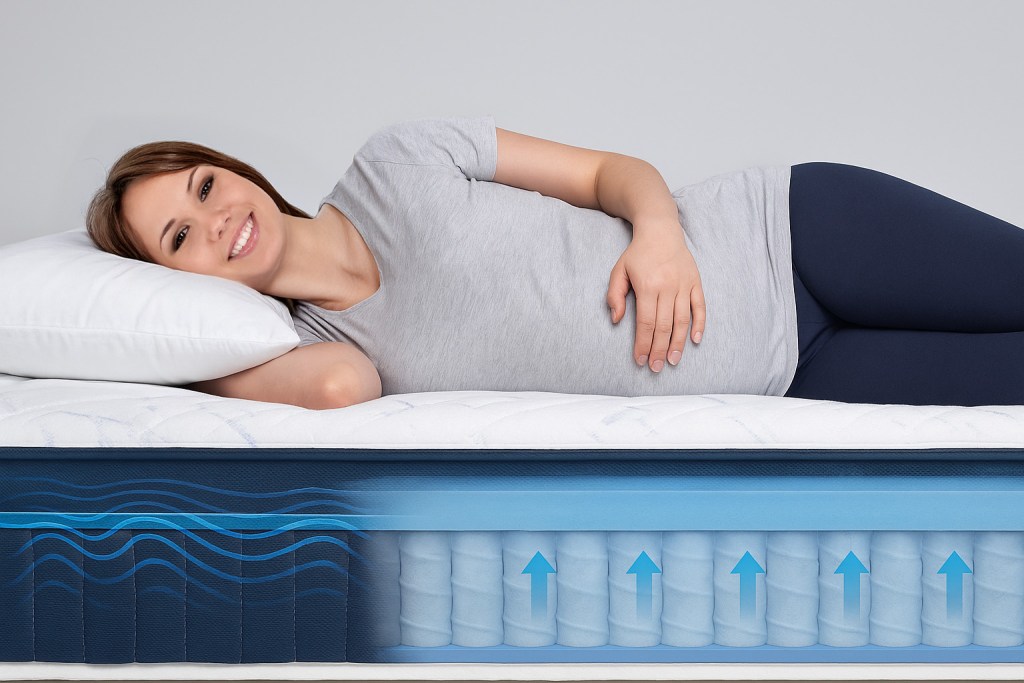
3. Support Body Curves

Side sleepers have a natural “S” shape. The mattress needs to cradle that curve—not flatten it. Zoned support (firmer in the middle, softer at shoulders and knees) can help achieve this balance.

How a Mattress Can Help with Shoulder and Hip Pain

The right mattress acts as a therapeutic surface that balances comfort and support. For side sleepers with pain, a good mattress should:

1. Relieve Pressure Points

A mattress with pressure-relieving materials like memory foam or latex allows your shoulders and hips to sink in slightly while supporting the rest of your body. This reduces direct stress on joints.

2. Align the Spine

Spinal alignment is crucial. Your spine should maintain a straight, neutral position while sleeping on your side. A mattress that’s too soft may let the hips sink, curving your back; too firm, and your shoulders can’t sink enough, causing a tilt.
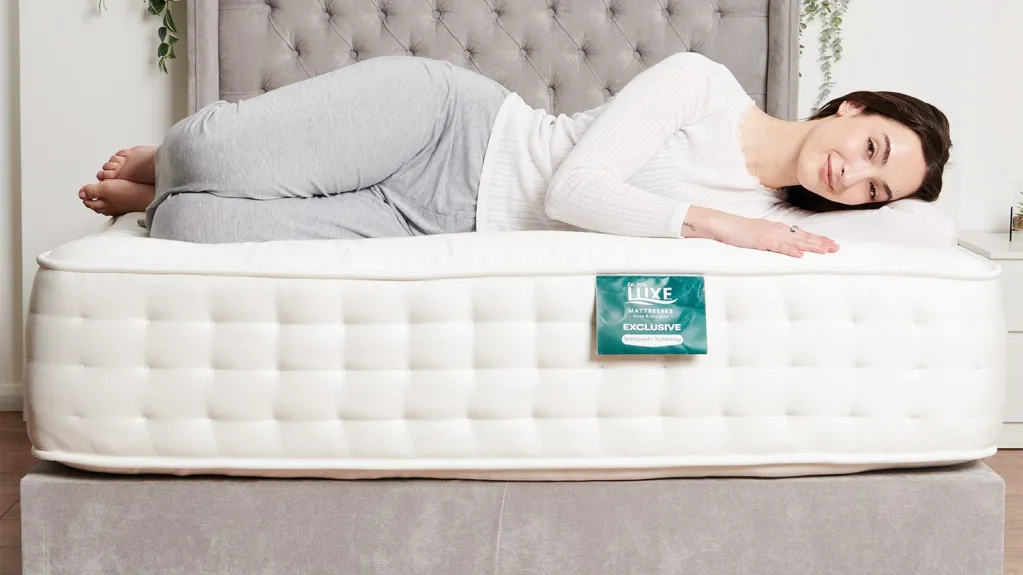
enhanced spine alignment

3. Support Body Curves

Side sleepers have a natural “S” shape. The mattress needs to cradle that curve not flatten it. Zoned support (firmer in the middle, softer at shoulders and knees) can help achieve this balance.

What to Look for in a Mattress for Shoulder and Hip Pain

Choosing the right mattress is essential. Here’s what side sleepers with pain should prioritize:

1. Medium to Medium-Soft Firmness

  • Why it matters: Side sleepers need enough softness to allow the shoulder and hip to sink, but enough firmness to prevent spine misalignment.
  • Tip: Avoid “ultra-soft” beds unless you’re lightweight (<130 lbs) or have extreme pressure sensitivity.

2. Pressure Relief Layers

  • Look for memory foam, latex, or gel-infused foam in the top layer. These materials distribute weight evenly and reduce pressure buildup.
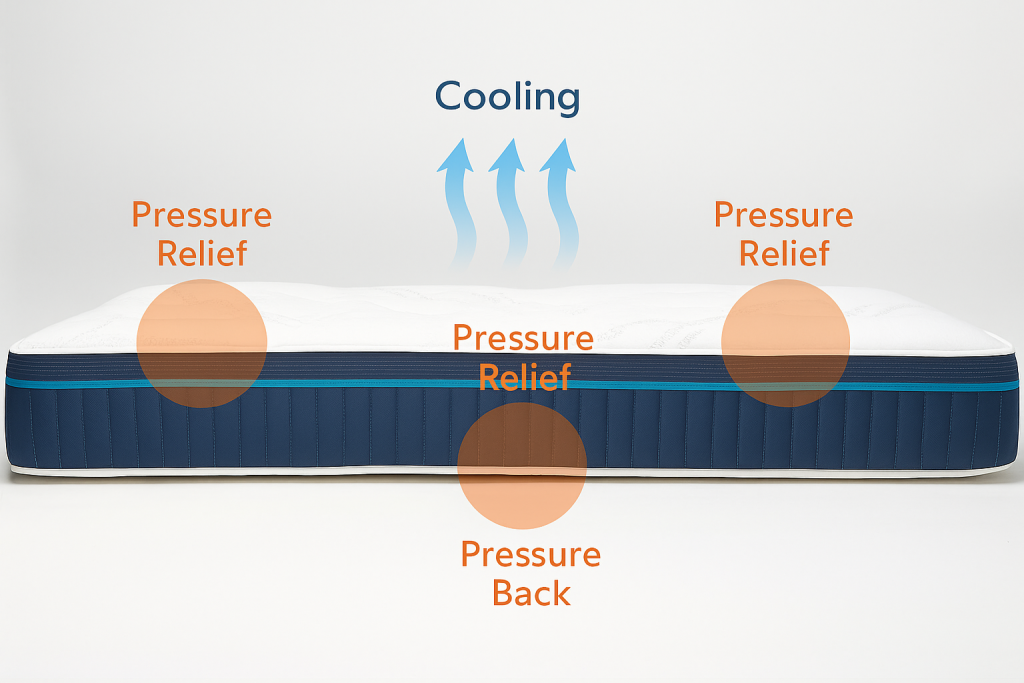
what to look for in mattress for side sleepers

3. Zoned Support

  • Some high-end mattresses have “zoned” construction:
    • Softer at the shoulders
    • Firmer at the hips and lumbar
  • This helps cradle side sleepers and maintain neutral alignment.

4. Responsiveness

  • Responsive mattresses adjust quickly to your movements, which is helpful if you frequently switch sides. Latex and hybrid models often excel here.

5. Edge Support

  • Good edge support ensures the mattress holds up when you sleep near the edges—a plus for couples or restless sleepers.

6. Cooling Features

  • Memory foam tends to trap heat, which can inflame joint pain.
  • Look for mattresses with:
    • Gel or copper infusions
    • Breathable covers
    • Open-cell foam or air channels

7. Trial Period and Warranty

  • Always choose a mattress with a generous trial period (90–365 days). This allows time to test its effect on your pain.
  • A warranty of 10+ years also reflects product quality.

Mattress Types Compared for Shoulder & Hip Pain

Choosing the right mattress can dramatically improve shoulder and hip pain especially for side sleepers. Here’s a breakdown of the most common mattress types, their pros and cons, and who they’re best suited for.

Memory Foam Mattress

Best for: Light to average-weight side sleepers with sensitive pressure points

  • Pros:
    • Exceptional pressure relief
    • Contours to your body’s shape for personalized support
  • Cons:
    • May trap heat unless infused with cooling gel
    • Can feel “stuck” or too soft for heavier sleepers or combination sleepers

Ideal if you want a mattress that hugs your body and cushions your shoulders and hips without pushing back.

Latex Mattress

Best for: Eco-conscious sleepers or those who want a balance between contour and bounce

  • Pros:
    • Naturally responsive and pressure-relieving
    • Sleeps cooler than memory foam
    • Long-lasting and made from sustainable materials
  • Cons:
    • Heavier and harder to move
    • Generally more expensive than other types

Great if you like a buoyant, breathable sleep surface that still eases joint pressure.

Hybrid Mattress (Foam + Pocket Springs)

Best for: Heavier individuals and side sleepers needing deep support and durability

  • Pros:
    • Combines the comfort of foam with the support of coils
    • Better airflow than all-foam mattresses
    • Offers targeted pressure relief and spinal alignment
  • Cons:
    • Can be bulkier and more expensive
    • May not contour as deeply as pure foam options

Perfect for those needing more lift, bounce, and breathability, especially if you experience hip sinking on softer mattresses.

Innerspring Mattress

  • Pros:
    • Affordable and widely available
    • Very breathable thanks to open coil structure
  • Cons:
    • Lacks pressure relief on its own
    • Can feel too firm or uneven without a topper

Best for: Budget-conscious shoppers looking for a firmer, more traditional feel

Note: Not typically recommended for shoulder and hip pain unless paired with a plush mattress topper for added cushioning.

Additional Tips for Side Sleepers with Pain

1. Use the Right Pillow

Your pillow should fill the space between your head and mattress to keep your neck aligned. A pillow that’s too thin or thick can cause shoulder and neck strain, try to buy customisable pillow, so you can adjust the firmness accordingly.

2. Add a Mattress Topper

If your mattress is too firm but not ready to replace, a pressure-relieving topper (2–3 inches) can reduce joint pain affordably.

3. Try a Body Pillow or Knee Pillow

These help keep your hips, knees, and spine aligned by preventing you from twisting during sleep.

4. Switch Sides Regularly

Alternate your sleeping side each night to avoid stressing one shoulder and hip consistently.

Conclusion: Your Mattress Matters More Than You Think

If you’re a side sleeper struggling with shoulder and hip pain, don’t overlook your mattress as the cause. Pain that begins in the morning and lingers throughout the day can often be traced back to inadequate support or poor pressure relief.

By understanding how pain forms and choosing a mattress designed specifically for your body’s needs, you can wake up feeling refreshed instead of sore. Look for features like medium firmness, pressure-relieving top layers, and targeted support zones and don’t forget to test it with a trial period.

Sleep should be your sanctuary. Make sure your mattress is part of the healing, not the hurting.
Product has been added to your cart