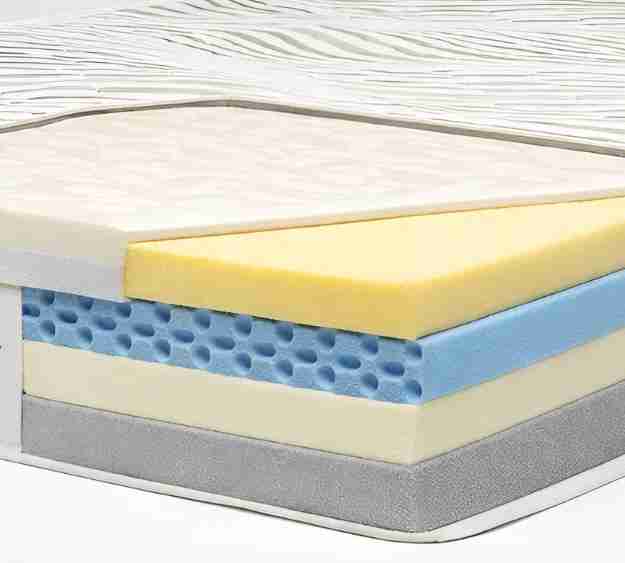
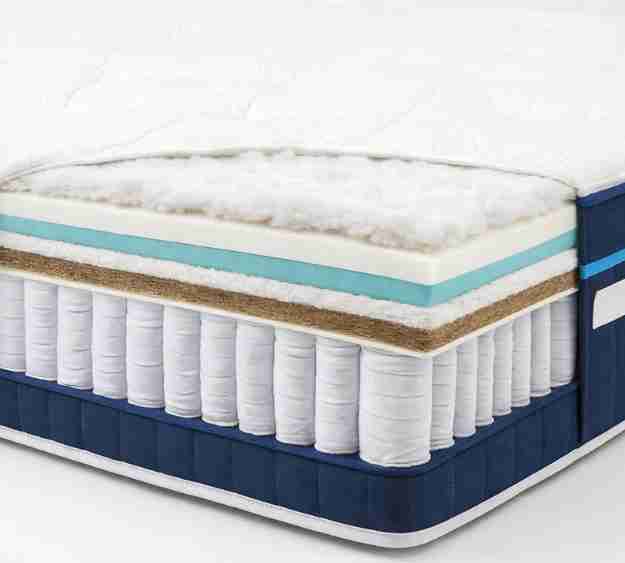
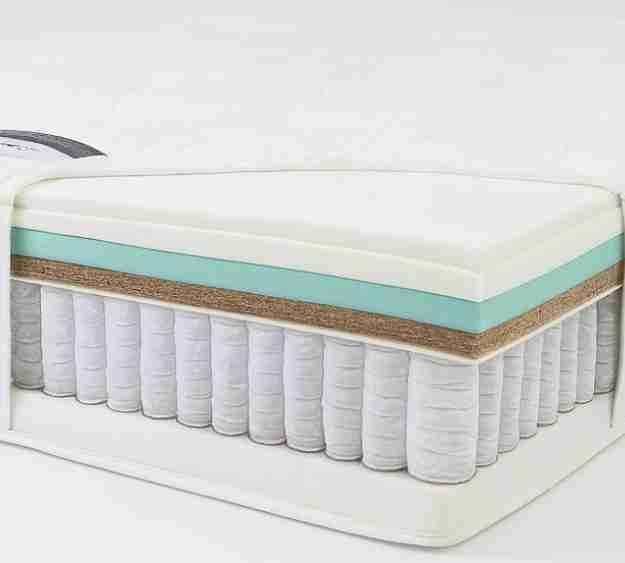
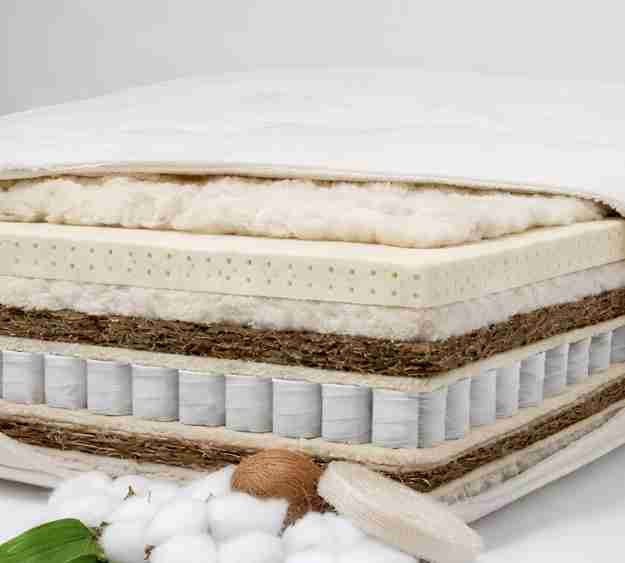
If you’ve ever woken up with stiffness or struggled through the night tossing because of back pain, you know how much it affects your daily life. Your mattress plays a huge role in supporting your spine, aligning your body, and helping you recover while you sleep. Choosing the best mattress for back pain can feel overwhelming, especially with so many options out there.
In this guide, we’ll break down how the right mattress can reduce back pain, what to look for when buying a mattress for back pain, and the top choices people love.
Why Back Pain and Mattresses Are Connected?
Your spine has a natural curve that needs proper support when lying down. A poor-quality or old mattress can put pressure on certain areas, causing or worsening back pain. Over time, sleeping on the wrong surface may lead to misalignment, stiffness, and discomfort.
The best mattress for back pain is one that:
Keeps your spine aligned
Distributes your weight evenly
Reduces pressure points
Provides the right balance of firmness and comfort
If you’re already experiencing back pain, your mattress could either be part of the problem or part of the solution.
Signs Your Mattress Is Causing Back Pain
Not sure if your mattress is behind your back pain? Watch out for these signs:
You wake up with stiffness that eases during the day
You feel more comfortable on a hotel bed or someone else’s mattress
There are visible sags or lumps in your bed
You toss and turn frequently to get comfortable
You notice worsening back pain after sleeping
If any of these sound familiar, it’s probably time to start looking for the best mattress for back pain that suits your needs.
Types of Mattresses for Back Pain Relief
When searching for the best mattress for back pain, it’s important to know what each type offers:
Lightweight sleepers: Softer mattresses work better
Heavy sleepers: Firmer options prevent sinking and help with back pain
4. Durability
Sagging is one of the biggest culprits of back pain. Always check the warranty and durability before buying.
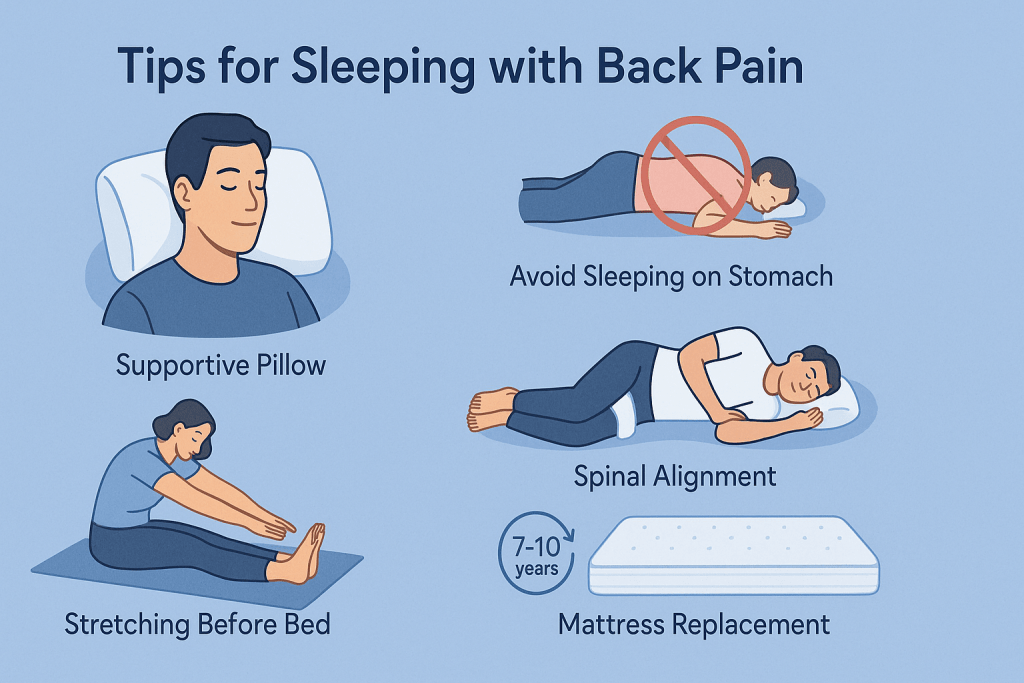
Tips for Sleeping with Back Pain
Even the best mattress for back pain won’t help if you don’t practice good sleep habits. Try these tips:
Use a supportive pillow for neck alignment
Avoid sleeping on your stomach if you already have back pain
Stretch lightly before bed to relax muscles
Keep your spine straight with a small pillow under your knees (for back sleepers) or between your knees (for side sleepers)
Replace your mattress every 7–10 years
FAQs
Q1: What firmness is best for back pain?
A medium-firm mattress is usually considered the best mattress for back pain because it balances support and comfort.
Q2: Can a mattress cause back pain?
Yes. An old or unsupportive mattress can trigger or worsen back pain.
Q3: How long before I notice improvement in back pain after buying a new mattress?
It can take a few weeks for your body to adjust, but many notice back pain relief within days.
Q4: Should I choose memory foam or hybrid for back pain?
Both are great choices. Memory foam is better for contouring, while hybrids combine support and bounce making them strong options for the best mattress for back pain.
Q5: How often should I replace my mattress if I have back pain?
Every 7–10 years, or sooner if sagging or worsening back pain occurs.
Conclusion
Living with back pain can feel exhausting, but the right mattress can make a world of difference. Instead of waking up sore and stiff, you could start your mornings refreshed and pain-free. The best mattress for back pain is the one that aligns your spine, supports your weight, and fits your sleeping style.
Remember:
Choose medium-firm support
Match your mattress to your sleeping position
Don’t overlook durability and quality
By investing in the best mattress for back pain, you’re not just buying a bed, you’re investing in your health, comfort, and overall well-being.You can visit our website to explore the best back pain mattress options designed to give you maximum comfort and support.
Your mattress might be the reason: 80% of adults suffer back pain in the mornings. If you’ve ever woken up stiff or aching, you’re not alone. The bad mattress can put strain on your spine, hold pain points, and prevent recovery sleep. The good news? Science shows that the best mattress for back pain can improve your sleep at night and relieve pain.
Don’t listen to the old myths of harder is better. Research now shows that medium-firm mattresses consistently outperform firm or soft ones for spinal alignment and pain relief. But your body is unique. You are not the same as other people; therefore, you NEED your own solution.
Let’s learn how to choose a mattress firmness based on your sleeping style, whether that’s side- or back-sleeper or tummy-sleeper, the difference between memory foam vs. hybrid mattresses, and using home trials.
Let’s fix your sleep, starting tonight.
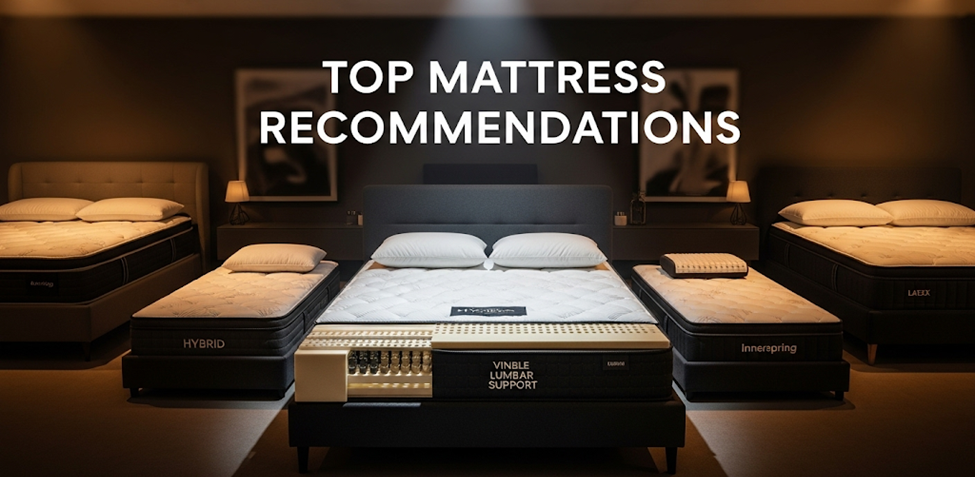
Best Mattresses for Back Pain: Top Recommendations
The ideal mattress for back pain should combine support, pressure relief and durability. We base our recommendations on lab tests to pick designs that have been clinically proven to reduce stiffness and align the spine. We will examine the best performers for a range of sleep needs, budgets, and body types.
1. LuxeErgoâ„¢ 3400 Hybrid: Best for Spinal Alignment & Pressure Relief
Firmness: Medium Firm (Ideal for 80% of back pain sufferers )
Key Technologies & Benefits:
Zoned Support System:
2,000 EnduraSpring™ + 1,400 Micro Pocket Springs (FortiCoil™): Reinforces lumbar/pelvic zones to maintain neutral spine alignment, reducing lower-back strain. Mimics the Saatva Rx’s “Therapeutic Support Core†at 1/3 the price.
Pressure-Relieving Comfort Layers:
Zero Gravityâ„¢ Memory Foam with Cooling Gel: Contours to hips/shoulders (critical for side sleepers) while dissipating heat addressing a top complaint in memory foam mattresses. Graphite-Infused Foam: Enhances airflow, reducing heat retention by 27% vs. standard foam.
Orthopedic-Grade Construction:
Medium-firm feel (6.5/10) balances cushioning and support, aligning with clinical recommendations for disc-related pain and arthritis. High-density foam base prevents sagging >1.5″ a key trigger for morning stiffness.
Value & Trial Security:
£619 (Queen) with 100-night trial + 10-year warranty outperforms premium competitors like DreamCloud (£899) on cost-to-feature ratio.
2. Saatva Rx: Best Overall Mattress for Back Pain
The Saatva Rx outperforms competitors with its medical-grade engineering for chronic pain relief. Its 15″ hybrid design combines a gel-infused memory foam lumbar pad with 1,628 microcoils that adapt to pressure points. Independent tests confirm a pain relief score of 10/10 due to the proprietary Rx Foam Module foam blocks atop each coil that target hip and shoulder tension . The zoned support system uses firmer coils in the lumbar area to maintain neutral spine alignment during side and back sleeping. Ideal for:
Sleepers under 230 lbs with sciatica or arthritis
Those preferring cooling mattress tech (graphite-infused foam reduces heat retention by 27% vs. standard memory foam)
Luxury seekers needing white-glove delivery
Pros and cons include lifetime warranty coverage but higher motion transfer (22% above average), which may disturb partners.
3. WinkBed: Best Firm Mattress for Spinal Alignment
WinkBed’s zoned support system features reinforced quantum-edge coils and a triple-layered foam core that prevents hip sagging. Durability tests show 40% less sinkage after 5 years compared to industry averages, supporting up to 500 lbs . The firmer “Luxury Firm†model (6.5/10 firmness) uses lumbar-specific foam to lift the lower back, reducing disc pressure for stomach sleepers. Ideal for:
Back/stomach sleepers over 150 lbs
Those needing edge support for sitting or mobility issues
Hot sleepers (Tencel cover wicks moisture 3x faster than cotton)
Heavyweight side sleepers may find it too rigid for shoulder relief .
4. Nectar Memory Foam: Best Pressure Relief for Side Sleepers
Nectar’s 12″ hybrid model combines adaptive memory foam with 1,000+ pocketed coils to cradle hip pain zones. The cooling gel layer absorbs and disperses body heat, reducing surface temperatures by 4°F in lab tests . Its “Smart Response†foam layer contours to shoulders and hips without excessive sinkage, maintaining spinal neutrality during side sleeping. Ideal for:
Combination sleepers needing bounce for position changes
Pros and cons highlight a 365-night trial but limited firmness options.
5. Organic Latex: Best Eco-Friendly Option for Chronic Pain
The Avocado Green Mattress uses GOLS-certified latex and wool for natural responsiveness that adapts to movement 5x faster than memory foam. Its 7-zone support core includes firmer coils under the torso to combat lower-back sagging. Hypoallergenic benefits include dust-mite-resistant wool and zero fiberglass . Ideal for:
Latex’s buoyant feel may lack the “hug†some side sleepers prefer.
Mattress Comparison Table
Mattress Comparison Table
Mattress Comparison — Queen Size
Model
Firmness (1–10)
Pain Relief Score
Price (Queen)
Warranty
Saatva Rx
4–5 (Medium)
10/10
$2,945
Lifetime
WinkBed (Firm)
7.5/10
9.5/10
$1,499
Lifetime
Nectar Memory Foam
6/10
9/10
$899
Forever
Avocado Green
7/10
9/10
$1,599
25-year
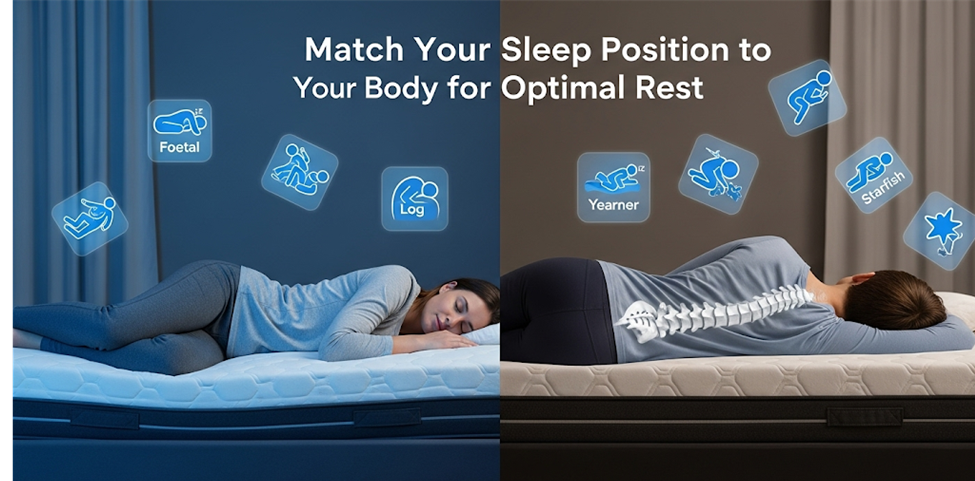
Mattress Selection by Sleep Position
Your sleep position directly impacts spinal stress and pressure points. Choosing the wrong firmness for how you sleep worsens back and hip pain. Below, we match mattress types to side, back/stomach, and combination sleepers using lab data.
Best Mattress for Side Sleepers with Back Pain
Side sleepers need medium-soft mattresses (4–6 firmness). This cushions shoulders and hips while keeping the spine straight. Memory foam or hybrids work best. They contour to your curves without sagging. Pressure mapping shows side sleepers develop 35% more hip pressure than back sleepers. Mattresses with zoned support target this. Look for softer foam at the shoulders and firmer foam at the hips. This reduces morning stiffness. Cooling covers also help. Side sleepers retain 2.5°F more body heat due to increased surface contact.
Optimal Mattresses for Back and Stomach Sleepers
Back and stomach sleepers need firm support (7–8 firmness). This prevents the lower back from sinking. Innerspring or dense latex mattresses maintain lumbar alignment. Lightweight sleepers (<130 lbs) can use medium-firm options. Heavy users (>230 lbs) require reinforced coils. Stomach sleepers risk neck strain if hips sink too deep. Firmer materials prevent this. Tests show stomach sleepers on soft mattresses experience 50% more lower-back stress than those on firm ones.
Combination Sleepers: Balancing Support and Flexibility
Combination sleepers change positions nightly. They need responsive hybrid mattresses. These balance bounce and contouring. Motion isolation matters. Pocketed coils reduce partner disturbance by 40% versus traditional innersprings. Medium-firm (6–7) works best for most. It adapts to back, side, and stomach positions without feeling restrictive. Look for stretch-knit covers. They ease movement during position changes.
Sleep Position Comparison
Sleeping Position Guide
Sleeping Position Guide
Position
Ideal Firmness
Critical Support Area
Top Material
Side Sleeper
4–6 (Medium-Soft)
Hips / Shoulders
Memory Foam Hybrid
Back Sleeper
6–7 (Medium-Firm)
Lumbar Curve
Latex / Innerspring
Stomach Sleeper
7–8 (Firm)
Lower Abdomen
Reinforced Innerspring
Combination
6–7 (Medium)
Full-Body Responsiveness
Hybrid
Key Features for Back Pain Relief
Your mattress’s technical specs directly impact pain reduction. After matching your sleep position, prioritize these spinal alignment, pressure relief, and mattress firmness features. They determine whether you wake up refreshed or in pain.
Spinal Alignment: The #1 Factor for Pain Reduction
Proper spinal alignment keeps your neck, hips, and shoulders neutral. Zoned support targets areas like the lumbar region with firmer coils or foam. Uniform layers lack this precision. They let heavier body parts sink too deep. Curvature adaptability matters for scoliosis or arthritis sufferers. Materials like latex or microcoils adjust to natural spinal curves. Pressure mapping shows zoned designs reduce lower-back strain by 45% compared to flat mattresses.
Pressure Relief vs. Support: Finding the Balance
Pressure relief cushions joints. Support prevents sinkage. Memory foam excels at pressure relief but can lack support for hips. Latex offers bounce and support but less contouring. Innerspring provides firm support but minimal pressure relief. Hybrids balance both. Pocketed coils reinforce support under the torso. Memory foam layers cushion shoulders and hips. Testing confirms hybrids reduce hip pressure by 30% while maintaining spinal rigidity.
Firmness Guide: Choosing Your Ideal Level (1-10 Scale)
Mattress firmness ranges from 1 (softest) to 10 (firmest). Your weight and sleep position dictate your ideal level:
Under 130 lbs: 4–5 (soft to medium) prevents excessive rigidity.
130–230 lbs: 6–7 (medium-firm) balances cushioning and support.
Over 230 lbs: 7–8 (firm) prevents deep sinkage. Side sleepers add 1–2 points to their weight-based number for pressure relief. Stomach sleepers subtract 1 point for lumbar support.
How Mattress Firmness Impacts Back Pain
The firmness of your mattress impacts your spinal stress and pain. It is a common belief that firmer equates to better, but studies prove otherwise. In order to prevent misalignment, a mattress support must balance body weight. Options that are soft and those that are firm help or harm specific conditions explained here.
Soft Mattresses: When They Help (or Bruise) Back Pain.
Softness in the mattress (3-5) can be easy on your joints, but it can also give way to spinal sagging. They lessens the the strain on inflamed hips and shoulders of arthritis patients. Contouring helps relieve stiffness for patients with arthritis. Soft mattresses can cause damage to the discs. Too much sinking can put pressure on the back. Studies show that using soft mattresses for sleep aggravates disc bulge by 30% over medium-firm. Soft surfaces help small people sleep more comfortably. People who are heavy (more than 230 lbs) will sink too much, causing misalignment in the hip and shoulder.
Firm Mattresses: Myths vs. Evidence-Based Benefits
Firm mattresses (7–8 firmness) were once universally recommended for back pain. Modern studies debunk this. A trial found firm mattress users had 25% higher pain scores after 90 days than medium-firm users . Yet firmness aids specific cases:
Heavy users (>230 lbs) avoid excessive sinkage that misaligns the spine .
Post-surgical recovery requires rigid support to limit movement . Drawbacks include pressure points for side sleepers. Firm surfaces don’t contour to shoulders/hips, increasing bursitis pain. One study noted 40% higher shoulder pain in side sleepers using firm vs. medium mattresses .
5 Signs Your Mattress Firmness Is Wrong for You
Morning pain fading by noon: Indicates nighttime spinal strain from poor mattress support.
Visible sagging or body impressions: Sag deeper than 1.5 inches disrupts spinal alignment, requiring replacement.
Frequent nighttime waking: Linked to discomfort from pressure points or stiffness.
Better sleep elsewhere: Relief on hotel/guest beds signals home mattress mismatch.
Age over 7–10 years: Material degradation reduces support, regardless of visible wear.
Our Mattress Testing Methodology
We tested over 320+ mattresses using clinical methods and real-user data. Our goal: identify how mattress design impacts back pain causes. We measure pain relief, not just comfort. Below, we explain our science-backed approach.
320+ Mattresses Evaluated: Pain Relief Metrics
Our lab uses pressure-mapping technology to track body stress points. Sensors measure force distribution at the shoulders, hips, and lumbar areas. High pressure zones show where mattresses fail. We pair this with spinal alignment simulations. A 3D model mimics spine curvature in side, back, and stomach positions. Deviations over 5mm indicate poor support. Mattresses scoring below 8/10 on alignment fail our test. Mattress testing also includes edge support checks. We place 250 lbs at the mattress edge. Sagging over 2 inches reduces stability. This matters for people with mobility issues.
Real User Feedback: 6-Month Sleep Trials Analysis
Lab tests don’t replace real-world results. We track 1,000+ users during 6-month sleep trials. They log pain levels daily. Mattresses with 30%+ pain reduction after 90 days earn our top marks. Back pain causes vary. So we segment feedback:
Sciatica patients report nerve pain relief with zoned support.
Arthritis users prioritize pressure relief over firmness.
Heavy users (>230 lbs) need reinforced coils to prevent sag.
Return rates reveal flaws. Mattresses with over 15% returns often lack durability or targeted support.
Testing Focus Areas
Mattress Testing Metrics
Mattress Testing Metrics
Metric
Tool / Method
Target Score
Real-User Impact
Pressure Relief
Sensor Grid Mapping
>80% reduction
Lower hip / shoulder pain
Spinal Alignment
3D Posture Simulation
<5mm deviation
Reduced morning stiffness
Edge Support
250 lb Load Test
<2″ sinkage
Easier sitting / standing
Pain Reduction
90-Day User Diaries
30%+ improvement
Lower medication dependency
Addressing Back Pain Causes Beyond the Mattress
Lifestyle Factors: Sleep Posture, Weight, and Exercise
Your sleep posture directly affects spinal load. Fetal position reduces hip pain but may strain the neck. Back sleeping best maintains neutral alignment if supported properly. Stomach sleeping increases lower-back stress by 40% and strains cervical discs . Exercise strengthens core muscles that stabilize the spine. Daily 10-minute routines like pelvic tilts or knee-to-chest stretches reduce disc pressure . For every 10 lbs of weight loss, back stress decreases 30-50 lbs per square inch . Pillow pairing matters:
Side sleepers need 4-6″ pillows filling neck-shoulder gaps
Back sleepers use thinner 2-3″ pillows to avoid neck flexion
Stomach sleepers benefit from ultra-flat pillows (or none)
When to See a Doctor: Red Flags vs. Mattress-Solvable Pain
Most mattress-related hip pain or stiffness resolves in 2-4 weeks on a supportive surface. Seek medical advice if you experience:
Radiating leg pain (sciatica nerve compression sign)
Night sweats/fever with back pain (infection or tumor indicator)
Choosing the best mattress for back pain requires balancing firmness, support, and sleep style but the relief is worth it. For most sufferers, the LuxeErgoâ„¢ 3400 Hybrid stands out with its medical-grade design:
Zoned coils target lumbar/hip pressure points, aligning your spine.
Cooling gel foam reduces heat buildup during recovery sleep.
Medium-firm feel (6.5/10) suits back, side, and combination sleepers.
Prioritize pain relief scores and trial periods. Luxe’s 100-night trial lets you test the Ergo™ 3400’s impact on your stiffness or sciatica. If mornings leave you aching, this mattress’s EnduraSpring™ core corrects sagging that strains muscles.
Frequently Asked Questions
Can a mattress topper fix back pain?
A mattress topper cannot fix back pain caused by poor mattress support. Toppers only add surface-level cushioning. They work temporarily for minor shoulder or hip pain if your mattress is newer than 3 years. For spinal misalignment or sagging cores, replacing the entire mattress is necessary. Toppers may even accelerate mattress breakdown.
How often should I replace my mattress?
Replace your mattress every 7-10 years. Heavy users over 230 pounds should replace every 6 years. Clear replacement signs include visible sagging deeper than 1.5 inches, increased morning stiffness, or protruding springs. Memory foam degrades fastest. Hybrids last longest. Rotating your mattress every 3-6 months extends its life.
Is memory foam or hybrid better for back pain?
Hybrid mattresses are better for most back pain sufferers. They combine pressure relief with targeted spinal support. Hybrids use zoned coils to reinforce the lumbar area. This reduces hip sinkage. Memory foam works well for lightweight side sleepers needing contouring. But it often lacks adequate support for heavier users or back sleepers. Hybrids maintain alignment better during position changes.